
Angelfish Tank Setup: From Bare Minimum to Planted Paradise

Welcome to Aquarium Mastery!
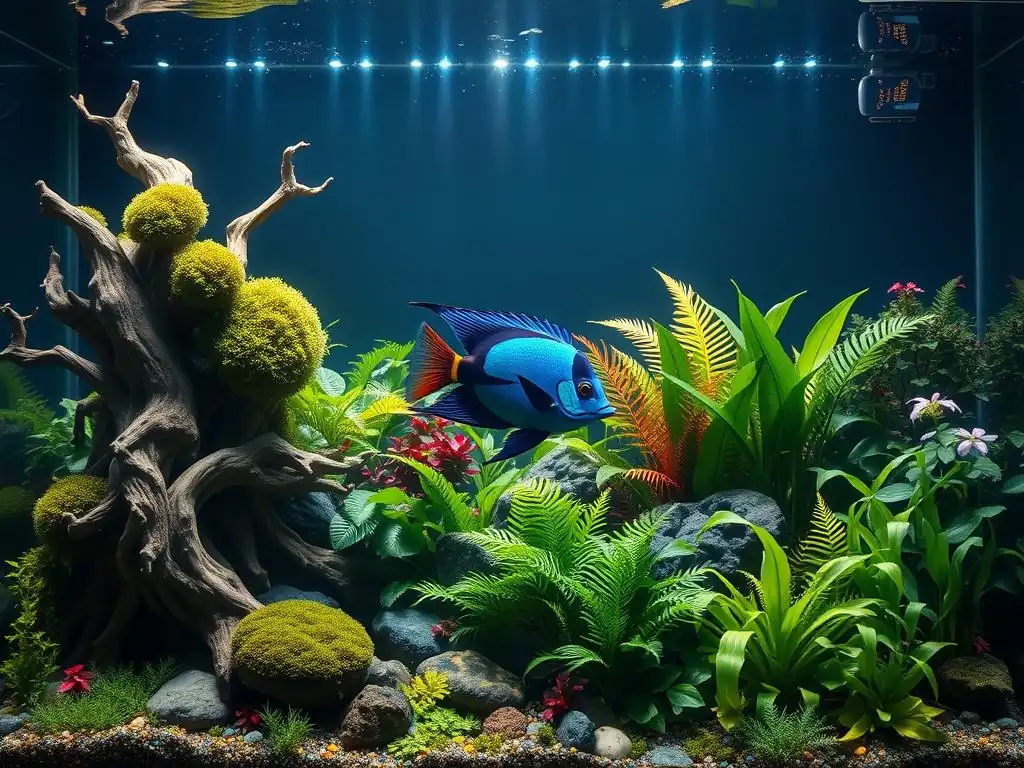
Ever wondered if your angelfish are truly living their best lives? This Angelfish Tank Setup Guide is your key to unlocking a thriving underwater paradise. We'll take you beyond the basics, revealing secrets to creating an environment where your angelfish not only survive, but flourish. Ready to transform your aquarium into a stunning, healthy habitat? Let's dive in!
- Angelfish Tank Setup Guide
- Choosing the Right Angelfish Tank
- Essential Equipment for a Thriving Angelfish Aquarium
- Angelfish Tank Setup: Step-by-Step Instructions
- Angelfish Tank Decor: Hardscape and Plant Selection
- Angelfish Tank Maintenance: Ensuring Long-Term Health
- Angelfish Tank Setup Ideas
- Troubleshooting Common Angelfish Tank Problems
- Creating the Ideal Angelfish Habitat
-
Frequently Asked Questions
- What is the minimum tank size recommended for Angelfish?
- What are the key water parameters to maintain for Angelfish?
- What type of filtration is best for an Angelfish tank?
- Can I keep Angelfish with live plants, and if so, which ones are suitable?
- What are some common tank mate options for Angelfish?
- Final Reflection: Cultivating Aquatic Harmony
- Dive Deeper: Create Your Angelfish Haven!
Angelfish Tank Setup Guide
Choosing the Right Angelfish Tank
Minimum Tank Size for Angelfish
A common misconception in the hobby is that Angelfish can thrive in relatively small aquariums. However, Angelfish (Pterophyllum scalare) are cichlids that can grow quite large, often reaching 6 inches (approximately 15 cm) in height and length, including their flowing fins. For a single Angelfish, a bare minimum of 20 gallons (approximately 75 liters) is sometimes cited, but this size is generally considered inadequate for a fully grown adult and can lead to stunted growth, increased aggression, and significant challenges in maintaining stable water parameters.
For a pair of Angelfish, a 30-gallon (approximately 113 liters) tank is a more realistic starting point, though still somewhat restrictive for long-term health, especially if they decide to breed. These elegant fish require ample vertical swimming space to fully develop their iconic finnage. Undersized tanks stress the fish, making them more susceptible to disease and leading to territorial disputes, particularly if multiple Angelfish are housed together.
Optimal Tank Dimensions for Angelfish
The optimal Angelfish tank setup prioritizes height due to their tall, disc-like bodies. A tank with a minimum height of 20 inches (approximately 50 cm) is highly recommended to allow their fins to fully extend without being cramped. For a small group of 3-5 Angelfish, which is often recommended to diffuse aggression (as they establish a pecking order), a 55-gallon (approximately 208 liters) tank is considered a good starting point. This size provides sufficient swimming room and helps minimize territorial conflicts.
For a larger community of Angelfish, or if you plan to keep them with other compatible species, a 75-gallon (approximately 284 liters) or even a 90-gallon (approximately 340 liters) tank offers superior conditions. These larger tanks provide greater water volume, which significantly aids in diluting waste products and maintaining more stable water parameters. This stability is crucial for the sensitive Angelfish and contributes greatly to a successful Angelfish tank setup guide, promoting their growth, color, and overall longevity. The increased footprint also allows for more elaborate aquascaping, providing essential hiding spots and visual barriers.
Essential Equipment for a Thriving Angelfish Aquarium
Angelfish Tank Filter: Selection and Setup
Filtration is paramount for maintaining pristine water quality in an Angelfish habitat. Angelfish are sensitive to fluctuations in water parameters and the accumulation of waste products, making robust filtration a non-negotiable component of any effective Angelfish tank setup guide. A comprehensive filtration system should incorporate mechanical, chemical, and biological filtration to effectively remove physical debris, dissolved pollutants, and convert harmful nitrogenous compounds.
Canister filters are frequently recommended for larger Angelfish tanks (55 gallons and up) due to their high capacity for various filter media and powerful flow rates, ensuring excellent water turnover. For smaller Angelfish aquariums (20-40 gallons), hang-on-back (HOB) filters can be sufficient, provided they are adequately rated for the tank volume and allow for multiple types of media. Sponge filters can also serve as supplementary biological filtration, particularly in breeding tanks where gentle flow is preferred.
Choosing the Right Filter
When selecting a filter for your Angelfish tank setup, consider the tank's gallonage and the filter's GPH (gallons per hour) rating. A general guideline is to choose a filter that can process the entire tank volume at least 4-6 times per hour. For instance, a 55-gallon tank would benefit from a filter rated at 220-330 GPH. Over-filtration is generally preferable to under-filtration for Angelfish, as it provides an added buffer against water quality issues.
Look for filters that are known for their reliability, ease of maintenance, and quiet operation. Reputable brands like Fluval, Eheim, and AquaClear offer a range of options suitable for Angelfish. Ensure the filter's intake flow is not too strong for smaller Angelfish or fry, potentially requiring a pre-filter sponge. The outflow should create gentle surface agitation without generating excessive current, as Angelfish prefer calm, slow-moving waters.
Filter Media
A well-designed Angelfish tank filter setup incorporates a strategic combination of media types. For mechanical filtration, use filter floss, sponges, or coarse pads to trap particulate matter such as uneaten food and fish waste. These mechanical media should be rinsed or replaced regularly, typically during weekly water changes, to prevent them from breaking down and contributing to nitrate levels.
Biological media, such as ceramic rings, bio-balls, or highly porous biomedia (e.g., Seachem Matrix), provides an extensive surface area for beneficial nitrifying bacteria to colonize. This bacterial colony is vital for the nitrogen cycle, converting toxic ammonia and nitrite into less harmful nitrate. Chemical media, like activated carbon, is excellent for purifying water by removing odors, discoloration, and dissolved organic compounds. Activated carbon typically needs to be replaced every 3-4 weeks as its adsorptive capacity becomes saturated.
Angelfish Tank Heater & Thermostat: Maintaining Ideal Temperatures
Angelfish are tropical fish originating from warm, slow-moving waters of the Amazon basin, and thus require stable, warm water temperatures. The ideal temperature range for an Angelfish tank setup is between 78-84°F (25.5-29°C). A reliable aquarium heater with an integrated or separate thermostat is absolutely essential to maintain this consistency. Fluctuations outside this range, even by a few degrees, can severely stress Angelfish, making them highly susceptible to common diseases like Ich.
For tanks up to 50 gallons, a single appropriately sized heater is usually sufficient. For larger tanks (e.g., 75 gallons or more), using two smaller heaters positioned at opposite ends of the tank can provide more even heat distribution and offers a crucial backup in case one unit fails. As a general guideline for wattage, aim for 3-5 watts per gallon of water.
For example, a 55-gallon tank might need a 200-250 watt heater, or alternatively, two 100-125 watt heaters. Always use a separate, accurate aquarium thermometer to independently verify the water temperature, rather than relying solely on the heater's setting.
Angelfish Tank Lighting: Balancing Aesthetics and Plant Growth
Lighting for an Angelfish tank setup serves two primary purposes: enhancing the visual appeal of your fish and supporting the growth of live plants, if you choose to include them. Angelfish themselves do not have specific lighting requirements beyond a regular day/night cycle, typically 10-12 hours of light per day, which can be managed with an inexpensive timer. However, proper lighting can significantly bring out their vibrant colors and contribute to a more natural and appealing ambiance within the Angelfish habitat.
For a fish-only Angelfish aquarium, a basic LED or fluorescent fixture providing moderate light intensity is perfectly adequate. If your goal is a heavily planted Angelfish tank setup, you will need more powerful and full-spectrum lighting to support vigorous plant photosynthesis. High-quality LED fixtures are often preferred for their energy efficiency, long lifespan (often 50,000 hours or more), and their ability to provide a full spectrum of light necessary for healthy plant growth.
LED Lighting
LED lighting has become the industry standard for modern Angelfish tank setups due to its versatility, energy efficiency, and low heat output. Many advanced LED fixtures offer adjustable intensity and customizable color spectrums, allowing you to fine-tune the light to meet the specific needs of your live plants and to highlight the distinct patterns and iridescence of your Angelfish. For low-light plants like Anubias, Java Fern, or Cryptocorynes, a fixture providing 10-20 PAR (Photosynthetically Active Radiation) at the substrate level is sufficient.
For medium to high-light demanding plants (e.g., Rotala, certain stem plants, or carpeting plants), you will need fixtures capable of delivering 30-50+ PAR at the substrate. Reputable brands such as Chihiros, Twinstar, and Fluval Plant Spectrum offer excellent options for planted Angelfish tanks. Always utilize an automatic timer to ensure consistent light cycles, which is beneficial for both fish and plants and is a critical step in preventing excessive algae growth.
Angelfish Tank Substrate: Choosing the Best Option
The substrate forms the base of your Angelfish tank setup, influencing water parameters, supporting plant growth, and contributing significantly to the overall aesthetic of the aquarium. For Angelfish, the primary consideration is that the substrate should be inert and not alter water chemistry significantly, especially pH, unless you are specifically aiming for a buffering effect. A dark-colored substrate is often recommended as it can help Angelfish feel more secure and can make their colors appear more vibrant by reducing reflected light.
The choice of substrate also heavily depends on whether you plan a planted Angelfish tank setup. Inert substrates like fine gravel or sand are perfectly suitable for fish-only tanks. For planted tanks, specialized nutrient-rich plant substrates or a nutrient-rich base layer capped with an inert top layer are highly beneficial. Regardless of your choice, ensure the substrate is thoroughly rinsed several times before adding it to the tank to remove any dust, debris, or fine particles that could cloud the water.
Gravel vs. Sand
Gravel: Common aquarium gravel, typically with a particle size of 2-5mm, is a popular and versatile choice for many Angelfish tank setups. It allows for good water circulation through the substrate, which helps prevent the formation of anaerobic pockets (areas without oxygen that can produce harmful gases). Gravel is also relatively easy to clean with a gravel vacuum during routine maintenance. However, if the gravel is too coarse, food and waste can accumulate within it, necessitating more diligent and frequent cleaning.
Sand: Fine sand, such as play sand, pool filter sand, or specialized aquarium sand, provides a natural aesthetic and is excellent for bottom-dwelling tank mates that enjoy sifting through the substrate, like Corydoras catfish. Sand is also well-suited for planted tanks, though deep sand beds can become anaerobic if not properly maintained.
When using sand in an Angelfish tank setup, ensure it's not so fine that it clogs filters, and consider a powerhead or gentle air stone to promote some circulation within the sand bed. Many aquarists report that Angelfish appear more relaxed and display better coloration on a sandy bottom, mimicking their natural riverine environments.
Angelfish Tank Setup: Step-by-Step Instructions
Preparing Your Angelfish Tank: Cleaning and Placement
Before commencing your Angelfish tank setup, thoroughly clean the aquarium. Use only plain water and a new, dedicated sponge or cloth. It is critically important to avoid any soaps, detergents, or chemical cleaners, as their residues can be highly toxic and lethal to fish. Rinse the tank multiple times to ensure no contaminants remain. Once clean, carefully consider and decide on its final placement within your home.
The tank must be placed on a sturdy, level aquarium stand specifically designed to support the immense weight of a full aquarium (for example, a 55-gallon tank filled with water, substrate, and decor can weigh over 500 lbs or approximately 227 kg). Choose a location away from direct sunlight to prevent excessive algae growth and away from drafts, heating vents, or air conditioning units that could cause rapid temperature fluctuations. Ensure there is easy access for ongoing maintenance and a conveniently located electrical outlet for all your equipment.
Installing Equipment
With the clean tank securely in its final position, begin installing the essential equipment for your Angelfish aquarium setup. Place the heater(s) horizontally near the bottom or vertically along the back wall, ensuring they are fully submerged according to the manufacturer's instructions. Position the filter intake and outflow pipes (for canister filters) or hang the HOB filter securely on the back rim of the tank. Always ensure all electrical cords have proper drip loops to prevent water from traveling down the cord and reaching electrical outlets, which is a significant safety measure.
If you plan a planted Angelfish tank setup, install any air stones, air pumps, or CO2 diffusers at this stage. It is crucial not to plug in any electrical equipment until the tank is completely filled with water. Double-check all connections, hoses, and ensure everything is securely in place before proceeding to the next step. This meticulous approach ensures both a safe and highly effective Angelfish tank setup.
Adding Substrate and Hardscape
After the initial equipment installation, proceed to add your chosen substrate. If using gravel, add it gradually, ensuring an even layer of approximately 2-3 inches (5-7.5 cm) across the bottom of the tank. For fine sand, add it slowly to minimize dust clouds and subsequent cloudiness. If you are creating a planted Angelfish tank setup, lay down any nutrient-rich plant substrate first, then cap it with an inert layer of gravel or sand to prevent the nutrient layer from leaching into the water column.
Now, carefully arrange your hardscape elements, such as rocks and driftwood. These elements are not just for aesthetics; they are crucial for creating territories, providing essential hiding spots, and adding structural interest to your Angelfish habitat. Ensure that all rocks are stable and won't tumble or shift, and that driftwood has been pre-soaked for several days to weeks to prevent excessive tannins from staining the water and to ensure it sinks. Always leave ample open swimming space, particularly in the middle and upper levels of the tank, which Angelfish predominantly occupy.
Cycling Your Angelfish Tank
Tank cycling is arguably the most critical and non-negotiable step in any Angelfish tank setup guide. It involves establishing a robust colony of beneficial bacteria that are essential for converting highly toxic ammonia and nitrite into less harmful nitrate. This vital biological process typically takes 4-8 weeks to complete and must be fully established before introducing any fish. Rushing this stage, often referred to as "new tank syndrome," invariably leads to severe stress, illness, and often the loss of your fish.
You can cycle your Angelfish tank using a "fishless" method, which is highly recommended. This involves adding a small amount of pure ammonia (ensure it contains no surfactants or perfumes) or by adding a pinch of fish food daily to decompose and produce ammonia. Monitor ammonia, nitrite, and nitrate levels daily using a high-quality liquid test kit.
Ammonia and nitrite levels should first peak, then gradually drop to zero, while nitrate levels will steadily rise. Once both ammonia and nitrite consistently read zero for several consecutive days, and you detect some nitrate, your Angelfish tank setup is biologically mature and ready for fish.
The Nitrogen Cycle
The nitrogen cycle is the fundamental biological process that naturally purifies water in an aquarium, converting harmful waste products into less toxic forms. Fish waste, uneaten food, and decaying plant matter break down, primarily releasing ammonia (NH3/NH4+), which is highly toxic to fish even at low concentrations. A specific group of nitrifying bacteria, primarily Nitrosomonas species, colonize filter media and surfaces, converting this ammonia into nitrite (NO2-), which is also extremely toxic.
A second group of beneficial bacteria, typically Nitrobacter or Nitrospira species, then converts the nitrite into nitrate (NO3-). Nitrate is significantly less toxic than ammonia or nitrite and can be safely accumulated in the aquarium to a certain extent. It is primarily removed through regular partial water changes and absorbed by live plants. Understanding and successfully completing this natural cycle is the absolute cornerstone of a healthy, stable Angelfish tank setup and is essential for long-term success in fish keeping.
Introducing Angelfish: Acclimation
Once your Angelfish tank setup is fully cycled, and all water parameters are stable and within acceptable ranges, you can safely introduce your Angelfish. Proper acclimation is a crucial step to minimize stress on the fish caused by sudden changes in water temperature and chemistry. Begin by floating the sealed bag containing the Angelfish in your tank for 15-20 minutes. This allows the water temperature in the bag to gradually equalize with the temperature of your aquarium water.
After temperature acclimation, carefully open the bag and begin slowly adding small amounts of your tank water to the bag over a period of 30-60 minutes. A drip acclimation method, where tank water is slowly siphoned into the bag using airline tubing and a knot or valve to control the flow, is ideal. Aim to at least double the water volume in the bag twice.
This gradual process allows the fish to slowly adjust to your tank's specific water parameters (pH, hardness). Once acclimated, gently net the Angelfish from the bag and release them into the tank, discarding the bag water to avoid introducing any potential pathogens. Keep the tank lights off for a few hours after introduction to further reduce stress on the newly arrived fish.
Angelfish Tank Decor: Hardscape and Plant Selection
Suitable Hardscape
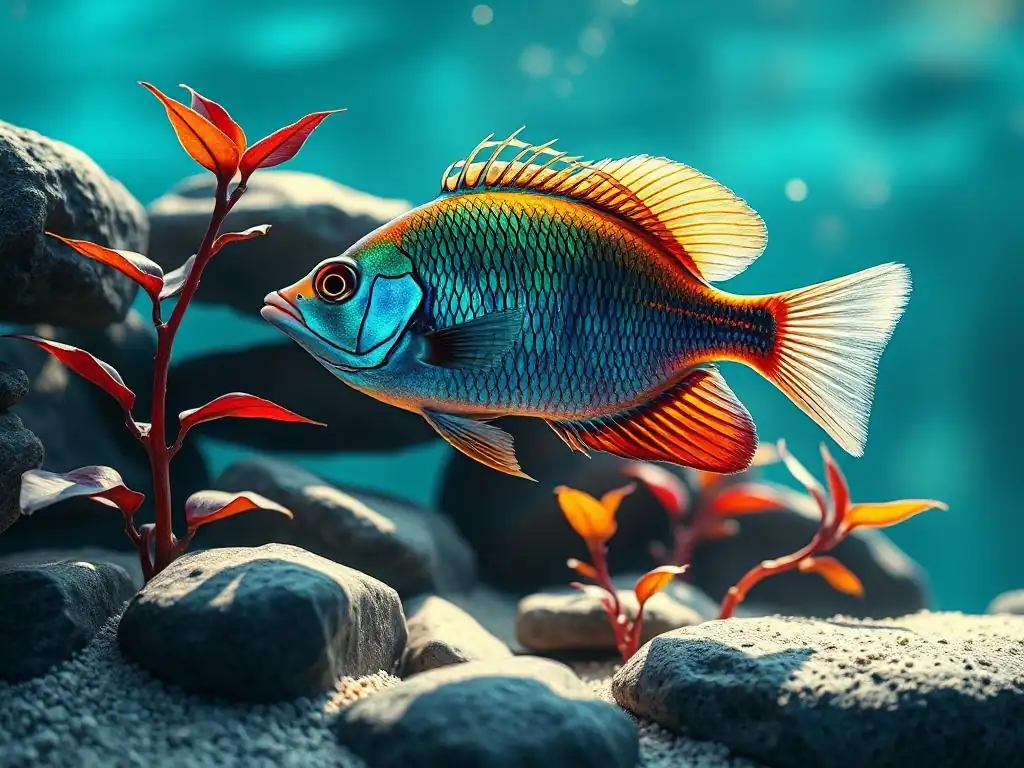
Hardscape elements such as driftwood and rocks are not merely decorative; they are vital components of a functional Angelfish tank setup. Tall, intricate pieces of driftwood that reach near the water surface are particularly beneficial as Angelfish naturally enjoy navigating through vertical structures. These elements provide psychological security, offer essential hiding spots, and can act as visual barriers to diffuse aggression, especially among multiple Angelfish establishing territories.
Popular and safe choices include Mopani wood, Malaysian driftwood, and cholla wood. Always ensure any wood is aquarium-safe and has been thoroughly pre-soaked and scrubbed to minimize tannins and prevent it from floating.
Smooth, non-porous rocks, such as polished river stones, slate, or basalt, can also be incorporated to create caves, crevices, or defined territorial boundaries. Avoid any rocks with sharp edges or jagged surfaces that could potentially injure the delicate fins of Angelfish. It is paramount to ensure that any hardscape is stably placed and will not shift or collapse, and that it will not leach harmful substances into the water. Boiling driftwood can accelerate the release of tannins (which can slightly lower pH and tint the water amber, mimicking natural blackwater conditions) and sanitize it effectively.
Best Plants for Angelfish Tanks
Live plants are highly recommended for any Angelfish tank setup. They significantly improve water quality by absorbing nitrates, provide natural hiding spots and security, reduce stress levels in the fish, and contribute to a more natural and aesthetically pleasing environment. Angelfish particularly appreciate tall, broad-leafed plants that offer ample cover and shade, closely mimicking their native Amazonian habitat where they often hide among dense vegetation.
Excellent plant choices for an Angelfish aquarium include various Swords (e.g., Amazon Sword, Melon Sword, Red Flame Sword), Cryptocorynes (e.g., Crypt. wendtii, Crypt. spiralis), Anubias species (e.g., Anubias barteri, Anubias nana, Anubias coffeefolia), Java Fern, and tall stem plants like Valisneria or Hornwort. When selecting plants, always consider their specific lighting and nutrient requirements relative to your Angelfish tank setup. It is crucial to properly quarantine or thoroughly clean new plants before introduction to avoid introducing pests (like snails) or diseases into your established aquarium.
Planted Tank Setup: CO2 Injection and Fertilization
For a truly lush, high-tech planted Angelfish tank setup, carbon dioxide (CO2) injection is often necessary to provide carbon, a crucial macro-nutrient for robust and rapid plant growth. Systems range from pressurized CO2 tanks with precise regulators and diffusers to more economical DIY CO2 setups. Maintaining proper CO2 levels (typically around 20-30 ppm, monitored with a drop checker) promotes vigorous plant growth, allowing plants to effectively outcompete algae for available nutrients. However, it is vital to monitor CO2 levels carefully, as excessive CO2 can rapidly lower pH and stress fish, so a consistent level is key.
In addition to CO2, a comprehensive fertilization regimen is vital for a thriving planted Angelfish habitat. This includes both macro-nutrients (Nitrogen, Phosphorus, Potassium - NPK) and essential micro-nutrients (such as Iron, Manganese, Boron, and Zinc). Liquid fertilizers like Seachem Flourish, Easy Green, or a complete all-in-one solution provide these elements directly into the water column. For heavy root feeders like Amazon Swords, root tabs can be strategically placed beneath the substrate. Regular dosing and vigilant monitoring of plant health are crucial for the success of a high-tech planted Angelfish tank setup.
Low-Tech Planted Options
If you prefer a simpler Angelfish tank setup without the complexities and additional equipment of CO2 injection or extensive fertilization, many beautiful and resilient low-tech plant options are available. These plants thrive in moderate lighting and can obtain most of their required nutrients directly from the water column or a standard inert substrate without the need for supplemental CO2. This makes them an ideal choice for beginners or those seeking a less demanding, yet still aesthetically pleasing, Angelfish aquarium setup.
Excellent low-tech plant choices include various Anubias species, Java Fern (Microsorum pteropus), Java Moss (Taxiphyllum barbieri), most Cryptocoryne species (often called "Crypts"), and different types of Bucephalandra. These plants are incredibly hardy and resilient. Many can be easily attached to driftwood or rocks using fishing line or super glue, or simply tucked into the substrate. While their growth may be slower compared to high-tech setups, these low-maintenance plants contribute significantly to water quality, provide natural cover, and enhance the overall natural look of your Angelfish tank setup.
Angelfish Tank Maintenance: Ensuring Long-Term Health
Water Changes
Regular partial water changes are the cornerstone of long-term health and stability in any Angelfish tank setup. They are essential for replenishing vital minerals, removing accumulated nitrates (the end product of the nitrogen cycle), and diluting any dissolved organic compounds that can build up over time, which can otherwise lead to poor water quality and stress. For a well-stocked Angelfish tank, a 25-30% partial water change weekly is generally recommended to maintain optimal conditions.
Always use a high-quality dechlorinator or water conditioner to neutralize chlorine, chloramines, and heavy metals present in tap water before adding it to your aquarium. It is also crucial to ensure the new water is temperature-matched to the tank water (within 1-2 degrees Fahrenheit) to prevent thermal shock, which can severely stress Angelfish and make them susceptible to diseases like Ich. Consistency in performing water changes is far more important than the exact percentage, as it helps maintain stable water parameters, which is vital for the sensitive Angelfish.
Testing Water Parameters: Ammonia, Nitrite, Nitrate, pH
Regular testing of water parameters is a non-negotiable aspect of monitoring the health and stability of your Angelfish tank setup. A liquid-based master test kit (e.g., API Freshwater Master Test Kit) is highly recommended over less accurate test strips for precise readings. Key parameters to monitor are Ammonia (should always be 0 ppm), Nitrite (should always be 0 ppm), and Nitrate (ideally below 20 ppm, and certainly below 40 ppm).
pH is another important parameter; Angelfish generally prefer slightly acidic to neutral water, with a pH range of 6.0-7.5. While stability is often more important than a specific number, drastic fluctuations can be detrimental. Testing your water weekly or bi-weekly allows you to identify potential issues with the nitrogen cycle or water chemistry early on, enabling you to take corrective action promptly. This proactive approach ensures the continued success and health of your Angelfish tank setup guide.
Cleaning the Angelfish Tank: Algae Control and Substrate Vacuuming
Beyond regular water changes, routine physical cleaning is vital for both an aesthetically pleasing and healthy Angelfish tank setup. Algae that grows on the aquarium glass can be easily removed with an aquarium magnet cleaner or a dedicated scraper. For persistent or excessive algae growth, it is crucial to review your lighting duration and intensity, as well as your tank's nutrient levels. Any dead or decaying plant matter should be removed promptly to prevent its decomposition from contributing to ammonia spikes.
Substrate vacuuming should be performed thoroughly during each partial water change to remove trapped detritus, uneaten food, and fish waste. For gravel substrates, use a gravel vacuum to siphon out water while agitating the gravel to lift trapped debris. For sand substrates, hover the vacuum just above the surface to lift debris without sucking up too much sand. Regular substrate cleaning prevents the buildup of harmful organic compounds and significantly contributes to the overall water quality in your Angelfish habitat.
Angelfish Tank Stocking: Choosing Compatible Tank Mates
When planning your Angelfish tank setup, careful consideration of stocking levels and the selection of compatible tank mates is essential. Angelfish can be semi-aggressive, particularly when breeding or when housed in overcrowded conditions, and their long, flowing fins can be tempting targets for known fin-nippers. Overstocking can lead to increased aggression, poor water quality, and chronic stress for all inhabitants. While a general rule of thumb for smaller fish is one inch of fish per gallon, Angelfish require more space due to their vertical growth and territorial nature.
Compatible tank mates for Angelfish are typically peaceful, medium-sized fish that won't nip fins or be small enough to be viewed as food. Good choices often include Corydoras catfish, Bristlenose Plecos, larger peaceful tetras (such as Black Skirt Tetras, Congo Tetras, or Lemon Tetras – avoid small, notoriously nippy tetras like Neon Tetras for adult Angelfish), peaceful gouramis, and various Rainbowfish species. Avoid very small fish, overly aggressive cichlids, or any species known for fin-nipping to ensure a harmonious Angelfish tank setup. Always introduce new fish slowly and diligently monitor their interactions.
Angelfish Tank Setup Ideas
Community Angelfish Tank Setup
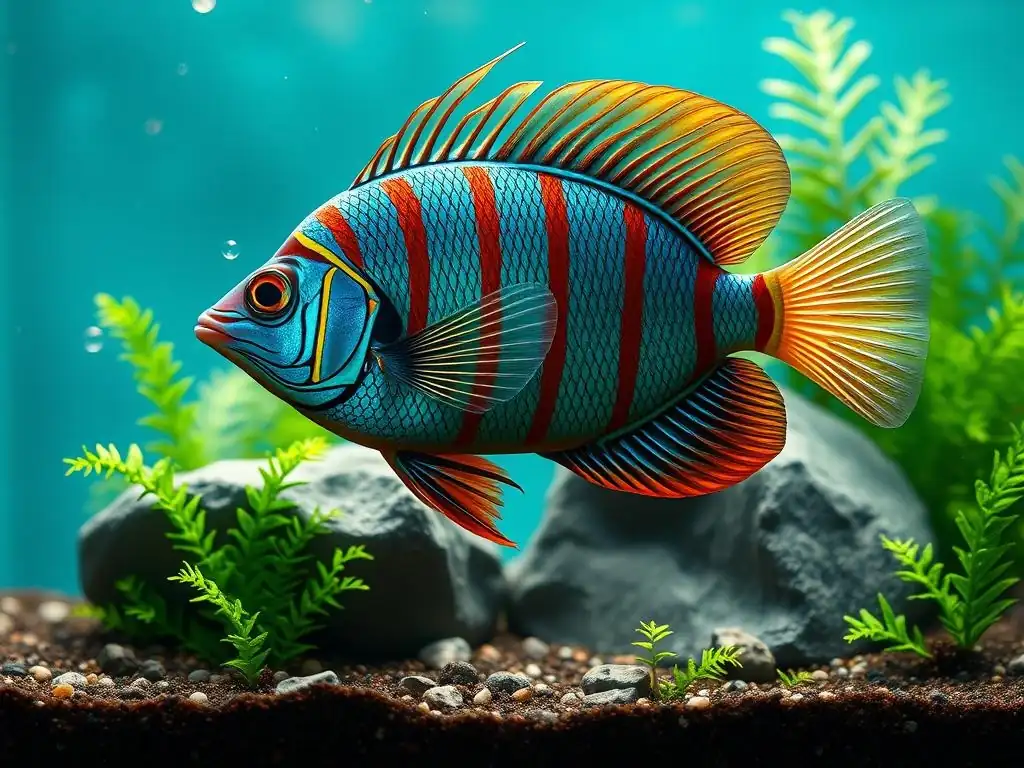
A community Angelfish tank setup aims to house Angelfish alongside other compatible species, creating a vibrant, diverse, and engaging aquatic ecosystem. For this type of setup, a larger tank is highly recommended, ideally 75 gallons (approximately 284 liters) or more, to provide ample space for multiple fish and effectively diffuse any potential territorial disputes. The aquascape should incorporate plenty of tall plants and vertical driftwood to offer cover and break up lines of sight, mimicking the complex structures found in a natural Angelfish habitat.
A typical stocking example for a 75-gallon community Angelfish tank might include 4-6 Angelfish, a schooling group of 8-12 Congo Tetras, 6-8 Corydoras catfish for the bottom, and a single Bristlenose Pleco for algae control. Ensure robust filtration (e.g., a powerful canister filter like an FX4 or FX6 for a 75-gallon tank) and consistent weekly 25-30% water changes to manage the bioload. The lighting should be moderate to support common community plants such as Amazon Swords and Java Fern. This type of Angelfish tank setup offers a dynamic and visually stunning display.
Planted Angelfish Tank Setup
A planted Angelfish tank setup elevates the aquarium to a living piece of art while simultaneously providing an incredibly natural, beneficial, and stimulating environment for your Angelfish. This setup typically involves a nutrient-rich substrate, higher intensity lighting (e.g., a high-PAR LED fixture like a Twinstar 600EA), and often includes CO2 injection along with a comprehensive liquid fertilization regimen to promote lush plant growth. Tall, leafy plants such as various Amazon Sword species, Valisneria, and dense background stem plants create a beautiful, natural jungle feel that Angelfish adore and thrive in.
For a 55-gallon planted Angelfish tank, you might comfortably house 3-4 Angelfish, focusing on their health and growth within a dense plant scape. Consider a species-only Angelfish setup or add a small school of peaceful bottom dwellers like Kuhli Loaches or a few Otocinclus catfish for algae control. The vibrant green of the plants contrasts beautifully with the elegant colors and patterns of the Angelfish. Regular trimming, cleaning, and maintenance are key to keeping a planted Angelfish tank setup looking its best and preventing plant decay from negatively impacting water quality.
Troubleshooting Common Angelfish Tank Problems
Cloudy Water
Cloudy water in an Angelfish tank setup is a common issue with several potential causes, each requiring a different approach. A milky or hazy cloudiness often indicates a bacterial bloom, which occurs when beneficial bacteria rapidly multiply, typically in a new tank undergoing the nitrogen cycle or after a significant disturbance (e.g., overfeeding, power outage, filter cleaning). This type of cloudiness is usually harmless and resolves on its own within a few days to a week with good filtration and reduced feeding.
Green cloudy water, however, points to an algae bloom caused by an excess of light and/or nutrients. Solutions for green water include reducing light duration (to 8-10 hours per day), performing a complete blackout (covering the tank for 3-4 days to starve the algae of light), increasing the frequency and volume of water changes, and significantly reducing feeding. Ensure your Angelfish tank setup has adequate filtration, and consider adding fast-growing live plants to outcompete algae for available nutrients. Persistent cloudiness might indicate poor mechanical filtration or insufficient water changes.
Algae Blooms
Algae blooms are a frequent nuisance in Angelfish tank setups and are a clear signal of an imbalance in the aquarium ecosystem. Common types encountered include green spot algae, hair algae, and black beard algae. The primary underlying causes are usually too much light (either intensity or duration), excess nutrients (originating from overfeeding, insufficient water changes, or too many fish), or a lack of nutrient uptake by live plants.
To effectively combat algae in your Angelfish habitat, first, try to identify the specific type of algae to understand its particular triggers. Reduce your lighting period to 8-10 hours per day. Increase the frequency and volume of your water changes (e.g., 30-40% twice a week) to significantly reduce nitrates and phosphates.
Ensure you are not overfeeding your fish, and consider adding appropriate algae-eating tank mates like Otocinclus catfish or Amano shrimp (if compatible with your Angelfish). Manual removal with a scraper or brush during maintenance is also essential. A balanced Angelfish tank setup with healthy, thriving plant growth is ultimately the best long-term defense against problematic algae.
Angelfish Diseases: Prevention and Treatment
While a robust and well-maintained Angelfish tank setup significantly reduces the risk of disease, Angelfish can still fall ill, often due to stress from poor water quality, improper temperatures, or aggression from tank mates. Common diseases include Ich (Ichthyophthirius multifiliis, characterized by small white spots resembling salt grains), Fin Rot (frayed or decaying fins), and Hole-in-the-Head disease (pitting and lesions on the head and lateral line). Prevention is always superior to treatment: consistently maintain stable water parameters, feed a varied and high-quality diet, and avoid overcrowding.
If disease symptoms appear, prompt action is crucial. If possible, isolate affected fish in a separate hospital tank to prevent spread and allow for targeted treatment. For Ich, gradually raise the temperature to 82-84°F (28-29°C) and add aquarium salt, or use an Ich-specific medication strictly following package instructions.
For Fin Rot, immediately improve water quality with daily small water changes and use an antibacterial medication. Hole-in-the-Head is often linked to poor water quality, nutritional deficiencies, and stress; address these underlying issues and use a metronidazole-based treatment. Always thoroughly research the specific disease and its recommended treatment before administering any medication to your Angelfish tank setup.
Creating the Ideal Angelfish Habitat
Creating an ideal Angelfish habitat is a truly rewarding endeavor that combines careful planning, appropriate equipment selection, and diligent, consistent maintenance. From selecting an adequately sized tank (with a minimum height of 20 inches for adult Angelfish) to establishing a robust and mature nitrogen cycle, every single step detailed in this Angelfish tank setup guide contributes significantly to the long-term health, vibrancy, and natural beauty of these magnificent cichlids. Prioritizing stable water parameters, adhering to a consistent feeding schedule with high-quality foods, and choosing well-matched, peaceful tank mates will ensure your Angelfish not only survive but truly thrive.
Whether you opt for a simpler, elegant fish-only Angelfish aquarium or embark on the journey of creating a lush, densely planted Angelfish tank setup, the fundamental key is to replicate their natural Amazonian environment as closely as possible. This means providing ample vertical swimming spaces, incorporating tall plants, and utilizing vertical driftwood structures that offer both psychological security and visual stimulation.
By diligently following these comprehensive guidelines for your Angelfish tank setup, you will not only prevent many common problems but also create a captivating and harmonious aquatic display that allows your Angelfish to exhibit their full beauty and natural behaviors for many years to come. This commitment to proper care truly embodies the spirit of a successful Angelfish tank setup guide.
Frequently Asked Questions
What is the minimum tank size recommended for Angelfish?
The absolute bare minimum for a single Angelfish is a 20-gallon high tank. However, a 30-gallon or larger tank is highly recommended, especially for a pair or community tank.
What are the key water parameters to maintain for Angelfish?
Angelfish thrive in slightly acidic water with a pH between 6.0 and 7.0. Maintaining a stable temperature between 78°F and 84°F is also crucial for their health.
What type of filtration is best for an Angelfish tank?
A powerful filter that provides both mechanical and biological filtration is essential. Canister filters are often preferred for larger tanks housing Angelfish.
Can I keep Angelfish with live plants, and if so, which ones are suitable?
Yes, Angelfish can be kept with live plants! Hardy plants like Java Fern, Anubias, and Amazon Swords are excellent choices as they are less likely to be eaten or uprooted.
What are some common tank mate options for Angelfish?
Good tank mates include peaceful community fish like Tetras, Corydoras Catfish, and certain types of Rasboras. Avoid fin-nipping species and overly aggressive fish.
Final Reflection: Cultivating Aquatic Harmony
The journey from a bare-bones aquarium to a thriving planted paradise for angelfish highlights more than just the technical aspects of tank setup; it underscores the profound connection between environment and well-being. Understanding the specific needs of these majestic creatures, and meticulously crafting a habitat that caters to those needs, is not merely a hobby, but a responsibility we undertake when bringing them into our care.
This exploration into angelfish tank setup has profoundly influenced my perspective on responsible fishkeeping. It's a constant reminder that our actions directly impact the lives of these delicate beings, and that a little extra effort can make a world of difference. The greatness of a nation and its moral progress can be judged by the way its animals are treated.
- Mahatma Gandhi. This quote resonates deeply, extending beyond terrestrial animals to encompass the aquatic life we choose to share our homes with.
As you embark on your own angelfish keeping journey, I encourage you to reflect on the principles outlined in this guide. Consider not just the minimum requirements, but the potential for creating a truly enriching environment for your fish. By embracing a holistic approach, prioritizing their well-being, and continuously learning and adapting, you can transform your aquarium into a vibrant ecosystem where angelfish thrive and captivate for years to come.
Dive Deeper: Create Your Angelfish Haven!
Thanks for exploring the fascinating world of Angelfish tank setups! We hope you’ve gained valuable insights to create the perfect environment for these majestic creatures. Now, let’s translate that knowledge into action!
Here are a few ways you can take the next step:
- Boldly embark on upgrading your current tank setup, focusing on incorporating at least one live plant and exploring natural driftwood to mimic their natural habitat.
- Share this article with fellow aquarium enthusiasts eager to learn more about optimal Angelfish care.
- Surprise us: what's one unexpected element (plant, decor, or fish species) you’d consider adding to an Angelfish tank to enhance its biotope and why?