
Mastering SPS: Key Differences & Advanced Care Secrets for Acros, Montis, & Birdsnests

Welcome to Aquarium Mastery!
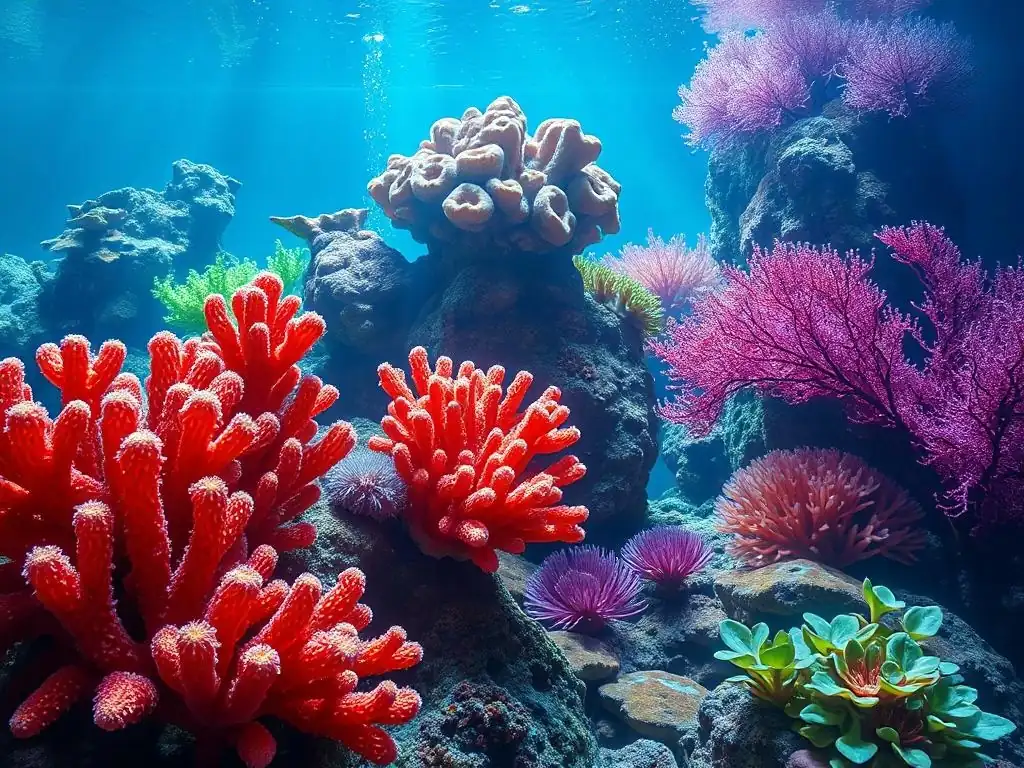
Ready to unlock the secrets to vibrant and thriving SPS corals? SPS coral advanced care can seem daunting, but understanding the nuances is key. Dive into our in-depth guide and discover the essential differences between Acropora, Montipora, and Birdsnest corals, along with proven strategies to elevate your SPS reef tank to the next level. Curious to know how to keep your Acros happy? Read on to find out!
- Understanding SPS Corals: An Introduction to Advanced Care
- Key Differences Between Acropora, Montipora, and Seriatopora Corals
- Advanced Care Parameters for Thriving SPS Corals
- Advanced Feeding Strategies for SPS Corals
- Preventing and Treating Common SPS Coral Problems
- Fragging and Propagation of SPS Corals
- Advanced Tips for Achieving Vibrant Colors in SPS Corals
- Troubleshooting Common SPS Coral Care Challenges
-
Frequently Asked Questions
- How are SPS corals different from other types of corals?
- What are the key water parameters to monitor for SPS coral health?
- What kind of lighting is best suited for SPS corals like Acropora?
- How important is water flow for SPS coral growth and health?
- What are some common signs of stress or illness in SPS corals?
- Final Reflection: Unlocking the Secrets of SPS Thriving
- Ignite Your SPS Reef: Take Control Now!
Understanding SPS Corals: An Introduction to Advanced Care
What are SPS Corals and Why is Advanced Care Important?
Small Polyp Stony (SPS) corals, encompassing a vast array of species like Acropora, Montipora, and Seriatopora, are highly sought after by advanced aquarists for their vibrant colors and intricate growth forms. Unlike their LPS (Large Polyp Stony) or soft coral counterparts, SPS corals are characterized by their small polyps and hard, calcified skeletons, which they build rapidly.
This rapid calcification, coupled with their specific physiological needs, makes their long-term health and vibrant coloration heavily dependent on precise and stable environmental conditions. Mastering SPS coral advanced care is not merely about survival; it's about fostering thriving, colorful colonies that become the centerpiece of a reef aquarium.
The intricate demands of SPS corals necessitate a deep understanding of water chemistry, lighting, and flow dynamics. Minor fluctuations in key parameters can quickly lead to stress, tissue loss, or bleaching, making consistent monitoring and proactive adjustments paramount. For instance, maintaining stable alkalinity within a narrow range, typically 7-9 dKH, is far more critical for SPS than for many other coral types, as it directly impacts their ability to build their calcium carbonate skeletons. This delicate balance elevates SPS coral advanced care from routine maintenance to a dedicated, scientific endeavor.
Identifying Common SPS Coral Types: Acropora, Montipora, and Seriatopora (Birdsnest)
Within the diverse group of SPS corals, Acropora, Montipora, and Seriatopora (commonly known as Birdsnest) are among the most popular and iconic species cultivated in home aquariums. Each genus exhibits distinct growth patterns, coloration, and subtle variations in their care requirements, making them unique challenges and rewards for the dedicated aquarist. While all fall under the umbrella of SPS coral advanced care, understanding their individual nuances is key to their success.
Acropora, often considered the pinnacle of SPS keeping, are renowned for their highly branched, plating, or tabling structures and an astonishing array of colors, from deep blues and purples to vibrant greens and reds. Montipora corals, while also calcifying, typically display encrusting, plating, or less intricate branching forms, often with a velvety texture due to their polyps. Seriatopora, or Birdsnest corals, are characterized by their delicate, often intertwining branches, resembling a bird's nest, and are known for their relatively faster growth compared to some Acropora species.
Key Differences Between Acropora, Montipora, and Seriatopora Corals
Acropora: Demands and Unique Characteristics
Acropora corals are often regarded as the most challenging yet rewarding SPS corals to maintain, primarily due to their exceptionally high demands for stable water parameters, intense lighting, and turbulent flow. Their intricate skeletal structures and diverse growth forms, which can range from delicate branching (e.g., Acropora millepora) to robust plating (e.g., Acropora hyacinthus), require pristine water quality to prevent tissue recession or growth stunting.
Maintaining consistent alkalinity, calcium, and magnesium levels is paramount; even slight deviations can trigger stress responses. For example, a sudden drop in alkalinity from 8.5 dKH to 7.0 dKH over a few days can lead to rapid tissue necrosis (RTN) in sensitive Acropora species.
Beyond water chemistry, Acropora thrive under high Photosynthetically Active Radiation (PAR) levels, often requiring between 300 to 450 PAR at the coral's surface, depending on the species and desired coloration. They also demand strong, chaotic flow to prevent detritus accumulation and facilitate nutrient uptake, often needing multiple powerheads creating cross-currents. Their sensitivity to nitrates and phosphates is also pronounced; levels above 5 ppm for nitrates and 0.05 ppm for phosphates can inhibit growth and dull their vibrant colors, making ultra-low nutrient systems (ULNS) a common strategy for advanced Acropora keepers focused on SPS coral advanced care.
Montipora: Variations and Specific Needs
Montipora corals, while still requiring excellent water quality, are generally considered more forgiving than Acropora, making them an excellent stepping stone for aquarists venturing into SPS coral advanced care. They exhibit a wide range of growth forms, including encrusting ( Montipora digitata), plating ( Montipora capricornis), and branching ( Montipora setosa), each with unique aesthetic appeals. Their polyps often give them a fuzzy or velvety appearance, and they come in a stunning array of colors, including bright oranges, reds, greens, and blues.
While Montipora tolerate slightly higher nutrient levels than Acropora, maintaining nitrates below 10 ppm and phosphates below 0.1 ppm is still advisable for optimal health and coloration. Their lighting requirements are also substantial, typically thriving in PAR ranges of 200-350, slightly less intense than many Acropora. Flow should be strong but can be less turbulent than what Acropora demands, focusing on ensuring all surfaces receive adequate water movement to prevent dead spots. Plating Montipora, in particular, benefit from laminar flow across their large surfaces to prevent detritus accumulation and promote uniform growth.
Seriatopora (Birdsnest): Growth and Environmental Preferences
Seriatopora, commonly known as Birdsnest corals, are distinguished by their delicate, intricate branching structures that often intertwine, resembling their namesake. Species like Seriatopora hystrix and Seriatopora caliendrum are popular for their relatively fast growth rates and striking color variations, including pink, green, and purple. They are generally considered less demanding than Acropora but require diligent SPS coral advanced care to maintain their delicate branches and vibrant hues.
Birdsnest corals prefer moderate to high lighting, typically thriving in PAR ranges between 200-300. While they appreciate strong flow, it should be less turbulent and more consistent than what Acropora prefer, as excessive chaotic flow can damage their fragile branches. Ensuring constant, yet not overly aggressive, water movement is crucial for nutrient delivery and waste removal, preventing detritus from settling within their dense branching structures. They are sensitive to rapid parameter swings, similar to other SPS, emphasizing the need for stability in alkalinity (7-9 dKH), calcium (400-450 ppm), and magnesium (1300-1400 ppm) for optimal growth and health.
Advanced Care Parameters for Thriving SPS Corals
Optimizing Water Chemistry for SPS Growth
Maintaining Alkalinity, Calcium, and Magnesium Balance
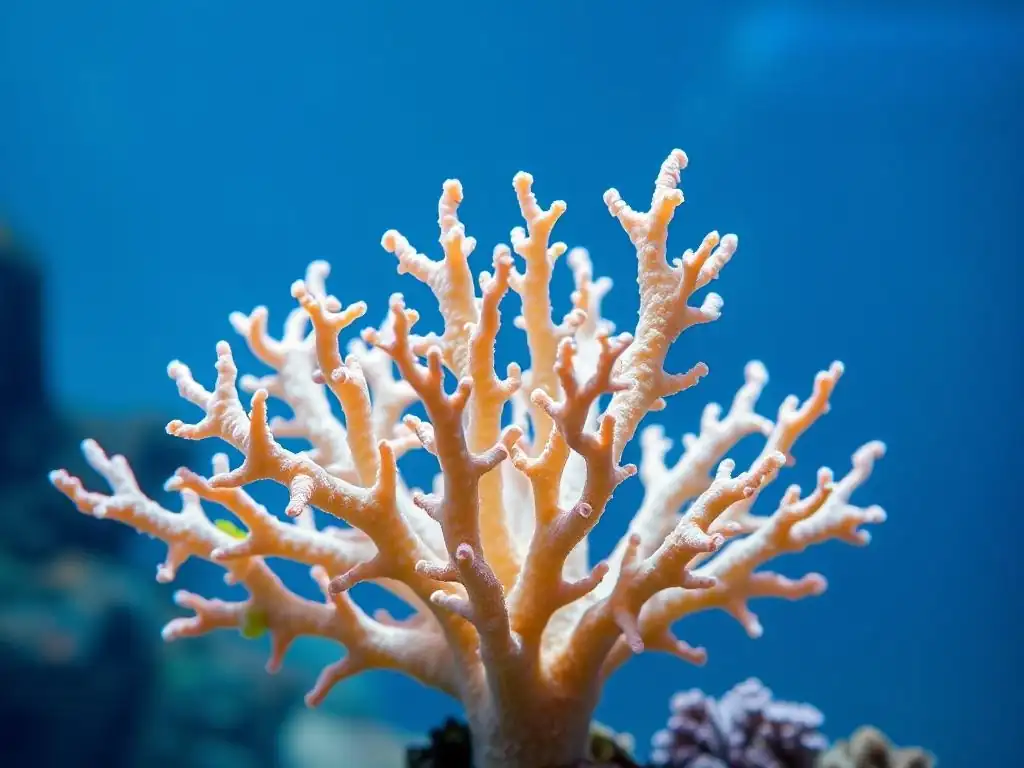
The foundation of successful SPS coral advanced care lies in the meticulous maintenance of alkalinity, calcium, and magnesium. These three parameters are the building blocks for the coral's aragonite skeleton. Alkalinity, measured in dKH (degrees of carbonate hardness), should be maintained consistently between 7.5 and 8.5 dKH for most SPS species.
Fluctuations as small as 0.5 dKH over a 24-hour period can stress corals and lead to tissue recession. Calcium levels are ideally kept between 400-450 ppm, as this concentration allows corals to efficiently absorb calcium ions for calcification. Magnesium, acting as a buffer, prevents calcium and alkalinity from precipitating out of solution and should be maintained between 1300-1400 ppm.
Consistent dosing of these elements is crucial to replenish what corals consume daily. Many advanced aquarists utilize automated dosing pumps for two-part solutions (calcium and alkalinity) and a separate magnesium supplement to ensure precise and stable levels. Regular testing, at least 2-3 times per week, using high-quality test kits or ICP-OES (Inductively Coupled Plasma - Optical Emission Spectrometry) laboratory analysis, is essential to monitor consumption rates and adjust dosing schedules accordingly. For instance, a reef tank with a dense Acropora population might consume 0.5 dKH of alkalinity daily, requiring a precise dosing regimen to counteract this uptake.
The Importance of Trace Elements for Coloration and Health
While alkalinity, calcium, and magnesium are the primary building blocks, trace elements play a vital, albeit subtle, role in SPS coral advanced care, influencing everything from metabolic processes to vibrant coloration. Elements like iodine, strontium, potassium, iron, and boron, though needed in minute quantities, are essential for optimal health and pigment development. For example, iodine is believed to aid in tissue growth and stress resistance, while strontium is incorporated directly into the coral's skeleton. Potassium is often linked to enhancing red and pink pigments, particularly in Acropora, and iron can influence green and yellow hues.
Deficiencies in these trace elements can lead to dull coloration, stunted growth, or even tissue loss over extended periods. Regular water changes with high-quality salt mix can replenish some trace elements, but in heavily stocked SPS tanks, targeted supplementation may be necessary. ICP-OES testing provides a comprehensive analysis of trace element levels, allowing aquarists to identify specific deficiencies and dose accordingly with commercially available trace element solutions. However, caution is advised, as overdosing can be detrimental; less is often more when it comes to these potent supplements in SPS coral advanced care.
Lighting Requirements for Vibrant SPS Corals
Understanding PAR and PUR for SPS
Optimal lighting is a cornerstone of SPS coral advanced care, directly impacting their photosynthetic efficiency and, consequently, their growth and coloration. Photosynthetically Active Radiation (PAR) measures the total light available for photosynthesis, typically in the 400-700 nanometer spectrum. For most SPS corals, a PAR range of 250-450 at the coral's surface is ideal, though some high-light Acropora may thrive with PAR levels up to 500-600. It's crucial to measure PAR at various points in the tank using a PAR meter to ensure even distribution and avoid hot spots or shaded areas.
Photosynthetically Usable Radiation (PUR) refers to the specific wavelengths of light that zooxanthellae (the symbiotic algae within corals) can most efficiently utilize for photosynthesis. While PAR is a broad measurement, PUR focuses on the blue (450-475 nm) and red (620-670 nm) spectrums, which are most beneficial. Modern LED lights often allow for precise control over these wavelengths, enabling aquarists to fine-tune their lighting to maximize PUR. Understanding the difference helps in selecting lights that not only provide sufficient intensity but also deliver the right quality of light for vibrant SPS coral advanced care.
Choosing the Right Lighting Spectrum for Acropora, Montipora, and Seriatopora
The right light spectrum is as critical as intensity for promoting vibrant colors and robust growth in SPS corals. While white light provides general illumination, the blue spectrum (especially royal blue and deep blue) is paramount for SPS, stimulating fluorescence and enhancing the production of colorful pigments. Many advanced reefers aim for a color temperature between 14,000K and 20,000K, which appears bluer and mimics deeper reef environments. This spectrum not only supports photosynthesis but also makes the corals' natural fluorescence pop, creating a stunning visual display.
For Acropora, a strong blue spectrum with supplemental white, violet, and UV LEDs often yields the best results, enhancing their blues, purples, and greens. Montipora and Seriatopora also benefit from a blue-heavy spectrum but can be slightly more tolerant of broader white light.
Gradual acclimation to new lighting is essential; rapidly increasing PAR or changing spectrum can shock corals, leading to bleaching or browning. A typical acclimation schedule might involve starting at 50% intensity for a week and gradually increasing by 10% each week until the desired PAR level is reached, ensuring a smooth transition for optimal SPS coral advanced care.
Flow and Circulation for Optimal SPS Health
Achieving Ideal Water Movement for Nutrient Uptake
Strong, turbulent, and varied water flow is indispensable for optimal SPS coral advanced care. Unlike many LPS corals that prefer laminar flow, SPS corals, particularly Acropora, thrive in chaotic, multi-directional currents. This robust flow serves several critical functions: it delivers essential nutrients, such as calcium and alkalinity, directly to the coral polyps, ensuring efficient calcification. It also facilitates the removal of metabolic waste products from the coral's surface, preventing localized acidification and promoting healthy tissue growth.
Ideal flow patterns prevent "dead spots" where water stagnates and detritus accumulates, which can lead to localized tissue necrosis. Aquarists often employ multiple powerheads placed strategically throughout the tank, often on opposing sides, to create oscillating or wave-like patterns. This ensures that polyps are gently agitated from all directions, mimicking the natural flow conditions found on exposed reef crests where many SPS species thrive. For example, a 100-gallon SPS tank might utilize two or three powerheads collectively moving 8,000-10,000 gallons per hour, adjusted for broad, turbulent coverage.
Preventing Dead Spots and Detritus Buildup
The prevention of dead spots and detritus buildup is a critical aspect of SPS coral advanced care. Stagnant areas in the aquarium allow organic waste, uneaten food, and coral mucus to settle and decompose, leading to localized spikes in nitrates and phosphates. This not only degrades water quality but also provides a breeding ground for undesirable algae and bacteria, which can directly irritate and damage delicate SPS coral tissue. For instance, detritus settling on the flat plates of a Montipora capricornis can cause tissue recession from the affected area.
To combat this, careful placement of powerheads is key. Aim for cross-flow patterns that ensure water movement reaches every part of the rockwork and coral colonies. Oscillating powerheads or those with wide flow patterns are particularly effective. Regularly siphoning detritus from the substrate and sumps during routine maintenance also contributes significantly to preventing nutrient buildup. Furthermore, maintaining a clean and efficient filtration system, including protein skimmers and media reactors, helps to export dissolved organic compounds before they can contribute to detritus formation, reinforcing the principles of comprehensive SPS coral advanced care.
Advanced Feeding Strategies for SPS Corals
Understanding SPS Nutritional Needs
While SPS corals primarily derive their energy from photosynthesis through their symbiotic zooxanthellae, they are not solely reliant on light. They are heterotrophic, meaning they also capture and consume particulate matter from the water column, including zooplankton, phytoplankton, bacteria, and dissolved organic matter. This dual nutritional strategy is crucial for their rapid growth and vibrant coloration. In a closed reef system, the natural supply of these food sources is often insufficient to meet the demands of a thriving SPS colony, making supplemental feeding an important component of SPS coral advanced care.
The size of the polyps dictates the type of food they can effectively capture. SPS corals, with their small polyps, are best suited for consuming very fine particulate foods. Over-reliance on light alone, especially in ultra-low nutrient systems (ULNS), can lead to corals appearing pale or "bleached" in color, indicating a lack of essential nutrients for pigment production and tissue density. Therefore, a balanced approach combining optimal lighting with targeted feeding ensures robust health and maximum coloration.
Target Feeding Techniques for Acropora, Montipora, and Seriatopora
Target feeding, while more commonly associated with LPS corals, can be beneficial for SPS, particularly to encourage growth or aid recovery in stressed colonies. However, due to their small polyps and preference for dissolved or very fine particulate matter, "target feeding" for SPS often involves broadcasting fine-particle foods into areas of high flow, allowing the currents to distribute the nutrients. For example, a liquid suspension of phytoplankton or a fine coral food powder mixed with tank water can be slowly dispensed into the water column near the powerheads.
Feeding frequency typically ranges from 2-3 times per week, often after lights out, when polyps are fully extended and actively feeding. Examples of suitable foods include commercial liquid coral foods, marine snow, finely blended frozen copepods or rotifers, and amino acid solutions. When feeding, it's important to turn off protein skimmers for 30-60 minutes to allow corals ample time to capture the food before it's removed from the water column. Overfeeding can quickly lead to elevated nutrient levels (nitrates and phosphates), which are detrimental to SPS health, so moderation is key in SPS coral advanced care.
Supplementing with Amino Acids and Other Essential Nutrients
Beyond particulate foods, supplementing with amino acids and other essential nutrients has become a popular and effective strategy in advanced SPS coral care. Amino acids are the building blocks of proteins, vital for coral tissue growth, repair, and the production of colorful pigments. Many commercial amino acid solutions are specifically formulated to provide a balanced profile of both essential and non-essential amino acids that corals utilize. Aquarists often report enhanced growth rates, improved polyp extension, and more vibrant coloration, particularly in blue and purple SPS, after consistent amino acid dosing.
Other beneficial supplements include vitamins (e.g., Vitamin C for stress reduction and tissue health), fatty acids, and specific trace elements like iron and potassium, as discussed earlier. These supplements are typically dosed directly into the water column according to manufacturer recommendations, often on a daily or every-other-day basis. While these additions can significantly boost SPS health and color, they should always be used as a complement to stable water parameters and appropriate lighting and flow, not as a substitute. Overdosing any supplement can lead to adverse effects, underscoring the precision required in SPS coral advanced care.
Preventing and Treating Common SPS Coral Problems
Recognizing Early Signs of Stress in SPS Corals
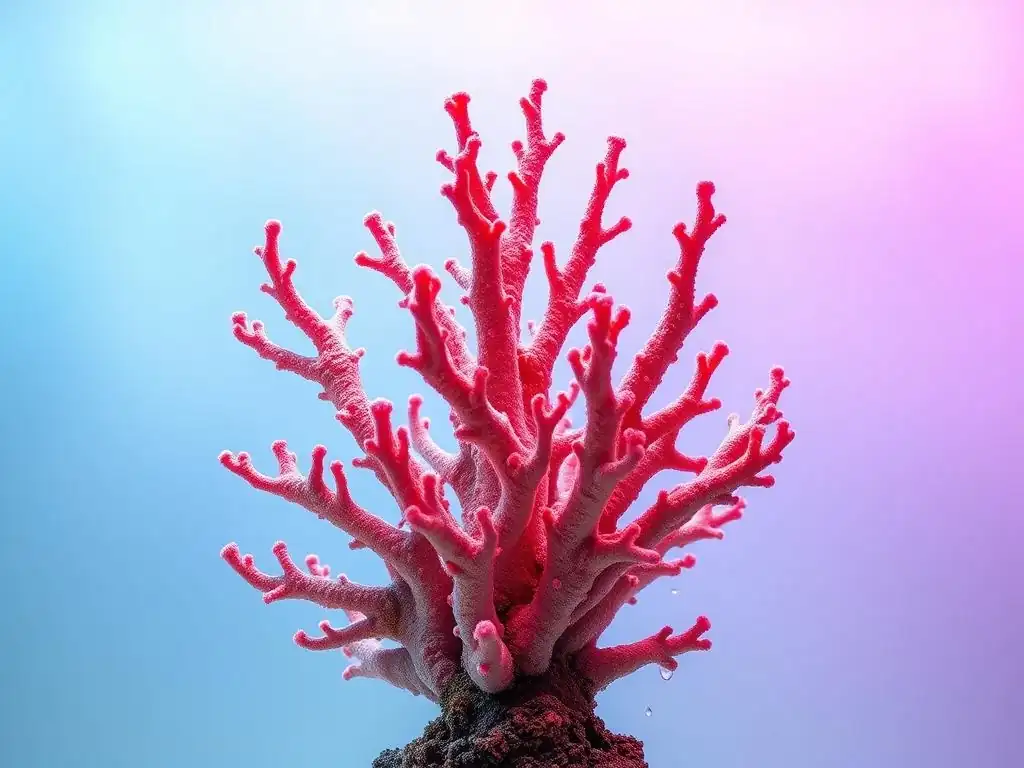
Early detection of stress is paramount in preventing minor issues from escalating into severe problems in SPS coral advanced care. Subtle changes in appearance can be indicators of underlying problems. Paling or browning of tissue often signals issues with lighting (too much or too little, or incorrect spectrum) or nutrient imbalances. For instance, a pale blue Acropora might indicate low nutrients or excessive light, while a browned one could suggest too low light or elevated nutrients. Polyp retraction or lack of extension, especially during periods when polyps are typically extended (e.g., at night), is another key sign of stress.
Tissue recession, appearing as bare white skeleton, is a more advanced sign of distress, often starting from the base (STN - Slow Tissue Necrosis) or tips (RTN - Rapid Tissue Necrosis). Algae growth on the coral's skeleton, particularly on the base, can indicate the coral is no longer growing or is losing tissue in that area, allowing opportunistic algae to colonize. Discoloration, such as a normally green coral turning yellowish, can point to specific trace element deficiencies or nutrient imbalances. Regular, close observation of your SPS corals, ideally daily, allows for quick intervention.
Addressing Common Issues: RTN, STN, and Bleaching
Rapid Tissue Necrosis (RTN), Slow Tissue Necrosis (STN), and bleaching are among the most feared ailments in SPS coral advanced care. RTN is characterized by a rapid sloughing off of coral tissue, often occurring within hours or days, leaving behind a stark white skeleton. It's often triggered by severe, sudden environmental shifts (e.g., large temperature swings, drastic parameter changes, or acute bacterial infections). STN is a slower process, where tissue recedes gradually, typically from the base upwards over weeks or months, often linked to chronic low flow, persistent nutrient issues, or bacterial infections.
Bleaching, on the other hand, is the expulsion of zooxanthellae, causing the coral to lose its color and appear white. This is most commonly caused by prolonged exposure to high temperatures (e.g., above 82°F for several days), excessive light intensity, or severe water quality degradation. Immediate actions for these issues include:
- RTN/STN: Isolate the affected coral (if possible), frag off healthy parts, dip in an antibacterial solution (e.g., Furan-2 or Reef Dip), and meticulously check all water parameters.
- Bleaching: Reduce light intensity (raise lights or shade coral), ensure stable temperatures, and check water parameters for any major deviations. Often, gradual recovery is possible if the stressor is removed promptly, but severe bleaching can be fatal.
Quarantine Procedures for New SPS Additions
Implementing a strict quarantine procedure for all new SPS coral additions is a non-negotiable aspect of responsible SPS coral advanced care. This practice significantly reduces the risk of introducing pests, diseases, and unwanted hitchhikers into your established reef system. Common pests like Montipora-eating nudibranchs, Acropora-eating flatworms (AEFW), and various parasitic copepods can devastate a thriving SPS collection if not intercepted. A dedicated quarantine tank (QT) with its own heater, powerhead, and minimal lighting is ideal.
The quarantine process typically involves:
- Inspection: Thoroughly inspect the coral for visible pests.
- Dipping: Dip the coral in a specialized coral dip solution (e.g., Revive, Coral Rx) for the recommended duration to dislodge external parasites. For specific pests like AEFW, multiple dips over several days might be necessary.
- Observation: Keep the coral in the QT for at least 3-4 weeks, monitoring for any signs of disease or pests. Feed the coral in QT as you would in the main tank.
- Repeat Dips: Consider repeating dips if any suspicious activity is observed.
Only after a clean bill of health should the coral be introduced to the main display tank. This proactive approach saves countless hours of troubleshooting and potential coral loss in the long run.
Fragging and Propagation of SPS Corals
Techniques for Fragging Acropora, Montipora, and Seriatopora
Fragging, or propagating, SPS corals is a common practice in SPS coral advanced care, allowing aquarists to share corals, create new colonies, or prune overgrown sections. The technique varies slightly depending on the coral's growth form and fragility. For branching Acropora and Seriatopora, bone cutters or specialized coral cutters are typically used to snip off a healthy branch, usually 1-3 inches long, ensuring it has several polyps. For more robust Acropora, a Dremel tool with a diamond cutting wheel may be necessary for cleaner cuts through thicker skeletons.
Plating Montipora (e.g., Montipora capricornis) are often fragged by carefully scoring and breaking off a piece with bone cutters or a Dremel. Encrusting Montipora can be fragged by chipping off a piece of the rock they are encrusting or by using a Dremel to cut a circle around a desirable section. Always wear eye protection and gloves when fragging, and work quickly to minimize stress to the coral. After cutting, the frag should be rinsed in tank water to remove any loose debris before proceeding to the next step.
Preparing and Curing SPS Coral Frags
Once an SPS coral frag is cut, proper preparation and "curing" are essential for its survival and successful attachment. The cut end of the frag needs to heal to prevent infection and allow for secure attachment to a frag plug or rock. After cutting, some aquarists recommend a brief dip in an iodine-based solution or a coral dip to sterilize the cut surface and reduce the risk of bacterial infection.
The frag is then typically glued onto a ceramic frag plug or a small piece of live rock using cyanoacrylate gel glue (super glue). Ensure the frag is held firmly in place until the glue cures, usually within 30-60 seconds.
After gluing, it's beneficial to place the newly fragged coral in a low-flow, shaded area of the main tank or a dedicated frag tank for a few days to a week. This "curing" period allows the coral to recover from the stress of fragging and begin to heal its wound without being exposed to intense light or strong currents.
During this time, observe the frag closely for any signs of tissue recession or stress. Once the frag appears stable and healthy, it can be moved to its desired permanent location in the display tank, ready to contribute to the overall SPS coral advanced care strategy.
Placement and Care of Newly Fragged SPS Corals
Proper placement of newly fragged SPS corals is crucial for their long-term success. Initially, place them in an area with moderate light and flow, even if the parent colony was in a high-light, high-flow area. This allows the frag to acclimate and recover from the stress of fragging without being overwhelmed.
As the frag shows signs of recovery (polyp extension, no tissue recession), it can be gradually moved to a location with higher light and flow, mimicking the conditions preferred by the parent colony. This gradual acclimation period can range from a few days to several weeks, depending on the coral's resilience and the tank's environment.
Consistent water parameters are even more critical for newly fragged corals, as they are more vulnerable to fluctuations. Maintain stable alkalinity, calcium, and magnesium levels, and ensure nitrates and phosphates remain low. Some aquarists also opt to dose amino acids or other coral foods during this recovery phase to provide additional energy for healing and growth.
Regular observation is key; any signs of stress, such as paling or tissue loss, should prompt a re-evaluation of its placement or the tank's parameters. Successful fragging and propagation are rewarding aspects of SPS coral advanced care, contributing to the sustainability of the hobby.
Advanced Tips for Achieving Vibrant Colors in SPS Corals
The Role of Nutrition, Lighting, and Water Parameters in Coloration
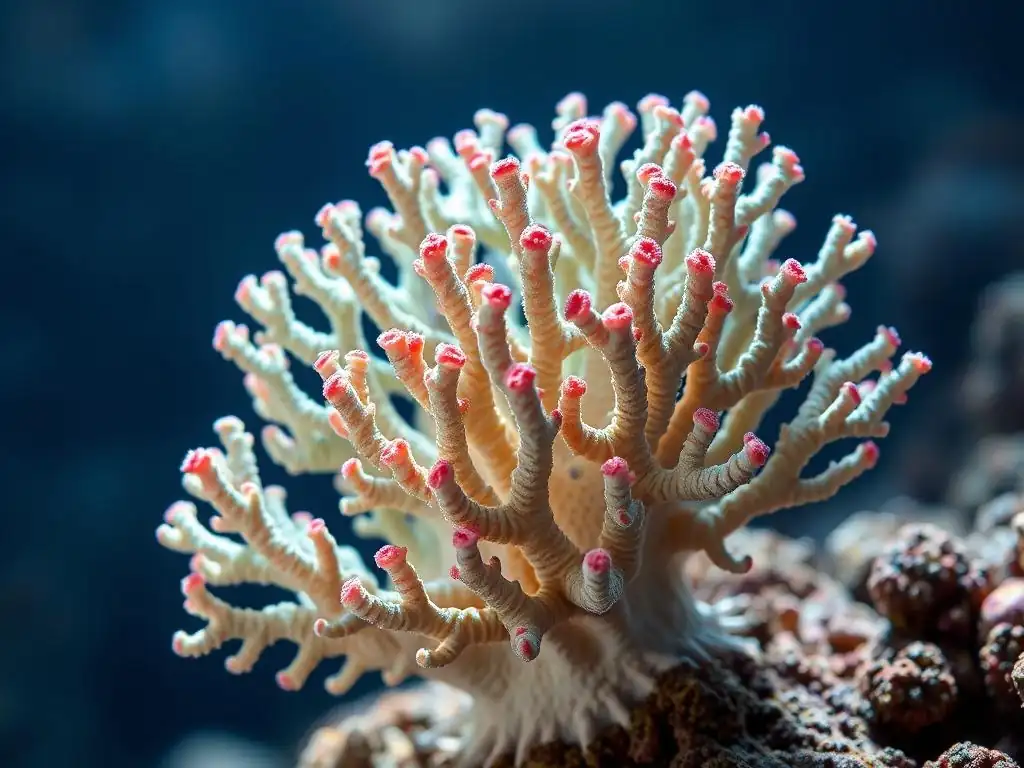
Achieving vibrant, eye-popping colors in SPS corals is the ultimate goal for many advanced aquarists, and it's a complex interplay of nutrition, lighting, and water parameters. Optimal water chemistry, particularly stable alkalinity, calcium, and magnesium, provides the foundational health necessary for corals to expend energy on pigment production rather than basic survival. Low nitrates (below 5 ppm) and phosphates (below 0.05 ppm) are crucial, as elevated nutrients can lead to browning of corals due to an overabundance of zooxanthellae. This often results in a dull, muted appearance, even in naturally vibrant species.
Lighting, specifically the spectrum and intensity, profoundly influences coloration. A strong blue spectrum (450-475 nm) promotes fluorescence and the production of chromoproteins responsible for many of the stunning blues, purples, and greens. For instance, a coral that appears brown under a white light might reveal brilliant blue or purple under a predominantly blue spectrum.
Furthermore, consistent, targeted feeding of fine particulate foods and amino acids provides the necessary building blocks for these pigments, allowing corals to exhibit their full genetic potential for color. A truly vibrant SPS coral is a testament to meticulous SPS coral advanced care across all these fronts.
Utilizing Advanced Techniques to Enhance Color Pigmentation
Beyond the basics, advanced techniques can further enhance SPS coral pigmentation. One popular strategy is the "Ultra Low Nutrient System" (ULNS), where nitrates are kept near undetectable levels (e.g., <1 ppm) and phosphates are extremely low (e.g., <0.02 ppm). While challenging to maintain, ULNS can stress zooxanthellae slightly, causing the coral to produce more colorful protective pigments to compensate, resulting in brighter, more intense hues. However, pushing nutrient levels too low can also lead to coral starvation and paling, requiring careful balance and supplemental feeding.
Another technique involves fine-tuning lighting schedules and spectrums. Some aquarists experiment with "actinic-only" periods (only blue lights on) for a few hours daily, which can enhance fluorescence and color pop. Gradual acclimation to higher PAR levels, once corals are established, can also deepen colors, but this must be done slowly to avoid bleaching. The use of specific trace element dosing, as discussed below, is also a targeted approach to boost particular color pigments, requiring precise knowledge of the elements' roles and careful monitoring.
The Role of Iron, Potassium, and Boron in SPS Coloration
Specific trace elements play direct roles in the development and intensity of certain SPS coral pigments, making their targeted supplementation a key aspect of advanced SPS coral care. Iron, for instance, is often linked to the enhancement of green and yellow pigments in corals. While needed in very small amounts, a deficiency can lead to a dulling of these colors. Potassium is widely recognized for its ability to intensify red and pink hues, particularly in Acropora species like Acropora millepora or Acropora valida. Many aquarists report a noticeable improvement in these colors with consistent potassium dosing.
Boron, another trace element, is believed to play a role in overall coral health and color stability, potentially aiding in the transfer of energy within the coral's cells and supporting pigment production. While the precise mechanisms are still being researched, maintaining adequate levels of these elements, often confirmed through ICP-OES testing, can contribute significantly to achieving the most vibrant coloration possible. However, it's crucial to dose these elements cautiously and according to test results, as overdosing can be toxic to corals and other inhabitants, emphasizing the precision required in SPS coral advanced care.
Troubleshooting Common SPS Coral Care Challenges
Identifying the Root Cause of SPS Coral Problems
When an SPS coral shows signs of stress, the first and most critical step in SPS coral advanced care is to systematically identify the root cause. This often involves a process of elimination, starting with the most common culprits. Begin by meticulously testing all major water parameters: alkalinity, calcium, magnesium, salinity, temperature, nitrates, and phosphates. Compare current readings to your target parameters and note any deviations.
A sudden drop in alkalinity, for instance, could explain tissue recession. Next, evaluate your lighting; has anything changed recently? Is the coral receiving too much or too little PAR? Use a PAR meter if available.
Then, assess flow patterns. Are there any dead spots around the coral? Is detritus accumulating? Check for physical damage from fish, snails, or other tank inhabitants. Finally, consider potential pests or diseases; a thorough visual inspection, possibly with a magnifying glass, can reveal signs of Acropora Eating Flatworms (AEFW), Montipora Nudibranchs, or bacterial infections. Maintaining a detailed log of water parameters, dosing, and observations can be invaluable in pinpointing the exact issue, as it allows you to correlate changes with coral health.
Implementing Corrective Measures for Long-Term Success
Once the root cause of an SPS coral problem has been identified, implementing corrective measures requires patience and precision. Drastic changes can often do more harm than good. If water parameters are off, adjust them slowly over several days or weeks.
For example, if alkalinity is low at 6.0 dKH, don't raise it to 8.0 dKH overnight; instead, aim to increase it by no more than 0.5-1.0 dKH per day. If lighting is too intense, gradually reduce intensity or raise the light fixture over a week or two. If flow is insufficient, add or reposition powerheads incrementally, observing the coral's response.
For pest infestations, targeted treatments like coral dips (for external pests) or biological controls (e.g., wrasses for flatworms) may be necessary. Bacterial infections might require dips or, in severe cases, systemic antibiotics in a quarantine tank. The goal is not just to fix the immediate problem but to establish a stable and consistent environment that prevents recurrence. This often involves optimizing your dosing regimen, refining your feeding strategy, and ensuring regular, thorough maintenance. Consistent monitoring and proactive adjustments are cornerstones of successful long-term SPS coral advanced care.
Case Studies: Analyzing Successful SPS Coral Recovery Strategies
Case Study 1: Acropora Bleaching Due to Heat Stress
- Problem: A vibrant blue Acropora tortuosa colony began to pale rapidly, turning almost white within 48 hours. The aquarist noticed the tank temperature had inadvertently risen to 84°F due to a faulty heater controller.
- Action Taken:
- Immediately adjusted the heater controller and added a small fan blowing across the sump to gradually lower the temperature to 78°F over 12 hours.
- Reduced light intensity by 25% for a week to reduce stress on the zooxanthellae.
- Dosed amino acids daily to provide essential building blocks for recovery.
- Monitored water parameters daily to ensure stability.
- Outcome: Within two weeks, the coral slowly regained some of its blue coloration, and polyp extension improved. After a month, it had fully recovered, showcasing the importance of prompt temperature stabilization and reduced lighting in SPS coral advanced care.
Case Study 2: Montipora STN from Low Alkalinity
- Problem: A plating Montipora capricornis developed Slow Tissue Necrosis (STN) from its base, progressing slowly over two weeks. Water tests revealed alkalinity had consistently dropped to 6.5 dKH, likely due to increased coral growth and insufficient dosing.
- Action Taken:
- Increased two-part alkalinity dosing incrementally, raising the dKH by 0.5 each day until it reached the target of 8.0 dKH over three days.
- Confirmed calcium and magnesium levels were stable (420 ppm Ca, 1350 ppm Mg).
- Maintained strong, varied flow over the affected area to prevent detritus buildup.
- Siphoned detritus from the tank bottom more frequently.
- Outcome: The STN progression halted within a week of stabilizing alkalinity. Over the next month, new tissue began to grow over the exposed skeleton, demonstrating that consistent parameter stability is fundamental to SPS coral advanced care and recovery.
Case Study 3: Birdsnest Paling from Nutrient Starvation (ULNS)
- Problem: A Seriatopora hystrix (Birdsnest) colony, previously vibrant pink, started to pale significantly, almost appearing translucent, in an ultra-low nutrient system (ULNS) where nitrates were undetectable and phosphates were below 0.01 ppm.
- Action Taken:
- Slightly increased daily feeding of broadcast coral foods and amino acids.
- Temporarily reduced the effectiveness of the protein skimmer by raising the water level in the collection cup.
- Monitored nutrient levels, aiming for nitrates around 1-2 ppm and phosphates around 0.02 ppm.
- Outcome: Within two weeks, the Birdsnest regained its vibrant pink coloration and exhibited better polyp extension, illustrating that while ULNS can enhance colors, extreme nutrient deprivation can lead to starvation and requires careful nutrient management in SPS coral advanced care.
Frequently Asked Questions
How are SPS corals different from other types of corals?
SPS corals, or Small Polyp Stony corals, are known for their calcium carbonate skeletons and require more stable and pristine water conditions than soft or LPS corals. They also tend to be more demanding in terms of lighting and flow.
What are the key water parameters to monitor for SPS coral health?
Maintaining stable water parameters is crucial. Key parameters include alkalinity, calcium, and magnesium levels, along with consistent temperature and salinity. Regular testing is essential for success.
What kind of lighting is best suited for SPS corals like Acropora?
SPS corals thrive under intense lighting, typically provided by metal halides or high-powered LEDs. The specific intensity depends on the coral species and depth within the tank.
How important is water flow for SPS coral growth and health?
Strong, turbulent water flow is critical for SPS corals. It ensures adequate nutrient delivery and waste removal, preventing localized dead spots and promoting healthy tissue growth.
What are some common signs of stress or illness in SPS corals?
Common signs include tissue recession, color fading, and rapid tissue necrosis (RTN). These symptoms often indicate problems with water quality, lighting, or flow, requiring immediate attention.
Final Reflection: Unlocking the Secrets of SPS Thriving
The journey into SPS coral advanced care reveals not just the intricacies of maintaining these delicate ecosystems, but also a deeper understanding of our responsibility to the marine world. The knowledge shared throughout this article, from distinguishing between Acropora, Montipora, and Birdsnest corals to mastering their specific needs, underscores the commitment required to truly nurture these vibrant organisms within our aquariums.
This dedication to SPS corals reflects a broader appreciation for the fragile beauty of coral reefs and the importance of responsible reef keeping. The meticulous attention to detail required for SPS success mirrors the care we should extend to the natural world, fostering a sense of stewardship and connection. In the end, we will conserve only what we love; we will love only what we understand; and we will understand only what we are taught.
- Baba Dioum. This quote perfectly encapsulates the spirit of this article: to educate, to foster understanding, and ultimately, to inspire love and conservation.
Now, armed with this knowledge, I invite you to reflect on your own role in preserving these underwater wonders. Consider how you can apply these advanced care principles, not only to your aquarium, but also to your everyday actions. Let the vibrant colors and intricate structures of SPS corals serve as a constant reminder of the beauty we must protect, and the responsibility we share in ensuring their survival for generations to come.
Ignite Your SPS Reef: Take Control Now!
Thanks for diving deep into the world of SPS corals with us. We hope you've gained valuable insights into identifying and caring for these fascinating reef inhabitants. Now, it's time to put that knowledge into action and watch your SPS thrive!
Here’s how you can continue your SPS journey:
- Dive Deeper: Commit to a weekly water parameter test and meticulously track your alkalinity, calcium, and magnesium levels to ensure optimal SPS health. Small adjustments can make a huge difference!
- Share Your Success: Post a picture of your thriving SPS coral in our Aquarium Mastery Community forum, inspiring others with your journey and asking any lingering questions you might have.
- Get Creative:Experiment with strategically placed flow pumps and observe how different flow patterns impact the coloration and growth of your Montipora.
What's one small change you can make today to elevate your SPS coral care and witness amazing results?