
Live Foods for Tangs: Benefits, Risks, and Best Practices for Herbivores

Welcome to Aquarium Mastery, your ultimate resource for all things aquarium!
Ever wondered if you're really giving your Tangs the best possible diet? Dive into our in-depth guide on Tangs live food diet and discover the surprising benefits, potential risks, and best practices for feeding these beautiful herbivores. Prepare to unlock the secrets to a healthier, happier Tang and a thriving saltwater aquarium!
- Understanding the Tang's Herbivorous Diet in Captivity
- Benefits of Incorporating Live Foods into a Tang's Diet
- Risks Associated with Feeding Live Foods to Tangs
- Best Live Food Options for Tangs: A Comprehensive Guide
- Preparing and Serving Live Foods to Tangs: A Step-by-Step Approach
- Supplementing Live Foods with Other Dietary Components
- Maintaining Water Quality When Feeding Live Foods
- Identifying and Addressing Dietary Deficiencies in Tangs
- Conclusion: Optimizing Your Tang's Diet with Live Foods
- Frequently Asked Questions
- Final Reflection: Nurturing Life, Sustaining Beauty
- Cultivate Your Reef Tank's Vitality!
Understanding the Tang's Herbivorous Diet in Captivity
The Importance of Algae and Vegetable Matter for Tang Health
Tangs, also known as Surgeonfish, are primarily herbivorous grazers in their natural coral reef habitats, relying heavily on a diet of marine algae and other vegetable matter. This plant-based diet is crucial for their digestive health, providing essential fiber that aids in the efficient processing of food through their elongated digestive tracts. Without sufficient roughage, Tangs can suffer from conditions such as Hepatic Lipidosis (fatty liver disease) or Lateral Line Erosion (LLE), often linked to nutritional deficiencies and a lack of the specific nutrients found abundantly in natural algal sources.
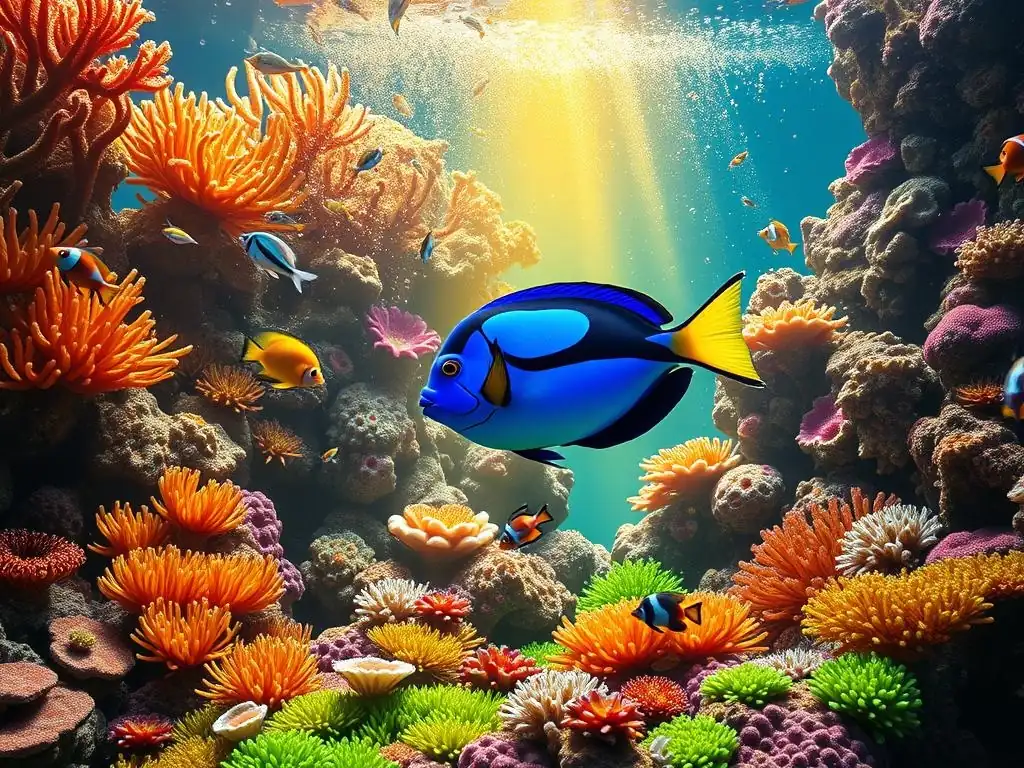
Furthermore, marine algae provide a rich source of vitamins, minerals, and carotenoids vital for immune function and vibrant coloration. For instance, the carotenoids present in various algae are directly responsible for the bright yellow of a Yellow Tang ( Zebrasoma flavescens) or the deep blue of a Blue Tang ( Paracanthurus hepatus). A consistent intake of these natural compounds through a robust Tangs live food diet helps prevent dulling of colors and strengthens their natural defenses against common aquarium ailments, contributing significantly to their overall vitality and longevity in captivity.
Replicating Natural Grazing Behavior for Optimal Digestion
In the wild, Tangs spend a considerable portion of their day actively grazing on benthic algae, often for six to eight hours daily. This continuous, small-meal intake is perfectly adapted to their digestive systems, allowing for a steady flow of nutrients and efficient nutrient absorption. Replicating this natural grazing behavior in an aquarium setting is paramount for their well-being, as it supports their unique digestive physiology and prevents the issues that can arise from infrequent, large feedings.
Providing a consistent supply of live foods, such as various macroalgae or by culturing microalgae, encourages this natural pecking and scraping behavior. This not only aids in optimal digestion but also significantly reduces stress and aggression, which can manifest when Tangs compete for limited food resources. Studies and observations in public aquariums have shown that Tangs with access to continuous grazing opportunities exhibit more natural behaviors, less inter-species aggression, and generally healthier gut microbiomes, reinforcing the importance of a well-structured Tangs live food diet.
Benefits of Incorporating Live Foods into a Tang's Diet
Enhanced Nutritional Value: Vitamins and Minerals in Live Foods
Live foods offer a superior nutritional profile compared to their processed or frozen counterparts, often retaining higher concentrations of delicate vitamins and essential fatty acids that can degrade during drying or freezing processes. For example, fresh marine algae are packed with bioavailable Vitamin C, an antioxidant crucial for fish immune systems, and beta-carotene, a precursor to Vitamin A. These nutrients are vital for cellular repair, growth, and disease resistance, providing a distinct advantage over prepared foods which may have lower or less stable levels.
Specific live food options further illustrate this enhanced value. Live Nannochloropsis oculata, a common phytoplankton, is exceptionally rich in eicosapentaenoic acid (EPA), an omega-3 fatty acid essential for cellular function and lipid metabolism in marine fish. Similarly, Spirulina platensis, a blue-green alga, can comprise up to 60-70% protein by dry weight and is a powerhouse of B vitamins, iron, and potent antioxidants like phycocyanin. Integrating such highly nutritious components into a Tangs live food diet directly contributes to their enhanced health and vigor.
Stimulating Natural Foraging Instincts in Tangs
The introduction of live foods into an aquarium provides a crucial outlet for Tangs to express their innate foraging instincts, mimicking their natural environment. Instead of simply consuming readily available flakes or pellets, Tangs are encouraged to actively search, peck, and graze on live algae or hunt for microscopic organisms. This active engagement is paramount for their mental stimulation and physical well-being, reducing boredom and stress often associated with confined spaces and monotonous feeding routines.
This stimulation extends beyond mere feeding; it promotes a more active and dynamic display within the aquarium. Tangs with access to a varied Tangs live food diet that encourages foraging are observed to be more active, exhibit stronger muscle tone, and display less repetitive or abnormal behaviors. This natural activity contributes significantly to their overall health, preventing lethargy and promoting a robust immune response, as a less stressed fish is generally a healthier fish.
Improving Coloration and Overall Health with Live Food Supplementation
One of the most noticeable benefits of a well-rounded Tangs live food diet is the dramatic improvement in coloration. Live marine algae and certain macroalgae are abundant in carotenoids, such as astaxanthin and zeaxanthin, which are natural pigments directly absorbed by fish and deposited in their skin cells. These pigments are responsible for the vibrant yellows, blues, and oranges seen in healthy Tangs. Without these dietary carotenoids, fish coloration can become dull and faded over time, indicating a potential nutritional deficiency.
Beyond aesthetics, the comprehensive nutritional profile of live foods supports overall physiological health. The essential fatty acids, amino acids, and trace elements found in live algae and other live organisms contribute to a stronger immune system, better disease resistance, and improved energy levels. Aquarists frequently report that Tangs maintained on a consistent Tangs live food diet exhibit fewer incidences of common ailments like marine ich ( Cryptocaryon irritans) and demonstrate greater resilience, leading to a healthier, more vibrant, and longer-lived fish population within the aquarium.
Risks Associated with Feeding Live Foods to Tangs
Parasite Introduction: Preventing and Managing Infestations
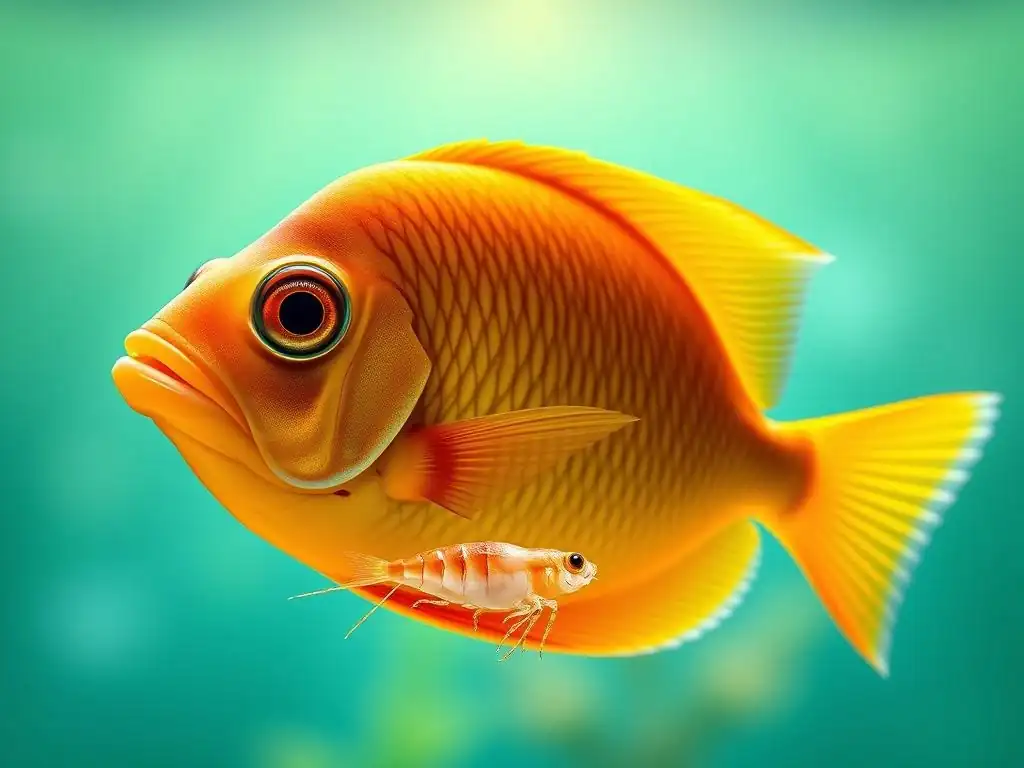
One of the primary risks associated with feeding live foods, particularly those sourced from wild environments or less reputable suppliers, is the potential introduction of parasites into the aquarium. Organisms like marine ich ( Cryptocaryon irritans), velvet ( Amyloodinium ocellatum), or various types of flukes can hitchhike on live copepods, brine shrimp, or even unquarantined macroalgae. Once introduced, these parasites can rapidly spread throughout the entire aquarium, causing widespread illness and potentially devastating losses among the fish population.
To mitigate this significant risk, stringent prevention measures are essential. Culturing your own Tangs live food diet, such as phytoplankton or copepods, under sterile conditions is the safest approach, as it allows complete control over the environment. For commercially obtained live foods, a dedicated quarantine period in a separate container or tank for 24-48 hours, with clean, aged saltwater, can help to reduce the risk by allowing any external parasites to detach before introduction to the main display tank. Always prioritize sourcing from reputable aquaculture facilities that guarantee pathogen-free products.
Bacterial Contamination: Ensuring Food Safety
Improper handling or poor culture practices of live foods can lead to bacterial contamination, posing another significant risk to Tang health. Harmful bacteria, such as Vibrio species, can proliferate in poorly maintained live food cultures or on live foods that are not immediately consumed or properly stored. When ingested by Tangs, these bacteria can cause severe digestive issues, internal infections, or even systemic diseases that are difficult to treat and often fatal.
To ensure food safety, strict hygiene protocols must be observed. All equipment used for culturing or handling live foods, including containers, air lines, and nets, should be regularly sterilized using bleach or a hydrogen peroxide solution, followed by thorough rinsing. Live phytoplankton cultures, for instance, can crash and become anaerobic if not adequately aerated or if nutrient levels are mismanaged, leading to rapid proliferation of harmful bacteria. Feeding only vibrant, healthy cultures and immediately refrigerating or discarding any excess harvested live food is crucial to prevent the introduction of bacterial pathogens into your Tangs live food diet.
Overfeeding and Digestive Issues: Maintaining a Balanced Diet
While live foods offer numerous benefits, overfeeding them can lead to several problems, including digestive upset in Tangs and degradation of water quality. Tangs are grazers, designed to consume small amounts of food continuously throughout the day. Introducing large quantities of highly nutritious live foods at once can overwhelm their digestive systems, potentially leading to bloat, constipation, or other internal issues. This is especially true for foods with high protein content if the Tang's diet isn't balanced with sufficient fiber.
Furthermore, any uneaten live food, particularly delicate organisms like phytoplankton or copepods, will quickly decompose in the aquarium, contributing to an increased bioload. This rapid decomposition can lead to spikes in ammonia and nitrite, and a gradual rise in nitrates, all of which are detrimental to water quality and can stress fish, making them more susceptible to disease. Therefore, maintaining a balanced Tangs live food diet requires careful portion control and frequent, small feedings to ensure all food is consumed and water parameters remain stable.
Best Live Food Options for Tangs: A Comprehensive Guide
Live Algae Cultures: Growing Your Own Nutritious Food Source
Culturing live algae at home provides aquarists with a consistent, cost-effective, and highly nutritious food source for their Tangs, offering unparalleled control over purity and nutritional content. This self-sufficiency minimizes the risks associated with commercially sourced live foods, as you can ensure your cultures are free from parasites and harmful bacteria. The process, while requiring some initial setup and ongoing maintenance, yields a continuous supply of fresh, vibrant algae.
The benefits of growing your own algae extend beyond safety and cost; it allows for customization of the Tangs live food diet. Different species of algae offer varying nutritional profiles, enabling aquarists to provide a diverse and complete diet tailored to the specific needs of their Tangs. This approach ensures that your fish receive the freshest possible nutrients, directly enhancing their vitality, coloration, and overall health.
Setting Up a Live Algae Culture: Nannochloropsis
Nannochloropsis oculata is one of the most popular and easiest phytoplankton species to culture, making it an excellent choice for a Tangs live food diet. This single-celled green alga is rich in eicosapentaenoic acid (EPA), an essential omega-3 fatty acid crucial for marine fish health, and also provides a good source of protein and various vitamins. To set up a culture, you'll need a clear container (e.g., a 2-liter bottle), an air pump with an airline and air stone for constant aeration, and a light source (a 6500K LED light works well, providing 16-18 hours of light per day).
Start with a small starter culture of Nannochloropsis and add it to sterilized saltwater (specific gravity 1.020-1.025) along with a marine phytoplankton fertilizer, such as F/2 Guillard's media, which provides the necessary nitrates, phosphates, and trace elements. Maintain the culture temperature between 20-25°C (68-77°F). Once the culture turns a deep green, typically within 5-7 days, you can begin harvesting 10-20% of the volume daily, replenishing with fresh fertilized saltwater to maintain a continuous supply for your Tangs live food diet.
Setting Up a Live Algae Culture: Spirulina
Spirulina platensis is technically a cyanobacterium (blue-green alga) renowned for its exceptionally high protein content, often exceeding 60% by dry weight, along with a rich array of B vitamins, iron, and powerful antioxidants like phycocyanin. While slightly more challenging to culture than Nannochloropsis, its nutritional density makes it a highly valuable component of a Tangs live food diet. Spirulina requires a higher pH range (typically 8.5-9.5) and specific nutrient formulations that often include sodium bicarbonate to maintain alkalinity.
Culturing Spirulina involves similar equipment to other phytoplankton cultures: a clear container, strong aeration, and adequate lighting. However, it thrives in warmer temperatures, ideally between 25-35°C (77-95°F), and requires a more specific nutrient medium designed for cyanobacteria. Due to its sensitivity to contamination, maintaining sterile conditions is paramount. While it can be more demanding, a successful Spirulina culture offers an incredibly potent nutritional supplement for your Tangs, contributing significantly to their vibrancy and immune health.
Live Seaweed and Macroalgae: Sustainable and Healthy Choices
Incorporating live seaweed and macroalgae into a Tangs live food diet is an excellent way to replicate their natural grazing habits while providing essential fiber and nutrients. Unlike processed nori sheets, live macroalgae offer a continuous grazing opportunity, keeping Tangs engaged and aiding their digestion. Many species of macroalgae also contribute to nutrient export in the aquarium, helping to maintain water quality by consuming nitrates and phosphates.
When selecting live seaweed, prioritize species that are aquaculture-grown or harvested from known, clean sources to avoid introducing pests, parasites, or undesirable hitchhikers into your display tank. Cultivating macroalgae in a refugium connected to your main system is an ideal method, allowing for a sustainable supply that can be harvested as needed. This approach provides a constant, fresh, and highly beneficial food source that supports the long-term health and natural behaviors of your Tangs.
Types of Seaweed Suitable for Tangs: Gracilaria
Gracilaria, commonly known as red ogo algae, is a highly palatable and nutritious macroalgae that is readily consumed by most Tangs. Its fibrous texture and rich nutrient profile, including various vitamins, minerals, and complex carbohydrates, make it an excellent addition to a Tangs live food diet. In a refugium with good lighting and water flow, Gracilaria can grow quite rapidly, with some aquarists reporting biomass increases of 10-15% per week under optimal conditions, providing a sustainable source for continuous grazing.
To feed, simply harvest a portion of the Gracilaria from your refugium and place it directly into the display tank. Tangs will readily graze on it, mimicking their natural foraging behavior. This macroalgae not only provides essential roughage for digestive health but also contributes to the overall stability of the aquarium ecosystem by absorbing excess nutrients, making it a dual-purpose benefit for both your fish and your water quality.
Types of Seaweed Suitable for Tangs: Ulva (Sea Lettuce)
Ulva lactuca, commonly known as sea lettuce, is another highly suitable and widely accepted macroalgae for Tangs. Its broad, thin, and often undulating leaves make it easy for Tangs to graze upon, providing a significant source of fiber, vitamins, and trace elements. Ulva is relatively easy to cultivate in a refugium or can be purchased from aquaculture suppliers, offering a convenient and healthy component of a Tangs live food diet.
Like Gracilaria, Ulva thrives under moderate to high lighting and good water flow. Its rapid growth rate means a consistent supply can be maintained for regular feeding. Placing a piece of Ulva in a veggie clip or simply allowing it to drift in the current encourages natural grazing behavior, providing continuous enrichment and nutritional support. This macroalgae closely mimics the broad-leafed algal mats that Tangs would consume in their wild habitats, making it an ideal dietary supplement.
Live Phytoplankton: A Microscopic Nutritional Boost
Live phytoplankton, though microscopic, plays a foundational role in marine ecosystems and offers a significant nutritional boost when incorporated into a Tangs live food diet. These tiny photosynthetic organisms are rich in essential fatty acids (like DHA and EPA), proteins, and a complete spectrum of vitamins and trace elements. While some Tangs may directly filter feed on larger phytoplankton cells, their primary benefit often comes indirectly by enriching other live foods (e.g., copepods) or contributing to the overall health of the reef system, which in turn benefits the fish.
Dosing live phytoplankton regularly supports the growth of beneficial bacteria and microfauna within the aquarium, contributing to a more robust and stable ecosystem. This microscopic nutritional input can fill dietary gaps that larger, more visible foods might miss, ensuring that Tangs receive a comprehensive array of nutrients crucial for their long-term health, immune function, and vibrant coloration. It's a subtle yet powerful component of a truly holistic Tangs live food diet.
Culturing Phytoplankton for Tangs: Isochrysis
Isochrysis galbana is a widely utilized golden-brown flagellate in aquaculture, prized for its high lipid content, particularly its rich supply of docosahexaenoic acid (DHA). DHA is a crucial omega-3 fatty acid essential for the neurological development, immune function, and overall health of marine organisms, including Tangs. While Tangs may not directly consume large quantities of Isochrysis due to its small size (typically 4-6 microns), it is an excellent choice for enriching other live foods like rotifers and copepods before feeding them to your Tangs.
Culturing Isochrysis is similar to Nannochloropsis, requiring a sterile container, constant aeration, and a good light source (often with a slightly different spectrum preference for golden-brown algae). It also thrives with F/2 Guillard's media. Maintaining a consistent temperature around 20-24°C (68-75°F) and a salinity of 1.020-1.025 will ensure robust growth. Regularly harvesting and feeding this DHA-rich phytoplankton, either directly or indirectly, significantly enhances the nutritional value of your Tangs live food diet.
Culturing Phytoplankton for Tangs: Tetraselmis
Tetraselmis chuii is a larger green alga (typically 8-12 microns) that is robust and relatively easy to culture, making it another excellent choice for aquarists. It offers a good balance of proteins and fatty acids, though generally less DHA than Isochrysis. Tetraselmis can be directly consumed by some filter-feeding Tangs, and it is also highly effective for gut-loading copepods and rotifers, transferring its nutritional benefits to your fish when those organisms are fed.
Culturing Tetraselmis follows the standard phytoplankton setup: clear container, aeration, and adequate lighting (e.g., 6500K LED). It tolerates a slightly wider range of temperatures (18-28°C or 64-82°F) and salinities, making it forgiving for beginners. Its relatively fast growth rate and hardiness ensure a steady supply of nutritious green water. Incorporating Tetraselmis into your Tangs live food diet, either directly or as an enrichment for other live foods, contributes to a diverse and complete nutritional profile.
Other Live Food Options: Copepods
While Tangs are primarily herbivores, many species will readily consume copepods, especially juvenile fish or those transitioning to prepared foods. Copepods are small crustaceans that are an excellent source of protein and beneficial fatty acids (particularly when gut-loaded with nutrient-rich phytoplankton). They stimulate natural hunting instincts, providing a dynamic and engaging feeding experience for Tangs that often lack live prey in captivity.
Live copepods, such as Tisbe biminiensis, Tigriopus californicus, and Apocyclops panamensis, are commonly cultured or purchased for aquarium use. They are particularly beneficial for encouraging shy or newly introduced Tangs to feed. Beyond direct consumption, copepods also graze on detritus and nuisance algae, contributing to the overall cleanliness of the aquarium. Adding a regular supply of copepods to your Tangs live food diet not only provides concentrated nutrition but also promotes active foraging and a more natural environment for your fish.
Preparing and Serving Live Foods to Tangs: A Step-by-Step Approach
Harvesting Live Algae and Seaweed: Techniques and Tools
Harvesting live algae and seaweed from your cultures requires clean techniques to maintain the integrity of your food source and prevent contamination. For phytoplankton cultures (like Nannochloropsis or Spirulina), gently siphon off a portion of the dense green or brown culture water into a clean container. A fine mesh net (e.g., 50-micron mesh) can be used to concentrate the phytoplankton if desired, but often the culture water itself is dosed directly.
For macroalgae like Gracilaria or Ulva grown in a refugium, use clean, dedicated scissors or tweezers to snip off desired portions. Always wash your hands thoroughly before handling any live food or aquarium equipment. Using tools specifically for aquarium use and sterilizing them after each use (e.g., with a mild bleach solution followed by a thorough rinse and air dry) will minimize the risk of introducing unwanted pathogens or chemicals into your Tangs live food diet.
Rinsing and Quarantining Live Foods: Minimizing Risks
Even when culturing your own live foods, a brief rinsing step can be beneficial, especially if the culture medium contains high nutrient levels or if you're sourcing commercially. For live copepods or brine shrimp purchased from a store, it is crucial to rinse them thoroughly with clean, aged saltwater from your display tank or a separate quarantine tank. This helps remove any packaging water, excess nutrients, or potential contaminants that may be present.
For wild-collected or newly introduced live foods of unknown origin, a short quarantine period is highly recommended. Placing the live food in a separate container with clean, filtered saltwater for 24-48 hours allows any external parasites or undesirable organisms to detach or perish before the food is introduced to the main aquarium. This extra step significantly reduces the risk of disease transmission and helps ensure the safety of your Tangs live food diet.
Presenting Live Foods to Tangs: Feeding Methods and Frequency
The method of presenting live foods to Tangs should mimic their natural grazing habits. For macroalgae like Nori, Gracilaria, or Ulva, use a marine-safe veggie clip to attach the algae to a rock or the aquarium glass. This allows Tangs to graze continuously throughout the day, which is ideal for their digestive systems. Ensure the clip is securely fastened so the algae doesn't float freely and clog filtration.
For phytoplankton and copepods, these can be dosed directly into the water column, ideally in an area of good flow to disperse them throughout the tank. For smaller, more delicate Tangs or those that are shy, target feeding with a pipette can ensure they receive their share. Frequency is key for Tangs; rather than one large meal, aim for multiple small feedings throughout the day (2-3 times daily for prepared foods, with continuous availability of macroalgae) to support their constant grazing needs and optimize their Tangs live food diet.
Supplementing Live Foods with Other Dietary Components
High-Quality Flake and Pellet Foods: Choosing the Right Options
While a robust Tangs live food diet is highly beneficial, high-quality flake and pellet foods remain a cornerstone of a balanced captive diet, offering convenience and a guaranteed baseline of essential nutrients. When selecting these prepared foods, it is crucial to prioritize options specifically formulated for marine herbivores. Look for ingredients lists that feature marine algae (like Spirulina, Chlorella, or dried Nori) as the primary components, often listed within the first few ingredients.
Avoid foods with excessive fillers, artificial colors, or high levels of land-based proteins that are not suitable for herbivorous marine fish. Reputable brands often fortify their herbivore flakes and pellets with essential vitamins, including stabilized Vitamin C, and beneficial omega-3 fatty acids, which can complement the nutrients provided by live foods. A good quality prepared food, offered alongside a diverse Tangs live food diet, ensures all nutritional needs are met and provides a convenient option for daily feeding.
Frozen Foods for Tangs: A Convenient Alternative
Frozen foods offer a practical and nutritious alternative to live foods, bridging the gap between fresh cultures and dry prepared foods. Options like frozen spirulina brine shrimp, spirulina-enriched mysis shrimp, or pre-portioned frozen marine algae cubes can provide a diverse range of nutrients and textures that appeal to Tangs. While they lack the "live" aspect of stimulating natural foraging, they are often gut-loaded with beneficial ingredients before freezing, retaining much of their nutritional value.
When feeding frozen foods, always thaw them in a small amount of tank water before introduction to the aquarium. Never feed large, frozen chunks, as this can cause digestive issues or freezer burn. Frozen foods can be particularly useful for providing variety in a Tangs live food diet without the time commitment of culturing, and they are generally free of parasites once properly thawed, offering a safer option compared to some wild-caught live foods.
Vegetable Supplements: Zucchini, Nori, and Other Options
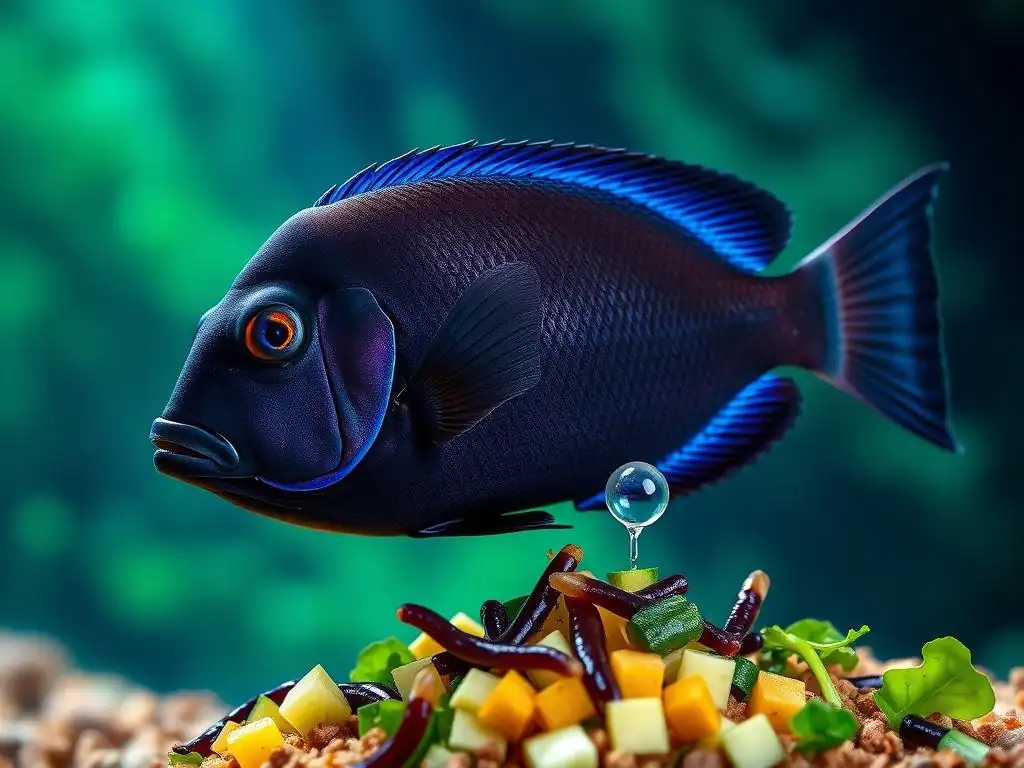
Beyond specialized fish foods, certain human-grade vegetable supplements can provide valuable nutrients and fiber for Tangs. Blanched zucchini slices, broccoli florets, or even romaine lettuce can be offered, though acceptance varies greatly among individual fish. Blanching softens the vegetables, making them easier for Tangs to graze on and digest.
However, unseasoned, unsalted roasted Nori (dried seaweed sheets) is by far the most popular and widely accepted vegetable supplement for Tangs. It is rich in fiber, iodine, and other trace elements, making it an excellent addition to their diet. Nori sheets can be easily attached to the aquarium glass with a veggie clip, allowing Tangs to graze on them throughout the day. This convenient and highly palatable supplement is a staple in many Tangs live food diet regimens, providing consistent roughage and essential nutrients.
Maintaining Water Quality When Feeding Live Foods
Monitoring Ammonia, Nitrite, and Nitrate Levels
When increasing feeding, especially with a rich Tangs live food diet, meticulous monitoring of water parameters becomes critical. Any uneaten live food, particularly delicate organisms like phytoplankton or copepods, can rapidly decompose, contributing to the biological load in the aquarium. Regular testing for ammonia and nitrite (which should always read zero in a cycled tank) is paramount, as even small spikes can be highly toxic to marine fish.
Nitrate levels, while less acutely toxic than ammonia or nitrite, should also be kept as low as possible, ideally below 20 ppm for a healthy reef system. Consistent high nitrates can stress fish, suppress their immune systems, and encourage nuisance algae growth. A proactive approach to monitoring, perhaps 2-3 times per week when first implementing a new Tangs live food diet, allows for immediate corrective action if parameters begin to shift.
Regular Water Changes: Preventing Nutrient Buildup
Regular partial water changes are the most effective and fundamental method for preventing nutrient buildup and maintaining stable water quality in an aquarium, especially when feeding a robust Tangs live food diet. Performing routine water changes, typically 10-20% of the tank volume weekly or bi-weekly, helps to dilute accumulated nitrates and phosphates, which are byproducts of the nitrogen cycle and uneaten food.
Beyond nutrient dilution, water changes also replenish essential trace elements that are consumed by fish, corals, and beneficial bacteria, helping to maintain the ideal salinity and alkalinity. This consistent replenishment of clean, properly mixed saltwater ensures a stable environment for your Tangs, counteracting any potential nutrient increases from the rich Tangs live food diet and contributing significantly to their long-term health and vibrancy.
Effective Filtration: Removing Excess Organic Matter
A robust and well-maintained filtration system is non-negotiable when implementing a comprehensive Tangs live food diet, as it plays a crucial role in removing excess organic matter and maintaining pristine water quality. Mechanical filtration, such as filter socks or sponges, efficiently removes particulate matter like uneaten food and fish waste before it can break down and contribute to nutrient buildup. These media should be cleaned or replaced frequently, often every few days.
Biological filtration, primarily provided by live rock and specialized bio-media, is essential for converting harmful ammonia and nitrite into less toxic nitrates. A mature biological filter can handle the increased bioload associated with feeding. Additionally, a high-quality protein skimmer is vital for removing dissolved organic compounds before they can contribute to the nitrogen cycle, effectively "skimming" out pollutants. Chemical filtration, such as activated carbon or GFO (granular ferric oxide), can further polish the water by removing dissolved organics and phosphates, ensuring optimal conditions for Tangs thriving on a Tangs live food diet.
Identifying and Addressing Dietary Deficiencies in Tangs
Symptoms of Malnutrition: Recognizing Early Warning Signs
Recognizing the early warning signs of malnutrition in Tangs is crucial for prompt intervention and preventing long-term health issues. One of the most common physical indicators is faded or dull coloration; vibrant hues give way to muted tones, as the fish lacks the necessary pigments (carotenoids) from its diet. Another significant sign is emaciation, characterized by a "pinched" or sunken belly, particularly behind the pectoral fins, indicating insufficient caloric intake or nutrient absorption.
Behavioral symptoms can also manifest. Malnourished Tangs may exhibit lethargy, reduced activity levels, and a lack of interest in food, even preferred items. They might also become more susceptible to common diseases like marine ich or lateral line erosion (LLE), as their immune systems are compromised. Any persistent unusual swimming patterns, fin erosion, or stunted growth in juvenile Tangs should prompt an immediate review of their Tangs live food diet and overall nutritional intake.
Adjusting the Diet to Correct Deficiencies
Upon identifying symptoms of malnutrition, a swift and targeted adjustment to the Tangs live food diet is essential. The first step is to increase the variety of foods offered, focusing on highly nutritious live options such as various macroalgae, phytoplankton-enriched copepods, and high-quality, spirulina-based flakes or pellets. Ensure that these new additions are readily accepted by the fish; sometimes, a gradual introduction is necessary.
If lateral line erosion (LLE) is observed, increasing the intake of Vitamin C-rich foods is often recommended. This can be achieved through specific fortified foods or by ensuring a consistent supply of fresh marine algae. For emaciation, increasing the frequency of small, nutritious feedings throughout the day will help ensure the fish receives adequate calories and nutrients without overwhelming its digestive system or impacting water quality. Regularly observing feeding behavior and fish condition after dietary changes is key to successful recovery.
Consulting with a Veterinarian or Experienced Aquarist
While many dietary deficiencies can be addressed through careful adjustments to the Tangs live food diet, persistent or worsening symptoms warrant professional consultation. A marine fish veterinarian can provide an accurate diagnosis, rule out underlying diseases, and recommend specific therapeutic diets or supplements based on a thorough examination. They may also suggest diagnostic tests to pinpoint specific nutrient deficiencies or systemic issues.
For less severe cases, or as a complementary step, consulting with an experienced aquarist or a knowledgeable staff member at a reputable local fish store can provide invaluable practical advice. These individuals often have extensive hands-on experience with Tang care and a deep understanding of common dietary challenges. Their insights can help fine-tune your Tangs live food diet, troubleshoot feeding issues, and guide you towards optimal long-term care for your fish.
Conclusion: Optimizing Your Tang's Diet with Live Foods
The Long-Term Benefits of a Varied and Nutritious Diet for Tangs
Optimizing your Tang's diet by heavily incorporating a varied and nutritious Tangs live food diet provides profound long-term benefits that extend far beyond mere survival. This approach directly mimics their natural grazing habits, promoting robust digestive health through adequate fiber intake and preventing common ailments like fatty liver disease or lateral line erosion. The consistent supply of fresh, bioavailable vitamins, minerals, and carotenoids from live algae and other live organisms ensures vibrant coloration, strong immune function, and overall physiological resilience.
Ultimately, a well-rounded diet that prioritizes live foods contributes significantly to the vitality and longevity of your Tangs. Fish that are properly nourished are more active, less prone to stress, and better equipped to resist diseases, leading to a more engaging and rewarding experience for the aquarist. This comprehensive dietary strategy is a cornerstone for maintaining healthy, thriving Tangs for many years in a captive environment.
Ensuring a Healthy and Vibrant Aquarium Environment
The benefits of a meticulously planned Tangs live food diet ripple throughout the entire aquarium ecosystem, ensuring a healthy and vibrant environment for all inhabitants. When Tangs are well-fed and robust, they are less susceptible to disease, which in turn reduces the risk of pathogen outbreaks that could affect other fish or invertebrates in the tank. Healthy fish also contribute less stress to the system, leading to more stable water parameters and a balanced biological load.
By providing a diverse and natural Tangs live food diet, you are not only nurturing your fish but also fostering a more natural and resilient aquarium. The continuous grazing on live macroalgae can help control nuisance algae, while the introduction of live phytoplankton and copepods supports the microscopic food web, benefiting corals and other filter feeders. This holistic approach to feeding transforms the aquarium into a thriving, self-sustaining miniature ecosystem, reflecting the dedication and care invested in its inhabitants.
Frequently Asked Questions
How important is live food in a Tang's diet?
While Tangs are primarily herbivores, offering live food can provide essential nutrients and stimulate their natural grazing behavior. It's not strictly necessary but can significantly improve their health and well-being.
What are the benefits of feeding live food to Tangs?
Live foods offer several advantages, including increased nutritional value due to natural vitamins and minerals, and stimulation of their natural feeding instincts. This can help reduce boredom and aggression in the aquarium.
What are the risks associated with feeding live food to Tangs?
Potential risks include the introduction of parasites or diseases into the aquarium. It is important to source live food from reputable suppliers and quarantine if possible.
What are some good examples of live food suitable for Tangs?
Suitable live foods include copepods, amphipods, and algae. These provide a natural source of essential nutrients and fiber crucial for a healthy Tang diet.
How often should I feed live food to my Tangs?
Live food should be offered as a supplement to their primary diet, not the sole source of nutrition. Offering it 2-3 times per week is generally sufficient to provide the benefits without overwhelming the tank.
Final Reflection: Nurturing Life, Sustaining Beauty
The exploration of live foods for Tangs, as we've seen, isn't just about feeding fish; it's about understanding the intricate connection between diet and well-being in a captive environment. The choices we make as aquarists directly impact the health, vibrancy, and longevity of these magnificent herbivores, highlighting our responsibility to provide them with the most natural and beneficial sustenance possible.
This journey into the world of Tangs' dietary needs underscores the profound influence of informed choices on the delicate balance of our aquariums. Witnessing the vibrant colors and energetic behavior of a Tang thriving on a well-balanced live food diet is a testament to the power of responsible aquascaping. The best way to observe a fish is to become a part of its world.
- Jacques Cousteau. This sentiment reminds us that truly understanding and caring for these creatures requires immersing ourselves in their needs and striving to replicate their natural environment as closely as possible.
Now, as you consider the information presented, I encourage you to reflect on your own practices and the impact they have on the lives of your aquatic companions. Are you providing the most natural and enriching diet possible? Are you actively seeking ways to improve the health and happiness of your Tangs? Let the knowledge gained here inspire you to become a more conscientious aquarist, ensuring that these beautiful creatures thrive under your care for years to come.
Cultivate Your Reef Tank's Vitality!
Thanks for diving deep into the world of live foods for Tangs! We hope you've gained a clearer understanding of how to enrich your herbivore's diet and contribute to a thriving reef ecosystem. Now, let's put that knowledge into action!
Here are a few things you can do right now:
- Start Cultivating! Commit to establishing a small-scale Ulva or Chaetomorpha culture. Even a little bit makes a big difference!
- Share Your Discoveries: Post a photo or video of your Tang enjoying its live food feast on your favorite aquarium forum or social media platform, tagging Aquarium Mastery. Let's spread the word!
- Explore Uncommon Feeds: Research less common live food options like copepods or amphipods, and experiment with enriching their nutritional value before feeding them to your Tangs.
What novel live food are you most excited to introduce to your Tangs, and how do you plan to measure its impact on their health and vibrancy?