
Purple Firefish (Nemateleotris decora): Graceful, Peaceful, and Perfectly ReefSafe

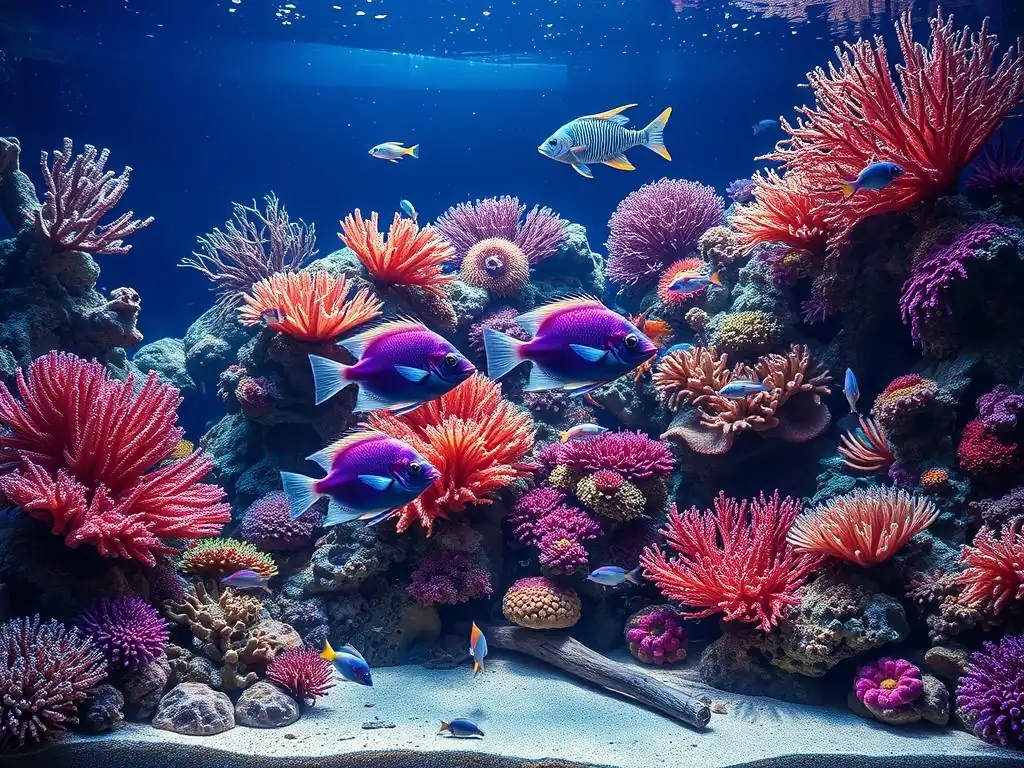
Welcome to Aquarium Mastery, fellow aquarist!
Ever been captivated by the sheer elegance of a reef-safe fish that adds a splash of vibrant color to your saltwater haven? Then you're in the right place! Dive into our comprehensive Purple Firefish Care Guide and unlock the secrets to keeping this graceful and peaceful beauty thriving in your aquarium. Curious to learn more about their specific needs and how to ensure their long-term health and happiness? Let's explore the fascinating world of the Nemateleotris decora together!
- Purple Firefish (Nemateleotris decora): Graceful, Peaceful, and Perfectly ReefSafe - AquariumMastery.com
- Introduction to the Purple Firefish: A Reef Aquarium Gem
- Purple Firefish Care Guide: Ensuring a Thriving Environment
- Purple Firefish Tank Mates: Creating a Peaceful Reef Community
- Purple Firefish Behavior and Temperament in the Reef Aquarium
- Identifying and Addressing Purple Firefish Health Issues
- Setting Up a Perfect Habitat for Your Purple Firefish
- Purple Firefish: A Summary of Key Care Considerations
-
Frequently Asked Questions
- What are the basic requirements for keeping a Purple Firefish?
- What is the ideal diet for a Purple Firefish?
- Are Purple Firefish compatible with other fish in an aquarium?
- What are some common health problems that affect Purple Firefish?
- What water parameters are crucial for Purple Firefish health and survival?
- Final Reflection: Embracing the Delicate Dance of Reef Life
- Ignite Your Reef Tank: Adopt a Dazzling Firefish Today!
Purple Firefish (Nemateleotris decora): Graceful, Peaceful, and Perfectly ReefSafe - AquariumMastery.com
Introduction to the Purple Firefish: A Reef Aquarium Gem
Discovering the Beauty of Nemateleotris decora for Reef Tanks
The Purple Firefish, scientifically known as Nemateleotris decora, is a captivating and highly sought-after species in the marine aquarium hobby. Originating from the Indo-Pacific region, specifically found in areas like Fiji, Vanuatu, and the Solomon Islands, these elegant fish inhabit depths ranging from approximately 6 to 70 meters (20 to 230 feet) in their natural coral reef environments.
Their striking coloration, featuring a vibrant purple anterior fading into a pristine white body, accented by dramatic red or black fins and a distinctive yellow caudal fin, makes them an immediate focal point in any reef tank. They are often observed hovering gracefully above the substrate, facing the current, ready to dart into the safety of the rocks at the slightest disturbance.
This species belongs to the family Ptereleotridae, commonly known as dartfish or wormfish, characterized by their elongated bodies and unique swimming patterns. Unlike many fish that swim continuously, Nemateleotris decora exhibits a distinctive "darting" motion, often hovering in place and then quickly retreating into crevices. Measuring up to about 3 inches (approximately 7.5 cm) in length, their relatively small size and non-aggressive nature contribute significantly to their popularity among aquarists aiming to establish a serene and visually stunning reef ecosystem. Their delicate appearance belies a generally hardy disposition when provided with appropriate Purple firefish care guide conditions.
Why Choose a Purple Firefish for Your Saltwater Aquarium?
Choosing a Purple Firefish for your saltwater aquarium brings a unique blend of aesthetic appeal and peaceful temperament to the aquatic environment. One of their most significant advantages is their absolute reef-safe nature; they are known to ignore corals, sessile invertebrates, and other fish, making them ideal inhabitants for mixed reef tanks where coral health and invertebrate well-being are paramount. Their calm demeanor prevents them from harassing or outcompeting other peaceful tank mates, allowing for a harmonious community setup. They add dynamic movement and a splash of color without disrupting the delicate balance of a carefully curated reef system.
Beyond their compatibility, Purple Firefish offer captivating behaviors that enrich the viewing experience. Their characteristic hovering and rapid retreat into rockwork provide constant visual interest, showcasing their natural instincts. They are relatively undemanding in terms of diet, readily accepting a variety of common marine aquarium foods. For aquarists looking to introduce a vibrant, non-destructive, and fascinating species that contributes positively to the overall tranquility and beauty of their reef aquarium, the Purple Firefish stands out as an exemplary choice, often highlighted in a comprehensive Purple firefish care guide for its desirable attributes.
Purple Firefish Care Guide: Ensuring a Thriving Environment
Ideal Tank Conditions for Purple Firefish (Nemateleotris decora)
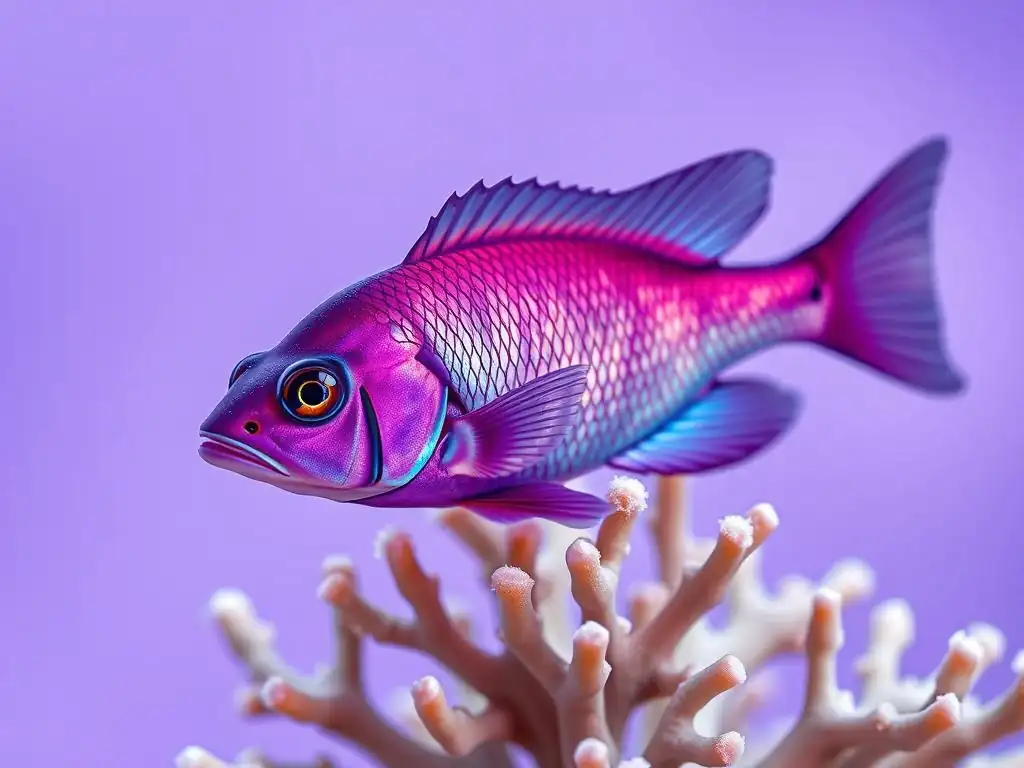
Establishing and maintaining the correct tank conditions is paramount for the health and longevity of your Purple Firefish. These fish thrive in stable, well-established marine environments that mimic their natural reef habitats. Fluctuations in water parameters can quickly lead to stress and susceptibility to disease, so consistency is key. A mature aquarium, cycled and running for several months, is always preferable to a newly set up tank, as it provides the necessary biological stability and beneficial microfauna that these delicate fish benefit from.
When integrating a Purple Firefish into your existing system, a slow and careful acclimation process is crucial. Drip acclimation over an hour or more is highly recommended to gradually equalize water parameters such as temperature, pH, and salinity between the transport bag and the aquarium. This minimizes the shock to the fish's system and significantly reduces the risk of stress-related issues, ensuring a smoother transition into their new home. Adhering to these foundational principles of a robust Purple firefish care guide sets the stage for their long-term well-being.
Tank Size Requirements for Happy Purple Firefish
For a single Purple Firefish, a minimum tank size of 20 gallons (approximately 75 liters) is generally recommended. While they are small fish, this volume provides sufficient swimming space and, more importantly, helps maintain stable water parameters, which are crucial for this species. Larger tanks offer increased stability and dilution of waste products, further contributing to a healthier environment. The vertical space is also beneficial, as these fish often hover in the water column.
If you plan to keep a bonded pair of Purple Firefish, a larger tank of at least 30 to 40 gallons (approximately 113 to 150 liters) is advisable. Although they are generally peaceful, a pair may establish a small territory, and additional space can help mitigate any potential minor squabbles, especially if they are not a well-established pair. Providing ample rockwork and distinct hiding spots within a larger footprint also allows each fish to establish its own retreat, reducing stress and promoting natural behaviors, a key consideration in any Purple firefish care guide.
Water Parameters: Maintaining Optimal Conditions
Maintaining precise and stable water parameters is a cornerstone of successful Purple Firefish care. The ideal temperature range for Nemateleotris decora is between 72-78°F (22-26°C). Salinity should be kept within a specific gravity of 1.020-1.025, or a TDS range of 30-35 ppt. The pH level should consistently be between 8.1 and 8.4, mimicking natural oceanic conditions. Regular monitoring with reliable test kits is essential to detect and correct any deviations promptly.
Beyond the basic parameters, it's vital to ensure that ammonia and nitrite levels remain at an undetectable 0 ppm, as even trace amounts can be highly toxic. Nitrate levels should be kept below 20 ppm, ideally much lower (e.g., under 10 ppm), through regular water changes (10-20% bi-weekly or monthly) and efficient filtration.
For a reef setup, maintaining alkalinity (8-12 dKH), calcium (400-450 ppm), and magnesium (1200-1350 ppm) within optimal ranges is also beneficial for the overall health of the ecosystem, which directly impacts the firefish's well-being. This detailed parameter guide is fundamental to any comprehensive Purple firefish care guide.
Essential Equipment for Purple Firefish Care
To provide optimal care for your Purple Firefish, several pieces of essential equipment are necessary. A reliable filtration system is paramount, often comprising a combination of mechanical filtration (filter socks or sponges), biological filtration (live rock and a robust bio-filter), and chemical filtration (activated carbon or GFO). A protein skimmer is highly recommended for saltwater tanks, as it efficiently removes organic waste before it breaks down, significantly improving water quality and oxygenation.
Furthermore, a heater with an accurate thermostat is crucial to maintain a stable temperature within the recommended range. While Purple Firefish are not strong swimmers, gentle water flow provided by powerheads can help mimic their natural environment and keep detritus suspended for filtration, but avoid strong currents that might stress them. Finally, a secure and tightly fitting lid or screen top is absolutely non-negotiable. Purple Firefish are notorious jumpers, especially when startled or stressed, and a secure cover is the primary defense against escape, a critical safety note in any Purple firefish care guide.
Purple Firefish Diet and Feeding Habits
In their natural habitat, Purple Firefish are planktivores, primarily feeding on zooplankton and small benthic invertebrates that they sift from the water column or pick from the substrate. This dietary preference should guide their feeding regimen in the home aquarium. A varied diet is crucial to ensure they receive all necessary nutrients and maintain their vibrant coloration and overall health.
For captive Nemateleotris decora, high-quality frozen foods should form the cornerstone of their diet. Excellent choices include enriched mysis shrimp, brine shrimp, copepods, and finely chopped marine-based preparations. These foods offer the essential proteins and lipids required. While frozen foods are preferred, small, high-quality marine pellets and flakes can be offered as supplementary items, but should not be the sole food source. Ensuring the food items are appropriately sized for their small mouths (typically less than 0.5 mm for planktonic items) is also important for easy consumption, a key detail in a thorough Purple firefish care guide.
Feeding Frequency and Techniques for Decora Firefish
Due to their active metabolism and relatively small stomachs, Purple Firefish benefit from frequent, small feedings throughout the day. Offering food 2-3 times daily is generally ideal. This approach mimics their natural feeding behavior, where they constantly pick at plankton in the wild, and ensures they receive a consistent supply of energy without overwhelming the tank's filtration system.
When feeding, observe their response. They are often shy feeders, especially when first introduced or if housed with more aggressive tank mates. Distributing food widely or using a target feeder can help ensure the firefish gets its share. Some aquarists find success by turning off powerheads briefly during feeding to allow food to settle and be more easily consumed by the firefish before it's swept away. This careful feeding strategy is vital for a comprehensive Purple firefish care guide.
Avoiding Common Feeding Mistakes
Several common feeding mistakes can negatively impact the health of your Purple Firefish. Overfeeding is a frequent error, leading to excess waste, nutrient build-up, and ultimately, poor water quality, which can stress the fish and lead to disease. Always feed only what your fish can consume within a few minutes. Conversely, underfeeding can lead to malnourishment, stunted growth, and a weakened immune system, making them more susceptible to illness.
Another mistake is relying solely on one type of food, particularly dry flakes or pellets. While convenient, a lack of dietary variety can result in nutritional deficiencies over time. Ensure a rotating menu of frozen foods, supplemented with dry options, to provide a balanced diet. Lastly, neglecting to observe your firefish's feeding behavior can mean missing signs of stress or illness. A healthy Purple Firefish is typically an eager feeder, and any sudden loss of appetite should be investigated as part of a diligent Purple firefish care guide.
Purple Firefish Tank Mates: Creating a Peaceful Reef Community
Compatibility with Other Reef Fish and Invertebrates
The Purple Firefish is celebrated for its peaceful and non-aggressive temperament, making it an ideal candidate for a wide range of reef aquarium setups. They pose no threat to corals of any type—LPS, SPS, or soft corals—nor do they bother anemones or most sessile invertebrates. This makes them a perfect addition to a vibrant and diverse reef environment where the well-being of corals and invertebrates is a top priority. Their gentle nature extends to other fish as well; they rarely initiate aggression and typically coexist harmoniously with other non-aggressive species.
However, their shy and somewhat skittish nature means that careful consideration must be given to their tank mates. They can easily be intimidated or outcompeted for food by overly boisterous, fast-moving, or aggressive fish. Ensuring that all tank mates share a similar calm disposition is crucial for the Purple Firefish's comfort and ability to thrive. This aspect is a fundamental component of any comprehensive Purple firefish care guide, as inappropriate tank mates are a common source of stress for these delicate fish.
Ideal Tank Mate Recommendations for Purple Firefish
When selecting tank mates for your Purple Firefish, prioritize small, peaceful, and non-aggressive species. Excellent choices include other small gobies, such as Watchman Gobies ( Cryptocentrus cinctus) or Diamond Gobies ( Valenciennea puellaris), which occupy different niches and rarely conflict. Peaceful blennies, like the Tailspot Blenny ( Ecsenius stigmatura), also make good companions. Small, docile clownfish species, such as Ocellaris ( Amphiprion ocellaris) or Percula Clownfish ( Amphiprion percula), are generally compatible, provided they are not overly territorial.
Other suitable tank mates can include certain small, peaceful wrasses, like various Fairy Wrasses ( Cirrhilabrus spp.) or Flasher Wrasses ( Paracheilinus spp.), which add color and activity without aggression. As for invertebrates, almost all reef-safe options are compatible. Cleaner shrimp ( Lysmata amboinensis), peppermint shrimp ( Lysmata wurdemanni), various snails (e.g., Astrea, Nassarius), and hermit crabs are excellent choices that will not bother the firefish and can contribute to the tank's clean-up crew. This careful selection ensures a harmonious environment, a critical element in any successful Purple firefish care guide.
Fish to Avoid: Preventing Aggression and Stress
To ensure the well-being of your Purple Firefish, it is crucial to avoid introducing tank mates that are large, aggressive, predatory, or overly boisterous. Large predatory fish such as Lionfish ( Pterois spp.), large Groupers ( Epinephelus spp.), or Triggerfish ( Balistidae family) will view the small Purple Firefish as a food source and should never be housed together. Similarly, aggressive damselfish species ( Dascyllus spp.), certain large angelfish, or dottybacks known for their territoriality can constantly harass and stress the firefish, leading to hiding, refusal to eat, and ultimately, a decline in health.
Fin-nipping species or those that are extremely fast and active swimmers can also be problematic. While not directly aggressive, their constant movement and competition for food can intimidate the shy Purple Firefish, preventing them from feeding adequately or emerging from their hiding spots. Examples might include certain large Tangs in smaller tanks where space is limited, or some larger Wrasses. Always research the temperament and adult size of any potential tank mate before introduction to maintain a peaceful environment, which is a cornerstone of a comprehensive Purple firefish care guide.
Purple Firefish Behavior and Temperament in the Reef Aquarium
Understanding the Purple Firefish Personality
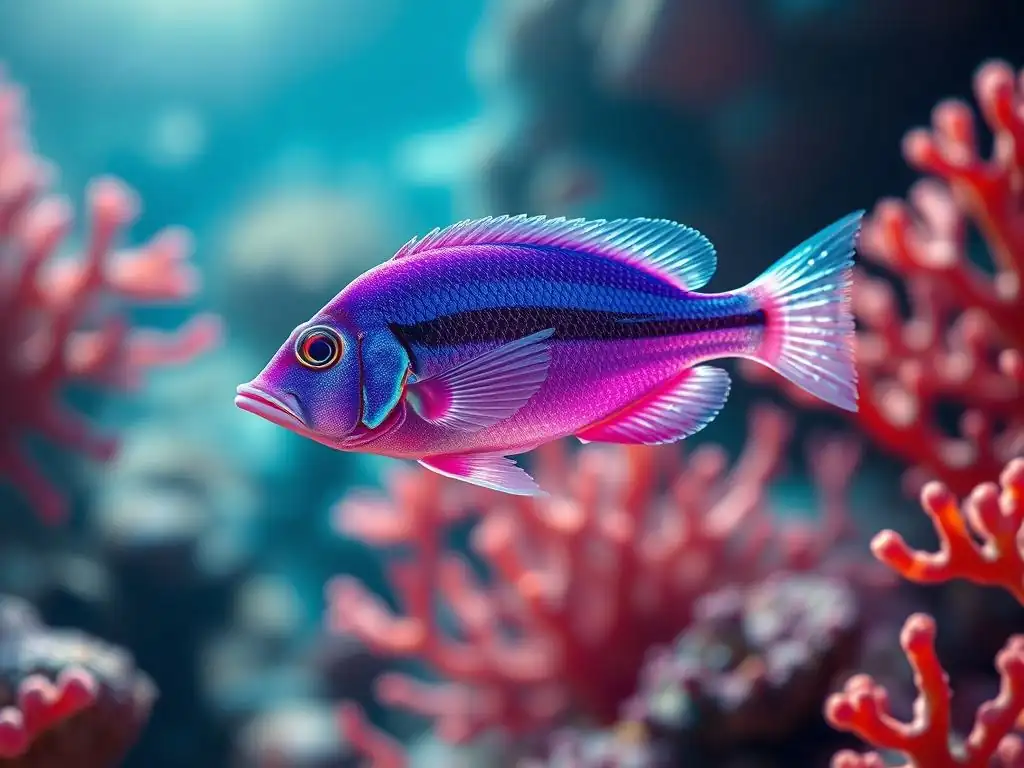
The Purple Firefish is renowned for its unique and generally peaceful personality, characterized by shyness, grace, and a distinctive hovering behavior. In the home aquarium, they are often observed suspended in the water column, typically facing the gentle current, with their elongated bodies held relatively still. This hovering allows them to scan for food particles and potential threats. When startled or feeling threatened, their primary defense mechanism is to rapidly dart backward into the safety of the rockwork or a suitable crevice, disappearing almost instantly. This explains their common name, "dartfish."
Despite their shy nature, once settled and comfortable in a well-established tank with appropriate tank mates and ample hiding spots, they can become quite bold during feeding times. They are not known to be territorial or aggressive towards other species, making them excellent community fish. However, they can exhibit minor territorial disputes amongst themselves if kept in groups in tanks that are too small, though bonded pairs typically coexist peacefully. This understanding of their inherent personality is vital for any Purple firefish care guide.
Observing Natural Behaviors in the Home Aquarium
Observing the natural behaviors of Nemateleotris decora in your home aquarium can be a rewarding experience. Beyond their characteristic hovering, you'll frequently see them darting into and out of their chosen hiding spots within the rockwork. These hiding places are not just for escape; they serve as their primary resting and sleeping areas. A healthy and comfortable Purple Firefish will regularly emerge to explore and feed, displaying their full vibrant coloration.
When kept as a bonded pair, they often exhibit synchronized swimming, moving together through the water column and retreating to the same hiding spot. This pair bonding behavior is fascinating to watch. During feeding, they will actively pick at food particles, demonstrating their planktivorous nature. Any significant deviation from these typical behaviors—such as prolonged hiding, refusal to eat, or rapid breathing—should be considered a potential sign of stress or illness, prompting closer inspection as part of diligent Purple firefish care guide practices.
Minimizing Stress and Promoting Well-being
Minimizing stress is crucial for the long-term health and vibrant appearance of your Purple Firefish. The most effective way to achieve this is by providing a stable and secure environment. This includes ample hiding spots within the rockwork, allowing them to retreat whenever they feel threatened. A secure, tightly fitting lid is also essential, as their darting behavior, particularly when startled, can lead to them jumping out of an uncovered tank.
Introducing them last into a community tank can also help reduce stress, allowing established fish to settle before the shy firefish is added. Maintaining pristine and stable water parameters, avoiding sudden changes in lighting or tank inhabitants, and providing a varied and nutritious diet are all fundamental to their well-being. A calm and consistent environment, free from aggressive tank mates, is the cornerstone of a successful Purple firefish care guide, ensuring these beautiful fish thrive and display their full range of natural behaviors.
Identifying and Addressing Purple Firefish Health Issues
Common Diseases Affecting Purple Firefish
Like many marine fish, Purple Firefish are susceptible to common parasitic diseases prevalent in saltwater aquariums, particularly when stressed or newly introduced. The most frequently encountered parasites include Marine Ich ( Cryptocaryon irritans) and Marine Velvet ( Amyloodinium ocellatum). Marine Ich manifests as small, white spots resembling salt grains on the fish's body and fins, while Marine Velvet typically appears as a dusty, yellowish-brown coating. Both are highly contagious and can be fatal if not treated promptly.
Beyond parasites, Purple Firefish can also suffer from bacterial infections, often secondary to poor water quality, physical injury, or prolonged stress. Symptoms might include fin rot, cloudy eyes, or red lesions on the body. Fungal infections are less common in marine environments but can occur in compromised individuals. Nutritional deficiencies, resulting from an unvaried diet, can weaken their immune system, making them more vulnerable to these diseases, underscoring the importance of a comprehensive Purple firefish care guide that addresses preventative measures.
Recognizing Early Signs of Illness
Early detection of illness is critical for successful treatment and preventing the spread of disease within your aquarium. For Purple Firefish, changes in behavior are often the first indicators. Look for increased lethargy, spending unusual amounts of time hiding, or a complete refusal to emerge even during feeding times. Rapid or labored breathing, often indicated by rapid gill movements, is another serious sign. They may also "flash" or rub themselves against rocks or substrate in an attempt to dislodge parasites.
Physical signs to watch for include the aforementioned white spots (Ich) or dusty appearance (Velvet). Other physical symptoms can be frayed or deteriorating fins (fin rot), cloudy or swollen eyes, unusual blotches or discoloration on the body, and bloating or a sunken belly. Any deviation from their normal vibrant coloration or active feeding behavior warrants immediate investigation. Regular daily observation is a crucial component of a proactive Purple firefish care guide.
Quarantine and Treatment Protocols
A robust quarantine protocol is the single most effective way to prevent the introduction and spread of diseases in your main display tank. All new fish, including Purple Firefish, should be quarantined in a separate, dedicated tank for at least 3-4 weeks. During this period, observe them closely for any signs of illness. This allows time for latent diseases to manifest and for the fish to destress and begin feeding consistently before being introduced to your main system.
Treatment options vary depending on the identified disease. For parasitic infections like Ich and Velvet, copper-based medications are commonly used, or alternative treatments like hyposalinity or the Tank Transfer Method (TTM) can be employed in a quarantine setting. Bacterial infections typically require broad-spectrum antibiotics. Always follow the manufacturer's instructions for any medication precisely, paying close attention to dosage and duration. It is crucial to remember that many medications are toxic to invertebrates and corals, necessitating treatment in a dedicated hospital tank, a vital step highlighted in any comprehensive Purple firefish care guide.
Setting Up a Perfect Habitat for Your Purple Firefish
Aquascaping for Decora Firefish: Creating a Safe and Stimulating Environment
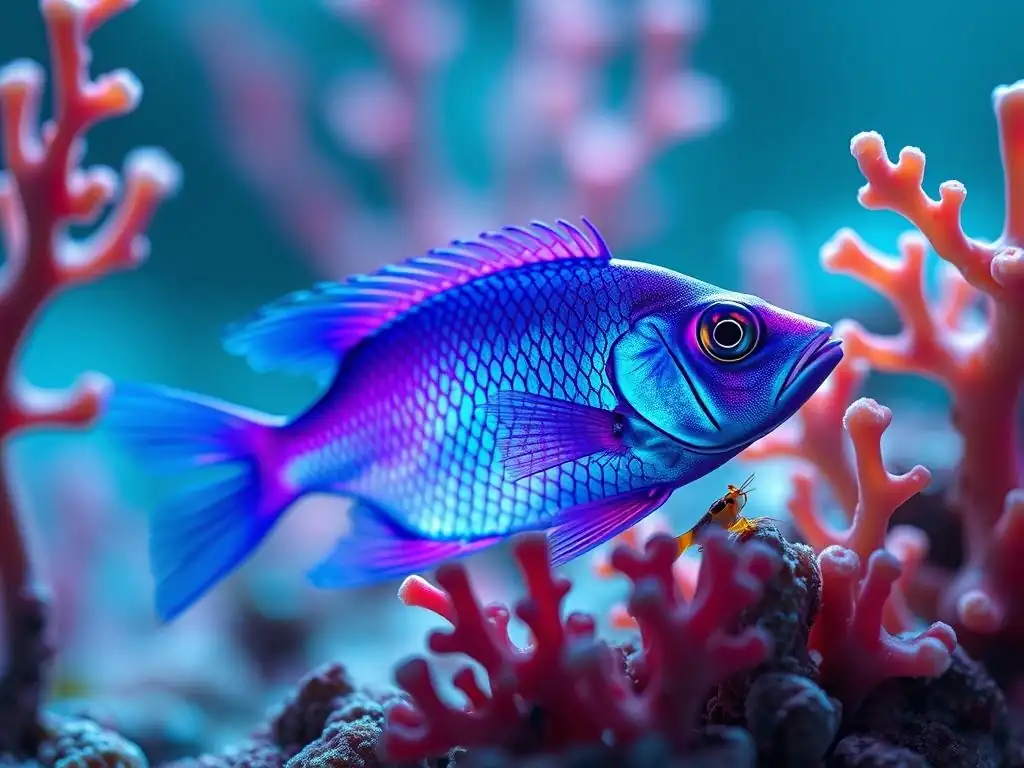
When aquascaping for your Purple Firefish, the primary goal is to create a safe, stimulating, and stress-free environment that mimics their natural reef habitat. This means designing the rockwork with numerous caves, crevices, and overhangs. Purple Firefish are naturally skittish and rely heavily on readily available hiding spots for security and rest. These retreats should be easily accessible but also offer a sense of enclosure, allowing the fish to feel safe from perceived threats.
Ensure the rockwork is stable and securely stacked to prevent collapses, which could injure the fish or damage the tank. Varying the size and orientation of the openings can provide different levels of security and exploration opportunities. You can even incorporate small PVC pipes or ceramic caves discreetly within the rock structure to offer additional, guaranteed hiding places. A well-designed aquascape not only enhances the tank's aesthetic but also critically supports the firefish's natural behaviors and reduces stress, a cornerstone of a successful Purple firefish care guide.
The Importance of Hiding Places and Rockwork
The provision of ample hiding places and well-structured rockwork is not merely an aesthetic choice; it is absolutely paramount for the psychological and physical well-being of the Purple Firefish. Without sufficient retreats, these shy fish will remain constantly stressed, leading to a weakened immune system, refusal to eat, and an increased likelihood of jumping out of the tank when startled. They need places where they can feel completely secure, allowing them to rest and feel safe from tank mates or sudden movements outside the aquarium.
In their natural environment, Nemateleotris decora are rarely found far from the safety of the reef structure. Replicating this in the home aquarium encourages them to exhibit more natural behaviors, such as hovering openly in the water column, knowing that a safe haven is always just a dart away. A tank with sparse or inadequate hiding spots will result in a constantly stressed and hidden fish, negating much of the joy of keeping this beautiful species. This emphasis on secure shelter is a critical aspect of any comprehensive Purple firefish care guide.
Maintaining a Stable and Healthy Reef Ecosystem
Beyond the initial setup, maintaining a stable and healthy reef ecosystem is an ongoing commitment crucial for the longevity of your Purple Firefish. This involves consistent and meticulous tank maintenance, including regular water changes (e.g., 10-20% every two to four weeks) to replenish trace elements and remove accumulated nitrates and other pollutants. Frequent testing of water parameters—temperature, salinity, pH, ammonia, nitrite, and nitrate—is essential to catch and correct any imbalances before they impact the fish.
Ensuring proper filtration and adequate, but not excessive, water circulation contributes significantly to a healthy environment. Avoid overstocking the tank, as this increases the bioload, leads to competition for resources, and can heighten stress levels for all inhabitants, especially a shy species like the Purple Firefish. A balanced and mature ecosystem, where parameters remain consistent and waste is efficiently managed, is the ultimate goal of a thorough Purple firefish care guide, promoting a thriving habitat for your Nemateleotris decora.
Purple Firefish: A Summary of Key Care Considerations
Quick Tips for Successful Purple Firefish Keeping
For successful Purple Firefish keeping, prioritize stability, security, and a balanced environment. Always provide a secure, tightly fitting lid to prevent jumping, a common behavior when startled. Ensure your aquarium has ample hiding spots within the rockwork, offering safe retreats for these shy fish. Maintain stable water parameters within the recommended ranges for temperature (72-78°F), salinity (1.020-1.025 SG), and pH (8.1-8.4), with undetectable ammonia and nitrite.
Offer a varied and high-quality diet consisting primarily of small frozen foods like mysis and enriched brine shrimp, fed 2-3 times daily in small amounts. Select peaceful and non-aggressive tank mates to avoid stressing your firefish, and always quarantine new fish for at least 3-4 weeks to prevent disease introduction. Regular observation for signs of stress or illness, coupled with consistent water changes and maintenance, will contribute significantly to their long-term health and vibrancy, forming the core of an effective Purple firefish care guide.
Common Mistakes to Avoid with Nemateleotris decora
Several common mistakes can jeopardize the health and well-being of your Purple Firefish. One of the most frequent is keeping them in an unsecured tank, which almost inevitably leads to them jumping out, especially during acclimation or when startled. Another significant pitfall is introducing them to an immature aquarium with unstable water parameters; these fish require a fully cycled and established system. Housing them with aggressive or overly boisterous tank mates is also a common error that can lead to chronic stress, refusal to eat, and a shortened lifespan.
Inadequate hiding spots contribute significantly to stress, causing the fish to hide excessively or become listless. Furthermore, a lack of dietary variety, relying solely on dry foods, can lead to nutritional deficiencies over time. Lastly, neglecting regular water testing and maintenance can result in declining water quality, making the fish susceptible to common marine diseases. Avoiding these common errors is crucial for anyone following a comprehensive Purple firefish care guide aiming for a thriving Nemateleotris decora.
Resources for Further Learning about Purple Firefish
AquariumMastery.com is dedicated to providing extensive resources for aquarists, offering detailed guidance on setting up and maintaining both freshwater and saltwater aquariums. For those seeking to deepen their knowledge of Nemateleotris decora, the website features comprehensive species profiles, in-depth articles on water chemistry, and troubleshooting guides for common tank issues. You can find more information on specific topics like reef-safe fish compatibility within the "Comprehensive Guide to Reef-Safe Fish & Invertebrate Tank Mates" subcategory, or explore general saltwater fish care under the "Saltwater Fish (Profiles, Care, Tank Mates, Breeding, Health)" category.
Engaging with the broader aquarist community can also be incredibly beneficial. Online forums dedicated to marine aquariums, local fish keeping clubs, and reputable local fish stores often provide valuable insights, practical tips, and shared experiences that complement the information found in a Purple firefish care guide. These resources can offer real-world perspectives on common challenges and successful strategies for keeping these graceful fish.
Frequently Asked Questions
What are the basic requirements for keeping a Purple Firefish?
Purple Firefish require a minimum tank size of 20 gallons, stable water parameters, and plenty of hiding places. They are generally peaceful and reef-safe, making them a great addition to many aquarium setups.
What is the ideal diet for a Purple Firefish?
Purple Firefish thrive on a diet of small, meaty foods such as mysis shrimp, brine shrimp, and finely chopped seafood. Offer a varied diet to ensure they receive all the necessary nutrients.
Are Purple Firefish compatible with other fish in an aquarium?
Purple Firefish are typically peaceful fish, but they can be territorial towards other firefish, especially of the same species. Avoid housing multiple Purple Firefish in smaller tanks.
What are some common health problems that affect Purple Firefish?
Purple Firefish are susceptible to common aquarium diseases like ich and velvet. Maintaining good water quality and providing a stress-free environment are essential for preventing illness.
What water parameters are crucial for Purple Firefish health and survival?
Maintaining stable water parameters is crucial. Ideal parameters include a temperature of 72-78°F, a salinity of 1.023-1.025, and a pH of 8.1-8.4. Regular water testing and changes are necessary.
Final Reflection: Embracing the Delicate Dance of Reef Life
The journey into understanding the intricate needs of the Purple Firefish illuminates a broader truth about our responsibility as stewards of the marine environment. What began as a practical guide to Nemateleotris decora care transcends mere instruction, becoming a poignant reminder of the delicate balance within reef ecosystems and the impact our choices have on their survival.
This exploration of the Purple Firefish underscores the profound connection between our actions and the well-being of these fragile habitats. Witnessing the vibrant beauty and peaceful nature of this fish compels us to consider the ethical implications of aquarium keeping and the importance of responsible sourcing. In the end, we will conserve only what we love; we will love only what we understand; and we will understand only what we are taught.
- Baba Dioum. This quote resonates deeply, urging us to cultivate a deeper understanding and appreciation for the wonders of the reef.
Now, consider the lessons learned about the Purple Firefish and apply them to your own interactions with the natural world. Let this guide not only inform your aquarium practices but also inspire a commitment to sustainable choices that protect the reefs for generations to come. Embrace the opportunity to be a responsible reef keeper, and in doing so, contribute to the preservation of these invaluable ecosystems.
Ignite Your Reef Tank: Adopt a Dazzling Firefish Today!
Thanks for diving deep into the captivating world of the Purple Firefish! We hope you've found inspiration to enhance your reef aquarium with these graceful creatures. Ready to take the next step?
Here are a few ways to bring the beauty of the Purple Firefish into your own aquarium journey:
- Prioritize Aquarium Compatibility: Research and carefully select tank mates known for their peaceful demeanor. A harmonious community is key to your Firefish's well-being.
- Explore Beginner-Friendly Reef Fish: Consider adding other docile reef fish that can live together with the Purple Firefish.
- Share your Firefish vision: Discuss your plans to introduce a Purple Firefish with other reefing enthusiasts on social media or in forums. You might discover local breeders or gain valuable insight!
What are the three most important reef safe attributes you will consider when buying a fish?