
Sand Sifting Sea Stars (Archaster typicus): Pros, Cons, and Proper Care

Welcome to Aquarium Mastery!
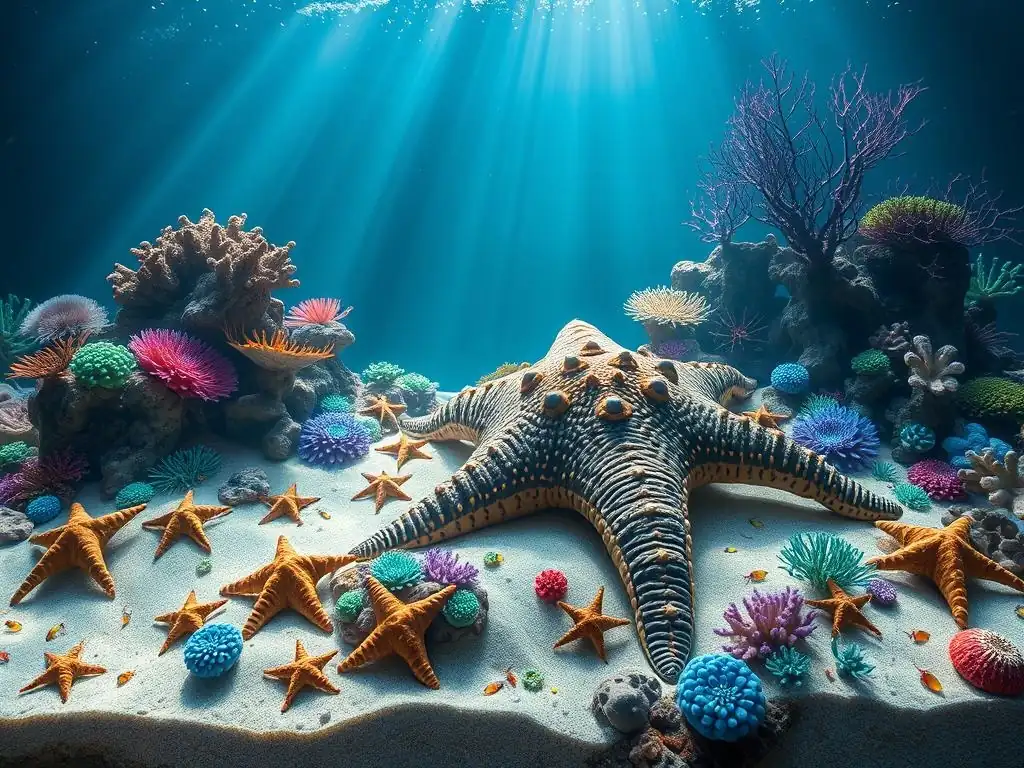
Ever wondered if those pristine, sandy bottoms in reef tanks are actually possible? Dive in with us as we explore the captivating world of Archaster typicus, the sand sifting sea star. But before you introduce these fascinating creatures to your aquarium, let's uncover the secrets to their proper care, the potential drawbacks, and everything you need to know to ensure a thriving ecosystem. Ready to master the art of sand sifting sea star care?
- Sand Sifting Sea Stars (Archaster typicus): Pros, Cons, and Proper Care for a Thriving Aquarium
- Introduction to Archaster typicus: The Sand Sifting Sea Star
- The Pros of Keeping Sand Sifting Sea Stars in Your Reef Tank
- The Cons of Keeping Sand Sifting Sea Stars: Potential Drawbacks
-
Proper Care Guide for Archaster typicus Sand Sifting Sea Stars
- Setting Up the Ideal Aquarium Environment for Archaster typicus
- Feeding Archaster typicus: Ensuring Nutritional Needs are Met
- Acclimation Process: Safely Introducing Sand Sifting Stars to Your Tank
- Identifying and Addressing Common Health Issues in Archaster typicus
- Maintaining a Healthy Sand Bed for Optimal Archaster typicus Care
- Choosing Healthy Archaster typicus for Your Aquarium
- Archaster typicus vs. Other Sand Sifting Invertebrates: A Comparison
- Conclusion: Is Archaster typicus Right for Your Saltwater Aquarium?
-
Frequently Asked Questions
- What exactly is Archaster typicus and why is it called a "sand sifting" sea star?
- What are the primary benefits of keeping Archaster typicus in a saltwater aquarium?
- Are there any potential drawbacks to keeping Archaster typicus in an aquarium?
- What are the key requirements for proper Archaster typicus sand sifting care?
- How can I tell if my Archaster typicus is healthy and thriving in my aquarium?
- Final Reflection: The Delicate Dance of Ecosystem Balance
- Embrace the Wonder: Start Your Sand Sifting Sea Star Journey!
Sand Sifting Sea Stars (Archaster typicus): Pros, Cons, and Proper Care for a Thriving Aquarium
Introduction to Archaster typicus: The Sand Sifting Sea Star
What are Sand Sifting Sea Stars? Understanding Archaster typicus
The Sand Sifting Sea Star, scientifically known as Archaster typicus, is a fascinating and often sought-after invertebrate in the marine aquarium hobby. Native to the vast Indo-Pacific region, these starfish typically inhabit sandy bottoms, seagrass beds, and rubble zones where they play a crucial ecological role in processing organic detritus. Unlike some predatory starfish, Archaster typicus is a gentle detritivore, making it a unique addition to a reef or fish-only saltwater tank.
Distinguished by its characteristic five arms and a generally muted coloration of tan, brown, or light grey, Archaster typicus can reach an arm span of up to 8 inches (approximately 20 cm) in a mature aquarium. Its primary method of feeding involves sifting through the substrate using its numerous tube feet, ingesting sand particles coated with biofilm, detritus, and microscopic organisms. This constant sand sifting care activity not only keeps the substrate clean but also contributes to the overall health of the aquarium ecosystem by preventing the buildup of harmful substances.
Why Choose Archaster typicus for Your Saltwater Aquarium?
Many aquarists choose to introduce Archaster typicus into their saltwater setups primarily for its role as an exceptionally efficient member of the clean-up crew. Its natural behavior of constantly burrowing and sifting through the sand bed provides invaluable aeration, preventing the formation of anaerobic pockets that can release toxic hydrogen sulfide gas. This biological function is incredibly difficult to replicate manually and is vital for the long-term stability of a deep sand bed.
Beyond their practical benefits, Archaster typicus also offers an intriguing visual element to an aquarium. Their graceful movements as they navigate the sand bed, often leaving distinct trails, can be quite captivating. Furthermore, their peaceful temperament ensures they pose no threat to corals, other invertebrates, or fish, making them a safe and compatible inhabitant for most reef and community tanks. Understanding proper Archaster typicus sand sifting care is key to harnessing these benefits.
The Pros of Keeping Sand Sifting Sea Stars in Your Reef Tank
Natural Sand Bed Aeration and Cleaning with Archaster typicus
One of the most significant advantages of keeping Archaster typicus is their unparalleled ability to naturally aerate the sand bed. Through their continuous burrowing and movement, these starfish prevent the compaction of substrate and disrupt the formation of anaerobic zones, which are areas devoid of oxygen where harmful bacteria can thrive and produce toxic gases like hydrogen sulfide. This constant turnover is essential for supporting a healthy population of beneficial aerobic bacteria within the sand.
A single mature Archaster typicus can effectively process and turn over the top few inches of substrate in a 50 to 75-gallon tank multiple times a week. This consistent sand sifting care action helps to release trapped gases and circulate oxygen throughout the substrate, contributing to a more stable and robust biological filtration system within the aquarium. This natural method of maintenance often proves superior to manual stirring, which can be disruptive and less thorough.
Efficient Detritus Removal by Sand Sifting Starfish
Archaster typicus are highly effective detritivores, meaning their primary diet consists of organic particulate matter, uneaten food, and other decaying material that settles within the sand bed. As they sift through the substrate, they ingest these fine particles, effectively removing them from the aquarium system before they can decompose and contribute to nutrient overload. This vital function helps to keep the water column cleaner and clearer.
By consuming this detritus, Archaster typicus directly contributes to the reduction of nitrates and phosphates, which are common byproducts of organic decomposition and major contributors to nuisance algae growth. For example, in a well-established 75-gallon reef system, the presence of a healthy Archaster typicus can significantly diminish the accumulation of visible detritus in the sand, thereby reducing the frequency of manual siphoning and promoting overall water quality. This is a core aspect of Archaster typicus sand sifting care.
Controlling Algae Growth: The Role of Archaster typicus
While Archaster typicus does not directly consume nuisance algae from rocks or glass, its indirect contribution to algae control is substantial. By diligently sifting and consuming organic detritus from the sand bed, these starfish effectively reduce the primary food source for many types of nuisance algae, such as diatoms and cyanobacteria, which thrive on excess nutrients. Less detritus means fewer available nutrients in the water column.
This proactive sand sifting care helps to starve out potential algae blooms before they can take hold. In a balanced reef ecosystem, the continuous removal of organic waste by Archaster typicus acts as a preventative measure against widespread algae issues, complementing the efforts of other clean-up crew members that target algae on surfaces. Their role is therefore integral to maintaining a clean and aesthetically pleasing aquarium environment.
Archaster typicus: A Peaceful and Reef-Safe Invertebrate
One of the most appealing characteristics of Archaster typicus for reef aquarists is its exceptionally peaceful and reef-safe nature. Unlike some other starfish species that can be predatory towards corals or other invertebrates, Archaster typicus poses no threat to corals (SPS, LPS, or soft corals), anemones, clams, or other sessile invertebrates. They focus solely on consuming detritus from the sand bed.
Furthermore, these starfish are completely non-aggressive towards fish, shrimp, crabs, and snails, making them ideal inhabitants for mixed-reef tanks and community setups. Their gentle disposition ensures they coexist harmoniously with a wide array of marine life, without disturbing tank inhabitants or causing damage to delicate ecosystems. This makes them a reliable and safe choice when considering Archaster typicus sand sifting care for a diverse aquarium.
The Cons of Keeping Sand Sifting Sea Stars: Potential Drawbacks
Starvation Risks: Ensuring Adequate Food Supply for Archaster typicus
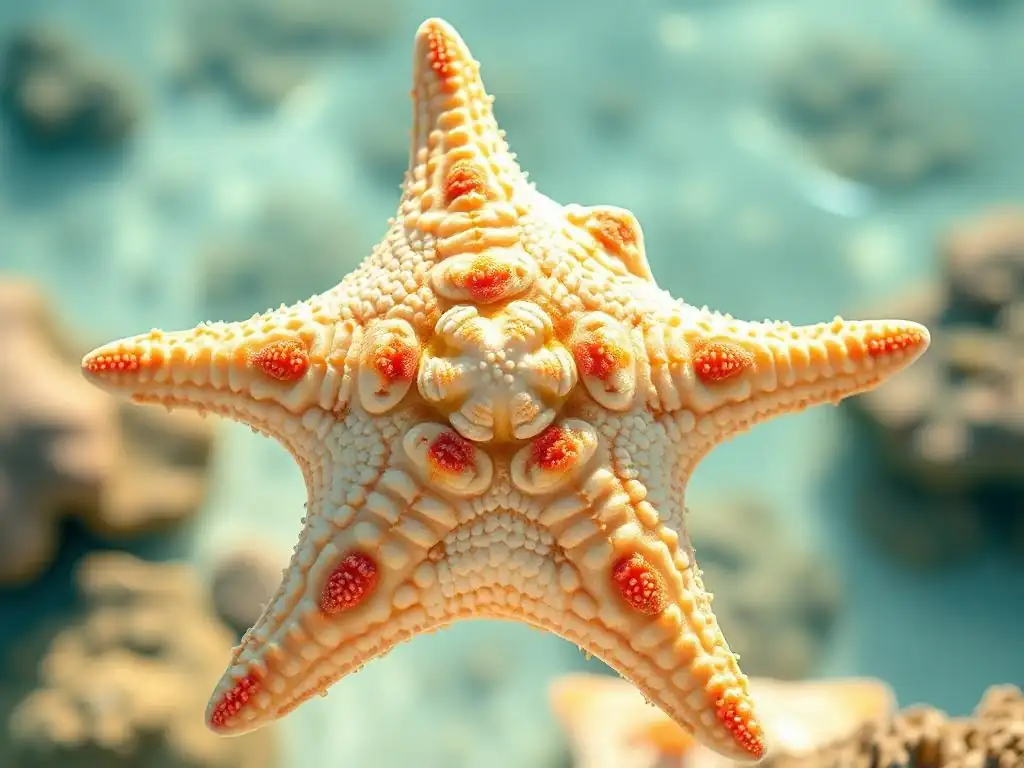
The most significant challenge in keeping Archaster typicus is ensuring a consistent and adequate food supply. These starfish primarily feed on the microscopic organic matter, detritus, and various tiny organisms that naturally inhabit a mature sand bed. In newly established tanks, or those with insufficient sand bed depth or volume, the natural food source can quickly become depleted, leading to slow starvation.
Many aquarists report that Archaster typicus specimens, while initially active, gradually decline in health over several months due to a lack of sustenance. A tank less than 6 to 12 months old, or one smaller than 50-75 gallons with less than 3-4 inches of sand, may simply not possess the biological maturity or surface area to sustain a healthy Archaster typicus long-term. This necessitates careful consideration of tank parameters before acquiring one, as proper Archaster typicus sand sifting care heavily relies on a robust food source.
Sensitivity to Water Parameters: Maintaining Optimal Conditions
Like many echinoderms, Archaster typicus sea stars are notoriously sensitive to sudden fluctuations in water parameters. They are particularly intolerant of rapid changes in salinity, temperature, and pH. Even minor shifts can induce significant stress, leading to a compromised immune system, tissue damage, and ultimately, death. This sensitivity requires diligent monitoring and maintenance of stable tank conditions.
For optimal Archaster typicus sand sifting care, specific gravity should be maintained consistently between 1.024 and 1.026, temperature between 72-78°F (22-26°C), and pH between 8.1-8.4. Furthermore, they are highly susceptible to copper-based medications, even in trace amounts, which are often used to treat parasitic infections in fish. Any use of such medications in the display tank will be lethal to the starfish.
Predation Concerns: Compatibility with Other Tank Inhabitants
While Archaster typicus is generally peaceful and non-aggressive, it can unfortunately become prey to certain opportunistic or predatory tank inhabitants. Larger species of wrasses, such as some Coris or Halichoeres species, puffers, triggerfish, and certain large crabs, may view these starfish as a food source or simply harass them. Even a seemingly benign fish might nip at their delicate arms, causing irreversible damage.
It is crucial for aquarists to thoroughly research the compatibility of all tank mates before introducing an Archaster typicus. A starfish that is constantly stressed by predators or suffers physical injury has a significantly reduced chance of survival. For instance, a common observation is that a large Blue Throat Triggerfish (Xanthichthys mento) might leave Archaster typicus alone, but a more aggressive Picasso Triggerfish ( Rhinecanthus aculeatus) would likely view it as a meal.
Impact on Microfauna Population: Potential Competition for Resources
The very efficiency of Archaster typicus in sifting through the sand bed can paradoxically become a drawback. Their continuous consumption of detritus and microscopic organisms, such as copepods, amphipods, and various types of worms, can lead to a significant reduction in the overall microfauna population within the substrate. These microfauna are essential components of a healthy reef ecosystem, contributing to nutrient cycling and serving as a natural food source for many other tank inhabitants, including mandarinfish and dragonets.
Over time, especially in smaller tanks or those with a limited sand bed area, a single Archaster typicus can effectively "sterilize" the sand, depleting the very organisms that contribute to its health and provide food for other detritivores. For example, a 20-gallon long-term tank with an Archaster typicus will likely see a much faster decline in copepod populations in the sand than a similar tank without one, potentially impacting other organisms that rely on these populations. This makes responsible Archaster typicus sand sifting care a balance between cleanliness and ecological impact.
Proper Care Guide for Archaster typicus Sand Sifting Sea Stars
Setting Up the Ideal Aquarium Environment for Archaster typicus
Tank Size Requirements for Sand Sifting Starfish
Providing an appropriately sized aquarium is paramount for the long-term health and survival of Archaster typicus. Due to their constant need to forage for food within the sand bed, they require a substantial amount of substrate surface area. A minimum tank size of 50 to 75 gallons is generally recommended for a single specimen to ensure a sufficient and continuously replenishing food source.
Larger tanks, ideally 100 gallons or more, with established and mature sand beds, offer the best chances for success and can even sustain multiple Archaster typicus specimens. In smaller tanks, the limited surface area often means the starfish will quickly consume all available food, leading to starvation within a few months, regardless of supplemental feeding efforts. This is a critical aspect of Archaster typicus sand sifting care.
Substrate Depth and Composition: Promoting Natural Behavior
The depth and composition of the substrate are critical factors for Archaster typicus sand sifting care. A deep sand bed (DSB) of at least 3-4 inches (approximately 7.5-10 cm) is absolutely essential. This depth allows the starfish to fully burrow and engage in its natural sifting behavior, which is vital for both its feeding and overall well-being.
Regarding composition, a finer sand substrate, such as aragonite or sugar-fine sand, is highly preferred over coarse gravel. Fine sand allows for easier burrowing and sifting, preventing physical stress or injury to the starfish's delicate tube feet. Live sand can also be beneficial as it often contains a natural population of microfauna and beneficial bacteria, providing an initial food source and aiding in biological filtration.
Water Parameter Specifications: Temperature, Salinity, and pH
Maintaining stable and optimal water parameters is non-negotiable for the health of Archaster typicus. Temperature should be kept within a narrow range of 72-78°F (22-26°C), with minimal fluctuations. Salinity is equally crucial and must be consistently maintained between 1.024 and 1.026 specific gravity, or 34-35 parts per thousand (ppt). A sudden drop in salinity, even to 1.020 for a short period, can be fatal.
The pH level should ideally be kept between 8.1 and 8.4. Regular testing with reliable aquarium test kits is paramount to monitor these parameters and ensure they remain within the acceptable ranges. Any necessary adjustments should be made slowly and gradually to avoid shocking the sensitive starfish, making diligent monitoring a core part of Archaster typicus sand sifting care.
Feeding Archaster typicus: Ensuring Nutritional Needs are Met
Supplementing Diet with Detritus and Organic Matter
Even in a mature tank, the natural food supply for Archaster typicus may not always be sufficient, especially if the tank is heavily cleaned or sparsely fed. Supplemental feeding often becomes necessary to ensure their nutritional needs are met. This can involve target feeding with finely crushed flake food, sinking pellets, or finely minced frozen foods such as mysis shrimp or brine shrimp.
The key is to deliver the food directly to the sand bed near the starfish, allowing them to encounter it as they sift. Some aquarists find success by burying a small pinch of food just below the surface of the sand. However, it's crucial to avoid overfeeding, as excess food can rapidly decompose and lead to undesirable water quality issues. A balanced approach is vital for effective Archaster typicus sand sifting care.
Avoiding Overfeeding: Preventing Water Quality Issues
While supplemental feeding is often necessary for Archaster typicus, it is equally important to avoid overfeeding. Any uneaten food that is not consumed by the starfish or other clean-up crew members will break down, contributing to elevated levels of nitrates and phosphates in the water. This can lead to unsightly nuisance algae blooms and overall degradation of water quality, which negatively impacts all tank inhabitants.
A good practice is to observe the starfish's activity and body condition. If it appears plump and active, sifting constantly, its natural food supply might be sufficient. If it looks deflated, less active, or spends time on the glass, it likely needs more food. Feed small amounts, perhaps once or twice a week, and always monitor water parameters closely after feeding to ensure no detrimental impact on water quality. This careful balance is central to proper Archaster typicus sand sifting care.
Acclimation Process: Safely Introducing Sand Sifting Stars to Your Tank
The acclimation process for Archaster typicus is one of the most critical steps in ensuring its survival and long-term health. Due to their extreme sensitivity to changes in salinity, temperature, and pH, a very slow drip acclimation is absolutely essential. This process should ideally last for a minimum of 1-2 hours, and often longer (3-4 hours), to allow the starfish to gradually adjust to the new water parameters.
To perform drip acclimation, gently transfer the starfish and its original shipping water into a clean container. Use an air line tubing with a knot or a flow restrictor to slowly drip water from your display tank into the container. Crucially, avoid exposing the starfish to air at any point, as this can trap air bubbles in its internal water vascular system, which can be fatal. Once acclimated, gently transfer the starfish by hand directly onto the sand bed, allowing it to burrow naturally. This meticulous process is paramount for Archaster typicus sand sifting care.
Identifying and Addressing Common Health Issues in Archaster typicus
Signs of Starvation and Malnutrition
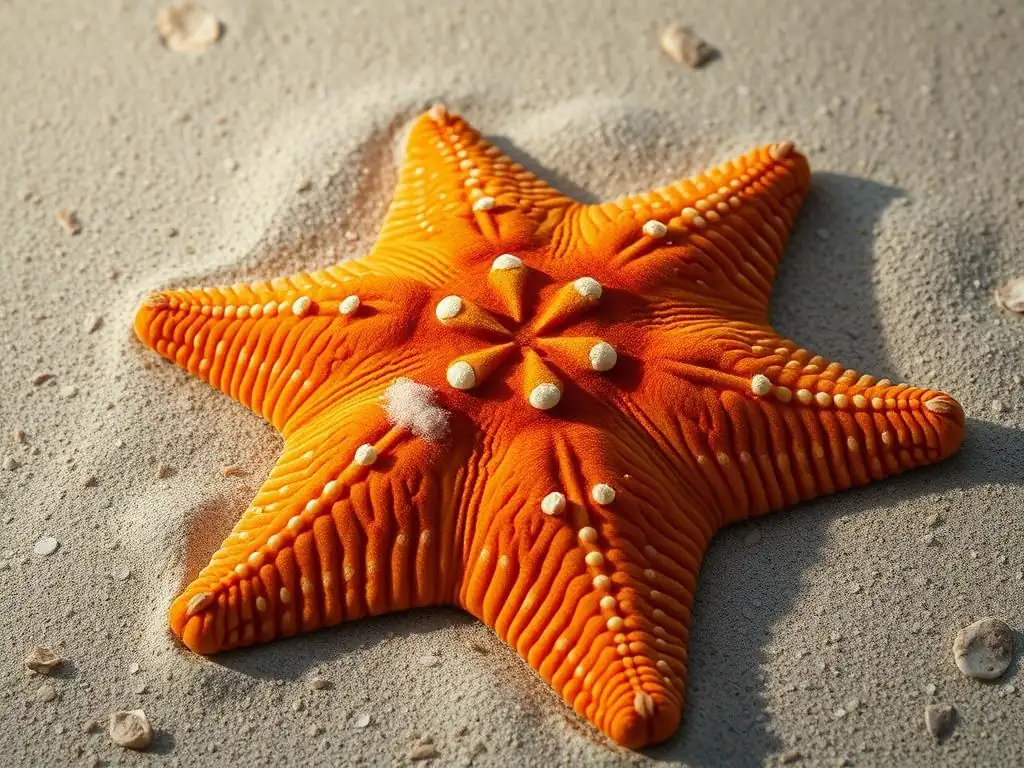
Starvation is the most common cause of decline and death in Archaster typicus. Recognizing the signs early is crucial for effective Archaster typicus sand sifting care. A starving starfish will typically appear deflated or concave, losing its plump, firm appearance. Its arms may become thin, brittle, or start to shrink, and it may spend less time actively sifting in the sand, instead clinging to the glass or rocks in search of food.
If these signs are observed, immediate action is required. Increase supplemental feeding, ensuring the food is delivered directly to the starfish. More importantly, assess your tank's sand bed. If it's too new, too shallow, or too small to sustain the starfish, rehoming it to a larger, more mature system with a robust sand bed may be the only viable solution to prevent prolonged suffering and eventual demise.
Recognizing and Treating Infections
While less common than starvation, Archaster typicus can suffer from bacterial infections, often manifesting as lesions, white patches, or tissue decay, sometimes leading to the loss of an arm. These infections can be triggered by poor water quality, physical injury, or prolonged stress. Unfortunately, treating starfish infections within a reef aquarium is notoriously difficult due to their sensitivity to most medications.
If an infection is suspected, the primary course of action for Archaster typicus sand sifting care should be to ensure pristine water quality through regular water changes and diligent parameter monitoring. If possible and practical, isolating the affected starfish in a separate quarantine tank with stable, clean water can sometimes aid recovery, but success rates are generally low. Never use copper-based medications, as they are lethal to all echinoderms. Prevention through stable conditions and gentle handling is always the best approach.
Maintaining a Healthy Sand Bed for Optimal Archaster typicus Care
Regular Gravel Vacuuming: A Controversial Practice
The practice of regular gravel vacuuming in a sand bed inhabited by Archaster typicus is a controversial topic among aquarists. While vacuuming can remove accumulated detritus from the sand surface, deep vacuuming can also indiscriminately remove the beneficial microfauna (copepods, amphipods, worms) that Archaster typicus relies on for food. Furthermore, aggressive vacuuming can disrupt the delicate anaerobic zones of a deep sand bed, potentially releasing trapped gases.
For tanks housing Archaster typicus, it is generally recommended to avoid deep gravel vacuuming. Instead, rely on the starfish's natural sand sifting care abilities to keep the deeper layers clean. Light surface vacuuming might be acceptable to remove large accumulations of detritus, but it should be done sparingly and gently to minimize disturbance to the sand bed ecosystem. In a healthy 75-gallon tank with an active Archaster typicus, manual deep vacuuming might only be necessary on a very infrequent basis, perhaps once every six months, if at all.
Adding Live Sand to Replenish Microfauna
To support the long-term health of your Archaster typicus and the sand bed ecosystem, periodically adding small amounts of new live sand can be beneficial. Introducing 1-2 pounds (approximately 0.5-1 kg) of fresh live sand every 3-6 months can help to replenish the populations of beneficial bacteria and crucial microfauna that the starfish consumes. This practice helps to ensure a continuous and diverse food source.
This proactive approach to Archaster typicus sand sifting care maintains a robust and thriving sand bed environment. The replenished microfauna not only provide sustenance for the starfish but also contribute to the overall biological filtration and nutrient cycling within the aquarium, supporting a healthier ecosystem for all inhabitants.
Choosing Healthy Archaster typicus for Your Aquarium
Selecting Specimens Free from Injury or Disease
When selecting an Archaster typicus for your aquarium, careful inspection is crucial to ensure you acquire a healthy specimen. Look for starfish that appear plump and full-bodied, with no signs of deflation or concavity, which can indicate starvation. All five arms should be intact, well-formed, and free from any lesions, white patches, or signs of tissue decay. Avoid any starfish with missing or damaged arms, as these injuries can be difficult for them to recover from in a home aquarium.
Observe the starfish closely in the dealer's tank. A healthy Archaster typicus will typically have its tube feet extended and moving, indicating activity and good health. Gently touch the starfish (if permitted by the dealer) to see if it reacts by retracting its tube feet or slowly moving away. This responsiveness is a good sign of vitality.
Observing Behavior: Signs of a Healthy Sand Sifting Starfish
Beyond physical appearance, observing the behavior of an Archaster typicus in the dealer's tank provides valuable clues about its health. A healthy specimen will generally be found burrowing into the sand or slowly moving across its surface, actively sifting through the substrate. This natural sand sifting care behavior is an indicator of its well-being.
Conversely, avoid purchasing starfish that are motionless for extended periods, clinging to the glass high up the tank walls (which can be a sign of starvation or poor sand conditions), or showing any signs of "melting" or tissue degradation. Starfish that are upside down and unable to right themselves are also likely in distress and should not be considered. Choosing an active, healthy specimen significantly increases its chances of thriving in your home aquarium.
Archaster typicus vs. Other Sand Sifting Invertebrates: A Comparison
Advantages and Disadvantages Compared to Sea Cucumbers
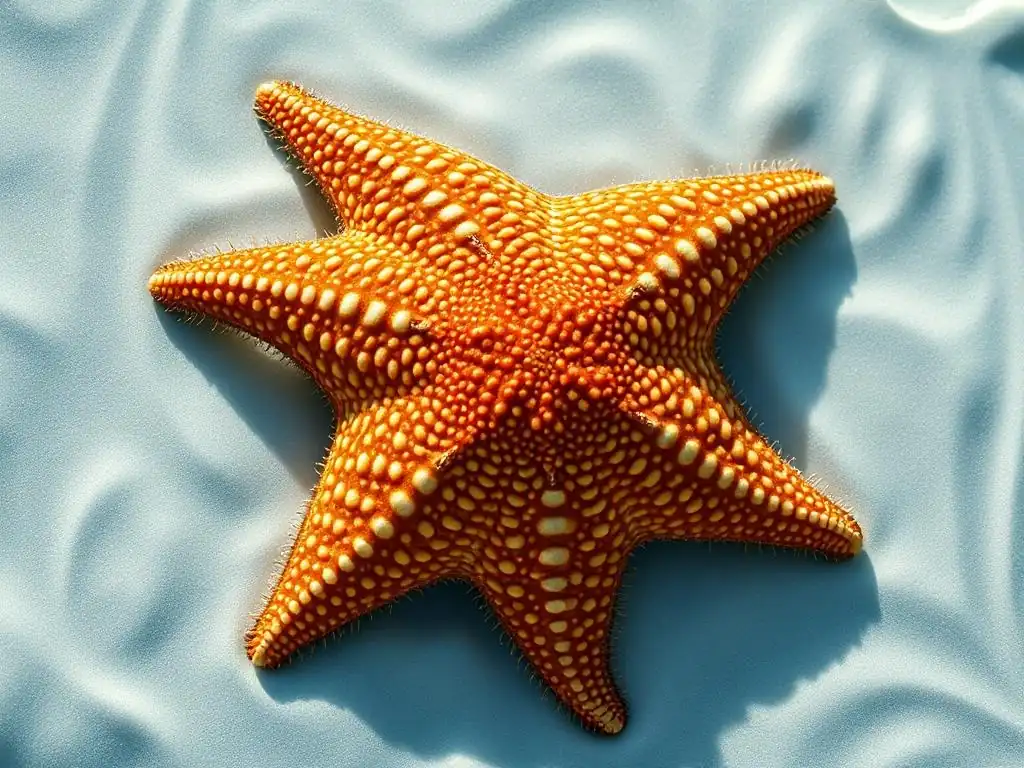
When considering sand-sifting clean-up crew members, sea cucumbers (such as the Tiger Tail Sea Cucumber, Holothuria hilla) are often compared to Archaster typicus. A key advantage of Archaster typicus is its generally smaller size and its relatively benign impact on the tank if it dies. Unlike some species of sea cucumbers which can release potent toxins upon death or severe stress, potentially "nuking" an entire tank, Archaster typicus does not pose this catastrophic risk. They are also generally more visually active as they sift.
However, some sea cucumbers are incredibly efficient detritivores, capable of processing even more sand than Archaster typicus. They can also be more tolerant of varying sand bed conditions. While the Archaster typicus sand sifting care is more straightforward in terms of potential tank contamination, some sea cucumbers might be hardier or process a larger volume of substrate, though at a greater risk if they perish.
Archaster typicus Versus Nassarius Snails: Which is Best?
Archaster typicus and Nassarius snails ( Nassarius vibex or Nassarius distortus) are both excellent sand-dwelling clean-up crew members, but they perform different, complementary roles. Archaster typicus excels at deep sand bed aeration and sifting, processing fine particles and detritus throughout the substrate's depth. They are the primary architects of a healthy, oxygenated sand bed.
Nassarius snails, on the other hand, are primarily surface scavengers. They are highly efficient at consuming uneaten food, decaying organic matter, and even deceased tank inhabitants from the sand's surface. They are also very hardy and often reproduce readily in home aquariums. While Nassarius snails do not burrow deeply or aerate the sand like Archaster typicus, they are excellent at preventing detritus from settling. Many aquarists find that a combination of both Archaster typicus for deep sand sifting care and Nassarius snails for surface scavenging provides the most comprehensive sand bed maintenance.
Conclusion: Is Archaster typicus Right for Your Saltwater Aquarium?
Weighing the Pros and Cons of Sand Sifting Sea Stars
Deciding whether to add an Archaster typicus to your saltwater aquarium involves a careful evaluation of its benefits against its specific requirements and potential drawbacks. On the positive side, these fascinating invertebrates offer unparalleled natural sand bed aeration, efficient detritus removal, and an indirect contribution to algae control by reducing nutrient loads. Their peaceful and reef-safe nature makes them a compatible addition to most mixed-reef and community tanks, enhancing the biological diversity and aesthetic appeal.
However, the challenges associated with Archaster typicus sand sifting care are significant and must not be underestimated. The primary concern is the high risk of starvation in tanks that are too small, too new, or lack a sufficiently deep and mature sand bed. Their extreme sensitivity to water parameter fluctuations and susceptibility to certain predators also demand meticulous attention to tank stability and compatibility.
Responsible Archaster typicus Keeping: Ensuring a Sustainable Future
Ultimately, the decision to keep an Archaster typicus should be based on a thorough understanding of its needs and a commitment to providing an optimal environment. Responsible aquarists will only acquire these starfish if their tank meets the minimum requirements for size (ideally 75+ gallons), sand bed depth (3-4 inches or more), and maturity (at least 6-12 months established). Impulse purchases should be avoided at all costs, as they often lead to the slow demise of these sensitive creatures.
By diligently researching and preparing for the unique Archaster typicus sand sifting care requirements, aquarists can enjoy the profound benefits these diligent invertebrates bring to a marine ecosystem. Ensuring their long-term health not only enhances your aquarium's cleanliness and stability but also contributes to ethical and sustainable practices within the hobby.
Frequently Asked Questions
What exactly is Archaster typicus and why is it called a "sand sifting" sea star?
Archaster typicus is a species of sea star commonly referred to as a sand sifting sea star because it spends its time burrowing through the substrate in aquariums, consuming detritus and small organisms. This natural behavior helps keep the sand bed clean.
What are the primary benefits of keeping Archaster typicus in a saltwater aquarium?
The main benefit is their ability to naturally clean the sand bed. They consume detritus and uneaten food, helping to reduce nutrient levels and prevent the buildup of harmful substances, thus improving overall water quality.
Are there any potential drawbacks to keeping Archaster typicus in an aquarium?
Yes, a significant drawback is their high demand for food. If the aquarium's sand bed isn't sufficiently rich in organic matter, they can starve and die. They also may not be suitable for tanks with aggressive inhabitants.
What are the key requirements for proper Archaster typicus sand sifting care?
Proper care involves providing a mature and deep sand bed (at least 3-4 inches), ensuring adequate food availability (possibly supplementing with commercial foods), and maintaining stable water parameters. Avoid using copper-based medications as these are toxic to invertebrates.
How can I tell if my Archaster typicus is healthy and thriving in my aquarium?
A healthy Archaster typicus will be actively moving through the sand, have a firm body, and show no signs of discoloration or deterioration. Regularly monitor your water parameters and ensure there is sufficient food for it.
Final Reflection: The Delicate Dance of Ecosystem Balance
The journey into understanding Archaster typicus, the sand-sifting sea star, reveals more than just aquarium husbandry; it highlights the critical role even seemingly small creatures play in maintaining ecological harmony. The information presented underscores the responsibility we bear when introducing these organisms into our closed aquatic systems, demanding a thoughtful approach that prioritizes their well-being and the stability of the entire environment.
This exploration has deeply resonated with the understanding of interconnectedness within our aquariums and, by extension, the larger world. The delicate balance these sea stars help maintain serves as a potent reminder of the ripple effects of our actions. In nature, nothing exists alone.
- Rachel Carson. This quote perfectly encapsulates the essence of responsible aquarium keeping and the need to consider the broader consequences of our choices.
Now, armed with this knowledge, I invite you to reflect on your own role in this intricate dance. Consider how you can contribute to the responsible care of Archaster typicus and, more broadly, to the preservation of the delicate ecosystems they represent. Let us all strive to be informed stewards, ensuring a thriving future for these fascinating creatures and the environments they call home.
Embrace the Wonder: Start Your Sand Sifting Sea Star Journey!
Thanks for diving into the world of Archaster typicus! We hope this guide has given you the knowledge you need to decide if these fascinating creatures are right for your reef tank. Now, it's time to take the next step.
Here are some actionable steps to consider:
- Carefully evaluate your tank's suitability. Ensure you have a mature, stable reef tank with a deep sand bed and a consistent supply of detritus for them to feed on.
- Research ethical sourcing options. Prioritize purchasing from reputable vendors who prioritize sustainable collection practices.
- Share your newfound knowledge! Help spread awareness about the responsible care of Sand Sifting Sea Stars by sharing this article with fellow reefing enthusiasts.
What specific preparations will you make to welcome a Sand Sifting Sea Star into your aquarium?