
Hermit Crabs in Saltwater Aquariums: Shells, Safety, and Species Guide

Welcome to Aquarium Mastery!
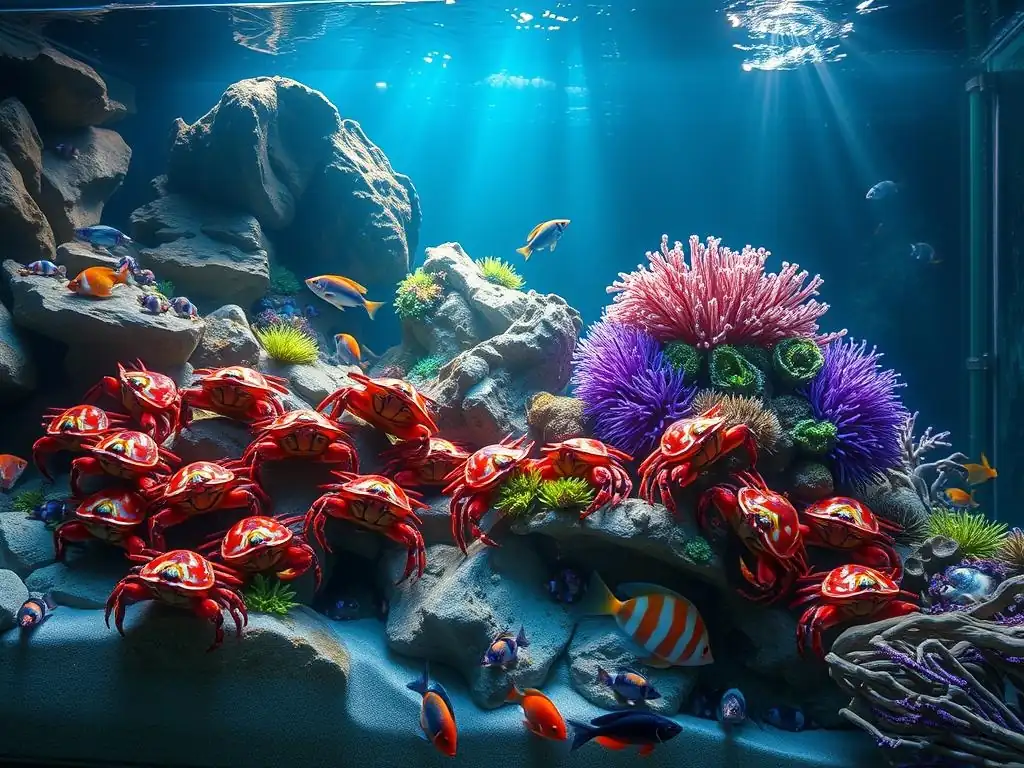
Ever wondered if those tiny, tenacious hermit crabs could bring a vibrant, scavenging energy to your saltwater aquarium? Dive into our comprehensive guide and unlock the secrets of saltwater hermit crab care. Discover which species thrive, how to provide the perfect shells, and ensure a safe, harmonious environment for these fascinating crustaceans. Intrigued? Let's explore the world of saltwater hermit crabs together!
- Introduction to Saltwater Hermit Crabs for Aquarium Clean-Up
- Saltwater Hermit Crab Care: A Comprehensive Guide
- Safety Considerations for Hermit Crabs in a Saltwater Aquarium
- Popular Saltwater Hermit Crab Species for Reef Tanks
- Maintaining a Healthy Hermit Crab Population in Your Saltwater Aquarium
- Troubleshooting Common Saltwater Hermit Crab Issues
- Selecting the Right Hermit Crab for Your Saltwater Aquarium
- Advanced Saltwater Hermit Crab Keeping Techniques
- Conclusion: Enjoying the Benefits of Saltwater Hermit Crabs in Your Aquarium
-
Frequently Asked Questions
- What are the ideal water parameters for saltwater hermit crabs?
- What type of shells should I provide for my saltwater hermit crabs?
- Are saltwater hermit crabs reef safe?
- What do saltwater hermit crabs eat in an aquarium?
- How often do saltwater hermit crabs molt, and what should I do during the molting process?
- Final Reflection: The Tiny Guardians of Our Reefs
- Transform Your Tank: Adopt a Hermit Crab!
Introduction to Saltwater Hermit Crabs for Aquarium Clean-Up
Why Choose Hermit Crabs for Your Saltwater Tank?
Hermit crabs are a cornerstone of a healthy saltwater aquarium clean-up crew, offering a natural solution to managing detritus and nuisance algae. These fascinating invertebrates diligently scour live rock, substrate, and tank walls, consuming uneaten food, decaying organic matter, and various forms of algae, including diatoms and some hair algae. Their continuous foraging activity significantly reduces the build-up of undesirable substances, contributing to cleaner water parameters and a more aesthetically pleasing environment without the need for constant manual intervention.
Beyond their practical benefits, hermit crabs add dynamic interest to a reef tank with their unique behaviors, such as shell-swapping and active scavenging. They are generally hardy and adaptable, making them an excellent choice for both beginner and experienced aquarists looking to establish an efficient and engaging clean-up crew. Their relatively small size and diverse colorations also allow for a vibrant addition to most reef-safe setups.
Understanding the Role of Hermit Crabs in a Reef Ecosystem
In their natural marine habitats, hermit crabs play a vital ecological role as opportunistic scavengers and detritivores. They are integral to the nutrient cycling process, breaking down organic waste and preventing its accumulation on the reef floor. By consuming decaying plant matter, dead organisms, and various forms of algae, they help to maintain the ecological balance and health of the coral reef environment, turning potential pollutants into usable nutrients.
In a closed aquarium system, this natural role translates directly into maintaining tank cleanliness and stability. Hermit crabs effectively mimic their wild counterparts by consuming excess nutrients that could otherwise fuel undesirable algae blooms or compromise water quality. Their continuous grazing helps to keep surfaces clear, supports the growth of beneficial microfauna, and contributes to a balanced, self-sustaining ecosystem within the confines of the aquarium. Proper saltwater hermit crab care ensures they can fulfill this crucial function.
Saltwater Hermit Crab Care: A Comprehensive Guide
Essential Water Parameters for Hermit Crab Health
Maintaining stable and appropriate water parameters is paramount for the long-term health and successful molting of saltwater hermit crabs. Key parameters include specific gravity (salinity), temperature, and pH. Salinity should be kept within a specific gravity range of 1.023 to 1.026, mirroring natural reef conditions. Temperature should ideally be maintained between 72-78°F (22-26°C), and pH levels should consistently range from 8.1 to 8.4. Fluctuations in these parameters can cause significant stress, leading to lethargy, shell abandonment, or even death.
Beyond the basic parameters, alkalinity and calcium levels are also crucial for saltwater hermit crab care, particularly for shell formation and successful molting. Alkalinity should be maintained between 8-12 dKH, and calcium levels should ideally be between 350-450 ppm. These minerals are absorbed from the water and utilized to build their new, larger exoskeletons after shedding their old ones. Regular testing, at least once a week, and consistent top-offs with RODI water, along with appropriate supplementation if needed, are essential to ensure these levels remain stable and supportive of healthy growth.
Feeding Saltwater Hermit Crabs: Diet and Nutritional Needs
Saltwater hermit crabs are omnivorous scavengers, and in a well-established reef aquarium, they will actively graze on algae, detritus, and any uneaten fish food. This makes them excellent additions to a clean-up crew, continuously working to keep the tank tidy. However, relying solely on tank detritus may not always provide a complete nutritional profile, especially in very clean or newly established tanks. Therefore, supplementary feeding is often beneficial for optimal saltwater hermit crab care.
To ensure a balanced diet, offer high-quality sinking pellets formulated for invertebrates, marine flake food, and occasional meaty treats like mysis shrimp or brine shrimp. Spirulina flakes or sheets are also excellent for their vegetable matter needs. Feeding should be done a few times a week, observing how quickly the food is consumed to avoid overfeeding, which can contribute to nutrient issues. A varied diet supports their overall health, promotes vibrant coloration, and ensures they have the necessary resources for successful molting.
Choosing the Right Shells for Your Hermit Crabs: Size and Material
The availability of suitable empty shells is arguably the most critical aspect of saltwater hermit crab care. As hermit crabs grow, they must periodically molt their old exoskeleton and find a larger shell to inhabit for protection. Without access to appropriate shells, a growing hermit crab will become stressed, vulnerable, and may even die or be preyed upon. It is recommended to provide at least 2-3 empty shells per hermit crab, ensuring a variety of sizes and opening shapes to accommodate different preferences.
When selecting shells, prioritize natural, unpolished shells with smooth openings. Turbo snail shells, various conch shells, and other natural marine snail shells are excellent choices. Avoid painted, glazed, or artificially decorated shells, as these can contain toxins that are harmful to the crabs. Shell openings should range from slightly smaller to slightly larger than the crab's current shell opening. For common species like Blue Leg Hermits, openings around 0.5 to 1 inch are often suitable, while larger species like Halloween Hermits may require openings up to 1.5 inches or more.
Safety Considerations for Hermit Crabs in a Saltwater Aquarium
Potential Dangers: Predators and Aggressive Tank Mates
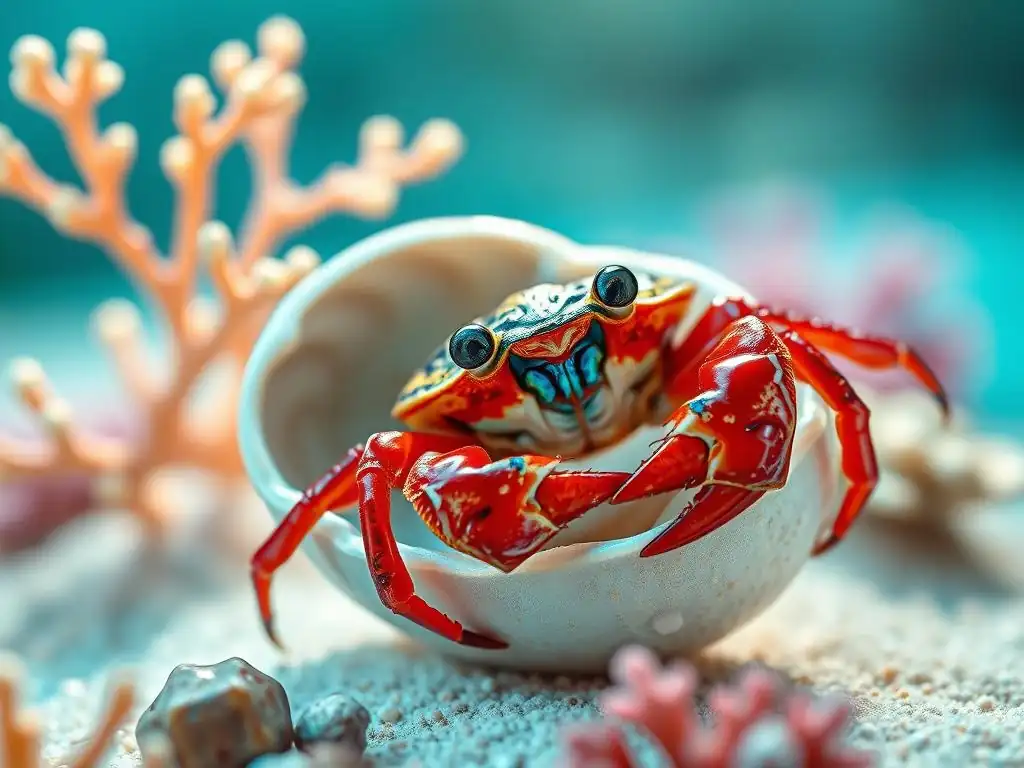
While generally hardy, saltwater hermit crabs are vulnerable to predation and aggression from certain tank mates. Large predatory fish, such as triggerfish (e.g., Picasso Triggerfish), puffers, and some larger wrasses, view hermit crabs as a food source and will actively prey on them, often pulling them directly from their shells. Similarly, some larger or more aggressive crab species, like certain emerald crabs or even larger hermit crabs, can become territorial and attack smaller, more docile hermits, especially if resources like food or shells are scarce.
Careful consideration of tank mate compatibility is therefore crucial for successful saltwater hermit crab care. Researching the dietary habits and aggression levels of all potential inhabitants before introduction can prevent tragic losses. For instance, a common case is the Arrow Crab ( Stenorhynchus seticornis), which, despite being a clean-up crew member itself, can prey on smaller hermit crabs. Ensuring ample hiding spots and sufficient shell options can also help mitigate aggression and provide safety for the crabs.
Avoiding Copper Poisoning in Hermit Crabs
Copper-based medications are highly effective treatments for many common fish parasites, such as Ich ( Cryptocaryon irritans), but they are extremely toxic to all invertebrates, including saltwater hermit crabs. Even trace amounts of copper, as low as 0.2 ppm, can be lethal to these sensitive crustaceans, causing neurological damage, organ failure, and ultimately death. This sensitivity means that tanks previously treated with copper, even if the treatment has ceased, may still harbor enough residual copper to be dangerous.
To ensure proper saltwater hermit crab care, never use copper-based medications in a display tank containing invertebrates. If a tank has been previously treated with copper, it is imperative to thoroughly remove any residual copper before introducing hermit crabs. This can be achieved through extensive water changes, the use of poly-filter media, or activated carbon, which are effective at adsorbing copper from the water column. Testing for copper levels with a sensitive test kit is also highly recommended to confirm its absence.
Preventing Hermit Crab Escapes: Tank Security Measures
Saltwater hermit crabs are surprisingly adept climbers and can escape an inadequately secured aquarium with ease. Their strong legs and keen exploratory nature allow them to scale silicone seams, power cords, filter tubing, and even air lines, reaching even the smallest gaps in tank covers. An escaped hermit crab will quickly dehydrate and perish outside the aquatic environment, making robust tank security a vital aspect of their care.
To prevent escapes, ensure all tank covers and lids fit tightly and securely. Any openings for equipment, such as heaters or filter intakes, should be sealed or covered with mesh that is too fine for a hermit crab to squeeze through. Regularly inspect the tank for any potential escape routes or loose fittings. Even a small gap of a quarter-inch can be enough for a determined hermit crab to exploit. Implementing these measures is a key part of responsible saltwater hermit crab care and ensures the safety of your invertebrates.
Popular Saltwater Hermit Crab Species for Reef Tanks
Scarlet Reef Hermit Crab ( Paguristes cadenati): Care and Benefits
The Scarlet Reef Hermit Crab ( Paguristes cadenati) is one of the most popular and visually appealing choices for reef aquariums, easily identifiable by its vibrant red legs and yellow antennae. Originating from the Caribbean, this species typically grows to about 1.5 inches, making it suitable for a wide range of tank sizes. It is highly valued for its voracious appetite for various types of nuisance algae, particularly hair algae and cyanobacteria, which can plague reef tanks.
In terms of saltwater hermit crab care, the Scarlet Reef Hermit is remarkably peaceful and generally non-aggressive towards other tank inhabitants, including corals and other invertebrates. This makes them an excellent addition to a mixed reef system where compatibility is crucial. They are active scavengers, constantly sifting through sand and rockwork, contributing significantly to the overall cleanliness and health of the aquarium ecosystem.
Blue Leg Hermit Crab ( Clibanarius tricolor): Algae Control Specialist
The Blue Leg Hermit Crab ( Clibanarius tricolor) is arguably the most common and widely available hermit crab species for saltwater aquariums, recognized by its distinctive blue legs with red or orange bands. These small crabs typically reach a size of about 1 inch and are highly effective members of the clean-up crew. Their primary benefit lies in their tireless consumption of diatoms, cyanobacteria (red slime algae), and various forms of green algae, making them invaluable for maintaining a pristine tank.
Blue Leg Hermits are generally peaceful and compatible with most reef inhabitants, though they may occasionally fight over preferred shells if insufficient options are provided. They are often purchased in groups of 5-10 for tanks over 20 gallons to ensure comprehensive algae control. Their hardiness and adaptability make them an excellent choice for beginners seeking reliable algae control and effective saltwater hermit crab care.
Zebra Hermit Crab ( Calcinus laevimanus): Distinctive and Hardy
The Zebra Hermit Crab ( Calcinus laevimanus) is a striking addition to a saltwater aquarium, characterized by its black and white striped legs and often bright red antennae. Growing up to 2 inches, they are slightly larger than Blue Leg or Scarlet Hermits, offering a more noticeable presence in the tank. This species is highly regarded for its hardiness and efficiency as a detritivore and algae eater, making it a robust component of any clean-up crew.
Zebra Hermit Crabs are excellent at sifting through sand beds and scavenging on detritus and uneaten food, helping to prevent nutrient accumulation. While generally peaceful, larger individuals might occasionally be more assertive than smaller species, especially when competing for food or shells. Providing a good supply of varied empty shells is particularly important for this species to ensure proper saltwater hermit crab care and minimize any potential disputes.
Halloween Hermit Crab ( Ciliopagurus strigatus): A Striking Addition
The Halloween Hermit Crab ( Ciliopagurus strigatus) stands out with its vibrant orange and black striped legs, often complemented by bright orange antennae, making it one of the most visually appealing hermit crabs available. This species can grow larger than many other reef-safe hermits, sometimes reaching up to 3 inches in leg span, and typically inhabits larger snail shells. Its striking coloration makes it a captivating focal point in a well-established aquarium.
While beautiful, the Halloween Hermit Crab is more omnivorous than smaller species, consuming detritus, algae, and sometimes even small invertebrates or scavenging on small polyps if not adequately fed. Due to its larger size and potential for opportunistic feeding, careful consideration of tank mates and consistent supplemental feeding are important aspects of its saltwater hermit crab care. It is best suited for larger reef tanks where its potential impact on very small, delicate inverts can be minimized.
Maintaining a Healthy Hermit Crab Population in Your Saltwater Aquarium
Quarantine Procedures for New Hermit Crabs
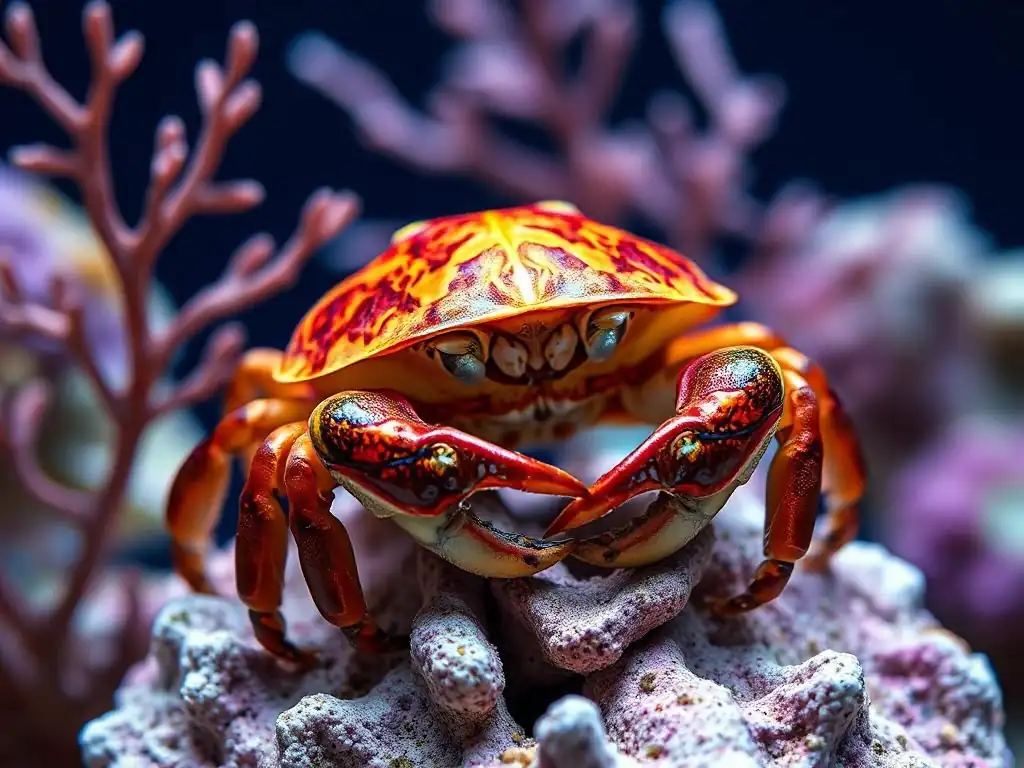
Implementing a quarantine procedure for all new invertebrates, including saltwater hermit crabs, is a critical step in preventing the introduction of diseases, parasites, or unwanted pests into your main display tank. A dedicated quarantine tank, even a small 10-gallon setup, allows you to observe new arrivals for signs of stress, illness, or external parasites for a period of 2-4 weeks before introducing them to your established ecosystem. This isolation period is vital for proper saltwater hermit crab care.
During quarantine, the tank should be set up with established saltwater, a small heater to maintain stable temperatures (e.g., 75°F), and a small air-driven sponge filter for circulation and biological filtration. Provide a few empty shells for the crabs to choose from and offer small amounts of food. This allows the crabs to acclimate, recover from shipping stress, and gives you time to ensure they are healthy and free of any issues that could compromise your main aquarium.
Recognizing and Treating Common Hermit Crab Diseases
Unlike fish, saltwater hermit crabs are not typically susceptible to the same range of viral, bacterial, or parasitic "diseases" in the conventional sense. Most health issues in hermit crabs stem from environmental stress, poor water quality, lack of suitable shells, or nutritional deficiencies rather than specific pathogens. Signs of a stressed or unhealthy hermit crab include lethargy, prolonged hiding, discoloration, loss of limbs, frequent shell abandonment without a new shell selection, or a lack of appetite.
Treatment for these "conditions" primarily involves addressing the underlying environmental factors. Ensure all water parameters (salinity, temperature, pH, calcium, alkalinity) are stable and within optimal ranges. Provide a diverse selection of appropriately sized empty shells. Supplement their diet with high-quality foods. Avoid using any medications not specifically labeled as "reef safe" or "invertebrate safe," as many common fish medications, particularly those containing copper, are highly toxic to hermit crabs. Improving their living conditions is the most effective form of saltwater hermit crab care for health issues.
Molting Process: Understanding and Supporting a Successful Shed
Molting is a natural and essential process for saltwater hermit crabs as they grow. To increase in size, they must shed their rigid exoskeleton, which does not grow with them, and then secrete a new, larger one. Signs that a hermit crab is preparing to molt include reduced activity, prolonged hiding, a cloudy appearance to their eyes, and sometimes a temporary cessation of feeding. The actual molting process can take several hours, during which the crab will extract itself from its old shell and then from its old exoskeleton.
After molting, the new exoskeleton is soft and vulnerable, requiring the crab to remain hidden for several days to a week while it hardens. During this period, it is crucial not to disturb the crab. Do not remove the old exoskeleton (exuvia) immediately, as the crab may consume parts of it to reclaim valuable calcium and other minerals, which aids in the hardening of its new shell. Maintaining stable water parameters, especially calcium and alkalinity, is vital to support a successful molting process and ensure proper saltwater hermit crab care.
Troubleshooting Common Saltwater Hermit Crab Issues
Hermit Crabs Not Moving: Identifying Potential Problems
When a saltwater hermit crab remains motionless for an extended period, it can be a cause for concern, often leading aquarists to mistakenly believe the crab has died. However, several factors can cause a hermit crab to become inactive. The most common reason is molting; a crab preparing to shed its exoskeleton will often find a secluded spot and become very still. Another possibility is stress due to poor water quality, unsuitable tank mates, or a lack of appropriate shells.
To identify the problem, first, carefully observe the crab for any signs of molting, such as a discarded exoskeleton nearby or a slightly cloudy appearance. If molting is not apparent, immediately test your water parameters for any significant deviations, especially salinity, temperature, and ammonia/nitrite levels. Ensure there are plenty of empty shells available. If water parameters are stable and no molting is occurring, consider isolating the crab in a small, stable environment with ideal conditions and extra shells to reduce stress and promote recovery, a key aspect of reactive saltwater hermit crab care.
Hermit Crabs Fighting: Causes and Solutions
Fighting among saltwater hermit crabs is a common issue, primarily driven by competition for resources, most notably suitable empty shells. When there aren't enough shells of varying sizes and types available, hermit crabs will aggressively compete, sometimes forcibly evicting another crab from its shell. Overcrowding and insufficient food can also contribute to increased aggression and territorial disputes within the clean-up crew.
The most effective solution to prevent hermit crab fighting is to provide a generous supply of empty shells. Aim for at least 2-3 empty shells per crab, ensuring a range of sizes and opening shapes (e.g., round, D-shaped) to cater to individual preferences. Placing shells in different areas of the tank can also help. Additionally, ensure the tank is not overcrowded and that there is enough food to go around, especially if your tank is very clean and offers limited natural foraging opportunities. This proactive approach is vital for harmonious saltwater hermit crab care.
Hermit Crabs Leaving Their Shells: Addressing the Underlying Reasons
A saltwater hermit crab abandoning its shell and remaining exposed is a clear sign of severe stress or distress and is a critical issue that requires immediate attention. This behavior can be triggered by several factors, including unsuitable shells (too small, too large, incorrect shape, or damaged), poor water quality (e.g., sudden salinity changes, high nitrates, or the presence of toxins like copper), harassment from tank mates, or an inability to find a new shell after molting.
Upon noticing a crab out of its shell, the first step is to perform comprehensive water parameter tests to rule out any water quality issues, paying close attention to specific gravity and the absence of copper. Immediately add a variety of appropriately sized, clean, empty shells to the tank, ensuring they are easily accessible. If harassment from tank mates is suspected, consider isolating the crab in a safe, quiet environment with optimal conditions and multiple shell choices. Addressing the root cause promptly is crucial for the crab's survival and highlights the importance of attentive saltwater hermit crab care.
Selecting the Right Hermit Crab for Your Saltwater Aquarium
Considering Tank Size and Compatibility
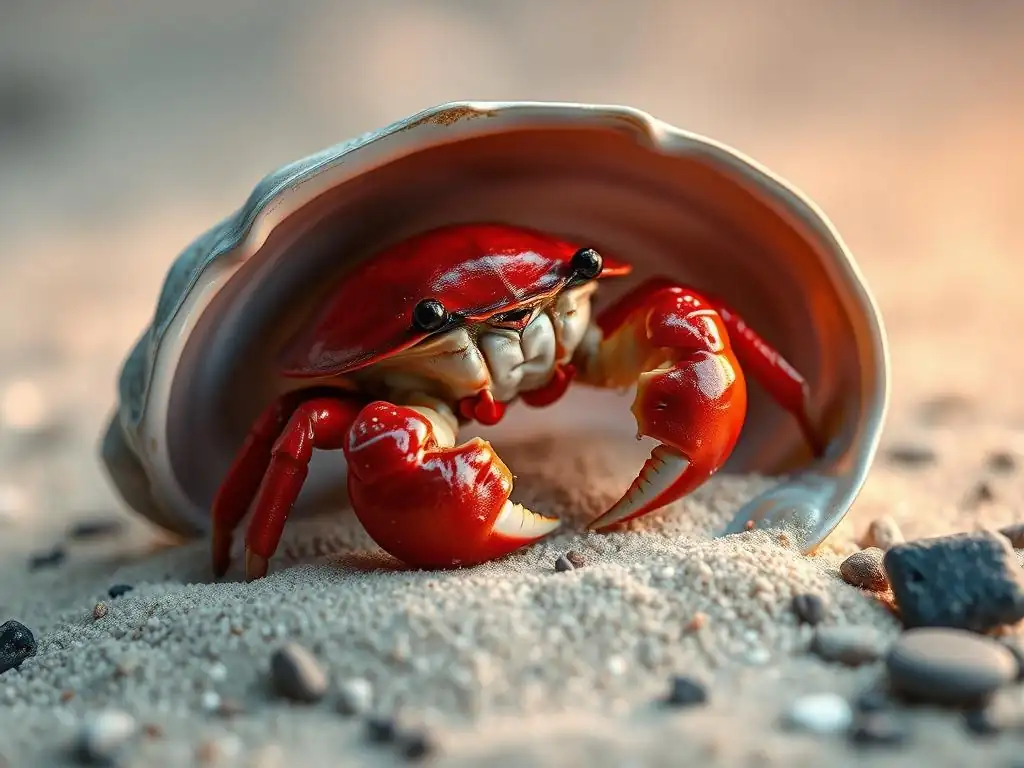
When selecting saltwater hermit crabs for your aquarium, tank size and compatibility with existing inhabitants are paramount. Smaller species, such as the Blue Leg Hermit Crab ( Clibanarius tricolor), are well-suited for nano tanks as small as 10-20 gallons due to their diminutive size and low bioload. Larger species, like the Halloween Hermit Crab ( Ciliopagurus strigatus), which can reach up to 3 inches, require larger tanks, typically 30 gallons or more, to provide adequate space and prevent overcrowding.
Beyond size, consider the temperament of both the hermit crabs and their potential tank mates. While most common reef-safe hermit crabs are peaceful, some larger species can be more assertive. Crucially, avoid introducing hermit crabs into tanks with known predators such as triggerfish, large puffers, or certain aggressive wrasses, which will actively hunt and consume them. Ensuring a harmonious environment from the outset is a key aspect of successful saltwater hermit crab care.
Assessing Algae and Detritus Levels in Your Aquarium
The specific clean-up needs of your aquarium should guide your choice of saltwater hermit crab species. Different species have varying preferences for the types of algae and detritus they consume. For instance, if your tank is experiencing outbreaks of diatoms or cyanobacteria (red slime algae), the Blue Leg Hermit Crab is an excellent choice due to its strong preference for these nuisance algae. The Scarlet Reef Hermit Crab ( Paguristes cadenati) is particularly effective at grazing on green hair algae.
If your aquarium has a significant amount of detritus, uneaten food, or decaying organic matter accumulating in the sand bed or rockwork, a more general scavenger like the Zebra Hermit Crab ( Calcinus laevimanus) would be highly beneficial. By assessing the predominant type of unwanted organic material in your tank, you can select hermit crab species that are best suited to address those specific issues, thereby maximizing their effectiveness as a clean-up crew and optimizing your saltwater hermit crab care strategy.
Observing Hermit Crab Behavior Before Purchase
Before purchasing saltwater hermit crabs, take the time to observe their behavior and condition in the aquarium store. A healthy hermit crab should be active, constantly moving, and scavenging. Look for crabs that are securely in their shells and respond quickly to stimuli. Avoid any crabs that appear lethargic, are out of their shell and exposed, or have missing limbs, as these are signs of stress, poor health, or recent molting complications.
It is also advisable to check the conditions of the store's tank. Ensure the retailer provides a good selection of empty shells for their hermit crabs, which is an indicator of responsible care. A healthy environment in the store suggests the crabs have been well-maintained, increasing their chances of successful acclimation to your home aquarium. This careful observation is a simple yet effective step in ensuring you bring home robust and thriving additions to your clean-up crew, reflecting diligent saltwater hermit crab care.
Advanced Saltwater Hermit Crab Keeping Techniques
Creating a Naturalistic Hermit Crab Habitat
Beyond simply providing live rock and substrate, creating a truly naturalistic habitat for saltwater hermit crabs can significantly enhance their well-being and encourage their natural behaviors. Incorporate diverse rockwork with numerous crevices, caves, and overhangs that offer abundant hiding spots and exploration opportunities. A varied substrate, consisting of both fine sand and scattered rubble or small pieces of live rock, mimics their natural foraging grounds and provides material for them to interact with.
Encourage the growth of beneficial microalgae and detritus within the tank, as these serve as primary natural food sources for many hermit crab species. A well-established refugium linked to the main display tank can continuously supply microfauna and detritus, enriching the hermit crabs' diet and reducing the need for extensive supplemental feeding. Such an environment promotes a sense of security and allows them to exhibit their full range of natural behaviors, elevating the standard of saltwater hermit crab care.
Supplementing Hermit Crab Diets for Optimal Health
While saltwater hermit crabs are excellent scavengers, relying solely on tank detritus and uneaten fish food may not always provide all the necessary nutrients for optimal health, especially in very clean or mature reef tanks. Targeted dietary supplementation can significantly improve their shell strength, molting success, and overall vitality. This is particularly true for calcium and iodine, which are crucial for exoskeleton formation.
Consider offering small pieces of marine algae, such as nori, attached to a clip, which provides essential vegetable matter. Specialized invertebrate pellets that are rich in calcium and other trace elements can also be offered a few times a week. Additionally, ensuring stable water parameters with adequate calcium (350-450 ppm) and alkalinity (8-12 dKH) supports their internal physiological needs. Providing a diet that goes beyond basic scavenging is a hallmark of advanced saltwater hermit crab care, promoting their long-term thriving.
Conclusion: Enjoying the Benefits of Saltwater Hermit Crabs in Your Aquarium
The Importance of Responsible Hermit Crab Ownership
Saltwater hermit crabs are invaluable members of a reef aquarium clean-up crew, offering effective natural algae control and detritus consumption. Their active scavenging contributes significantly to maintaining water quality and overall tank cleanliness, reducing the burden of manual maintenance. Beyond their utility, their unique behaviors and vibrant colors add a captivating element to any marine display, making them a popular and rewarding invertebrate for aquarists of all experience levels.
Responsible saltwater hermit crab care is essential to ensure these fascinating creatures thrive and continue to contribute positively to your aquarium ecosystem. This includes providing a stable environment with optimal water parameters, a consistent supply of appropriately sized empty shells, a varied diet, and careful consideration of tank mate compatibility. By committing to these aspects of their care, you can enjoy the many benefits these diligent scavengers bring to your saltwater aquarium for years to come.
Frequently Asked Questions
What are the ideal water parameters for saltwater hermit crabs?
Saltwater hermit crabs require stable water parameters, including a salinity level of 1.023-1.025 specific gravity, a temperature of 72-78°F (22-26°C), and proper pH levels. Regular water testing is essential.
What type of shells should I provide for my saltwater hermit crabs?
Offer a variety of empty shells that are slightly larger than the ones they currently inhabit. Different shapes and sizes allow them to choose the most comfortable and secure shell for their needs, promoting healthy growth and molting.
Are saltwater hermit crabs reef safe?
Some species are more reef-safe than others. Generally, smaller hermit crabs are less likely to damage corals. Thorough research on the specific species is crucial before introducing them to a reef tank.
What do saltwater hermit crabs eat in an aquarium?
Saltwater hermit crabs are primarily scavengers, feeding on algae, detritus, and leftover food. Supplement their diet with sinking pellets or algae wafers to ensure they receive adequate nutrition.
How often do saltwater hermit crabs molt, and what should I do during the molting process?
Molting frequency varies depending on age and species. During molting, leave the hermit crab undisturbed, as the newly exposed exoskeleton is vulnerable. Do not remove the shed exoskeleton, as they will consume it for essential minerals.
Final Reflection: The Tiny Guardians of Our Reefs
The journey into saltwater hermit crab care reveals more than just the intricacies of keeping these fascinating creatures; it underscores the responsibility we bear as stewards of the delicate marine ecosystems they inhabit. Understanding their needs – from appropriate shells to a safe and thriving environment – is paramount, not just for their well-being in our aquariums, but for the health of their wild counterparts facing increasing environmental pressures.
This exploration has profoundly impacted my perspective on aquarium keeping, highlighting the interconnectedness of our actions with the broader marine world. It's a constant reminder that even the smallest creature deserves our utmost respect and consideration. In the end, we will conserve only what we love; we will love only what we understand; and we will understand only what we are taught.
- Baba Dioum. This quote encapsulates the essence of responsible aquarium keeping: education, understanding, and ultimately, conservation.
Now, I invite you to reflect on your own role in this intricate web of life. Consider how your choices, from the species you select to the care you provide, can contribute to a more sustainable and ethical approach to aquarium keeping. Let us all strive to be informed and compassionate guardians, ensuring a brighter future for these tiny, yet vital, members of our planet.
Transform Your Tank: Adopt a Hermit Crab!
Thank you for diving into the world of hermit crabs! We hope you've found this guide insightful and are ready to create a thriving environment for these fascinating creatures. Now, let's put that knowledge into action!
Here are some steps you can take to enhance your saltwater aquarium experience:
- Visit your local aquarium store and carefully select a healthy hermit crab, ensuring it has access to appropriately sized, empty shells. This is the most crucial step!
- Share your newfound hermit crab expertise! Start a thread on an aquarium forum discussing your setup and any challenges you face, or teach a friend about the wonders of hermit crabs.
- Get creative! Design and 3D-print a custom shell for your hermit crab (ensuring it's aquarium-safe and the right size, of course! ).
What exciting new shell will you offer your new hermit crab resident?