
Nerite Snails Deep Dive: The Ultimate AlgaeEating Champions for Your Tank

Welcome to Aquarium Mastery!
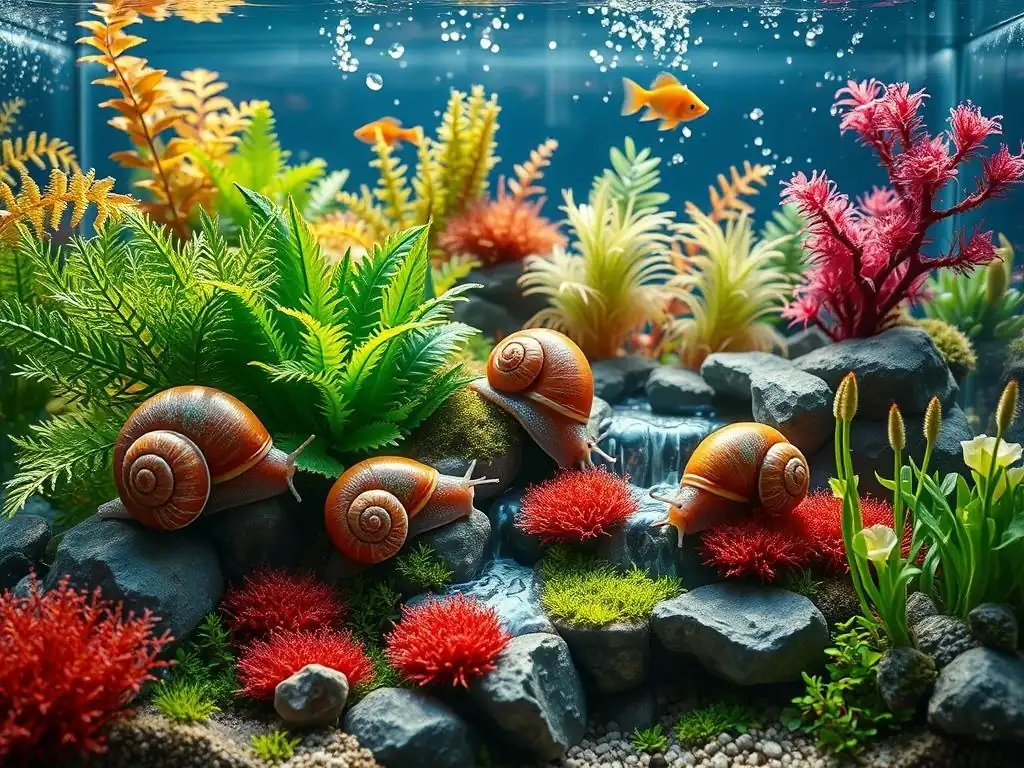
Ever wondered how to keep your aquarium sparkling clean, naturally? Dive into our deep dive on Nerite snails algae control and discover the secret weapon every aquarist needs. These little champions are more than just pretty shells; they're the ultimate algae-eating heroes. Curious to learn how these incredible invertebrates can transform your tank? Let's explore the fascinating world of Nerite snails!
- Nerite Snails: Natural Algae Control for Freshwater Aquariums
- Introduction to Nerite Snails for Algae Control
- Nerite Snail Species: Options for Algae Control
- Nerite Snail Care: Maintaining a Healthy Environment
- Algae Consumption: What and How Much Nerite Snails Eat
- Nerite Snail Reproduction: Understanding the Cycle
- Common Issues and Solutions: Troubleshooting
- Comparison with Other Algae Eaters
- Purchasing Healthy Nerite Snails
- Conclusion: Nerite Snails for a Healthy Ecosystem
- Frequently Asked Questions
- Final Reflection: The Unsung Heroes of Aquatic Harmony
- Unleash the Power of Nerites: Transform Your Aquarium Today!
Nerite Snails: Natural Algae Control for Freshwater Aquariums
Introduction to Nerite Snails for Algae Control
Benefits of Using Nerite Snails for Algae Control
Nerite snails are highly regarded in the aquarium hobby for their unparalleled efficiency in managing various types of algae without the need for chemical treatments. Their continuous grazing habits mean they are constantly at work, meticulously cleaning surfaces like tank glass, decorations, and plant leaves. This natural approach to algae control helps maintain a pristine aquatic environment, significantly reducing the manual effort required for tank cleaning and contributing to overall water clarity. Unlike some other algae eaters, Nerite snails typically do not consume healthy live plants, making them a safe and reliable choice for planted aquariums.
Furthermore, integrating Nerite snails for algae control offers a gentle yet persistent solution that supports the ecological balance of a freshwater aquarium. Their presence helps prevent algae blooms that can otherwise deplete oxygen levels, obscure tank visibility, and indicate nutrient imbalances. By consuming nuisance algae, these snails contribute to a healthier ecosystem, indirectly benefiting fish and other invertebrates by reducing organic waste accumulation and maintaining stable water parameters. For instance, in a 20-gallon tank, two to three Nerite snails can effectively keep common green algae and diatoms at bay, providing continuous maintenance.
Nerite Snails: An Effective Algae Solution
The effectiveness of Nerite snails as an algae solution stems from their specialized radula, a ribbon-like structure with rows of chitinous teeth, which allows them to scrape off even stubborn forms of algae with remarkable precision. They are particularly adept at consuming tough green spot algae and brown diatoms, which often plague new or nutrient-rich tanks.
This makes them a superior choice compared to many fish species that might only target specific algae types or require larger tank sizes and more complex care. Their small size, typically ranging from 0.5 to 1 inch (1.2 to 2.5 cm), also means they have a minimal bioload, contributing very little to the tank's waste production.
Beyond their mechanical efficiency, Nerite snails offer a continuous, non-invasive form of algae management. Chemical algaecides, while providing quick results, can sometimes harm sensitive fish or invertebrates and may not address the root cause of algae growth, leading to recurring issues. In contrast, Nerite snails provide a biological control method that works around the clock, adapting to the tank's specific algae challenges.
For example, a single Nerite snail can graze a surface area equivalent to several square inches per hour, making them incredibly effective for persistent algae issues in tanks up to 30 gallons. This makes Nerite snails an indispensable tool for proactive algae control.
Nerite Snail Species: Options for Algae Control
Zebra Nerite Snails: Algae Removal and Appearance
Zebra Nerite snails ( Neritina natalensis ) are among the most popular choices for freshwater aquariums, primarily due to their striking black and gold or black and tan striped patterns, which add significant aesthetic appeal. Beyond their beauty, they are exceptionally diligent algae eaters, highly effective at removing various forms of green and brown algae from aquarium surfaces.
Their continuous grazing habits make them a top contender for Nerite snails algae control, often seen meticulously scraping algae from glass walls, driftwood, and plant leaves. They typically grow to about 0.75 to 1 inch (1.9 to 2.5 cm) in diameter, making them suitable for tanks as small as 5 gallons.
These snails are particularly known for their ability to tackle tough, resilient algae types like green spot algae, which many other invertebrates or fish struggle to remove. Their shell patterns can vary, with some displaying intricate maze-like designs, further enhancing their visual interest. When considering Nerite snails for algae control, the Zebra Nerite offers a compelling combination of effective cleaning power and decorative value, making them a dual-purpose inhabitant for many aquarists seeking both utility and beauty in their tanks.
Olive Nerite Snails: Efficient Algae Grazers
Olive Nerite snails ( Neritina reclivata ) are perhaps the most understated yet highly efficient members of the Nerite family when it comes to algae consumption. Characterized by their smooth, olive-green to brownish-black shells, they may lack the flashy patterns of their striped or horned cousins, but they compensate with their unparalleled dedication to algae grazing.
These snails are often recommended as a primary choice for Nerite snails algae control due to their consistent and thorough cleaning capabilities across all aquarium surfaces. They typically reach a size of about 0.5 to 0.75 inches (1.2 to 1.9 cm), making them ideal for smaller tanks or for adding several to larger setups.
Their preference for a wide range of algae, including diatom blooms (brown algae) that often appear in newly set up tanks, makes them invaluable. Olive Nerites are known to be extremely active, constantly moving and grazing, which ensures comprehensive algae removal. In a 10-gallon tank, two to three Olive Nerite snails can effectively manage most common algae issues, demonstrating their high efficiency. Their robust nature and adaptability to a range of water conditions further solidify their reputation as reliable and effective natural algae cleaners for any freshwater aquarium.
Tiger Nerite Snails: Distinctive Patterns and Algae Consumption
Tiger Nerite snails ( Neritina semiconica ) are instantly recognizable by their striking, often intricate patterns resembling a tiger's stripes or spots, typically in shades of black, orange, and brown. Their unique aesthetic makes them a popular choice for aquarists looking to add both beauty and utility to their tanks. As with other Nerite species, Tiger Nerites are exceptional algae eaters, making them highly effective for Nerite snails algae control. They are particularly adept at consuming various film algae, diatoms, and some forms of green algae from glass, rocks, and driftwood.
These snails generally grow to about 0.75 to 1 inch (1.9 to 2.5 cm) in size and are known for their continuous grazing behavior. Their strong adherence to surfaces allows them to clean even vertical glass panes thoroughly. While their shell patterns are a major draw, their primary benefit remains their diligent algae consumption, contributing significantly to a clean and balanced aquarium environment. For instance, in a moderately planted 15-gallon tank, two Tiger Nerites can provide substantial ongoing algae management, keeping the tank looking clean without aggressive intervention.
Horned Nerite Snails: Unique Shells and Algae Eating
Horned Nerite snails ( Clithon sp. ) are perhaps the most visually distinct of the Nerite family, featuring small, horn-like protrusions on their shells. These horns, which can vary in number and size, give them a unique, almost miniature "dragon" appearance, making them a fascinating addition to any tank. Despite their small size, typically ranging from 0.4 to 0.6 inches (1 to 1.5 cm), they are incredibly efficient algae grazers and a powerful asset for Nerite snails algae control, especially in smaller aquariums or nano tanks.
Horned Nerites are particularly effective at reaching into tight spaces and crevices where larger snails or fish might struggle to clean. They excel at consuming green spot algae, diatoms, and other nuisance algae from hard surfaces, including filter intakes and heater tubes. Their compact size and diligent grazing make them an excellent choice for targeted algae removal in specific areas.
While their horns can sometimes break off over time, especially during shipping or due to rough handling, this does not affect their health or their ability to consume algae. Their unique appearance combined with their potent algae-eating capabilities makes them a valuable and interesting invertebrate for many aquarists.
Nerite Snail Care: Maintaining a Healthy Environment
Water Parameters: Temperature, pH, and Hardness
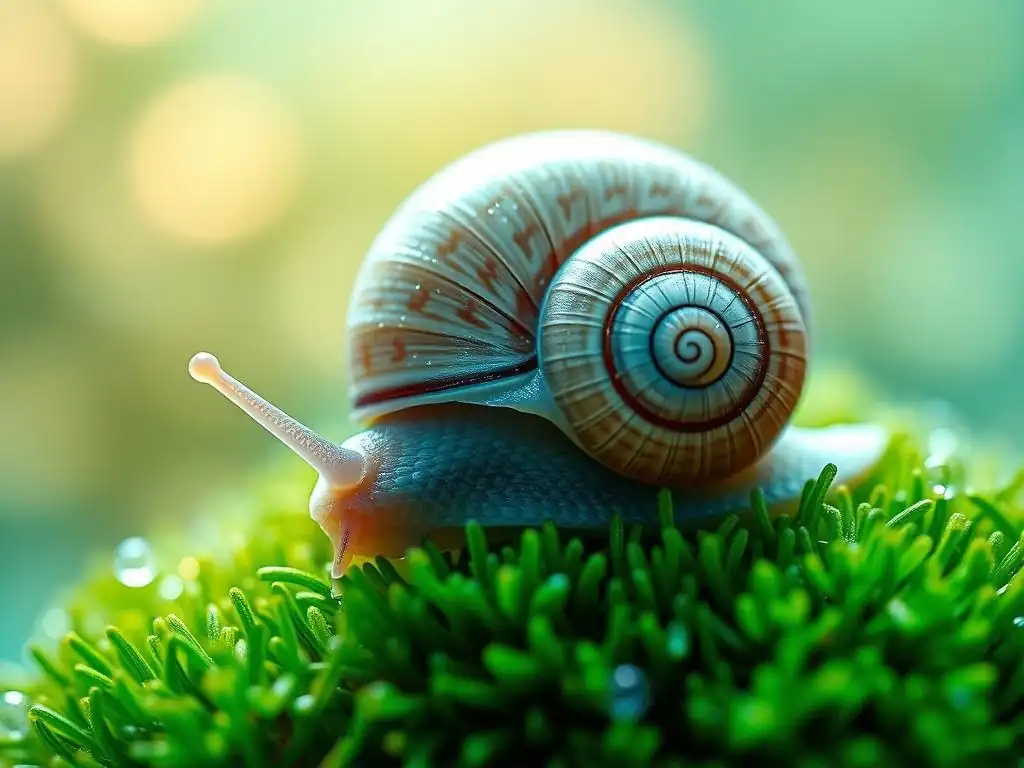
Maintaining stable and appropriate water parameters is crucial for the long-term health and activity of Nerite snails, directly impacting their effectiveness in algae control. These snails thrive in tropical freshwater conditions, with a preferred temperature range of 72°F to 78°F (22°C to 26°C). Fluctuations outside this range can stress the snails, leading to reduced activity and a compromised immune system. While they are relatively hardy, consistent temperatures are key to their continuous grazing.
Regarding pH, Nerite snails prefer slightly alkaline water, with a recommended range of 7.0 to 8.5. This higher pH is important because it contributes to water hardness, specifically the presence of calcium carbonate, which is vital for shell development and maintenance. Soft, acidic water (pH below 7.0) can lead to shell erosion and weakening over time, making the snails susceptible to disease. A general hardness (GH) of 8-18 dGH and carbonate hardness (KH) of 5-12 dKH are ideal, ensuring sufficient minerals for strong shell growth and overall well-being, thus supporting their role in Nerite snails algae control.
Tank Size and Compatibility: Ensuring a Healthy Population
While Nerite snails have a minimal bioload, appropriate tank size and careful consideration of tank mates are essential for their well-being and consistent performance in algae control. A general guideline is to provide at least 1 to 2 gallons (3.8 to 7.6 liters) per snail, though they can thrive in tanks as small as 2-3 gallons if they are the sole inhabitants.
For effective Nerite snails algae control in a typical 10-gallon community tank, 2 to 3 snails are usually sufficient to manage algae growth without overcrowding. In larger tanks, such as a 50-gallon setup, 5 to 7 Nerite snails can provide comprehensive algae coverage.
Compatibility with other tank inhabitants is paramount. Nerite snails are peaceful and non-aggressive, making them suitable for most community aquariums. However, certain fish species are known to prey on snails, such as puffers, loaches (e.g., Clown Loaches, Yoyo Loaches), and some larger cichlids. Even seemingly innocuous fish like larger Gouramis or aggressive Bettas might nip at their antennae. Housing Nerite snails with peaceful fish like tetras, rasboras, corydoras, or other peaceful invertebrates like Amano shrimp ensures they can graze without harassment, maximizing their contribution to algae management.
Supplementing Algae Diet: When and What to Feed
While Nerite snails are renowned for their algae-eating prowess, there may be instances where their primary food source in the aquarium (algae) becomes scarce, particularly in very clean or newly established tanks. When you notice the snails becoming less active or their shells starting to show signs of poor health (e.g., dullness, pitting), it's an indication that their natural diet needs supplementation. This is crucial for maintaining their health and ensuring they remain effective agents for Nerite snails algae control.
Appropriate supplementary foods include algae wafers, spirulina flakes, and blanched vegetables such as zucchini, spinach, or cucumber. These foods provide the necessary nutrients and calcium for shell health. Simply drop a small piece of an algae wafer or a blanched vegetable slice into the tank, preferably near where the snails congregate. Monitor consumption to avoid overfeeding, which can lead to water quality issues. A typical feeding schedule might be 2-3 times per week if algae is truly scarce, ensuring your Nerite snails remain vibrant and active in their algae-eating duties.
Algae Consumption: What and How Much Nerite Snails Eat
Types of Algae Consumed: Green Spot, Diatoms, and Green Dust
Nerite snails are exceptionally versatile when it comes to their dietary preferences for algae, making them a comprehensive solution for various common aquarium algae problems. They are particularly effective against tough, encrusting forms of algae that many other grazers ignore. Their specialized radula allows them to scrape off green spot algae (GSA), which appears as small, hard, dark green dots on glass and slow-growing plant leaves. GSA is notorious for being difficult to remove manually, but Nerite snails tackle it diligently, making them invaluable for Nerite snails algae control.
Beyond green spot algae, Nerite snails are highly efficient at consuming diatoms, commonly known as brown algae. Diatoms frequently appear in new tanks as a brown film on all surfaces, signaling a tank's cycling process. Nerite snails will readily graze on these soft, dusty layers, often clearing a tank of diatoms within a few days to a week.
They also consume green dust algae (GDA), a powdery green film that coats surfaces, as well as some forms of soft green film algae. While they are not typically effective against hair algae or black beard algae, their ability to target the most common and stubborn types of film and spot algae makes them a cornerstone of natural algae management.
Impact on Aquarium Cleanliness and Water Quality
The continuous grazing activity of Nerite snails has a profound positive impact on both the aesthetic cleanliness of an aquarium and its underlying water quality. By constantly consuming algae from glass, decorations, and plant leaves, they prevent the unsightly buildup that can obscure views and detract from the beauty of the aquatic landscape. This active removal of algae directly translates to a visibly cleaner tank, reducing the need for frequent manual scrubbing and making aquarium maintenance less labor-intensive.
Furthermore, their role in Nerite snails algae control extends to improving water quality. Algae, while natural, can contribute to the organic load in a tank, especially during large blooms or when it dies off. By keeping algae populations in check, Nerite snails help to reduce the amount of decaying organic matter, which in turn minimizes the release of nitrates and phosphates into the water column.
This contributes to more stable water parameters, fewer opportunities for harmful bacteria to proliferate, and a healthier environment for all tank inhabitants. Their constant grazing essentially transforms potential pollutants into biomass within their own bodies, helping to maintain a balanced and pristine ecosystem.
Determining the Appropriate Number of Nerite Snails
Determining the ideal number of Nerite snails for your aquarium is key to achieving effective Nerite snails algae control without overstocking or under-utilizing their capabilities. A commonly recommended guideline is to introduce one Nerite snail for every 5 to 10 gallons of water. For instance, a 10-gallon tank with moderate algae growth might benefit from 1 to 2 Nerite snails, while a 20-gallon tank could comfortably house 2 to 3. For larger setups, such as a 55-gallon aquarium, 5 to 7 snails would provide comprehensive algae management.
It's important to observe your tank's specific algae situation and adjust the number accordingly. If you notice persistent algae buildup after a few weeks, consider adding one or two more snails. Conversely, if your snails appear less active or you see them searching extensively for food, it might indicate that the algae supply is insufficient, and you might have too many snails for the current algae load. The goal is to strike a balance where the snails have enough algae to graze on, ensuring their health, while effectively keeping nuisance algae in check.
Nerite Snail Reproduction: Understanding the Cycle
Breeding in Freshwater Aquariums: Challenges
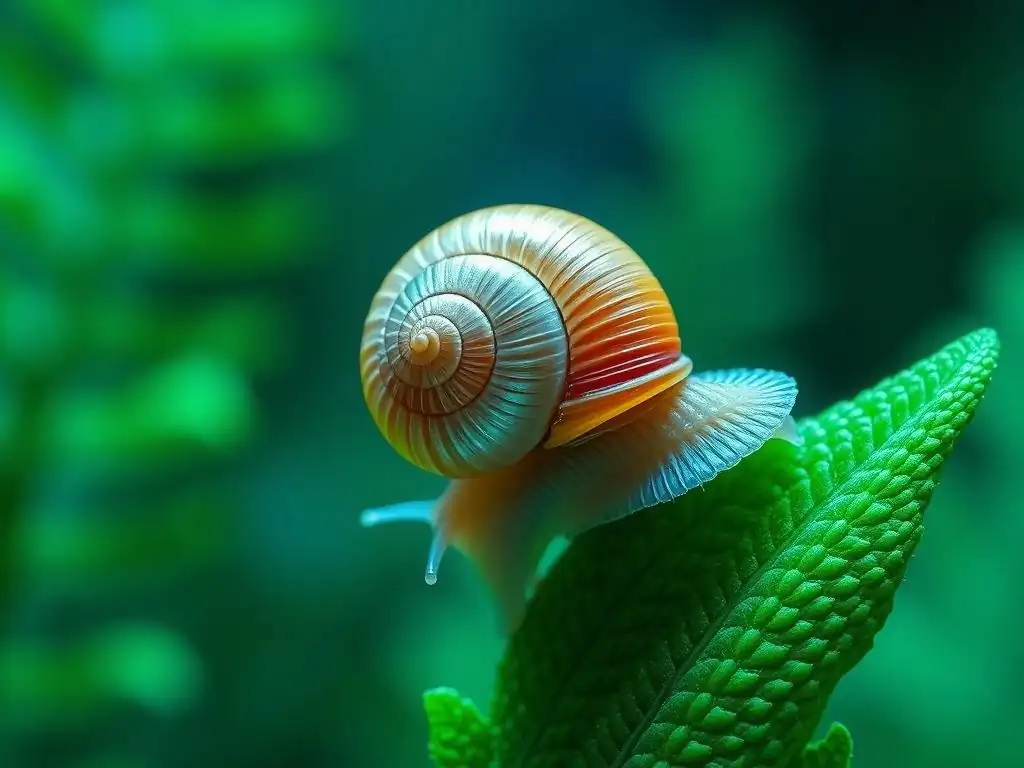
While Nerite snails are prolific breeders in their natural brackish or saltwater habitats, breeding them successfully in a purely freshwater aquarium presents significant challenges, making it highly unlikely for accidental overpopulation. Nerite snails require specific salinity conditions for their larvae to develop and survive. They will lay eggs in freshwater, but these eggs, known as "sesame seeds" due to their small, white, oval appearance, will not hatch into viable snails unless the water has a certain level of salinity, typically found in brackish or marine environments.
This characteristic is a major advantage for aquarists seeking effective Nerite snails algae control without the concern of an uncontrolled snail population boom, unlike some other freshwater snail species (e.g., pond snails, ramshorn snails). The eggs are often laid on hard surfaces like glass, driftwood, or even other snail shells, and while they are harmless, they can be somewhat difficult to remove once hardened. This unique reproductive cycle ensures that Nerite snails remain a beneficial clean-up crew without becoming a pest in the freshwater aquarium setting.
Identifying and Managing Nerite Snail Eggs
Nerite snail eggs are quite distinctive: small, hard, white to off-white, and roughly the size and shape of a sesame seed or a tiny grain of rice. They are typically laid in scattered clusters or sometimes in more concentrated patches on various hard surfaces within the aquarium, including the tank glass, rocks, driftwood, and even the shells of other snails. While they are a clear sign of healthy, reproducing snails, it's important to remember that these eggs will not hatch in freshwater, as previously mentioned, due to their specific larval requirements.
Managing these eggs primarily involves aesthetic considerations. Since they won't hatch, they pose no threat to the aquarium ecosystem. However, their hard, calcified nature makes them difficult to scrape off without significant effort, especially from textured surfaces.
On glass, a razor blade or a strong scraper can often remove them. On driftwood or rocks, they might remain until they naturally degrade over many months. Some aquarists simply leave them, considering them a natural part of the aquarium's micro-ecosystem, while others prefer to remove them for a pristine look, understanding that their presence confirms the vitality of their Nerite snails for algae control.
Common Issues and Solutions: Troubleshooting
Inactivity: Identifying Potential Problems
If your Nerite snails, typically active grazers, become inactive, it's a clear sign that something in their environment or diet needs attention. Inactivity often manifests as the snail remaining stationary for extended periods, not moving around the tank, or staying retracted into its shell. One common cause is a lack of sufficient algae or supplementary food. If the tank is too clean, the snails may simply be starving. Solution: Offer algae wafers or blanched vegetables a few times a week, observing if activity resumes within 24-48 hours.
Another critical factor is water parameters. Sudden changes in temperature, pH, or a lack of essential minerals (especially calcium for shell health) can stress Nerite snails, leading to lethargy. Check your water parameters regularly using a reliable test kit. Ensure pH is between 7.0-8.5 and GH is above 8 dGH.
If parameters are off, perform small, gradual water changes with dechlorinated water that matches the target parameters. Inactivity can also signal the presence of copper in the water, which is highly toxic to snails; if you've used any medications, check their ingredients for copper. Addressing these issues promptly is vital to maintain the effectiveness of your Nerite snails for algae control.
Shell Issues: Causes and Treatments
Shell issues in Nerite snails, such as pitting, erosion, or a dull appearance, are common indicators of underlying environmental problems, primarily related to water chemistry. The most frequent cause is soft, acidic water (pH below 7.0 or low GH/KH levels). In such conditions, the snails cannot adequately absorb or utilize calcium carbonate, which is essential for maintaining their shells. Over time, this leads to a weakening and degradation of the shell, making them vulnerable. Solution: Regularly test your water's pH, GH, and KH. Aim for a pH of 7.0-8.5, GH of 8-18 dGH, and KH of 5-12 dKH.
To treat and prevent further shell damage, you can take several steps. Adding crushed coral or aragonite substrate to your filter or directly into the tank can slowly release calcium and buffer the pH. Liquid calcium supplements designed for aquariums can also be used, following dosage instructions carefully.
Furthermore, ensure their diet is rich in calcium; algae wafers often contain added calcium, and blanched spinach is another good source. Providing optimal water parameters and a calcium-rich diet will help existing shells to harden and new growth to be healthy, ensuring your Nerite snails remain robust in their role of algae control.
Escaping the Tank: Prevention
Nerite snails are notorious for their adventurous spirit and ability to escape tanks, a behavior often driven by unfavorable water conditions or a lack of food. They possess a strong "foot" that allows them to climb out of the water and even move across dry surfaces for a surprising distance. If your Nerite snails are frequently found above the waterline or on the floor near the tank, it's a significant sign that something is amiss within their aquatic environment. High nitrate levels, fluctuating water parameters, or insufficient food are common triggers for this escape attempt.
To prevent escapes, first and foremost, ensure your water parameters are stable and within the optimal range for Nerite snails (pH 7.0-8.5, GH 8-18 dGH, KH 5-12 dKH, temperature 72-78°F). Regular water testing and maintenance are crucial. Secondly, make sure there's enough algae or supplementary food available; a starving snail will often try to find food elsewhere. Thirdly, a tight-fitting lid is essential.
Even small gaps can be an escape route. Mesh lids or lids with minimal openings are ideal. For tanks with large openings, consider adding a rim of plastic mesh or a similar barrier to the inside top edge to deter climbing, effectively keeping your Nerite snails in their designated area for algae control.
Predation: Protecting Nerite Snails
While Nerite snails are excellent for algae control, they can unfortunately become targets for certain predatory fish and invertebrates. It's crucial to select tank mates carefully to ensure the safety and longevity of your snails. Common predators include various types of loaches (e.g., Clown Loaches, Yoyo Loaches, Kuhli Loaches), which are known to actively hunt and consume snails. Puffers, particularly freshwater puffers like Dwarf Puffers, are also highly effective snail predators and should never be housed with Nerite snails if you wish them to survive.
Other potential threats include some larger cichlids, aggressive Bettas, and certain types of crayfish, which may view snails as a food source or simply harass them. Even some large gouramis can occasionally nip at snail antennae. To protect your Nerite snails, always research the compatibility of any new fish or invertebrate before introducing them to a tank containing snails.
Providing plenty of hiding spots, such as caves, driftwood, and dense plant cover, can also offer some refuge, though it won't deter dedicated predators. The best defense is proactive tank mate selection, ensuring your chosen fish are peaceful and known to be snail-safe, allowing your Nerite snails to perform their essential algae control duties without constant threat.
Comparison with Other Algae Eaters
Nerite Snails vs. Otocinclus Catfish: Algae Control
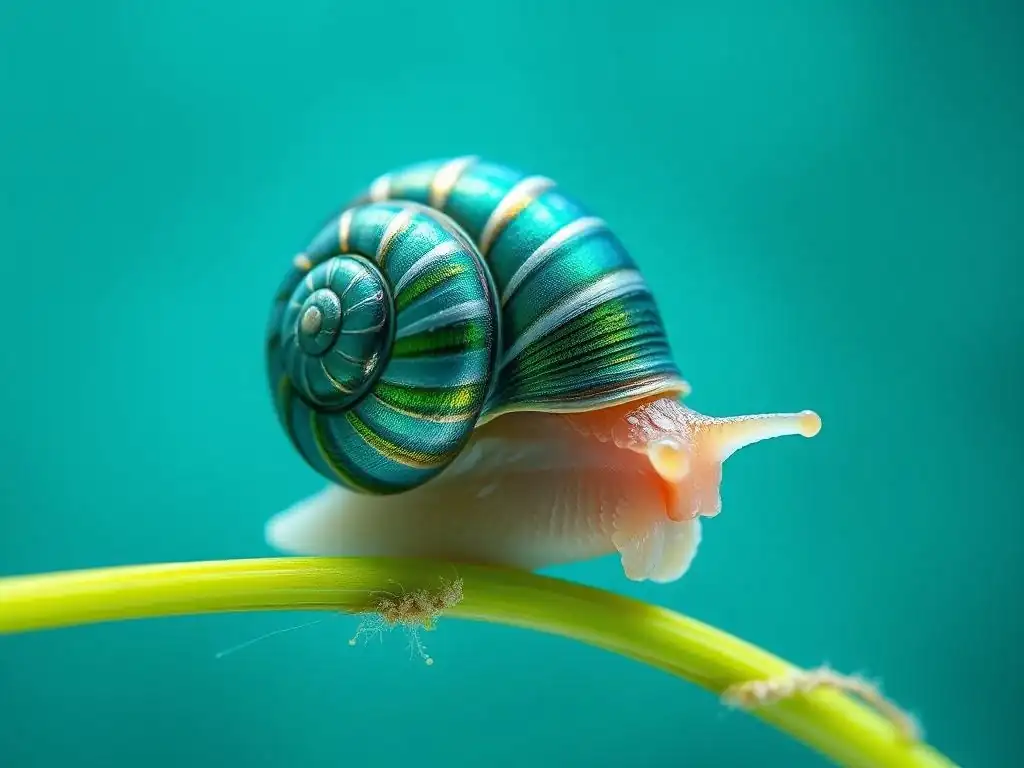
When comparing Nerite snails and Otocinclus catfish for algae control, both are highly effective, but they excel in different aspects and require different considerations. Otocinclus catfish, often referred to as "Otos," are small, peaceful schooling fish that primarily graze on soft green algae and diatoms from plant leaves and glass. They are excellent for keeping plants clean and are active during the day, making them enjoyable to watch.
However, Otos are sensitive to water parameters, prefer established tanks, and typically do not consume tougher algae like green spot algae. They also need to be kept in groups of at least 6 to thrive, requiring a minimum tank size of 10-15 gallons.
Nerite snails, in contrast, are unparalleled at scraping off the most stubborn algae types, including green spot algae and tough film algae, from all hard surfaces. They are less sensitive to water parameter fluctuations (within their acceptable range) and can be kept individually or in small numbers, making them suitable for smaller tanks.
While Otos are great for fine-leafed plants, Nerite snails are often preferred for glass and decorations. For comprehensive algae control, combining a small group of Otos with a few Nerite snails can provide a synergistic effect, with Otos cleaning plants and soft surfaces, and Nerites tackling the more resilient algae on glass and hardscape.
Nerite Snails vs. Shrimp: Complementary Algae Eaters
Comparing Nerite snails with various shrimp species for algae control reveals that they are often complementary rather than direct competitors, each specializing in different aspects of tank cleaning. Amano shrimp ( Caridina multidentata ) are widely recognized as excellent algae eaters, particularly effective against hair algae, green film algae, and leftover food. They are active scavengers, constantly picking at surfaces and detritus.
However, Amano shrimp are less effective against tough, encrusting algae like green spot algae due to their less abrasive mouthparts compared to a Nerite snail's radula. They also prefer to be in groups and need stable water conditions.
Nerite snails, on the other hand, are the undisputed champions of scraping off persistent, hard algae from glass, rocks, and driftwood. They will tackle green spot algae and diatoms with unmatched diligence. While shrimp might clean the finer details of plants and consume softer algae, Nerite snails provide the heavy-duty cleaning for hard surfaces.
Integrating both Amano shrimp and Nerite snails into an aquarium creates a highly efficient clean-up crew. The shrimp handle the delicate plant leaves and softer algae, while the Nerites manage the more stubborn algae on hardscaping, ensuring comprehensive Nerite snails algae control and a truly pristine tank environment.
Nerite Snails vs. Algaecides: A Natural Approach
The choice between using Nerite snails for algae control and resorting to chemical algaecides represents a fundamental difference in aquarium management philosophy: a natural, biological approach versus a chemical intervention. Algaecides offer a quick, often dramatic solution to algae blooms, killing off algae within hours or days. However, they come with significant drawbacks.
Many algaecides can be harmful to sensitive fish, invertebrates (especially shrimp and snails), and even beneficial bacteria in the filter, potentially leading to ammonia spikes. They also don't address the root cause of the algae problem (e.g., excess nutrients, too much light), meaning the algae often returns once the chemical's effect wears off.
Nerite snails provide a continuous, non-toxic, and environmentally friendly method of algae control. They work around the clock, grazing on algae without introducing any harmful substances into the water. While their results may be slower than a chemical treatment, they are more sustainable and contribute to a healthier, more balanced ecosystem.
Their presence helps to naturally manage nutrient levels by consuming algae, rather than just killing it. For aquarists prioritizing long-term tank health, stability, and the well-being of all inhabitants, Nerite snails are overwhelmingly the preferred choice for effective and safe algae management, offering a truly natural approach to keeping an aquarium clean.
Purchasing Healthy Nerite Snails
Selecting Reputable Sources
When purchasing Nerite snails for algae control, selecting a reputable source is paramount to ensure you acquire healthy, active specimens that will thrive in your aquarium. Reputable local fish stores often have healthier stock because they maintain their tanks properly and have a shorter transport time for the snails. Look for stores with clean tanks, active fish, and knowledgeable staff who can answer questions about the snails' origin and care. Avoid stores with cloudy water, dead fish, or snails that appear inactive or have damaged shells.
Online retailers can also be a good option, especially for specific species, but research their reviews and shipping practices thoroughly. Choose sellers with a strong track record of safe live animal shipping, good packaging, and a live arrival guarantee. A reputable source will typically have well-fed snails that are actively moving around or clinging firmly to surfaces in their holding tanks. Buying from a trusted supplier minimizes the risk of introducing diseases or unhealthy snails into your established aquarium, ensuring they can immediately begin their valuable work for Nerite snails algae control.
Signs of Healthy Nerite Snails
Identifying healthy Nerite snails before purchase is crucial for their successful integration into your aquarium and their effectiveness in algae control. A healthy Nerite snail will be actively moving around its tank, grazing on surfaces, or firmly attached to the glass or decorations. If you gently touch a snail, it should quickly retract into its shell. Snails that are lying motionless on their backs for extended periods, or whose trapdoor (operculum) is open and not retracted, are likely unhealthy or deceased.
Inspect the snail's shell for any signs of damage, such as cracks, significant pitting, or dullness. While minor imperfections are common, extensive damage can indicate poor health or inadequate water conditions in their previous environment. The shell should appear vibrant and robust. Furthermore, observe their foot; it should be extended and appear full, not shriveled. Healthy Nerite snails will also have their antennae extended and be responsive to their surroundings. By looking for these key indicators, you can select robust specimens that will quickly adapt to your tank and become efficient workers for Nerite snails algae control.
Acclimation: A Step-by-Step Guide
Proper acclimation is a critical step when introducing new Nerite snails to your aquarium, minimizing stress and preventing shock from sudden changes in water parameters. This process ensures they smoothly transition to their new environment and can immediately begin their role in algae control. The drip acclimation method is highly recommended for snails and other sensitive invertebrates, as it slowly equalizes water temperature and chemistry.
Here's a step-by-step guide for drip acclimation:
- Prepare a container: Place the snails, still in their shipping bag water, into a clean bucket or container large enough to hold several times the volume of the original water.
- Set up drip line: Use airline tubing to create a siphon from your aquarium to the container. Tie a knot in the tubing or use an airline valve to control the drip rate to about 1-2 drops per second.
- Drip water slowly: Allow water from your aquarium to slowly drip into the container. Aim to double the volume of water in the container every 30-45 minutes. Continue this process for at least 1-2 hours, or until the water volume in the container has increased by at least three to four times the original amount.
- Transfer snails: Once acclimation is complete, gently net the snails and place them directly into your aquarium. Avoid transferring the water from the container into your tank.
- Observe: Monitor the snails for the next few hours; healthy snails should begin to move and explore their new surroundings, quickly starting their work on Nerite snails algae control.
Conclusion: Nerite Snails for a Healthy Ecosystem
Maintaining a Balanced Aquarium with Nerite Snails
Maintaining a balanced aquarium is a continuous effort that benefits greatly from the natural cleaning capabilities of Nerite snails. These diligent grazers play a crucial role in preventing the excessive growth of nuisance algae, which can otherwise disrupt the delicate ecosystem of a freshwater tank.
By constantly consuming various types of algae, from stubborn green spot algae to widespread diatoms, they help to keep surfaces clean, enhance visual clarity, and indirectly contribute to stable water parameters by reducing the organic load from decaying algae. Their specialized diet and non-invasive nature make them an ideal component of a holistic approach to aquarium husbandry, complementing other tank inhabitants and reducing the need for chemical interventions or excessive manual cleaning.
Furthermore, the introduction of Nerite snails for algae control promotes a more natural and self-sustaining environment. Their continuous grazing mimics natural processes, fostering a healthier habitat for fish and plants alike. They are a testament to the power of biological solutions in aquaculture, proving that the most effective methods often come from understanding and leveraging the natural behaviors of aquatic life. By integrating these tireless workers, aquarists can achieve a state of equilibrium where algae is managed proactively, leading to a vibrant, thriving, and aesthetically pleasing aquatic display that requires less intervention and more enjoyment.
Benefits of Nerite Snails in Freshwater Tanks
The benefits of incorporating Nerite snails into freshwater tanks extend far beyond simple algae consumption, encompassing ecological, aesthetic, and practical advantages. Ecologically, they act as a vital part of the clean-up crew, converting problematic algae biomass into their own bodies, thus contributing to nutrient cycling and reducing the accumulation of organic waste. This helps in maintaining pristine water quality and preventing issues like oxygen depletion that can arise from severe algae blooms. Their minimal bioload means they add very little to the tank's waste, making them efficient cleaners without becoming a burden.
Aesthetically, Nerite snails keep tank glass, decorations, and plant leaves free from unsightly algae films and spots, ensuring that the beauty of the aquatic landscape and its inhabitants remains unobstructed. From a practical standpoint, their ability to consume tough algae types that other species ignore, coupled with their inability to overpopulate freshwater tanks, makes them a low-maintenance yet highly effective solution for Nerite snails algae control.
They are peaceful, hardy, and available in various attractive shell patterns, making them a versatile and invaluable addition for any aquarist seeking a natural, sustainable, and visually appealing method to maintain a clean and healthy freshwater aquarium.
Frequently Asked Questions
What makes Nerite snails such effective algae eaters?
Nerite snails possess a specialized rasping tongue, called a radula, that allows them to efficiently scrape algae off surfaces. They are particularly good at consuming diatoms and green spot algae, making them excellent additions to aquariums struggling with these types of algae.
Are Nerite snails suitable for all freshwater aquariums?
While generally peaceful, Nerite snails require stable water parameters and are sensitive to sudden changes. They also need a secure lid as they can sometimes escape the tank. Consider the size and species of fish in your tank to ensure compatibility.
How many Nerite snails should I add to my aquarium for effective algae control?
A general rule of thumb is 1 Nerite snail per 5-10 gallons of water. However, this depends on the severity of the algae problem and the size of the snails. Observe your tank and adjust the number accordingly.
What do Nerite snails eat besides algae?
If algae is scarce, supplement their diet with algae wafers or blanched vegetables like zucchini. It's crucial to ensure they receive adequate nutrition, otherwise, they may starve, even in a seemingly algae-rich environment.
Do Nerite snails reproduce easily in freshwater aquariums?
Nerite snails are difficult to breed in freshwater aquariums because their larvae require brackish water to survive. While they may lay eggs on decorations and glass, these eggs will not hatch in a typical freshwater setup.
Final Reflection: The Unsung Heroes of Aquatic Harmony
The journey into the world of Nerite snails reveals more than just their prowess in algae control; it illuminates the delicate balance within our aquariums and the broader ecosystems they mirror. Their tireless work, often unseen, underscores the importance of biodiversity and the power of natural solutions in maintaining a thriving aquatic environment. This understanding is particularly relevant today, as we increasingly seek sustainable and eco-friendly approaches to aquarium keeping and environmental stewardship.
This exploration has deepened my appreciation for the often-overlooked creatures that contribute so significantly to the health of our aquariums. The humble Nerite snail, with its unassuming shell and constant grazing, serves as a powerful reminder that even the smallest organisms can play a vital role in maintaining equilibrium. In nature, nothing exists alone.
- Rachel Carson. This quote perfectly encapsulates the interconnectedness of life and the critical role each species, including our algae-eating champions, plays in the grand scheme of things.
Now, I invite you to consider the lessons learned from these miniature custodians of cleanliness. How can we apply the principles of balance and natural solutions, exemplified by the Nerite snail, to other aspects of our lives? Let us strive to cultivate environments, both within our aquariums and beyond, where harmony and sustainability thrive, recognizing the profound impact even the smallest actions can have on the world around us.
Unleash the Power of Nerites: Transform Your Aquarium Today!
Thank you for diving into the world of Nerite snails with us! We hope you've gained valuable insights into how these algae-eating champions can benefit your aquarium. Now, it's time to take action and create a thriving underwater ecosystem.
Here are some ways you can get started:
- Immediately consider adding a Nerite snail to your tank; experience firsthand their algae-busting prowess and witness the transformation of your aquarium. This is the quickest way to see the benefits.
- Research different Nerite snail varieties to discover which species best suits your tank's specific needs and aesthetic preferences. Consider unusual patterns!
- Share this article with fellow aquarium enthusiasts to spread the word about these amazing algae eaters and foster a community of informed hobbyists.
What unique challenges are you hoping Nerite snails can solve in your aquarium, and what impact do you predict they'll have on your tank's ecosystem?