
Crypt Melt Demystified: Why It Happens and How to Prevent It


Welcome to Aquarium Mastery, your ultimate resource for creating thriving aquatic ecosystems!
Ever watched in dismay as your beautiful Cryptocoryne plants seem to dissolve before your eyes? You're not alone! This guide delves deep into the perplexing phenomenon of "Crypt melt," offering a comprehensive Crypt melt prevention guide to help you understand why it happens and, more importantly, how to stop it. Ready to unlock the secrets to healthy, vibrant Crypts? Let's dive in!
- Understanding Crypt Melt in Freshwater Aquariums
- Common Causes of Crypt Melt: A Comprehensive Guide
- Crypt Melt Prevention Guide: Practical Steps for a Healthy Aquarium
- Treating Crypt Melt: Recovery Strategies for Affected Plants
- Advanced Cryptocoryne Care: Beyond Melt Prevention
- Conclusion: Mastering Cryptocoryne Care for a Beautiful Aquarium
-
Frequently Asked Questions
- What exactly is Crypt melt, and why is it a concern for aquarium owners?
- What are the primary causes of Crypt melt that I should be aware of?
- How can I prevent Crypt melt when introducing new Cryptocoryne plants to my aquarium?
- What water parameters are most critical to monitor to prevent Crypt melt?
- If I notice Crypt melt occurring, what immediate steps should I take to try and save my plants?
- Final Reflection: Navigating the Perils of Crypt Melt
- Unveil the Secrets to a Melt-Free Planted Tank!
Understanding Crypt Melt in Freshwater Aquariums
What is Crypt Melt and Why Does It Affect Cryptocoryne Plants?
Crypt melt refers to the rapid and often dramatic deterioration of Cryptocoryne plant leaves, where they turn translucent, become mushy, and disintegrate, sometimes seemingly overnight. This phenomenon is a stress response, primarily observed in Cryptocoryne species due to their inherent sensitivity to environmental changes. Unlike many other aquatic plants that might simply stunt or yellow under stress, Crypts have evolved a unique survival mechanism: they shed their existing leaves in response to significant shifts in their environment, preparing to grow new leaves better adapted to the altered conditions.
This sensitivity stems from their natural habitats, often stable, slow-moving waters in Southeast Asia, where conditions like water chemistry and light intensity remain remarkably consistent. When introduced to an aquarium environment, or when conditions within an established tank fluctuate, the plant perceives this as a threat. The "melt" is essentially the plant discarding its current foliage to conserve energy and prepare for regrowth, making understanding this process crucial for any crypt melt prevention guide.
Identifying Crypt Melt Symptoms in Your Aquarium
Identifying crypt melt symptoms early can help mitigate its impact. The most prominent signs include leaves losing their vibrant color, becoming pale or yellow, and then quickly turning translucent, almost as if they are dissolving. This translucency is often followed by a mushy texture, and the leaves will eventually disintegrate, leaving behind only the root crown or rhizome. This process can occur with surprising speed, sometimes within 24 to 48 hours of a significant stressor.
It's important to distinguish crypt melt from other plant issues like nutrient deficiencies or algae growth. While nutrient deficiencies might cause yellowing or holes, they typically don't result in the rapid, systemic disintegration characteristic of crypt melt. Similarly, algae simply grows on the leaf surface, whereas melt involves the breakdown of the leaf tissue itself. Observing the rapid onset and the specific translucent, mushy decay are key indicators that your Cryptocoryne is experiencing melt.
Common Causes of Crypt Melt: A Comprehensive Guide
Water Parameter Fluctuations and Crypt Melt
The Impact of Sudden Changes in pH, GH, and KH
Sudden and drastic changes in water parameters, even seemingly minor ones, are a leading cause of crypt melt. Cryptocoryne species are particularly intolerant of abrupt shifts in pH (acidity/alkalinity), GH (General Hardness), and KH (Carbonate Hardness). For instance, a sudden pH swing of 0.5 to 1.0 unit, or a change of 2-3 dGH (degrees of General Hardness) within a short period, can trigger a severe stress response. This often occurs after large water changes where the new water differs significantly from the tank's established parameters, or when buffering agents or CO2 injection are introduced without careful acclimation.
These sudden shifts disrupt the plant's internal osmotic balance and metabolic processes, which rely on stable water chemistry. While many plants can tolerate some fluctuation, Cryptocoryne plants, adapted to consistent environments, interpret these changes as a severe threat, leading to the rapid breakdown of leaf tissue as a survival mechanism. Even subtle changes that might not affect fish can be detrimental to Cryptocoryne.
Maintaining Stable Water Chemistry for Cryptocoryne Health
To prevent crypt melt caused by water parameter fluctuations, maintaining stable water chemistry is paramount. This involves performing smaller, more frequent water changes, such as 10-15% weekly, rather than large, infrequent ones like 50% bi-weekly. When performing water changes, always use water that is as close as possible in temperature and parameters to the existing tank water. Utilizing aged or pre-treated tap water can help ensure consistency.
Regular testing of pH, GH, and KH is essential to monitor stability. Aim for consistent readings week after week. If adjustments are needed, implement them gradually over several days or even weeks. For example, if your tap water is significantly harder or softer than your tank water, consider blending it or using reverse osmosis (RO) water remineralized to match your tank's established parameters. Consistent temperature, ideally between 72-82°F (22-28°C), also contributes significantly to overall tank stability and plant health.
Lighting Changes and Their Effect on Cryptocoryne Species
Acclimatizing Crypts to New Light Intensities
Cryptocoryne plants are generally tolerant of a wide range of lighting conditions, but they are highly sensitive to sudden changes in light intensity. Moving a Crypt from a low-light environment to a high-light one, or vice versa, can trigger melt. For example, if a Cryptocoryne plant accustomed to 20 PAR (Photosynthetically Active Radiation) is suddenly exposed to 60 PAR, it experiences a shock similar to a drastic water parameter change. This is because the plant's existing leaves are optimized for a specific light level, and a sudden shift renders them inefficient or even harmful, leading to their demise.
To prevent this, new Crypts should be gradually acclimatized. When introducing a new plant or upgrading your tank's lighting system, consider starting with a shorter photoperiod (e.g., 6 hours) and slowly increasing it by 30 minutes each week until you reach the desired duration (typically 8-10 hours). If your new light is significantly more powerful, you might also consider initially placing the Crypts in shaded areas of the tank or using light diffusers to lessen the immediate impact.
Choosing the Right Lighting Spectrum for Crypt Plants
While intensity is critical, the lighting spectrum also plays a role in Cryptocoryne health. Most Cryptocoryne species thrive under full-spectrum lighting that mimics natural daylight, typically between 5000K and 7000K. However, it's not just about the color temperature; the overall PAR value reaching the plants is crucial. Many Cryptocoryne varieties, such as Cryptocoryne wendtii or Cryptocoryne beckettii, do well in moderate light conditions, generally requiring PAR values between 20-50 µmol/m²/s at the substrate level. Exceeding these levels, especially without adequate CO2 or nutrients, can stress the plants.
Using a light timer is highly recommended to ensure a consistent photoperiod, which contributes to the overall stability that Crypts crave. Avoid erratic light schedules or prolonged periods of darkness followed by intense light. While Crypts are not as demanding as some carpeting plants for very high light, providing a stable, appropriate spectrum and intensity is a vital component of any effective crypt melt prevention guide.
Substrate Disturbances and Root Damage
Avoiding Root Shock During Planting and Repotting
Cryptocoryne plants are notoriously sensitive to root disturbance, making careful planting and minimizing repotting essential for crypt melt prevention. Their extensive root systems are crucial for nutrient uptake, particularly from the substrate. When roots are damaged or even simply moved abruptly, the plant experiences "root shock," which can lead to melt. This is especially true for established plants that have developed a robust root network. For example, attempting to pull up a well-rooted Cryptocoryne for relocation can sever a significant portion of its fine root hairs, triggering a stress response.
When planting new Crypts, handle them gently. Avoid crushing or bending the roots excessively. Create a hole in the substrate, carefully place the plant, and then gently cover the roots, ensuring the crown (where leaves emerge) is above the substrate line. If you must move an established Crypt, try to extract it with as much surrounding substrate as possible to minimize root damage, or consider propagating new plantlets from runners instead of relocating the mother plant.
Substrate Composition and its Influence on Crypt Health
The composition of your aquarium substrate profoundly influences Cryptocoryne health and their susceptibility to melt. Crypts are heavy root feeders and thrive in nutrient-rich substrates. Substrates like aqua soil (e.g., ADA Aqua Soil, Fluval Stratum) or laterite-based substrates provide a slow-release source of essential macro and micronutrients directly to the roots. These specialized substrates often contain iron, potassium, and other trace elements that Crypts utilize efficiently.
Conversely, planting Crypts in inert substrates like plain gravel without supplementing with root tabs or nutrient-rich layers can lead to nutrient deficiencies over time. A lack of crucial elements, particularly iron and potassium, weakens the plant, making it more vulnerable to melt when other stressors occur. A substrate depth of at least 2-3 inches is generally recommended to allow for proper root development. Ensuring a stable, nutrient-rich substrate foundation is a cornerstone of any effective crypt melt prevention guide.
Nutrient Imbalances and Crypt Melt

The Role of Macronutrients (NPK) in Cryptocoryne Growth
While Cryptocoryne plants primarily absorb nutrients through their roots, the balance of macronutrients—Nitrogen (N), Phosphorus (P), and Potassium (K)—in the substrate and water column is vital for their overall health and resilience against melt. Potassium (K) is particularly critical for Crypts; a deficiency often manifests as holes in older leaves or yellowing, which can precede melt.
Nitrogen and phosphorus, while important for general plant growth, are usually less of a direct cause of melt unless severely deficient or excessively abundant. For instance, a potassium level below 5 ppm in the water column or insufficient potassium in the substrate can significantly weaken Cryptocoryne, making them susceptible to stress-induced melt.
Ensuring adequate levels of these macronutrients, primarily through root tabs or nutrient-rich substrates, supports robust growth and helps the plant withstand minor environmental fluctuations. Liquid fertilizers can supplement water column nutrients, but for Crypts, the focus should remain on providing a consistent supply to their root systems.
Micronutrient Deficiencies and Their Contribution to Crypt Melt
Beyond macronutrients, specific micronutrient deficiencies can also contribute to crypt melt by weakening the plant. Iron (Fe) is arguably the most critical micronutrient for Cryptocoryne plants. An iron deficiency typically causes new leaves to emerge pale or yellow (chlorosis), and if unaddressed, it can lead to stunted growth and increased susceptibility to melt. Other trace elements like magnesium, manganese, and boron are also necessary in smaller quantities.
These micronutrients are essential for various metabolic processes, including photosynthesis and enzyme activity. When deficient, the plant's overall health declines, making it less resilient to stressors like water parameter changes or light shifts. Regular monitoring of plant health, observing for signs of specific deficiencies, and supplementing with a comprehensive liquid trace element fertilizer or specialized root tabs can prevent these issues. Many successful aquarists ensure their Cryptocoryne plants receive a consistent supply of chelated iron, often targeting a concentration of 0.05-0.1 ppm in the water column or directly via root tabs.
Introducing New Cryptocoryne Plants and Quarantine Practices
The Importance of Acclimation Procedures for New Crypts
Introducing new Cryptocoryne plants without proper acclimation is a common trigger for crypt melt. New plants are already under stress from harvesting, packaging, and transport, often experiencing significant changes in water parameters, temperature, and light before they even reach your aquarium. Placing them directly into a new tank with different conditions can be an overwhelming shock, almost guaranteeing a melt response.
To minimize this shock, consider a slow acclimation process. If the plant arrived in water, perform a drip acclimation similar to what you would do for fish, slowly introducing your tank water to the plant's temporary container over an hour or two. For plants that arrived out of water (emersed grown), gradually submerge them, perhaps starting in a bucket with tank water for a day or two before planting. This gradual introduction allows the plant to slowly adjust to the new water chemistry and temperature, significantly reducing the likelihood of melt.
Preventing the Spread of Diseases and Pests
While not a direct cause of crypt melt itself, the stress of introducing new diseases or pests can further weaken a new Cryptocoryne plant, making it more prone to melt. Pests like snails or certain types of algae can compete for nutrients or physically damage the plant, adding to its stress load. Pathogens, though less common, can also compromise the plant's health.
A quarantine period, even a short one of 1-2 weeks in a separate small container or tank, allows you to observe the new plant for any signs of disease or pests. You can also use this time to begin the acclimation process to your tank's water parameters. Performing a mild dip (e.g., potassium permanganate or diluted bleach solution, followed by thorough rinsing) can also help sanitize new plants, further contributing to a successful crypt melt prevention guide strategy.
Crypt Melt Prevention Guide: Practical Steps for a Healthy Aquarium
Gradual Acclimation Strategies for Cryptocoryne
Slow Introduction to New Water Parameters
One of the most effective strategies for crypt melt prevention is to introduce Cryptocoryne plants to new water parameters very gradually. When bringing home new plants, or after significant changes to your tank's water source, avoid abrupt shifts.
If your tap water parameters (pH, GH, KH) are significantly different from your established tank (e.g., a pH difference of 0.5 or more, or a GH difference of 2+ dGH), consider pre-treating your tap water or using a drip acclimation method for new plants. For instance, allowing new plants to float in a bag or a small container with some tank water for a few hours before planting can help them adjust to temperature and initial water chemistry.
When performing water changes, especially large ones, ensure the new water closely matches the tank's parameters. If this isn't feasible, perform smaller, more frequent water changes (e.g., 10-15% every 3-4 days) rather than a single large change, which minimizes the sudden impact on water chemistry. This gentle approach reduces the osmotic shock that often triggers crypt melt.
Gradual Adjustment to Lighting Conditions
Just as with water parameters, Cryptocoryne plants benefit immensely from a gradual adjustment to new lighting conditions. If you've acquired a Crypt from a low-light environment or are upgrading your aquarium lights, don't immediately expose the plant to intense illumination for a full photoperiod. Instead, start with a reduced photoperiod, perhaps 6 hours a day, and gradually increase it by 30 minutes each week until you reach your desired duration (typically 8-10 hours for Crypts).
For tanks with very powerful lights, consider initially placing new Crypts in shaded areas, perhaps under a piece of driftwood or taller plants, to diffuse the light reaching them. Alternatively, if your light fixture has dimming capabilities, start with a lower intensity and slowly ramp it up over several weeks. This gradual increase in light intensity allows the plant to adapt its photosynthetic machinery without the stress that leads to melt.
Maintaining Consistent Water Parameters for Crypt Health
Regular Water Testing and Adjustments
Consistent water parameters are the bedrock of a successful crypt melt prevention guide. Regular water testing, ideally weekly, for key parameters such as pH, GH, KH, nitrates, and phosphates, allows you to monitor stability and catch any creeping changes before they become drastic. Invest in a reliable liquid-based test kit, such as the API Freshwater Master Test Kit, for accurate readings. Documenting these readings helps identify trends.
If tests reveal parameters are drifting, make small, incremental adjustments rather than large, sudden ones. For instance, if your pH is slowly dropping, address the underlying cause (e.g., decaying organic matter, CO2 fluctuations) and make minor adjustments over several days. Stability is more important than hitting exact target numbers, as Crypts prefer a consistent environment over precise, but fluctuating, values.
Utilizing Buffering Substrates for Water Stability
Beyond regular testing, incorporating buffering substrates can significantly contribute to water stability, which is crucial for Cryptocoryne health. Substrates like aqua soil (e.g., ADA Aqua Soil, Fluval Stratum) are designed to buffer pH and KH, helping to maintain a more consistent water chemistry over time. These substrates typically lower pH and KH slightly and then hold them stable, creating an ideal environment for many Cryptocoryne species that prefer slightly acidic to neutral conditions.
For tanks using inert gravel, consider adding a layer of laterite or a similar clay-based substrate beneath the gravel, as these can also offer some buffering capacity and ion exchange. While not as potent as aqua soil, they provide a more stable foundation than plain gravel alone. The goal is to minimize daily or weekly fluctuations that can stress sensitive Crypts.
Proper Substrate Management for Cryptocoryne Plants
Choosing a Nutrient-Rich Substrate
For optimal crypt melt prevention, selecting the right substrate is paramount. Cryptocoryne plants are primarily root feeders, meaning they absorb the majority of their nutrients directly from the substrate rather than the water column. A nutrient-rich substrate provides a steady supply of essential elements like iron, potassium, and trace minerals directly to the roots, fostering strong, healthy growth and increasing the plant's resilience. Specialized aquatic plant substrates, often containing baked clay granules and organic compounds, are excellent choices.
If using an inert substrate like sand or gravel, it is absolutely essential to supplement with root tabs. These slow-release fertilizer pellets, such as Seachem Flourish Tabs or API Root Tabs, are pushed into the substrate near the plant's roots, delivering concentrated nutrients over several months. Aim for a substrate depth of at least 2-3 inches (5-7.5 cm) to allow ample room for root development.
Avoiding Excessive Root Disturbance
Once Cryptocoryne plants are established in the aquarium, it is crucial to avoid excessive root disturbance. Crypts are highly sensitive to their roots being moved, pulled, or damaged, which can trigger immediate crypt melt. When cleaning the tank, siphon carefully around the base of the plants rather than aggressively vacuuming directly into the substrate where their roots reside.
If you must move a Cryptocoryne plant, do so with extreme care. Try to scoop up a large portion of the surrounding substrate along with the plant to minimize root disruption. However, the best practice for a crypt melt prevention guide is to choose the final planting spot carefully and avoid relocating established Crypts unless absolutely necessary. Patience is key; once planted, allow them to settle and establish their root system undisturbed.
Optimizing Nutrient Levels for Cryptocoryne Growth
Regular Fertilization with Liquid or Substrate Fertilizers
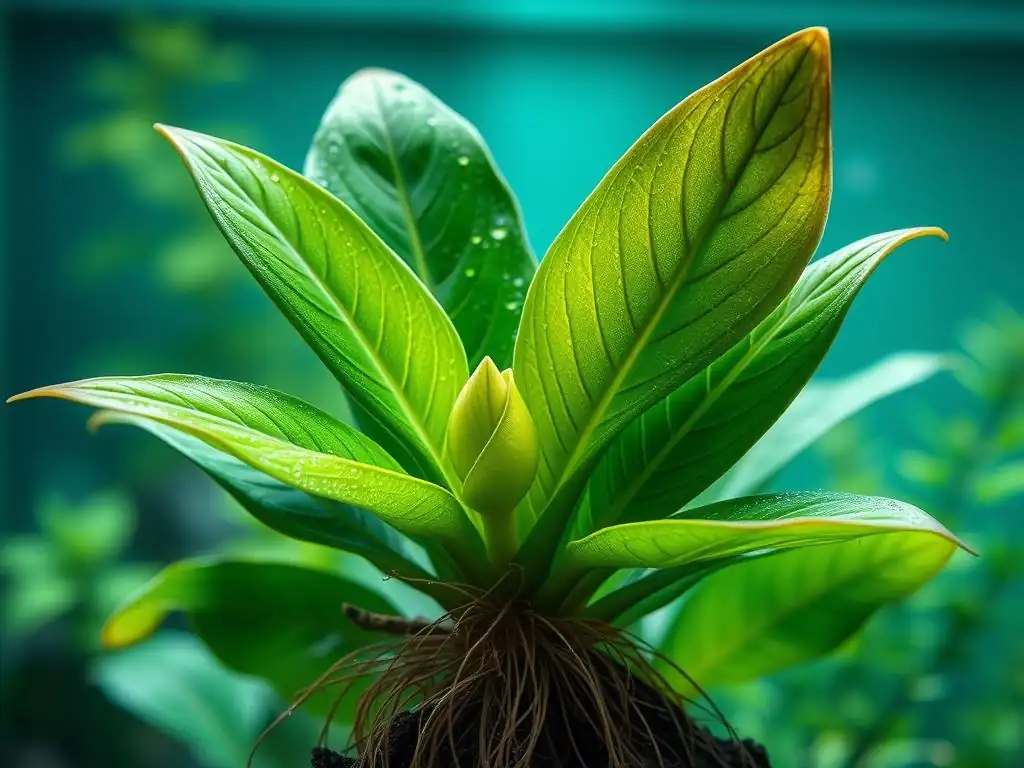
Optimizing nutrient levels is a cornerstone of any crypt melt prevention guide. For Cryptocoryne plants, this primarily means consistent fertilization, with a strong emphasis on root feeding. Root tabs, inserted into the substrate near the base of the plant every 3-6 months, are highly effective in delivering a steady supply of macronutrients (like potassium) and micronutrients (especially iron) directly to the roots. For example, a single root tab can sustain a medium-sized Cryptocoryne for several months.
While root tabs are primary, supplementing with a comprehensive liquid fertilizer for the water column can also be beneficial, particularly for providing readily available micronutrients and ensuring overall plant health. Dose liquid fertilizers according to product instructions, often weekly, but monitor plant response. A balanced approach ensures Crypts have all the necessary building blocks for robust growth and resilience.
Monitoring Nutrient Levels to Prevent Deficiencies
Regularly monitoring your Cryptocoryne plants for signs of nutrient deficiencies is crucial. Healthy Crypts typically have vibrant, firm leaves. Signs of deficiency can include yellowing (chlorosis), stunted growth, or holes in the leaves, which can precede melt. For instance, yellowing of new leaves often indicates an iron deficiency, while holes in older leaves might point to a lack of potassium.
While direct testing of substrate nutrient levels is difficult for the average hobbyist, observing plant health and testing water column parameters like nitrates and phosphates can provide clues. Aim for consistent water column nitrate levels, perhaps 10-20 ppm, and phosphate levels of 0.5-1.0 ppm, as a general guideline. If plants show signs of stress, adjust your fertilization regimen accordingly. Proactive monitoring helps you address nutrient imbalances before they contribute to crypt melt.
Choosing the Right Cryptocoryne Species for Your Aquarium
Selecting Crypts Based on Water Parameter Compatibility
A proactive step in crypt melt prevention is choosing Cryptocoryne species that are inherently compatible with your aquarium's established water parameters. While all Crypts prefer stability, some species are more tolerant of a wider range of conditions than others. For instance, Cryptocoryne wendtii varieties (e.g., 'Green', 'Red', 'Brown') are renowned for their hardiness and adaptability, making them excellent choices for beginners or tanks with slight parameter fluctuations. They can thrive in a pH range of 6.0-8.0 and GH from 3-15 dGH.
Conversely, more delicate or specific species, such as Cryptocoryne crispatula or Cryptocoryne parva, might have narrower preferred ranges and be more prone to melt if conditions are not precisely met. Researching the specific needs of a Cryptocoryne species before purchase is a critical preventative measure. Matching the plant to your tank's natural environment reduces the initial stress and likelihood of melt.
Researching Specific Crypt Needs Before Purchase
Thorough research into the specific needs of any Cryptocoryne species you intend to purchase is an invaluable part of a comprehensive crypt melt prevention guide. Beyond general water parameters, different Crypts have varying requirements for light intensity, substrate type, and even CO2 supplementation, although most Crypts do not strictly require CO2. For example, Cryptocoryne parva, a small carpeting species, will perform much better and achieve its carpeting effect under higher light (e.g., 50-70 PAR) and consistent CO2 injection, whereas Cryptocoryne wendtii is perfectly content with moderate light (20-40 PAR) and no CO2.
Understanding these nuances allows you to select a plant that will thrive in your specific aquarium setup, minimizing stress and the potential for melt. Consult reliable aquatic plant databases, forums, and reputable sellers for detailed care sheets. This proactive approach ensures you're setting yourself and your Cryptocoryne up for success from the very beginning.
Treating Crypt Melt: Recovery Strategies for Affected Plants
Identifying the Cause of Crypt Melt Before Treatment
Before attempting any treatment for crypt melt, it is absolutely essential to identify the underlying cause. Without addressing the root problem, any recovery efforts will likely be futile. Begin by reviewing any recent changes in your aquarium: Have you performed a large water change with different parameters? Introduced new fish or plants? Changed your lighting schedule or intensity? Disturbed the substrate significantly?
Immediately test your water parameters (pH, GH, KH, nitrates, phosphates) to check for any drastic shifts. Observe the pattern of the melt: is it affecting only new leaves, old leaves, or the entire plant? This diagnostic step is crucial; for example, if the melt was triggered by a sudden pH drop, the primary treatment must involve stabilizing pH, not just adding more fertilizer. Pinpointing the cause allows for targeted and effective corrective measures.
Implementing Immediate Corrective Measures
Water Changes to Stabilize Parameters
Once the cause of crypt melt has been identified as water parameter instability, immediate corrective action is required to stabilize the environment. Perform small, consistent water changes (e.g., 10-20% daily or every other day) using water that perfectly matches your tank's current parameters. Avoid large water changes that could further shock the already stressed plant. The goal is to gently nudge the parameters back to stability without causing more fluctuations. For instance, if your pH suddenly dropped to 6.0, gradually bring it back up to your target 6.5-7.0 over several days through small, matched water changes.
This careful approach minimizes additional stress on the plant, allowing it to recover from the initial shock. Continue these small water changes until your water parameters have remained stable for at least a week, as confirmed by daily testing.
Adjusting Lighting Intensity and Duration
If crypt melt is suspected to be caused by sudden lighting changes or excessive light, immediate adjustment of light intensity and duration is necessary. Reduce your photoperiod to 6-7 hours per day temporarily. If your light fixture has dimming capabilities, lower the intensity by 25-50%. For very intense lights, consider placing a piece of shade cloth or even a floating plant (like Salvinia minima) over the affected Cryptocoryne to diffuse the light reaching it.
This reduction in light allows the plant to conserve energy and reduces the stress on its existing leaves. As the plant begins to show signs of recovery (e.g., new shoots emerging), you can gradually increase the photoperiod and intensity over several weeks, following the gradual acclimation strategies outlined earlier.
Utilizing Liquid Fertilizers and Root Tabs for Recovery
Once the immediate stressors have been addressed and water parameters stabilized, providing essential nutrients is critical for Cryptocoryne recovery. Place a fresh root tab (e.g., Seachem Flourish Tabs or API Root Tabs) deep into the substrate near the base of the affected plant. These provide a concentrated, slow-release source of macronutrients like potassium and vital micronutrients like iron directly to the recovering root system.
Additionally, a comprehensive liquid fertilizer can be dosed into the water column. While Crypts are primarily root feeders, liquid fertilizers provide readily available nutrients that can be absorbed by any remaining healthy leaves and support overall plant metabolism during recovery. Start with a half dose of liquid fertilizer (e.g., 5 mL of Seachem Flourish per 50 gallons weekly) to avoid overwhelming the stressed plant, and gradually increase as new growth emerges.
Pruning Affected Leaves to Encourage New Growth
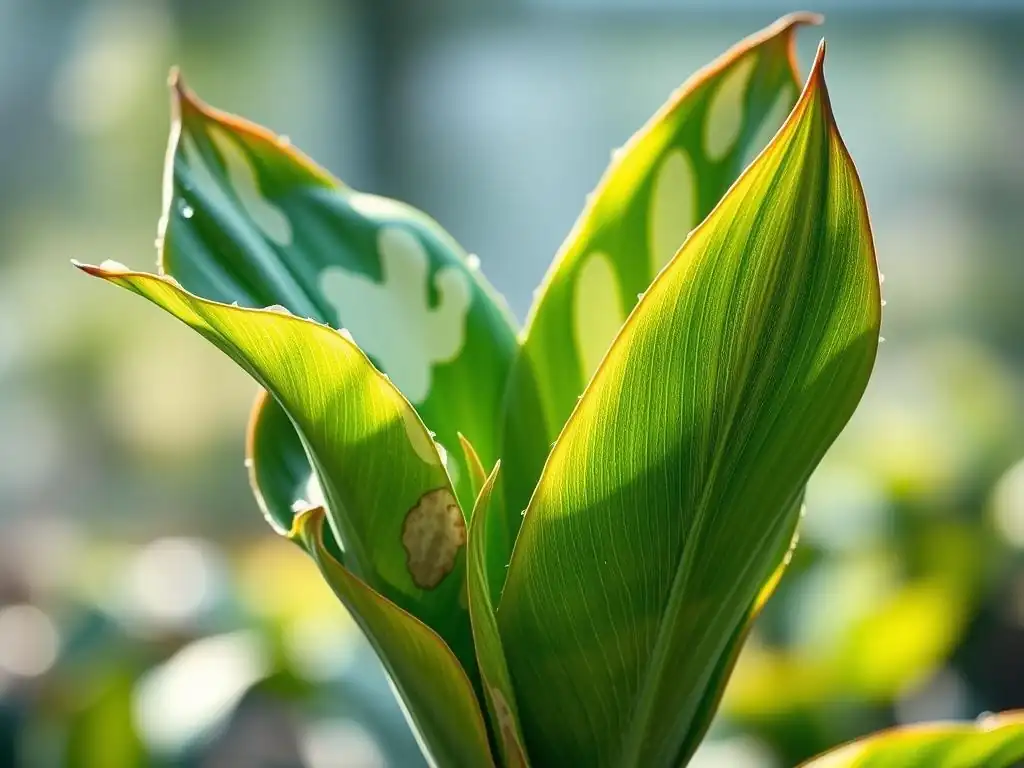
Pruning affected leaves is a crucial step in helping Cryptocoryne plants recover from melt. Gently remove any leaves that have turned completely translucent, mushy, or are clearly disintegrating. Use sharp aquascaping scissors to make a clean cut at the base of the leaf stem, near the rhizome. This practice serves several purposes: it prevents decaying plant matter from fouling the water column, which could lead to ammonia spikes or algae blooms, and it signals the plant to redirect its energy from maintaining dying foliage to producing new, adapted growth.
Do not remove any leaves that are still firm, even if they show some discoloration or minor damage, as these can still photosynthesize and contribute to the plant's recovery. Focus only on the completely melted or severely compromised leaves. The plant will typically regrow from its rhizome, which often remains healthy even after a severe melt.
Monitoring Cryptocoryne Plants During Recovery
Patience and consistent monitoring are paramount during the recovery phase of crypt melt. Cryptocoryne plants can take weeks, or even months, to fully recover and show significant new growth. Do not expect an overnight transformation. Regularly observe the rhizome (the thick root-like stem from which leaves emerge) for any signs of new, healthy shoots sprouting from the substrate. This is the primary indicator of recovery.
Continue to maintain stable water parameters, a consistent light schedule, and your chosen fertilization regimen. Avoid any further disturbances to the plant or its substrate during this sensitive period. While waiting for new leaves, ensure no excessive algae grows on the plant crown or rhizome, as this can impede new growth. With consistent care and patience, most Cryptocoryne plants will eventually rebound from melt, producing a fresh set of leaves adapted to their current environment.
Advanced Cryptocoryne Care: Beyond Melt Prevention
Understanding Different Cryptocoryne Species and Their Specific Needs
Beyond general crypt melt prevention, understanding the diverse needs of different Cryptocoryne species is key to advanced care. While Cryptocoryne wendtii varieties (e.g., 'Green', 'Red', 'Brown') are known for their resilience and adaptability to a wide range of conditions (pH 6.0-8.0, moderate light), other species have more specific requirements. For instance, Cryptocoryne parva, a popular choice for foreground carpeting, demands higher light (often 50-70 PAR) and benefits significantly from CO2 injection to achieve dense growth, unlike most other Crypts.
Cryptocoryne crispatula and Cryptocoryne spiralis grow tall with narrow, sometimes ruffled leaves, indicating a preference for deeper substrates and good vertical light penetration. Cryptocoryne pontederiifolia offers broad, vibrant green leaves and thrives in moderate conditions. Researching these specific preferences allows aquarists to select species that will not only survive but truly flourish in their unique aquarium setup, leading to more robust plants less susceptible to melt.
Propagating Cryptocoryne Plants for a Thriving Aquarium
One of the rewarding aspects of advanced Cryptocoryne care is propagation, which allows you to expand your collection and create a denser, more natural-looking aquascape. Cryptocoryne plants primarily propagate through rhizomes, sending out "runners" or side shoots from the mother plant. These runners develop new plantlets with their own leaves and root systems.
Once a plantlet has developed a few leaves and a healthy root system (typically when it's 2-3 inches tall), it can be gently separated from the mother plant using sharp scissors. Ensure you cut the runner, not the plantlet itself, leaving a small piece of the runner attached to the new plant. These newly separated plantlets can then be carefully replanted elsewhere in the aquarium. This method is generally stress-free for the mother plant and the new plantlet, making it a safe way to expand your Cryptocoryne collection without inducing melt.
Troubleshooting Common Cryptocoryne Problems Beyond Crypt Melt
While crypt melt is a significant concern, Cryptocoryne plants can face other issues that require specific troubleshooting. If leaves develop holes, especially older ones, it's often a sign of potassium deficiency, addressable with potassium-rich root tabs or liquid fertilizers. Stunted or slow growth, without melt, typically points to insufficient light, lack of essential nutrients (particularly iron or CO2), or inadequate substrate nutrition. For instance, if Cryptocoryne parva is not carpeting, it often indicates insufficient light or CO2.
Algae growth on Cryptocoryne leaves usually suggests an imbalance in the tank, such as excessive light, high nutrient levels in the water column, or insufficient CO2 for the light provided. Addressing the underlying imbalance (e.g., reducing photoperiod, increasing water changes, optimizing CO2) rather than just scrubbing the leaves is key. By understanding these distinct symptoms and their causes, aquarists can maintain truly thriving Cryptocoryne plants beyond simply preventing melt.
Conclusion: Mastering Cryptocoryne Care for a Beautiful Aquarium
Mastering Cryptocoryne care, particularly understanding and preventing crypt melt, is fundamental to cultivating a lush and thriving freshwater aquarium. As this crypt melt prevention guide has detailed, these unique plants, beloved for their diverse forms and vibrant colors, demand stability above all else. From consistent water parameters and gradual light acclimation to proper substrate management and targeted nutrient delivery, each step plays a crucial role in their well-being.
While the "melt" can be alarming, it's a natural survival mechanism, not necessarily a death sentence. By proactively implementing preventive measures and responding swiftly and appropriately when melt occurs, aquarists can minimize stress and encourage robust regrowth. The patience and attention to detail invested in Cryptocoryne care are richly rewarded with their enduring beauty, making them a cornerstone of many stunning aquascapes.
Frequently Asked Questions
What exactly is Crypt melt, and why is it a concern for aquarium owners?
Crypt melt refers to the sudden and rapid deterioration of Cryptocoryne plants in aquariums. It's a concern because it can lead to the loss of valuable plants and disrupt the aquarium ecosystem.
What are the primary causes of Crypt melt that I should be aware of?
The main causes include sudden changes in water parameters (like pH or hardness), light intensity changes, and disturbing the plant's roots. Also, stress from shipping can trigger it.
How can I prevent Crypt melt when introducing new Cryptocoryne plants to my aquarium?
Acclimate new plants slowly to the tank's water conditions. Avoid drastic changes and provide stable lighting. Consider using a root tab fertilizer.
What water parameters are most critical to monitor to prevent Crypt melt?
Maintaining stable pH levels and consistent water hardness are crucial. Avoid large water changes that can cause fluctuations in these parameters. Test your water regularly.
If I notice Crypt melt occurring, what immediate steps should I take to try and save my plants?
Reduce the lighting intensity temporarily and check your water parameters. Ensure that nutrient levels are adequate and that the plants are not being disturbed. Avoid over-fertilizing.
The insights shared throughout this Crypt Melt Prevention Guide are not merely academic; they are urgently relevant in today's dynamic cryptocurrency landscape. As digital assets become increasingly integrated into our financial systems, understanding and mitigating the risks of crypt melt – the loss of private keys and access to digital wealth – is paramount for both individual investors and the broader ecosystem. The stakes are high, and proactive measures are essential to safeguard our digital futures.
This issue has profoundly influenced the cultural perception of cryptocurrency, often fueling skepticism and hindering wider adoption. The fear of irreversible loss, a direct consequence of crypt melt, casts a long shadow over the potential benefits of decentralized finance. Security is always excessive until it's not enough.
This quote perfectly encapsulates the need for robust crypt melt prevention strategies. We must move beyond the perception of cryptocurrency as inherently risky and empower users with the knowledge and tools to protect their assets.
Now, armed with the knowledge from this guide, I invite you to reflect on your own digital security practices. Are you truly prepared to safeguard your digital wealth? Take the time to implement the strategies outlined here, share this information with others, and become an advocate for responsible cryptocurrency ownership. The future of decentralized finance depends on our collective commitment to security and education. Let's build a more secure and accessible digital world, together.
Unveil the Secrets to a Melt-Free Planted Tank!
Thank you for diving deep into the world of Cryptocoryne health! Now that you understand the causes and preventative measures for crypt melt, let's translate that knowledge into action.
- Act Now: Reassess your water parameters and light intensity.: This is the single most important step to preventing future melt events.
- Explore a wider variety of Cryptocoryne species. Some are naturally more resilient to parameter changes than others. Experimentation is key!
- Share your experiences! Join our forum and post a photo of your tank – let's learn from each other's successes (and mistakes! ).
What small change will you make to your aquarium setup this week to ensure your Crypts thrive?