
The "Rainbow Monti" Secret: Unlocking Its Dazzling MultiColor Potential in Your Tank

Welcome to Aquarium Mastery!
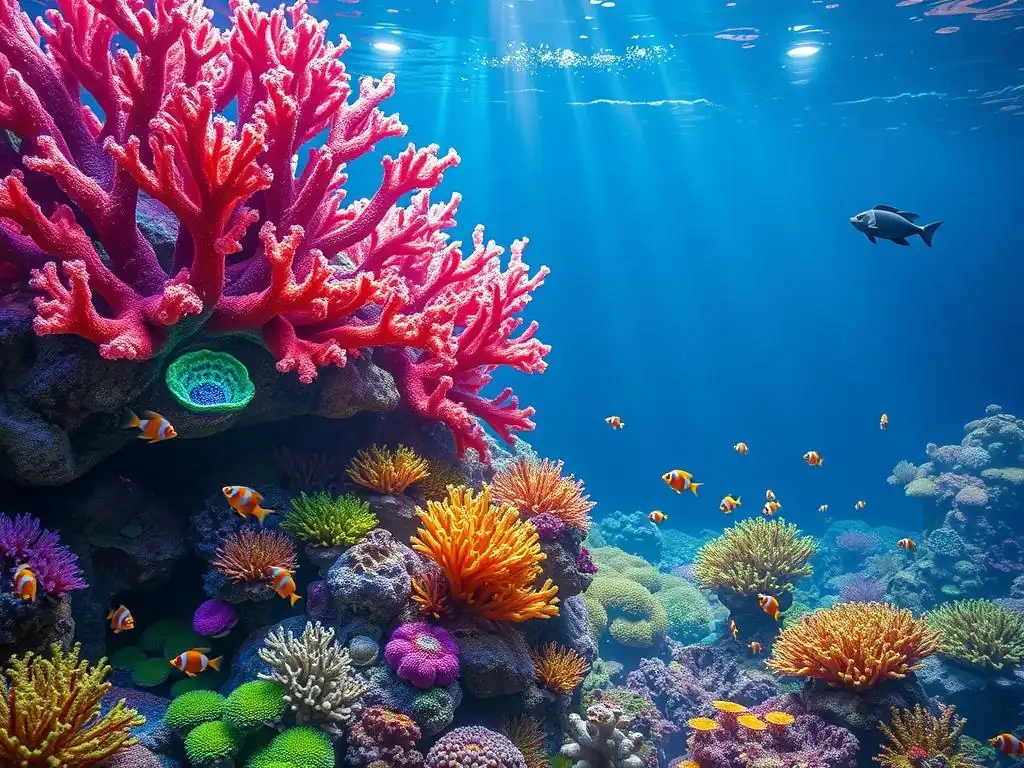
Ever wondered how to unlock the vibrant, rainbow-hued potential of a Rainbow Monti and make it the dazzling centerpiece of your reef tank? Dive in! We'll explore the secrets to achieving breathtaking coloration in your Monti, from lighting and water parameters to essential care tips. Prepare to be amazed by the multi-colored possibilities that await. Ready to discover the secrets of Rainbow Monti tank coloration? Let's begin!
- Understanding the Allure of the Rainbow Monti: A Guide to Vibrant Coloration
- Key Factors Influencing Rainbow Monti Tank Coloration
- Advanced Techniques for Enhancing Rainbow Monti Coloration
- Troubleshooting Common Rainbow Monti Coloration Issues
- Fragging and Propagating Rainbow Monti: Expanding Your Multicolor Collection
- Showcasing Your Rainbow Monti: Aquascaping Tips for a Stunning Display
-
Frequently Asked Questions
- What exactly is a "Rainbow Monti" and why is its coloration so sought after?
- What are the most crucial water parameters for maintaining vibrant "Rainbow Monti" coloration?
- How important is lighting for achieving the best "Rainbow Monti" coloration?
- What specific trace elements play a role in enhancing "Rainbow Monti" coloration?
- What are some common mistakes that lead to "Rainbow Monti" color fading and how can they be avoided?
- Final Reflection: Embracing the Spectrum of Possibility
- Unleash the Rainbow: Transform Your Reef Tank!
Understanding the Allure of the Rainbow Monti: A Guide to Vibrant Coloration
What is a Rainbow Monti? Identifying Montipora capricornis and its Unique Color Variations
The term "Rainbow Monti" typically refers to a highly prized color morph of Montipora capricornis, a species of small polyp stony (SPS) coral known for its distinctive plating or encrusting growth form. These corals are calcifying organisms, building intricate skeletons of calcium carbonate. While the base species Montipora capricornis can be found in various single colors like green, orange, or brown, the "Rainbow Monti" is specifically cultivated and selected for its extraordinary potential to display multiple vibrant hues simultaneously on a single colony.
The unique color variations of the Rainbow Monti stem from a complex interplay of symbiotic zooxanthellae and various fluorescent proteins (FPs) produced by the coral itself. A prime example might feature a deep green base, vibrant purple polyps, and a striking orange or red growth rim. Other specimens can exhibit streaks or patches of blue, yellow, and even pink, creating a literal "rainbow" effect. This incredible spectrum of colors, all on one coral, is what makes the Rainbow Monti's tank coloration so captivating and highly sought after by advanced aquarists.
The Appeal of Multicolor SPS: Why Rainbow Monti is a Highly Sought-After Coral
Multicolor SPS corals, especially the Rainbow Monti, hold a unique appeal for reef tank enthusiasts due to their dynamic visual impact and the challenge they present in achieving their full potential. Unlike many other SPS corals that might excel in one or two dominant colors, the Rainbow Monti offers a kaleidoscopic display of hues, making it an instant centerpiece in any reef aquarium. Its ability to showcase a spectrum of colors, such as a rich green plating structure with contrasting orange polyps and a purple growth edge, creates a visual depth and complexity that few other corals can match.
Furthermore, the pursuit of optimal Rainbow Monti tank coloration becomes a testament to an aquarist's skill and dedication. Unlocking and maintaining its full dazzling potential requires precise control over lighting, water chemistry, and flow dynamics. This level of care transforms the coral from a simple decoration into a living masterpiece, reflecting the meticulous attention to detail provided by the hobbyist. Its relatively robust nature compared to some other Acropora species, coupled with its stunning aesthetic, contributes significantly to its high demand and prestige within the reef keeping community.
Key Factors Influencing Rainbow Monti Tank Coloration
Lighting Spectrum and Intensity: The Foundation for Optimal Rainbow Monti Color
The Role of PAR (Photosynthetically Active Radiation) in Rainbow Monti Health and Color
PAR, or Photosynthetically Active Radiation, measures the light intensity available for photosynthesis, a process vital for the health and vibrant coloration of your Rainbow Monti. For Montipora capricornis, an optimal PAR range is generally considered to be between 150 and 300 µmol/m²/s. Below this range, the coral may appear dull or brown out as its zooxanthellae multiply to capture more light, masking the coral's inherent fluorescent proteins. Conversely, PAR levels exceeding 400 µmol/m²/s can lead to bleaching, where the coral expels its zooxanthellae due to light stress, resulting in a loss of color and potentially coral death.
The specific PAR level also influences the expression of different colors. For example, some aquarists observe that higher PAR within the optimal range, particularly when combined with a blue-dominant spectrum, tends to enhance the reds, oranges, and pinks in a Rainbow Monti. Finding the "sweet spot" for your specific colony, often through gradual acclimation and observation, is crucial for maximizing its unique Rainbow Monti tank coloration. A healthy coral with appropriately dense zooxanthellae will best display its full spectrum of fluorescent proteins.
Selecting the Right LED Fixtures for Enhancing Rainbow Monti Color
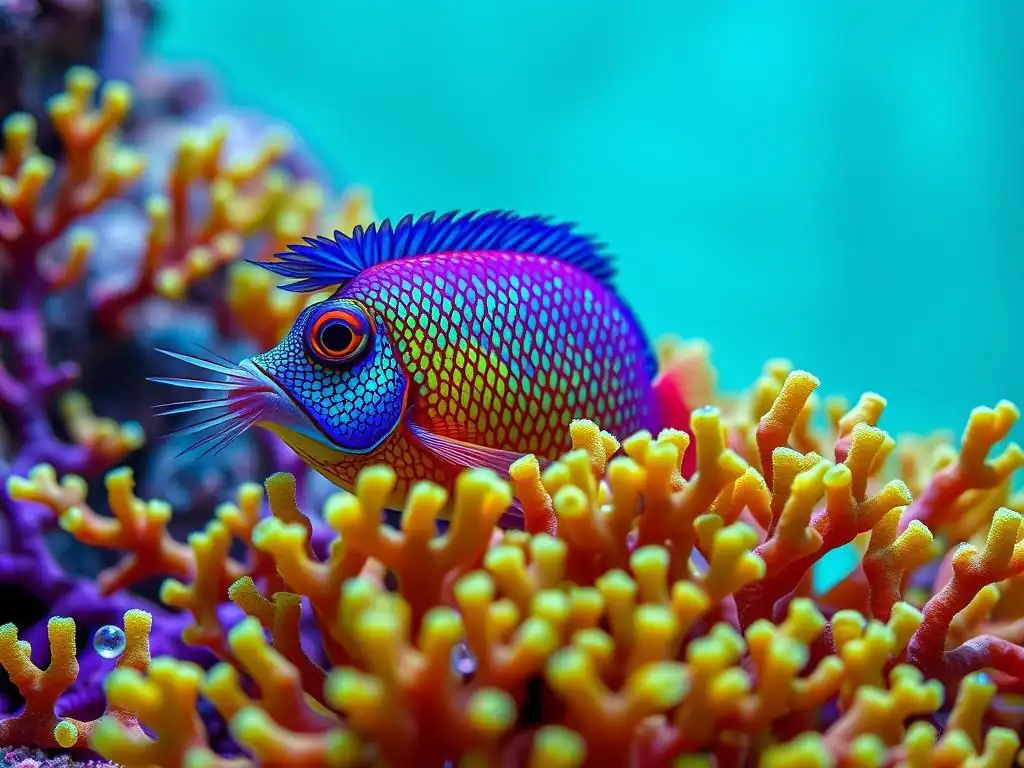
When it comes to enhancing Rainbow Monti tank coloration, the selection of LED fixtures and their spectral output is paramount. High-quality LED units that offer a tunable spectrum, allowing control over individual color channels, are highly recommended. A strong emphasis on blue light (specifically wavelengths around 450-470 nm) is crucial, as these wavelengths penetrate deepest into the water column and are most effective at exciting the fluorescent proteins within the coral tissue, responsible for many of the vibrant blues, purples, and greens. Incorporating violet/UV-A (around 400-420 nm) can further intensify the "pop" of these colors.
Many successful reef tanks showcasing exceptional Rainbow Monti coloration utilize fixtures from brands like EcoTech Marine Radion, Kessil, or AquaIllumination Hydra, known for their precise spectrum control and high PAR output. While blue is dominant, a balanced full-spectrum approach with small contributions from white, green, and red channels can help bring out the full range of colors present in a Rainbow Monti, such as enhancing its characteristic orange or red growth rim. It's important to start with lower intensity and gradually ramp up over several weeks, observing the coral's response to prevent shock and ensure optimal color development.
Water Chemistry: Achieving Stability for Maximum Color Expression
Maintaining Proper Alkalinity, Calcium, and Magnesium Levels for Rainbow Monti
Stable water chemistry is the bedrock for achieving vibrant Rainbow Monti tank coloration and overall coral health. Fluctuations in key parameters like alkalinity (dKH), calcium (Ca), and magnesium (Mg) are far more detrimental than slightly off-target but consistent levels. For Montipora capricornis, maintaining alkalinity between 7.5 and 8.5 dKH is ideal, as it provides the necessary carbonate ions for skeletal growth. Calcium levels should be kept between 400 and 450 ppm, serving as the primary building block for the coral's aragonite skeleton.
Magnesium, typically maintained between 1250 and 1350 ppm, plays a crucial role in regulating the availability of calcium and alkalinity, preventing them from precipitating out of solution. Regular testing, at least 2-3 times per week for alkalinity and weekly for calcium/magnesium, is essential. Automated dosing systems for two-part solutions or calcium reactors are highly recommended for maintaining these parameters within narrow, stable ranges, as consistent supply of these elements directly supports the metabolic processes that contribute to robust growth and brilliant Rainbow Monti tank coloration.
The Impact of Nitrate and Phosphate Levels on Rainbow Monti Coloration
The levels of nitrate and phosphate, commonly referred to as nutrients, significantly influence Rainbow Monti tank coloration. While corals do require trace amounts of these nutrients, elevated levels can lead to "brown out," where the coral's vibrant colors are masked by an overpopulation of zooxanthellae.
Ideally, nitrate levels should be maintained between 1 and 5 ppm, and phosphate levels between 0.02 and 0.05 ppm. Higher concentrations, for instance, nitrates consistently above 10 ppm or phosphates above 0.1 ppm, often stimulate excessive growth of symbiotic algae, which then outcompetes the coral's natural fluorescent proteins for light, resulting in a dull, brownish appearance.
This phenomenon occurs because the coral's zooxanthellae multiply rapidly in nutrient-rich environments, increasing their density within the coral tissue. While this can provide more energy to the coral, it also makes the coral appear less colorful. Effective nutrient control methods, such as regular water changes (e.g., 10-15% bi-weekly), efficient protein skimming, the use of GFO (granular ferric oxide) or biopellets, and maintaining a healthy cleanup crew, are vital for keeping nutrient levels in check and allowing the Rainbow Monti's true colors to shine through.
Water Flow Dynamics: Providing Optimal Circulation for Nutrient Uptake and Color Development
Understanding the Importance of Random Flow for Rainbow Monti Health
Random and turbulent water flow is paramount for the health and vibrant Rainbow Monti tank coloration of Montipora capricornis. Unlike laminar (unidirectional) flow, which can cause tissue recession on one side of the coral and insufficient flow on the other, random flow ensures that all parts of the colony receive consistent exposure to fresh, oxygenated water. This constant movement prevents detritus from settling on the coral tissue, which can lead to localized necrosis and dulling of colors.
Modern wavemakers and gyre pumps (e.g., EcoTech Marine VorTech, Maxspect Gyre) are excellent tools for creating the chaotic, multidirectional flow that Montipora thrives in. This type of flow facilitates efficient gas exchange, delivering essential nutrients like calcium and alkalinity to the coral's polyps while simultaneously removing metabolic waste products. Adequate random flow also helps to maintain the integrity of the coral's tissue and encourages robust growth, both of which are intrinsically linked to achieving stunning Rainbow Monti tank coloration.
Avoiding Dead Spots: Ensuring Even Nutrient Distribution for Vibrant Colors
Dead spots, areas in the aquarium with insufficient water movement, pose a significant threat to the health and uniform Rainbow Monti tank coloration of your coral. In these stagnant zones, detritus can accumulate, leading to localized spikes in nutrients (nitrates and phosphates) and a buildup of waste products. This can result in tissue recession, browning, or even algae growth directly on the coral, severely diminishing its aesthetic appeal and overall vitality. For plating Montipora, dead spots often occur underneath the growing plates, where flow can be restricted.
To ensure even nutrient distribution and prevent dead spots, strategic placement of multiple powerheads is crucial. Aiming powerheads at different angles, or utilizing wavemakers that create oscillating or random flow patterns, can help to circulate water throughout the entire tank, reaching all areas of the aquascape and coral colonies. Regularly observing your Rainbow Monti for any signs of detritus accumulation or uneven coloration can indicate areas where flow needs to be improved. Ensuring comprehensive water movement supports robust growth and uniform color development across the entire colony.
Advanced Techniques for Enhancing Rainbow Monti Coloration
Coral Feeding Strategies: Supplementing with Amino Acids and Coral Foods
Target Feeding vs. Broadcast Feeding: Choosing the Right Approach for Your Rainbow Monti
While Montipora capricornis primarily relies on its symbiotic zooxanthellae for nutrition through photosynthesis, supplemental feeding can significantly enhance its growth rate and, crucially, its Rainbow Monti tank coloration. When considering feeding strategies, it's important to differentiate between target feeding and broadcast feeding. Target feeding involves directly squirting food onto or near the coral, while broadcast feeding disperses food into the water column for uptake by all filter feeders.
For Montipora, with its very small polyps, broadcast feeding with fine-particle coral foods or liquid amino acid solutions is generally more effective and less stressful than direct target feeding. Products containing a blend of marine plankton (e.g., zooplankton, phytoplankton) or specific amino acid supplements are highly beneficial. Dosing amino acids a few times per week, perhaps during the evening when polyps are often more extended, can provide the building blocks for the coral's proteins, including the fluorescent pigments responsible for its vibrant colors. Start with conservative doses and observe your coral's response to avoid overfeeding and nutrient spikes.
Trace Element Supplementation: Adding Essential Elements for Enhanced Coloration
Iodine, Strontium, and Other Trace Elements: Their Roles in Rainbow Monti Color
Trace elements, consumed by corals and removed through skimming and carbon filtration, are vital micronutrients that play a subtle yet significant role in maintaining and enhancing Rainbow Monti tank coloration. Iodine, for instance, is believed to be involved in the pigmentation processes of many SPS corals and can contribute to the intensity of blues and purples. Strontium is another essential element, incorporated into the coral's aragonite skeleton during calcification, which is directly linked to healthy growth and overall vitality.
Other trace elements like potassium, iron, and manganese also have a role in various metabolic functions and can influence specific color expressions. However, dosing trace elements requires caution and precision. Overdosing can be detrimental to corals and lead to nuisance algae blooms.
It is highly recommended to base trace element supplementation on regular ICP-OES (Inductively Coupled Plasma Optical Emission Spectrometry) water tests, which provide precise measurements of over 30 elements. For example, maintaining iodine around 0.06 ppm and strontium around 8 ppm, if depleted, can support vibrant coloration. Consistent, small additions based on actual consumption are key to safely boosting your Rainbow Monti's colors.
Acclimation and Placement: Setting Your Rainbow Monti Up for Success
Gradual Acclimation Techniques to Prevent Shock and Color Loss
Proper acclimation is a critical step in ensuring your Rainbow Monti thrives and retains its dazzling tank coloration, especially when introducing it to a new environment or moving it within your tank. Sudden changes in lighting intensity (PAR), water parameters, or flow can induce severe stress, leading to bleaching (loss of zooxanthellae) or browning, and ultimately, significant color loss. For light acclimation, it's best to start the coral in a shaded area or lower in the tank where PAR levels are significantly reduced, perhaps around 80-120 µmol/m²/s.
Over a period of several weeks, gradually move the coral higher or increase the light intensity incrementally (e.g., a 10-20% increase in PAR per week) until it reaches its desired, brightly lit location. This slow, methodical process allows the coral's zooxanthellae to adapt to the new light conditions, preventing shock and ensuring the coral can maintain its photosynthetic efficiency. Similarly, drip acclimation for salinity and temperature is crucial for any new coral arrival, minimizing osmotic stress and preserving the coral's potential for vibrant Rainbow Monti tank coloration.
Optimal Placement within the Tank for Light and Flow Exposure
Optimal placement within your reef tank is fundamental for the long-term health and full expression of Rainbow Monti tank coloration. As a plating or encrusting SPS coral, Montipora capricornis typically thrives in moderate to high light and strong, turbulent water flow. For plating varieties, positioning them on higher rockwork allows them to grow outwards without shading other light-dependent corals below them. This elevated placement also maximizes their exposure to the ideal PAR levels (150-300 µmol/m²/s) required for robust growth and vibrant color.
When selecting a spot, consider the trajectory of your flow pumps to ensure the entire colony, including its underside, receives consistent, non-laminar water movement. This helps prevent detritus accumulation and ensures even nutrient distribution. Avoid placing the Rainbow Monti in areas prone to stagnation or direct, harsh laminar flow, as both can lead to tissue damage and dull coloration. Carefully observing the coral's initial polyp extension and overall appearance after placement will help you fine-tune its position for maximum health and stunning Rainbow Monti tank coloration.
Troubleshooting Common Rainbow Monti Coloration Issues
Identifying and Addressing Color Fading or Brown Out in Rainbow Monti
Causes of Color Loss: Poor Lighting, Water Chemistry Imbalances, and Stress
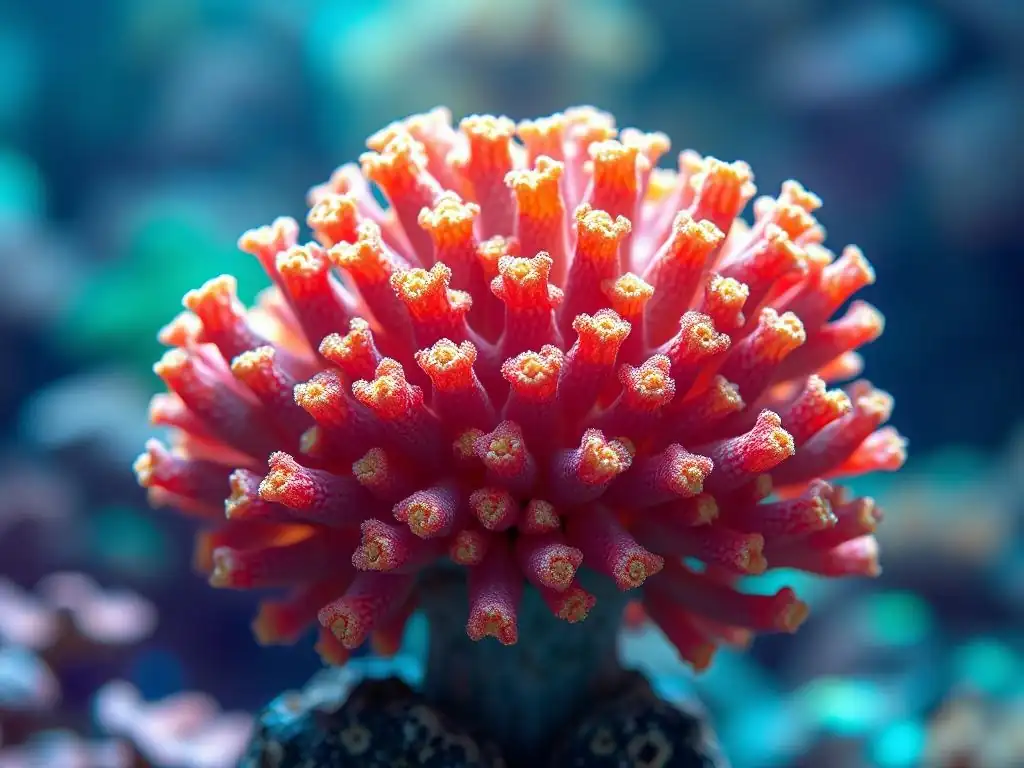
Color fading or "brown out" are common issues that can plague Rainbow Monti tank coloration, signaling underlying problems in the reef environment. Color fading, where the coral appears pale, washed out, or loses its specific vibrant hues, can often be attributed to insufficient lighting (PAR too low), a lack of essential nutrients or trace elements, or even excessive light (leading to bleaching). For example, if your previously vibrant green and orange Monti now looks a uniform pale tan, check your PAR levels and consider if your trace element dosing is adequate.
Conversely, "brown out" typically manifests as the coral turning a uniform, dull brown, losing its distinct colors. This is most commonly caused by excessively high nutrient levels (nitrates often above 10 ppm, phosphates above 0.1 ppm), which lead to an overpopulation of zooxanthellae within the coral tissue, masking the coral's natural fluorescent proteins. Rapid changes in water parameters, pests (like Montipora-eating nudibranchs), or general environmental stress can also contribute to both fading and browning, hindering the coral's ability to display its full Rainbow Monti tank coloration.
Corrective Actions: Adjusting Parameters and Implementing Preventative Measures
Addressing color loss in your Rainbow Monti requires a systematic approach to identify and correct the root cause. If your coral is browning out, focus on nutrient export: perform several small, frequent water changes (e.g., 10% twice a week), ensure your protein skimmer is operating efficiently, and consider adding or increasing the use of GFO, biopellets, or a refugium.
Reduce feeding amounts to minimize nutrient input. For fading colors, gradually increase light intensity (PAR) if it's too low, ensure your alkalinity, calcium, and magnesium are stable and within optimal ranges (e.g., 7.5-8.5 dKH, 400-450 ppm Ca, 1250-1350 ppm Mg), and consider supplemental feeding with amino acids or targeted trace element dosing if ICP tests indicate deficiencies.
Preventative measures are key to maintaining long-term Rainbow Monti tank coloration. Regular testing of all critical parameters (weekly or bi-weekly), consistent water change schedules, and meticulous observation of your coral's appearance are paramount. Addressing minor deviations in water chemistry or subtle signs of stress proactively, before they manifest as severe color loss, will ensure your Rainbow Monti continues to display its stunning multicolor potential.
Dealing with Algae Growth on Rainbow Monti: Maintaining a Clean Environment
Preventing Algae Blooms: Balancing Nutrients and Maintaining Water Quality
Algae growth directly on your Rainbow Monti is a clear indicator of elevated nutrient levels (nitrates and phosphates) in the aquarium, or insufficient water flow causing detritus to accumulate. Nuisance algae, such as hair algae or bryopsis, can quickly smother delicate SPS coral tissue, blocking light access to the zooxanthellae and competing for resources, leading to tissue loss, irritation, and a significant dulling of the Rainbow Monti tank coloration. Preventing these blooms is far more effective than treating them.
The most crucial preventative strategy is maintaining stringent water quality. Keep nitrates consistently below 5 ppm and phosphates below 0.05 ppm through a combination of efficient protein skimming, regular water changes (e.g., 10-15% bi-weekly), and potentially the use of nutrient export methods like GFO, biopellets, or a thriving refugium. Avoid overfeeding fish and corals, as uneaten food rapidly breaks down into nutrients. A robust and diverse cleanup crew, including various snails (e.g., trochus, nassarius) and hermit crabs, can also help graze on developing algae on rockwork and glass, preventing it from spreading to your corals.
Safe Algae Removal Techniques for Delicate SPS Corals
When algae begins to grow directly on your Rainbow Monti, manual removal must be approached with extreme caution to avoid damaging the delicate coral tissue. For small, isolated patches of soft algae, a very soft toothbrush can be gently used to brush the algae off the coral, ideally performed outside the main display tank in a separate container of tank water to prevent releasing algae spores into the water column. A turkey baster can also be used to blast detritus and loose algae from the coral's surface.
However, the most effective and safest long-term solution for algae on your Rainbow Monti is to address the underlying cause: elevated nutrients. Once water parameters are consistently brought back into the ideal range for SPS corals (low nitrates and phosphates), the algae will naturally recede as it's starved of its food source. This allows the coral to recover and regain its vibrant Rainbow Monti tank coloration without the stress of aggressive manual intervention. Maintaining optimal flow around the coral also helps prevent algae from settling and taking hold.
Fragging and Propagating Rainbow Monti: Expanding Your Multicolor Collection
Preparing for Fragging: Tools and Techniques for Successful Propagation
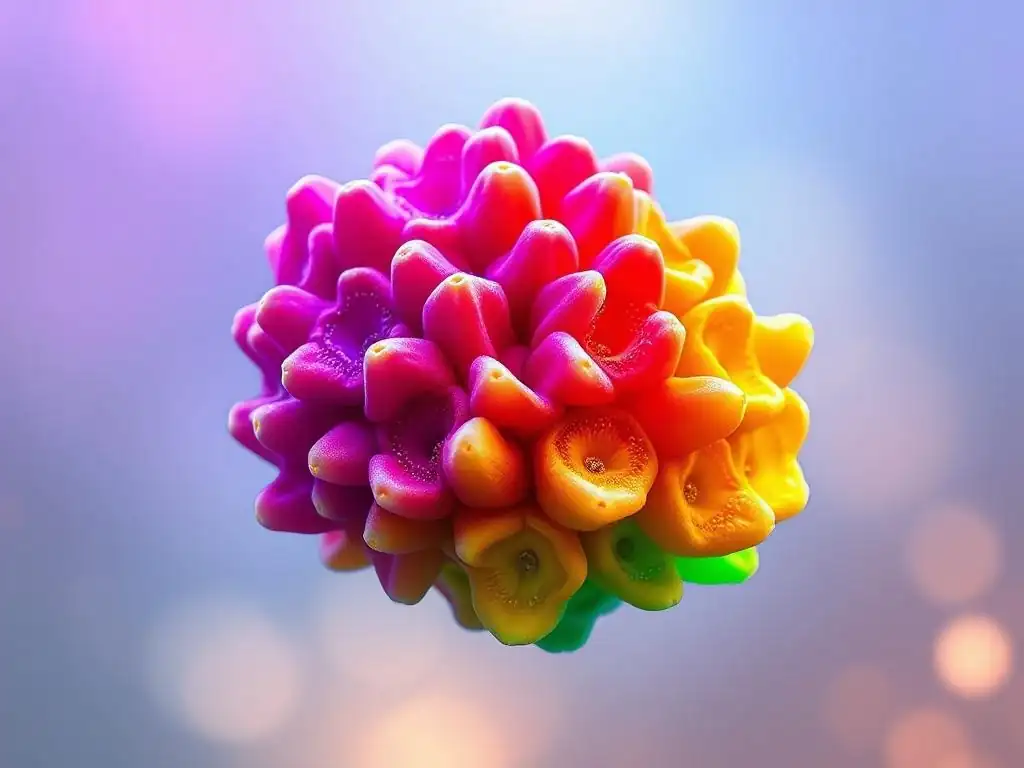
Propagating Rainbow Monti through fragging is a rewarding way to expand your multicolor collection and share it with other hobbyists. Proper preparation and tools are essential for successful propagation and minimizing stress to the mother colony and the new frag. You will need a clean, dedicated workspace, a container of established tank water for the coral, and sterile tools such as bone cutters, coral shears, or a Dremel with a diamond cutting wheel. Safety glasses and gloves are highly recommended to protect yourself and prevent contamination.
When selecting a piece to frag, choose a healthy, well-established section of the Rainbow Monti that exhibits good growth and vibrant tank coloration. For plating varieties, aim to cut a piece that is at least 1-2 inches in diameter, ensuring it has a good growth edge. Make a clean, swift cut to minimize tissue damage. Keep both the mother colony and the frag submerged in tank water as much as possible during the process to reduce air exposure and stress, which can lead to tissue recession or color loss.
Attaching Frags: Securely Mounting New Rainbow Monti Colonies
After fragging, securely attaching the new Rainbow Monti colonies to frag plugs or small pieces of live rock is crucial for their survival and growth. The most common and effective method involves using cyanoacrylate gel glue (super glue, gel type). Ensure the frag plug or rock rubble is clean and dry where the glue will be applied, as moisture can weaken the bond.
Apply a generous dab of the gel glue to the frag plug or rock. Then, firmly press the cut surface of the Rainbow Monti frag onto the glue, holding it in place for approximately 30 seconds to allow the glue to set.
Some aquarists prefer to let the glued frag air dry for a minute or two before returning it to the tank, which can help create a stronger bond. A securely mounted frag is less likely to tumble in the flow, preventing physical damage and allowing it to dedicate its energy to healing and developing its full Rainbow Monti tank coloration.
Maintaining Optimal Conditions for Frag Growth and Color Development in Frags
Newly fragged Rainbow Monti colonies are under stress and require specific care to ensure successful growth and the development of their vibrant colors. Initially, place the frags in an area of the tank with slightly lower light intensity and moderate, indirect water flow. This allows them to heal from the fragging process without being overwhelmed by high PAR or turbulent flow. A PAR level around 100-150 µmol/m²/s is often suitable for the initial healing phase, gradually increasing as the frag shows signs of recovery.
Consistent water parameters are even more critical for frags, as they are expending significant energy on healing and encrusting. Maintain stable alkalinity, calcium, and magnesium levels, and keep nutrients (nitrate and phosphate) low. As the frag begins to encrust onto its plug and displays good polyp extension and a visible growth rim (often a different color from the main body), it can be gradually moved to a higher-light, higher-flow area of the tank. This careful progression will encourage the frag to express its full genetic potential for dazzling Rainbow Monti tank coloration.
Showcasing Your Rainbow Monti: Aquascaping Tips for a Stunning Display
Integrating Rainbow Monti into Your Reef Tank Design
Integrating the Rainbow Monti into your reef tank design can transform your aquascape into a vibrant, dynamic display. Given its plating or encrusting growth habit, Montipora capricornis is excellent for creating layered shelves or cascading formations on your rockwork. Position these corals on higher points in your aquascape to ensure maximum light exposure and to allow their outward growth without shading other corals below. A well-placed Rainbow Monti can serve as a stunning focal point, drawing the eye with its incredible spectrum of colors.
When planning placement, consider the mature size of your Rainbow Monti. Under optimal conditions, a plating Montipora can grow quite large, easily reaching diameters of 10-12 inches or more. Ensure ample space is provided around the colony to prevent it from overgrowing and potentially stinging or shading neighboring corals. Thoughtful aquascaping that anticipates future growth will maintain a harmonious and visually appealing display, allowing your Rainbow Monti's tank coloration to truly shine as it matures.
Complementary Corals: Selecting Tank Mates that Enhance the Rainbow Monti's Colors
Selecting complementary corals as tank mates can significantly enhance the visual impact of your Rainbow Monti's colors. The goal is to create contrast and highlight the Monti's unique hues without overshadowing it. Consider pairing your Rainbow Monti with corals that offer contrasting textures or single, strong colors. For instance, a vibrant green birdsnest (Seriatopora hystrix) or a deep blue staghorn (Acropora formosa) placed nearby can make the orange, purple, and green tones of your Rainbow Monti pop even more.
Alternatively, placing it near soft corals like bright yellow zoanthids or a rich red mushroom coral can provide a striking textural and color contrast. When choosing tank mates, always ensure they have similar lighting and flow requirements to your Rainbow Monti. Crucially, maintain adequate spacing between the Rainbow Monti and more aggressive corals, especially LPS corals with long sweeper tentacles, to prevent chemical warfare or physical stinging that could lead to tissue loss and dulling of the Rainbow Monti tank coloration.
Long-Term Care and Maintenance: Ensuring the Continued Health and Vibrancy of Your Rainbow Monti
Ensuring the continued health and vibrancy of your Rainbow Monti's tank coloration is a long-term commitment that hinges on consistent care and meticulous maintenance. This means unwavering dedication to stable water parameters: maintaining alkalinity between 7.5 and 8.5 dKH, calcium between 400 and 450 ppm, and magnesium between 1250 and 1350 ppm. Regular water changes, such as 10-20% bi-weekly or monthly, are essential for replenishing trace elements and exporting accumulated waste.
Beyond parameters, consistently providing optimal lighting (150-300 PAR with a blue-heavy spectrum) and strong, turbulent water flow is non-negotiable. Continually observe your Rainbow Monti for any subtle changes in color, polyp extension, or growth, as these are often the earliest indicators of environmental stress or nutrient imbalances. Being prepared to make small, gradual adjustments to your lighting schedule, flow patterns, or dosing regimens based on these observations and routine water test results will ensure your "Rainbow Monti" maintains its dazzling multicolor potential for many years to come.
Frequently Asked Questions
What exactly is a "Rainbow Monti" and why is its coloration so sought after?
A Rainbow Monti is a Montipora capricornis coral prized for its vibrant and diverse color palette, often showcasing shades of orange, green, purple, and red. Its dazzling coloration makes it a highly desirable addition to reef aquariums.
What are the most crucial water parameters for maintaining vibrant "Rainbow Monti" coloration?
Maintaining stable water parameters is critical. Key factors include proper alkalinity, calcium, and magnesium levels, along with near-zero nitrates and phosphates to prevent algae overgrowth.
How important is lighting for achieving the best "Rainbow Monti" coloration?
Lighting is paramount. Rainbow Montis require intense lighting, often provided by metal halides or high-quality LED fixtures, to promote the production of colorful pigments. Spectrum and intensity are crucial considerations.
What specific trace elements play a role in enhancing "Rainbow Monti" coloration?
Supplementation with certain trace elements, such as strontium, iodine, and iron, can significantly enhance the coral's color. Regular monitoring and appropriate dosing are essential to avoid imbalances.
What are some common mistakes that lead to "Rainbow Monti" color fading and how can they be avoided?
Common mistakes include inadequate lighting, unstable water parameters, and nutrient imbalances. Addressing these issues through proper testing, adjustments, and maintenance can restore and maintain vibrant coloration.
Final Reflection: Embracing the Spectrum of Possibility
The journey to achieving vibrant Rainbow Monti tank coloration is more than just mastering water parameters and lighting schedules; it's about understanding the delicate dance between biology and environment. The secrets unveiled in this article, from proper alkalinity to strategic placement, are not just applicable to this specific coral, but represent a broader philosophy of attentive and informed reef keeping, a philosophy that resonates deeply within the current push for sustainable and responsible aquarium practices.
The allure of the Rainbow Monti lies not only in its breathtaking beauty, but also in its ability to inspire awe and wonder, reminding us of the intricate ecosystems we strive to replicate. This pursuit of vibrant color, this dedication to creating a thriving microcosm, reflects our innate human desire to connect with nature and cultivate beauty. The best and most beautiful things in the world cannot be seen or even touched - they must be felt with the heart.
- Helen Keller. This sentiment perfectly encapsulates the feeling of accomplishment when witnessing the full spectrum of a healthy, thriving Rainbow Monti.
Now, armed with the knowledge shared within these pages, we invite you to look beyond the technical aspects and embrace the artistry of reef keeping. Cultivate not just a tank, but a living masterpiece. Observe, adapt, and above all, appreciate the vibrant spectrum of possibility that lies within your own Rainbow Monti tank coloration journey. Let its dazzling hues serve as a constant reminder of the beauty and complexity of the natural world, and your role in preserving it.
Unleash the Rainbow: Transform Your Reef Tank!
Thank you for exploring the mesmerizing world of Rainbow Montipora! We hope you’ve gained valuable insights into nurturing this vibrant coral. Now it's time to bring that knowledge to life.
Here's how you can take the next step:
- Start a dedicated Montipora frag tank: This is the best way to experiment and observe the best conditions for growing a Rainbow Monti
- Share your Rainbow Monti success (or challenges!) in our community forum.
- Research unconventional coral feeding methods to further enhance coloration.
What unique lighting combinations are you considering to coax out those dazzling colors?