
The Role of Iodine in Leather Coral Health & Shedding

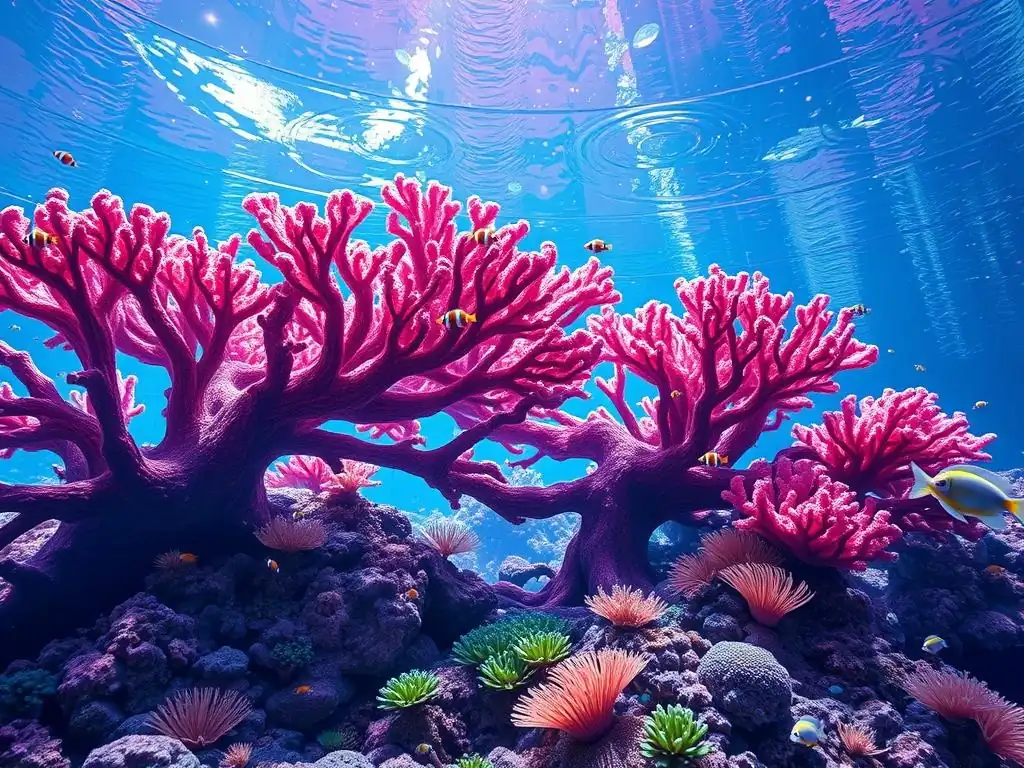
Welcome to Aquarium Mastery, where we dive deep into the captivating world of aquariums! Ever wondered about the secrets behind thriving leather corals? In this article, we unravel the crucial role of iodine in maintaining optimal health and understanding the shedding process in these fascinating soft corals. Curious to learn more and ensure your leather corals are flourishing? Let's explore the science behind iodine leather coral health and unlock the keys to a vibrant reef!
- The Role of Iodine in Leather Coral Health & Shedding: Aquarium Mastery Guide
- Understanding Iodine's Importance for Leather Corals
- Iodine Deficiency in Leather Corals: Symptoms and Identification
- Maintaining Optimal Iodine Levels for Leather Corals
- Leather Coral Shedding: Normal Process vs. Iodine-Related Issues
- The Impact of Water Chemistry on Iodine Availability
- Choosing the Right Iodine Supplement for Your Leather Corals
- Troubleshooting Leather Coral Health Problems Related to Iodine
- Best Practices for Leather Coral Care: Beyond Iodine Supplementation
- Preventing Iodine-Related Problems in Leather Corals
-
Frequently Asked Questions
- What role does iodine play in the overall health of leather corals?
- How does iodine deficiency manifest in leather corals?
- Why do leather corals shed, and how is iodine related to this process?
- How can I accurately test the iodine levels in my aquarium?
- What are the best methods for safely supplementing iodine in a reef aquarium with leather corals?
- Final Reflection: The Unseen Vitality of Iodine
- Unveil the Secret to Thriving Leather Corals!
The Role of Iodine in Leather Coral Health & Shedding: Aquarium Mastery Guide
Understanding Iodine's Importance for Leather Corals
Why Iodine is Crucial for Leather Coral Health
Iodine, a vital trace element, plays a multifaceted role in the metabolic processes of marine organisms, including the diverse species of leather corals such as Sarcophyton (Toadstool Leather) and Lobophytum (Devil's Hand Leather). In the natural reef environment, iodine is typically present in concentrations ranging from 0.04 to 0.06 mg/L (parts per million).
Within the coral's physiology, iodine acts as a crucial cofactor for various enzymes, supports antioxidant defenses, and is involved in the synthesis of specific compounds that contribute to tissue integrity and overall vitality. Adequate levels are essential for the robust health and resilience of these soft corals, enabling them to thrive in a captive environment.
Beyond its enzymatic and antioxidant functions, iodine also contributes to the general well-being of leather corals by supporting their cellular structure and metabolic efficiency. When iodine levels are optimal, leather corals exhibit strong polyp extension, vibrant coloration, and consistent growth, indicative of a healthy photosynthetic relationship with their symbiotic zooxanthellae.
For instance, a well-maintained Sarcophyton coral, given sufficient iodine, can often show noticeable growth of up to 1 inch per month under ideal conditions, a testament to its efficient biological processes. This robust health is a direct reflection of the coral's ability to efficiently process nutrients and maintain cellular function, tasks in which iodine plays a silent yet indispensable part.
The Connection Between Iodine and Leather Coral Shedding
Leather corals possess a unique and fascinating physiological process known as shedding, or sloughing. This natural mechanism involves the periodic shedding of an epidermal layer, which serves to remove accumulated detritus, algae, and even old, worn-out tissue. This process is vital for the coral's long-term health, allowing for fresh growth and preventing the overgrowth of undesirable organisms on its surface. Iodine plays a significant role in facilitating this shedding process, ensuring it occurs smoothly and efficiently.
When iodine levels are sufficient, the physiological mechanisms responsible for shedding are well-supported, leading to a complete and timely removal of the outer layer. A healthy leather coral typically sheds every 2 to 4 weeks, depending on the species and environmental conditions, with the entire process often completing within 24 to 72 hours. In contrast, an iodine deficiency can impair this crucial function, leading to prolonged or incomplete shedding.
The coral may appear to have a persistent, thick "skin" that struggles to detach, causing stress and potentially making the coral more susceptible to infections or irritation. Therefore, maintaining appropriate iodine leather coral health levels is paramount for supporting this essential regenerative cycle.
Iodine Deficiency in Leather Corals: Symptoms and Identification
Recognizing the Signs of Iodine Depletion in Leather Corals
Identifying iodine depletion in leather corals requires careful observation, as some symptoms can overlap with other environmental stressors. However, several key indicators often point towards insufficient iodine levels. One of the most common signs is a noticeable dulling of the coral's coloration, often appearing less vibrant or even brownish, contrasting sharply with its usual healthy appearance.
Reduced polyp extension is another strong indicator; polyps may remain retracted for extended periods or extend only minimally, diminishing the coral's characteristic fluffy or textured look. Furthermore, sluggish or incomplete shedding, where the coral struggles to slough off its outer layer, is a hallmark symptom. The shedding process might take days or even weeks, leaving a visible, peeling layer that fails to fully detach.
Beyond these visual cues, leather corals experiencing iodine deficiency may also exhibit a general decline in vigor. They might appear less turgid or firm to the touch, and their overall growth rate can significantly slow down.
For example, a Sarcophyton coral that typically adds new folds or expands its cap by half an inch monthly might show negligible growth over several weeks or even months if iodine is consistently low. While these symptoms can be general, observing them in conjunction with a history of inconsistent iodine supplementation or infrequent water changes should prompt a specific iodine test to confirm the deficiency and address the core issue impacting the Iodine leather coral health.
How Iodine Deficiency Affects Leather Coral Growth and Coloration
The impact of iodine deficiency on leather coral growth and coloration is directly linked to its role in cellular metabolism and overall physiological function. When iodine levels are insufficient, the coral's metabolic processes become less efficient, leading to a reduced capacity for tissue synthesis and energy production. This directly translates to stunted growth rates, as the coral simply lacks the necessary resources to expand and develop new biomass. Over time, a normally fast-growing species might become static, failing to increase in size or develop new branches or folds, which is a clear sign of underlying stress.
In terms of coloration, iodine deficiency can cause a significant loss of vibrancy. While leather corals derive most of their color from their symbiotic zooxanthellae, the health and efficiency of these algae are intrinsically tied to the coral's overall well-being and its ability to provide a stable internal environment.
An iodine-depleted coral is under stress, which can negatively impact the zooxanthellae, leading to a reduction in their photosynthetic efficiency or even a partial expulsion, resulting in a duller, less appealing appearance. For instance, a Lobophytum that typically boasts rich green or brown hues might appear faded or even develop pale patches, signifying a decline in its overall Iodine leather coral health and vitality.
Maintaining Optimal Iodine Levels for Leather Corals
Recommended Iodine Concentration for Leather Coral Aquariums
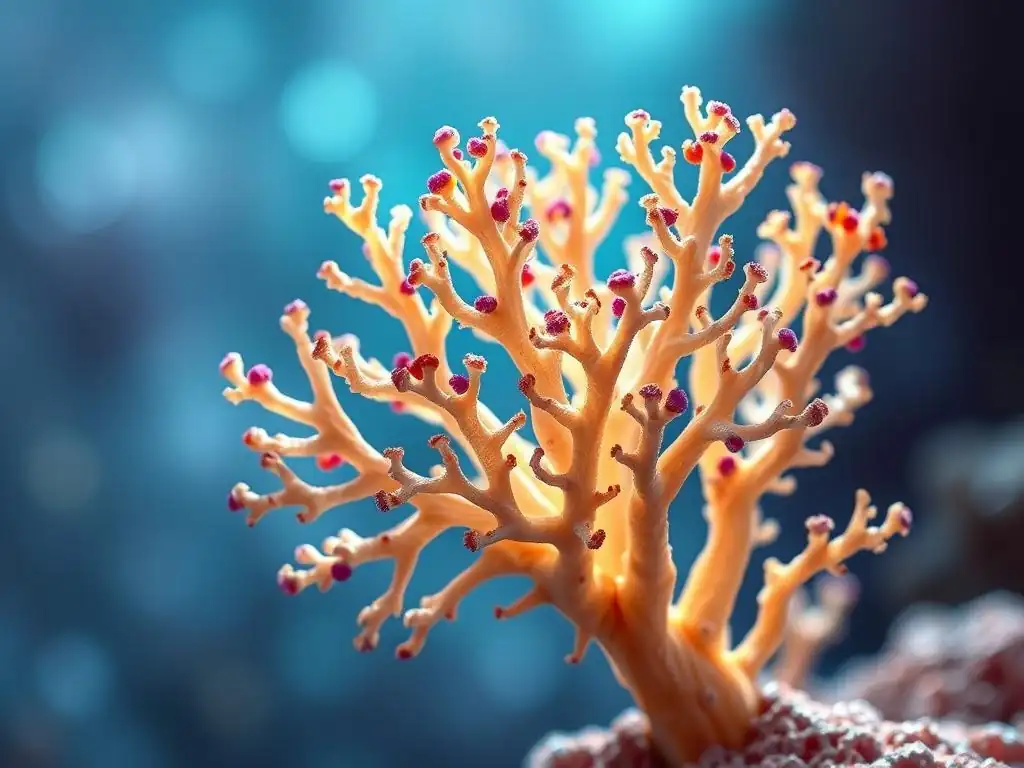
Maintaining a stable and appropriate iodine concentration is paramount for the long-term health of leather corals in a captive reef environment. The generally recommended target range for iodine in reef aquariums housing soft corals is between 0.04 and 0.06 mg/L (or parts per million, ppm), mirroring the levels found in natural seawater. This range provides sufficient iodine for the coral's metabolic needs without risking toxicity, which can occur at higher concentrations. Consistency within this range is more critical than hitting an exact number, as fluctuating levels can cause stress to corals.
It's important to note that some aquarists, particularly those with mixed reef tanks containing more sensitive SPS corals, might aim for the lower end of this spectrum or slightly below, around 0.03 mg/L, to err on the side of caution. However, for tanks predominantly featuring leather corals, adhering closely to the natural seawater range of 0.04-0.06 mg/L generally yields the best results for their Iodine leather coral health and shedding processes. Regular testing is essential to ensure levels remain within this optimal window, as iodine is consumed by corals and removed by skimming and carbon filtration.
Testing Iodine Levels in Your Reef Tank: A Step-by-Step Guide
Accurate testing of iodine levels is a cornerstone of effective iodine supplementation. While iodine test kits can be less common than those for calcium or alkalinity, reliable options are available, typically employing colorimetric or titration methods. To test your tank's iodine: first, ensure your test kit is not expired and follow its specific instructions meticulously. Generally, you will collect a precise water sample from your reef tank, often 5-10 mL, using the provided syringe. Next, you'll add a specified number of drops or volume of various reagents as directed by the kit, ensuring thorough mixing after each addition.
After the reagents have been added and the prescribed reaction time has passed (which can range from minutes to an hour), you will compare the resulting color of your water sample against a color chart provided with the kit, or, in the case of titration kits, count the drops required to reach a specific color change. For instance, if the kit indicates a color matching 0.05 mg/L, your iodine levels are within the optimal range.
It is advisable to conduct these tests weekly when initiating supplementation or troubleshooting, and then switch to a bi-weekly or monthly schedule once stable levels are achieved, always noting the results to track consumption trends and maintain consistent Iodine leather coral health.
Safe Methods for Iodine Supplementation in Coral Tanks
When iodine levels are consistently below the desired range of 0.04-0.06 mg/L, supplementation becomes necessary to support Iodine leather coral health. There are several safe and effective methods for adding iodine to your reef tank, each with its own considerations. One common option is Lugol's solution, a potent form containing both iodine and potassium iodide.
When using Lugol's, it is crucial to start with a very low dose—perhaps 50% of the manufacturer's recommended starting dose—and gradually increase based on subsequent test results. For a 100-gallon system, this might mean starting with just 1-2 drops every other day, diluted in a cup of tank water, and added slowly to a high-flow area of the sump to ensure rapid dispersal and prevent direct contact with corals.
Another popular choice is a potassium iodide (KI) solution, which is generally considered less prone to over-dosing than Lugol's due to its simpler chemical form, though it may not provide all forms of iodine utilized by corals. Iodide/iodate blends are also available, designed to mimic the natural forms of iodine found in seawater more closely.
Regardless of the product chosen, always dose slowly and consistently, ideally at the same time each day, and never exceed the manufacturer's maximum recommendation without precise testing and a clear understanding of your tank's consumption rate. Overdosing iodine can be toxic to corals and other invertebrates, leading to potential tissue damage or even mortality, so a cautious, test-driven approach is paramount.
Differentiating Between Healthy Shedding and Stress-Induced Shedding
Understanding the nuances of leather coral shedding is crucial for assessing their Iodine leather coral health. Healthy shedding is a natural, efficient process. It typically involves the coral producing a thin, waxy, or mucous-like layer over its surface, which then detaches and floats away, usually within 24 to 72 hours. During this period, the coral may retract its polyps and appear somewhat deflated, but it quickly recovers once the shedding is complete, often within hours, revealing a fresh, vibrant surface with immediate polyp extension. The shed "skin" itself is usually thin and comes off in relatively complete pieces.
In contrast, stress-induced shedding is often prolonged, incomplete, and can be accompanied by other signs of distress. The coral may appear to struggle to shed, with the old layer persisting for days or even weeks, sometimes appearing thick and ragged. This prolonged process can lead to tissue irritation, increased susceptibility to bacterial infections, and a general decline in the coral's appearance.
Other accompanying symptoms might include persistent polyp retraction, discoloration, or even tissue necrosis in severe cases. While poor water quality, inadequate flow, or incorrect lighting can trigger stress-induced shedding, a persistent struggle to shed, particularly if other parameters are stable, strongly points towards an iodine imbalance.
How Iodine Impacts the Leather Coral Shedding Cycle
Iodine plays a critical physiological role in the leather coral's shedding cycle, making it a key factor in maintaining Iodine leather coral health. While the exact biochemical pathways are still being fully elucidated, it is understood that iodine contributes to the production of specific enzymes or compounds that are essential for the efficient detachment of the old epidermal layer.
This process is not merely a passive sloughing but an active biological function requiring metabolic support. Adequate iodine ensures that the coral has the necessary internal resources to initiate and complete this process smoothly, allowing the underlying, healthy tissue to be exposed without prolonged stress.
When iodine levels are deficient, the coral's ability to produce these essential compounds or enzymes is compromised. This can result in a "sticky" old layer that fails to detach completely or quickly. Imagine a situation where a Sarcophyton coral, instead of shedding its skin in a day, struggles for a week, with portions of the old layer clinging to its folds.
This extended period of incomplete shedding not only stresses the coral but also creates an environment ripe for detritus accumulation and potential bacterial issues. Thus, maintaining optimal iodine levels is not just about general health; it's about directly supporting a critical regenerative process that keeps leather corals clean, healthy, and thriving.
The Impact of Water Chemistry on Iodine Availability
The Role of pH, Alkalinity, and Calcium on Iodine Uptake
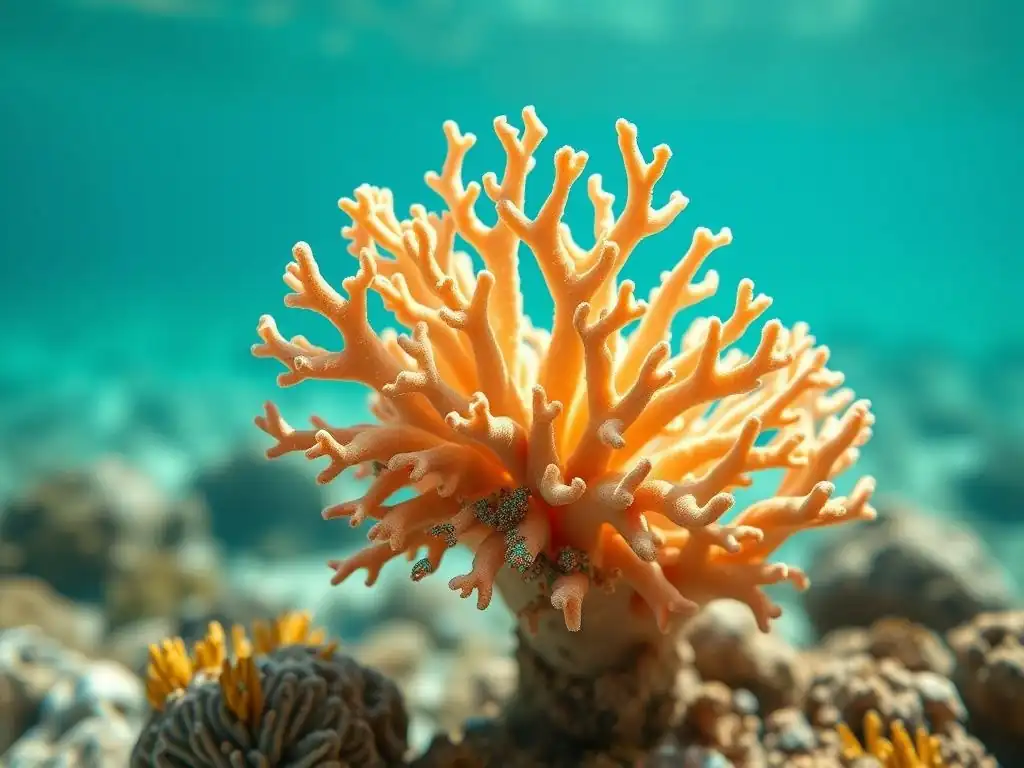
While pH, alkalinity, and calcium are not directly involved in the chemical uptake of iodine by corals, their stability and optimal levels are profoundly important for the overall health and metabolic efficiency of leather corals. A reef tank with stable water parameters—pH typically between 8.1 and 8.4, alkalinity between 7 and 11 dKH, and calcium between 400 and 450 ppm—creates an ideal environment where corals are less stressed. In such stable conditions, corals can allocate more energy towards growth, immune function, and the absorption and utilization of essential trace elements like iodine.
Conversely, significant fluctuations or consistent deviations from these optimal ranges can induce stress in leather corals. For instance, a sudden drop in pH or alkalinity can compromise the coral's energy reserves as it works to maintain internal homeostasis. This stress diverts metabolic resources away from other crucial processes, including the efficient absorption and utilization of iodine. Therefore, even if iodine is present in the water column at optimal concentrations, a coral struggling with unstable primary parameters may not be able to fully benefit from it, impacting its overall Iodine leather coral health and resilience.
Avoiding Iodine Lockout: Optimizing Water Parameters
The concept of "iodine lockout" typically refers to situations where iodine, despite being present in the water, is not bioavailable or effectively utilized by corals due to adverse water chemistry conditions. This isn't usually a direct chemical binding of iodine by high pH or alkalinity, but rather a reflection of overall poor water quality that inhibits coral health and nutrient uptake. High levels of organic pollutants, elevated nitrates (e.g., above 20 ppm) and phosphates (e.g., above 0.05 ppm), can create an environment where trace elements like iodine are either consumed by undesirable bacteria or rendered less accessible to corals.
To avoid this "lockout" scenario and ensure optimal Iodine leather coral health, it is crucial to maintain pristine water quality beyond just the major parameters. This involves employing effective mechanical and biological filtration, such as a robust protein skimmer that efficiently removes organic waste, regular use of activated carbon to adsorb dissolved organics, and potentially granular ferric oxide (GFO) for phosphate control.
Consistent water changes (e.g., 10-20% monthly) also play a vital role by diluting accumulated pollutants and replenishing trace elements. By keeping the overall water chemistry clean and stable, you maximize the bioavailability and uptake of iodine, allowing your leather corals to fully benefit from its presence.
Choosing the Right Iodine Supplement for Your Leather Corals
Comparing Different Forms of Iodine Supplements: Pros and Cons
When it comes to supplementing iodine for your leather corals, various forms are available, each with its own advantages and disadvantages. Lugol's Solution, typically a mixture of elemental iodine and potassium iodide, is a very popular and potent option. Its pros include its widespread availability and effectiveness in quickly raising iodine levels. However, its cons are its potency, making it easy to overdose, and its tendency to stain tanks or equipment.
Potassium Iodide (KI) solutions are another common choice. The pros of KI include its simpler chemical form, which some aquarists find less prone to over-dosing, and its reduced staining. The main con is that it only provides iodide, which may not encompass all forms of iodine that corals utilize or that are present in natural seawater.
Finally, Iodide/Iodate Blends aim to provide a more comprehensive spectrum of iodine forms, mimicking the diversity found in natural reef waters. Brands like Brightwell Aquatics Iodion or Kent Marine Tech-I often fall into this category. Their primary pro is this more natural balance, potentially offering broader benefits for Iodine leather coral health. The cons can include a higher cost compared to simpler forms and potentially more complex dosing instructions due to the blend of different iodine species. Each form requires careful, test-driven dosing to prevent toxicity and ensure the desired iodine leather coral health benefits are achieved.
Considerations When Selecting an Iodine Supplement Brand
Selecting the right iodine supplement brand for your leather corals involves more than just choosing the chemical form; it also requires evaluating the product's quality, purity, and the manufacturer's reputation. A primary consideration should be the reputation and purity of the manufacturer. Opt for brands well-regarded within the reefing community, known for producing high-quality, contaminant-free supplements. Reputable companies often provide detailed information about their sourcing and quality control processes.
Secondly, always scrutinize the clear dosing instructions and ingredient list. A good supplement will have precise, easy-to-understand dosing guidelines based on tank volume and desired iodine levels. The ingredient list should be transparent, specifying the forms of iodine present and any other additives. Be wary of products with vague formulations or unclear instructions.
Lastly, consider user reviews and experiences from other aquarists. While individual results may vary, a consensus of positive experiences can provide valuable insight into a product's effectiveness and safety for Iodine leather coral health. Some brands may also offer different concentrations, so compare cost-effectiveness relative to the product's potency to make an informed decision.
Addressing Common Issues: Slow Growth, Poor Color, Excessive Shedding
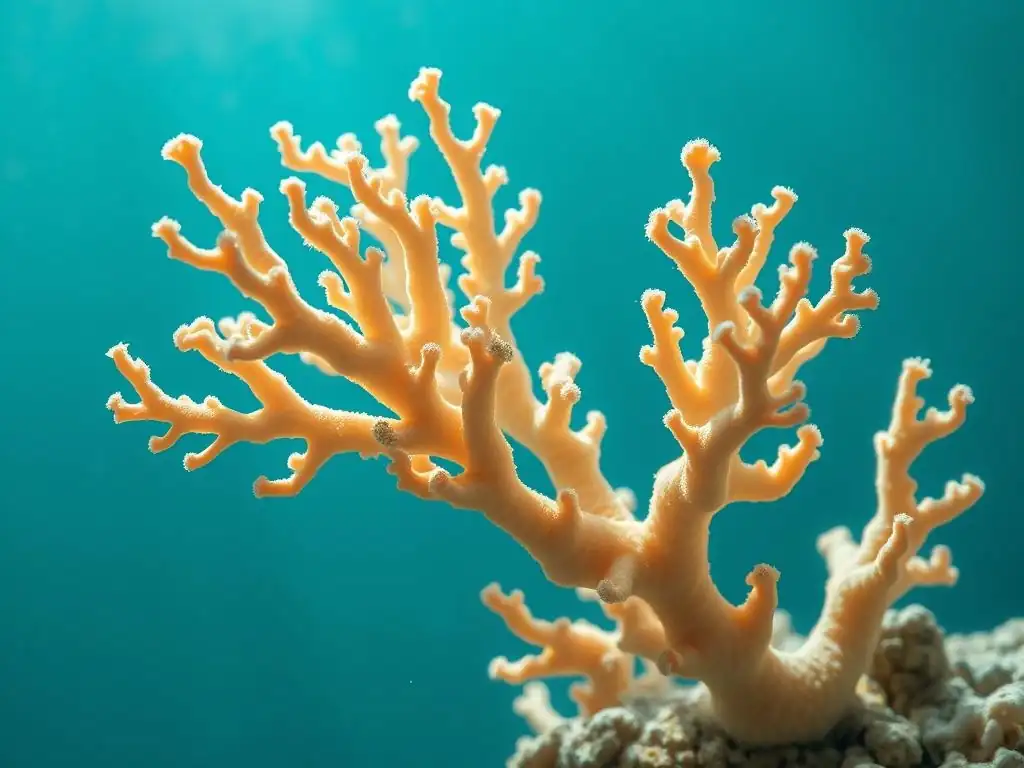
When leather corals exhibit common issues such as slow growth, poor coloration, or excessive/difficult shedding, iodine deficiency is a strong candidate for investigation, though other factors must first be ruled out. Before focusing on iodine, always check the major water parameters: alkalinity (7-11 dKH), calcium (400-450 ppm), magnesium (1250-1350 ppm), salinity (1.025-1.026 SG), and temperature (76-78°F). Also, ensure nitrates are below 20 ppm and phosphates below 0.05 ppm. If these primary parameters are stable, then it's time to specifically test your tank's iodine levels using a reliable kit.
If the iodine test confirms a low concentration (e.g., below 0.04 mg/L), begin a slow and careful supplementation regimen as outlined previously, gradually increasing the dose until the target range is met. For example, if a Sarcophyton coral has been showing minimal growth over two months, despite stable primary parameters, and its iodine level tests at 0.02 mg/L, a controlled increase in iodine dosing over several weeks should be implemented.
Similarly, if your Lobophytum is constantly producing a thick, persistent slime layer without fully shedding, ensure adequate flow (e.g., 10-20 times tank volume turnover) and then verify iodine levels. Correcting an iodine imbalance is often a key step in restoring Iodine leather coral health.
Identifying and Correcting Iodine Imbalances
Identifying and correcting iodine imbalances requires a systematic approach rooted in consistent testing and careful adjustment. If your iodine test results indicate a deficiency (levels below 0.04 mg/L), the corrective action is to begin or increase iodine supplementation. Start with a conservative dose, perhaps 50% of the manufacturer's recommended amount for your tank volume, and re-test iodine levels after 3-5 days.
Based on the new test results, incrementally adjust your daily or weekly dose until the target range of 0.04-0.06 mg/L is consistently achieved. For instance, if your 50-gallon tank tests at 0.02 mg/L, you might add 1 drop of a standard Lugol's solution daily for three days, then re-test to see if it has risen to 0.03-0.04 mg/L, adjusting from there.
Conversely, if your iodine test reveals an excess (levels significantly above 0.06 mg/L, e.g., 0.1 mg/L or higher), immediate action is required to prevent toxicity. First, cease all iodine supplementation. The most effective way to reduce elevated levels is through large water changes. A 25-30% water change using high-quality, iodine-free (or naturally balanced) salt mix can significantly dilute the concentration.
For example, a 25% water change in a 100-gallon tank with 0.1 mg/L iodine would theoretically reduce it to 0.075 mg/L, assuming the new saltwater has zero iodine. While activated carbon can sometimes help remove excess, its efficacy specifically for iodine is debated. Continue monitoring and re-testing until levels return to the safe range, restoring optimal Iodine leather coral health.
Best Practices for Leather Coral Care: Beyond Iodine Supplementation
Water Changes and Their Impact on Iodine Replenishment
While direct iodine supplementation is often necessary in mature reef tanks, regular water changes are a fundamental best practice that significantly contributes to overall Iodine leather coral health and the replenishment of various trace elements, including iodine. High-quality synthetic salt mixes are formulated to replicate natural seawater, meaning they contain iodine at approximately 0.04-0.06 mg/L. Performing routine water changes, such as 10-15% weekly or 20% bi-weekly, continuously introduces fresh, balanced seawater into the system.
This consistent replenishment helps to counteract the consumption of iodine by corals and other tank inhabitants, as well as its removal by protein skimming and carbon filtration. For example, a 15% weekly water change in a 100-gallon tank effectively replaces 15 gallons of water, bringing in a fresh supply of iodine and other essential trace elements. This practice not only helps maintain stable iodine levels but also dilutes accumulated nitrates, phosphates, and other pollutants, creating a cleaner and more stable environment that inherently supports robust Iodine leather coral health and vitality.
Proper Lighting and Flow for Healthy Leather Corals
Beyond the crucial role of iodine, optimal lighting and water flow are indispensable for maintaining the vibrant Iodine leather coral health. Leather corals are photosynthetic, meaning they rely on light to fuel their symbiotic zooxanthellae. While generally more tolerant than SPS corals, they thrive under moderate lighting conditions, typically a PAR (Photosynthetically Active Radiation) range of 50-150 µmol·m⁻²·s⁻¹.
Too little light can lead to browning and reduced polyp extension, while excessive light can cause bleaching or stress. For instance, a Lobophytum placed under high-intensity metal halides without proper acclimation might show signs of distress within days, retracting polyps and losing color. Adjusting light intensity or moving the coral to a less intense area is often necessary.
Water flow is equally vital for leather corals. They require moderate to strong, indirect flow. This flow is critical for several reasons: it delivers essential nutrients and trace elements, including iodine, to the coral's surface; it aids in the removal of waste products; and, most importantly, it facilitates their natural shedding process.
A flow rate of 10-20 times the tank volume per hour is a good general guideline, ensuring that detritus does not settle on the coral's surface and that the shedding layer can easily detach. Without adequate flow, a Sarcophyton coral may struggle to shed, leading to prolonged periods of retraction and an increased risk of bacterial issues, directly impacting its Iodine leather coral health.
Proactive Measures for Maintaining Stable Iodine Levels
Preventing iodine-related problems in leather corals is far more effective than reacting to deficiencies or excesses. Proactive measures are centered on consistency and observation. One fundamental step is to establish and adhere to a consistent water change schedule using a high-quality synthetic salt mix known to contain natural levels of iodine. This regular replenishment provides a baseline for the tank's iodine concentration. Furthermore, even if you are not actively dosing iodine, regular testing—perhaps bi-weekly or monthly—can help you understand your tank's iodine consumption rate and identify any downward trends before they become critical.
For those who find their tanks consistently depleting iodine, considering a dosing pump for consistent, small daily doses of an iodine supplement can be a game-changer. This method eliminates the fluctuations often associated with manual, infrequent dosing. For example, instead of adding a larger dose once a week, a dosing pump can deliver micro-doses throughout the day, maintaining remarkably stable levels. Finally, consistently monitoring the overall Iodine leather coral health and behavior of your corals—observing their polyp extension, coloration, and shedding efficiency—serves as an early warning system, allowing you to fine-tune your iodine supplementation before significant problems arise.
Regular Monitoring and Adjustment of Iodine Supplementation
The cornerstone of preventing iodine-related issues and ensuring long-term Iodine leather coral health is the commitment to regular monitoring and adjustment of any supplementation regimen. Blindly dosing iodine based on a manufacturer's general recommendation without testing is a common pitfall that can lead to either deficiency or, more dangerously, toxic excess. When you begin supplementing, test iodine levels weekly for the first month to establish your tank's consumption rate and to fine-tune your daily or weekly dose to reach the target range of 0.04-0.06 mg/L.
Once stable levels are achieved and your leather corals are thriving, you can often reduce the testing frequency to bi-weekly or monthly, depending on the stability of your system. However, any changes to your tank—such as adding new corals, increasing bioload, or altering filtration methods—should prompt more frequent re-testing. Always adjust your dosing based on these test results and the visual cues from your corals.
If levels consistently drop, slightly increase the dose; if they rise, slightly decrease it. This iterative process of testing, observing, and adjusting is essential for maintaining the precise balance required for optimal Iodine leather coral health in your reef aquarium.
Frequently Asked Questions
What role does iodine play in the overall health of leather corals?
Iodine is crucial for leather coral health, supporting their growth and immune function. It helps them maintain vibrant coloration and resist disease.
How does iodine deficiency manifest in leather corals?
Iodine deficiency can cause poor coloration, reduced growth rates, and increased susceptibility to infections. You might also observe excessive shedding or tissue recession.
Leather corals shed to remove accumulated debris and algae. Iodine is believed to facilitate this shedding process, promoting healthy tissue renewal and preventing infection.
How can I accurately test the iodine levels in my aquarium?
Use a reliable iodine test kit specifically designed for saltwater aquariums. Follow the manufacturer's instructions carefully to ensure an accurate reading of your tank's iodine concentration.
What are the best methods for safely supplementing iodine in a reef aquarium with leather corals?
Regular water changes using a high-quality reef salt mix can replenish iodine. Alternatively, use a dedicated iodine supplement, but dose carefully and monitor levels to avoid overdosing, which can be harmful.
Final Reflection: The Unseen Vitality of Iodine
The insights shared throughout this article highlight the critical, yet often overlooked, role of iodine in maintaining the health and vitality of leather corals. In today's reefkeeping hobby, where we strive to replicate natural environments with increasing precision, understanding the nuances of trace elements like iodine is no longer optional, but essential for long-term success and the ethical care of these fascinating organisms.
The impact of iodine on leather coral health extends beyond just preventing shedding; it underscores the delicate balance within the reef aquarium ecosystem. My own experiences observing the transformative effects of proper iodine supplementation have solidified my belief in its importance. The sea, once it casts its spell, holds one in its net of wonder forever.
- Jacques Cousteau. This quote perfectly encapsulates the responsibility we bear as reefkeepers to understand and nurture the complex life within our tanks, and iodine is undeniably a key thread in that net.
As you reflect on the information presented, consider the profound influence even seemingly minor elements can have on the overall health and well-being of your leather corals. Let this knowledge empower you to observe more closely, test more diligently, and adjust your reefkeeping practices to create a truly thriving environment where these magnificent creatures can flourish. The health of your leather corals, and indeed your entire reef, depends on it.
Unveil the Secret to Thriving Leather Corals!
Thank you for diving deep into the world of iodine and its impact on your leather corals. We hope you've gained a newfound appreciation for this essential element and how it can influence the health and vitality of your reef inhabitants. Ready to put your knowledge into action?
Here’s how:
- Measure your iodine levels today and record the results to establish a baseline for your reef tank.
- Join the Aquarium Mastery community forum to share your iodine testing experiences and learn from fellow reef keepers.
- Research unconventional iodine supplementation methods, such as using kelp-based solutions, and document your findings for future comparison.
What surprising changes will you observe in your leather corals after optimizing their iodine levels? Share your observations in the comments!