
Quick Guide: Is This Fish ReefSafe? A Checklist for Shoppers

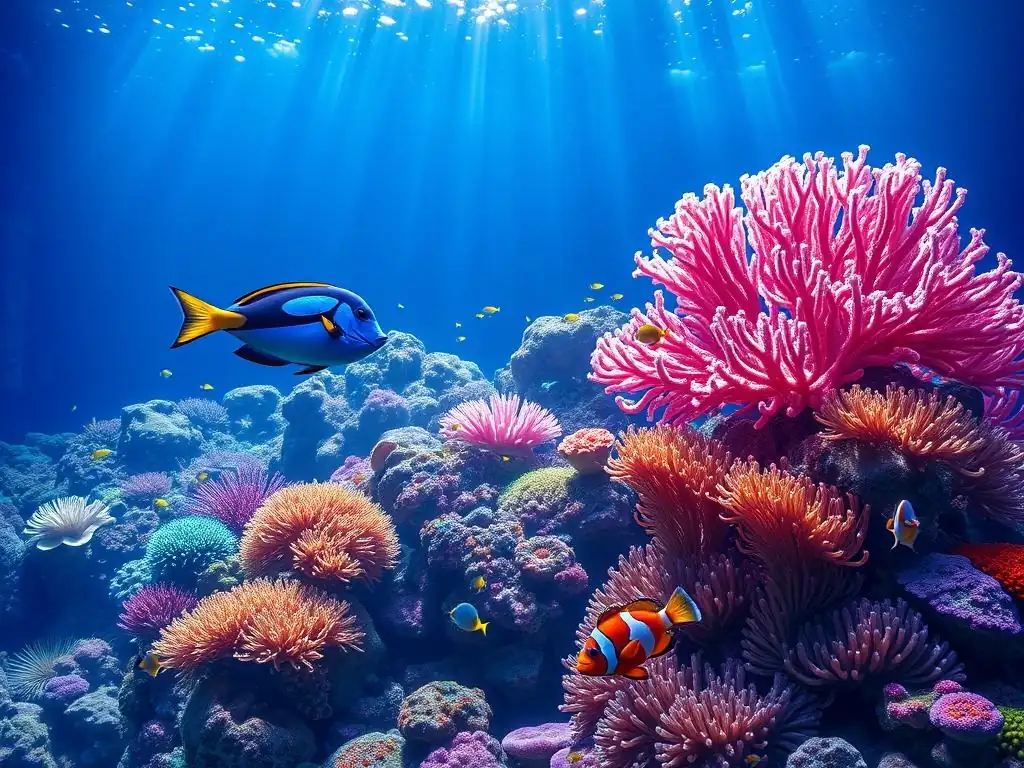
Welcome to Aquarium Mastery!
Dive into the fascinating world of saltwater aquariums! Thinking about adding a vibrant new fish to your reef tank? But is it truly reefsafe? Our guide, "Quick Guide: Is This Fish ReefSafe? A Checklist for Shoppers," will help you navigate the sometimes tricky waters of reefsafe fish compatibility. Discover essential tips and a handy checklist to ensure a harmonious and thriving reef environment. Let's explore together!
- Understanding Reef-Safe Fish: What Does It Really Mean?
- Reefsafe Fish Compatibility Checklist: Your Essential Shopping Guide
- Common Mistakes to Avoid When Choosing Reef-Safe Fish
- Reef-Safe Fish Recommendations: Beginner-Friendly Options
- Beyond the Checklist: Maintaining a Healthy Reef Tank
- Reef-Safe Fish and Invertebrate Tank Mates: Synergistic Relationships
-
Frequently Asked Questions
- How can I quickly determine if a fish is reef safe before buying it?
- What factors should I consider when evaluating reef safe fish compatibility?
- Where can I find more detailed information on specific fish species and their reef compatibility?
- What are some common signs that a fish might not be reef safe?
- Why is reef safe fish compatibility important for a healthy reef aquarium?
- Final Reflection: Navigating Reef Harmony
- Dive Deeper: Transform Your Reef Tank Today!
Understanding Reef-Safe Fish: What Does It Really Mean?
Defining Reef-Safe: A Comprehensive Overview for Aquarium Enthusiasts
When establishing a thriving reef aquarium, the term "reef-safe" is paramount, yet often misunderstood. It refers to a fish species that will not harm or consume corals, sessile invertebrates (like anemones, clams, or feather dusters), or other motile invertebrates (such as ornamental shrimp, crabs, or snails) within a reef tank environment. True reef-safe fish typically subsist on diets that do not involve grazing on corals or preying on small invertebrates, making them ideal inhabitants for a delicate ecosystem.
However, the definition isn't always absolute. While many species like clownfish or most gobies are universally considered reef-safe, others may exhibit "reef-safe with caution" behavior, meaning their compatibility can depend on factors like individual personality, tank size, available food sources, or the specific types of corals present. For instance, some angelfish, while beautiful, might occasionally nip at LPS (Large Polyp Stony) corals or clam mantles if not adequately fed or if their natural diet includes such items.
Why Reef Compatibility Matters for a Thriving Reef Tank
The success and longevity of a reef aquarium hinge significantly on the compatibility of its inhabitants. Introducing a non-reef-safe fish can lead to devastating consequences for your corals and invertebrates, which are often the most expensive and delicate components of a reef system. A single coral-nipping fish, such as certain butterflyfish or triggerfish, can decimate a coral colony within days or weeks, turning vibrant polyps into bare skeletons.
Beyond direct predation, incompatible fish can also create significant stress within the tank. Aggressive species may harass smaller, peaceful fish or invertebrates, leading to chronic stress, disease susceptibility, and even death. Furthermore, some non-reef-safe fish, like large predatory groupers, can consume valuable clean-up crew members (snails, crabs) or even smaller fish, disrupting the tank's ecological balance and requiring constant replacement of beneficial organisms.
The Spectrum of Reef-Safe: From Fully Compatible to "Reef-Safe with Caution"
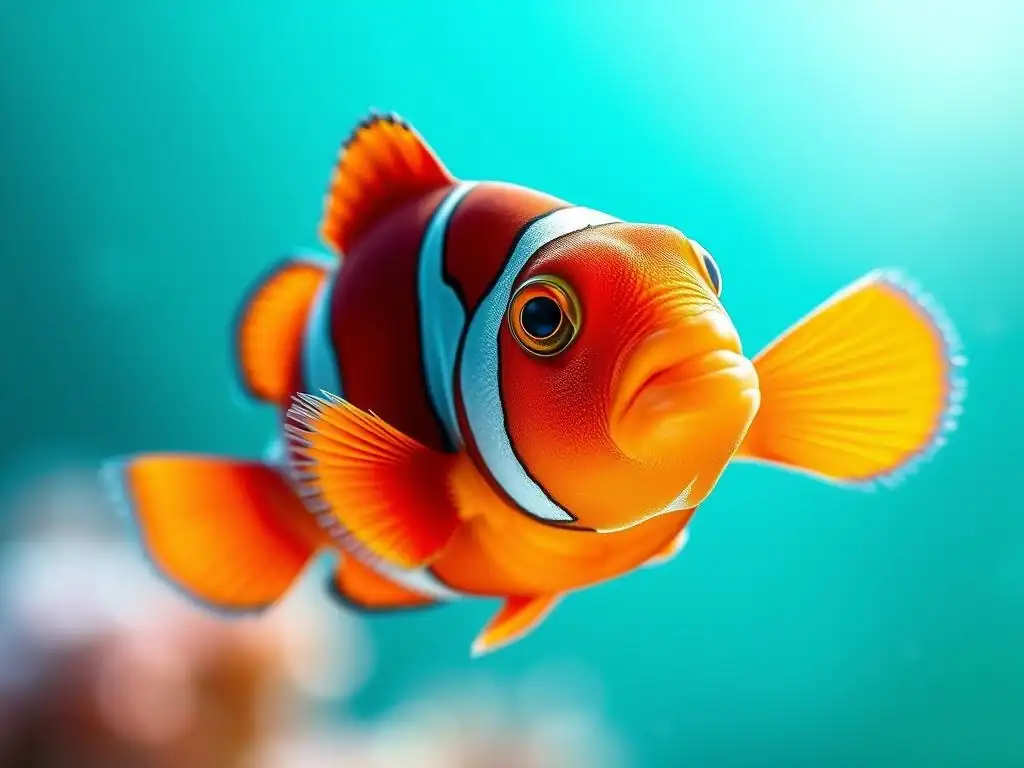
Understanding the nuances of "reef-safe" is crucial for any aquarist building a mixed reef. At one end of the spectrum are species universally accepted as fully reef-safe, such as most clownfish (e.g., Ocellaris Clownfish, Amphiprion ocellaris), many types of gobies (e.g., Watchman Goby, Cryptocentrus cinctus), and blennies (e.g., Lawnmower Blenny, Salarias fasciatus). These fish predominantly feed on algae, detritus, or small planktonic organisms, posing virtually no threat to corals or invertebrates.
In the middle lies the "reef-safe with caution" category. This includes species like certain dwarf angelfish (e.g., Flame Angelfish, Centropyge loriculus) or some wrasses (e.g., Six-line Wrasse, Pseudocheilinum hexataenia). While often compatible, individual specimens may develop a taste for coral polyps or small invertebrates, especially if underfed or if the specific coral type is particularly appealing.
For example, a Flame Angelfish might occasionally nip at the fleshy polyps of an LPS coral like a Favia, particularly if its diet isn't sufficiently varied. At the opposite end are definitively non-reef-safe fish, such as most triggerfish (e.g., Picasso Triggerfish, Rhinecanthus aculeatus), puffers, and many large predatory wrasses, which will actively prey on corals, crustaceans, or other tank mates.
Reefsafe Fish Compatibility Checklist: Your Essential Shopping Guide
Step 1: Research the Fish Species Before You Buy
Before making any purchase, a thorough investigation into the specific fish species is the most critical step in ensuring reef compatibility. This proactive approach minimizes the risk of introducing a problematic inhabitant into your delicate reef ecosystem. Understanding a fish's natural history, including its wild diet and habitat, provides invaluable clues to its potential behavior in a captive reef environment.
Relying on information from experienced aquarists, scientific databases, and reputable online forums can prevent costly mistakes. For example, while a fish might appear small and harmless in a fish store's display tank, its adult size and dietary preferences could pose a significant threat to corals and invertebrates once introduced into your home aquarium. A comprehensive reefsafe fish compatibility checklist starts with diligent research.
Checking Reputable Aquarium Databases for Reef Compatibility
To effectively utilize your reefsafe fish compatibility checklist, begin by consulting well-established aquarium databases and marine biology resources. Websites like LiveAquaria.com, FishBase.org, or Reef Central forums often provide detailed profiles for marine fish species, specifically noting their reef compatibility status, dietary needs, and typical temperament. For instance, a quick search for a Foxface Rabbitfish ( Siganus vulpinus) on LiveAquaria would confirm its excellent reef-safe status due to its herbivorous diet, primarily consuming nuisance algae.
Conversely, researching a Harlequin Tuskfish ( Choerodon fasciatus) would quickly reveal its predatory nature towards crustaceans and snails, making it incompatible with a clean-up crew or ornamental shrimp. These databases frequently include user-submitted observations, offering practical insights into how a species behaves in various home aquarium settings, beyond just theoretical compatibility. Always cross-reference information from multiple sources to ensure accuracy and a balanced perspective.
Understanding Fish Temperament and Behavior in a Reef Environment
Beyond diet, a fish's temperament and natural behavior are vital considerations for your reefsafe fish compatibility checklist. Some species, while not direct coral predators, can be highly territorial or aggressive, causing undue stress to other tank inhabitants. For example, many damselfish species, such as the Three-Stripe Damselfish ( Dascyllus aruanus), are known for their territorial aggression, especially as they mature, often harassing smaller or more docile fish within the confines of a reef tank, which can lead to stress-induced diseases or even death for the bullied fish.
Conversely, observing a fish's natural schooling or solitary tendencies can inform your stocking decisions. A single Chromis ( Chromis viridis) might become reclusive and stressed, while a small group of 5-7 individuals often exhibits natural schooling behavior, enhancing the tank's aesthetic and reducing individual stress. Understanding these behavioral nuances helps create a harmonious environment where all inhabitants can thrive, rather than merely survive.
Step 2: Consider the Fish's Diet and Feeding Habits
The dietary preferences of a fish are arguably the most critical factor in determining its reef safety. What a fish eats in the wild directly translates to its potential impact on your corals and invertebrates in a closed system. A fish that naturally grazes on coral polyps or preys on small crustaceans in its native habitat will almost certainly attempt to do the same in your aquarium, regardless of how well-fed it appears.
This step of your reefsafe fish compatibility checklist requires a deep dive into the specific nutritional requirements of the species. It's not enough for a fish to "eat frozen food"; you must understand what it eats and how it forages. Misjudging this can quickly turn a vibrant reef into a barren wasteland.
Identifying Potential Coral Nipper Fish
One of the primary concerns for reef aquarists is the introduction of coral-nipping fish. These species, often beautiful and alluring, can devastate coral colonies.
Examples include many species of butterflyfish, such as the Copperband Butterflyfish ( Chelmon rostratus), which, while often introduced to control Aiptasia anemones, can develop a taste for LPS corals like Favia, Acans, or even soft corals like Zoanthids, especially if their natural food sources are scarce or if they are not adequately fed. Similarly, certain large angelfish species, such as the Emperor Angelfish ( Pomacanthus imperator), are notorious for nipping at both SPS (Small Polyp Stony) and LPS corals, with their dietary preferences often shifting as they mature from juvenile to adult stages.
Even some dwarf angelfish, like the Bicolor Angelfish ( Centropyge bicolor), known for their striking colors, can occasionally nip at coral polyps or clam mantles. This behavior is often attributed to a lack of varied diet, boredom, or simply their natural instinct to graze on sessile invertebrates, which form part of their diet in the wild. Therefore, even if a species is generally considered "reef-safe with caution," a careful assessment of its potential for coral damage is essential.
Recognizing Fish that May Upset Invertebrates While Foraging
Beyond direct coral predation, some fish species can inadvertently harm or stress invertebrates through their foraging habits. Fish that actively sift through sand or dig around rockwork can disrupt sessile invertebrates, such as clams, feather dusters, or even some corals that rely on stable placement. For instance, Goatfish species, like the Yellowfin Goatfish ( Parupeneus cyclostomus), use their barbels to constantly probe the sand for small crustaceans and worms, which can stir up detritus and potentially bury or dislodge smaller invertebrates like snails or hermit crabs, making them vulnerable.
Similarly, some wrasses, particularly larger species or those that bury themselves in the sand at night (e.g., certain Halichoeres wrasses), can disturb the sand bed significantly. While many wrasses are excellent additions for pest control (like flatworms), their constant activity can be detrimental to delicate sand-dwelling organisms or those that need stable substrate. A thorough understanding of these foraging behaviors is crucial for a complete reefsafe fish compatibility checklist.
Step 3: Assess the Fish's Adult Size and Growth Rate
The physical size of a fish, both when purchased and at its full adult growth, is a critical factor often overlooked in the reefsafe fish compatibility checklist. A small fish bought for a 50-gallon tank might grow into a behemoth that requires a 200-gallon system, leading to overcrowding, increased bioload, and potential physical damage to corals.
Understanding a fish's mature dimensions and its rate of growth allows for proper long-term planning, ensuring that the chosen species will not outgrow its environment or become a physical threat to the reef structure. This foresight is essential for maintaining a stable and healthy reef ecosystem for years to come.
Overcrowding and Its Impact on Reef Tank Ecosystems
Overcrowding is a common issue that arises when fish are chosen without considering their adult size and the tank's capacity. A 2-inch Yellow Tang ( Zebrasoma flavescens) might seem small, but it can grow to 8 inches or more, requiring a minimum of 100 gallons to thrive comfortably.
Placing such a fish in a smaller tank, say 50 gallons, leads to significant stress for the tang due to insufficient swimming space and territorial disputes with other inhabitants. This stress can weaken its immune system, making it susceptible to diseases like Ich (white spot disease), which can then spread rapidly through the entire tank, affecting corals and invertebrates indirectly through water quality degradation or direct parasitic infestation.
Furthermore, a higher fish bioload directly translates to increased waste production, elevating nitrate and phosphate levels. While some nitrate is tolerable, consistently high levels (e.g., above 20 ppm nitrate, 0.1 ppm phosphate) can inhibit coral growth, cause tissue necrosis in sensitive SPS corals, and fuel nuisance algae outbreaks, ultimately degrading the reef environment.
Large Fish Species That May Damage Corals Physically
Certain large fish, even if not direct coral predators, can cause significant physical damage to corals simply due to their size, swimming patterns, or powerful movements. Tangs, for instance, known for their large adult sizes and active swimming, can unintentionally knock over or dislodge frags or smaller coral colonies, especially in tanks with unstable rockwork. An 8-inch Naso Tang ( Naso lituratus) in a 120-gallon tank, while generally reef-safe, could easily brush against and damage delicate SPS branches or dislodge unsecured LPS corals during its rapid movements.
Similarly, larger angelfish or even some substantial wrasses can inadvertently damage corals when establishing territories or foraging. While they may not consume the coral, their sheer mass or fin movements can break fragile structures. Therefore, a comprehensive reefsafe fish compatibility checklist must include an assessment of the fish's adult physical presence relative to the size and fragility of your corals and aquascape.
Step 4: Observe the Fish's Interaction with Other Inhabitants
Beyond a fish's direct impact on corals, its interaction with other fish and invertebrates is a crucial aspect of overall reef tank harmony. Aggression, territoriality, or predatory instincts towards other motile tank mates can lead to constant stress, injury, or even the consumption of valuable clean-up crew members or ornamental shrimp. This step of the reefsafe fish compatibility checklist focuses on understanding the social dynamics a new fish might introduce.
Careful observation, both before purchase and during the quarantine period, can reveal potential issues. A seemingly peaceful fish might harbor hidden predatory instincts that only manifest once it's comfortable in its new environment, or once smaller, more vulnerable tank mates are introduced.
Identifying Predatory Behavior Towards Invertebrates
Many fish species, while not coral eaters, are natural predators of small crustaceans, mollusks, or worms, making them incompatible with a diverse reef clean-up crew or ornamental invertebrates. For instance, most Triggerfish species, such as the Clown Triggerfish ( Balistoides conspicillum), will systematically decimate a clean-up crew of snails (e.g., Turbo snails, Nassarius snails) and hermit crabs, viewing them as a natural food source. They possess powerful jaws capable of crushing shells, making short work of even large invertebrates.
Similarly, certain wrasses, particularly those from the genus Coris or larger Thalassoma species, can be highly effective at consuming ornamental shrimp (e.g., Peppermint Shrimp, Skunk Cleaner Shrimp) or smaller crabs. Even some seemingly innocuous species, like the Hawkfish (e.g., Flame Hawkfish, Neocirrhites armatus), are opportunistic predators that will readily consume small ornamental shrimp, such as sexy shrimp, or even very small fish. Therefore, if your reef tank includes a robust clean-up crew or delicate ornamental invertebrates, this aspect of the reefsafe fish compatibility checklist is paramount.
Recognizing Territorial Aggression Towards Smaller Fish or Invertebrates
Territorial aggression is a significant concern in the confined space of a reef aquarium. Even if a fish doesn't prey on corals or invertebrates, its aggressive behavior towards other fish can cause chronic stress, leading to suppressed immune systems, fin nipping, and even death for the bullied individuals. Many damselfish species, such as the Blue Devil Damselfish ( Chrysiptera cyanea), are notorious for their territoriality, especially as they mature. They will often claim a section of rockwork and relentlessly chase any fish that enters their perceived territory, regardless of size.
Similarly, some dottybacks (e.g., Orchid Dottyback, Pseudochromis fridmani) can exhibit aggression towards smaller, more docile fish, particularly if introduced before their tank mates or if the tank lacks sufficient hiding spots. This constant harassment prevents other fish from feeding or resting, ultimately compromising their health. A thorough reefsafe fish compatibility checklist must include an assessment of a fish's potential for aggression and how it might impact the existing social structure of your reef tank.
Step 5: Evaluate the Fish's Specific Reef Requirements
Beyond general compatibility, each fish species has specific environmental needs that must be met for its long-term health and, by extension, the health of the entire reef system. These requirements include precise water parameters, appropriate tank size, and suitable aquascaping. Neglecting these specific needs can lead to a stressed fish, which not only suffers itself but can also indirectly impact the stability of the reef environment through increased disease risk or stress on other inhabitants.
This final step in your reefsafe fish compatibility checklist focuses on ensuring that your aquarium can truly support the chosen species, not just in terms of safety to corals, but also in terms of providing an optimal living environment for the fish itself.
Understanding Water Parameter Sensitivity in Different Fish Species
Maintaining stable water parameters is fundamental for any reef tank, but some fish species are particularly sensitive to fluctuations or specific ranges, which can indirectly impact coral health. For example, many Anthias species, such as the Lyretail Anthias ( Pseudanthias squamipinnis), thrive in tanks with consistent, pristine water quality and typically require multiple small feedings throughout the day due to their high metabolism. Fluctuations in salinity, temperature, or high levels of nitrates (e.g., above 10 ppm) can quickly stress them, making them susceptible to parasitic infections like marine velvet, which can then spread to other fish and stress corals.
Similarly, certain deep-water or specialized species might require very stable, cool temperatures or specific alkalinity levels that may not be ideal for all types of corals. While most reef inhabitants prefer a stable pH of 8.0-8.4, salinity of 1.024-1.026, and temperature of 74-78°F, understanding any unique sensitivities of a chosen fish is vital for its well-being and the overall stability of the reef.
Ensuring Appropriate Tank Size and Aquascaping for the Fish's Needs
The physical environment of the tank, including its size and the way it is aquascaped, plays a significant role in a fish's well-being and reef compatibility. A fish that requires ample swimming space, like a Tang, will become stressed and prone to disease in a tank that is too small, even if it's technically "reef-safe." For instance, a Yellow Tang needs a tank of at least 100 gallons with plenty of open swimming room across its length. Housing it in a 50-gallon tank will restrict its natural schooling and grazing behaviors, leading to stunted growth and increased aggression.
Conversely, fish that prefer numerous hiding spots and crevices, such as many gobies or blennies, require an aquascape with plenty of live rock structures and caves. A Mandarin Dragonet ( Synchiropus splendidus), for example, thrives in mature tanks (typically 6 months or older) of at least 30 gallons, boasting a substantial population of copepods and amphipods among the live rock for foraging. Without adequate aquascaping and the specific microfauna it supports, such a fish will starve. This aspect of the reefsafe fish compatibility checklist ensures the fish's fundamental needs are met, contributing to a harmonious and healthy reef.
Common Mistakes to Avoid When Choosing Reef-Safe Fish
Ignoring the Importance of Quarantine Before Introduction
One of the most critical, yet frequently skipped, steps in adding new fish to a reef tank is proper quarantine. Neglecting a quarantine protocol can introduce devastating diseases, parasites, or even unwanted pests (like Aiptasia or Montipora-eating nudibranchs) into your established reef system. A single fish carrying marine Ich ( Cryptocaryon irritans) or Marine Velvet ( Amyloodinium ocellatum) can rapidly infect all fish in the main display tank, leading to widespread fatalities.
A dedicated quarantine tank, typically a simple 10-20 gallon setup with a heater, filter, and PVC pipes for hiding, allows you to observe new arrivals for signs of illness for at least 4-6 weeks. During this period, treatments for common ailments can be administered without harming the sensitive corals and invertebrates in the main display. For example, copper-based medications, highly effective against Ich, are lethal to most invertebrates and corals, making a separate quarantine system indispensable for the health and safety of your entire reef ecosystem.
Relying Solely on Generalizations About Reef Compatibility
While a general reefsafe fish compatibility checklist is a valuable starting point, relying solely on broad "reef-safe" labels without understanding the nuances can lead to problems. The term "reef-safe" is not a guarantee and often carries caveats.
For instance, while most Tangs are considered reef-safe herbivores, a large adult Yellow Tang might still occasionally nip at certain coral polyps if its diet is insufficient in green algaes or if it's bored. Similarly, a Six-line Wrasse ( Pseudocheilinum hexataenia) is generally reef-safe and excellent for pest control, but some individuals can become aggressive towards smaller, docile fish like gobies or blennies, especially in smaller tanks (under 30 gallons).
Furthermore, individual fish personalities can vary. A Royal Gramma ( Gramma loreto) is typically peaceful, but a particularly feisty specimen might relentlessly chase a newly introduced, smaller fish. Therefore, while guidelines are helpful, continuous observation and a willingness to adapt are crucial. Always research the specific species, consider its potential for individual variation, and be prepared to act if unexpected behaviors arise.
Overlooking the Impact of Individual Fish Personalities
Even within species generally considered peaceful or "reef-safe," individual fish can display unique personalities that deviate from the norm. This oversight can lead to unexpected aggression or compatibility issues in an otherwise harmonious reef tank. For example, while Ocellaris Clownfish ( Amphiprion ocellaris) are widely known for their peaceful demeanor, an individual female, especially as she matures and pairs with a male, can become surprisingly territorial and aggressive towards new tank mates, particularly if they are similar in size or shape.
Another instance might involve a Lawnmower Blenny ( Salarias fasciatus). While primarily an herbivore and highly valued for its algae-eating capabilities, a specific blenny might develop an unusual habit of nipping at the slime coat of slow-moving fish or even the polyps of certain soft corals if it feels underfed or territorial. These idiosyncratic behaviors highlight that while a reefsafe fish compatibility checklist provides excellent guidance, constant observation and understanding that each fish is an individual are paramount to maintaining a truly balanced and stress-free reef environment.
Reef-Safe Fish Recommendations: Beginner-Friendly Options
Top 5 Beginner Reef-Safe Fish Species
For those embarking on their reef aquarium journey, selecting truly reef-safe and robust fish is paramount to success. These species are generally hardy, adaptable to various tank conditions, and pose minimal threat to corals and invertebrates, making them ideal for a beginner's reefsafe fish compatibility checklist.
- Ocellaris Clownfish (Amphiprion ocellaris): Arguably the most iconic marine aquarium fish, Ocellaris Clownfish are peaceful, relatively small (growing to about 3-4 inches), and entirely reef-safe. They thrive in pairs or small groups and readily accept a variety of prepared foods.
- Yellow Watchman Goby (Cryptocentrus cinctus): These fascinating gobies are known for their symbiotic relationship with pistol shrimp, but are equally captivating on their own. They are peaceful, small (up to 4 inches), and pose no threat to corals or invertebrates. They prefer sandy substrates and readily accept small frozen foods.
- Tailspot Blenny (Ecsenius stigmatura): A small (up to 2.5 inches) and charming blenny, the Tailspot Blenny is an excellent algae grazer and completely reef-safe. They spend their time perching on rocks, observing their surroundings, and are generally very peaceful, though they may squabble with other blennies in smaller tanks.
- Royal Gramma (Gramma loreto): Strikingly colored with vibrant purple and yellow, the Royal Gramma is a peaceful and hardy fish that stays relatively small (up to 3 inches). They prefer rocky crevices for hiding and are excellent reef inhabitants, consuming small crustaceans and plankton. They are generally non-aggressive towards other fish unless very similar in shape.
- Green Chromis (Chromis viridis): These small (up to 4 inches), shimmering green fish are best kept in schools of 3-5 or more. They are extremely peaceful, active swimmers, and completely reef-safe, making them excellent dither fish that help other fish feel more secure. They primarily feed on plankton in the water column.
Understanding the Needs of Each Recommended Species
While the recommended species are generally beginner-friendly and reef-safe, understanding their specific requirements is key to their long-term health and integration into your reef ecosystem. For instance, Ocellaris Clownfish, while adaptable, thrive in tanks of at least 20 gallons and benefit from a varied diet of high-quality pellets, flakes, and frozen foods like mysis shrimp. They are famously known for hosting in anemones, but do not require one to thrive; many will host in specific corals like frogspawn or even powerheads.
Yellow Watchman Gobies, on the other hand, require a sand bed of at least 2-3 inches for burrowing, especially if kept with a pistol shrimp. They primarily feed on small invertebrates found in the sand and will readily accept small frozen foods.
Tailspot Blennies are active grazers and benefit from an established tank with some algae growth, though they should also be offered prepared foods. Royal Grammas need plenty of rockwork with caves and overhangs to feel secure, while Green Chromis, being schooling fish, require enough open swimming space and benefit from multiple feedings of planktonic foods throughout the day to maintain their vibrant color and energy levels.
Creating a Balanced and Harmonious Reef Community
Building a balanced and harmonious reef community extends beyond simply choosing reef-safe fish; it involves careful consideration of stocking density, temperament, and ecological niches. A well-planned community minimizes aggression, reduces competition for resources, and ensures all inhabitants thrive. For example, while a 40-gallon breeder tank could comfortably house a pair of Ocellaris Clownfish, a Yellow Watchman Goby, and a Tailspot Blenny, adding a highly active species like a Yellow Tang would lead to overcrowding and stress.
Consider the "pecking order" and introduce fish from least aggressive to most aggressive. For instance, introduce the peaceful Royal Gramma before a more assertive species like a Lawnmower Blenny. Also, think about the different "zones" of the tank: bottom dwellers (gobies, blennies), mid-water swimmers (clownfish, chromis), and top-level inhabitants. A diverse selection that occupies different areas of the tank reduces direct competition for space and resources, contributing to a truly thriving reef environment that adheres to the principles of a comprehensive reefsafe fish compatibility checklist.
Beyond the Checklist: Maintaining a Healthy Reef Tank
Monitoring Water Quality and Its Effect on Reef Inhabitants
Maintaining pristine and stable water quality is the cornerstone of a healthy reef tank, directly impacting the well-being of both fish and corals. Consistent monitoring of key parameters is essential. For instance, ideal salinity for a reef tank is typically 1.025-1.026 specific gravity, with fluctuations of more than 0.001 per day causing significant stress to fish and corals. Alkalinity (KH) should be maintained between 7-12 dKH, calcium between 400-450 ppm, and magnesium between 1250-1350 ppm for optimal coral calcification and overall system stability.
High levels of nitrates (above 10-20 ppm) and phosphates (above 0.03-0.05 ppm) can inhibit coral growth, cause tissue recession, and lead to nuisance algae outbreaks, all of which stress fish. Regular testing (e.g., weekly or bi-weekly for major parameters, daily for alkalinity if dosing) using reliable test kits is crucial. Promptly addressing any deviations through water changes, dosing, or nutrient export methods (like refugiums or protein skimming) ensures a stable environment where reef-safe fish and corals can flourish, complementing the initial reefsafe fish compatibility checklist.
Providing a Varied Diet to Satisfy Fish and Invertebrates
Even with a meticulously compiled reefsafe fish compatibility checklist, ensuring the long-term health and reef-safe behavior of your fish depends heavily on providing a varied and nutritious diet. A well-fed fish is less likely to nip at corals or invertebrates out of hunger or boredom. For example, a herbivorous Tang, while primarily eating marine algae sheets (nori), should also be offered spirulina-enriched flakes or pellets to ensure a complete nutritional profile.
Carnivorous fish, like most wrasses or clownfish, benefit from a mix of frozen foods such as mysis shrimp, brine shrimp (enriched), and finely chopped seafood, supplemented with high-quality pellets. Feeding two to three times a day in small amounts, rather than one large meal, can also reduce competition and ensure all fish receive adequate nutrition. This varied diet not only supports the fish's immune system and vitality but also minimizes the likelihood of them developing undesirable behaviors like coral nipping, reinforcing the principles of reef compatibility.
Addressing Potential Compatibility Issues Proactively
Despite careful planning using a reefsafe fish compatibility checklist, unforeseen compatibility issues can arise. Addressing these problems proactively is vital to prevent chronic stress, injury, or loss of inhabitants. If a fish begins to show aggression towards a specific tank mate, observe its behavior patterns. Sometimes, simply rearranging the rockwork can disrupt established territories and alleviate aggression. Adding more hiding spots or visual barriers can also provide refuge for bullied fish.
If a fish starts nipping at corals, increase feeding frequency and diversify its diet; sometimes, this behavior is a result of hunger or boredom. As a last resort, if aggression or coral nipping persists and threatens the well-being of other tank inhabitants, the problematic fish may need to be removed from the display tank. This could involve rehoming it or moving it to a dedicated "time-out" or quarantine tank until a permanent solution is found. Early intervention is key to minimizing damage and maintaining a harmonious reef ecosystem.
Reef-Safe Fish and Invertebrate Tank Mates: Synergistic Relationships
Understanding Symbiotic Relationships in the Reef Environment
Beyond simply coexisting, many marine organisms in a reef environment form symbiotic relationships, where two different species interact in a way that benefits one or both. Understanding these natural partnerships can enhance the health, stability, and aesthetic appeal of your reef tank. These relationships can be mutualistic (both benefit), commensalistic (one benefits, the other is unaffected), or parasitic (one benefits, the other is harmed). In the context of a reefsafe fish compatibility checklist, focusing on mutualistic and commensalistic pairings can create a more natural and resilient ecosystem.
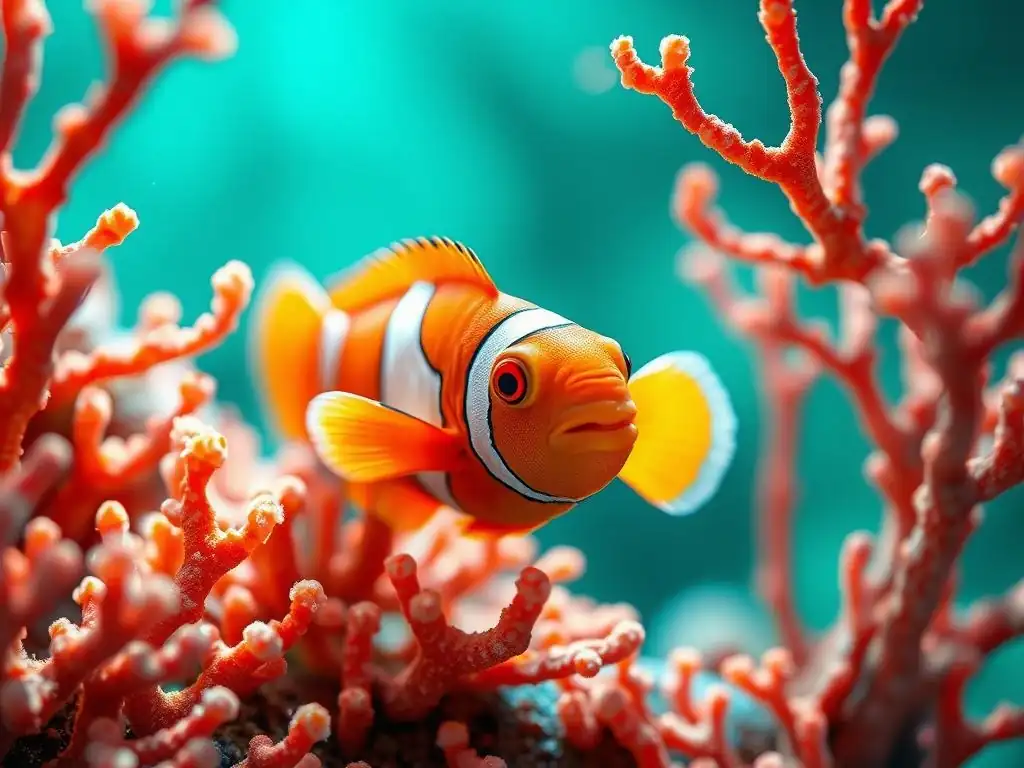
A classic example is the mutualistic relationship between clownfish and anemones, where the clownfish gains protection from predators within the anemone's stinging tentacles, and the anemone benefits from the clownfish's cleaning and potentially nutrient transfer from its waste. Another common mutualism involves Pistol Shrimp and Watchman Gobies, where the shrimp maintains a burrow that both share, and the goby acts as a lookout, warning the nearly blind shrimp of danger.
Ideal Fish and Invertebrate Pairings for a Thriving Reef Tank
Incorporating synergistic relationships can significantly enrich your reef aquarium. One of the most popular and beneficial pairings is the Goby and Pistol Shrimp (e.g., Yellow Watchman Goby, Cryptocentrus cinctus, with Tiger Pistol Shrimp, Alpheus bellulus). The shrimp diligently digs and maintains a shared burrow, offering refuge, while the goby, with its superior eyesight, stands guard at the entrance, alerting the shrimp to danger by flicking its tail. This interaction is fascinating to observe and adds a dynamic element to the sand bed.
Another excellent pairing involves Cleaner Shrimp (e.g., Skunk Cleaner Shrimp, Lysmata amboinensis) with various fish species. These shrimp set up "cleaning stations" where fish present themselves to have parasites and dead tissue removed. This provides a natural form of parasite control for the fish and a food source for the shrimp. Similarly, Clownfish (Amphiprion ocellaris) and Anemones (e.g., Bubble Tip Anemone, Entacmaea quadricolor) form an iconic mutualistic bond, offering both species protection and enhancing the natural beauty of the reef.
Avoiding Incompatible Combinations That Can Lead to Problems
While synergistic pairings enhance a reef tank, it's equally important to avoid incompatible combinations that can lead to stress, predation, or loss. Even with a thorough reefsafe fish compatibility checklist, certain pairings are inherently problematic. For instance, most Triggerfish (e.g., Picasso Triggerfish, Rhinecanthus aculeatus) are highly predatory and will systematically consume ornamental shrimp, crabs, and snails, rendering a clean-up crew useless. Their powerful jaws are designed to crush shells, making short work of almost any invertebrate.
Similarly, large, predatory wrasses, such as the Harlequin Tuskfish (Choerodon fasciatus), while stunning, are not suitable for tanks with small fish or most invertebrates, as they will readily prey upon them. Even seemingly benign choices can cause issues; for example, a Mandarin Dragonet (Synchippus splendidus) requires a mature tank (at least 6 months old) with a thriving copepod population to survive. Introducing it to a new tank without sufficient microfauna, or alongside copepod-eating fish like most wrasses, will lead to starvation, regardless of its reef-safe status. Careful research into these potential conflicts is as important as identifying ideal pairings.
Frequently Asked Questions
How can I quickly determine if a fish is reef safe before buying it?
Use the Reefsafe fish compatibility checklist available on AquariumMastery.com. It provides a quick reference guide to assess a fish's potential impact on your reef tank, helping you avoid harmful additions.
What factors should I consider when evaluating reef safe fish compatibility?
Consider the fish's natural feeding habits, its potential to nip at corals or invertebrates, and its overall temperament within a community reef environment. Behavioral observations are key.
Where can I find more detailed information on specific fish species and their reef compatibility?
AquariumMastery.com offers extensive species profiles that delve into the reef compatibility of various fish, including their diet, behavior, and potential impact on reef inhabitants.
What are some common signs that a fish might not be reef safe?
Look for behaviors like coral nipping, invertebrate predation, or a tendency to uproot corals. A fish with a large mouth and a diet that includes small crustaceans may also be problematic.
Why is reef safe fish compatibility important for a healthy reef aquarium?
Maintaining reef safe fish compatibility ensures the well-being of your corals and other invertebrates. Incompatible fish can stress or even kill corals, disrupting the ecosystem balance in your aquarium.
The information presented in this guide underscores the critical importance of informed decision-making when stocking a reef aquarium. The delicate balance of a reef ecosystem hinges on the compatibility of its inhabitants, and understanding the potential impact of each fish species is paramount to its long-term health and beauty.
This topic has profoundly influenced the reef-keeping hobby, shifting the focus from simply acquiring visually appealing fish to prioritizing the well-being of the entire reef environment. The responsibility to protect these miniature ecosystems rests on each hobbyist, and the choices we make directly impact their survival. In the end, we will conserve only what we love; we will love only what we understand; and we will understand only what we are taught.
- Baba Dioum. This quote perfectly encapsulates the need for education and awareness in responsible reef-keeping.
As you consider adding new life to your reef aquarium, remember the principles outlined in this checklist. Take the time to research, observe, and understand the needs of each species before introducing it to your underwater world. Let's all strive to be conscientious reef keepers, ensuring the vibrant beauty and delicate balance of our reefs thrive for generations to come.
Dive Deeper: Transform Your Reef Tank Today!
Thank you for exploring our guide to reef-safe fish! We hope this checklist has empowered you to make informed decisions and create a thriving underwater ecosystem. Now, let's take those learnings and turn them into action!
Here are a few things you can do right now:
- Take the plunge! Visit your local aquarium store armed with your new knowledge and select one reef-safe fish from our list to introduce to your tank. Observe its behavior closely for the first few days to ensure compatibility.
- Share your findings: post a photo of your reef-safe selection in the aquarium and tag @AquariumMastery on Instagram. Let us know if they’re reef-safe as a feedback.
- Uncover hidden gems: Research one fish not on our list and share its reef compatibility in the comments below, along with any unique care requirements.
What is the most unexpected behavior you've witnessed from a reef-safe fish, and how did it impact your reef ecosystem?