
Peppermint Shrimp: Your Secret Weapon Against Aiptasia Anemones?

Welcome to Aquarium Mastery!
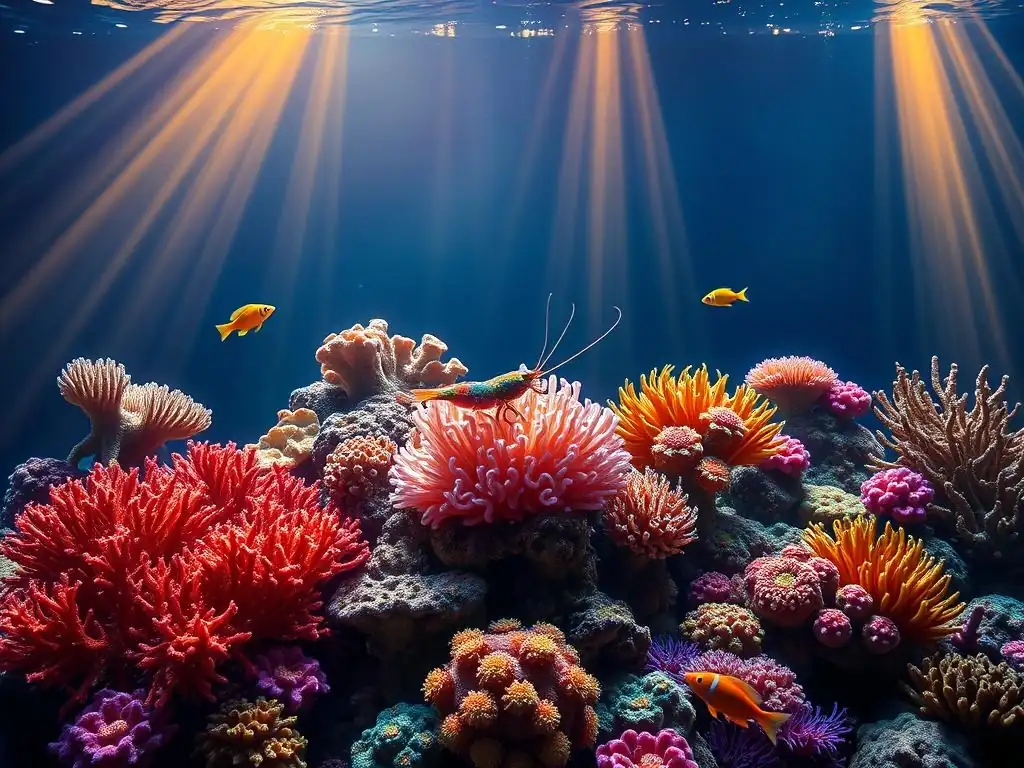
Intrigued by those pesky Aiptasia anemones taking over your saltwater tank? You're in the right place! Discover how the humble Peppermint Shrimp can become your secret weapon in the fight against these unwanted invaders. Dive into our comprehensive guide and learn everything you need to know about Peppermint Shrimp aiptasia control – from their care and compatibility to their voracious appetite for anemones. Ready to reclaim your reef?
- Understanding Aiptasia Anemones: A Reef Tank Plague
- Peppermint Shrimp: Nature's Aiptasia Control Agent
- Choosing the Right Peppermint Shrimp for Aiptasia Control
- Introducing Peppermint Shrimp to Your Reef Tank: A Step-by-Step Guide
- Maximizing Peppermint Shrimp Aiptasia Control Effectiveness
- Troubleshooting: Why Aren't My Peppermint Shrimp Eating Aiptasia?
- Alternative Aiptasia Control Methods: When Peppermint Shrimp Aren't Enough
- Maintaining a Healthy Reef Tank and Preventing Aiptasia Re-infestation
- Conclusion: Peppermint Shrimp - A Valuable Tool in Aiptasia Management
-
Frequently Asked Questions
- What exactly is Aiptasia and why is it a problem in aquariums?
- Are Peppermint Shrimp guaranteed to eat Aiptasia?
- How many Peppermint Shrimp should I add to my aquarium for Aiptasia control?
- What else should I consider before introducing Peppermint Shrimp to my tank?
- What if the Peppermint Shrimp don't eat the Aiptasia?
- Final Reflection: The Tiny Guardian of Reefs
- Unleash the Power of Peppermint Shrimp!
Understanding Aiptasia Anemones: A Reef Tank Plague
Identifying Aiptasia: The Unwanted Guest in Your Reef Aquarium
Aiptasia anemones, often referred to as glass anemones, are small, translucent pests that can quickly proliferate in saltwater aquariums. They typically appear as clear to light brown polyps with long, wispy tentacles and a sticky base, usually ranging from a few millimeters to a couple of centimeters in height. These opportunistic invaders are commonly introduced on live rock, coral frags, or even with the water from a new livestock purchase, making vigilance crucial for any reef keeper.
Their rapid reproduction is a primary concern; Aiptasia can reproduce both sexually (releasing gametes) and asexually through budding or pedal laceration (fragmentation from their base). A single small fragment can develop into a new anemone, leading to an exponential increase in their population if left unchecked. Observing even a single Aiptasia anemone should prompt immediate action, as a small problem can quickly escalate into a widespread infestation across the entire reef display.
The Dangers of Aiptasia Infestations for Coral Reefs
The primary threat posed by Aiptasia anemones to a reef aquarium lies in their potent stinging cells, called nematocysts. These cells are used to capture food and defend against predators, but they are also highly effective at stinging and damaging the delicate tissues of corals and other sessile invertebrates. Prolonged exposure to Aiptasia stings can cause coral tissue recession, bleaching, and ultimately, necrosis, leading to significant coral loss.
Beyond direct stinging, Aiptasia compete fiercely for space and light with desirable corals. As they multiply, they can quickly colonize large areas of live rock and even grow directly onto coral colonies, suffocating them and preventing their growth. A severe Aiptasia infestation can drastically alter the aesthetic and biological balance of a reef tank, transforming a vibrant coral display into an anemone-dominated wasteland if effective Peppermint shrimp aiptasia control measures are not implemented.
Why Controlling Aiptasia is Crucial for a Healthy Reef Tank
Effective Aiptasia control is paramount for maintaining a thriving and aesthetically pleasing reef aquarium. These pests can rapidly overwhelm a system, turning a minor nuisance into a major ecological imbalance that threatens the health and survival of all other inhabitants, especially sensitive corals. Early intervention and consistent management are far more effective than trying to eradicate a well-established infestation, which can be a lengthy and frustrating battle.
Ignoring a few small Aiptasia anemones can lead to a costly and time-consuming problem down the line, potentially requiring the removal of corals or even entire rock structures for treatment. Implementing a proactive strategy, which often includes biological solutions like Peppermint shrimp aiptasia control, ensures that the reef ecosystem remains stable, allowing corals to flourish without the constant stress and competition from these unwelcome guests. A healthy reef tank is a balanced one, free from the pervasive threat of Aiptasia.
Peppermint Shrimp: Nature's Aiptasia Control Agent
What are Peppermint Shrimp? (Lysmata wurdemanni)
Peppermint shrimp, scientifically known as Lysmata wurdemanni, are small, translucent crustaceans characterized by their distinctive reddish-brown bands across their bodies. Native to the Western Atlantic and Caribbean waters, these shrimp typically grow to an adult size of about 2 to 3 inches (5 to 7.5 cm). They are popular additions to reef aquariums not only for their intriguing behavior but also for their reputation as excellent members of the cleanup crew.
In their natural habitat, Lysmata wurdemanni are often found in rocky crevices and coral rubble, where they act as scavengers, consuming detritus, uneaten food, and small invertebrates. Their hardy nature and relatively peaceful temperament make them suitable inhabitants for most reef tanks, provided they are not housed with aggressive predators. Their role in maintaining tank cleanliness extends to consuming nuisance organisms, which is where their value for Peppermint shrimp aiptasia control becomes evident.
Peppermint Shrimp as a Natural Aiptasia Predator
Peppermint shrimp are widely recognized in the reef keeping hobby as one of the most effective and natural biological solutions for controlling Aiptasia anemones. While individual preferences can vary, a significant number of Lysmata wurdemanni specimens readily consume Aiptasia, often preferring them over other available food sources, especially when hungry. This makes them a highly sought-after invertebrate for reef aquarists plagued by these persistent pests.
Their effectiveness stems from their unique dietary inclination towards Aiptasia. Unlike chemical treatments that can be harsh on a sensitive reef environment, using peppermint shrimp offers a gentle yet persistent approach to Peppermint shrimp aiptasia control. They can access small crevices and hard-to-reach areas where Aiptasia often hide, making them more thorough than manual removal methods. It is important to note that while many individuals are excellent Aiptasia eaters, some may show less interest, highlighting the variability in their predatory behavior.
How Peppermint Shrimp Hunt and Consume Aiptasia Anemones
The hunting behavior of peppermint shrimp targeting Aiptasia is fascinating to observe, though it often occurs under low light or during the night. A hungry peppermint shrimp will typically approach an Aiptasia anemone cautiously, using its antennae to investigate. Once it has located the anemone, the shrimp will begin to pick at the anemone's tentacles and body, gradually consuming it from the top down.
This methodical consumption ensures that the entire anemone, including its pedal disc (the base), is ingested, which is crucial for preventing regeneration. If even a small portion of the pedal disc remains, the Aiptasia can regrow. Successful Peppermint shrimp aiptasia control relies on the shrimp's thoroughness in consuming the entire pest, which they are generally quite adept at. While it might take several hours or even days for a shrimp to completely consume a larger Aiptasia, their persistent efforts can significantly reduce, and often eliminate, an infestation over time.
Choosing the Right Peppermint Shrimp for Aiptasia Control
Selecting Healthy Peppermint Shrimp: What to Look For
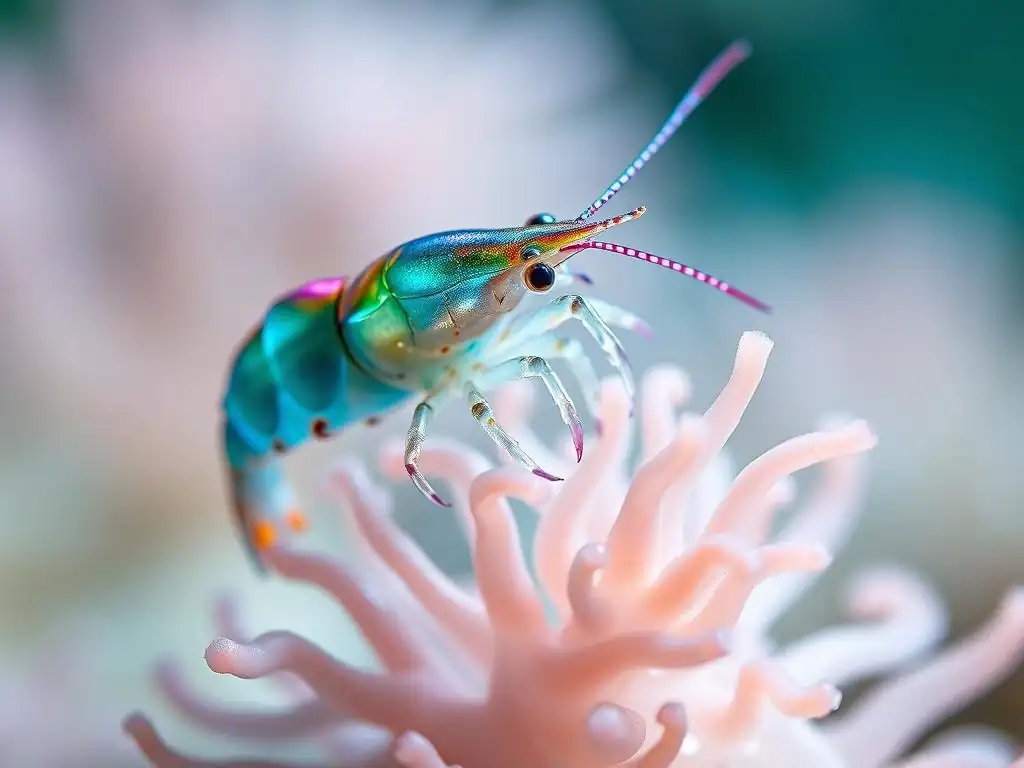
When acquiring peppermint shrimp for Peppermint shrimp aiptasia control, selecting healthy specimens is crucial for their survival and effectiveness. Look for shrimp that are active and alert, constantly moving their antennae and exhibiting natural exploratory behaviors within their holding tank. Their bodies should appear translucent with clear, distinct reddish banding, indicating good health and proper molting cycles.
Avoid shrimp that appear lethargic, have cloudy or opaque bodies, missing appendages, or any visible signs of injury or disease. Observe them closely for any white spots, frayed antennae, or unusual growths. A healthy shrimp will be responsive to its environment, readily moving away if disturbed, and should not be seen lying motionless on the substrate for extended periods during daylight hours.
Distinguishing True Peppermint Shrimp from Imposters
A common challenge in Peppermint shrimp aiptasia control is distinguishing the true Aiptasia-eating Lysmata wurdemanni from similar-looking species, often sold as "peppermint shrimp." Imposter species, such as Lysmata californica or Lysmata rathbunae, may look similar but typically do not consume Aiptasia with the same enthusiasm or consistency. The key distinguishing feature lies in the banding pattern.
True Lysmata wurdemanni generally exhibit thin, broken, and somewhat irregular red or reddish-brown bands across their translucent bodies. In contrast, imposters often have thicker, more solid, and sometimes more uniform red bands. Always purchase from a reputable local fish store or online vendor that specifically labels their shrimp as Lysmata wurdemanni and understands the nuances of Peppermint shrimp aiptasia control. If possible, observe the shrimp in the store to see if they show any interest in Aiptasia, though this is rarely feasible.
The Ideal Number of Peppermint Shrimp for Your Aquarium Size
The optimal number of peppermint shrimp for Peppermint shrimp aiptasia control depends on the size of your aquarium and the severity of the Aiptasia infestation. For a mild infestation in a standard 30-gallon reef tank, one to two healthy Lysmata wurdemanni might be sufficient to begin addressing the problem. Their nocturnal nature means they might work unnoticed, but their impact will become apparent as Aiptasia numbers decline.
For larger tanks or more widespread infestations, a higher density of shrimp may be necessary. A general guideline is to consider one peppermint shrimp for every 10 to 20 gallons of water for moderate issues, or even one per 5 gallons for severe outbreaks. For instance, a 75-gallon tank with a significant Aiptasia problem might benefit from an initial introduction of 5 to 7 shrimp. Overstocking should be avoided, as it can lead to competition for food once the Aiptasia are gone, potentially causing the shrimp to starve or become stressed.
Introducing Peppermint Shrimp to Your Reef Tank: A Step-by-Step Guide
Acclimation Process for Peppermint Shrimp
Proper acclimation is critical for the survival and long-term health of peppermint shrimp, as they are sensitive to sudden changes in water parameters. The drip acclimation method is highly recommended for these invertebrates. Begin by floating the sealed bag containing the shrimp in your sump or display tank for about 15-20 minutes to equalize temperature. This prevents temperature shock, which can be lethal.
After temperature equalization, open the bag and secure it to the side of a bucket or container. Using airline tubing, start a slow drip of water from your display tank into the bucket, aiming for about 1-2 drips per second. Allow this process to continue for at least 60-90 minutes, or until the volume of water in the bucket has quadrupled. This gradual increase in tank water allows the shrimp to slowly adjust to your aquarium's salinity, pH, and other parameters, significantly reducing stress and improving their chances of successful Peppermint shrimp aiptasia control.
Ensuring a Safe Introduction to Your Existing Tank Mates
Once acclimated, carefully net the peppermint shrimp from the acclimation bucket and gently release them into your display tank. Avoid pouring the acclimation water into your tank, as it may contain undesirable substances from the shipping process. It is often best to introduce new shrimp after the main tank lights have been turned off for the evening. This minimizes stress from bright lights and reduces the likelihood of immediate aggression from existing fish or invertebrates, giving the shrimp time to find hiding spots.
Before introduction, ensure that your tank does not house any known shrimp predators, such as certain triggerfish, large wrasses, or hawkfish, as these species can view peppermint shrimp as a food source. Providing ample live rock with crevices and caves will offer immediate refuge for the shrimp as they settle into their new environment. Observing the tank for the first few hours after introduction, if possible, can help confirm that they are settling in without harassment.
Monitoring Peppermint Shrimp Behavior After Introduction
After introducing your peppermint shrimp, observe their behavior over the next few days to ensure they are adapting well and beginning their Peppermint shrimp aiptasia control duties. Healthy shrimp will typically be active, exploring the rockwork, and occasionally picking at surfaces. They might be shy at first, hiding during daylight hours and becoming more active at night.
Look for signs of them targeting Aiptasia anemones. While you might not always catch them in the act, a noticeable reduction in Aiptasia population over a few days or weeks is a good indicator of their success. If shrimp appear lethargic, are constantly hiding, or are being harassed by other tank inhabitants, it may indicate stress or incompatibility issues that need to be addressed to maximize their Peppermint shrimp aiptasia control effectiveness.
Maximizing Peppermint Shrimp Aiptasia Control Effectiveness
Providing Optimal Water Parameters for Peppermint Shrimp
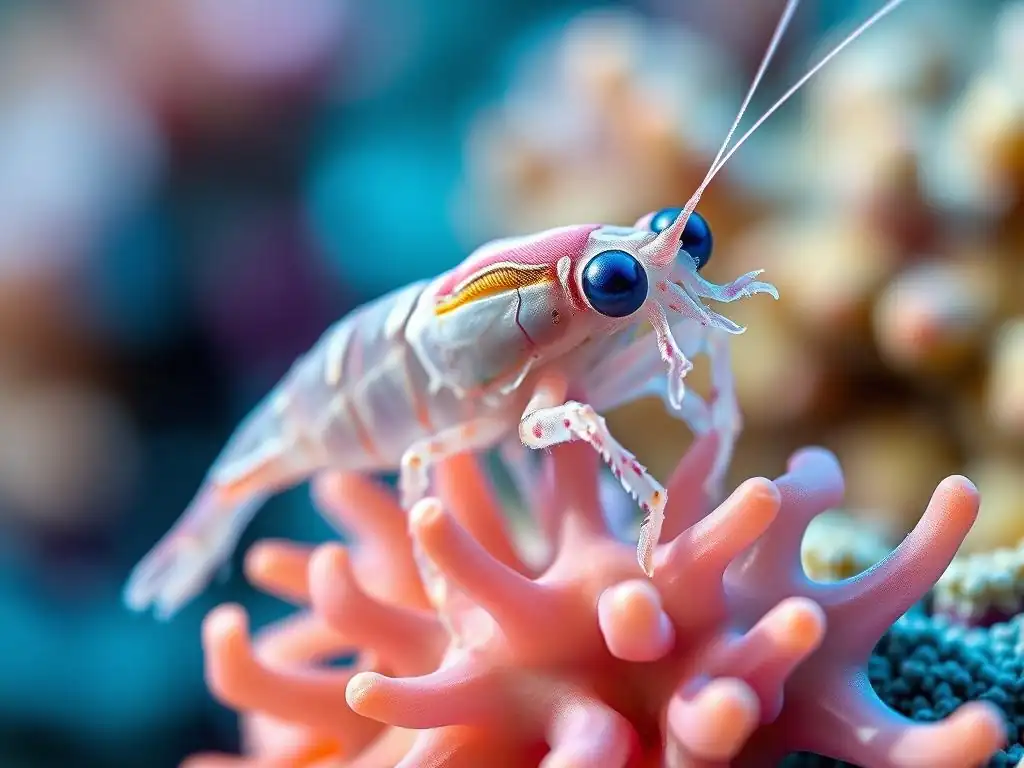
Maintaining stable and optimal water parameters is crucial for the health and activity of peppermint shrimp, directly impacting their effectiveness in Peppermint shrimp aiptasia control. Like most marine invertebrates, they thrive in specific conditions: salinity should be maintained between 1.023 and 1.026 specific gravity, temperature between 74-80°F (23-27°C), and pH levels between 8.0-8.4. Consistent alkalinity (8-12 dKH), calcium (400-450 ppm), and magnesium (1200-1350 ppm) levels are also important for their overall well-being and successful molting.
Poor water quality, including elevated nitrates and phosphates, can stress shrimp, making them less active and less inclined to consume Aiptasia. Regular water changes (e.g., 10-20% monthly or 5-10% bi-weekly) and diligent nutrient export methods are essential to keep parameters stable and within optimal ranges. A healthy, stress-free shrimp is a more active and effective predator against Aiptasia, making water quality a foundational element in successful Peppermint shrimp aiptasia control.
Supplementing Their Diet When Aiptasia is Scarce
While peppermint shrimp are known for their preference for Aiptasia, they are opportunistic scavengers. Once the Aiptasia population has been significantly reduced, their primary food source diminishes, and they may begin to seek other foods. To ensure their continued health and prevent them from potentially picking at corals (though rare, it can happen if severely underfed), it's important to supplement their diet.
Offer small, sinking food items such as high-quality marine pellets, frozen mysis shrimp, or finely chopped frozen brine shrimp a few times a week, especially after the lights are out. This provides them with necessary nutrition without overfeeding the tank, which could inadvertently fuel Aiptasia regrowth. Balancing their diet carefully ensures that they remain healthy and ready to tackle any new Aiptasia outbreaks, maintaining ongoing Peppermint shrimp aiptasia control.
Tank Mate Compatibility: Fish and Invertebrates That Get Along with Peppermint Shrimp
Peppermint shrimp are generally peaceful and compatible with most reef-safe fish and invertebrates, making them excellent additions for Peppermint shrimp aiptasia control. They typically coexist well with clownfish, gobies, blennies, cardinalfish, and most docile tangs. Their presence usually goes unnoticed by these fish, allowing them to perform their cleanup duties without interference.
However, caution is advised with certain predatory fish species. Large wrasses (e.g., adult six-line wrasse in some cases), hawkfish, triggerfish, puffers, and some larger angelfish may view shrimp as a food source. Similarly, very aggressive crabs or larger hermit crabs could pose a threat. It is crucial to research the compatibility of all existing and planned tank inhabitants before introducing peppermint shrimp to ensure their safety and maximize their effectiveness in Peppermint shrimp aiptasia control.
Troubleshooting: Why Aren't My Peppermint Shrimp Eating Aiptasia?
Identifying Potential Reasons for Shrimp Inactivity
It can be disheartening when your newly acquired peppermint shrimp don't immediately start consuming Aiptasia. Several factors can contribute to their inactivity or lack of interest in the pests. Firstly, the shrimp might be misidentified; as mentioned, imposters (e.g., Lysmata californica) are often sold as L. wurdemanni and do not typically eat Aiptasia. Secondly, the shrimp might already be well-fed from other food sources in the tank, such as excess fish food or detritus, reducing their motivation to hunt Aiptasia.
Stress from poor water quality, recent acclimation, or harassment from aggressive tank mates can also render shrimp inactive. They might be spending most of their time hiding rather than foraging. Lastly, individual variation plays a role; while Lysmata wurdemanni are known Aiptasia predators, some individual shrimp may simply not develop a strong preference for them, or they might prefer smaller, newly emerged Aiptasia over larger, more established ones.
Addressing Water Quality Issues Affecting Shrimp Appetite
Poor water quality can significantly impact the health and appetite of peppermint shrimp, hindering their Peppermint shrimp aiptasia control efforts. Elevated levels of ammonia, nitrite, and nitrate, or unstable pH and salinity, can stress shrimp, making them lethargic and uninterested in feeding on anything, let alone Aiptasia. Regular testing of your aquarium water parameters is essential to identify any deviations from optimal conditions.
If water quality issues are detected, immediate action is required. This typically involves performing small, frequent water changes to dilute pollutants and stabilize parameters. Ensuring proper filtration, adequate oxygenation, and good water flow throughout the tank also contributes to a healthier environment, which in turn encourages the shrimp to be more active and effective in their Peppermint shrimp aiptasia control role. A healthy environment makes for healthy, hungry shrimp.
Ruling Out Competition from Other Invertebrates
Sometimes, peppermint shrimp may appear inactive in Peppermint shrimp aiptasia control because they are facing competition for food from other tank inhabitants. Other scavengers, such as certain hermit crabs, snails, or even other shrimp species, might be consuming uneaten fish food or detritus more efficiently, leaving the peppermint shrimp less hungry and thus less motivated to seek out Aiptasia.
To assess this, consider reducing the overall amount of food fed to the tank for a few days, being careful not to starve your fish. This can encourage the peppermint shrimp to seek out alternative food sources like Aiptasia. Additionally, observe interaction between the shrimp and other invertebrates; ensure the peppermint shrimp are not being bullied or outcompeted for hiding spots, which can also impact their confidence and foraging behavior for Peppermint shrimp aiptasia control.
Alternative Aiptasia Control Methods: When Peppermint Shrimp Aren't Enough
Chemical Treatments for Aiptasia Removal
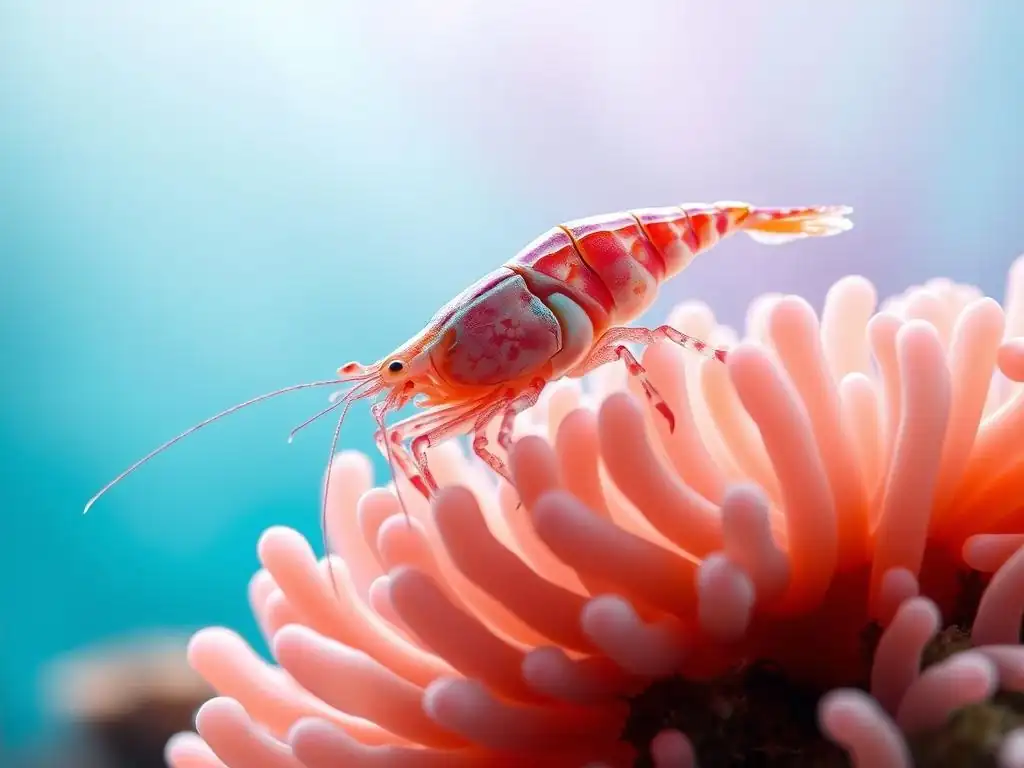
When Peppermint shrimp aiptasia control proves insufficient, or for particularly stubborn or large Aiptasia, chemical treatments offer a targeted solution. Products like Aiptasia-X, Red Sea Nopox, or F-Aiptasia are specifically designed to eliminate these pests. These solutions typically involve injecting a small amount of the liquid directly into the Aiptasia's mouth or base using a syringe. The chemical causes the anemone to essentially dissolve without releasing spores, minimizing the risk of fragmentation and further spread.
While effective, chemical treatments require careful application to avoid harming surrounding corals or other invertebrates. Overdosing or improper application can lead to localized water quality issues or irritation to sensitive tank inhabitants. It is crucial to follow the manufacturer's instructions precisely and target only the Aiptasia, especially in tanks with a high density of desirable corals.
Manual Removal Techniques for Stubborn Aiptasia
For accessible Aiptasia, manual removal can be an effective, albeit risky, method. One common technique involves siphoning out small Aiptasia with a thin tube during a water change. Another popular method is injecting boiling RODI (Reverse Osmosis Deionized) water or a kalkwasser (calcium hydroxide) paste directly into the Aiptasia. The extreme heat or high pH of these substances effectively destroys the anemone.
The primary risk with manual removal is fragmentation. If the Aiptasia is disturbed or damaged without being completely destroyed, it can release fragments that will settle elsewhere and grow into new anemones, worsening the infestation. Therefore, manual removal should only be attempted by experienced aquarists who can ensure complete destruction of the Aiptasia without causing it to "bud." For widespread infestations, manual removal is impractical and generally less effective than Peppermint shrimp aiptasia control or chemical treatments.
Other Natural Predators of Aiptasia
Beyond peppermint shrimp, a few other natural predators can be employed for Aiptasia control, though they often come with their own set of challenges. Berghia nudibranchs ( Berghia verrucicornis) are highly specialized sea slugs that feed exclusively on Aiptasia. They are extremely effective but are expensive, often difficult to acquire, and may starve once the Aiptasia population is depleted. They also reproduce slowly and are very delicate.
Certain butterflyfish species, such as the Copperband Butterflyfish ( Chelmon rostratus), are known to consume Aiptasia. However, their reliability varies, and they are not always considered fully reef-safe, as some individuals may nip at corals or other desirable invertebrates. While a Copperband can be a powerful tool, their potential for collateral damage makes them a less predictable option than Peppermint shrimp aiptasia control for a delicate reef environment.
Maintaining a Healthy Reef Tank and Preventing Aiptasia Re-infestation
Proper Feeding Practices to Minimize Aiptasia Food Sources
One of the most effective long-term strategies for preventing Aiptasia re-infestation, even after successful Peppermint shrimp aiptasia control, is to adopt proper feeding practices. Aiptasia, like many nuisance organisms, thrives on excess nutrients in the water column. Overfeeding your fish and corals leads to uneaten food decaying and releasing phosphates and nitrates, which are perfect fuel for Aiptasia growth.
To minimize these food sources, feed only what your fish can consume within a few minutes, typically 2-3 times per day for most species. Ensure that all food is consumed quickly and does not settle on the substrate or rockwork. Regularly siphoning out detritus from the sand bed and cleaning powerheads and sumps will also help export excess nutrients, starving Aiptasia and preventing future outbreaks.
Quarantine New Corals to Prevent Aiptasia Introduction
The most common way Aiptasia enters a reef tank is through newly acquired corals, live rock, or even sometimes with fish. Implementing a strict quarantine protocol for all new additions is a critical preventative measure against Aiptasia re-infestation. A dedicated quarantine tank allows you to observe new livestock for several weeks, ensuring they are free of pests and diseases before introducing them to your main display.
Before adding new corals to the quarantine tank, inspect them thoroughly for any signs of Aiptasia. Consider dipping new corals in a coral dip solution designed to remove pests, although Aiptasia can be notoriously resilient to some dips. If Aiptasia is spotted, it can be treated in the quarantine tank using targeted methods, preventing its introduction to your main display where Peppermint shrimp aiptasia control might become necessary.
Regular Tank Maintenance for Aiptasia Prevention
Beyond feeding and quarantine, consistent and thorough tank maintenance is fundamental to preventing Aiptasia re-infestation and maintaining a healthy reef ecosystem. Regular water changes (e.g., 10-20% every 2-4 weeks, depending on bioload) are essential for exporting dissolved organic compounds and maintaining stable water parameters, which reduces the nutrient load that Aiptasia thrives on.
Cleaning the aquarium glass, scrubbing rocks to remove algae, and ensuring all equipment (sump, skimmer, powerheads) is clean and functioning optimally also contributes significantly. A clean, well-maintained tank with balanced water chemistry creates an environment less conducive to pest outbreaks. This holistic approach complements biological methods like Peppermint shrimp aiptasia control by addressing the underlying conditions that allow Aiptasia to flourish.
Conclusion: Peppermint Shrimp - A Valuable Tool in Aiptasia Management
The Benefits of Using Peppermint Shrimp for Aiptasia Control
Peppermint shrimp (specifically Lysmata wurdemanni) stand out as a highly valuable and often preferred biological solution for Peppermint shrimp aiptasia control in reef aquariums. Their primary benefit lies in their natural predation of Aiptasia anemones, offering an effective, chemical-free method to combat these pervasive pests. Unlike manual removal or chemical treatments, shrimp can access hard-to-reach areas and consume even the smallest Aiptasia, providing continuous vigilance against new outbreaks.
Furthermore, peppermint shrimp are generally reef-safe, posing minimal to no threat to corals or other desirable invertebrates, making them a safe choice for established reef tanks. Their relatively small size, peaceful temperament, and scavenging habits also contribute to the overall cleanliness of the aquarium by consuming uneaten food and detritus. For many aquarists, they represent an indispensable part of a comprehensive Aiptasia management strategy.
Maintaining a Balanced Reef Ecosystem for Long-Term Success
While peppermint shrimp are a potent weapon in the fight against Aiptasia, they are best viewed as one component of a holistic approach to reef tank health. Long-term success in Peppermint shrimp aiptasia control and overall reef keeping hinges on maintaining a balanced and stable ecosystem. This involves diligent husbandry practices, including consistent water changes, proper feeding, and effective nutrient export.
Moreover, preventing Aiptasia re-infestation through strict quarantine protocols for all new additions is paramount. A healthy reef environment, supported by a diverse cleanup crew and vigilant monitoring, is inherently more resilient to pest outbreaks. By integrating peppermint shrimp into a well-rounded maintenance routine, aquarists can significantly reduce the threat of Aiptasia, fostering a thriving and beautiful reef aquarium for years to come.
Frequently Asked Questions
What exactly is Aiptasia and why is it a problem in aquariums?
Aiptasia are nuisance anemones that can rapidly spread and overrun a tank. They sting corals and other invertebrates, competing for resources and causing stress and damage. They are notoriously difficult to eradicate.
Are Peppermint Shrimp guaranteed to eat Aiptasia?
No, while they are known for eating Aiptasia, their effectiveness varies. Some individual shrimp may not develop a taste for it, and other food sources may be more appealing to them.
How many Peppermint Shrimp should I add to my aquarium for Aiptasia control?
Generally, start with one to two shrimp per 50 gallons of water. Monitor their behavior and the Aiptasia population. Overcrowding can stress the shrimp and reduce their effectiveness.
What else should I consider before introducing Peppermint Shrimp to my tank?
Ensure your tank is reef-safe and compatible with Peppermint Shrimp. Avoid housing them with aggressive fish or invertebrates that may prey on them. Provide hiding places for the shrimp to feel secure.
What if the Peppermint Shrimp don't eat the Aiptasia?
If the shrimp aren't effective, consider alternative Aiptasia control methods, such as chemical treatments or injecting individual anemones with solutions like kalkwasser. Monitor water parameters closely when using chemical solutions.
Final Reflection: The Tiny Guardian of Reefs
The journey through understanding the peppermint shrimp's role in Aiptasia control reveals more than just a biological solution; it highlights the delicate balance within our aquariums and the power of natural solutions. The potential of these small crustaceans to combat a common reef-keeping nuisance underscores the importance of understanding and respecting the intricate ecosystems we strive to recreate.
The impact of peppermint shrimp extends beyond simply eliminating Aiptasia. It represents a shift towards more sustainable and natural methods in aquarium keeping, fostering a deeper appreciation for the interconnectedness of marine life. In nature, nothing exists alone.
- Rachel Carson. This quote perfectly encapsulates the essence of reef keeping: understanding that every element, even the smallest peppermint shrimp, plays a vital role in the overall health and stability of the system.
As you consider the potential of peppermint shrimp for Aiptasia control in your own reef tank, remember that responsible aquarium keeping is about more than just aesthetics. It's about understanding, respecting, and actively contributing to the well-being of the miniature ocean you've created. Take the time to research, observe, and learn from your reef, and you'll find that the most effective solutions are often the most natural ones.
Unleash the Power of Peppermint Shrimp!
Thanks for diving into the world of peppermint shrimp and their Aiptasia-busting abilities! We hope you've gained valuable insights into how these little crustaceans can help maintain a thriving reef tank. Ready to take action?
Here’s what you can do next:
- Introduce a small group of peppermint shrimp to your aquarium and closely monitor their Aiptasia consumption. This is the key to naturally controlling those pesky anemones!
- Document your shrimp's progress with before-and-after photos and share your success stories or challenges on aquarium forums to help others.
- Explore alternative Aiptasia control methods, like injecting them with lemon juice or kalkwasser, to create a multi-pronged approach to eradication.
Ready to unleash the peppermint shrimp power? How will you use these amazing creatures to achieve Aiptasia-free bliss in your tank?