
Clown Gobies: Tiny Jewels for Your Reef – Are They Always CoralSafe?

Welcome to Aquarium Mastery!
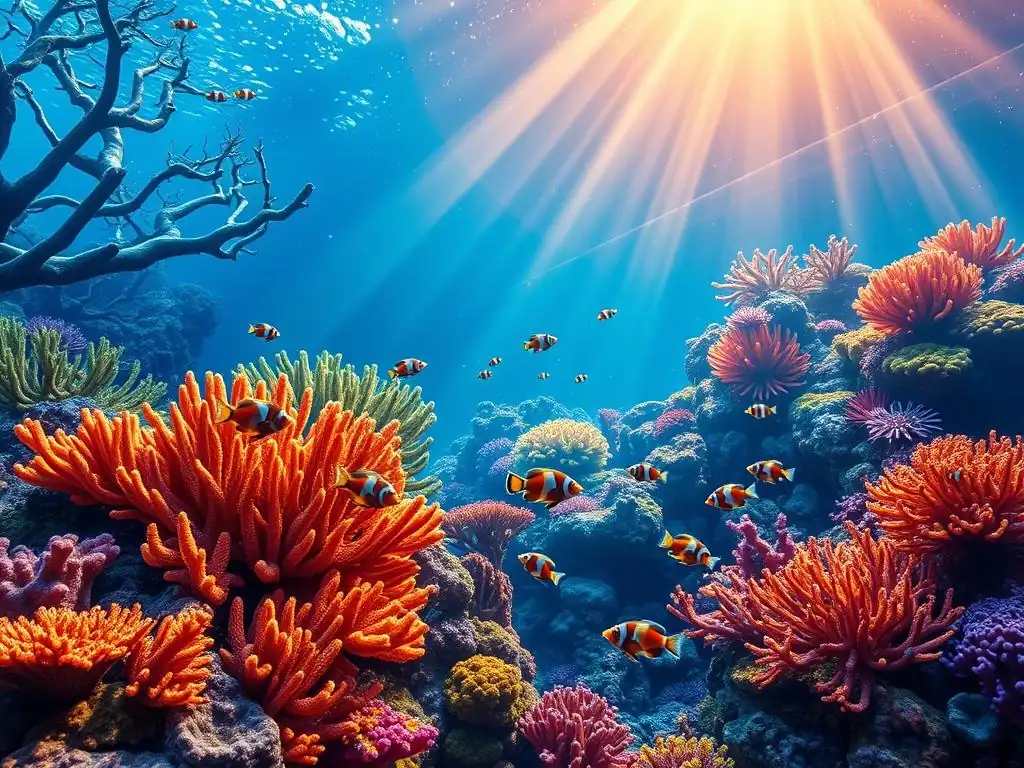
Ever been captivated by the vibrant personality of a Clown Goby and wondered if it's the perfect addition to your reef tank? These tiny jewels are undeniably charming, but are they always coral-safe? Dive into our latest article as we explore the fascinating world of Clown Gobies and uncover the truth about their compatibility with your precious reef ecosystem. Get ready to discover everything you need to know to ensure a harmonious and thriving aquarium!
- Introduction to Clown Gobies for Reef Aquariums
- Clown Goby Species Profiles: Reef Compatibility Considerations
- Clown Gobies and Coral: The Reef Safety Debate
- Factors Affecting Clown Goby Reef Safety
- Creating a Reef-Safe Environment for Clown Gobies
- Observing Your Clown Goby: Monitoring for Potential Problems
- Alternatives to Clown Gobies for Reef Aquariums
- Conclusion: Making an Informed Decision About Clown Gobies and Your Reef
- Frequently Asked Questions
- Final Reflection: Navigating the Nuances of Reef Harmony
- Unleash the Vibrant Reef Keeper Within!
Introduction to Clown Gobies for Reef Aquariums
Why Clown Gobies Are Popular Reef Tank Additions
Clown gobies, belonging to the Gobiodon genus, have become incredibly popular inhabitants for reef aquariums due to their distinctive charm and relatively small stature. Their appeal lies in their vibrant coloration, unique perching behavior on corals, and their suitability for a variety of tank sizes, including smaller nano reef setups. Unlike many larger fish that can quickly outgrow a modest aquarium, most clown goby species remain under 2 inches in length, making them a viable option for aquarists with limited space but a desire for colorful, engaging fish.
Furthermore, these tiny fish are generally peaceful towards other fish species, reducing concerns about aggression in a community tank. Their tendency to stay close to their chosen coral or rock perch means they don't require extensive swimming space, making them less disruptive to a carefully aquascaped environment. This combination of size, beauty, and docile temperament makes them a frequent choice for those looking to add a focal point without overwhelming their delicate coral ecosystems.
Understanding the Appeal: Size, Color, and Personality
The primary allure of clown gobies stems from their compact size, typically reaching a maximum adult length of about 1.5 to 2 inches (3.8 to 5 cm). This diminutive stature allows them to fit comfortably in tanks as small as 10-20 gallons, though larger tanks are always preferred for stability. Their color palette is remarkably diverse, ranging from the brilliant yellow of Gobiodon okinawae to the deep greens and blacks of other species, often adorned with striking patterns or spots. This visual appeal provides a pop of color that can significantly enhance a reef tank's aesthetic.
Beyond their looks, clown gobies possess a captivating personality characterized by their distinctive perching habit. They often select a specific coral, such as an Acropora or Montipora colony, and spend most of their time perched directly on its branches or polyps, observing their surroundings. While generally territorial within their small chosen area, they exhibit a calm and inquisitive demeanor, often allowing close observation. This unique blend of small size, vibrant hues, and engaging behavior solidifies their status as tiny jewels that add life and character to any reef aquarium, provided their Clown goby reef safety is maintained.
Clown Goby Species Profiles: Reef Compatibility Considerations
Yellow Clown Goby (Gobiodon okinawae): Reef Safe or Reef Nuisance?
The Yellow Clown Goby ( Gobiodon okinawae) is arguably the most recognizable and popular species within the genus, celebrated for its uniform, bright yellow coloration. It is generally considered one of the more reef-safe clown gobies, with its primary diet consisting of small zooplankton and benthic invertebrates found on live rock. True coral predation is rare for this species in a well-fed aquarium.
However, their habit of perching directly on coral polyps can, over time, lead to localized tissue irritation or even recession, particularly on delicate Small Polyp Stony (SPS) corals like Acropora and fragile Montipora species. While they do not actively consume the coral, the constant physical presence of the goby, which can weigh up to 0.5 ounces (14 grams), can stress the coral tissue, leading to a small area of bleaching or necrosis if the goby repeatedly favors the same spot. This potential for indirect coral damage is a key aspect of Clown goby reef safety that aquarists must consider.
Green Clown Goby (Gobiodon atrangulatus): Assessing Their Impact on Corals
The Green Clown Goby ( Gobiodon atrangulatus) shares many behavioral traits with its yellow counterpart but typically exhibits a more subdued green to brownish-green coloration, sometimes with darker markings. Like the Yellow Clown Goby, it is largely considered reef-safe, with its diet primarily comprising small crustaceans and plankton. In a healthy, mature reef tank with ample food sources, direct coral consumption is highly uncommon for this species.
Nonetheless, the characteristic perching behavior remains a potential concern for delicate corals. Green Clown Gobies will also frequently rest on SPS corals, and while they might occasionally nip at the coral surface to dislodge detritus or microfauna, this rarely results in significant damage. Instances of actual coral polyp nipping are typically anecdotal and often linked to an underfed goby or one experiencing high stress levels, prompting opportunistic feeding. Therefore, maintaining a robust feeding regimen and a low-stress environment is crucial for ensuring the Clown goby reef safety of this species.
Black Clown Goby (Gobiodon histrio): A Closer Look at Reef Interactions
The Black Clown Goby ( Gobiodon histrio) stands out with its dark, often jet-black body, sometimes adorned with subtle white or blue spots, providing a striking contrast in a vibrant reef tank. Behaviorally, it is similar to other Gobiodon species, preferring to perch on live rock or coral branches. Its diet in the wild consists of small invertebrates, and in captivity, it readily accepts prepared foods.
While generally regarded as reef-safe, there are slightly more anecdotal reports of Gobiodon histrio exhibiting minor nipping behavior towards soft corals or Large Polyp Stony (LPS) corals compared to the Yellow or Green species. This behavior is not widespread and is often attributed to individual temperament or a search for specific microorganisms living on the coral surface rather than direct coral predation. However, aquarists considering this species should be vigilant for any signs of coral irritation, particularly if the goby is observed consistently interacting with the same coral.
Citron Clown Goby (Gobiodon citrinus): Known Coral Nipper?
The Citron Clown Goby ( Gobiodon citrinus) is visually similar to the Yellow Clown Goby but often displays a more orange or brownish-yellow hue and may have subtle vertical bars. This species is perhaps the most debated regarding Clown goby reef safety. Unlike other Gobiodon species, Gobiodon citrinus has a more documented history of nipping at coral polyps, particularly those of Acropora and Montipora species.
In the wild, their diet can include coral mucus and even small polyps, and this behavior can sometimes translate into the home aquarium, especially if the fish is underfed or stressed. Instances have been reported where a single Citron Clown Goby has caused visible damage to SPS colonies, leading to localized tissue loss over several weeks. While not every individual will exhibit this behavior, the propensity for coral nipping is significantly higher with the Citron Clown Goby, making it a species that requires careful consideration and close monitoring in a mixed reef tank.
Clown Gobies and Coral: The Reef Safety Debate
Do Clown Gobies Eat Coral? Separating Fact from Fiction
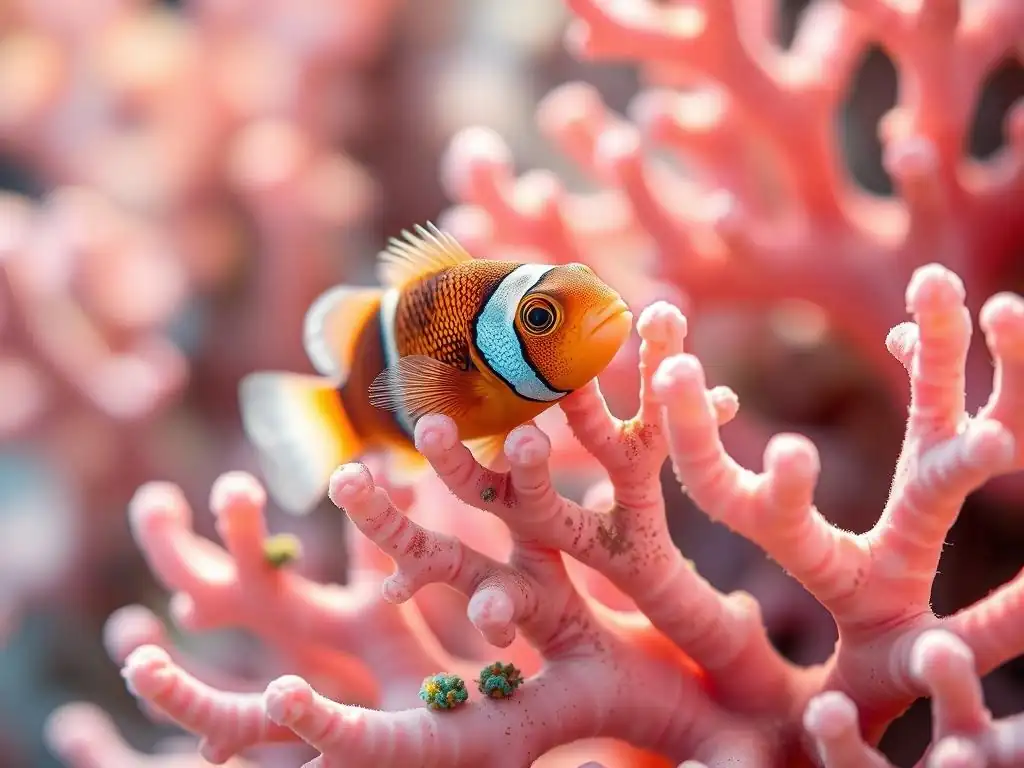
The question of whether clown gobies eat coral is a nuanced one, often leading to confusion among aquarists. For most Gobiodon species commonly kept in aquariums, such as the Yellow or Green Clown Goby, true coral predation – consuming coral polyps as a primary food source – is largely a myth. Their natural diet primarily consists of zooplankton, small benthic invertebrates, and detritus. The "nipping" observed is often a result of the goby attempting to dislodge tiny organisms from the coral surface, or simply a byproduct of their constant perching.
However, the distinction becomes crucial with species like the Citron Clown Goby ( Gobiodon citrinus). There is substantial evidence and anecdotal reports suggesting that Gobiodon citrinus can indeed nip at and consume coral polyps, particularly from SPS corals, when under stress or if their dietary needs are not fully met. This behavior is more akin to opportunistic feeding rather than a fundamental dietary requirement, but it can undeniably cause significant damage to delicate coral colonies. Therefore, while most clown gobies don't "eat" coral in the traditional sense, some species can certainly cause harm, impacting overall Clown goby reef safety.
Clown Gobies' Behavior Around SPS, LPS, and Soft Corals
Clown gobies exhibit distinct behaviors around different types of corals, influencing their overall reef compatibility. Small Polyp Stony (SPS) corals, particularly branching Acropora and Montipora species, are the most susceptible to irritation and potential damage from clown gobies. The gobies frequently perch on the tips or branches of SPS corals, and their constant presence can lead to localized tissue recession, bleaching, or even necrosis over time due to physical pressure and potential mucus irritation. A study observed that a goby weighing approximately 10 grams, repeatedly perching on a delicate Acropora tip, could induce visible stress within 7-10 days.
Large Polyp Stony (LPS) corals and soft corals are generally less affected. LPS corals, with their larger, more robust polyps, are typically resilient to the occasional perching or incidental contact. Soft corals, such as leathers or mushrooms, are also rarely targeted for perching and are more tolerant of minor disturbances. However, some anecdotal reports suggest very rare instances of nipping at Zoanthids or Palythoa polyps, possibly for biofilm or micro-organisms, but this is not a common behavior for most Gobiodon species and is usually not a significant concern for Clown goby reef safety in a well-maintained tank.
Acropora, Montipora, and Zoanthid Interactions with Clown Gobies
The specific interactions between clown gobies and popular coral types like Acropora, Montipora, and Zoanthids are critical for understanding their reef safety. Acropora corals are highly vulnerable to clown goby perching. Their delicate, rapidly growing tips are often chosen as perching spots, and the continuous pressure from the goby can inhibit growth or cause tissue damage. For instance, a persistent Yellow Clown Goby perching on a single Acropora millepora branch tip can lead to a 2-3mm area of tissue loss over a few weeks, which can then be susceptible to algae growth or further recession.
Similarly, Montipora corals, especially branching or plating varieties, are also at risk. While generally more robust than Acropora, they can still suffer tissue recession from constant perching. The Citron Clown Goby is particularly noted for potentially nipping at Montipora digitata polyps, sometimes resulting in visible bite marks or retracted polyps. Zoanthids are generally ignored by clown gobies, but very occasionally, a goby might be observed nipping at them, possibly to consume micro-organisms or detritus on their surface. This is less common and typically doesn't cause widespread damage, but it's a behavior to monitor for optimal Clown goby reef safety.
Factors Affecting Clown Goby Reef Safety
Tank Size and Carrying Capacity: Minimizing Stress and Coral Damage
The size of the aquarium plays a significant role in mitigating potential coral damage from clown gobies. While a single clown goby can technically survive in a 10-gallon nano tank, a minimum of 20 gallons is often recommended to provide more stable water parameters and greater overall space. For a pair, a 30-gallon tank or larger is preferable. A larger tank offers more live rock structure and diverse coral placement options, allowing the goby to choose from multiple perching spots rather than repeatedly stressing the same coral.
Adequate carrying capacity ensures that there are enough resources and territory for all inhabitants, reducing stress on the clown goby. When a goby feels secure and has ample space, it is less likely to exhibit undesirable behaviors like excessive perching on a single coral or opportunistic nipping due to territorial stress. For example, in a 40-gallon reef tank with 40-50 pounds of live rock and diverse coral species, a clown goby is more likely to spread its perching activity across multiple surfaces, minimizing concentrated stress on any single coral.
Diet and Feeding Habits: Ensuring Proper Nutrition for Reef Health
A well-fed clown goby is significantly less likely to nip at corals out of hunger or nutritional deficiency. Their natural diet consists of small zooplankton, copepods, and other tiny invertebrates. In captivity, a varied and nutritious diet is paramount for their health and for ensuring Clown goby reef safety. Aquarists should offer a combination of high-quality marine flakes, small pellets, and frozen foods such as cyclop-eeze, enriched brine shrimp, and mysis shrimp.
Feeding should occur 2-3 times per day in small quantities to ensure the goby receives sufficient nutrition without overfeeding the tank. It's crucial to observe that the goby is actively eating and that food reaches its perching area, as they can be slow feeders and may be outcompeted by more aggressive tank mates. For instance, offering a pinch of frozen cyclop-eeze near their preferred perch twice daily can significantly reduce any temptation to opportunistically nip at corals for sustenance, helping to maintain Clown goby reef safety.
Individual Clown Goby Temperament: Variations in Behavior
It is important to acknowledge that even within the same species, individual clown gobies can exhibit variations in temperament and behavior. While most Yellow Clown Gobies are considered very reef-safe, an occasional individual might develop a habit of persistently perching on a single delicate coral, causing localized irritation. Similarly, while Citron Clown Gobies have a higher propensity for coral nipping, not every single individual will engage in this behavior.
This individual variation underscores the importance of careful observation after introducing a clown goby to a reef tank. An aquarist might introduce a Yellow Clown Goby that shows no interest in coral nipping, while another might find their goby consistently irritating a specific SPS colony. Monitoring the goby's interactions with corals during the first few weeks is crucial. If problematic behaviors emerge, understanding that it might be an individual trait, rather than a species-wide issue, helps in making informed decisions about management or potential rehoming for the sake of the reef's health and overall Clown goby reef safety.
Presence of Other Fish: Competition and Stressors
The presence and behavior of other fish in the aquarium can significantly impact a clown goby's reef safety. Clown gobies are generally peaceful but can be shy and easily stressed by overly aggressive or boisterous tank mates. Constant harassment from larger, more active fish can lead to a stressed clown goby, which might then exhibit unusual behaviors, including excessive hiding, refusing to eat, or, in some cases, increased perching on corals for a sense of security, potentially leading to coral irritation.
Furthermore, competition for food can be a major stressor. If faster or more aggressive feeders dominate feeding times, the clown goby may not receive adequate nutrition, increasing the likelihood of opportunistic coral nipping out of hunger. For example, a clown goby in a tank with a very active Tang or a dominant Dottyback might struggle to get enough food. Ensuring that tank mates are compatible in terms of temperament and feeding habits is essential for the clown goby's well-being and to maintain the delicate balance required for Clown goby reef safety.
Creating a Reef-Safe Environment for Clown Gobies
Ideal Water Parameters for Clown Gobies in Reef Tanks
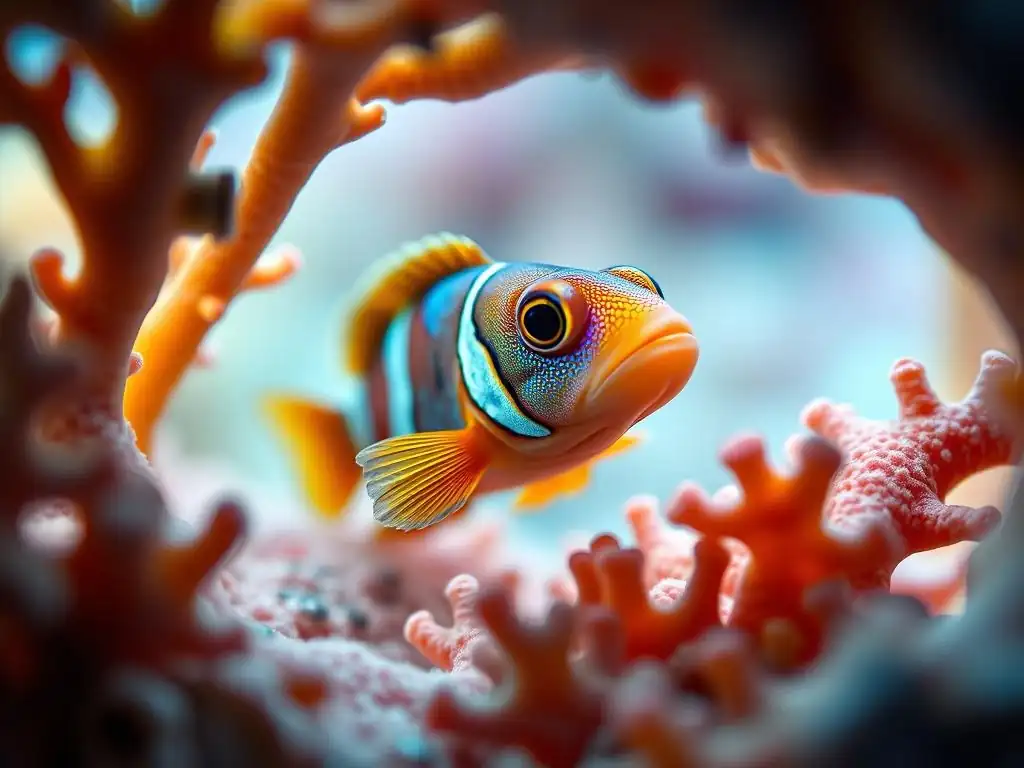
Maintaining stable and appropriate water parameters is fundamental for the health of both clown gobies and the corals they inhabit, thereby ensuring Clown goby reef safety. Clown gobies thrive in standard reef tank conditions. This includes a stable salinity level between 1.023 and 1.026 specific gravity, a temperature range of 74-80°F (23-27°C), and a pH between 8.1 and 8.4.
Beyond these basic parameters, adequate levels of alkalinity (8-12 dKH), calcium (400-450 ppm), and magnesium (1250-1350 ppm) are crucial for coral health and stability, which indirectly benefits the goby by providing a robust environment. Consistent monitoring with reliable test kits and regular water changes are key to preventing fluctuations that can stress both fish and corals. For instance, a sudden drop in temperature by 3-4 degrees Fahrenheit can stress a clown goby, potentially altering its behavior and increasing the risk of coral irritation as it seeks comfort.
Providing Ample Hiding Places and Perches
To minimize the risk of clown gobies irritating or damaging corals, it is essential to provide them with ample alternative hiding places and perching spots. Live rock aquascaping should include numerous crevices, caves, and sheltered ledges where the goby can feel secure and rest without directly impacting delicate corals. The more options they have, the less likely they are to repeatedly use a single coral for perching.
Consider incorporating stable, non-living structures like small ceramic frag plugs or designated sections of rockwork that are not adorned with sensitive corals. These can serve as dedicated "goby perches." For example, arranging 10-15 pounds of porous live rock in a 20-gallon tank can create multiple distinct territories and perching opportunities. Providing such varied real estate helps to distribute the goby's perching activity, significantly contributing to Clown goby reef safety by reducing concentrated stress on any single coral colony.
Choosing Compatible Tank Mates for a Peaceful Reef Ecosystem
Selecting appropriate tank mates is crucial for a peaceful reef ecosystem and the well-being of your clown goby. Avoid introducing large, aggressive, or highly boisterous fish that might intimidate or outcompete the small and relatively shy clown goby. Fish that are known to be fin-nippers or overly territorial can cause significant stress.
Ideal tank mates for clown gobies are other small, peaceful species that will not directly compete for food or territory. Good choices include other small, reef-safe gobies like Trimma gobies or Watchman gobies, blennies (e.g., Tailspot Blenny, Starry Blenny), firefish, and small cardinalfish such as Banggai Cardinals.
For instance, a pair of Yellow Clown Gobies can coexist harmoniously with a Tailspot Blenny and a small school of Firefish in a 40-gallon tank, provided there is enough space and hiding spots for everyone. This careful selection of tank mates is vital for maintaining Clown goby reef safety and a thriving reef environment.
Observing Your Clown Goby: Monitoring for Potential Problems
Signs of Coral Damage Caused by Clown Gobies
Diligent observation is key to identifying and addressing potential problems caused by clown gobies in a reef tank. The most common sign of coral damage from perching is localized tissue recession or bleaching on the tips or branches of SPS corals, particularly Acropora or Montipora. This damage typically appears as a small, circular or irregular patch of white skeleton where the goby consistently rests. For example, if a Yellow Clown Goby habitually perches on an Acropora valida tip, you might notice a 1-2 millimeter white spot develop at that exact point over 1-2 weeks.
For species known to nip, like the Citron Clown Goby, visible bite marks or torn polyps on LPS or soft corals might be observed. Additionally, a general decline in coral extension or overall health, specifically in areas frequented by the clown goby, can be an indicator. If you notice these signs, it's important to confirm the goby is the cause by observing its behavior directly around the affected coral. Early detection allows for intervention before extensive damage occurs, preserving overall Clown goby reef safety.
Identifying Stress and Disease in Clown Gobies
Observing signs of stress or disease in your clown goby is crucial, as a stressed fish is more likely to exhibit undesirable behaviors, including increased perching or opportunistic nipping at corals. Common indicators of stress or illness in clown gobies include a loss of vibrant coloration, clamped fins held close to the body, rapid or labored breathing, and excessive hiding. A healthy clown goby will typically be out and about, perching and observing its surroundings.
Changes in feeding habits, such as refusing to eat or spitting out food, are also strong indicators of underlying issues. Unusual swimming patterns, such as darting erratically or rubbing against rocks and decorations, could suggest parasites or other ailments. For instance, a normally bright Yellow Clown Goby becoming pale or spending all its time hidden in a cave may indicate stress from poor water quality or aggressive tank mates. Addressing these stressors promptly is vital for the goby's health and indirectly contributes to Clown goby reef safety by promoting natural, non-destructive behavior.
Addressing Excessive Perching and Potential Coral Irritation
If you observe your clown goby consistently perching on and irritating a specific coral, several steps can be taken to mitigate the issue. First, ensure the goby is well-fed with a varied diet, as hunger can sometimes lead to increased perching or nipping. Second, assess the amount and type of alternative perching spots available in the tank. Adding more live rock with crevices or placing small, stable frag plugs in less sensitive areas can redirect the goby's attention.
If a particular coral is highly prized or showing significant signs of stress, consider carefully relocating that coral to an area of the tank less accessible to the goby, or one with less flow, where it might recover. For example, moving a stressed Acropora colony to a higher, more open part of the tank or a lower, less trafficked shelf might help. If all interventions fail and the goby continues to cause unacceptable damage, rehoming the clown goby might be the only responsible solution to preserve the long-term health and aesthetic of your reef, prioritizing Clown goby reef safety.
Alternatives to Clown Gobies for Reef Aquariums
Reef-Safe Goby Species: Options with Minimal Coral Impact
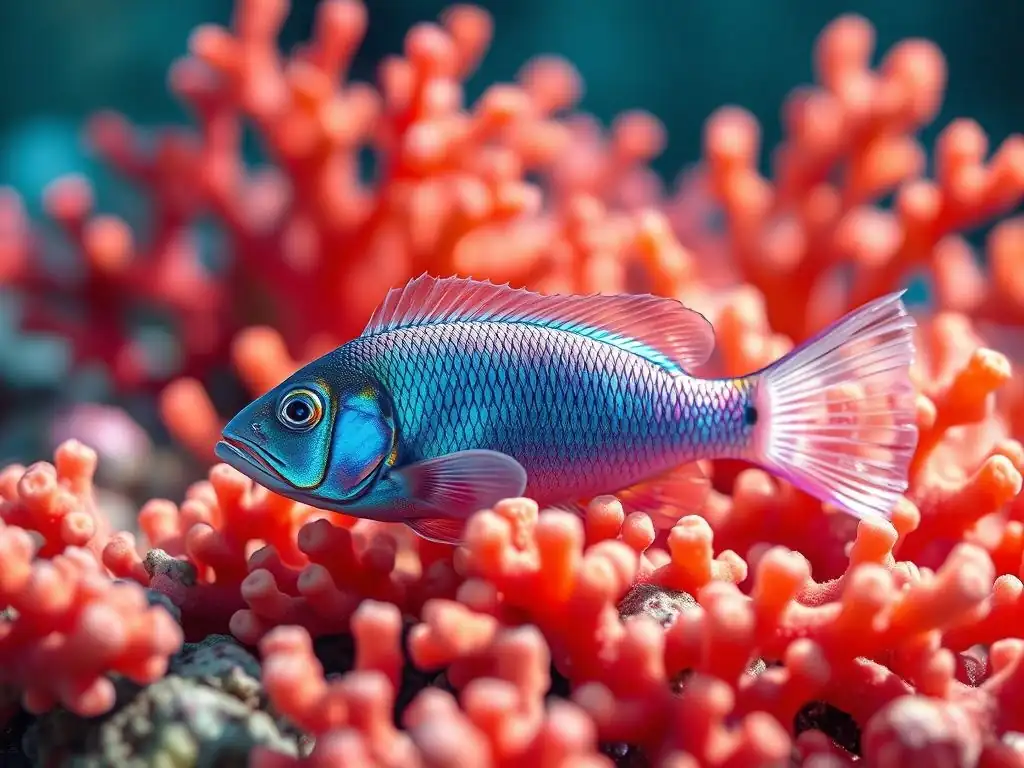
For aquarists seeking small, characterful fish with minimal to no coral impact, several other goby species make excellent reef-safe alternatives to clown gobies. Trimma gobies, such as Trimma cana or Trimma rubromaculata, are incredibly small (often under 1.5 inches), vibrant, and strictly planktivores, meaning they feed on suspended particles and pose no threat to corals. They are active swimmers for their size and add dynamic movement to nano reefs.
Hover gobies, like Priolepis nocturna, are another excellent choice. These small, secretive gobies typically stay hidden within rockwork during the day but are very peaceful and entirely reef-safe, feeding on tiny invertebrates. For those with sand beds, Watchman gobies ( Cryptocentrus cinctus or Valenciennea puellaris) are fantastic.
While larger (up to 4-5 inches), they are renowned for their symbiotic relationship with pistol shrimp and their sand-sifting behavior, which benefits the aquarium by keeping the substrate aerated. They are strictly reef-safe, focusing their diet on sifting through sand for small organisms, offering a different type of interaction while maintaining Clown goby reef safety for corals.
Other Small, Colorful Fish Suitable for Reef Tanks
Beyond other goby species, several small, colorful fish can add personality and vibrancy to a reef tank without posing a threat to corals, offering diverse alternatives to clown gobies. The Tailspot Blenny ( Ecsenius stigmatura) is a highly popular choice. Reaching about 2.5 inches, they are known for their inquisitive nature, distinct facial markings, and excellent algae-grazing habits. They are peaceful and spend their time perching on rocks, often darting around to nip at algae, making them entirely reef-safe.
The Orchid Dottyback ( Pseudochromis fridmani) is another striking option, boasting a brilliant purple coloration and reaching around 3 inches. While they can be territorial towards similar-looking fish or other dottybacks, they are generally peaceful with most other species and are completely reef-safe, feeding on prepared foods and small invertebrates.
Lastly, the Royal Gramma ( Gramma loreto) is a classic reef tank inhabitant, known for its vibrant purple and yellow halves. They are peaceful, stay relatively small (around 3 inches), and inhabit rock caves, adding a pop of color without any coral concerns, ensuring your reef's integrity where Clown goby reef safety might be a concern.
Conclusion: Making an Informed Decision About Clown Gobies and Your Reef
Weighing the Pros and Cons of Keeping Clown Gobies in a Reef Environment
Deciding whether to introduce clown gobies into your reef aquarium requires a careful weighing of their distinct advantages against their potential drawbacks. On the positive side, clown gobies are highly appealing due to their small size, which makes them suitable for nano tanks, their vibrant coloration, and their captivating perching personality. They are generally peaceful towards other fish, adding a unique charm without aggressive tendencies towards tank mates.
However, the primary concern revolves around their Clown goby reef safety. While many species are largely benign, their habit of perching on delicate SPS corals can lead to tissue irritation or recession over time. More notably, species like the Citron Clown Goby have a documented propensity for nipping at coral polyps, potentially causing significant damage. This risk means that while they are beautiful additions, they require careful monitoring and a willingness to intervene if coral health is compromised.
Ensuring Responsible Reefkeeping Practices
Ultimately, successful integration of clown gobies into a reef environment hinges on responsible reefkeeping practices. This begins with thorough research into the specific Gobiodon species you intend to acquire, understanding its particular temperament and any known tendencies toward coral interaction. Providing an optimal environment is paramount: an adequately sized tank (e.g., 20+ gallons for a single goby, 30+ for a pair), stable water parameters, and a diverse, nutritious diet offered multiple times a day are essential.
Crucially, ensure your aquascaping provides ample alternative perching spots and hiding places for the goby, diverting its attention away from your most sensitive corals. Diligent observation of your clown goby's behavior and the health of your corals is non-negotiable. By proactively addressing any signs of stress in the goby or irritation in the corals, you can mitigate risks. If, despite best efforts, a clown goby proves incompatible with your specific coral collection, prioritizing the health of your reef through rehoming is the most responsible course of action, ensuring long-term Clown goby reef safety for your entire ecosystem.
Frequently Asked Questions
How reef-safe are Clown Gobies really?
While generally considered reef-safe, some Clown Gobies may nip at certain corals, especially LPS corals. It's crucial to observe your goby and ensure it isn't causing damage.
What size tank is appropriate for a Clown Goby?
Clown Gobies are small, so a 10-gallon tank is typically sufficient for a single goby. Larger tanks are always better, especially if you plan to keep multiple gobies or other fish.
What do Clown Gobies eat in a reef aquarium?
They primarily feed on algae and small invertebrates found in the tank. Supplement their diet with high-quality frozen or flake foods designed for marine fish.
Are Clown Gobies compatible with other fish in a reef tank?
They are generally peaceful, but can be territorial towards other gobies, especially of the same species. Choose tank mates that are not aggressive and won't outcompete them for food.
What are some common health issues affecting Clown Gobies?
Clown Gobies can be susceptible to marine ich (white spot disease) and other parasitic infections. Maintaining good water quality and providing a proper diet are crucial for their health.
The exploration of Clown Goby reef safety, as we've seen, is far from a simple yes or no answer. The complex interplay between individual fish personality, tank environment, and coral species underscores the need for informed decision-making in reef keeping. Understanding these nuances is crucial not just for the well-being of our aquatic companions, but also for the long-term health and beauty of our reef ecosystems.
This journey into the world of Clown Gobies has highlighted the delicate balance within a reef aquarium. It reminds us that responsible reef keeping goes beyond simply adding beautiful creatures to our tanks; it requires careful observation, continuous learning, and a deep respect for the interconnectedness of life. In the end, we will conserve only what we love; we will love only what we understand; and we will understand only what we are taught.
- Baba Dioum. This quote serves as a powerful reminder of our responsibility to educate ourselves and others about the intricacies of reef ecosystems.
Now, armed with this knowledge, I encourage you to reflect on your own approach to reef keeping. Are you prioritizing research and observation? Are you considering the individual needs of each organism you introduce to your tank? Let the lessons learned about Clown Goby reef safety inspire you to cultivate a deeper understanding of your reef environment and to make informed choices that promote a thriving and harmonious ecosystem for all its inhabitants.
Unleash the Vibrant Reef Keeper Within!
Thanks for diving deep into the world of Clown Gobies! We hope you found some valuable insights into these charming reef inhabitants. Now it's time to take your knowledge to the next level.
- Dive deeper: Research specific Clown Goby species compatible with your coral, focusing on known behaviors and dietary needs to ensure a harmonious reef environment.:
- Share your newfound knowledge! Post a picture of your favorite reef tank inhabitant on social media with the hashtag #AquariumMastery, and tag us to connect with fellow enthusiasts.
- Surprise a local reef keeper! Offer to help a friend or neighbor with their reef tank maintenance, sharing your expertise on selecting and caring for coral-safe fish.
What's the most exciting Clown Goby fact you learned today, and how will you apply it to your aquarium practice?