
Troubleshooting Acropora Setbacks: Why Your Frags Aren't Thriving (And How to Revive Them)

Welcome to Aquarium Mastery!
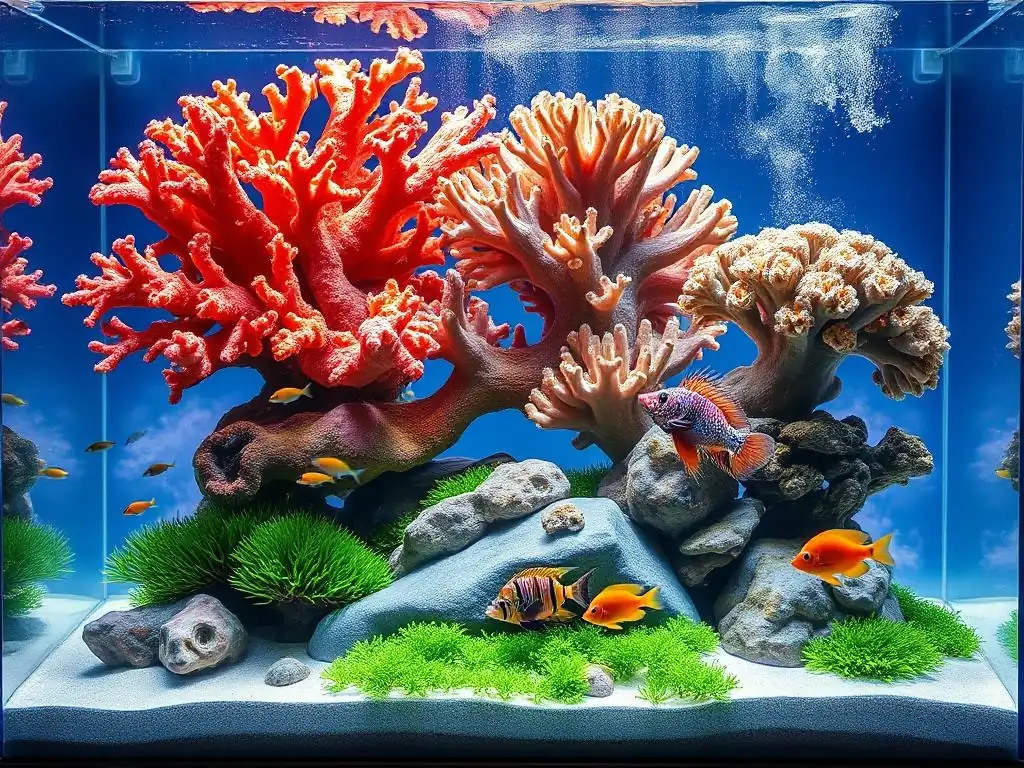
Ever wondered why your prized Acropora frags aren't quite thriving in your saltwater paradise? Discover the secrets to successful Acropora recovery in our latest guide. We'll dive deep into the common setbacks, offer practical Acropora recovery tips, and arm you with the knowledge to bring your SPS corals back to their vibrant best. Ready to unlock the secrets to a thriving reef? Let's get started!
- Understanding Acropora Challenges in Saltwater Aquariums
- Diagnosing the Root Cause of Your Acropora Problems
- Acropora Recovery Tips: A Step-by-Step Guide
- Long-Term Acropora Care: Preventing Future Setbacks
- Advanced Acropora Care: Beyond the Basics
- Conclusion: Achieving Thriving Acropora in Your Saltwater Aquarium.
-
Frequently Asked Questions
- What are the common initial signs that my Acropora frag isn't thriving in my saltwater aquarium?
- What are the most crucial water parameters to monitor for successful Acropora recovery in a saltwater tank?
- How important is proper lighting for Acropora recovery, and what type of lighting is recommended?
- What specific steps can I take to combat rapid tissue necrosis (RTN) or slow tissue necrosis (STN) in Acropora corals?
- Besides water chemistry and lighting, what other factors can contribute to Acropora setbacks, and how can I address them?
- Final Reflection: Nurturing Reef Resilience
- Revive Your Reef: Ignite Acropora Growth Now!
Understanding Acropora Challenges in Saltwater Aquariums
Common Reasons for Acropora Frag Failure
Acropora frags, while captivating, are notoriously sensitive to environmental changes and various stressors in a saltwater aquarium. A primary reason for frag failure often stems from initial shock, whether from shipping stress, acclimation to a new tank environment, or inadequate handling during placement.
Even minor temperature fluctuations during transit, such as a drop below 72°F (22°C) or a spike above 85°F (29°C), can severely compromise a frag's vitality before it even enters the display tank. Beyond initial trauma, the most prevalent issues involve unstable or incorrect water parameters, insufficient or excessive lighting, improper water flow, and the insidious presence of pests or diseases.
Furthermore, physical damage can contribute significantly to setbacks. This includes accidental knocks during aquascaping, damage from aggressive fish or invertebrates, or even improper mounting techniques where the frag plug might not provide a stable base, leading to the frag detaching and potentially falling into an unfavorable area of the tank. For instance, a frag that falls and lands upside down or in a low-flow, detritus-prone area will quickly succumb to stress and tissue loss, making effective Acropora recovery tips saltwater crucial for such scenarios.
Identifying Early Warning Signs of Acropora Stress
Recognizing the subtle cues of Acropora stress early is paramount for successful intervention. One of the most common indicators is a noticeable loss of color; a vibrant blue Acropora might turn pale, or a green specimen might brown out, indicating zooxanthellae stress or expulsion. This color shift can often precede more severe tissue loss by several days. Another clear sign is polyp retraction, where the tiny polyps that normally extend to feed and photosynthesize remain withdrawn, even during periods when they should be active.
Beyond color changes and polyp behavior, observe the coral's tissue itself. Tissue recession, which can manifest as Slow Tissue Necrosis (STN) or Rapid Tissue Necrosis (RTN), is a critical warning sign. STN typically starts from the base of the coral, gradually creeping upwards over days or weeks, leaving behind a stark white skeleton.
RTN, conversely, involves a swift, often overnight, sloughing of tissue, leaving the skeleton exposed almost instantly. The presence of algae growing on the coral's skeleton, particularly on areas where tissue has receded, also signifies compromised health and an urgent need for Acropora recovery tips saltwater to prevent further decline.
Diagnosing the Root Cause of Your Acropora Problems
Water Chemistry Imbalances Affecting Acropora Health
Alkalinity Swings and Their Impact
Alkalinity, a measure of the water's buffering capacity, is perhaps the most critical and often overlooked parameter for Acropora health. It represents the concentration of bicarbonate, carbonate, and borate ions, which are essential for calcification – the process by which corals build their skeletons. Ideal alkalinity for Acropora typically ranges between 7.0 and 9.0 dKH (degrees of carbonate hardness).
However, rapid or significant swings in this parameter, even within the acceptable range, can induce severe stress. For example, a drop from 8.5 dKH to 6.0 dKH within a 24-hour period due to dosing errors or equipment malfunction can lead to immediate tissue recession or even RTN, as the coral struggles to maintain its internal pH and calcification processes.
Maintaining a stable alkalinity is more important than hitting a specific number within the optimal range. Daily fluctuations exceeding 0.5 dKH can be detrimental, impacting the coral's ability to deposit calcium carbonate effectively. When alkalinity is too low, calcification slows, leading to stunted growth and brittle skeletons. Conversely, excessively high alkalinity (e.g., above 11 dKH) can lead to precipitation of calcium carbonate, causing "snow storms" in the tank and potentially damaging coral tissue. Consistent monitoring with a reliable test kit, such as a Hanna Checker or Salifert test, is vital for proactive Acropora recovery tips saltwater and prevention.
Calcium and Magnesium Depletion
Calcium and magnesium are fundamental building blocks for Acropora skeletons. Calcium, in particular, is the primary component of calcium carbonate, the material from which corals construct their rigid structures. Optimal calcium levels for Acropora typically range from 400 to 450 ppm (parts per million).
If calcium drops below 380 ppm, calcification rates can decrease by as much as 50%, leading to slow growth or even complete cessation of skeletal development. Magnesium, while not directly incorporated into the skeleton, plays a crucial role in maintaining calcium and alkalinity solubility in saltwater. Without sufficient magnesium (ideally 1250-1350 ppm), calcium can precipitate out of solution, making it unavailable for coral uptake, even if calcium levels appear adequate on a test.
Depletion of these elements is common in heavily stocked SPS tanks due to high coral consumption. For instance, a 100-gallon reef tank with a dense population of fast-growing Acropora colonies can consume 20-30 ppm of calcium daily. Without consistent replenishment through dosing or kalkwasser, these levels will quickly drop, leading to significant stress on the corals. Monitoring these parameters weekly, or even daily in high-demand systems, is crucial to prevent depletion and support robust Acropora growth, forming a core part of effective Acropora recovery tips saltwater.
The Role of Nitrates and Phosphates in Acropora Health
Nitrates and phosphates, often referred to as nutrients, have a complex and critical role in Acropora health. While essential in trace amounts for zooxanthellae (the symbiotic algae living within coral tissue), excessively high levels can be detrimental. High nitrates (e.g., above 10-15 ppm) can lead to zooxanthellae overpopulation, causing Acropora to brown out as the increased algal density masks the coral's natural pigmentation. Phosphates, even at very low concentrations (e.g., above 0.05 ppm), can directly inhibit calcification, potentially reducing growth rates by 20-40% or more, even if other parameters are ideal.
Conversely, ultra-low nutrient environments, often termed "ULNS" (Ultra Low Nutrient Systems), can also cause issues. If nitrates drop consistently below 0.5 ppm and phosphates below 0.01 ppm, Acropora may begin to pale or bleach due to starvation of their zooxanthellae, which rely on these nutrients. The ideal balance for most Acropora is often described as "detectable but low," meaning nitrates around 1-5 ppm and phosphates around 0.02-0.04 ppm. Achieving this delicate balance often requires a combination of effective filtration, regular water changes, and careful feeding practices.
Lighting Issues: Too Much or Too Little?
PAR (Photosynthetically Active Radiation) and Acropora Growth
PAR, or Photosynthetically Active Radiation, measures the amount of light available for photosynthesis, which is the primary energy source for Acropora through their symbiotic zooxanthellae. Providing the correct PAR intensity is crucial for Acropora health and coloration. While optimal PAR levels vary significantly between Acropora species and even individual colonies, a general range for thriving Acropora is typically between 250 and 450 PAR at the coral's surface. Some highly light-demanding species, such as certain Acropora tenuis or Acropora microclados, may thrive in PAR levels exceeding 500, especially under specific LED spectrums.
However, providing too little PAR (e.g., below 150) can lead to slow growth, pale coloration, and eventual starvation as the zooxanthellae cannot produce enough energy. Conversely, too much PAR (e.g., consistently above 600 without proper acclimation) can cause light shock, leading to bleaching or "burning" of the coral tissue. Using a PAR meter to measure light intensity at various points in your tank is an invaluable tool for understanding and optimizing your lighting setup, directly impacting the success of any Acropora recovery tips saltwater strategy.
Identifying Light Burn Symptoms
Light burn is a common issue when Acropora frags are introduced to a tank with significantly higher light intensity than they are accustomed to, or when lights are ramped up too quickly. The most characteristic symptom of light burn is bleaching, where the coral's tissue turns stark white, often starting from the tips or the most exposed areas. Unlike general bleaching due to nutrient starvation, light-burned areas often appear crisp and almost translucent, as if the tissue has been cooked. In severe cases, the tissue may recede rapidly from the affected areas, leading to localized RTN.
Another indicator can be excessive polyp retraction, where the coral refuses to extend its polyps even during dark cycles, indicating extreme stress. If a frag was previously thriving under moderate light (e.g., 200 PAR) and is suddenly placed directly under intense lighting (e.g., 450 PAR) without acclimation, these symptoms can appear within 24-48 hours. Recognizing these specific signs is critical for timely intervention, such as lowering the frag or dimming the lights, to prevent irreversible damage and implement effective Acropora recovery tips saltwater.
Acclimation Strategies for New Acropora Frags
Proper acclimation to new lighting is one of the most important preventative Acropora recovery tips saltwater. When introducing new Acropora frags, especially from a system with lower PAR, a gradual acclimation strategy is essential. One common method involves placing the new frag on the sand bed or in a shaded area of the tank where PAR levels are significantly lower (e.g., 100-150 PAR) for the first 1-2 weeks. Over the subsequent 2-4 weeks, the frag can be slowly moved upwards or into brighter areas, increasing its exposure to higher PAR by increments of 50-100 PAR per week.
Alternatively, if your lighting system allows, you can reduce the overall light intensity by 20-30% for the first week after introducing new corals, then gradually ramp it back up over several weeks. Some aquarists use plastic window screen material or diffusers placed over the frag to temporarily reduce light intensity. For instance, a single layer of standard window screen can reduce PAR by approximately 10-15%. This gradual approach allows the coral's zooxanthellae population to adjust to the new light environment, minimizing the risk of shock and bleaching.
Flow Rate Problems: Stagnation vs. Excessive Flow
The Importance of Random, Turbulent Flow
Water flow is as critical as lighting and water chemistry for Acropora health. Acropora thrive in strong, random, and turbulent flow patterns, which mimic their natural reef environment. This type of flow serves multiple vital functions: it delivers essential nutrients, such as calcium, alkalinity, and trace elements, directly to the coral's tissue. It also efficiently removes metabolic waste products and detritus that can accumulate on the coral's surface, preventing tissue necrosis and bacterial infections. Furthermore, vigorous flow helps to keep the coral's surface clean, inhibiting the growth of nuisance algae.
Laminar (one-directional) flow, while seemingly strong, can be detrimental as it constantly stresses one side of the coral while leaving other areas stagnant. Random, turbulent flow, achieved with multiple powerheads or wavemakers, ensures that all parts of the coral receive adequate water movement. This dynamic environment stimulates polyp extension, which enhances feeding and gas exchange, and also contributes to the development of a stronger, more robust skeletal structure.
Signs of Insufficient Flow in Acropora
Insufficient water flow is a common cause of Acropora decline and is often indicated by several observable symptoms. One of the most telling signs is the accumulation of detritus on the coral's branches, particularly in the crevices or on the lower, less exposed areas. This buildup of waste can lead to localized tissue death and bacterial infections. Another clear indicator is tissue recession that typically starts from the base of the coral and progresses upwards. This occurs because the lower parts of the coral are often the first to experience stagnant water and detritus buildup.
Furthermore, a lack of polyp extension, especially on the lower or inner branches of the colony, can signal inadequate flow. The polyps may appear shriveled or completely retracted, even when other parameters seem favorable. In some cases, you might observe nuisance algae, such as diatoms or cyanobacteria, growing directly on the coral's skeleton, particularly on areas that are not well-flushed. Addressing these issues by adjusting flow is a key component of effective Acropora recovery tips saltwater.
Adjusting Flow for Optimal Acropora Health
Optimizing flow for Acropora involves more than just adding powerful pumps; it's about creating a dynamic and distributed water movement throughout the tank. A good starting point is to aim for a total flow turnover of 20-40 times the tank volume per hour, but this flow should be distributed via multiple powerheads positioned strategically. For a 100-gallon tank, this might mean 2-3 powerheads each rated for 2000-4000 GPH, operating on alternating cycles or random pulse modes.
When adjusting flow, observe the coral's polyps and the movement of detritus. The polyps should gently sway and extend, and detritus should not settle on the coral for more than a few minutes. If flow is too strong, the polyps might be constantly retracted or the coral tissue might appear "blasted" in certain areas. Conversely, if flow is insufficient, detritus will accumulate. Experiment with powerhead placement, angle, and mode settings (e.g., wave, pulse, random) to achieve the ideal turbulent, non-laminar flow that bathes all parts of the Acropora frag.
Pest Infestations: Acropora Eating Flatworms (AEFW) and Red Bugs
Identifying and Treating AEFW
Acropora Eating Flatworms (AEFW), scientifically known as Amakusaplana acroporae, are one of the most notorious and destructive pests for Acropora corals. These small, oval, brownish flatworms typically measure 3-6 mm in length and blend almost perfectly with Acropora tissue, making them difficult to spot. Their presence is usually indicated by characteristic white bite marks on the coral where the tissue has been consumed, often starting from the base or shaded areas. AEFW eggs are also a tell-tale sign: clear, gelatinous, oval-shaped masses, usually found in crevices on the coral skeleton or frag plug, which are impervious to most dips.
Treating AEFW requires a multi-pronged approach. Manual removal using a turkey baster or soft brush can help reduce adult populations. Coral dips, such as those containing Levamisole HCl or specific commercial products designed for flatworms, are effective against adult worms but not their eggs. Therefore, a common Acropora recovery tips saltwater protocol involves multiple dips over several weeks (e.g., 3-4 dips every 5-7 days) to target new hatchlings as they emerge. For severe infestations, some aquarists resort to off-label use of veterinary medications like Interceptor for Dogs, which contains Milbemycin Oxime, a highly effective anthelmintic.
Managing Red Bugs in Reef Tanks
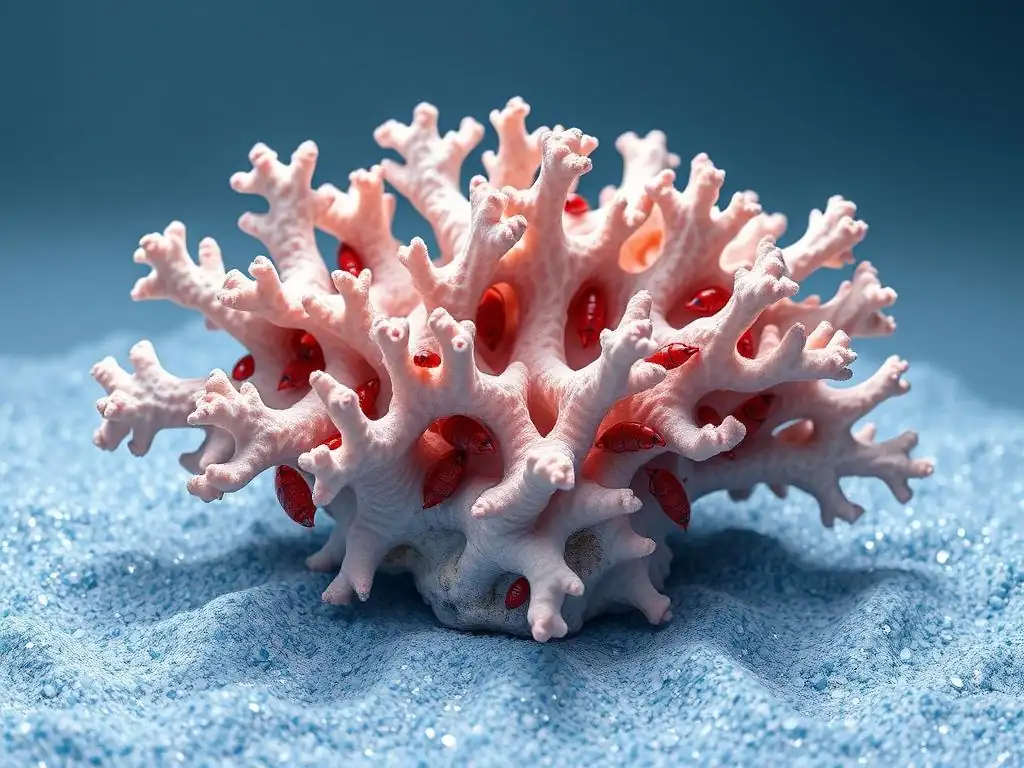
Red Bugs ( Tegastes acroporanus) are another common Acropora-specific pest. These are tiny (around 1mm), reddish-orange copepods that typically infest the coral's branches and polyps. Unlike AEFW, red bugs do not directly consume coral tissue, but they irritate the coral, causing significant stress, reduced polyp extension, faded coloration, and severely stunted growth. They are often difficult to spot with the naked eye, appearing as tiny specks crawling on the coral, but a magnifying glass can confirm their presence.
Managing red bugs, similar to AEFW, often involves specific treatments. Coral dips with products containing Milbemycin Oxime (e.g., Interceptor for Dogs, used off-label) are highly effective against red bugs and are often administered as a whole-tank treatment due to the pests' mobility. A single treatment can often eradicate an infestation.
However, it's crucial to follow precise dosing instructions and understand the risks, as these medications can be harmful to other crustaceans (e.g., shrimp, crabs) in the tank. Post-treatment, a large water change and carbon dosing are often recommended to remove residual medication, making it an essential part of Acropora recovery tips saltwater.
Disease and Bacterial Infections in Acropora
Recognizing Signs of Bacterial Infections
Bacterial infections can rapidly devastate Acropora colonies, often appearing as distinct forms of tissue necrosis. Rapid Tissue Necrosis (RTN) is the most dramatic and feared form, characterized by the sudden, often overnight, sloughing of coral tissue, leaving behind a stark white skeleton. The tissue may appear to melt away, sometimes with a clear line of demarcation between healthy and dying tissue. Slow Tissue Necrosis (STN), while less aggressive, is equally concerning, presenting as a gradual recession of tissue, typically starting from the base of the coral and progressing upwards over days or weeks.
Other signs of bacterial issues can include fuzzy white patches, often indicative of a secondary fungal or bacterial infection, or a general dulling of the coral's vibrant colors followed by localized tissue loss. These infections are often opportunistic, taking hold when corals are already stressed by poor water quality, inadequate flow, or physical damage. Early identification is key, as these infections can spread quickly within a coral colony and even to neighboring corals, making prompt intervention a critical Acropora recovery tips saltwater strategy.
Treatment Options for Acropora Diseases
Treating bacterial infections in Acropora requires swift and sometimes aggressive action. For localized STN, fragging off the healthy portion of the coral, ensuring a clean cut well above the affected area, can save the remainder of the colony. The infected frag should then be discarded or isolated. For more widespread infections or RTN, immediate dips in solutions containing antibiotics like Furan-2 or Ciprofloxacin (used off-label, with extreme caution and research) can sometimes halt the progression. These dips are typically short (5-15 minutes) and must be performed in a separate container, not directly in the display tank.
Beyond direct treatment, the most effective long-term solution is to address the underlying stressors that weakened the coral in the first place. This includes optimizing water parameters, ensuring adequate flow, and eliminating pests. Improving overall water quality through large, frequent water changes (e.g., 20% every 2-3 days for a week) and enhancing biological filtration can significantly boost the coral's natural immune response. Maintaining stable parameters and a clean environment are the best preventative Acropora recovery tips saltwater against disease.
Acropora Recovery Tips: A Step-by-Step Guide
Step 1: Immediate Action - Stabilizing Water Parameters
Performing Water Changes to Correct Imbalances
When Acropora frags show signs of distress, the first and most immediate action is to assess and stabilize water parameters. If testing reveals imbalances such as elevated nitrates (e.g., above 15 ppm) or phosphates (e.g., above 0.05 ppm), or significant swings in alkalinity, prompt intervention is necessary. Performing small, frequent water changes is often more beneficial than one large, drastic change, as it minimizes further shock to already stressed corals. For instance, initiating a series of 10-15% water changes every 2-3 days for a week can gently reduce pollutant levels and help reset parameters.
Always use high-quality RODI (Reverse Osmosis Deionized) water and a reputable salt mix to ensure the new water matches the desired parameters as closely as possible. Pre-mixing and aerating the saltwater for at least 24 hours before use can help stabilize its pH and dissolve all components. For example, if your nitrates are at 25 ppm, a 15% water change will reduce them to approximately 21.25 ppm, and repeating this over several days will gradually bring them down to safer levels without causing additional stress. These consistent water changes are vital Acropora recovery tips saltwater for a swift turnaround.
Adjusting Alkalinity, Calcium, and Magnesium Levels
After water changes, focus on fine-tuning alkalinity, calcium, and magnesium. These parameters are crucial for Acropora calcification and overall health. Test these levels daily during the recovery phase using precise test kits (e.g., Hanna Checkers for alkalinity and phosphate, Salifert for calcium and magnesium). If alkalinity is low (e.g., 6.5 dKH), raise it slowly, by no more than 0.5-1.0 dKH per day, using a balanced two-part solution or kalkwasser. Rapid increases can induce further stress or even cause precipitation.
Similarly, if calcium is below 400 ppm, gradually raise it to the optimal 420-450 ppm range, again, avoiding large daily swings. Magnesium should be maintained between 1250-1350 ppm, as it helps stabilize alkalinity and calcium. For example, if your magnesium is at 1100 ppm, aim to raise it by 50 ppm per day until it reaches the target range. Consistent, slow adjustments are key. Automated dosing systems can be invaluable in maintaining stability once optimal levels are reached, but manual dosing and vigilant testing are essential components of these Acropora recovery tips saltwater during a crisis.
Step 2: Optimizing Lighting and Flow for Acropora Revival
Gradually Adjusting Light Intensity
If light burn or insufficient light is suspected as the cause of distress, adjusting light intensity is a critical step in Acropora recovery. If the coral shows signs of bleaching or crispiness (light burn), immediately lower the coral's position in the tank or dim your lights by 10-20%. Monitor the coral's response over the next few days. If improvement is observed (e.g., polyps start extending, color stabilizes), maintain this lower intensity for a week before gradually increasing it by 5% increments over several weeks.
Conversely, if the coral is pale or browning due to too little light, slowly increase light intensity by 5-10% weekly, or gently move the coral to a higher PAR area. Always observe the coral closely for any signs of stress during these adjustments. Using a PAR meter to measure light levels at the coral's position can provide objective data for precise adjustments, ensuring the coral receives the optimal amount of light for recovery and growth, making this a vital part of Acropora recovery tips saltwater.
Fine-Tuning Flow Rates for Improved Circulation
Adequate and turbulent flow is paramount for Acropora recovery. If detritus is accumulating on the coral or tissue recession is starting from the base, it's a strong indication of insufficient flow. Re-evaluate your powerhead placement to eliminate dead spots and ensure all surfaces of the coral are gently swayed by the current. Consider adding an additional powerhead or repositioning existing ones to create more chaotic, non-laminar flow patterns. Aim for the polyps to extend and gently wave, rather than being constantly blasted or remaining completely still.
If flow seems excessive, causing the polyps to remain retracted or the coral to appear "blasted," reposition the powerheads to direct flow away from the coral, or reduce the intensity if your pumps have adjustable settings. The goal is to provide consistent, varied water movement that delivers nutrients and removes waste without causing physical stress. Observing the movement of detritus and the coral's polyp extension are the best visual cues for fine-tuning flow rates, a practical element of Acropora recovery tips saltwater.
Step 3: Addressing Pest Infestations and Diseases
Implementing Effective Pest Control Measures
If pests like Acropora Eating Flatworms (AEFW) or Red Bugs are identified, immediate and targeted action is crucial for Acropora recovery. For AEFW, remove the affected frag and perform a dip using a dedicated coral dip product, ensuring the dip solution reaches all crevices. Follow the dip with a thorough rinse in tank water.
Since AEFW eggs are resistant to dips, a multi-dip protocol is essential: dip the frag every 5-7 days for 4-6 weeks to break the life cycle by killing newly hatched worms before they can lay eggs. Manual removal of visible eggs with a fine brush or razor blade can also aid eradication.
For Red Bugs, a whole-tank treatment with an appropriate medication (e.g., Milbemycin Oxime, used off-label) is often recommended due to their mobility. Before administering any medication to the display tank, research its potential impact on other invertebrates (shrimp, crabs) and beneficial bacteria. Always follow precise dosing instructions and perform a large water change (e.g., 20-30%) and carbon dosing 24-48 hours after treatment to remove residual medication. These aggressive pest control measures are non-negotiable Acropora recovery tips saltwater when dealing with infestations.
Administering Appropriate Medications
When bacterial infections like RTN or severe STN are evident, administering appropriate medications can be a last resort for Acropora recovery. For localized STN, the most effective strategy is often to frag the healthy portion of the coral, making a clean cut well above the receding tissue line. The infected portion should be discarded to prevent further spread. For widespread or rapidly progressing infections, short-term dips in an isolated container using broad-spectrum antibiotics like Furan-2 or Ciprofloxacin (used off-label and with extreme caution) may be considered.
These antibiotic dips are potent and carry risks, so they should only be used after extensive research and understanding of their implications. They are not a cure-all and can also negatively impact beneficial bacteria. After any medicinal dip, return the coral to a stable, optimized environment to support its natural healing. The focus should always be on improving water quality and environmental conditions, as a healthy, robust coral is far more resilient to opportunistic infections, making prevention the best Acropora recovery tips saltwater.
Step 4: Providing Nutritional Support for Acropora Recovery
Target Feeding Acropora Frags
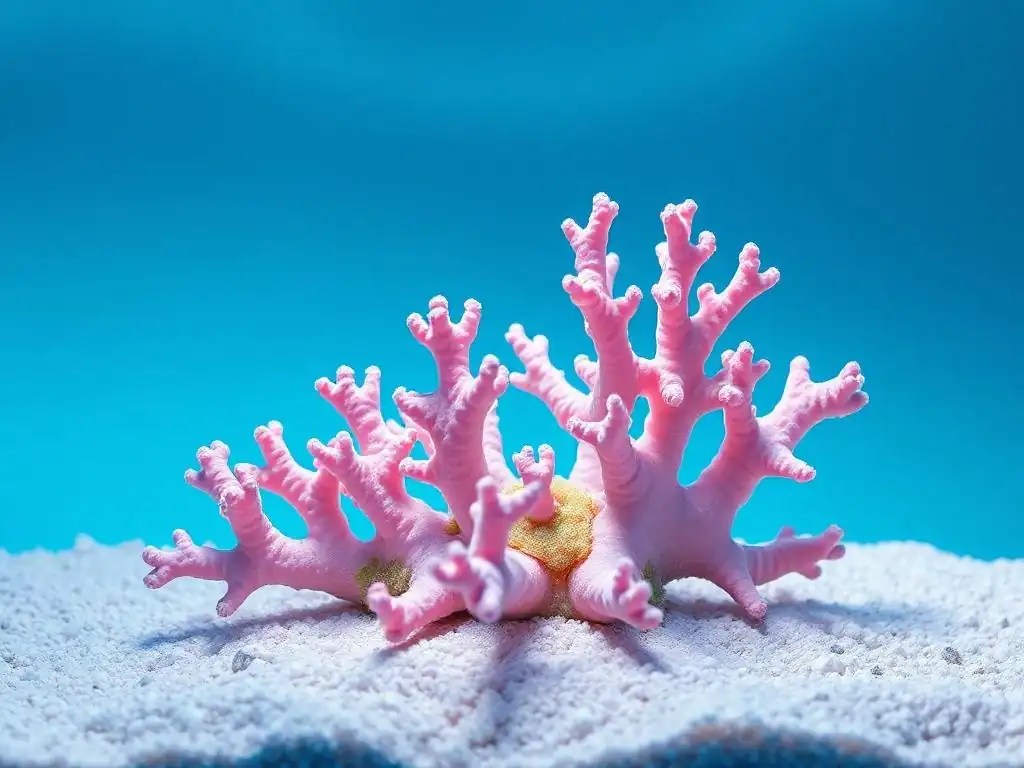
While Acropora primarily derive energy from photosynthesis by their symbiotic zooxanthellae, providing supplemental nutrition through target feeding can significantly aid in their recovery, especially when stressed. Stressed corals may have reduced zooxanthellae populations or diminished photosynthetic capabilities. Fine particulate foods, such as phytoplankton, zooplankton, or amino acid-enriched coral foods (e.g., Reef-Roids, Polyp Lab's Reef-Roids), can be directly consumed by the coral polyps, providing readily available energy.
Target feeding should be done sparingly, perhaps 1-2 times per week during the recovery phase, preferably when the tank lights are dim or off, as polyps are often more extended then. Use a turkey baster or pipette to gently direct a small amount of food towards the coral's polyps. Avoid overfeeding, as this can quickly foul the water and lead to secondary issues like elevated nitrates and phosphates, which would undermine other Acropora recovery tips saltwater.
Utilizing Amino Acids and Trace Elements
Beyond direct feeding, supplementing with amino acids and essential trace elements can accelerate Acropora recovery and enhance coloration. Amino acids are the building blocks of proteins and can be directly absorbed by corals, providing energy and supporting tissue repair and growth. Many commercial amino acid supplements are available and should be dosed according to manufacturer instructions, typically daily or a few times per week.
Trace elements like iodine, strontium, potassium, and iron are vital for various biological processes in corals, including calcification, enzyme function, and coloration. These elements are continuously depleted in a reef tank as corals grow and are removed by protein skimmers and carbon filtration. During recovery, ensuring adequate levels of these elements can support the coral's metabolic processes.
However, over-dosing can be detrimental, so always follow recommended dosages based on your tank volume and coral density, and consider testing for key trace elements if you suspect deficiencies. This comprehensive nutritional support is a key component of effective Acropora recovery tips saltwater.
Step 5: Monitoring and Observation During the Recovery Process
Regularly Inspecting Acropora for Signs of Improvement
Consistent and detailed monitoring is paramount during the Acropora recovery process. Daily inspection of your distressed frags for subtle signs of improvement is crucial. Look for indicators such as increased polyp extension, particularly during the day, which suggests the coral is becoming more comfortable and actively photosynthesizing. Observe the color: is the coral starting to regain its original vibrancy, or is the paling/browning stabilizing? New growth tips, often appearing as lighter-colored or translucent areas at the branch ends, are definitive signs of recovery and active calcification.
Taking daily or weekly photographs of the affected coral from the same angle can create a visual timeline, allowing you to objectively track progress over time. This helps in identifying whether your Acropora recovery tips saltwater interventions are having the desired effect or if further adjustments are needed. Patience is key; Acropora recovery can take weeks to months, and setbacks can occur, so continuous vigilance is required.
Tracking Water Parameters and Making Necessary Adjustments
Beyond visual inspection, rigorous tracking of water parameters remains critical throughout the recovery period. Continue to test alkalinity, calcium, magnesium, nitrates, and phosphates regularly—daily for alkalinity, and at least weekly for the others. Maintain a log of your test results and any adjustments made. This data will help you understand the coral's consumption rates and identify any new imbalances before they become problematic.
Based on the test results, make necessary adjustments to your dosing regimen for alkalinity, calcium, and magnesium, ensuring stability. If nitrates or phosphates begin to climb again, consider increasing water change frequency or reviewing your feeding practices and filtration. The goal is to maintain the most stable and optimal environment possible, as consistency in water chemistry is arguably the single most important factor for long-term Acropora health and successful Acropora recovery tips saltwater.
Long-Term Acropora Care: Preventing Future Setbacks
Maintaining Stable Water Chemistry for Sustained Growth
The cornerstone of long-term Acropora success is unwavering water chemistry stability. Wild Acropora thrive in environments where parameters like salinity, temperature, alkalinity, calcium, and magnesium fluctuate minimally. In a closed aquarium system, this means striving for daily consistency. Investing in automated dosing systems for alkalinity, calcium, and magnesium can provide precise, continuous replenishment, preventing the daily swings that manual dosing can sometimes introduce. Many successful SPS aquarists maintain alkalinity within a tight window, for example, 8.0-8.5 dKH, with minimal daily variation (e.g., less than 0.2 dKH).
Beyond automated dosing, a consistent water change schedule is vital. Regular water changes (e.g., 10-15% bi-weekly) replenish trace elements, dilute accumulated pollutants, and help maintain overall water quality. Using a high-quality salt mix and ensuring your RODI water is truly zero TDS (Total Dissolved Solids) are non-negotiable. Proactive testing—daily for alkalinity, weekly for calcium, magnesium, nitrates, and phosphates—allows for minor adjustments before issues escalate, preventing the need for extensive Acropora recovery tips saltwater.
Implementing a Consistent Lighting Schedule
A consistent lighting schedule is crucial for the long-term health and vibrant coloration of Acropora. Corals, like plants, rely on a predictable photoperiod to regulate their metabolic processes. Use a reliable timer for your aquarium lights, ensuring they turn on and off at the same time every day. Most Acropora thrive on a 10-12 hour photoperiod, often with a shorter peak intensity period (e.g., 4-6 hours) flanked by gradual ramp-up and ramp-down phases.
Regularly clean the lenses of your light fixtures to maintain optimal PAR output, as salt creep and dust can significantly reduce light penetration over time. Consider replacing LED pucks or T5 bulbs according to manufacturer recommendations, typically every 1-2 years for LEDs and every 6-12 months for T5s, as their spectrum and intensity degrade over time. Consistent light quality and duration minimize stress on the zooxanthellae, contributing to robust Acropora growth and color, thereby preventing common issues that necessitate Acropora recovery tips saltwater.
Ensuring Adequate Flow and Circulation
As Acropora colonies grow, they can alter existing flow patterns within the tank, creating new dead spots or areas of excessive flow. Therefore, ensuring adequate and dynamic flow is an ongoing process in long-term Acropora care. Periodically review your powerhead placement and consider adding or adjusting pumps as your corals mature and occupy more space. Clean powerheads regularly (e.g., monthly) to prevent detritus buildup and maintain their efficiency, as clogged impellers can significantly reduce flow output.
Observe the movement of detritus in your tank and the polyp extension of your Acropora. If detritus settles on the corals or in certain areas of the rockwork, or if polyps appear consistently retracted in specific spots, it indicates a need for flow adjustment. Aim to maintain a chaotic, turbulent flow that gently sways all parts of the Acropora, delivering nutrients and whisking away waste efficiently. This proactive approach to flow management is a fundamental long-term Acropora recovery tips saltwater strategy.
Regular Pest Inspections and Preventative Measures
Preventing pest infestations is far easier than treating them, especially with Acropora. Implement a strict quarantine protocol for all new corals, regardless of their source. A dedicated quarantine tank (QT) for at least 30-60 days allows you to observe new arrivals for signs of pests like AEFW, Red Bugs, or nudibranchs, and to administer preventative dips or treatments without risking your main display tank. Many aquarists dip all new corals, even if from a reputable source, before placing them in the QT.
Regularly inspect your existing Acropora colonies for early signs of pests. Use a magnifying glass if necessary to check for tiny flatworms, copepods, or bite marks. Maintain a diverse cleanup crew, including snails and hermit crabs, which can help consume detritus and nuisance algae, indirectly contributing to a healthier coral environment. Proactive pest management significantly reduces the likelihood of an outbreak that would necessitate extensive Acropora recovery tips saltwater and potentially compromise your entire collection.
Advanced Acropora Care: Beyond the Basics
Understanding the Nitrogen Cycle and its Impact on Acropora
A deep understanding of the nitrogen cycle is foundational for advanced Acropora care. This biological process converts toxic ammonia (from fish waste, decaying food) into nitrite, and then into nitrate, by beneficial bacteria. While ammonia and nitrite are acutely toxic to corals, nitrates, at high concentrations (e.g., above 15-20 ppm), can still negatively impact Acropora by promoting nuisance algae growth, reducing calcification, and causing corals to brown out due to an overabundance of zooxanthellae.
Advanced aquarists often aim for very low nitrate levels (e.g., 1-5 ppm) and minimal to undetectable phosphates (e.g., 0.02-0.04 ppm) to achieve vibrant coloration and optimal growth. This is achieved through robust biological filtration (live rock, refugiums), efficient protein skimming, regular water changes, and careful feeding. Some even employ advanced techniques like carbon dosing (e.g., vinegar, vodka, biopellets) to encourage bacterial consumption of nitrates and phosphates, thereby enhancing coral health and color, which are key Acropora recovery tips saltwater at an advanced level.
The Role of Trace Elements in Acropora Coloration and Growth
Beyond the main parameters (alkalinity, calcium, magnesium), trace elements play a subtle yet significant role in Acropora health, growth, and particularly, coloration. Elements like Potassium (K), Iodine (I), Strontium (Sr), Boron (B), and various heavy metals are consumed by corals in minute quantities but are vital for specific metabolic functions and pigment production. For instance, Potassium is often linked to the enhancement of blue and purple pigments in Acropora, while Iron can influence green coloration.
In densely stocked SPS tanks, these trace elements can be rapidly depleted. Advanced aquarists often supplement specific trace elements based on ICP-OES (Inductively Coupled Plasma Optical Emission Spectrometry) water tests, which provide a precise breakdown of over 30 elements in the tank water. This allows for targeted dosing to correct deficiencies, rather than broad-spectrum supplementation, which can lead to imbalances. Understanding and managing these trace elements is a hallmark of truly advanced Acropora husbandry and can elevate Acropora recovery tips saltwater to a new level.
Specific Acropora Species Care Requirements: Acropora millepora, Acropora tenuis, and Acropora valida
While general care guidelines apply, different Acropora species have nuanced preferences. Acropora millepora, known for its "fuzzy" appearance due to long polyp extension and often vibrant colors (reds, oranges, greens), generally prefers moderate to strong flow and moderate to high PAR (e.g., 250-400 PAR). It can be somewhat sensitive to sudden swings in water parameters, particularly alkalinity.
Acropora tenuis is highly popular for its rapid growth and wide array of intense colors, from blues and purples to greens and yellows. This species typically thrives in strong, turbulent flow and higher PAR levels (e.g., 350-500 PAR), often showing its best coloration under intense lighting. It's a fast calcifier and can quickly deplete calcium and alkalinity, requiring consistent dosing.
Acropora valida, often referred to as a "bird's nest" type Acropora, is generally considered more forgiving than some other Acropora species, making it a good choice for those transitioning to SPS. It can tolerate a wider range of conditions, from moderate to high light and flow, and is often more resilient to minor parameter fluctuations. Understanding these species-specific needs allows for more tailored care and more effective Acropora recovery tips saltwater for your particular collection.
Conclusion: Achieving Thriving Acropora in Your Saltwater Aquarium.
Frequently Asked Questions
What are the common initial signs that my Acropora frag isn't thriving in my saltwater aquarium?
The initial signs often include a noticeable loss of color, a decline in polyp extension, and sometimes tissue recession at the base of the coral.
What are the most crucial water parameters to monitor for successful Acropora recovery in a saltwater tank?
Maintaining stable alkalinity, calcium, and magnesium levels is critical. Also ensure nitrate and phosphate levels are within the acceptable range for Acropora species.
How important is proper lighting for Acropora recovery, and what type of lighting is recommended?
Adequate and appropriate lighting is paramount. Metal halide, LED, or T5 lighting systems with a suitable spectrum and intensity are generally recommended for optimal photosynthesis.
What specific steps can I take to combat rapid tissue necrosis (RTN) or slow tissue necrosis (STN) in Acropora corals?
Immediate action is crucial, including fragging the healthy tissue above the affected area, improving water flow, and carefully monitoring water parameters to identify and correct any imbalances.
Besides water chemistry and lighting, what other factors can contribute to Acropora setbacks, and how can I address them?
Other factors include pests (like Acropora-eating flatworms), parasites, and aggressive tankmates. Quarantine new corals, treat for pests, and ensure compatibility among all inhabitants to minimize stress on the Acropora.
Final Reflection: Nurturing Reef Resilience
The challenges faced in maintaining a thriving Acropora reef, as we've explored, are a microcosm of the larger environmental battles we face today. Understanding the delicate balance of a saltwater ecosystem and the specific needs of Acropora corals is not just about keeping a beautiful tank; it's about fostering a deeper appreciation for the interconnectedness of life and the importance of responsible stewardship. The lessons learned in troubleshooting Acropora setbacks translate directly to our understanding of broader ecological issues, demanding a proactive and informed approach to conservation.
The journey of reviving a struggling Acropora frag is a powerful metaphor for resilience itself. It reminds us that even in the face of adversity, with careful observation, informed action, and unwavering dedication, recovery is possible. This principle extends far beyond the confines of a reef tank, influencing how we approach personal challenges and societal problems. As Sylvia Earle so eloquently stated, Even if you never have the chance to see or touch the ocean, the ocean touches you with every breath you take, every drop of water you drink, every bite you consume. Everyone, everywhere is inextricably connected to and utterly dependent upon the existence of the sea.
So, let us carry the patience and dedication required for Acropora recovery into our daily lives. Let us be mindful of the impact our actions have on the delicate ecosystems around us, both seen and unseen. Consider how you can apply the principles of observation, adaptation, and persistent care, not only to your reef tank but also to the broader world, fostering resilience and promoting a healthier future for all. The health of our planet, like the health of our Acropora, depends on our collective commitment to understanding, protecting, and nurturing the delicate balance of life.
Revive Your Reef: Ignite Acropora Growth Now!
Thank you for diving deep into the world of Acropora care. We hope this article has empowered you with the knowledge to diagnose and correct the issues hindering your coral's growth. Now, let's put that knowledge into action!
- Immediately implement the most relevant solution from the article for your specific Acropora problem. Don't delay; their health depends on it.
- Document the changes you make and closely monitor your Acropora for signs of improvement over the next week. Take photos to track progress.
- Share your experience! Post photos of your Acropora and the steps you're taking on our Aquarium Mastery forum. What challenges are you facing, and what creative solutions are you trying?