
The Best Soft Corals for Nano Reef Tanks: Big Impact, Small Space

Welcome to Aquarium Mastery!
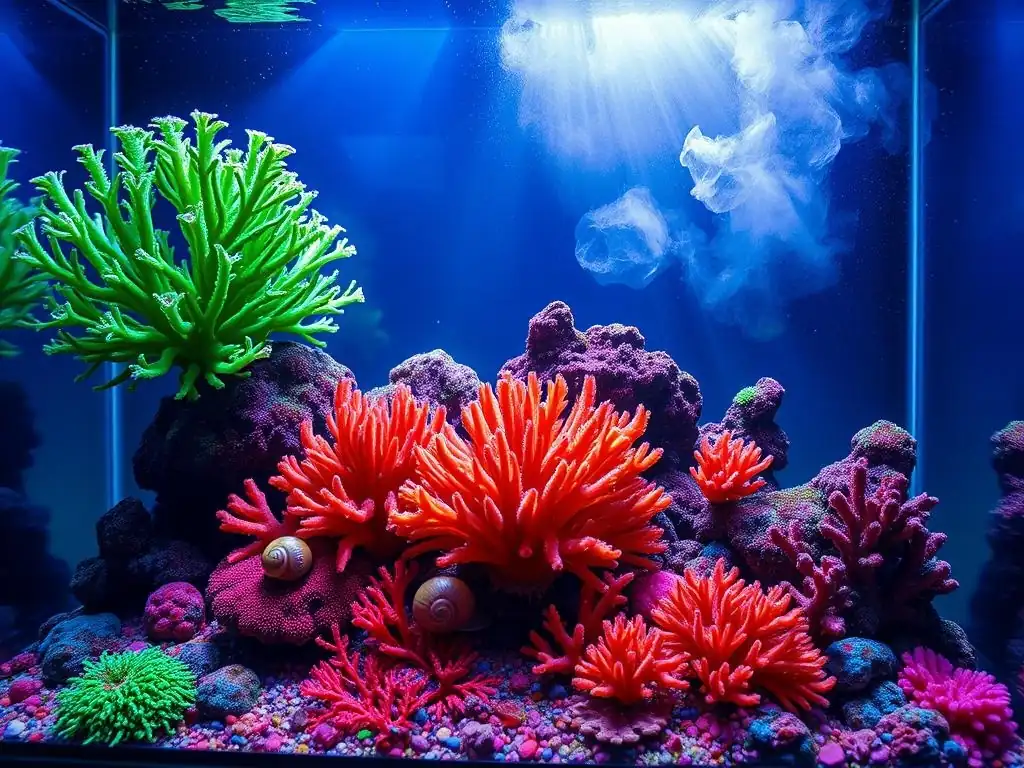
Ever dreamt of a vibrant, thriving reef teeming with life, even in a smaller space? Discover the secrets to nano reef coral selection that will transform your aquarium into a miniature underwater paradise. Dive in and explore our comprehensive guide to the best soft corals for nano reef tanks, and unlock the potential of your little slice of the ocean. Ready to make a big impact with a small footprint? Let's get started!
- Introduction to Nano Reef Aquariums and Coral Selection
- Top Soft Coral Choices for Nano Reefs: A Beginner's Guide
- Considerations for Nano Reef Coral Selection & Compatibility
- Nano Reef Coral Placement and Aquascaping Tips
- Troubleshooting Common Problems in Nano Reef Coral Care
- Conclusion: Achieving a Thriving Nano Reef with Soft Corals
-
Frequently Asked Questions
- What defines a "nano reef tank" and why are certain corals better suited for them?
- Why are soft corals recommended over hard corals for nano reef tanks?
- What are some examples of beginner-friendly soft corals ideal for nano reef tanks?
- How often should I perform water changes in my nano reef tank with soft corals?
- What kind of lighting is necessary for soft corals in a nano reef tank?
- Final Reflection: Cultivating Miniature Oceans
- Ignite Your Nano Reef: Take the Next Plunge!
Introduction to Nano Reef Aquariums and Coral Selection
Understanding the Appeal of Nano Reef Tanks
Nano reef aquariums, typically defined as marine tanks under 30 gallons and often ranging from 10 to 20 gallons, have surged in popularity among aquarists. Their compact size makes them ideal for smaller living spaces, apartments, or offices where larger systems are impractical. Beyond space efficiency, nano tanks offer a lower barrier to entry in terms of initial cost; a basic 10-gallon nano setup might cost between $300-$500, significantly less than the $1000+ investment for a standard 75-gallon reef system.
Despite their small footprint, nano reefs provide a captivating window into the marine world, allowing enthusiasts to create intricate, vibrant ecosystems. They challenge aquarists to master water chemistry and balance a miniature environment. The appeal also lies in the ability to focus on specific, smaller species of fish and invertebrates, creating a highly detailed and intimate display that can be just as rewarding as a larger system.
The Importance of Careful Coral Selection for Nano Reefs
In the confined volume of a nano reef, every inhabitant, especially corals, plays a crucial role in the overall health and aesthetics of the system. Limited space means that aggressive corals, or those with rapid growth rates, can quickly dominate or harm other tank inhabitants. Therefore, meticulous nano reef coral selection is not just about aesthetics but about ensuring long-term compatibility and stability.
Inappropriate coral choices can lead to a cascade of problems, including rapid nutrient accumulation due to excessive coral biomass, chemical warfare between incompatible species, and ultimately, a compromised or failing ecosystem. For instance, a fast-growing SPS coral like an Acropora could quickly outgrow a 10-gallon tank within months, leading to overcrowding and nutrient issues. Thorough research into the adult size, growth patterns, and specific needs of each coral is paramount for successful nano reef coral selection.
Why Soft Corals Thrive in Nano Environments
Soft corals are exceptionally well-suited for nano reef tanks due to several key characteristics that align with the unique challenges of smaller systems. Unlike their stony counterparts (LPS and SPS corals), soft corals do not build calcium carbonate skeletons, which means they are less demanding regarding stable calcium and alkalinity levels. This forgiveness is a significant advantage in nano tanks, where water parameters can fluctuate more rapidly due to the smaller water volume; a 0.5 dKH swing over 24 hours is more likely in a 15-gallon tank than a 150-gallon one.
Furthermore, many soft corals have lower light and flow requirements compared to SPS corals, making them compatible with the less powerful (and often more budget-friendly) lighting and flow equipment typically used in nano setups. Their generally slower growth rates (with exceptions like Xenia) also help prevent rapid overcrowding, making them excellent candidates for thoughtful nano reef coral selection. Their resilience and vibrant colors contribute to a visually stunning and relatively low-maintenance nano reef.
Top Soft Coral Choices for Nano Reefs: A Beginner's Guide
Toadstool Leather Coral (Sarcophyton): A Nano Reef Staple
Toadstool Leather Corals ( Sarcophyton species) are quintessential soft corals and an excellent choice for nano reef coral selection. Recognized by their distinct mushroom-like cap and leathery stalk, they are celebrated for their hardiness and ability to adapt to a wide range of tank conditions. These corals come in various forms, from smooth, flowing caps to intricately convoluted or "finger" varieties, adding unique texture and form to any nano aquascape.
These leathers exhibit a moderate growth rate, with a small frag potentially growing to a diameter of 4-6 inches within a year under optimal conditions. A unique characteristic of Toadstool Leathers is their periodic shedding of a waxy, outer layer. This natural process helps them remove accumulated detritus and algae from their surface, contributing to their relatively low maintenance profile and making them a forgiving option for beginners.
Toadstool Leather Coral Care Tips for Nano Tanks
While forgiving, consistent water parameters are crucial for the long-term health of Toadstool Leather Corals in nano tanks. They thrive in stable salinity levels (1.025-1.026 specific gravity), a temperature range of 76-78°F, and moderate alkalinity (8-10 dKH). Regular replenishment of trace elements, particularly iodine, is beneficial, which can be effectively achieved through consistent water changes. For a nano tank, a weekly 10-20% water change is often recommended to maintain stable chemistry.
Toadstool Leathers are primarily photosynthetic, deriving most of their energy from their symbiotic zooxanthellae. Therefore, direct feeding is generally not necessary. However, they can absorb dissolved organic matter and may benefit from occasional broadcast feeding of fine particulate foods or marine snow, especially in ultra-clean nano systems. Ensuring good, indirect water flow around the coral is also important to prevent detritus from settling on their cap, which can lead to tissue irritation.
Toadstool Leather Coral Placement and Lighting Needs
Proper placement is key for Toadstool Leather Corals in a nano tank to ensure their health and prevent issues with other corals. They should be placed in the mid to upper regions of the tank, typically on live rock, where they receive moderate water flow. It's crucial to provide ample space around them, at least 3-4 inches, as they can release chemical toxins (terpenes) that may irritate or stunt the growth of neighboring corals, especially in the confined space of a nano system.
Regarding lighting, Toadstool Leathers are not overly demanding. Moderate lighting is usually sufficient, with PAR (Photosynthetically Active Radiation) values generally ranging from 75 to 150. Many popular entry-level LED lights designed for nano tanks, such as the AI Prime 16HD or Kessil A80, can provide adequate light for their needs. Too much light can cause them to retract or bleach, while insufficient light may lead to paleness and poor polyp extension.
Mushroom Corals (Discosoma, Rhodactis): Vibrant Color and Easy Care
Mushroom corals, encompassing genera like Discosoma, Rhodactis, and Ricordea, are among the most popular and easiest soft corals for nano reef coral selection. They are highly prized for their incredible diversity of colors, patterns, and textures, ranging from the smooth, often iridescent Discosoma to the bubbly Rhodactis and the unique, textured Ricordea. Their resilience makes them an excellent choice for beginner aquarists.
These corals propagate easily through budding or splitting, allowing a single polyp to quickly multiply into a vibrant colony that adds significant visual impact to a small tank. They are remarkably tolerant of varying lighting and flow conditions, though they generally prefer lower to moderate levels. Their ability to thrive with minimal intervention and their stunning aesthetic appeal make them a cornerstone of many successful nano reef aquariums.
Mushroom Coral Varieties Ideal for Nano Reefs
For nano reef tanks, a wide array of mushroom coral varieties are suitable. Discosoma mushrooms are perhaps the most common, available in striking reds, blues, greens, and browns, often with contrasting patterns. Rhodactis species, such as the "hairy" or "Superman" varieties, offer more textured and often multi-colored options. Ricordea florida are particularly sought after for their vibrant, often fluorescent vesicles and unique coloration, though they can be more expensive, ranging from $30-$80 per polyp for desirable morphs.
When making your nano reef coral selection, consider the mature size and spread of mushroom corals. While generally peaceful, some varieties can "walk" or detach, potentially settling in undesirable locations or overshadowing smaller corals. Smaller varieties or those that tend to stay put are often preferred for very compact nano setups, allowing for better control over the aquascape.
Optimizing Water Parameters for Mushroom Coral Growth
Mushroom corals are less demanding than many other coral types, making them forgiving for nano tank environments. They thrive in stable salinity (around 1.025 SG) and temperature (76-78°F). While they can tolerate slightly elevated nutrient levels, maintaining low to moderate nitrates (under 10 ppm) and phosphates (under 0.05 ppm) is ideal for optimal health and color. Regular 10-15% weekly water changes are usually sufficient to replenish trace elements and export waste.
Although primarily photosynthetic, mushroom corals can also absorb dissolved organic matter directly from the water column and will readily consume small particulate foods. Target feeding with microplankton or finely crushed flake food once or twice a week can significantly enhance their growth rate and intensify their coloration, especially in very clean nano systems where natural food sources might be limited.
Zoanthids (Zoanthus): A Colorful Carpet for Your Nano Reef
Zoanthids ( Zoanthus species) are small, colonial polyps renowned for their extraordinary diversity of colors and patterns, making them an essential component of nano reef coral selection. They grow by forming new polyps, eventually creating a dense, vibrant mat or "carpet" over rockwork. Popular varieties like "Blue Hornets," "Rastas," "Utter Chaos," and "Nuclear Greens" demonstrate the astounding range of hues available.
These polyps are generally hardy and adaptable, tolerating a broad spectrum of lighting and flow conditions. A single frag containing 5-10 polyps can rapidly expand to cover several square inches within a few months under favorable conditions. Their small stature allows them to fill in intricate gaps within the aquascape, adding incredible detail and intense pockets of color to a nano reef system.
Zoanthid Color Morphs and Considerations for Nano Aquariums
The world of zoanthid color morphs is vast, with hundreds of named varieties, each offering unique combinations of colors on their skirts, mouths, and bodies. When choosing zoanthids for a nano tank, consider how their colors will complement the existing livestock and overall aesthetic. Morphs like "Nuclear Green" or "Watermelon" polyps exhibit intense fluorescence under actinic lighting, creating a spectacular glow.
It's important to note that some zoanthids, particularly Palythoa species (often mistaken for Zoanthus), contain palytoxin, a potent neurotoxin. While the risk is low with normal handling, caution is always advised. Always wear gloves and eye protection when fragging or handling large colonies, especially when out of water, and ensure good ventilation. This awareness is a crucial part of responsible nano reef coral selection.
Preventing Zoanthid Pests in Nano Reef Systems
Zoanthids can be susceptible to specific pests, including zoanthid-eating nudibranchs, sundial snails, and Palythoa-eating spiders. Proactive measures are crucial in a nano tank to prevent infestations from overwhelming the system. Thoroughly inspecting any new coral frags before introduction is paramount, and a prophylactic dip in a coral dip solution (e.g., Coral Rx, Revive) can help eliminate potential hitchhikers. Quarantining new additions for 2-4 weeks is the best defense.
Should an infestation occur, manual removal of visible pests is often the first step. For more severe cases, targeted dips or even the removal of the affected frag may be necessary to prevent the spread in the confined nano environment. Maintaining excellent water quality and providing optimal conditions also helps strengthen the corals' natural resistance to pests and diseases.
Xenia (Pulsing Xenia): Adding Movement to Your Nano Tank
Pulsing Xenia, primarily Xenia elongata or Xenia umbellata, is a unique and captivating soft coral known for its rhythmic, pulsating motion, which adds dynamic movement to any nano reef. It is a relatively easy-to-care-for soft coral that can thrive in a broad spectrum of conditions, making it a popular nano reef coral selection for aquarists seeking visual interest and activity in their small tanks.
Xenia is particularly known for its rapid growth rate, especially under ideal conditions. A small frag can quickly colonize a significant portion of the tank within just a few months, sometimes growing 1-2 inches per week. While this rapid proliferation can be desirable for quickly filling out a tank, it also necessitates careful management to prevent it from overgrowing and outcompeting other, slower-growing corals in a confined nano system.
Controlling Xenia Growth in Small Reef Systems
Due to its aggressive growth rate, Xenia can quickly become a "weed" in a nano tank if left unchecked, potentially smothering slower-growing corals by shading them and competing for nutrients. The best strategy is to place Xenia on an isolated rock or frag plug that can be easily removed or pruned. Regularly fragging or trimming excess Xenia is absolutely essential to keep its growth in check and maintain balance within the small reef system.
Some aquarists utilize herbivorous snails, such as Astrea snails, or certain cleaner fish to help manage algae, which can indirectly limit Xenia's rapid spread by reducing available nutrients. However, direct manual control through consistent pruning remains the most effective method for managing Xenia's prolific growth in a nano tank. This proactive approach ensures it remains a beautiful addition rather than an invasive problem.
Xenia Placement and Flow Requirements
Xenia generally prefers moderate to high water flow, which encourages its characteristic pulsing motion and helps deliver food particles to its polyps. Aim for turbulent, indirect flow rather than direct laminar flow, which can cause the polyps to retract or even damage them. Placing Xenia in an area with good water movement also helps prevent detritus from accumulating on its surface, which can lead to tissue irritation.
In terms of lighting, Xenia is not overly demanding; moderate lighting (PAR values typically between 50-150) is usually sufficient. Too intense light can cause it to shrink, lose its pulsing behavior, or even bleach. It is often placed in the mid to upper regions of the tank, depending on the overall lighting intensity. Ensure it has enough space so it doesn't shade or sting other, more sensitive corals.
Clove Polyps (Clavularia): A Hardy and Forgiving Option
Clove Polyps ( Clavularia species) are beautiful, colonial soft corals that are an excellent and often overlooked choice for nano reef coral selection. They are characterized by their individual polyps, which extend from an encrusting, mat-like base. These polyps come in a range of colors, including various shades of green, purple, and brown, often with contrasting centers, adding intricate texture and vibrant color to the aquascape.
Clove Polyps are incredibly hardy and forgiving, making them an ideal option for beginner aquarists or those managing smaller, potentially less stable nano systems. They can tolerate a wide range of water parameters and are generally peaceful, though their ability to spread rapidly across rockwork means their growth needs to be managed in a confined space.
Clove Polyp Care and Propagation in Nano Reefs
Clove Polyps thrive in stable conditions but are tolerant of minor fluctuations, making them well-suited for nano tanks. Ideal parameters include stable salinity (1.025-1.026 SG), temperature (76-78°F), and moderate alkalinity (7-9 dKH). While primarily photosynthetic, they will benefit from occasional feeding of fine particulate foods like marine snow or phytoplankton, which can enhance their polyp extension and coloration.
Propagation of Clove Polyps is straightforward: simply cut a section of the encrusting mat with several polyps attached and glue it to a new frag plug or piece of live rock. Because they spread by encrusting over surfaces, placing them on an isolated piece of rock or an "island" in your nano tank can help contain their growth and prevent them from overrunning other corals.
Enhancing Clove Polyp Coloration in Nano Tanks
To bring out the most vibrant colors in Clove Polyps, provide moderate lighting (PAR values typically ranging from 80-200). Consistent water quality, achieved through regular water changes (e.g., 10% weekly for a nano tank), is also crucial, as this replenishes essential trace elements like iodine and strontium that contribute to better polyp extension and overall health.
Moderate water flow is beneficial for Clove Polyps, as it helps keep their polyps extended and free of detritus, ensuring they can efficiently photosynthesize and feed. Avoid excessively strong, direct flow, which can cause them to retract and appear stressed. A varied diet of phytoplankton or marine snow, even if only occasionally, can also significantly contribute to their overall health and the intensity of their coloration.
Considerations for Nano Reef Coral Selection & Compatibility
Understanding Coral Aggression in Nano Reef Tanks
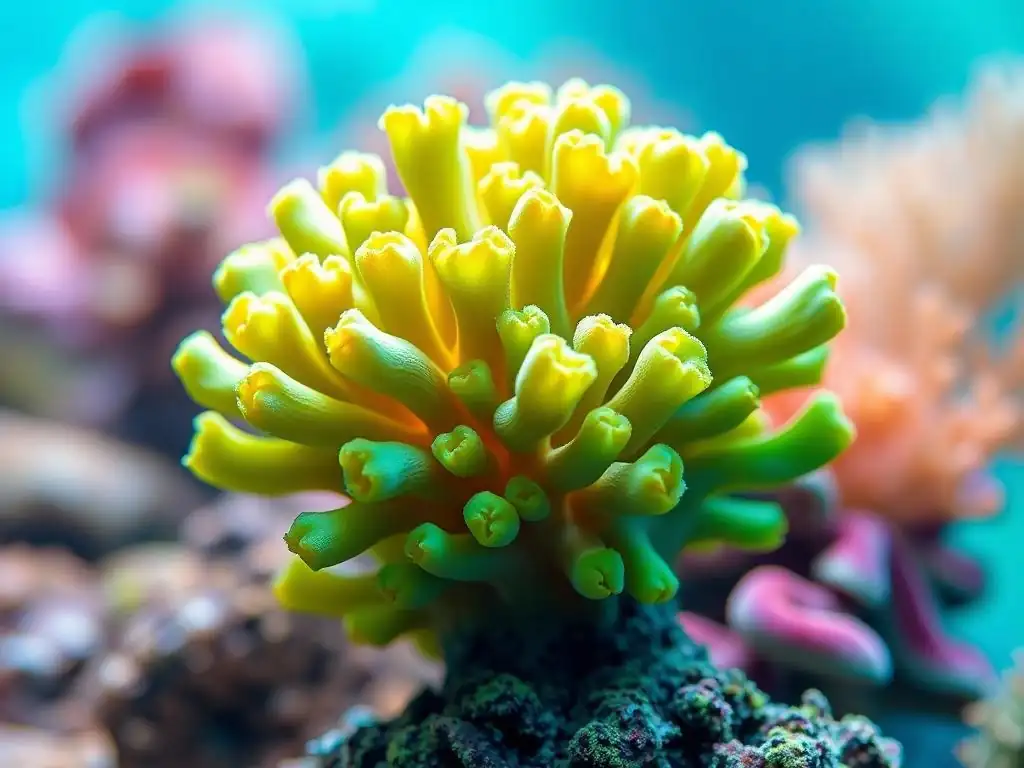
In the limited confines of a nano reef tank, understanding and managing coral aggression is paramount. While soft corals are generally considered less aggressive than many LPS (Large Polyp Stony) or SPS (Small Polyp Stony) corals, some softies can still release chemical toxins, known as terpenes, or grow over and smother their neighbors. For instance, a mature Toadstool Leather coral can release allelopathic chemicals that may irritate or stunt the growth of other nearby corals, especially in a small, enclosed system.
Careful planning of your aquascape is crucial to provide adequate spacing between different coral types, even within the soft coral family. A minimum of 2-3 inches of clear separation is often recommended for soft corals, but more space should be allotted for larger species or those known for chemical aggression. Observing interactions closely and being prepared to relocate corals if signs of stress or chemical warfare appear is an essential aspect of successful nano reef coral selection and long-term tank health.
Maintaining Water Quality for Optimal Coral Health
Water quality is the single most critical factor for the success of any reef tank, and even more so for nano reefs due to their small water volume, which makes them highly susceptible to rapid parameter swings. Elevated levels of nitrates (above 20 ppm) and phosphates (above 0.1 ppm) are common culprits for algae outbreaks and coral stress in nano systems. Regular and accurate monitoring of water parameters with reliable test kits is absolutely essential.
While soft corals are often more tolerant of fluctuating water parameters than SPS corals, and some even prefer slightly "dirtier" water (meaning low levels of nitrates and phosphates, e.g., nitrates 5-15 ppm, phosphates 0.03-0.08 ppm), consistently high levels will still lead to issues. Problems such as stunted growth, tissue recession, or even bacterial infections like brown jelly disease can arise from prolonged poor water quality, impacting your nano reef coral selection's vibrancy and health.
The Role of Water Changes in Nano Reef Coral Care
Water changes are the cornerstone of effective nano reef maintenance and are arguably the most important routine task. For a 10-20 gallon nano tank, a weekly water change of 10-20% is highly recommended. This consistent practice serves multiple vital functions: it replenishes essential trace elements (such as iodine, magnesium, and calcium) that corals consume, and simultaneously removes accumulated nitrates, phosphates, and other metabolic byproducts that can build up quickly in small volumes.
Using high-quality RODI (Reverse Osmosis De-Ionized) water is crucial to prevent the introduction of unwanted contaminants like silicates or phosphates, which can fuel nuisance algae. Furthermore, always mix new saltwater to the correct salinity (1.025-1.026 SG) and temperature (76-78°F) before adding it to the tank. Matching these parameters closely minimizes stress on your corals and other inhabitants during the water change process.
Testing and Adjusting Water Parameters for Soft Corals
Regular testing of key water parameters is non-negotiable for a thriving nano reef, even with hardy soft corals. The most important parameters to monitor include: Salinity (1.025-1.026 SG), Temperature (76-78°F), Alkalinity (7-10 dKH), Calcium (380-450 ppm), Magnesium (1250-1350 ppm), Nitrates (0-20 ppm), and Phosphates (0-0.1 ppm). While soft corals are generally more forgiving of minor fluctuations, maintaining stability within these ranges is always best.
If parameters deviate significantly, adjustments should be made slowly and cautiously. For example, if alkalinity drops, consider increasing the frequency or volume of water changes, or if necessary, use a two-part dosing solution, but never increase alkalinity by more than 0.5 dKH per day to avoid shocking your corals. Gradual changes are essential to prevent stress and ensure the long-term health of your nano reef coral selection.
Lighting Requirements for Soft Corals in Nano Reefs
Most soft corals are photosynthetic, relying heavily on light to fuel their symbiotic zooxanthellae and provide the majority of their energy requirements. However, their lighting needs are generally much lower and more forgiving compared to SPS or even many LPS corals. This characteristic makes them particularly suitable for nano tanks, which often utilize less powerful and more affordable lighting systems.
Insufficient light can manifest as paleness, lack of polyp extension, or stunted growth in soft corals. Conversely, too much light can lead to bleaching (where the coral expels its zooxanthellae and turns white), retraction, or even tissue necrosis. Observing your corals' behavior and appearance is key to understanding if the lighting is appropriate for your specific nano reef coral selection.
Choosing the Right Lighting System for Your Nano Tank
For nano tanks typically up to 20 gallons, several excellent LED fixtures are available that can provide adequate PAR (Photosynthetically Active Radiation) for most soft corals, generally ranging from 50 to 200 PAR. Popular choices include the AI Prime 16HD, Kessil A80, or certain Fluval Marine & Reef LED lights. When making your nano reef coral selection, consider fixtures that offer controllable spectrums, allowing you to fine-tune the light for optimal coral health and enhanced coloration.
A common mistake in nano tanks is over-lighting. It's always best to start with a lower intensity setting (e.g., 50-60% of maximum) and gradually increase it over several weeks, observing your corals' response. While a PAR meter can provide precise measurements, visual cues such as good polyp extension, vibrant coloration, and consistent growth are often sufficient indicators of appropriate lighting for soft corals.
Acclimating Corals to New Lighting Conditions
Proper acclimation to new lighting conditions is vital when introducing new corals or upgrading your existing lighting system. When adding new corals, initially place them lower in the tank or in a shaded area for a few days, allowing them to gradually adjust to your tank's light intensity. Slowly move them to their desired, brighter location over the course of a week or two.
If you are upgrading your lighting system, significantly reduce the intensity (e.g., to 50% or even lower) for the first week. Then, slowly ramp up the intensity by 5-10% each week until the desired PAR level is reached. Throughout this process, diligently observe your corals for any signs of stress, such as excessive retraction, bleaching, browning, or sliming, which indicate they are receiving too much light too quickly.
Nano Reef Coral Placement and Aquascaping Tips
Creating a Visually Appealing Nano Reef Layout
Aquascaping in a nano tank is an art that requires a minimalist approach and strategic placement of live rock and corals. Utilize live rock to construct interesting structures that include caves, arches, and overhangs, providing varied environments for your corals and any small fish or invertebrates. Aim for an "island" or "bonsai" style layout to maximize open water space, which creates a sense of depth and allows for better water flow around your nano reef coral selection.
Crucially, avoid overcrowding the tank from the outset. Consider the mature size and growth patterns of your chosen corals. Leave ample space for future growth and ensure that water can circulate freely around each coral. A good general guideline is to allow at least 2-3 inches of clear space around soft corals, and even more for species that tend to grow large or release chemical toxins.
Strategic Coral Placement for Optimal Growth and Health
Strategic placement of your nano reef coral selection is vital for their long-term growth and health. Position corals according to their specific light and flow requirements. For example, Pulsing Xenia generally thrives in areas with higher, turbulent flow, while many mushroom corals prefer lower, more gentle flow. Encrusting corals like Clove Polyps or Zoanthids can be placed directly on rockwork, whereas columnar soft corals like Toadstool Leathers require a flat, stable base.
Pay close attention to potential chemical aggression. Even within soft corals, some species can release allelopathic compounds. Place chemically aggressive soft corals (e.g., certain Sarcophyton species) downstream from other, more sensitive corals, or ideally, on isolated pieces of rock to minimize their impact. Good overall water flow throughout the tank also helps to dissipate any released chemicals, reducing their concentration and effect on other inhabitants.
Avoiding Overcrowding in Your Nano Reef Aquarium
Overcrowding is one of the most common pitfalls in nano reef keeping. It leads to numerous problems, including restricted water flow, increased competition for light and essential nutrients, and a rapid accumulation of waste products. These factors combine to stress corals, making them more susceptible to diseases, hindering their growth, and ultimately compromising the stability of the entire system.
To avoid overcrowding, carefully research the adult size and growth rate of each species during your nano reef coral selection process. Be prepared to frag, prune, or even trade corals as they grow to maintain a healthy, balanced ecosystem. Regular pruning of fast-growing soft corals like Xenia is absolutely essential to prevent them from dominating the entire tank and outcompeting other desirable species.
Troubleshooting Common Problems in Nano Reef Coral Care
Identifying and Addressing Coral Bleaching
Coral bleaching, the loss of symbiotic zooxanthellae algae from coral tissues, causes corals to turn pale or stark white. In nano tanks, it is frequently triggered by rapid or extreme changes in environmental conditions. Common culprits include sudden temperature fluctuations (e.g., prolonged temperatures above 82°F or below 72°F), excessive light intensity, or severe water quality issues such as ammonia spikes or prolonged high nitrates.
If coral bleaching is observed, it is critical to identify and address the underlying cause immediately. For light-induced bleaching, reduce the light intensity or move the affected coral to a more shaded area of the tank. For temperature issues, adjust your heater or consider adding a small chiller if necessary. Ensuring stable water parameters through regular, small, frequent water changes can also aid in the coral's recovery by reducing overall stress on your nano reef coral selection.
Dealing with Algae Growth in Nano Reefs
Algae outbreaks are a pervasive problem in nano reef tanks, primarily due to the rapid accumulation of nutrients and potential imbalances in water chemistry. High levels of nitrates (above 20 ppm) and phosphates (above 0.1 ppm) are often the main drivers, leading to the proliferation of nuisance algae such as green hair algae, diatoms (brown film), and cyanobacteria (red slime algae).
To combat algae, the root cause—nutrient imbalance—must be addressed. This involves reducing nutrient input by feeding less, using only RODI water for top-offs and water changes, and ensuring all equipment is clean. Increase nutrient export through more frequent water changes, adding macroalgae like Chaetomorpha to a small refugium (if space allows), or using phosphate-removing media. Additionally, introduce a clean-up crew appropriate for a nano tank, such as various species of snails and hermit crabs.
Managing Pests and Diseases Affecting Soft Corals
While soft corals are generally hardy, they can still be affected by specific pests such as zoanthid-eating nudibranchs, various types of flatworms, and sundial snails. Diseases are less common than with stony corals but can include bacterial infections or brown jelly disease, often triggered by stress from poor water quality, physical damage, or prolonged exposure to high nutrients.
Prevention is the most effective strategy: always quarantine all new corals for at least 2-4 weeks before introducing them to your main display tank, and perform prophylactic dips with a reputable coral dip solution. If pests are discovered, manual removal, targeted dips, or, in some cases, introducing natural predators (if safe for the nano system) may be necessary. For diseases, improving water quality, isolating the affected coral, and maintaining optimal conditions are often the first steps to aid recovery for your nano reef coral selection.
Conclusion: Achieving a Thriving Nano Reef with Soft Corals
Frequently Asked Questions
What defines a "nano reef tank" and why are certain corals better suited for them?
A nano reef tank is generally considered a saltwater aquarium under 30 gallons. Smaller tanks have less stable water parameters, making hardy soft corals a better choice.
Why are soft corals recommended over hard corals for nano reef tanks?
Soft corals are generally more tolerant of fluctuations in water parameters, which are common in nano tanks. They also tend to be less demanding in terms of lighting and water flow.
What are some examples of beginner-friendly soft corals ideal for nano reef tanks?
Good starter corals include zoanthids, mushrooms, and leathers. These corals are relatively easy to care for and can add vibrant color to a small reef.
How often should I perform water changes in my nano reef tank with soft corals?
Regular water changes are crucial for maintaining water quality. Aim for 10-20% weekly water changes to replenish trace elements and remove nitrates.
What kind of lighting is necessary for soft corals in a nano reef tank?
Most soft corals require moderate lighting. LED lighting is a popular choice for nano reefs due to its energy efficiency and ability to provide the necessary spectrum.
Okay, here's a final reflection tailored for your article "The Best Soft Corals for Nano Reef Tanks: Big Impact, Small Space," designed to resonate with readers and encourage further engagement, while also incorporating your specified Markdown formatting and structure:
Final Reflection: Cultivating Miniature Oceans
The journey into nano reef keeping, as we've explored, is a testament to the power of condensed beauty and responsible stewardship. What began as a niche hobby has blossomed into a vibrant community, proving that even the smallest spaces can harbor thriving ecosystems. The careful selection of soft corals, as detailed in this article, is not merely about aesthetics; it's about creating a balanced and sustainable environment within the confines of a nano tank.
This pursuit of miniature oceanic perfection has profoundly influenced how we perceive and interact with the marine world. It's a constant reminder that even seemingly insignificant choices, like the coral we select, can have a ripple effect on the health of our planet. As Jacques Cousteau so eloquently stated, The sea, once it casts its spell, holds one in its net of wonder forever.
This wonder, accessible even in a nano tank, fosters a deeper appreciation for the fragility and resilience of coral reefs worldwide.
Now, as you consider your own nano reef journey, I invite you to reflect on the lessons learned. Don't just choose corals; cultivate an ecosystem. Research, plan, and observe. Embrace the challenges and celebrate the successes. Let your nano reef be a microcosm of the larger world, a constant reminder of the beauty and responsibility that comes with nurturing life, no matter how small.
Ignite Your Nano Reef: Take the Next Plunge!
Thanks for diving deep into the world of nano reef soft corals with us! We hope you’ve uncovered some exciting possibilities for your miniature ecosystem. Now it's time to transform that knowledge into action.
Here's how to get started:
- Immediately identify one coral from this article you'd love to add to your tank and research its specific care requirements. Proper planning is key to a thriving reef!
- Explore local reefing communities and forums to connect with other nano reef enthusiasts. Sharing experiences and tips can be invaluable.
- Consider documenting your reef journey with photos or videos. You might inspire someone else to start their own nano adventure!
What's the most unexpected challenge you anticipate facing as you enhance your nano reef, and what's your plan to overcome it?