
Advanced Flow Patterns: Programming Your Pumps for Dynamic, SPSOptimized Circulation

Welcome to Aquarium Mastery!
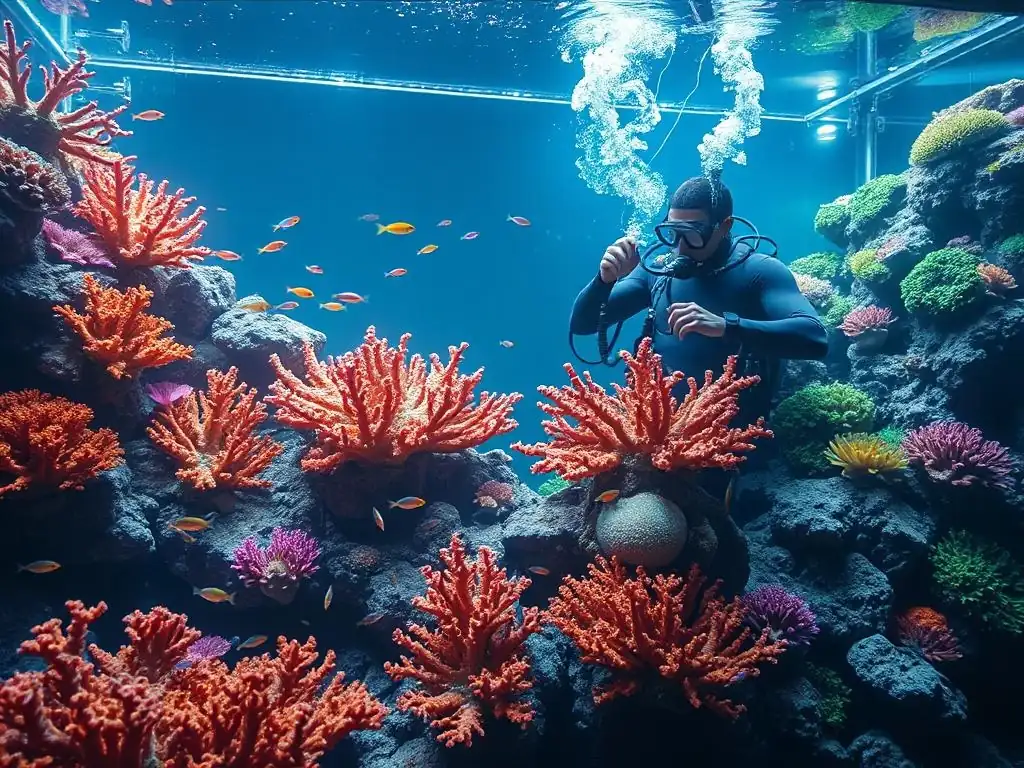
Dive into the fascinating world of reef keeping. Ever wondered how to unlock the true potential of your SPS coral's growth and coloration? This article on SPS tank circulation patterns is your key. Discover how to program your pumps for dynamic flow, creating the perfect environment for vibrant, healthy SPS corals. Let's explore the secrets to optimized circulation and witness the transformation in your reef!
- Understanding the Importance of SPS Tank Circulation Patterns
- Types of Water Pumps for Creating Dynamic SPS Flow
- Key Circulation Patterns for SPS Coral Health
- Programming Your Pumps for Dynamic SPS Circulation
- Advanced Techniques for Optimizing SPS Tank Flow
- Troubleshooting Common SPS Flow Issues
- Maintaining Optimal SPS Circulation
- Achieving Perfect SPS Tank Circulation: A Summary
-
Frequently Asked Questions
- How important is proper circulation in an SPS tank?
- What are some common circulation patterns used in SPS tanks?
- How can I program my powerheads to achieve optimal SPS tank circulation?
- What are the signs of inadequate circulation in an SPS tank?
- How often should I adjust my SPS tank's circulation patterns?
- Final Reflection: Embracing the Rhythms of the Reef
- Unlock Peak SPS Color: Fine-Tune Your Reef Flow!
Understanding the Importance of SPS Tank Circulation Patterns
Why Optimized Flow is Crucial for SPS Coral Health and Growth
Optimized water flow is not merely a recommendation but a fundamental requirement for the thriving health and vibrant growth of Small Polyp Stony (SPS) corals. These sessile organisms, including popular species like Acropora, Montipora, and Seriatopora, rely entirely on the surrounding water for their survival.
Proper SPS tank circulation patterns ensure the continuous delivery of essential nutrients such as dissolved organic matter, trace elements like calcium and alkalinity, and dissolved gases necessary for the metabolic processes of both the coral polyps and their symbiotic zooxanthellae. Without adequate flow, corals can effectively "starve" due to nutrient depletion in their immediate vicinity.
Furthermore, efficient water movement plays a vital role in preventing the accumulation of waste products and detritus on the delicate coral tissues. SPS corals, particularly those with intricate branching structures, are highly susceptible to sedimentation.
A strong, varied flow helps to constantly "wash" the coral, removing mucus, trapped particles, and metabolic waste, which if left to accumulate, can lead to tissue necrosis or bacterial infections. For a healthy SPS dominant tank, a general guideline often suggests achieving a turnover rate of 20 to 40 times the tank volume per hour, ensuring that every part of the coral colony receives fresh, nutrient-rich water.
The Role of Water Movement in Nutrient Delivery and Waste Removal for SPS Corals
The mechanism by which water movement facilitates nutrient delivery is critical for SPS corals. Around any stationary object in water, a "boundary layer" forms, which is a thin layer of water with reduced flow velocity. Within this boundary layer, nutrients can become depleted as the coral consumes them, and waste products can accumulate.
Optimized SPS tank circulation patterns are designed to minimize this boundary layer, allowing for more efficient diffusion and active transport of vital elements like calcium, alkalinity, magnesium, nitrates, and phosphates directly to the coral tissue. This constant replenishment of essential building blocks is paramount for the rapid skeletal growth characteristic of many SPS species.
Conversely, water movement is equally important for waste removal. SPS corals constantly produce a protective mucus layer that traps detritus, microalgae, and other particulate matter. Effective water flow actively carries away this mucus and the trapped waste, preventing it from settling on the coral's polyps or within its branches.
Without this efficient export, detritus can settle at the base of colonies, leading to localized anoxic conditions and tissue loss, a common issue observed in tanks with insufficient SPS tank circulation patterns. This constant flushing action maintains a clean surface for the coral, reducing the energetic cost of shedding waste and allowing the coral to allocate more energy towards growth and coloration.
Inadequate SPS tank circulation patterns can manifest in several detrimental ways, directly impacting the health and aesthetics of your reef. One of the most common issues is the formation of "dead spots"—areas within the aquarium where water movement is minimal or stagnant. These zones become breeding grounds for detritus accumulation, leading to localized nutrient pockets.
This can cause tissue necrosis, often observed as a gradual recession of tissue from the base upwards on branching SPS corals like Acropora or Seriatopora, as the coral effectively suffocates under its own waste. For instance, a 100-gallon SPS tank with poor flow might experience detritus buildup behind a large rock, causing a Montipora capricornis frag placed there to brown out and lose tissue.
Beyond tissue loss, insufficient flow can hinder the uptake of essential nutrients, leading to pale coloration, also known as "bleaching out" from starvation, or significantly slowed growth rates, as corals cannot efficiently absorb the calcium and alkalinity required for calcification. Furthermore, low-flow areas are highly susceptible to the proliferation of undesirable nuisance algae, such as dinoflagellates, cyanobacteria (red slime algae), and hair algae, which thrive on accumulated nutrients and stagnant conditions.
In a typical 75-gallon SPS tank, a temperature differential of 2-3°F between the top and bottom of the tank can even occur if water is not thoroughly mixed by robust SPS tank circulation patterns, further stressing sensitive corals and impacting overall system stability.
Types of Water Pumps for Creating Dynamic SPS Flow
Powerheads: Choosing the Right Powerhead for Your SPS Coral Tank
Powerheads, often referred to as "wave pumps" or "flow pumps" in the modern aquarium hobby, are indispensable tools for generating the internal water movement crucial for SPS tank circulation patterns. These pumps are designed to move large volumes of water with varying flow patterns, from wide, diffuse streams to focused jets.
When selecting powerheads for an SPS coral tank, the primary considerations are the pump's Gallons Per Hour (GPH) rating, its ability to create broad, turbulent flow rather than narrow, high-velocity streams, and its controllability. Pumps like the EcoTech Marine VorTech series or Maxspect Gyre pumps are popular choices due to their high flow rates (e.g., MP40wQD can push up to 4,500 GPH) and advanced control features.
The choice of powerhead also depends on the tank's size and the density of the SPS coral aquascape. For a typical 100-gallon SPS system, aquarists often aim for a total combined flow from powerheads ranging from 2,000 to 4,000 GPH, supplementing the return pump flow. Modern powerheads typically offer controllable speed and a variety of flow modes, allowing for dynamic changes throughout the day.
Features such as magnetic mounts provide flexibility for easy repositioning to optimize SPS tank circulation patterns as corals grow and the aquascape evolves. Investing in quality, controllable powerheads is paramount, as they form the backbone of effective internal water movement for SPS corals.
Wave Makers: Simulating Natural Reef Conditions for SPS
Wave makers are specialized types of powerheads specifically designed to create oscillating, pulsing, or surging water flow, effectively simulating the natural ebb and flow conditions found on a real reef crest. Their importance in creating optimal SPS tank circulation patterns cannot be overstated.
Unlike constant, unidirectional flow, which can stress corals and lead to unnatural, one-sided growth, wave makers provide dynamic, shifting currents that encourage more robust, compact, and balanced growth in SPS corals. This variability is key to preventing corals from adapting to a single flow direction, ensuring all sides of the colony receive adequate nutrient delivery and waste removal.
These devices typically come with advanced controllers that allow for precise programming of flow intensity, pulse duration, and alternating patterns between multiple pumps. For instance, two wave makers placed on opposite ends of a 4-foot SPS tank can be programmed to pulse alternately every 10 to 30 seconds, creating a continuous back-and-forth surge that constantly shifts the water column.
This dynamic environment strengthens the coral's skeletal structure, promotes denser tissue, and prevents detritus from settling in specific areas. Simulating such natural reef dynamics through programmable wave makers is a cornerstone of advanced SPS tank circulation patterns and contributes significantly to the long-term health and vibrant coloration of SPS corals.
Return Pumps: Integrating Return Flow into Your SPS Circulation Strategy
While the primary function of a return pump is to move filtered water from the sump back into the display tank, its output can and should be strategically integrated into the overall SPS tank circulation patterns. The return flow provides a consistent baseline of water movement, often contributing significantly to the total GPH turnover in the aquarium.
For an SPS dominant tank, it's beneficial to select a return pump that offers a robust flow rate, typically in the range of 8 to 15 times the tank volume per hour, after accounting for head loss (the reduction in flow due to plumbing friction and height). For example, a 150-gallon SPS tank might utilize a return pump rated for 1,500-2,250 GPH at the display tank level.
The output of the return pump can be optimized to enhance SPS tank circulation patterns through various methods. Instead of a single, direct nozzle, using manifold systems with multiple return nozzles can distribute the flow more broadly across the tank.
Employing specialized fittings like loc-line nozzles or random flow generators (e.g., VCA Random Flow Generators) can help create a more diffuse and randomized output, preventing a concentrated jet that might blast corals. Directing the return flow to bounce off the back glass or a specific rock structure can also help create beneficial indirect flow and reduce dead spots, making the return pump an active participant in creating dynamic water movement, rather than just a filtration component.
Key Circulation Patterns for SPS Coral Health
Laminar Flow vs. Turbulent Flow: Which is Better for SPS?
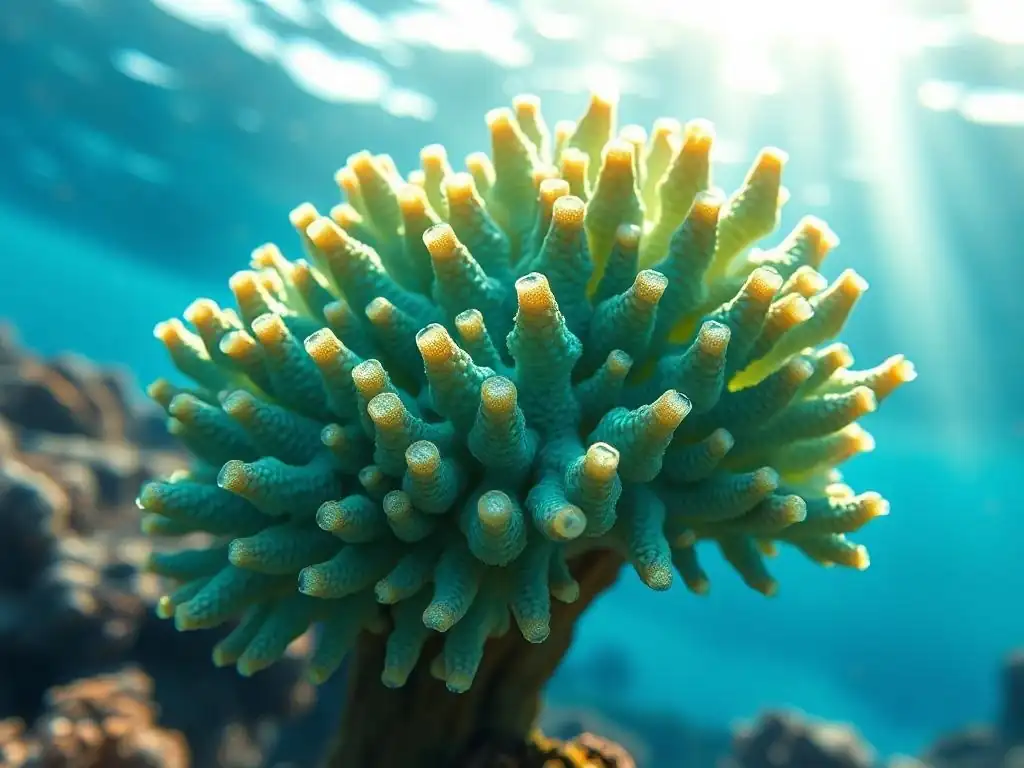
Understanding the distinction between laminar and turbulent flow is crucial for optimizing SPS tank circulation patterns. Laminar flow is characterized by smooth, unidirectional water movement, where fluid particles move in parallel paths without significant mixing. While some degree of laminar flow exists in any system, it is generally undesirable as the dominant flow type for SPS corals. Constant laminar flow can lead to "coral stripping," where tissue recedes on the side facing the persistent current, or cause corals to grow unnaturally in one direction, creating an imbalanced and weaker skeletal structure.
In contrast, turbulent flow is chaotic, multidirectional, and highly variable in velocity, mimicking the dynamic conditions found on natural reef crests and slopes. It is unequivocally the superior flow type for SPS corals. Turbulent flow ensures that nutrients are delivered from all angles, effectively breaking down the boundary layer around the coral and maximizing nutrient uptake.
It also prevents detritus from settling on the coral's surface, as the constantly shifting currents dislodge particles. This varied mechanical stress strengthens the coral skeleton, promoting denser, more robust growth. For instance, Acropora species exposed to strong turbulent surge in their natural habitat exhibit significantly thicker and more durable branches compared to those in calm, laminar conditions.
Random Flow: Replicating Natural Reef Dynamics
Random flow is considered the gold standard for SPS tank circulation patterns as it most accurately replicates the unpredictable and highly variable water movement found on natural coral reefs. This type of flow is characterized by constantly changing directions, intensities, and velocities, ensuring that no single area of the coral or tank experiences prolonged, static conditions. The primary benefit of random flow is that it prevents corals from adapting to a single flow vector, promoting balanced growth and nutrient delivery from all sides of the colony. This leads to more natural, compact growth forms and enhanced overall coral health.
Achieving true random flow typically requires the use of multiple, controllable pumps (e.g., two or more wave makers) paired with advanced controllers. These controllers allow for sophisticated programming, enabling pumps to operate in opposing, alternating, or truly random pulse modes. Some high-end controllers offer specific "random" or "nutrient transport" modes that continuously vary pump output.
For example, in a 90-gallon SPS tank, two 2,500 GPH pumps placed on opposite ends, set to a random short pulse mode with intervals varying from 5 to 30 seconds, can create a highly dynamic and beneficial SPS tank circulation pattern. This constant variability prevents detritus accumulation and ensures that all areas of the coral colony are effectively "washed."
Gyre Flow: Creating a Consistent, Circular Current in Your SPS Tank
Gyre flow is a powerful and increasingly popular method for generating consistent, large-scale water movement across the entire length of an aquarium. Unlike traditional powerheads that produce a conical or cylindrical flow, gyre pumps (such as Maxspect Gyre or IceCap Gyre models) create a broad, laminar sheet of water movement that travels across the tank, bounces off the opposite wall, and returns along the other side, forming a continuous circular current or "gyre." This makes them exceptionally effective at moving large volumes of water and preventing dead spots across the tank's horizontal plane, especially in longer aquariums.
The benefits of incorporating gyre flow into your SPS tank circulation patterns are numerous. Gyre pumps excel at detritus export, efficiently sweeping waste particles from the sandbed and rockwork towards the overflow, where they can be removed by mechanical filtration. When combined with traditional wave makers or powerheads, a gyre can establish a powerful, multi-layered circulation system.
For a 6-foot, 180-gallon SPS tank, a single large gyre pump (e.g., rated 8,000-10,000 GPH) placed near the surface on one end can create a dominant, tank-wide gyre, which can then be supplemented by other pumps for localized turbulence and varied flow. This combination ensures thorough water movement throughout the entire display.
Programming Your Pumps for Dynamic SPS Circulation
Setting Up a Wave Maker Controller for Varied Flow Patterns
Modern wave makers are most effective when paired with a dedicated controller, which is essential for creating dynamic and truly optimized SPS tank circulation patterns. Controllers, such as those integrated with EcoTech Marine VorTech pumps (Mobius app), Neptune Apex, or GHL Profilux systems, allow aquarists to program intricate flow schedules and utilize a variety of flow modes. A static, always-on flow, even if powerful, is detrimental to SPS corals over time; the key is variability and change, mimicking the natural reef environment. These controllers empower users to move beyond simple on/off functions and delve into sophisticated flow management.
With a controller, users can set daily schedules that adjust flow intensity and pattern throughout the day, simulating natural tidal changes or periods of high and low current on a reef. For example, a "reef crest" mode might run at peak intensity (e.g., 80-100% power) during peak daylight hours for 8-10 hours, followed by a lower intensity "lagoon" or "nutrient transport" mode (e.g., 50-70% power) for several hours, and a very gentle "night" mode (e.g., 10-20% power) during darkness.
Many controllers also offer convenient "feed modes" that temporarily shut off pumps to allow corals and fish to feed undisturbed, ensuring that food isn't immediately swept into the overflow.
Creating a Flow Schedule: Sample Flow Schedule for a Mixed SPS Tank
Developing a precise flow schedule is crucial for establishing optimal SPS tank circulation patterns that cater to the diurnal rhythms of your corals. Here is a sample daily flow schedule for a mixed SPS tank, designed to provide dynamic and varied water movement:
- 06:00 AM - 10:00 AM (Sunrise/Early Morning): Start with moderate, alternating pulse flow (e.g., 50% power on two opposing pumps, alternating every 20-30 seconds). This gently increases activity as the lights come on.
- 10:00 AM - 06:00 PM (Mid-day/Peak Photosynthesis): Transition to high, turbulent flow (e.g., 80-100% power, using a random short pulse mode or reef crest mode). This maximizes nutrient delivery and waste export during the most active period of photosynthesis.
- 06:00 PM - 10:00 PM (Evening/Wind-down): Reduce flow slightly to moderate-high (e.g., 70% power, perhaps a gyre mode or alternating pulse). This prepares corals for the night cycle.
- 10:00 PM - 06:00 AM (Night): Implement low, gentle, constant flow (e.g., 20-30% power, perhaps a long pulse or constant stream mode). This allows corals to fully extend their polyps for feeding on planktonic organisms and conserves energy while still preventing complete stagnation.
This schedule mimics the natural changes in water movement on a reef, promoting balanced growth and reducing stress. For a 120-gallon tank, this might involve two 3,000 GPH pumps varying their output between 600 GPH (night) and 3,000 GPH (peak day). Remember, observation of your corals' polyp extension, coloration, and overall health is the best indicator for fine-tuning these SPS tank circulation patterns.
Utilizing Multiple Pumps to Achieve Complex Circulation
Relying on a single pump, no matter how powerful, is insufficient to create truly complex and dynamic SPS tank circulation patterns across an entire aquarium, especially for SPS-dominant systems. The key to optimal flow is the strategic deployment of multiple pumps, each contributing to a layered and varied water movement strategy. By combining different types of pumps and controlling them independently or in synchronized patterns, aquarists can achieve a level of turbulence and randomness that a single unit simply cannot provide.
Consider a multi-pump setup for a 4-foot tank: two wave makers (e.g., EcoTech MP40s) can be placed on opposing ends, programmed to run in an anti-sync pulse mode, creating a powerful back-and-forth surge. This primary flow can then be supplemented by a smaller, strategically placed powerhead behind a large rock structure to eliminate a potential dead spot, or by directing the return pump's output through a random flow generator.
For larger tanks (6-8 feet), a gyre pump on one side can establish a dominant horizontal current, which is then overlaid with the turbulent, random flow from two or three traditional wave makers. This multi-pump approach ensures that all areas of the tank, and every SPS coral colony, receive varied and sufficient SPS tank circulation patterns, promoting uniform growth and vibrant health throughout the entire system.
Advanced Techniques for Optimizing SPS Tank Flow
Flow Placement: Directing Water Movement Around SPS Colonies
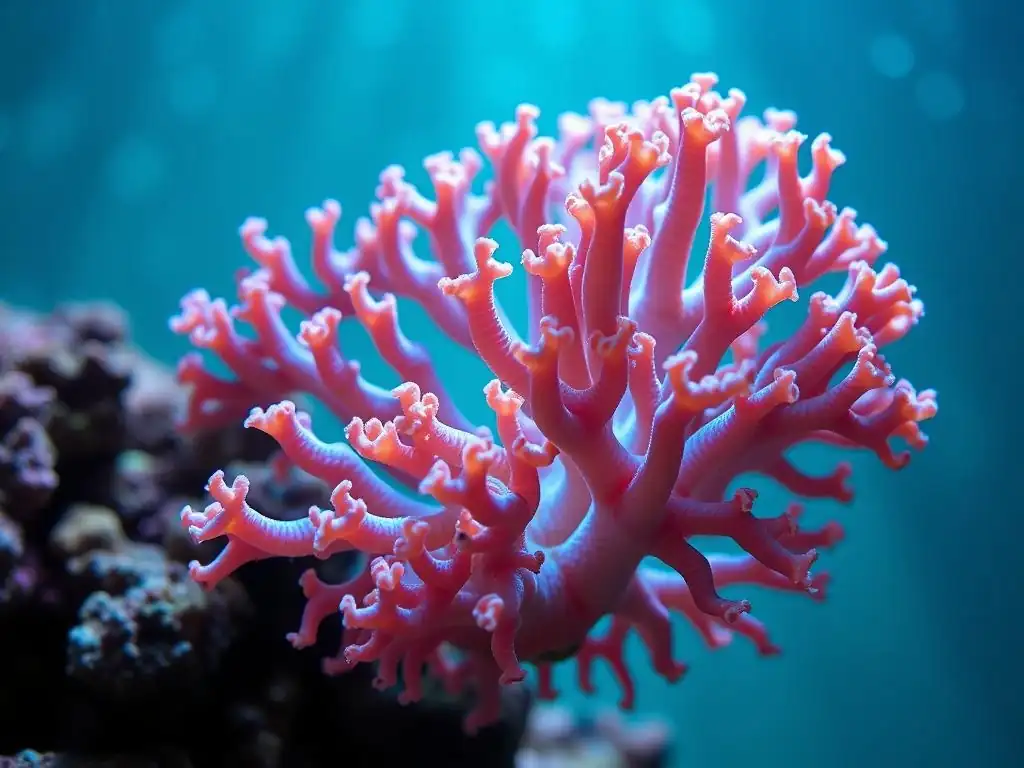
Strategic placement of your pumps is as critical as their power for optimizing SPS tank circulation patterns. The goal is not merely to create high GPH, but to ensure that water movement effectively washes over and around your SPS colonies without directly blasting them. Direct, concentrated flow can cause "coral stripping," where tissue recedes from the skeletal structure, or lead to unnatural, one-sided growth. Instead, aim pumps to direct flow off the back glass, side panels, or existing rockwork. This creates indirect, diffused flow patterns that gently but thoroughly agitate the water column around the corals.
Consider the aquascape and the specific placement of your SPS colonies. Pumps positioned higher in the tank, angled downwards, can help prevent detritus from settling within the intricate branches of mature Acropora colonies. Conversely, pumps placed lower in the tank can help lift detritus from the sandbed and lower rockwork, sweeping it towards the overflow.
For a tank with a dominant central rock structure, placing pumps on either side, angled to create cross-tank flow, can ensure excellent SPS tank circulation patterns around the entire structure. Regular observation of your corals' polyp extension and growth patterns will guide fine-tuning, ensuring that each colony receives its ideal flow without being stressed.
Minimizing Dead Spots: Identifying and Eliminating Areas of Stagnant Water
Dead spots are insidious areas in an SPS tank where water movement is minimal or stagnant. These zones act as traps for detritus, leading to localized nutrient buildup, reduced oxygen levels, and often, the proliferation of undesirable nuisance algae or cyanobacteria outbreaks. Common locations for dead spots include corners of the tank, behind large, dense rock structures, or beneath very large, encrusting coral colonies that block flow. Identifying and eliminating these areas is paramount for maintaining pristine water quality and optimal SPS tank circulation patterns.
To identify dead spots, use a turkey baster to gently blast detritus off rockwork and the sandbed, then observe how quickly the stirred particles settle. If detritus rapidly falls back down or accumulates in a specific area, that's a dead spot.
Solutions include repositioning existing pumps to better direct flow into these problematic zones, adding smaller auxiliary pumps (e.g., a nano powerhead rated for 200-500 GPH) specifically aimed at the stagnant area, or even subtly adjusting the rockwork to improve water flow pathways. For instance, if red slime algae consistently appears on the sandbed in a bottom corner of a 75-gallon SPS tank, it signifies a low-flow zone that needs a directed current to break up the stagnant water and prevent nutrient accumulation.
Adjusting Flow Based on SPS Coral Species and Placement
While SPS corals generally prefer strong water flow, it's important to recognize that not all species require the exact same intensity or type of flow. Different SPS coral types have varying tolerances and preferences, and their placement within the tank also dictates their exposure to current.
Robust, open-branched Acropora species (e.g., Acropora formosa, Acropora millepora) can often tolerate, and even thrive in, very strong and direct turbulent flow. In contrast, more delicate or plating species like Montipora capricornis or Seriatopora hystrix may prefer strong but more indirect or diffused flow, as direct, high-velocity impingement can stress their more fragile tissues.
Strategic placement within the aquarium is therefore crucial for optimizing SPS tank circulation patterns. Corals placed higher in the tank or closer to the primary flow sources will naturally experience stronger currents. Corals positioned lower down, or nestled behind protective rockwork, will receive less direct but still substantial flow.
This allows you to tailor the micro-environment for each coral. For example, a high-flow loving Acropora valida might be placed near the top, directly in the path of a strong wave maker's output, while a more delicate Pocillopora damicornis might be positioned slightly lower or in a more sheltered spot to receive strong but indirect, turbulent flow, ensuring optimal health and growth for all inhabitants.
Troubleshooting Common SPS Flow Issues
SPS Coral Tissue Recession Due to Insufficient Flow
One of the most alarming and common indicators of inadequate SPS tank circulation patterns is SPS coral tissue recession, often observed as the tissue pulling away from the base of the coral upwards. This symptom suggests that the coral is either suffocating in its own waste, starving due to a lack of nutrient delivery, or both. Detritus accumulates on the coral's delicate tissues, leading to localized anoxia and bacterial infections, which ultimately cause the tissue to die off. The affected area often appears pale, discolored, or even covered in a thin layer of brown detritus.
Upon observing tissue recession, after confirming water parameters are stable, the immediate solution is to increase and diversify the flow around the affected coral. This might involve repositioning existing pumps, increasing their power, or adding a small, dedicated powerhead to target the specific area. Ensure all pumps are clean and operating at their full potential, as calcium deposits and algae buildup can significantly reduce their output.
If, for example, a Stylophora pistillata colony begins to lose tissue at its base, it's a strong indicator that the localized SPS tank circulation patterns around it are insufficient, and a small, directed powerhead might be needed to create more turbulence. Consistent, strong, and varied flow is vital for recovery and preventing further tissue loss.
Algae Growth in Low-Flow Areas of the SPS Tank
The presence of persistent patches of undesirable algae, such as diatom blooms, cyanobacteria (red slime algae), or hair algae, in specific areas of an SPS tank, despite otherwise good water parameters and nutrient control, is a classic sign of poor SPS tank circulation patterns. These low-flow zones become traps for detritus and dissolved organic matter, providing a steady supply of nutrients for nuisance algae to flourish. The stagnant conditions also prevent the effective export of these algae spores or colonies, allowing them to establish and spread.
To combat algae growth caused by insufficient flow, the primary focus should be on improving localized water movement. Identify the exact dead spots where algae is accumulating – these are often corners, behind large rock structures, or on the sandbed where flow is minimal. Solutions include repositioning existing powerheads to direct flow towards these areas, or adding smaller, auxiliary pumps to create targeted turbulence.
For instance, if red slime algae consistently forms on the sandbed behind a large rock, it indicates a low-flow zone that requires a directed current to break up the stagnant water and prevent nutrient accumulation. Regular manual removal of algae, combined with enhanced SPS tank circulation patterns, will lead to long-term success.
Determining the Correct Flow Rate for Different SPS Coral Types
There isn't a single "correct" flow rate that applies universally to all SPS corals or all tanks; it's a dynamic balance that requires careful observation and adjustment. While a general guideline for total SPS tank circulation patterns is often cited as 20-40 times the tank volume per hour, this is merely a starting point. Robust, open-branched Acropora species (e.g., Acropora formosa, Acropora nasuta) typically thrive in very strong, direct, and turbulent flow. More delicate or encrusting types (e.g., Montipora danae, Pocillopora damicornis, Seriatopora) might prefer strong but more indirect or diffused flow, as direct impingement can be too aggressive.
The best way to determine the correct flow for your specific corals is through careful observation of their behavior and growth. Healthy SPS corals in optimal flow will often exhibit short, tight polyp extension during the day (indicating efficient nutrient uptake and protection from strong currents) and longer polyp extension at night (for feeding). Their growth form should be balanced, not growing away from a dominant flow.
Signs of insufficient flow include browning, tissue recession, or excessive mucus production. Conversely, excessive or overly direct flow can cause "coral stripping" or a perpetually retracted appearance. For a 90-gallon tank, achieving 1,800-3,600 GPH of actual flow (not just pump rating) is a good target, but fine-tuning based on individual coral response is paramount for truly optimized SPS tank circulation patterns.
Maintaining Optimal SPS Circulation
Regular Pump Maintenance: Cleaning and Inspection
Maintaining optimal SPS tank circulation patterns is an ongoing process that heavily relies on the regular maintenance of your water pumps. Over time, pumps accumulate calcium deposits, algae, and detritus, which significantly reduce their efficiency, decrease GPH output, and can lead to noisy operation or complete failure. It is recommended to establish a routine cleaning schedule, typically every 1 to 3 months, depending on your tank's bioload, water parameters (especially alkalinity), and the type of pumps used. Neglecting pump maintenance is a common cause of declining flow and subsequent coral stress.
The cleaning process is relatively straightforward: unplug the pump, disassemble it (removing the impeller and volute), and soak the components in a mild acid solution, such as white vinegar or a citric acid solution, for several hours or overnight. This will dissolve calcium buildup and loosen stubborn algae. After soaking, use a small brush (like an old toothbrush) to gently scrub away any remaining debris.
While cleaning, inspect the impeller for any cracks or wear, check O-rings for integrity, and ensure the power cord is undamaged. Regular cleaning not only preserves your pumps' lifespan but also ensures consistent and effective SPS tank circulation patterns, which is vital for the long-term health of your SPS corals.
Monitoring SPS Coral Health as an Indicator of Flow Efficiency
Your SPS corals are the ultimate indicators of whether your SPS tank circulation patterns are truly optimal. They provide visual cues that can help you assess and fine-tune your flow strategy. Regular, close observation of their polyp extension, coloration, growth rate, and overall tissue integrity is crucial. Healthy SPS corals in ideal flow conditions typically display vibrant colors, strong polyp extension at night, and tight, short polyp extension during the day, indicating efficient nutrient exchange and protection from strong currents.
Conversely, signs of suboptimal flow will be evident in the corals themselves. Insufficient flow can lead to browning, paleness (due to nutrient starvation), tissue loss (especially from the base upwards), excessive mucus production, or detritus accumulation within their branches. If an Acropora colony suddenly browns out or loses color, after checking water parameters, the next critical step is to re-evaluate the local SPS tank circulation patterns around that specific coral.
On the other hand, overly direct or excessive flow might cause corals to retract polyps excessively, appear "blasted," or grow unnaturally away from the current. By constantly observing your corals, you can make informed adjustments to ensure they receive the precise flow they need to thrive.
Adjusting Flow Patterns as SPS Corals Grow and Mature
The dynamic nature of an SPS dominant reef tank means that what constitutes optimal SPS tank circulation patterns at one stage may not be sufficient at another. As SPS corals grow and mature, they increase in size and density, creating more physical resistance to water flow and potentially blocking existing flow paths. A small Acropora frag that once thrived in a particular spot might, as it grows into a large colony, create new dead spots behind or beneath its branches, or demand significantly more localized flow.
Therefore, it is essential to regularly reassess and adjust your flow patterns every few months, particularly after periods of significant coral growth or if you make changes to your aquascape. This might involve repositioning existing pumps to direct flow around new obstructions, increasing the power output of certain pumps, or even adding new auxiliary pumps to address emerging low-flow areas.
A thriving 12-inch Acropora colony will require substantially more localized and turbulent flow than when it was a 2-inch frag. Proactive adjustment ensures that as your reef matures, every SPS coral continues to receive the varied and robust SPS tank circulation patterns it needs to maintain its health, vibrant coloration, and impressive growth.
Achieving Perfect SPS Tank Circulation: A Summary
Key Takeaways for Creating Dynamic, SPS-Optimized Flow
- Turbulent and Random Flow: Prioritize creating chaotic, multidirectional water movement over constant, unidirectional streams. This mimics natural reef conditions and is paramount for optimal SPS tank circulation patterns.
- Multiple, Controllable Pumps: Utilize several controllable powerheads or wave makers to create varied and layered flow. A single pump cannot adequately cover the diverse flow needs of an SPS dominant tank.
- Strategic Pump Placement: Position pumps to create indirect flow, bouncing off glass or rockwork, rather than directly blasting corals. This ensures gentle yet effective washing of coral tissues.
- Minimize Dead Spots: Actively identify and eliminate areas of stagnant water where detritus can accumulate. This prevents nutrient pockets and nuisance algae growth.
- Regular Maintenance and Observation: Consistently clean pumps to ensure peak performance and closely observe your SPS corals for signs of good or poor flow. Your corals are the best indicators.
- Adjust Flow as Corals Grow: Recognize that flow needs change as corals mature and the aquascape evolves. Proactively adjust pump placement and power to maintain optimal SPS tank circulation patterns.
Resources for Further Learning About SPS Coral Circulation
- Online Forums and Communities: Engage with active reefing communities such as Reef2Reef (R2R) or similar platforms. These forums offer a wealth of shared experiences, detailed discussions, and practical advice on SPS tank circulation patterns from hobbyists with diverse setups.
- Reputable Coral Husbandry Books: Invest in comprehensive books on advanced reefkeeping and SPS coral care. Many detailed guides delve into the science of water movement, coral biology, and practical application for aquariums.
- Scientific Articles and Studies: For those interested in the deeper science, explore academic papers on reef hydrodynamics and coral physiology. While often technical, they provide invaluable insights into how corals interact with water flow in their natural habitats.
- Local Fish Stores (LFS) with Established SPS Displays: Visit high-quality local fish stores that maintain thriving SPS displays. Observing their tank setups, discussing their flow strategies, and seeing healthy corals firsthand can provide practical visual examples and guidance.
- Experimentation and Careful Observation: Ultimately, the best resource is your own aquarium. Continually experiment with your pump settings, observe your corals' responses, and document your findings. This hands-on approach, combined with the knowledge from other resources, will lead to the most finely tuned and successful SPS tank circulation patterns for your unique system.
Frequently Asked Questions
How important is proper circulation in an SPS tank?
Proper circulation is absolutely crucial for SPS corals. It ensures that corals receive adequate nutrients and oxygen, while also removing waste products and preventing dead spots.
What are some common circulation patterns used in SPS tanks?
Common patterns include laminar flow, turbulent flow, and gyre flow. The best approach often involves a combination of these, creating a dynamic and varied environment.
How can I program my powerheads to achieve optimal SPS tank circulation?
Programmable powerheads allow you to create complex and dynamic flow patterns by adjusting the intensity and direction of the water flow throughout the day. Experimentation is key to finding what works best.
What are the signs of inadequate circulation in an SPS tank?
Signs include coral bleaching, tissue recession, and the accumulation of detritus on the coral's surface. These indicate a lack of nutrients and oxygen reaching the corals.
How often should I adjust my SPS tank's circulation patterns?
It's recommended to monitor your corals and adjust circulation patterns gradually as they grow or as your tank's bioload changes. Regular observation is key to long-term success.
Final Reflection: Embracing the Rhythms of the Reef
The intricate dance of water, meticulously orchestrated through advanced flow patterns, is no longer just a technical consideration in reef keeping; it's becoming a cornerstone of thriving SPS ecosystems. As we've explored the nuances of programming pumps to mimic the dynamic currents of natural reefs, it's clear that understanding and implementing these principles is paramount to unlocking the full potential of our SPS corals.
This journey into advanced circulation has profoundly impacted how we perceive the delicate balance within our aquariums. The ability to sculpt the flow, to provide the precise conditions that SPS corals have evolved to thrive in, is a testament to our growing understanding and respect for these complex organisms. The sea, once it casts its spell, holds one in its net of wonder forever.
- Jacques Cousteau. This quote resonates deeply, reminding us that our aquariums are miniature oceans, deserving of our utmost care and attention to detail.
Now, consider the power you hold to shape the very environment your corals inhabit. Take the knowledge gained from this exploration of SPS tank circulation patterns and apply it to your own reef. Experiment, observe, and fine-tune your flow to create a dynamic, thriving ecosystem. Let the rhythms of the reef guide your hand, and witness the vibrant transformation that awaits.
Unlock Peak SPS Color: Fine-Tune Your Reef Flow!
Thanks for exploring the dynamic world of reef flow with us! We hope this article has shed light on how to optimize your circulation for vibrant SPS corals. Now, it's time to put that knowledge into action!
Here are a few steps you can take to elevate your reefkeeping game:
- Master the Gyre: Experiment with different flow patterns on your controllable pumps to identify the sweet spot that promotes polyp extension and vibrant colors in your SPS. Document your observations!
- Share Your Success: Engage with fellow reefers in online forums or local clubs to exchange insights on your reef flow strategies and challenges.
- Unleash the Unexpected: Try pointing one pump directly at your reef's hardscape for a short burst each day to stir up detritus and oxygenate dead spots.
What unique flow pattern have you found most effective in your reef tank, and what unexpected benefits did you observe?