
The Best Foods for Euphyllia: Fueling Your Torch, Hammer & Frogspawn

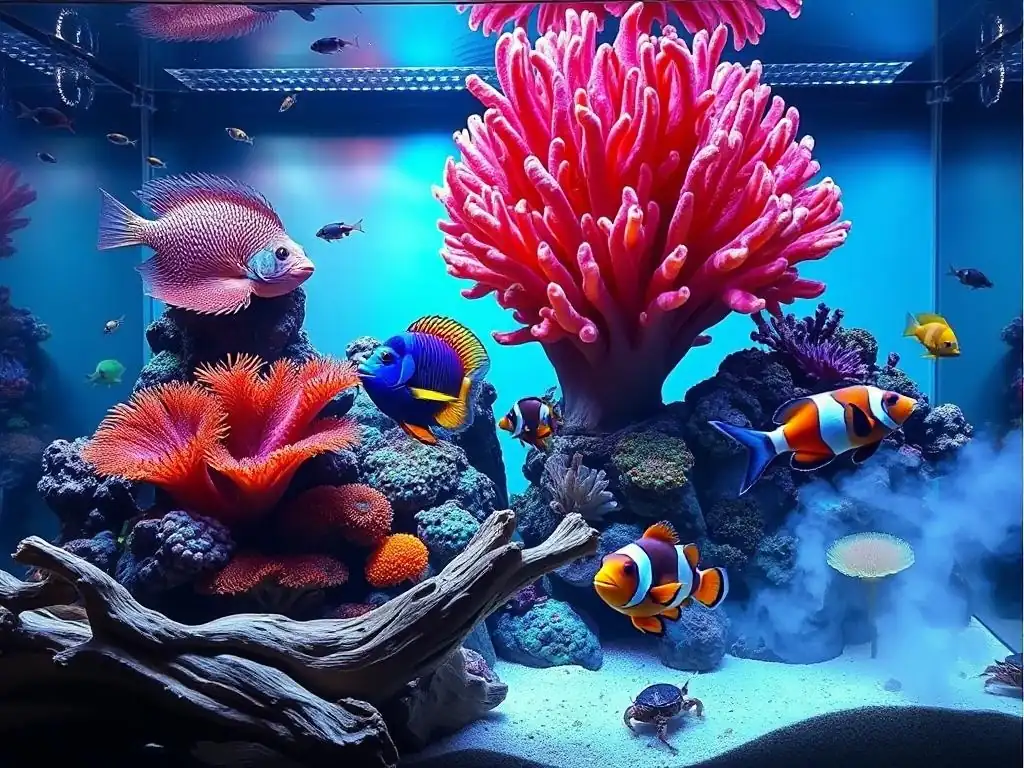
Welcome to Aquarium Mastery!
Ever wondered how to unlock the vibrant colors and explosive growth of your Euphyllia corals? You've come to the right place! Our comprehensive Euphyllia coral food guide dives deep into the nutritional needs of these stunning LPS corals. Discover the secrets to perfectly feeding your torch, hammer, and frogspawn corals, and prepare to witness their breathtaking beauty flourish. Intrigued? Let's get started!
- Euphyllia Coral Nutrition: Torch, Hammer & Frogspawn Feeding Guide
- Understanding Euphyllia Coral Nutrition
- Selecting Foods for Euphyllia Corals
- Euphyllia Coral Food Guide: Choices and Recommendations
- Feeding Techniques for Euphyllia Health
- Recognizing Overfeeding and Underfeeding
- Water Parameters for Euphyllia Feeding
- Troubleshooting Feeding Problems
- Advanced Feeding Strategies
- Conclusion: Long-Term Euphyllia Health Through Nutrition.
- Frequently Asked Questions
- Final Reflection: Cultivating Coral Vitality
- Ignite Growth: Unleash Your Euphyllia's Potential!
Euphyllia Coral Nutrition: Torch, Hammer & Frogspawn Feeding Guide
Understanding Euphyllia Coral Nutrition
Importance of Proper Feeding for Euphyllia Health and Growth
Proper nutrition is paramount for the vitality and sustained growth of Euphyllia corals, encompassing popular species like Torch, Hammer, and Frogspawn. While these Large Polyp Stony (LPS) corals host symbiotic zooxanthellae that perform photosynthesis, providing a significant portion of their energy needs, supplemental feeding is crucial for optimal health, vibrant coloration, and robust calcification. In their natural reef habitats, Euphyllia corals actively capture various forms of plankton and dissolved organic matter, a dietary component often insufficient in captive environments without direct intervention.
Adequate feeding directly fuels the coral's metabolic processes, supporting tissue repair, polyp extension, and skeletal deposition. Studies suggest that consistent supplemental feeding can significantly enhance growth rates, potentially by 15-20% or more, compared to corals relying solely on photosynthesis in a closed system. Well-nourished Euphyllia corals exhibit greater resilience to environmental stressors, such as fluctuations in water parameters or changes in lighting, and are less susceptible to common ailments like tissue necrosis or bacterial infections, including the dreaded Brown Jelly Disease.
Euphyllia Species and Feeding Needs: Torch, Hammer, Frogspawn
Euphyllia corals, whether Torch ( Euphyllia glabrescens), Hammer ( Euphyllia ancora or Euphyllia parancora), or Frogspawn ( Euphyllia divisa), are renowned for their large, sweeping polyps equipped with nematocysts (stinging cells) designed for capturing prey. Their feeding mechanism involves extending their tentacles, especially at night or when food is introduced, to snare passing food particles. This predatory behavior means they are well-suited to consume larger, meaty foods compared to many Small Polyp Stony (SPS) corals.
Despite their distinct appearances and growth forms, the fundamental nutritional requirements across these Euphyllia species are remarkably similar. All benefit from a diet rich in proteins and fatty acids, derived from various marine sources. A comprehensive Euphyllia coral food guide will typically recommend a mix of frozen, liquid, and potentially pelletized foods to cater to their carnivorous tendencies and ensure a balanced nutritional intake. Observing their feeding response—such as tentacle retraction and mouth opening—is key to understanding their individual preferences and ensuring effective nutrient delivery.
Selecting Foods for Euphyllia Corals
Ideal Food Size and Consistency
When selecting foods for Euphyllia corals, the size and consistency of the particles are critical for successful ingestion and digestion. These corals possess relatively large mouths, capable of consuming particles ranging from approximately 0.5 millimeters up to 3 millimeters or even slightly larger, depending on the individual polyp's size. The food should be small enough to be easily engulfed but substantial enough to elicit a strong feeding response from the coral. For larger frozen foods like Mysis shrimp, gently crushing or chopping them into smaller, manageable pieces before feeding can significantly improve acceptance and reduce waste.
Beyond size, consistency plays a vital role. Euphyllia corals generally prefer soft, easily digestible foods. Avoid anything sharp or excessively hard, as this can potentially damage their delicate polyps. Thawed frozen foods often meet this criterion perfectly, becoming soft and pliable. Liquid foods, by their nature, provide very fine particles or dissolved nutrients that are readily absorbed. The ideal food encourages a natural feeding response, leading to complete ingestion and minimizing the risk of uneaten food decaying in the aquarium and impacting water quality.
Coral Food Types: Frozen, Liquid, and Pellet
Frozen Food Benefits for Euphyllia
Frozen foods are widely regarded as a cornerstone in any effective Euphyllia coral food guide due to their high nutritional value and variety. These foods typically consist of whole organisms, such as Mysis shrimp, brine shrimp, or copepods, which provide a rich source of proteins, essential fatty acids (like Omega-3s), and other vital nutrients. The freezing process helps preserve the integrity of these nutrients, offering a diet very close to what corals might encounter in their natural environment.
A significant benefit of frozen foods is their suitability for target feeding, allowing aquarists to precisely deliver nutrients directly to individual Euphyllia polyps. This method minimizes waste and ensures that the intended coral receives the maximum nutritional benefit. Many frozen foods come in convenient blister packs or cubes, making portioning and preparation straightforward after thawing and rinsing.
Liquid Coral Foods: Nutrient Uptake
Liquid coral foods are typically suspensions of very fine particles, dissolved amino acids, or other organic compounds designed for direct absorption by corals or for uptake by the beneficial microfauna in the reef system. These foods are particularly beneficial for smaller-mouthed corals or for supplementing the general nutrient load of the water column, benefiting the entire reef ecosystem, including the symbiotic zooxanthellae within Euphyllia tissues.
While Euphyllia corals are capable of capturing larger prey, liquid foods provide an excellent way to ensure a broad spectrum of nutrients are available. They can contribute to overall polyp extension and coloration by enriching the water with essential building blocks. Many liquid foods are designed to be broadcast-dosed, dispersing nutrients widely throughout the tank and supporting a healthy planktonic community that indirectly benefits the corals.
Pellet Foods: Convenience
Pellet foods offer a convenient and shelf-stable option for coral feeding, requiring no thawing or special preparation beyond direct dosing. They are typically formulated with a blend of marine proteins and other ingredients, compressed into small, sinking granules. For busy aquarists, pellets provide a quick and easy way to deliver nutrition.
However, the acceptance of pellet foods by Euphyllia corals can vary significantly. While some individual corals may readily consume them, others might ignore them due to their texture or lack of a strong feeding stimulant. Therefore, pellet foods are often best utilized as a supplementary food source rather than a primary one in a dedicated Euphyllia coral food guide, complementing the more readily accepted frozen or liquid options.
Euphyllia Coral Food Guide: Choices and Recommendations
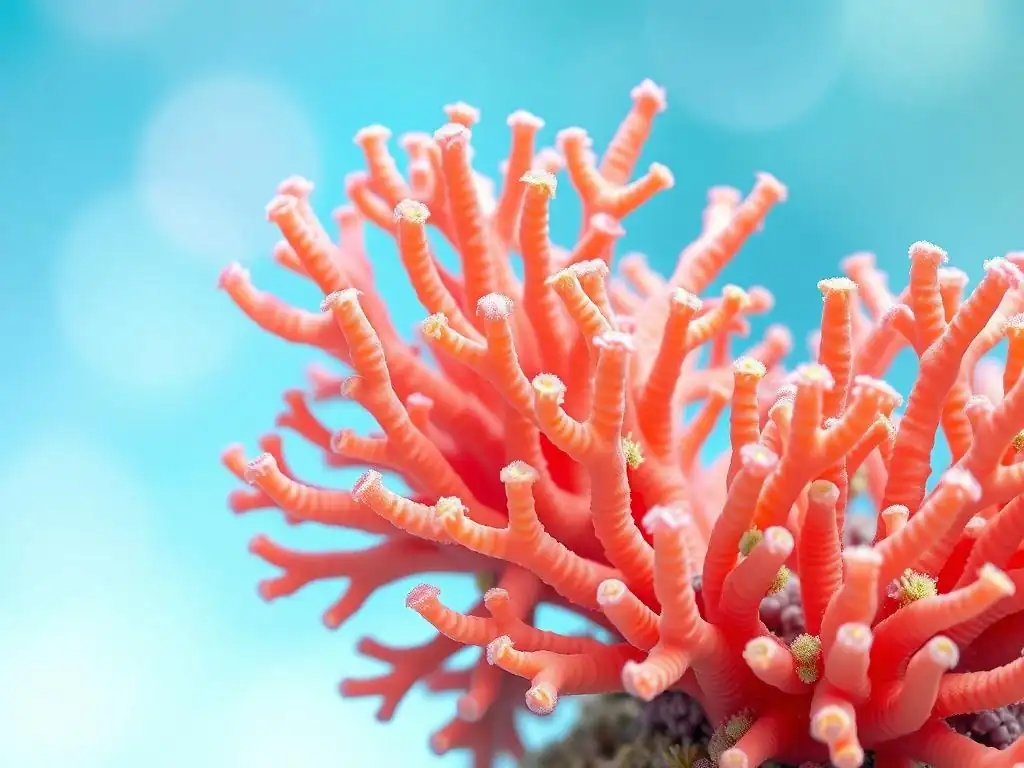
Best Frozen Foods: Mysis Shrimp and Rotifers
For Euphyllia corals, Mysis shrimp stand out as an excellent frozen food choice due to their high protein content, favorable fatty acid profile, and appropriate size when prepared correctly. A typical Mysis shrimp contains approximately 60% protein and 10% fat on a dry weight basis, making it a highly nutritious meal. While whole Mysis shrimp (often 1-2 cm) might be too large for direct ingestion by all Euphyllia polyps, gently chopping or crushing them before feeding makes them perfectly suitable for target feeding, promoting strong feeding responses and robust growth.
Rotifers, though significantly smaller (typically 50-200 microns for Brachionus plicatilis), are another highly recommended frozen food. They are particularly effective for initiating feeding responses in more finicky corals or for providing a general broadcast feed that benefits smaller polyps and the broader microfauna within the reef. Rotifers are rich in essential fatty acids, especially when gut-loaded prior to freezing, and their small size makes them easily digestible, contributing to overall coral vitality and coloration.
Top Liquid Foods: Reef Roids and Coral Frenzy
Polyp Lab's Reef Roids is a highly popular and effective liquid food specifically formulated for filter-feeding corals, making it a staple in any comprehensive Euphyllia coral food guide. It consists of a unique blend of marine planktons, with a particle size typically ranging from 150-200 microns. This fine consistency allows for efficient absorption by coral polyps and wide distribution throughout the water column, stimulating strong polyp extension. Many aquarists report noticeable increases in tissue mass and overall vigor, with some observing a 10-15% increase in growth over several months of consistent use.
Coral Frenzy is another top-tier liquid food that offers a diverse nutritional profile. It is a multi-sized particle blend, often containing a mix of marine proteins, zooplankton, and phytoplankton, catering to a broader range of coral feeding methods and absorption capabilities. This blend is known to elicit a strong feeding response from Euphyllia corals and contributes significantly to vibrant coloration and robust health. Both Reef Roids and Coral Frenzy can be diluted with tank water and broadcast-dosed or target-fed for optimal results.
Recommended Pellet Foods: New Life Spectrum and Reef Nutrition
While not all Euphyllia corals readily accept pellets, certain high-quality options can serve as a valuable supplementary food source. New Life Spectrum (NLS) Thera-A pellets, though primarily marketed for fish, are often accepted by some Euphyllia species due to their comprehensive nutritional profile and small, sinking size (typically 1-2mm). NLS pellets are known for their high-quality ingredients, including garlic extract, which can act as an appetite stimulant, potentially encouraging a feeding response from reluctant corals.
Another excellent option, if available in a pelletized form, would be products inspired by Reef Nutrition's offerings, such as their 'Tigger-Pods' or 'Arcti-Pods'. While these are often sold as live or frozen copepods, some manufacturers may offer similar high-quality, nutrient-dense ingredients in a pellet form. When choosing pellets, prioritize those with a strong marine protein base and a size that your Euphyllia can comfortably ingest, ensuring they contribute positively to your Euphyllia coral food guide strategy.
Feeding Techniques for Euphyllia Health
Target Feeding: A Guide
Target feeding is the most effective method for ensuring your Euphyllia corals receive adequate nutrition, especially for individual polyps. This technique involves directly delivering food to the coral's polyps using a turkey baster, pipette, or specialized coral feeder. It minimizes waste by preventing food from being swept away by tank currents or consumed by other inhabitants, leading to more efficient nutrient uptake by the coral itself.
To target feed, first turn off any strong powerheads or return pumps for 10-15 minutes to reduce water movement. Prepare your chosen frozen or liquid food by thawing/mixing it in a small amount of tank water. Gently squirt the food directly onto or very near the extended polyps of your Euphyllia. Observe the polyps retracting and the mouth opening to ingest the food. This method can lead to significantly improved growth rates, potentially up to 25% better for specific corals compared to broadcast feeding, as it ensures direct nutrient delivery.
Broadcast Feeding: Pros and Cons
Broadcast feeding involves dispersing food directly into the water column, allowing tank currents to distribute it throughout the aquarium. This method is simpler and less time-consuming than target feeding, benefiting a wider range of tank inhabitants, including smaller corals, sponges, and various micro-invertebrates that rely on suspended particles for nutrition. It can also help maintain a healthy population of beneficial plankton in the system.
However, broadcast feeding comes with its drawbacks. A significant portion of the food may not reach the target Euphyllia corals, leading to increased nutrient load in the water column. If not managed effectively through robust filtration and nutrient export, this can contribute to elevated nitrate and phosphate levels, potentially fueling nuisance algae growth. While convenient, it is generally less efficient for ensuring specific Euphyllia polyps receive optimal nutrition compared to precise target feeding.
Feeding Schedule: Frequency
Establishing a consistent feeding schedule is crucial for Euphyllia health. For most healthy Euphyllia corals in a stable reef system, feeding 2-3 times per week is an excellent starting point. Some aquarists, particularly those aiming for accelerated growth, may opt for daily feeding, but this requires impeccable water quality management and robust nutrient export mechanisms to prevent adverse effects.
The ideal frequency should be adjusted based on the coral's response, observed growth, and the stability of your water parameters. A well-fed Euphyllia will exhibit consistently good polyp extension, vibrant coloration, and noticeable tissue growth. For example, in a 50-gallon reef tank with a few mature Euphyllia colonies, using 1/4 to 1/2 cube of Mysis shrimp (after rinsing) per feeding, 2-3 times a week, is a common and effective regimen. Always observe your corals and tank conditions to fine-tune your Euphyllia coral food guide feeding strategy.
Recognizing Overfeeding and Underfeeding
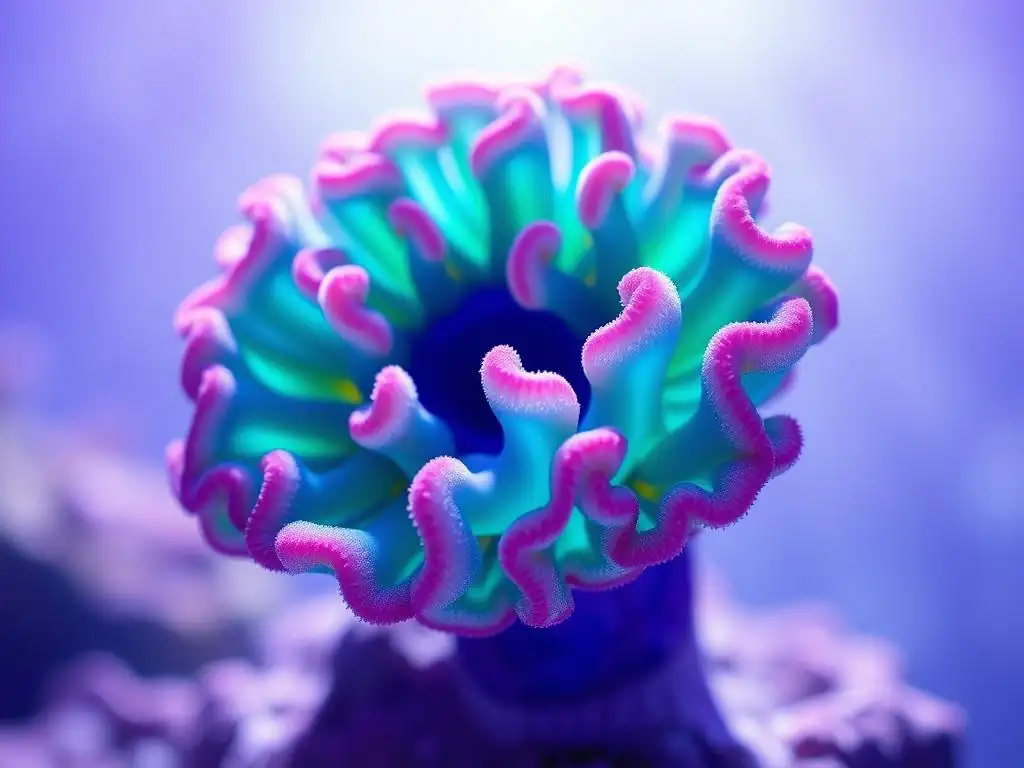
Overfeeding Symptoms
Overfeeding Euphyllia corals can have detrimental effects on both the coral and the overall aquarium environment. Common symptoms of overfeeding include a noticeable cloudiness in the aquarium water shortly after feeding, excessive accumulation of detritus (uneaten food and waste) around the base of corals and in low-flow areas, and a rapid proliferation of nuisance algae on rocks, substrate, and glass. Direct water parameter indicators often include elevated nitrate levels, potentially spiking above 10 ppm, and phosphate levels exceeding 0.1 ppm.
Directly impacting the coral, chronic overfeeding can lead to polyps appearing "bloated" or overly extended, sometimes even retracting more frequently due to discomfort or poor water quality. More severely, the increased organic load can foster bacterial blooms, raising the risk of infections like Brown Jelly Disease, which thrives in nutrient-rich, stagnant conditions. It's crucial to find a balance where corals are nourished without overwhelming the tank's filtration capacity.
Underfeeding Symptoms and Nutrient Deficiency
Conversely, underfeeding Euphyllia corals or providing an inadequate diet can lead to symptoms of nutrient deficiency and poor health. The most common signs include consistently poor polyp extension, where the polyps appear shriveled or do not extend fully, even during periods of low light or after food introduction. The coral's coloration may become noticeably pale or dull, losing its vibrant greens, pinks, or purples, as it lacks the necessary building blocks for healthy pigments.
Over time, prolonged underfeeding can result in tissue recession, particularly around the base of the coral where the tissue meets the skeleton. The coral may appear "thin" or "deflated," indicating a lack of energy reserves and protein synthesis. A Euphyllia not receiving sufficient protein and amino acids will struggle with tissue repair and calcification, becoming more susceptible to stress, disease, and ultimately, a decline in overall vitality and growth.
Water Parameters for Euphyllia Feeding
Water Quality Importance
Maintaining pristine water quality is absolutely paramount for the effective feeding and long-term health of Euphyllia corals. While feeding provides essential nutrients, the introduction of organic matter necessitates robust filtration and stable water parameters to prevent the accumulation of undesirable compounds. Poor water quality can stress corals, making them less receptive to feeding and more vulnerable to disease, even if high-quality food is offered.
Consistent water flow is also vital, as it helps distribute food particles evenly throughout the tank and, crucially, aids in the removal of waste products and detritus from around the coral's polyps, preventing localized buildup that can lead to bacterial issues. Regular water changes are an indispensable part of managing nutrient levels introduced by feeding, ensuring a stable and healthy environment where Euphyllia can thrive and efficiently utilize their food.
Key Water Parameters: Alkalinity, Calcium, Magnesium
Beyond general water quality, specific parameters are critical for Euphyllia corals to effectively utilize absorbed nutrients for skeletal growth (calcification). Alkalinity, ideally maintained between 8-12 dKH, is essential as it provides the carbonate ions necessary for building the coral's aragonite skeleton. Fluctuations in alkalinity can be highly stressful, impacting the coral's ability to calcify.
Calcium levels, ideally between 400-450 ppm, are the primary building blocks of the coral skeleton. Even if a Euphyllia is well-fed, a significant drop in calcium below 380 ppm can drastically slow down calcification rates, hindering growth. Magnesium, maintained between 1250-1350 ppm, plays a crucial role in regulating the availability of calcium and alkalinity, preventing calcium precipitation and ensuring these elements remain biologically available for the coral to absorb and integrate into its skeleton. Consistent monitoring and supplementation of these parameters are key components of a successful Euphyllia coral food guide strategy.
Troubleshooting Feeding Problems
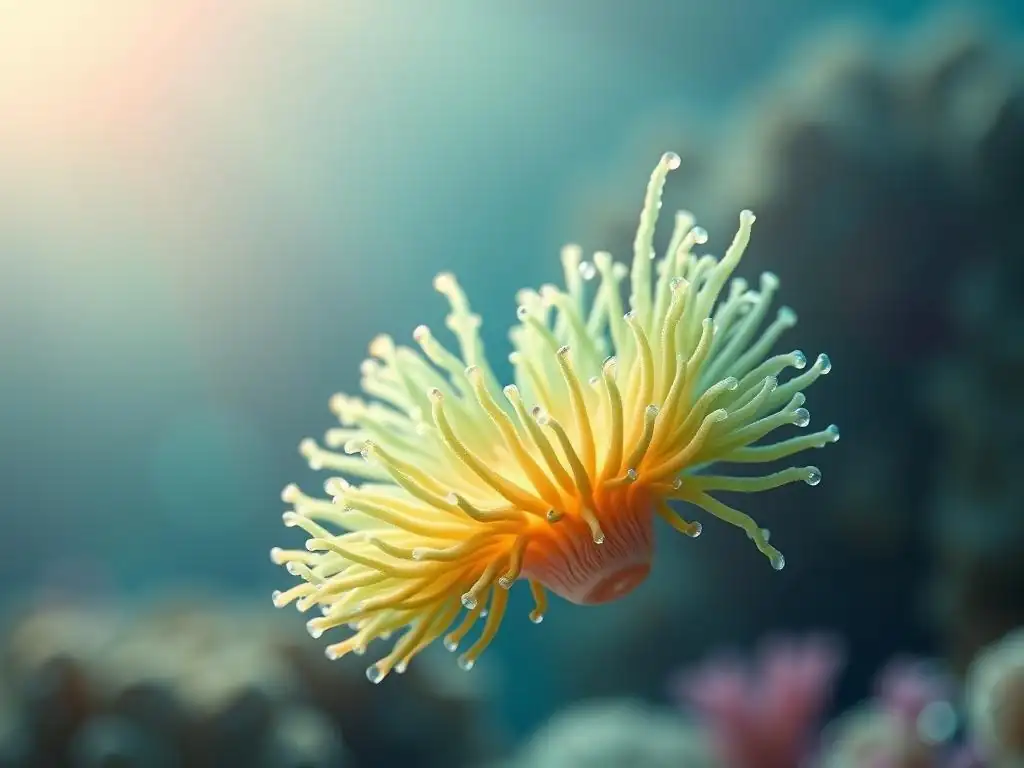
Addressing Feeding Issues
When Euphyllia corals exhibit a reluctance to feed, a systematic approach to troubleshooting is essential. The first step is always to verify water parameters; instability in alkalinity, calcium, or magnesium, or elevated nitrates/phosphates, can stress corals and suppress feeding responses. Next, assess lighting conditions: too intense or insufficient light can impact zooxanthellae health, indirectly affecting the coral's energy budget and desire to feed. Finally, ensure adequate water flow around the coral, as too little flow can lead to detritus accumulation, while too much can prevent food capture.
If parameters and flow are optimal, consider trying different food types or sizes. A coral that ignores Mysis shrimp might readily accept a liquid food or finely crushed rotifers. Experiment with feeding times; some Euphyllia show a stronger feeding response after the main tank lights have dimmed or gone out, when their polyps are fully extended and less inhibited by light. Patience and observation are key to identifying the specific preferences of your Euphyllia.
Brown Jelly Disease and Feeding
Brown Jelly Disease (BJD) is a highly virulent parasitic ciliate infection that can rapidly decimate Euphyllia colonies. While BJD can be triggered by physical damage or general stress, a significant contributing factor is poor water quality resulting from excessive organic load, which can be exacerbated by overfeeding. Uneaten food decaying in the tank provides a breeding ground for opportunistic bacteria and ciliate parasites, increasing the risk of BJD outbreaks.
If BJD is suspected (characterized by a gelatinous, brown slime covering parts of the coral), immediate action is critical. The affected coral should be isolated or removed from the main display tank. A coral dip, typically an iodine-based solution like Lugol's (e.g., 10 drops per gallon for 10-15 minutes), can help eradicate the parasites. Simultaneously, address the underlying water quality issues by performing a large water change, siphoning out detritus, and temporarily reducing feeding frequency to lower the organic load and prevent further spread.
Preventing Algae Growth
Excess nutrients introduced through feeding, if not properly exported, are a primary driver of nuisance algae growth in reef aquariums. While feeding Euphyllia is vital, it must be balanced with effective nutrient control strategies. A robust clean-up crew, consisting of various snails (e.g., turbo snails, nassarius snails) and hermit crabs, plays a crucial role in consuming uneaten food and detritus before it breaks down. Regular tank maintenance, including siphoning the substrate and cleaning the aquarium glass, also physically removes potential food sources for algae.
Beyond mechanical removal, chemical and biological nutrient export methods are essential. Protein skimmers effectively remove dissolved organic compounds from the water column before they can break down into nitrates and phosphates. Refugiums with macroalgae like Chaetomorpha can absorb excess nutrients as they grow. Additionally, media reactors containing GFO (Granular Ferric Oxide) or activated carbon can specifically target and remove phosphates and other dissolved organics, maintaining low nutrient levels and preventing widespread algae blooms, thereby supporting a healthy environment for your Euphyllia coral food guide implementation.
Advanced Feeding Strategies
Supplementing with Amino Acids
Amino acid supplements represent an advanced strategy for enhancing the health, growth, and coloration of Euphyllia corals. Amino acids are the fundamental building blocks of proteins, which are essential for tissue repair, cellular function, and the synthesis of pigments responsible for vibrant coral coloration. While corals obtain some amino acids from their food and through their zooxanthellae, direct supplementation can provide an immediate and readily available source, especially beneficial for corals under stress or those showing signs of nutrient deficiency.
Products such as Brightwell Aquatics' 'Amino Acids' or Fauna Marin 'Ultra Amin' are popular choices. Dosing these supplements can lead to noticeable improvements in polyp extension, tissue plumpness, and overall vibrancy within 2-4 weeks of consistent use. Corals can directly absorb these compounds from the water column, making it an efficient way to provide crucial nutrients that might be lacking in a standard feeding regimen.
Phytoplankton and Zooplankton for Coloration
While Euphyllia corals are primarily carnivorous and actively capture larger zooplankton, introducing a diverse range of phytoplankton and smaller zooplankton can contribute significantly to a more natural and thriving reef ecosystem, indirectly benefiting your corals and enhancing their coloration. Phytoplankton, microscopic marine algae, serve as a direct food source for various beneficial microfauna, copepods, and even the symbiotic zooxanthellae within the coral tissue.
By fostering a robust population of these smaller organisms, you create a more complete food web within your aquarium. Zooplankton, such as copepods and rotifers, in turn, feed on phytoplankton and dissolved organics, becoming a highly nutritious food source for your Euphyllia. Products like 'Phyto-Feast' or 'Roti-Feast' can be broadcast dosed to enrich the water column. This holistic approach to feeding, as part of a comprehensive Euphyllia coral food guide, can lead to enhanced coloration, improved vitality, and a more resilient coral population.
Conclusion: Long-Term Euphyllia Health Through Nutrition.
Frequently Asked Questions
How often should I feed my Euphyllia coral?
Euphyllia corals, like torch, hammer, and frogspawn, benefit from feeding 2-3 times per week. This supplements their nutrition beyond what they receive from photosynthesis and helps maintain their vibrant colors and growth.
What types of food are best for Euphyllia corals?
Ideal foods include small, meaty options such as mysis shrimp, brine shrimp, and finely chopped seafood. Specialized coral foods, like coral dust or amino acid solutions, are also excellent choices.
Can I overfeed my Euphyllia coral?
Yes, overfeeding can lead to poor water quality and even harm your coral. Always feed sparingly and observe your coral to ensure it consumes the food within a few minutes. Excess food should be removed.
How do I target feed my Euphyllia coral?
The best way to feed is via target feeding, using a pipette or turkey baster to deliver food directly to the coral's tentacles. This ensures the coral receives the food and minimizes waste in the aquarium.
What are the signs of a healthy, well-fed Euphyllia coral?
A healthy Euphyllia will exhibit bright coloration, extended tentacles, and a strong feeding response. A lack of color or retracted tentacles may indicate a nutritional deficiency or other problems.
Final Reflection: Cultivating Coral Vitality
The journey through understanding the nutritional needs of Euphyllia corals, as detailed in this guide, underscores a crucial point: responsible reef keeping hinges on informed choices. The health and vibrancy of our Torch, Hammer, and Frogspawn corals are directly linked to the quality and consistency of their diet, a fact that resonates even more profoundly in the face of increasing environmental pressures on coral reefs worldwide.
This exploration into Euphyllia feeding has not only deepened our understanding of these fascinating creatures but also highlighted the interconnectedness of the reef ecosystem. The dedication to providing optimal nutrition reflects a broader commitment to conservation and the preservation of these delicate underwater landscapes. In the end, we will conserve only what we love; we will love only what we understand; and we will understand only what we have been taught.
- Baba Dioum's words serve as a constant reminder that knowledge is the cornerstone of effective stewardship.
As you close this guide, I invite you to reflect on your own role in the reef keeping community. Consider how you can apply these insights to not only enhance the beauty of your own aquarium but also contribute to a more sustainable future for coral reefs. Let the knowledge gained here inspire you to become a more informed, responsible, and passionate advocate for these vital ecosystems.
Ignite Growth: Unleash Your Euphyllia's Potential!
Thank you for diving deep into the world of Euphyllia nutrition! We hope you now have a clearer understanding of how to keep your torch, hammer, and frogspawn corals thriving. Now, let's turn that knowledge into action!
- Prioritize direct feeding: Schedule weekly targeted feedings with a high-quality coral food to witness vibrant growth and intense coloration.
- Explore the diverse world of zooplankton. Introduce a variety of live or frozen zooplankton to simulate their natural diet and unlock their full feeding response.
- Share your Euphyllia feeding secrets! Post a picture of your thriving Euphyllia on social media with #AquariumMastery and inspire fellow reef keepers.
What specific feeding technique will you implement this week to see a noticeable improvement in your Euphyllia's health and vibrancy?