
Pajama Cardinalfish Unveiled: Easy Care for a Stunning Reef Addition

Welcome to Aquarium Mastery!
Ever dreamt of adding a touch of the exotic to your saltwater reef, but worried about the complexity? Prepare to be amazed! Our latest deep dive unveils the surprisingly easy care secrets behind the stunning Pajama Cardinalfish. Discover how to effortlessly incorporate this captivating creature into your tank and bring a splash of vibrant color to your underwater world. Intrigued? Let's unlock the secrets to a thriving Pajama Cardinalfish – keep reading!
- Pajama Cardinalfish: Care Guide for a Vibrant Reef Aquarium
- Introduction to Pajama Cardinalfish
- Aquarium Setup for Pajama Cardinalfish
- Feeding Pajama Cardinalfish
- Tank Mate Compatibility
- Disease Prevention and Treatment
- Breeding Pajama Cardinalfish
- Troubleshooting Common Issues
-
Frequently Asked Questions
- What makes the Pajama Cardinalfish considered "easy care" for reef aquariums?
- What are the ideal tank parameters for keeping Pajama Cardinalfish happy and healthy?
- What type of food should I feed my Pajama Cardinalfish?
- Are Pajama Cardinalfish peaceful, and can they be kept with other fish?
- What is the recommended minimum tank size for a group of Pajama Cardinalfish?
- Final Reflection: Embracing the Reef's Simplicity
- Dive Deeper: Transform Your Aquarium Today!
Pajama Cardinalfish: Care Guide for a Vibrant Reef Aquarium
Introduction to Pajama Cardinalfish
Benefits of Choosing Pajama Cardinalfish
Choosing the Pajama Cardinalfish (Sphaeramia nematoptera) for a reef aquarium offers numerous advantages, making them a popular and rewarding addition for aquarists of all experience levels. Their peaceful disposition ensures they coexist harmoniously with a wide range of other reef inhabitants, minimizing stress within the community tank. Furthermore, their unique and striking appearance, coupled with their relatively Pajama Cardinalfish easy care requirements, makes them an excellent choice for those seeking a visually appealing yet low-maintenance marine species.
Beyond their aesthetic appeal, Pajama Cardinalfish are known for their hardiness and adaptability to typical reef tank conditions. Unlike some more delicate reef fish, they are quite resilient to minor fluctuations in water parameters, provided overall stability is maintained. Their natural schooling behavior, when kept in appropriate groups, not only enhances the visual dynamics of the aquarium but also contributes to their overall well-being, reducing individual stress and promoting natural behaviors.
Sphaeramia nematoptera: Overview of Appearance and Habitat
The Pajama Cardinalfish is instantly recognizable by its distinctive coloration and pattern. It features a striking tri-band body design: a vibrant yellow anterior section, followed by a broad black band across its midsection, and a white, spotted posterior. Their large, prominent red eyes stand out, and their caudal fin is typically adorned with small, dark spots. These fish are relatively small, typically reaching an adult size of about 3 inches (approximately 7.5 cm) in captivity, making them suitable for a variety of tank sizes.
In their natural habitat, Sphaeramia nematoptera are widely distributed across the Western Pacific and Indo-Pacific regions, from the Philippines to Australia. They are commonly found in shallow, protected lagoons, sheltered bays, and coral reefs, often associating with branching corals such as Acropora or sea grasses where they can find refuge. Primarily nocturnal, they tend to hide during the day and become more active as dusk approaches, foraging for small invertebrates. In home aquariums, they retain this preference for shaded areas and often exhibit their schooling behavior more prominently in the evenings.
Aquarium Setup for Pajama Cardinalfish
Tank Size for Cardinalfish Schools
When considering a home for Pajama Cardinalfish, tank size is a critical factor, especially if you plan to keep them in a school, which is highly recommended for their well-being. For a small group of 5-7 individuals, a minimum tank size of 30 gallons (approximately 113 liters) is generally recommended. This allows sufficient swimming space and helps to disperse any minor territorial disputes that might arise, ensuring a harmonious environment for the entire school.
While a single Pajama Cardinalfish could survive in a smaller tank, their social nature truly thrives when kept in a group. A larger aquarium, such as a 50-gallon (approximately 189 liters) or more, provides even greater stability in water parameters and allows for a larger, more impressive school. This enhanced space reduces stress, encourages more natural schooling behavior, and contributes significantly to the overall Pajama Cardinalfish easy care experience.
Maintaining Optimal Water Parameters
Temperature, Salinity, and pH
Maintaining stable and appropriate water parameters is paramount for the health and longevity of Pajama Cardinalfish. The ideal temperature range for these fish is between 72-78°F (22-26°C). Salinity should be kept consistent, typically within a specific gravity range of 1.023-1.026. The pH level should be maintained between 8.1 and 8.4, which is typical for a healthy saltwater reef environment.
Consistency is more important than hitting exact numbers; sudden fluctuations, such as a rapid 3°F (approx. 1.5°C) drop in temperature or a significant pH swing, can cause severe stress to the fish and compromise their immune system. Regular monitoring with accurate test kits is essential to ensure these parameters remain stable. A stable environment significantly contributes to Pajama Cardinalfish easy care and helps prevent common stress-related illnesses.
Importance of Regular Water Changes
Regular water changes are a cornerstone of maintaining optimal water quality in any marine aquarium, and especially for the long-term health of Pajama Cardinalfish. These routine changes serve to dilute and remove accumulated nitrates, phosphates, and other undesirable dissolved organic compounds that build up over time, even with efficient filtration. Simultaneously, they replenish essential trace elements that are consumed by the aquarium inhabitants and corals.
A typical recommendation is to perform a 10-20% water change weekly or bi-weekly, depending on tank bioload and filtration efficiency. Neglecting regular water changes can lead to elevated nitrate levels, often exceeding 20 ppm, which can stress fish, suppress their immune response, and encourage undesirable algae growth. Always use high-quality RO/DI (Reverse Osmosis/Deionized) water, properly mixed with a reputable marine salt mix, to ensure the new water matches the existing tank parameters as closely as possible.
Substrate and Aquascaping
Substrate Selection
For Pajama Cardinalfish, the choice of substrate is not as critical as for some other species, as they are not typically bottom-dwellers or burrowers. However, a fine sand bed or very fine gravel is generally recommended. A depth of 1-2 inches (2.5-5 cm) is usually sufficient. Using live sand can provide additional benefits by contributing to the biological filtration capacity of the tank, introducing beneficial bacteria that help process waste.
It's advisable to avoid very coarse or sharp substrates that could potentially injure fish if they dart into it. While Pajama Cardinalfish don't actively sift sand, a soft substrate can still contribute to a more natural and comfortable environment. Ensure the substrate is clean and free of impurities before introduction to prevent water quality issues.
Creating Hiding Places and Open Space
Pajama Cardinalfish, being somewhat reclusive and nocturnal by nature, thrive in an aquarium that offers ample hiding places. Intricate rockwork, including caves, overhangs, and crevices, is essential for their comfort and security. Live rock is an ideal choice, as it not only provides natural shelter but also contributes significantly to the biological filtration, creating a more stable and healthy environment.
While hiding spots are crucial, it's equally important to balance them with open swimming areas, particularly for a schooling species. Over-aquascaping can restrict movement and make the tank feel cramped, potentially increasing stress among the fish. A well-designed aquascape that provides both secure retreats and clear swimming lanes will encourage more natural behavior and contribute significantly to Pajama Cardinalfish easy care, allowing them to feel safe and display their schooling dynamics.
Filtration and Water Quality
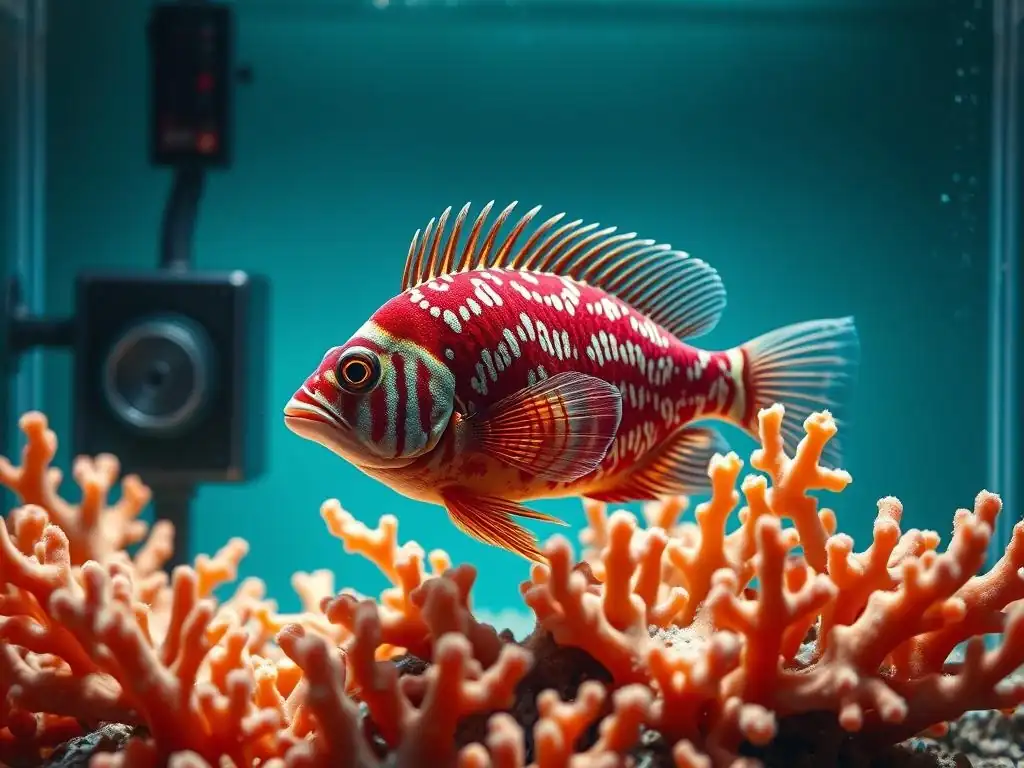
Robust filtration is non-negotiable for a healthy saltwater reef aquarium housing Pajama Cardinalfish. A comprehensive filtration system should ideally incorporate mechanical, biological, and chemical filtration components. Mechanical filtration, typically via filter socks or sponges, removes particulate matter, preventing the buildup of detritus. Biological filtration, primarily facilitated by live rock, bio-balls, or ceramic media, is crucial for converting toxic ammonia and nitrite into less harmful nitrate through the nitrogen cycle.
Chemical filtration, often in the form of activated carbon or specialized resins, helps remove dissolved organic compounds, odors, and undesirable coloration from the water. For a reef tank, a high-quality protein skimmer is almost indispensable; it efficiently removes organic waste before it breaks down, significantly reducing the bioload and maintaining excellent water quality. Achieving and maintaining zero ammonia and nitrite, and keeping nitrates below 10-20 ppm, are key indicators of effective filtration and a healthy environment.
Lighting for a Reef Environment
Pajama Cardinalfish do not have specific, demanding lighting requirements themselves; rather, their needs are generally met by the lighting chosen for the overall reef environment. They prefer moderate lighting conditions and often seek out shaded areas during the brighter parts of the day, reflecting their nocturnal tendencies in the wild.
If your reef tank features high-intensity lighting designed for demanding corals, it's particularly important to ensure that the aquascaping provides ample shaded areas and caves where the Cardinalfish can retreat. Excessive light can make them feel exposed and stressed, leading to increased reclusiveness. Providing these dimmer zones contributes to their comfort and helps them exhibit more natural behaviors, simplifying their long-term care.
Feeding Pajama Cardinalfish
Dietary Needs: Variety is Essential
Pajama Cardinalfish are omnivores with a strong preference for meaty foods. In their natural habitat, their diet consists primarily of small crustaceans, zooplankton, and other minute invertebrates. To ensure optimal health, vibrant coloration, and a robust immune system in a home aquarium, providing a varied diet that mimics their natural intake is absolutely essential.
Solely relying on one type of food, even a high-quality one, can lead to nutritional deficiencies over time. A diverse diet ensures they receive a full spectrum of vitamins, minerals, and essential fatty acids. This variety is a key component of Pajama Cardinalfish easy care, as it directly impacts their vitality and disease resistance.
Recommended Food Options
A range of high-quality frozen and dry foods should be incorporated into their diet. Excellent choices for frozen foods include Mysis shrimp, brine shrimp (enriched), finely chopped krill, and various copepod preparations. Mysis shrimp are particularly nutritious and readily accepted. While brine shrimp are a good treat, they are less nutritionally dense unless enriched.
For dry foods, high-quality marine flake or pellet foods formulated for omnivores or carnivores can serve as a supplemental staple. Ensure the particle size is appropriate for their mouths. Offering live foods like newly hatched brine shrimp or small copepods occasionally can also stimulate their feeding response and provide additional enrichment.
Feeding Schedule and Portion Control
A recommended feeding schedule for Pajama Cardinalfish is 1-2 times daily. It is generally more beneficial to offer smaller, more frequent feedings rather than one large meal. This approach helps maintain water quality by preventing large amounts of uneaten food from decaying and contributing to nutrient spikes.
When feeding, observe the fish closely. The portion size should be small enough to be entirely consumed within 2-3 minutes. Any food remaining after this time indicates overfeeding and should be promptly removed from the tank to prevent water quality degradation. Consistent portion control is vital for a healthy aquarium environment.
Preventing Overfeeding
Overfeeding is a common pitfall in aquarium husbandry and can lead to a cascade of problems. Excess food that goes uneaten will decompose, releasing ammonia and nitrite, which are toxic to fish. Even if converted to nitrate, persistently high nitrate levels (above 20 ppm) can stress fish, promote unsightly algae blooms, and contribute to poor long-term health, including conditions like fatty liver disease in fish.
To prevent overfeeding, always start with a small amount of food and observe how quickly it is consumed. If the fish appear to be actively hunting for more after the initial portion is gone, offer a tiny bit more. If food remains floating or settles on the substrate, you've fed too much. Implementing a feeding ring can help contain food and make it easier to remove uneaten portions, further contributing to Pajama Cardinalfish easy care by maintaining pristine water quality.
Tank Mate Compatibility
Ideal Tank Mates: Peaceful Community Fish
Pajama Cardinalfish are renowned for their peaceful temperament, making them excellent candidates for a community reef aquarium. Ideal tank mates include other similarly peaceful and non-aggressive species that will not outcompete them for food or territory. Good examples include various species of Clownfish (e.g., Ocellaris or Percula), small Gobies (such as Watchman Gobies or Yellow Watchman Gobies), Blennies (like the Lawnmower Blenny or Starry Blenny), and Royal Grammas.
Other peaceful Cardinalfish species, such as the Banggai Cardinalfish, can also make suitable companions, though careful observation for inter-species squabbles is always wise. These recommended tank mates generally occupy different niches within the aquarium, minimizing direct competition and allowing all inhabitants to thrive in a harmonious environment, which is crucial for Pajama Cardinalfish easy care.
Fish to Avoid: Aggressive Species
To ensure the safety and well-being of Pajama Cardinalfish, it is crucial to avoid housing them with aggressive or overly boisterous species. Fish known for their territoriality, fin-nipping tendencies, or predatory behavior pose a significant threat. Examples of fish to avoid include Triggerfish, large Angelfish (particularly those known for aggression), aggressive Damselfish (e.g., Domino Damsel), Lionfish, and Moray Eels.
Even seemingly minor aggression from a tank mate can cause chronic stress to Pajama Cardinalfish, leading to suppressed immune systems, loss of color, and increased susceptibility to disease. Predatory fish, even if small when purchased, can quickly grow large enough to view Cardinalfish as a food source. Careful research into the temperament and adult size of any potential tank mate is essential before introduction.
Benefits of Schooling
Pajama Cardinalfish are naturally schooling fish, and keeping them in a group significantly benefits their welfare and displays their most natural behaviors. A school of 5-7 individuals, or even more in larger tanks, provides a sense of security for each fish, reducing individual stress levels. This collective safety allows them to exhibit more confident swimming patterns and foraging behaviors.
Beyond the welfare benefits, a well-established school of Pajama Cardinalfish adds a dynamic and visually captivating element to the reef aquarium. Their synchronized movements and vibrant colors create a stunning display, making the tank more engaging and lively. This natural schooling also contributes to a more relaxed environment, aiding in Pajama Cardinalfish easy care by promoting their innate social structures.
Minimizing Aggression
While generally peaceful, minor squabbles can occasionally occur within a Pajama Cardinalfish school, particularly if the group is too small (e.g., only 2-3 individuals) or if there isn't enough space. In larger schools, any potential aggression is typically diffused among many individuals, preventing one fish from being consistently picked on.
Providing ample hiding spots and a diverse aquascape with numerous line-of-sight breaks further helps to minimize aggression. This allows weaker or more timid individuals to retreat and feel secure, reducing overall stress within the group. A well-structured environment supports their social dynamics and helps maintain a peaceful community.
Disease Prevention and Treatment
Recognizing Signs of Illness
Vigilant daily observation of your Pajama Cardinalfish is the first and most critical step in disease prevention and early treatment. Recognizing the subtle signs of illness can significantly improve the chances of successful intervention. Common indicators of stress or disease include clamped fins (held close to the body), labored or rapid breathing, loss of appetite, changes in coloration (such as dulling or fading), the appearance of white spots (Ich) or a dusty coating (Velvet), frayed fins, or unusual swimming patterns (e.g., darting, scratching against decor, or listlessness).
Any deviation from their normal behavior or appearance warrants immediate investigation. Early detection allows for prompt action, whether it's addressing water quality issues, isolating the affected fish, or initiating specific treatments. This proactive approach is fundamental to Pajama Cardinalfish easy care and maintaining a healthy aquarium ecosystem.
Common Diseases: Identification and Treatment
Treatment Options
Pajama Cardinalfish, like all marine fish, can be susceptible to common saltwater diseases if water quality is poor or stress levels are high. Marine Ich ( Cryptocaryon irritans) is one of the most prevalent, manifesting as small white spots resembling salt grains on the body and fins. Treatment options for Ich include copper-based medications, which are effective but must be used carefully as they can be toxic to invertebrates and some sensitive fish. Another common method is hyposalinity, gradually reducing the tank's specific gravity to 1.009-1.010 for 2-3 weeks, which disrupts the Ich life cycle.
Velvet ( Amyloodinium ocellatum) is another highly contagious and dangerous parasite, appearing as a dusty, yellowish-gold coating. It progresses rapidly and requires immediate treatment, often with copper or formalin-based medications. For bacterial infections, which might present as fin rot or body lesions, broad-spectrum antibiotics (administered in a hospital tank) may be necessary. Always follow medication instructions precisely and ensure proper ventilation.
Quarantine Procedures
Implementing a strict quarantine procedure for all new fish, including Pajama Cardinalfish, is perhaps the most effective way to prevent the introduction of diseases into your main display tank. A dedicated quarantine tank, typically 10-20 gallons (approx. 38-75 liters), should be set up with a heater, air stone, small filter, and PVC pipes or other inert decor for hiding places.
New fish should be quarantined for a period of 3-4 weeks. During this time, observe them daily for any signs of illness. If symptoms appear, treatment can be administered in the quarantine tank without risking the entire main display. This proactive measure significantly reduces the likelihood of widespread disease outbreaks, making Pajama Cardinalfish easy care more manageable by preventing major health crises.
Maintaining a Healthy Aquarium
The most effective strategy for preventing disease in Pajama Cardinalfish is to maintain a consistently healthy and stable aquarium environment. This involves diligently adhering to optimal water parameters (temperature, salinity, pH, ammonia, nitrite, nitrate), providing a varied and nutritious diet, and ensuring adequate aquascaping with plenty of hiding spots to reduce stress. Regular maintenance tasks, such as water changes and filter cleaning, are crucial for preventing the buildup of toxins.
Avoiding overcrowding is also vital, as high population densities increase bioload and stress levels, making fish more susceptible to illness. Promoting beneficial bacterial diversity within the biological filter and live rock helps establish a robust ecosystem that can naturally resist pathogens. A well-managed and stable aquarium minimizes stressors, allowing Pajama Cardinalfish to thrive and naturally resist common ailments.
Breeding Pajama Cardinalfish
Creating Suitable Breeding Conditions
Pajama Cardinalfish are mouthbrooders, a fascinating reproductive strategy where the male incubates the eggs in his mouth. To encourage breeding in a home aquarium, the primary focus should be on providing highly stable and optimal water parameters, a diverse and high-quality diet, and a quiet, low-stress environment. A dedicated breeding tank, or a very peaceful community tank, increases the chances of successful spawning.
Slightly elevating the water temperature to the upper end of their preferred range, around 78-80°F (25.5-26.5°C), combined with consistent feeding of live or high-quality frozen foods (such as Mysis shrimp and enriched brine shrimp), can often stimulate spawning behavior. Ensuring ample hiding spots for the pair can also make them feel secure enough to reproduce.
Identifying Sexes
Sexual dimorphism in Pajama Cardinalfish is not overtly pronounced, making it challenging to definitively identify sexes visually outside of breeding behaviors. Females may appear slightly plumper when gravid (carrying eggs), but this can be subtle. The most reliable indicator of sex is observing a male mouthbrooding. During this period, the male's buccal (mouth) cavity will appear noticeably distended as he carries the clutch of eggs.
Often, the easiest way to identify a potential breeding pair is to simply observe the dynamics within a small group. When one individual begins mouthbrooding, it is almost certainly the male, and the fish he has paired with is the female. Patience and keen observation are key to identifying sexes in this species.
Spawning and Egg Incubation
Caring for Fry
Once a pair has formed and conditions are favorable, spawning typically occurs in the evening. The female lays adhesive eggs, which the male immediately fertilizes and collects into his mouth. The male then mouthbroods the eggs for approximately 8-10 days. During this incubation period, the male will typically refuse food and may become more reclusive, seeking out a secure hiding spot. It's crucial not to disturb him during this delicate phase.
After the incubation period, the male will release relatively large, free-swimming fry. These fry are often immediately capable of consuming newly hatched brine shrimp or rotifers. To maximize fry survival, it is highly recommended to move the male (after the fry are released) or, ideally, the newly released fry themselves to a separate, dedicated rearing tank. This prevents predation by other tank inhabitants and allows for targeted feeding, contributing to successful Pajama Cardinalfish easy care in a breeding context.
Troubleshooting Common Issues
Loss of Color
A vibrant, well-defined color pattern is a hallmark of a healthy Pajama Cardinalfish. If your fish begins to show a dulling or fading of its characteristic yellow, black, and white bands, it's a strong indicator of an underlying issue. Common causes for loss of color include chronic stress (from poor water quality, aggressive tank mates, or insufficient hiding spots), the onset of disease, or a prolonged lack of adequate nutrition.
To address color loss, first, rigorously test all water parameters (ammonia, nitrite, nitrate, pH, salinity, temperature) to ensure they are stable and within optimal ranges. Next, observe tank mates for any signs of aggression towards the Cardinalfish and ensure there are plenty of secure hiding places available. Finally, review their diet, confirming it is varied and rich in essential nutrients. Addressing these potential stressors often helps restore their natural, vibrant coloration.
Hiding Behavior
While Pajama Cardinalfish are naturally somewhat reclusive and prefer to hide during the day, excessive or constant hiding behavior is a cause for concern. If your fish are rarely seen, even during feeding times, it could signify significant stress, fear of other tank inhabitants, or an underlying illness. Their nocturnal nature means they will often seek shelter, but a healthy, comfortable fish will still venture out.
Investigate potential stressors: are there aggressive tank mates? Is the lighting too intense without sufficient shaded areas? Are there enough appropriate hiding spots (caves, rockwork) for the entire school? Also, observe for any subtle signs of disease, such as labored breathing or clamped fins, which might drive them to hide. A secure and calm environment is essential for Pajama Cardinalfish easy care, encouraging them to exhibit more natural behaviors.
Feeding Difficulties
If your Pajama Cardinalfish suddenly stops eating or shows a persistent lack of appetite, it's a serious red flag. This can be caused by various factors, including acute stress (e.g., from a new tank environment or significant water parameter swings), the presence of internal parasites, or intense competition from faster or more aggressive tank mates during feeding times.
Begin by checking all water parameters to rule out environmental stress. If the fish is new to the tank, it may take a few days to acclimate and start feeding; try offering a small amount of live food like copepods to entice it. Observe feeding dynamics to ensure faster fish aren't consuming all the food before the Cardinalfish get a chance.
If the lack of appetite persists and other symptoms are present, consider isolating the fish in a hospital tank for closer observation and potential treatment for internal parasites or other ailments. Ensuring a calm, stable environment and varied diet is crucial for Pajama Cardinalfish easy care and their continued health.
Frequently Asked Questions
What makes the Pajama Cardinalfish considered "easy care" for reef aquariums?
Pajama Cardinalfish are generally considered easy care due to their hardy nature and adaptability to aquarium conditions. They are relatively tolerant of water parameter fluctuations compared to some other reef fish.
What are the ideal tank parameters for keeping Pajama Cardinalfish happy and healthy?
The ideal parameters include a temperature of 72-78°F, a specific gravity of 1.024-1.026, and a pH of 8.1-8.4. Maintaining stable water chemistry is essential for their well-being.
What type of food should I feed my Pajama Cardinalfish?
Pajama Cardinalfish are carnivorous and thrive on a varied diet. Offer them a mix of high-quality frozen foods, such as mysis shrimp, brine shrimp, and small pieces of meaty foods.
Are Pajama Cardinalfish peaceful, and can they be kept with other fish?
Yes, they are generally peaceful fish that get along well with other peaceful tankmates. Avoid keeping them with aggressive species that might bully or outcompete them for food.
What is the recommended minimum tank size for a group of Pajama Cardinalfish?
A minimum tank size of 30 gallons is recommended for a small group (3-5) of Pajama Cardinalfish. Providing adequate space helps reduce stress and allows for natural schooling behavior.
Final Reflection: Embracing the Reef's Simplicity
The journey into the world of the Pajama Cardinalfish, as we've explored, reveals a captivating creature that brings the vibrancy of the reef into our homes. Understanding their easy care requirements unlocks the potential for even novice aquarists to successfully cultivate these stunning fish, making the beauty of the ocean accessible to a wider audience and fostering a deeper appreciation for marine life.
This exploration extends beyond mere fishkeeping; it touches upon our responsibility as stewards of the environment. By choosing sustainable practices and understanding the needs of the creatures we bring into our care, we contribute to the preservation of their natural habitats. In the end, we will conserve only what we love; we will love only what we understand; and we will understand only what we are taught.
- Baba Dioum's words resonate deeply, reminding us that knowledge and understanding are the cornerstones of conservation.
Now, as you consider adding a Pajama Cardinalfish to your aquarium, remember the principles we've discussed. Embrace the simplicity of their care, and let their beauty inspire you to learn more about the delicate balance of the reef ecosystem. Let your aquarium be not just a display, but a testament to your commitment to responsible aquarism and a beacon of hope for the future of our oceans.
Dive Deeper: Transform Your Aquarium Today!
Thank you for exploring the captivating world of Pajama Cardinalfish with us. We hope you’re now inspired to bring these stunning creatures into your home aquarium. The journey doesn't end here; it's just the beginning!
Here are a few things you can do next:
- Embrace the Adventure: Start planning your aquarium setup: to welcome your own group of Pajama Cardinalfish, focusing on creating a peaceful and thriving environment.
- Explore our community: Share your aquarium setup dreams and discuss your plans with fellow enthusiasts in the Aquarium Mastery forum.
- Surprise your tank: Research compatible tank mates to create a vibrant and harmonious underwater community.
What's the first small step you will take this week to create the perfect home for these pajama-clad wonders?