
Invertebrate First Aid: Common Issues and How to Address Them

Welcome to Aquarium Mastery!
Ever wondered why your vibrant saltwater invertebrates suddenly seem a little off? Delve into our comprehensive guide, "Invertebrate First Aid: Common Issues and How to Address Them," where we unlock the secrets to saltwater invertebrate illness treatment. Discover practical solutions and preventative measures to keep your delicate reef inhabitants thriving. Ready to learn how to diagnose and treat common ailments? Let's get started!
- Introduction to Saltwater Invertebrate Health and First Aid
- Common Saltwater Invertebrate Ailments and Their Initial Treatment
- Saltwater Invertebrate Illness Treatment: Specific Cases and Solutions
- Preventative Measures for Saltwater Invertebrate Health
- Advanced Saltwater Invertebrate Care and Treatment
- Conclusion: Promoting Saltwater Invertebrate Health and Longevity
-
Frequently Asked Questions
- How can I tell if my saltwater invertebrate is sick?
- What are some common illnesses affecting saltwater invertebrates?
- What water parameters are most crucial for invertebrate health?
- Can I use the same medications for invertebrates as I do for fish?
- What should I do immediately if I suspect my invertebrate is ill?
- Final Reflection: Aiding the Unseen
- Revitalize Your Invertebrate Care Journey!
Introduction to Saltwater Invertebrate Health and First Aid
The Importance of Recognizing Saltwater Invertebrate Illnesses
Early and accurate recognition of health issues in saltwater invertebrates is paramount for the well-being of the entire reef aquarium. Unlike fish, many invertebrates exhibit subtle signs of distress or illness, making their ailments harder to spot in initial stages. Their delicate physiology means that once symptoms become obvious, the condition is often advanced, leading to rapid decline and potential loss. Moreover, sick invertebrates can compromise water quality, introduce pathogens, or become a source of decay, negatively impacting other tank inhabitants, including corals and fish.
Prompt intervention is not only crucial for the individual invertebrate's survival but also for maintaining the delicate balance of a reef ecosystem. A healthy clean-up crew, for instance, actively contributes to waste removal and algae control. Losing these essential members due to unaddressed illness can lead to an accumulation of detritus and nuisance algae, necessitating more intensive maintenance. Therefore, understanding and implementing effective saltwater invertebrate illness treatment strategies from the first sign of trouble is a cornerstone of successful reef keeping.
Understanding Basic Saltwater Invertebrate Anatomy and Physiology for First Aid
Saltwater invertebrates encompass an incredibly diverse group of organisms, including crustaceans (shrimp, crabs), mollusks (snails, clams), echinoderms (sea stars, sea urchins), and cnidarians (corals, anemones). Each group possesses unique anatomical features and physiological processes that influence how they respond to environmental changes, stress, and disease. For instance, crustaceans rely on molting their exoskeletons for growth, a process highly sensitive to water parameters and stress, while mollusks depend on calcium and alkalinity for shell integrity.
Their physiological differences from vertebrates, particularly regarding their immune systems, mean that many invertebrates have limited capacity to fight off infections once established. They often lack the complex adaptive immune responses seen in fish, making them more vulnerable to environmental stressors and rapid pathogen proliferation. Consequently, saltwater invertebrate illness treatment often focuses on environmental stabilization, supportive care, and prevention, rather than aggressive medicinal intervention, which can often be more harmful than beneficial to these sensitive creatures.
Common Saltwater Invertebrate Ailments and Their Initial Treatment
Identifying Common Saltwater Invertebrate Diseases and Problems
Recognizing Signs of Stress in Saltwater Invertebrates
Identifying stress is the first step in preventing full-blown disease in saltwater invertebrates. Common signs include lethargy or unusual inactivity, such as shrimp remaining motionless for extended periods or snails not moving for days. Abnormal coloration, like a shrimp becoming opaque or a coral paling significantly, often indicates stress. Other indicators include reduced feeding, excessive hiding, or unusual behaviors like repeated attempts to escape the water. For crustaceans, difficulty molting, or incomplete molts, where parts of the old exoskeleton remain attached, are critical red flags signifying environmental stress or nutritional deficiencies.
Corals, as cnidarian invertebrates, also display clear stress signals. These can include polyp retraction, reduced inflation, a dull appearance, or the onset of bleaching where they lose their vibrant colors due to the expulsion of zooxanthellae. Recognizing these subtle shifts early allows aquarists to investigate potential environmental culprits—such as fluctuating water parameters, temperature swings, or aggression from tank mates—before the stress progresses to a more severe condition requiring active saltwater invertebrate illness treatment.
Diagnosing Common Saltwater Invertebrate Issues
Diagnosing specific issues in saltwater invertebrates requires careful observation combined with diligent water parameter testing. Once signs of stress are noted, the next step is to rule out environmental factors by checking salinity, pH, temperature, ammonia, nitrite, and nitrate levels. For instance, a sudden drop in salinity from 1.025 to 1.020 can quickly lead to osmotic shock in many invertebrates, rather than a pathogen. Beyond water quality, physical inspection for visible parasites, lesions, or signs of physical trauma is essential.
Common issues include molting complications in shrimp and crabs, often linked to iodine deficiency or unstable water chemistry; shell erosion in snails, typically a sign of low pH or insufficient calcium and alkalinity; and tissue necrosis in corals, which can be bacterial, parasitic, or stress-induced. Differentiating between these requires a systematic approach. For example, if a coral is losing tissue rapidly, inspecting for visible pests like flatworms or nudibranchs should be done before assuming a bacterial infection, as the saltwater invertebrate illness treatment approaches differ significantly.
Addressing Osmotic Shock in Saltwater Invertebrates
Causes of Osmotic Shock in Saltwater Tanks
Osmotic shock, a critical and often fatal condition for saltwater invertebrates, occurs due to rapid or significant changes in salinity. Invertebrates are highly sensitive to the osmotic balance between their internal fluids and the surrounding water.
If the external salinity changes too quickly, their cells either rapidly absorb water (if salinity drops) or lose water (if salinity increases), leading to cellular damage and organ failure. Common causes include improper or rushed acclimation of new specimens, large water changes performed with water of significantly different specific gravity, or neglecting to top off evaporated water with pure RODI water, which causes salinity to rise over time.
For example, introducing a new shrimp directly from a bag with a specific gravity of 1.020 into a display tank at 1.026 without gradual acclimation can induce severe osmotic shock within minutes. Similarly, if an aquarist forgets to top off evaporated water for several days, the tank's salinity might climb from 1.025 to 1.030, putting existing invertebrates under immense osmotic stress. These rapid shifts are far more detrimental to invertebrates than to fish, underscoring the need for careful parameter management to prevent the need for acute saltwater invertebrate illness treatment.
First Aid for Invertebrates Experiencing Osmotic Shock
Immediate action is vital when an invertebrate shows signs of osmotic shock, such as lethargy, loss of coordination, or complete inactivity. The primary goal is to stabilize the salinity very slowly. If the salinity is too low, prepare water with a slightly higher specific gravity (e.g., 0.001-0.002 higher than the current tank water) and perform a small, slow water change. Alternatively, if the invertebrate can be safely removed, place it in a separate container and slowly drip acclimate it to the correct target salinity over several hours, ensuring the change is no more than 0.001 per hour.
If the salinity is too high, the same principle applies: slowly lower it by performing small, controlled water changes with properly mixed water at the target salinity. For invertebrates still in the main display tank, avoid large, sudden water changes. Instead, perform multiple small water changes (e.g., 5-10% every few hours) with water matched to the target salinity. Patience and precision are key; rapid adjustments will only worsen the shock. This careful approach to salinity management is a critical form of saltwater invertebrate illness treatment.
Treating Injuries and Physical Trauma in Saltwater Invertebrates
Common Injuries in Saltwater Invertebrates (e.g., Shell Damage, Limb Loss)
Saltwater invertebrates are susceptible to various forms of physical trauma, which can occur from tank dynamics or improper handling. Common injuries include shell damage in snails and crabs, often resulting from falls, collisions with rockwork, or aggression from territorial fish or other invertebrates. Shrimp and crabs frequently suffer limb loss, which can be due to aggressive tank mates (e.g., a dominant clownfish nipping at a cleaner shrimp), getting caught in equipment like powerheads, or during a difficult molt. Coral tissue can be damaged by physical abrasion, falling rockwork, or even aggressive fish picking at them.
While many crustaceans possess remarkable regenerative abilities, often regrowing lost limbs over several molts, severe or multiple injuries can be debilitating or fatal. For example, a large crack in a snail's shell can expose its soft body to infection or predation. Similarly, extensive tissue loss in corals can lead to rapid necrosis if not addressed. Understanding the potential for these injuries helps aquarists implement preventative measures and provides a basis for effective saltwater invertebrate illness treatment when trauma occurs.
Immediate Steps for Treating Injured Invertebrates
The immediate steps for treating injured invertebrates focus on providing a pristine, stable environment to facilitate healing and prevent secondary infections. If an invertebrate is severely injured (e.g., extensive shell damage, deep wounds), it is often beneficial to isolate it in a dedicated hospital tank. This removes it from potential further aggression or disturbance from tank mates and allows for precise control of water parameters. Ensure the hospital tank has optimal salinity (1.025 SG), pH (8.1-8.4), and temperature (75-79°F), with zero ammonia and nitrite.
For snails with cracked shells, ensuring adequate calcium (400-450 ppm) and alkalinity (8-12 dKH) in the water can support shell repair. For shrimp and crabs with limb loss, maintaining excellent water quality and providing a nutritious diet will support the molting process, which is essential for regeneration. For corals with localized tissue damage, a targeted iodine dip (e.g., Lugol's solution, carefully dosed per instructions) can sometimes be applied outside the main tank to disinfect the wound, followed by returning the coral to a stable, low-stress environment. These interventions are crucial for effective saltwater invertebrate illness treatment following physical trauma.
Dealing with Parasites in Saltwater Invertebrates
Identifying Common Saltwater Invertebrate Parasites
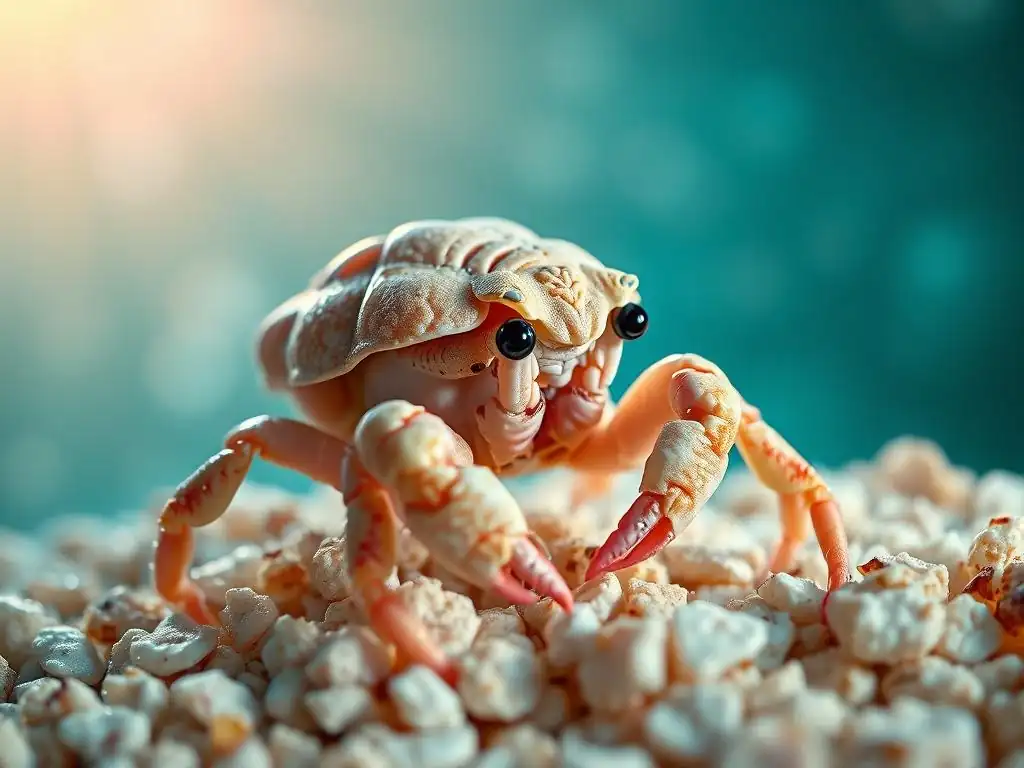
While many common fish parasites do not directly infest invertebrates, certain parasitic organisms can affect saltwater invertebrates, particularly corals, clams, and sometimes crustaceans. Common examples include various species of flatworms (e.g., Convolutriloba retrogemma or "red planaria" on corals, or Amakusaplana acroporae on Acropora corals), parasitic nudibranchs that prey specifically on certain coral types, and pyramid snails that parasitize clams. Identifying these parasites usually involves careful visual inspection; flatworms may appear as small, often reddish or brown, disc-shaped organisms on coral tissue, while pyramid snails are tiny, white, cone-shaped snails found on clam shells or mantles.
Other, less common parasites can include specialized copepods or isopods, though these are more often observed on fish. Distinguishing between nuisance organisms (like harmless copepods) and true parasites is critical. Parasites typically cause visible damage, such as tissue recession, polyps not extending, or general decline in the host's health. Understanding what to look for is the first step in devising an appropriate saltwater invertebrate illness treatment plan.
Initial Treatment Options for Parasitic Infections in Invertebrates
Treating parasitic infections in saltwater invertebrates is challenging due to the sensitivity of invertebrates to many common anti-parasitic medications used for fish (e.g., copper, formalin). Therefore, initial treatment often focuses on non-chemical methods. For external parasites like flatworms or parasitic nudibranchs on corals, dips are a primary method. Commercial coral dips (often containing iodine or other broad-spectrum disinfectants) can be used to briefly immerse the affected coral outside the main tank, causing parasites to detach. This must be done carefully, observing the coral for signs of stress.
Manual removal is also effective for larger parasites like pyramid snails on clams, which can be gently picked off with tweezers. For widespread flatworm infestations, introducing natural predators like certain wrasse species (e.g., Six-Line Wrasse, though they have specific care requirements) can provide biological control, but this should be done with caution as not all wrasses are reef-safe. Quarantine of all new invertebrates for at least 4-6 weeks is the most effective preventative measure, allowing for observation and treatment of any parasites before they enter the main display tank, minimizing the need for reactive saltwater invertebrate illness treatment.
Addressing Bacterial Infections in Saltwater Invertebrates
Recognizing Symptoms of Bacterial Infections
Bacterial infections in saltwater invertebrates can manifest in various ways, often appearing as secondary infections following stress, injury, or poor water quality. In corals, common bacterial issues include "Brown Jelly Disease" (a rapidly spreading, brown, necrotic slime) and "Rapid Tissue Necrosis" (RTN) or "Slow Tissue Necrosis" (STN), where coral tissue rapidly or slowly peels away from the skeleton. Shrimp and crabs might exhibit cloudy eyes, localized lesions, or a general opaque appearance of their exoskeleton, sometimes accompanied by lethargy. Snails can develop "shell rot," characterized by pitting or erosion of the shell, often with a foul odor.
These symptoms often progress quickly, making early detection crucial. For instance, Brown Jelly Disease can decimate a coral colony within hours. Recognizing these specific signs helps differentiate bacterial issues from parasitic infestations or environmental stress, guiding the appropriate saltwater invertebrate illness treatment. Prompt identification allows for immediate intervention, which can significantly improve the chances of recovery.
First-Line Treatments for Bacterial Infections in Invertebrates
The first line of saltwater invertebrate illness treatment for bacterial infections involves drastic improvements to water quality and, if possible, isolation of the affected individual. For corals suffering from bacterial necrosis, immediate removal from the main tank is crucial to prevent spread. A targeted dip using an iodine-based solution (like Lugol's iodine, diluted per instructions) or a commercial coral dip can sometimes halt the progression of the infection. Some aquarists also attempt to frag (cut) the healthy parts of the coral away from the infected areas, discarding the diseased portion.
For crustaceans and mollusks, improving water quality by performing a significant water change (e.g., 20-30%) with perfectly matched, pristine saltwater is essential. This reduces the overall bacterial load in the water column. In some severe cases, a separate hospital tank might be used to administer very specific, invertebrate-safe antibiotics, but this is a rare and risky approach for home aquarists, as most antibiotics are highly toxic to invertebrates. Focusing on optimal water parameters, consistent maintenance, and providing a stress-free environment are the most effective strategies to prevent and manage bacterial infections.
Saltwater Invertebrate Illness Treatment: Specific Cases and Solutions
First Aid for Sick Shrimp: Peppermint Shrimp ( Lysmata wurdemanni)
Diagnosing and Treating Peppermint Shrimp ( Lysmata wurdemanni) Ailments
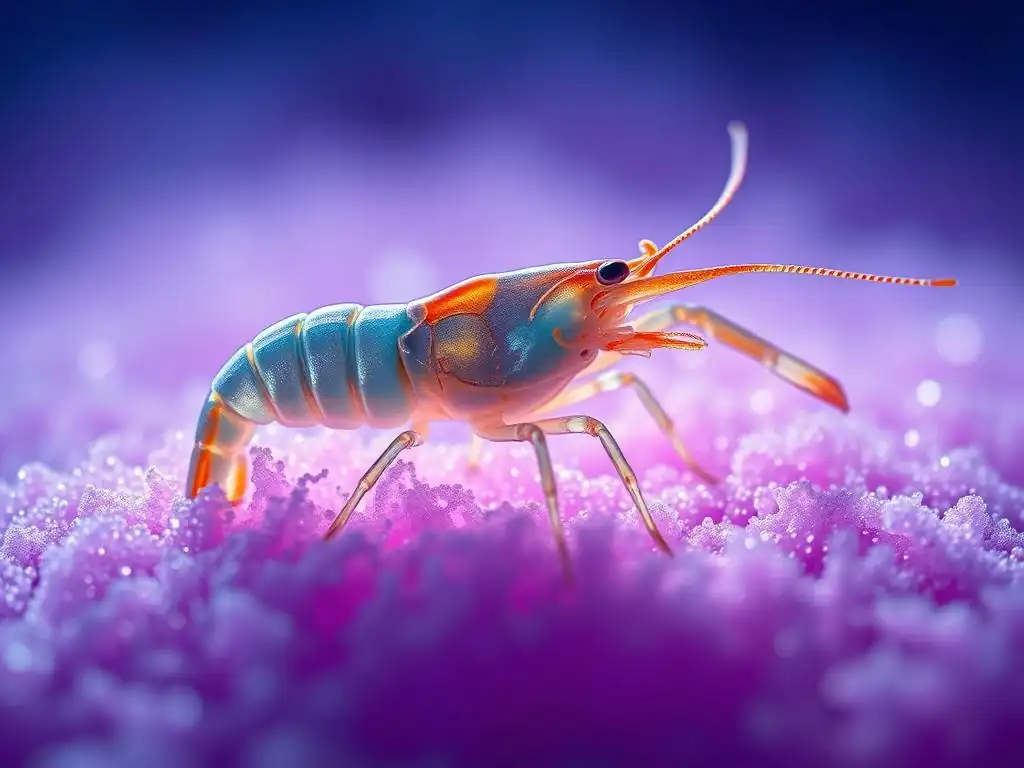
Peppermint shrimp ( Lysmata wurdemanni) are popular clean-up crew members, but they are susceptible to a few common ailments. The most frequent issue is molting problems, where the shrimp struggles to shed its old exoskeleton, often appearing lethargic, opaque, or even paralyzed. This is typically caused by unstable water parameters, particularly low iodine levels or rapid salinity swings.
Another common ailment is bacterial infections, which can manifest as cloudy eyes, localized lesions, or a general milky appearance of the body. Aggression from tank mates, such as territorial fish or other shrimp, can also lead to physical injuries or chronic stress.
For molting issues, ensure stable salinity (1.025 SG), temperature (75-79°F), and consider supplementing with a high-quality iodine solution, dosed carefully according to manufacturer instructions. If bacterial infection is suspected, immediately transfer the shrimp to a quarantine tank with pristine water, as most common antibiotics are toxic to shrimp. Maintaining excellent water quality and offering a varied, nutritious diet (e.g., frozen mysis shrimp) are the best forms of saltwater invertebrate illness treatment for these delicate crustaceans.
Treating Ailing Crabs: Emerald Crab ( Mithrax sculptus)
Common Health Problems in Emerald Crab ( Mithrax sculptus) and Their Solutions
Emerald crabs ( Mithrax sculptus) are generally hardy, but they can face specific health challenges. Limb loss is common, often due to aggressive tank mates, rough handling, or a difficult molt. While crabs can regrow limbs over several molts, severe or repeated loss indicates underlying issues. Shell erosion, appearing as pitting or a worn look on their carapace, is another problem, usually stemming from low pH, insufficient calcium (below 400 ppm), or inadequate alkalinity (below 8 dKH) in the water. Bacterial infections can also cause lesions or a general decline, often secondary to stress or injury.
To address limb loss, identify and remove aggressive tank mates if possible, and ensure the crab has ample hiding spots. For shell erosion, diligently maintain optimal calcium (400-450 ppm) and alkalinity (8-12 dKH) levels, along with stable pH (8.1-8.4). Regular water changes also help replenish trace elements crucial for shell health. If a bacterial infection is suspected, focus on improving water quality drastically and isolating the crab in a hospital tank. Avoid using copper-based medications, as they are lethal to crabs. These proactive measures are key to effective saltwater invertebrate illness treatment for emerald crabs.
Caring for Sick Snails: Turbo Snail ( Turbo fluctuosus)
Addressing Shell Issues and Other Snail Health Concerns
Turbo snails ( Turbo fluctuosus) are excellent algae grazers, but their health is closely tied to water quality. The most prevalent health concern is shell erosion or pitting, which occurs when the water pH is too low (below 8.1), or calcium and alkalinity levels are insufficient. This weakens their protective shell, making them vulnerable. Other issues include lethargy, becoming detached from surfaces, or an inability to right themselves if they fall, which can indicate general stress, old age, or poor water quality. Sometimes, snails may retract deeply into their shells and not emerge for extended periods, signaling severe distress.
For shell erosion, consistently maintain stable pH between 8.1 and 8.4, and ensure calcium levels are between 400-450 ppm and alkalinity between 8-12 dKH. Supplementing with a high-quality calcium and alkalinity buffer can help. If a snail falls and cannot right itself, gently flip it over to prevent starvation or predation. Persistent lethargy or retraction often points to underlying water quality issues or the presence of predators (like certain predatory snails or crabs). Regular monitoring and maintaining pristine parameters are the most effective saltwater invertebrate illness treatment for snails.
Coral First Aid: Addressing Common Coral Problems
Treating Coral Bleaching and Tissue Necrosis
Corals, being sessile invertebrates, are particularly vulnerable to environmental stressors, which often manifest as bleaching or tissue necrosis. Coral bleaching is the expulsion of symbiotic zooxanthellae, causing the coral to turn pale or white. This is typically triggered by sudden or prolonged changes in temperature (e.g., above 84°F or below 72°F), extreme light intensity, or rapid salinity fluctuations. Tissue necrosis, such as Rapid Tissue Necrosis (RTN) or Slow Tissue Necrosis (STN), involves the rapid or gradual loss of coral tissue, exposing the white skeleton. This can be caused by bacterial infections, severe stress, aggression, or parasitic infestations.
For bleaching, the primary first aid is to identify and slowly rectify the environmental stressor. Gradually adjust temperature, lighting intensity, or salinity back to optimal ranges (e.g., 75-79°F, 1.025 SG). For tissue necrosis, immediate action is crucial.
If a bacterial cause is suspected, carefully fragging (cutting off) the healthy part of the coral away from the diseased area can save the colony. Targeted dips with iodine-based solutions or commercial coral dips can also be used outside the main tank to disinfect the affected area. Always ensure optimal water parameters and stable conditions to support recovery, as these are fundamental to saltwater invertebrate illness treatment for corals.
Preventative Measures for Saltwater Invertebrate Health
Maintaining Optimal Water Quality for Invertebrate Health
Importance of Water Parameters (Salinity, pH, Temperature, Ammonia, Nitrite, Nitrate)
Maintaining stable and optimal water parameters is the single most critical factor in preventing saltwater invertebrate illnesses. Invertebrates are far more sensitive to fluctuations than fish. Salinity should be consistent at 1.024-1.026 specific gravity (33-35 parts per thousand). pH must be stable between 8.1 and 8.4, as rapid swings or consistently low pH can lead to shell erosion in mollusks and hinder calcification in corals.
Temperature should remain steady, ideally between 75-79°F, as sudden changes cause immense stress. Crucially, ammonia and nitrite must always be at 0 ppm, as even trace amounts are highly toxic to most invertebrates, especially crustaceans. Nitrate levels should be kept below 10-20 ppm for most inverts, and ideally near 0 ppm for sensitive corals.
Any deviation from these optimal ranges or rapid fluctuations will compromise an invertebrate's immune system, increase stress, and make them highly susceptible to disease. For instance, a sudden ammonia spike can quickly lead to the death of an entire clean-up crew. Consistent, ideal parameters reduce the physiological stress on invertebrates, allowing them to allocate energy towards growth, reproduction, and disease resistance, thereby significantly reducing the need for reactive saltwater invertebrate illness treatment.
Regular Water Testing and Maintenance Schedules
Implementing a rigorous schedule for water testing and maintenance is indispensable for ensuring optimal water quality and preventing invertebrate health issues. For newly established tanks, daily testing of ammonia, nitrite, and nitrate is recommended until the nitrogen cycle is fully mature. Once stable, weekly testing of salinity, pH, temperature, calcium, alkalinity, and magnesium should be performed. Recording these results allows aquarists to track trends and identify potential problems before they escalate. Reliable test kits are a worthy investment to ensure accuracy.
Regular partial water changes, typically 10-20% every one to two weeks, are vital for replenishing essential trace elements and diluting accumulated nitrates and phosphates. This also helps maintain the stability of major parameters. Beyond water changes, routine tank maintenance, such as siphoning detritus from the substrate, cleaning protein skimmers, and ensuring proper flow, contributes significantly to overall water quality. Proactive maintenance and consistent monitoring are the most effective forms of preventative saltwater invertebrate illness treatment.
Proper Acclimation Techniques for New Invertebrates
Step-by-Step Acclimation Process to Minimize Stress
Proper acclimation is arguably the most critical step when introducing new saltwater invertebrates to prevent osmotic shock and minimize stress, thereby avoiding the need for immediate saltwater invertebrate illness treatment. The drip acclimation method is highly recommended due to its slow and gradual equalization of water parameters. First, float the sealed bag containing the invertebrate in the sump or a quiet corner of the display tank for 15-20 minutes to equalize temperature.
Next, open the bag and secure it in a separate container (like a clean bucket) that can hold a larger volume of water. Using airline tubing and an air valve, create a slow drip from the display tank into the container. The drip rate should be very slow, approximately 1-2 drops per second.
Allow this process to continue for at least 1-2 hours, or until the volume of water in the container has quadrupled. Finally, gently net the invertebrate, discarding the original shipping water, and carefully place it into the display tank. This gradual process minimizes the shock of changing salinity and pH, significantly improving the chances of successful integration.
Providing a Balanced Diet for Saltwater Invertebrates
Understanding Nutritional Needs of Different Invertebrate Species
Providing a balanced and appropriate diet is fundamental to the long-term health and vitality of saltwater invertebrates. Different invertebrate species have highly varied nutritional requirements. Filter feeders, such as many corals, clams, and some fan worms, primarily consume phytoplankton and zooplankton from the water column. Scavengers like crabs and snails often graze on algae, detritus, and uneaten food. Omnivores, such as many shrimp species, will consume a mix of plant and animal matter. Corals, while relying heavily on photosynthesis from their zooxanthellae, also benefit from supplemental feeding of specialized coral foods, phytoplankton, or zooplankton.
A diet lacking essential nutrients can lead to weakened immune systems, poor growth, and susceptibility to disease. For instance, insufficient calcium and alkalinity can lead to shell erosion in snails and crabs, and poor skeletal growth in corals. Ensuring a diverse feeding regimen that caters to the specific needs of each invertebrate species in the tank will promote their natural behaviors, support their physiological processes, and build resilience against common ailments, thereby reducing the incidence of saltwater invertebrate illness.
Choosing Appropriate Foods and Feeding Schedules
Selecting the right foods and establishing a consistent feeding schedule are crucial for meeting the diverse nutritional needs of your saltwater invertebrates. For filter feeders, regular dosing of high-quality liquid phytoplankton and zooplankton is beneficial. Scavengers like snails and hermit crabs will primarily graze on naturally occurring algae and detritus, but supplemental algae wafers or small pieces of sinking frozen foods can be offered if natural food sources are limited. Shrimp benefit from small, sinking pellets, frozen mysis shrimp, or brine shrimp, fed a few times per week.
Avoid overfeeding, as excess food will quickly decompose, leading to nutrient spikes (ammonia, nitrite, nitrate, phosphate) that are detrimental to water quality and can directly cause invertebrate stress and illness. Feed small amounts frequently rather than large amounts infrequently. Observe your invertebrates during feeding to ensure they are consuming the food and not letting it go to waste. A well-planned feeding strategy supports robust health, minimizes stress, and contributes significantly to preventing the need for reactive saltwater invertebrate illness treatment.
Quarantine Procedures for New Saltwater Invertebrates
Setting Up a Quarantine Tank and Monitoring for Illness
Implementing a strict quarantine procedure for all new saltwater invertebrates before introducing them to the main display tank is one of the most effective preventative measures against introducing diseases, parasites, and unwanted pests. A quarantine tank (QT) does not need to be elaborate; a simple 10-20 gallon aquarium with a small heater, a powerhead for circulation, and a mature sponge filter (or media from an established tank) is sufficient. Avoid using substrate or complex rockwork, as this makes observation and cleaning more difficult.
New invertebrates should remain in the QT for a minimum of 4-6 weeks. During this period, meticulously observe them daily for any signs of illness, unusual behavior, visible parasites (e.g., flatworms, parasitic nudibranchs), or physical injuries. Any issues identified can then be addressed and treated in the isolated environment of the QT, preventing the spread of potential problems to your established display tank. This proactive approach significantly reduces the risk of widespread saltwater invertebrate illness treatment being necessary in the main system.
Advanced Saltwater Invertebrate Care and Treatment
When to Seek Professional Help for Sick Invertebrates
Knowing when to seek professional help for sick invertebrates is crucial, as their delicate nature often means time is of the essence. If symptoms are severe, rapidly progressing, or affecting multiple invertebrates, it's often beyond the scope of basic first aid. For instance, if an entire coral colony is rapidly succumbing to tissue necrosis, or multiple shrimp are exhibiting signs of a systemic infection, external expertise becomes invaluable. If you've diligently applied basic saltwater invertebrate illness treatment steps (water quality correction, isolation) with no improvement, or if you suspect a highly contagious or untreatable disease, professional advice is warranted.
Consulting with experienced aquarists, reputable local fish store owners specializing in reef tanks, or even an aquatic veterinarian (though rare and expensive for invertebrates) can provide critical insights. They may have access to specialized diagnostic tools, advanced medications, or simply a wealth of experience that can help identify the root cause of the problem and recommend more targeted interventions. Don't hesitate to reach out when faced with a complex or widespread health crisis in your invertebrate population.
Utilizing Medications Safely in Saltwater Invertebrate Tanks
Utilizing medications for saltwater invertebrate illness treatment requires extreme caution, as many common aquarium remedies are highly toxic to invertebrates. Medications containing copper, formalin, or certain broad-spectrum antibiotics, while effective for fish, can be lethal to shrimp, crabs, snails, and corals. Always meticulously check product labels for "reef-safe" or "invertebrate-safe" declarations before considering their use. Even then, proceed with extreme caution, as some "reef-safe" products can still cause stress or harm to particularly sensitive species.
If medication is deemed absolutely necessary, it should almost always be administered in a separate quarantine or hospital tank, never directly in the main display tank. This allows for precise dosing, prevents harm to other inhabitants, and avoids contamination of the main biological filtration. For external parasites or bacterial issues on corals, targeted dips administered outside the tank are generally preferred over systemic treatments. Always follow manufacturer instructions precisely and monitor the invertebrate closely for any adverse reactions during and after treatment.
Advanced Techniques for Invertebrate Rehabilitation
For severely stressed or recovering invertebrates, advanced rehabilitation techniques can significantly improve their chances of survival and full recovery. A dedicated hospital tank with meticulously stable and pristine water parameters, minimal flow, and subdued lighting provides a low-stress environment conducive to healing. For crustaceans recovering from molting issues or injuries, ensuring adequate levels of trace elements like iodine and calcium in the hospital tank can support regeneration and successful future molts.
For corals undergoing rehabilitation after bleaching or tissue necrosis, targeted feeding with high-quality coral foods, amino acids, and vitamin supplements can aid in their recovery and the re-establishment of their zooxanthellae. In some cases of localized tissue necrosis, a "coral amputation" (fragging the healthy part away from the diseased area) can be a drastic but effective measure. These advanced forms of saltwater invertebrate illness treatment require patience, careful observation, and a thorough understanding of the specific invertebrate's needs.
Conclusion: Promoting Saltwater Invertebrate Health and Longevity
Key Takeaways for Saltwater Invertebrate First Aid
The health and longevity of saltwater invertebrates in a reef aquarium hinge primarily on proactive care and swift, informed action when issues arise. Key takeaways for effective saltwater invertebrate illness treatment include the paramount importance of maintaining pristine and stable water parameters—salinity, pH, temperature, and zero ammonia/nitrite are non-negotiable. Early recognition of subtle signs of stress or illness is vital, as invertebrates often decline rapidly once symptoms become obvious.
Proper acclimation techniques, particularly drip acclimation, are essential to prevent osmotic shock in new additions. A balanced and species-appropriate diet, coupled with diligent quarantine procedures for all new inhabitants, significantly reduces the introduction and spread of diseases. Ultimately, prevention through consistent, high-quality husbandry is far more effective and less stressful than reactive treatment for these delicate and invaluable members of the reef ecosystem.
Resources for Further Learning About Invertebrate Care.
For aquarists committed to mastering saltwater invertebrate care and enhancing their saltwater invertebrate illness treatment knowledge, a wealth of resources is available. Reputable online forums and communities, such as Reef2Reef (R2R), offer vast archives of information, expert advice, and the opportunity to engage with experienced reef keepers. Dedicated books on reef aquarium husbandry and invertebrate profiles provide in-depth scientific and practical knowledge.
Local fish stores with experienced reef specialists can offer personalized advice and often have a deep understanding of local conditions and common issues. Participating in local aquarium clubs or societies provides a valuable network for sharing experiences, learning from others, and staying updated on best practices. Continuous learning and a willingness to adapt care strategies based on new information are hallmarks of a successful aquarist, ensuring the long-term health and vibrancy of your saltwater invertebrate inhabitants.
Frequently Asked Questions
How can I tell if my saltwater invertebrate is sick?
Observational clues are key to detection. Look for changes in behavior, appearance, or feeding habits. For example, a normally active starfish suddenly becoming lethargic could indicate a problem.
What are some common illnesses affecting saltwater invertebrates?
Common ailments include bacterial infections, parasitic infestations, and issues stemming from poor water quality. These can manifest differently depending on the species.
What water parameters are most crucial for invertebrate health?
Maintaining stable and appropriate levels of salinity, pH, and alkalinity is paramount. Also, ensuring low levels of nitrates and phosphates is vital.
Can I use the same medications for invertebrates as I do for fish?
Generally, no. Many medications safe for fish are toxic to invertebrates. Always research medication compatibility before use, or seek specialized invertebrate treatments.
What should I do immediately if I suspect my invertebrate is ill?
First, isolate the affected invertebrate to prevent potential spread of disease. Then, test your water parameters thoroughly to rule out water quality issues as a primary cause.
Final Reflection: Aiding the Unseen
The delicate balance of our marine ecosystems hinges on the health of its smallest inhabitants, and understanding saltwater invertebrate illness treatment is more critical than ever. As we've explored the common ailments and remedies for these often-overlooked creatures, it becomes clear that their well-being is inextricably linked to the overall health of our oceans. The knowledge shared here is not just about treating individual animals; it's about safeguarding the biodiversity and resilience of our planet's most vital ecosystems.
This journey into invertebrate first aid has underscored the profound interconnectedness of life. It's a reminder that even the smallest creatures deserve our care and attention, and that their suffering has ripple effects throughout the entire food web. The greatness of a nation and its moral progress can be judged by the way its animals are treated.
– Mahatma Gandhi. This quote resonates deeply when considering the ethical responsibility we have to these vulnerable invertebrates, and the impact our actions have on their survival.
Now, armed with this knowledge, I urge you to look beyond the surface of your aquarium, beyond the coral reefs you visit, and consider the intricate lives that thrive beneath. Let this article be a starting point, a catalyst for further learning and responsible stewardship. Seek out opportunities to contribute to conservation efforts, educate others about the importance of invertebrate health, and most importantly, treat every living creature with the respect and compassion it deserves. The future of our oceans, and indeed our planet, depends on it.
Revitalize Your Invertebrate Care Journey!
Thank you for diving into the world of invertebrate first aid! We hope this article has empowered you with the knowledge to address common issues and ensure a thriving aquatic environment. Now, let's put that knowledge into action!
- Prioritize immediate response: If you suspect an issue, carefully observe your invertebrate and act swiftly to correct water parameters or isolate affected individuals. This can dramatically improve their recovery chances.
- Share Your Wisdom: Help fellow invertebrate enthusiasts by sharing your experiences and insights. Post your invertebrate first-aid success stories (or challenges) on relevant forums or social media groups. Let's learn from each other!
- Experiment with Uncommon Treats: Research and introduce new, nutritious food options to boost your invertebrates' immune systems. Perhaps a rare algae wafer or a specially formulated invertebrate supplement?
What innovative first-aid technique have you discovered or plan to try with your invertebrates to ensure their long-term health and vitality?