
Aggression in Saltwater Crabs: Prevention and Management

Welcome to Aquarium Mastery!
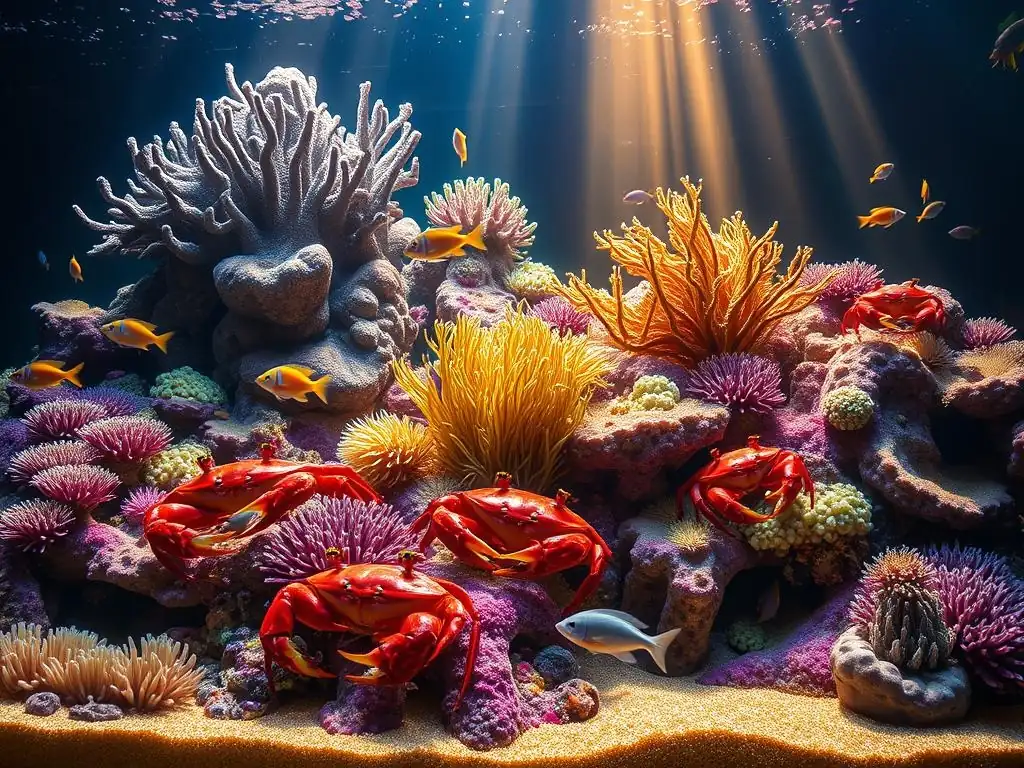
Curious about keeping your saltwater crabs happy and peaceful? You've come to the right place! Before you lose another prized fish, dive into our comprehensive guide on saltwater crab aggression solutions. Discover proven strategies to prevent and manage crab conflicts, ensuring a thriving and balanced reef environment. Let's unlock the secrets to a harmonious aquarium together!
- Aggression in Saltwater Crabs: Prevention and Management - AquariumMastery.com
- Understanding Saltwater Crab Aggression: An Aquarium Keeper's Guide
- Preventing Saltwater Crab Aggression in Your Aquarium
- Saltwater Crab Aggression Solutions: Management and Intervention
- Specific Saltwater Crab Species and Their Aggression Levels
- Long-Term Strategies for a Peaceful Saltwater Crab Aquarium
- Saltwater Crab Aggression: A Summary of Prevention and Management
-
Frequently Asked Questions
- How can I identify aggressive behavior in my saltwater crabs?
- What are the primary causes of aggression in saltwater crabs?
- Which saltwater crab species are known to be particularly aggressive?
- What are some immediate steps I can take to stop a saltwater crab from attacking another tank inhabitant?
- Besides physical separation, what are some long-term solutions to manage saltwater crab aggression?
- Final Reflection: Navigating the Tides of Crab Conflict
- Transform Your Crab Care: Take Action Now!
Aggression in Saltwater Crabs: Prevention and Management - AquariumMastery.com
Understanding Saltwater Crab Aggression: An Aquarium Keeper's Guide
Why are Saltwater Crabs Aggressive? Exploring the Root Causes
Saltwater crabs, like many marine invertebrates, exhibit aggression primarily due to innate survival instincts. In the wild, these behaviors are crucial for securing vital resources such as food, territory, and mates. When confined to an aquarium environment, these natural drives can intensify, leading to conflicts over limited space, preferred hiding spots, or available food sources. For instance, a small 20-gallon nano tank, while seemingly spacious for a single crab, represents an extremely restricted territory compared to the vast ocean floor, making competition for even minor resources a significant trigger for aggressive displays.
Beyond natural instincts, environmental stressors and improper tank conditions also play a significant role in escalating aggression. Poor water quality, fluctuating temperatures, or an inadequate diet can weaken a crab's immune system and increase its stress levels, making it more prone to irritability and lashing out at tank mates. Furthermore, the presence of incompatible species or an overcrowded tank can create a constant state of tension, where crabs feel perpetually threatened, leading to a heightened state of aggression as they attempt to defend their perceived space or resources.
Identifying Aggressive Behaviors in Saltwater Crabs: Signs to Watch For
Recognizing the early signs of aggression in saltwater crabs is crucial for timely intervention and preventing harm to other inhabitants. Common aggressive behaviors include direct chasing, where one crab pursues another across the substrate, or nipping, often involving the swift use of claws to pinch or grab a tank mate. Observing a crab repeatedly waving its claws or displaying an open, threatening posture towards another organism, especially during feeding times or near a preferred hiding spot, indicates a clear territorial or competitive display.
Other subtle yet significant signs of aggression can include overturning small rocks or decorations, which may be an attempt to assert dominance over a particular area, or consistently stealing food directly from another crab. For hermit crabs, aggressive shell competition, where one crab attempts to forcibly remove another from its shell, is a particularly dangerous form of aggression. Ignoring these early warning signs can lead to escalated conflicts, resulting in injury, stress, or even the death of the less dominant or smaller tank inhabitants within the marine ecosystem.
Preventing Saltwater Crab Aggression in Your Aquarium
Selecting Compatible Saltwater Crab Species for Community Tanks
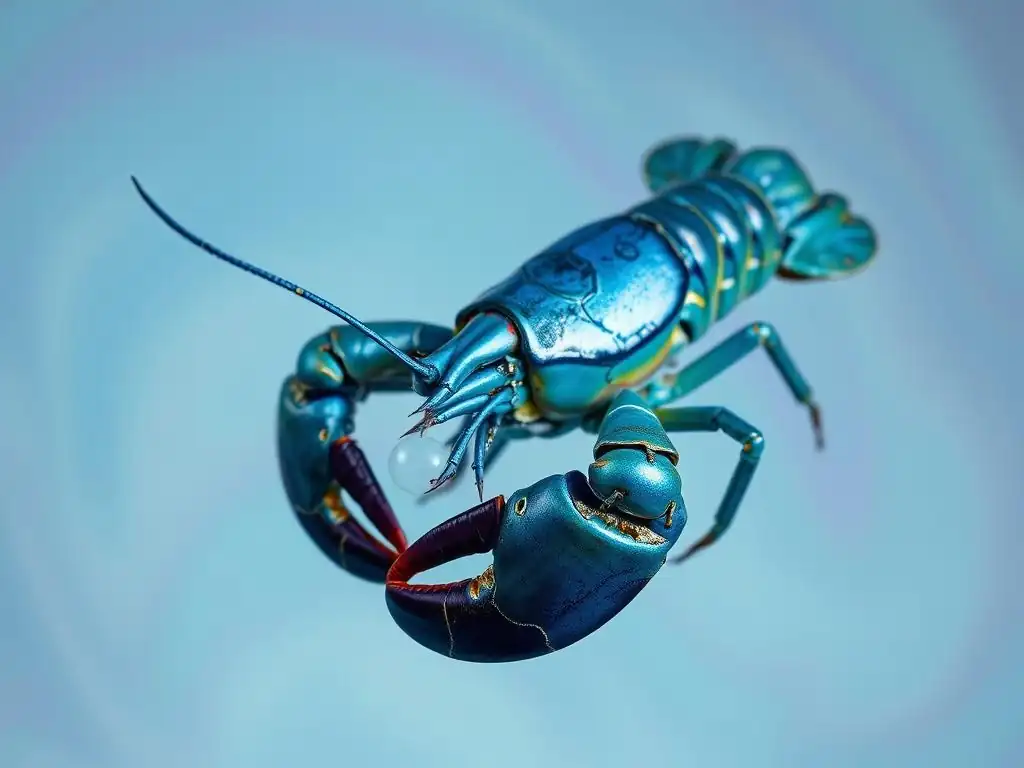
The first step in preventing saltwater crab aggression is meticulous species selection. Before introducing any crab into a community aquarium, it is vital to research its adult size, temperament, and dietary needs to ensure compatibility with existing inhabitants. For example, while many small hermit crab species are generally peaceful, larger species like the Halloween Hermit Crab ( Ciliopagurus strigatus ) can become quite territorial and aggressive towards smaller hermits or snails, especially if suitable shells are scarce.
Aim to select crabs with similar temperaments and sizes, avoiding the introduction of highly predatory species into a tank with small, slow-moving fish or ornamental shrimp. A general guideline is to avoid mixing crabs where the adult size difference between the largest and smallest specimen is greater than 50%, as this creates an immediate power imbalance. Choosing species known for their peaceful disposition, such as many varieties of small "reef-safe" hermit crabs or porcelain crabs, significantly reduces the likelihood of future conflicts and enhances the overall harmony of the tank.
Aquarium Size and Scape: Minimizing Territorial Disputes Among Crabs
Adequate aquarium size and thoughtful aquascaping are paramount in minimizing territorial disputes among saltwater crabs. A larger tank provides more physical space, reducing the perception of overcrowding and allowing individual crabs to establish their own territories without constant encroachment. For instance, while a single small hermit crab might tolerate a 10-gallon tank, housing multiple crabs, even small ones, in anything less than a 30-gallon system significantly increases the potential for aggression due to limited resources and personal space.
Furthermore, the strategic arrangement of live rock, artificial caves, and other decorations can effectively break up sightlines and create numerous distinct "zones" within the aquarium. This design approach allows crabs to retreat and establish individual territories, minimizing direct confrontations. A well-scaped 50-gallon reef tank with intricate rock structures can often support a more diverse and peaceful crab population than a sparsely decorated 75-gallon tank, simply because the complex layout provides more perceived personal space and hiding opportunities.
Providing Adequate Hiding Places and Retreats for Saltwater Crabs
Providing an abundance of diverse hiding places and retreats is a critical strategy for managing and preventing saltwater crab aggression. Crabs, being naturally vulnerable during molting or when stressed, require secure locations to shelter from perceived threats or dominant tank mates. Without sufficient hiding spots, subordinate crabs may become overly stressed, leading to increased aggression out of self-preservation, or they may simply succumb to constant harassment.
Aim to include a variety of shelters, such as small caves within the live rock, crevices, empty snail shells (especially crucial for hermit crabs), and even sturdy PVC pipes camouflaged within the aquascape. A good rule of thumb is to provide at least 1.5 to 2 secure hiding spots for every crab in the tank.
For example, if you have three hermit crabs, ensure there are at least five to six empty shells of varying sizes available at all times, along with several rock crevices. This abundance ensures that even the least dominant crab has a safe haven, significantly reducing stress-induced aggression.
Proper Feeding Strategies to Reduce Saltwater Crab Aggression
Ensuring Sufficient Food: Preventing Resource Competition
One of the most common triggers for saltwater crab aggression is competition over food resources. In an aquarium where food is scarce or unevenly distributed, crabs will naturally become more aggressive in their efforts to secure a meal. Ensuring that all crabs receive sufficient nutrition is therefore a foundational aspect of preventing conflict. This involves not only feeding enough but also understanding the dietary needs of your specific crab species, as some are primarily detritivores, while others may have more specific carnivorous or herbivorous requirements.
For a clean-up crew that includes multiple crab species, it's beneficial to distribute food across multiple areas of the tank rather than in a single pile. This allows less dominant individuals to access food without direct confrontation. For instance, in a tank with 10-15 small invertebrates, including various crabs, supplementing their diet with small pieces of high-quality marine pellet, frozen mysis shrimp, or algae wafers every other day can reduce scavenging-related aggression by a notable margin, ensuring each crab has ample opportunity to feed without intense competition.
Target Feeding: A Method to Reduce Scavenging-Related Aggression
Target feeding is an effective technique to directly provide food to specific crabs, minimizing the overall competition for general detritus and reducing scavenging-related aggression. This method is particularly beneficial for shy, smaller, or less dominant crabs that might be outcompeted during general feeding times. By using a long pair of tongs or a feeding stick, you can place food directly in front of a specific crab, ensuring it receives its share without having to fight for it.
This approach not only guarantees that all inhabitants are adequately fed but also reduces the overall "hunger drive" that often fuels aggressive behaviors. For example, if you notice a particular emerald crab becoming nippy with corals, target feeding it a small piece of nori or an algae wafer a few times a week can significantly curb its opportunistic tendencies. Target feeding can reduce instances of food-related aggression by an estimated 25-30% in tanks with multiple competing invertebrates, making it a valuable tool in your saltwater crab aggression solutions toolkit.
Saltwater Crab Aggression Solutions: Management and Intervention
Isolating Aggressive Saltwater Crabs: Setting Up a Quarantine Tank
When aggressive saltwater crab behavior escalates to the point of threatening other tank inhabitants, immediate isolation is often the most effective saltwater crab aggression solution. Setting up a dedicated quarantine or "time-out" tank allows the aggressive crab to calm down and provides a safe space for the stressed tank mates to recover. This temporary separation can often reset the dynamics of the main aquarium, allowing for a more peaceful reintegration later, or confirming that the crab is simply too aggressive for the community tank.
A suitable quarantine tank doesn't need to be elaborate; a 5-10 gallon aquarium with a small filter, a heater, and a few pieces of live rock or PVC for hiding can suffice. Ensure the water parameters in the quarantine tank match those of the main display tank to minimize additional stress. Even a temporary plastic container floated within the main tank, allowing water exchange but preventing physical interaction, can serve as a short-term isolation unit while a more permanent solution is prepared.
Re-arranging the Aquarium Layout: Disrupting Established Territories
One of the most effective saltwater crab aggression solutions involves strategically re-arranging the aquarium layout. Crabs are highly territorial, and once boundaries are established, disputes can be constant. By significantly altering the aquascape, you can disrupt these established territories, forcing all crabs to re-evaluate their surroundings and re-establish new boundaries. This can often lead to a more peaceful coexistence, as the previous dominance hierarchies are thrown into disarray.
Consider moving approximately 20-30% of the main rock structure, shifting caves, or adding new pieces of live rock to create novel hiding spots and sightline breaks. This disruption can effectively "reset" the territorial map of the tank, often resulting in a temporary period of exploration followed by a more balanced distribution of resources and territories. While this might cause temporary stress, the long-term benefits of reduced aggression often outweigh the initial disturbance.
Introducing New Tank Mates Carefully: Acclimation and Observation
Introducing new tank mates, especially other crabs or invertebrates, requires careful planning to prevent an immediate surge in saltwater crab aggression. Rushing the introduction process can lead to stress for the new arrival and trigger territorial responses from existing inhabitants. Proper acclimation is paramount; drip acclimation over 30-60 minutes helps the new crab adjust to the tank's specific water parameters, reducing shock and stress.
Beyond acclimation, vigilant observation for the first 24-48 hours post-introduction is critical. Watch for signs of aggression from established crabs, such as chasing, nipping, or aggressive posturing towards the newcomer. If aggression is observed, be prepared to isolate the new or aggressive crab. Introducing new tank mates when the lights are off or dim can also help, as crabs are often less active and territorial in low light, allowing the new addition to find a hiding spot before becoming fully visible.
Dietary Adjustments: Addressing Nutritional Deficiencies and Aggression
Nutritional deficiencies can sometimes manifest as increased aggression in saltwater crabs, particularly when they are driven by hunger or a lack of specific nutrients. For instance, hermit crabs require sufficient calcium for healthy shell growth and molting, and if their diet is deficient, they may become more aggressive in competing for calcium-rich food sources or even attempt to steal shells from weaker individuals. Addressing these dietary needs is a key component of saltwater crab aggression solutions.
Review your crabs' diet to ensure it is varied and comprehensive. Supplementing with high-quality marine pellets, frozen foods like mysis shrimp or spirulina brine shrimp, and occasional offerings of algae wafers or nori can help. For hermit crabs, ensuring a consistent supply of calcium through diet or a calcium supplement in the water can reduce shell-related aggression. A well-fed, nutritionally balanced crab is generally less inclined to engage in aggressive behaviors stemming from resource scarcity.
Specific Saltwater Crab Species and Their Aggression Levels
Emerald Crab Aggression: Managing Herbivorous Tendencies
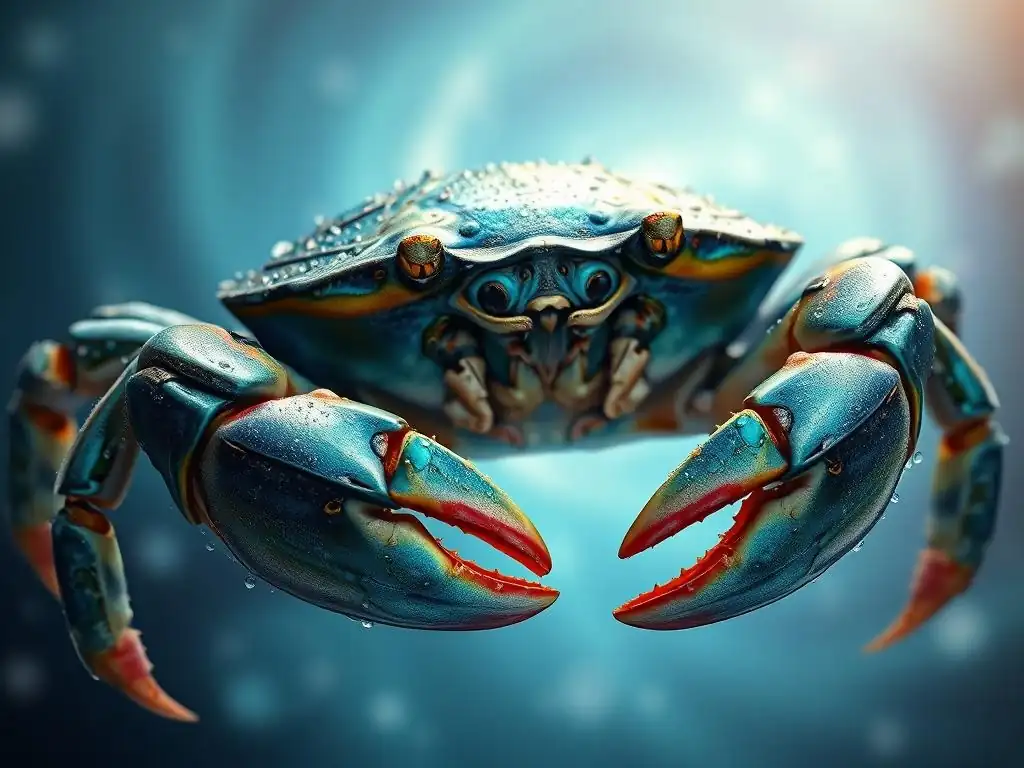
Emerald crabs ( Mithraculus sculptus) are popular additions to reef tanks, primarily valued for their efficacy in consuming nuisance bubble algae. While generally considered peaceful and reef-safe, their aggression levels can increase under specific circumstances. A common issue arises when their primary food source, algae, becomes scarce. A large emerald crab, particularly one exceeding 2 inches in carapace width, may become opportunistic and begin to nip at soft corals, zoanthids, or even small, slow-moving fish if it perceives them as a food source or if it is simply hungry.
To manage potential emerald crab aggression, ensure a consistent supply of algae in the tank. If bubble algae is depleted, supplement their diet with algae wafers, nori, or other herbivorous foods. Providing these supplementary foods can significantly reduce their tendency to pick at corals. Regular monitoring of their behavior, especially during evening hours, can help identify and mitigate opportunistic feeding before it becomes a significant problem, offering proactive saltwater crab aggression solutions for your reef.
Hermit Crab Aggression: Addressing Shell Competition
Hermit crab aggression is almost universally linked to shell competition, making it a critical area for saltwater crab aggression solutions. As hermit crabs grow, they need to find larger, suitable shells to protect their soft abdomens. If there are insufficient empty shells available, or if the available shells are not the right size or shape, hermit crabs will aggressively fight over existing occupied shells, often resulting in injury or death for the losing crab. Species like the Electric Blue Hermit ( Calcinus elegans) are particularly known for their competitiveness over shells.
The most effective solution is to consistently provide a diverse selection of appropriately sized empty shells. Aim for at least 2-3 empty shells per hermit crab in your tank, varying in size (slightly larger than their current shell aperture) and opening shape. Research the preferred shell types for your specific hermit crab species, as different species favor different shell characteristics. Regularly adding new shells to the tank ensures that all crabs have options and reduces the intense competition that fuels this common form of saltwater crab aggression.
Arrow Crab Aggression: A Detailed Overview
Arrow crabs ( Stenorhynchus seticornis) are easily recognizable by their elongated bodies and pointed rostrum. While often sold as reef-safe invertebrates, their predatory nature makes them a species requiring careful consideration regarding saltwater crab aggression solutions. They are opportunistic predators and are known to actively hunt and consume small, slow-moving fish, ornamental shrimp, and even other small invertebrates, especially at night when their prey is less active.
Due to their predatory tendencies, arrow crabs are generally not recommended for tanks housing small gobies, cardinalfish, or any ornamental shrimp species like cleaner shrimp or peppermint shrimp. While they are excellent at consuming bristleworms, their potential to harm other desirable tank inhabitants makes them unsuitable for many community reef setups. If you observe an arrow crab actively stalking or consuming tank mates, removal to a species-specific tank or a predator-only aquarium is the only reliable saltwater crab aggression solution.
Sally Lightfoot Crab Aggression: A Detailed Overview
Sally Lightfoot crabs ( Percnon gibbesi) are highly agile and visually striking crabs often introduced as part of a clean-up crew. They are excellent scavengers, consuming detritus and algae. However, as they mature and grow, their aggression levels and predatory tendencies can increase, becoming a concern for saltwater aquarists. Larger specimens, typically over 3 inches in leg span, have been observed becoming opportunistic predators, especially if their primary food sources are scarce.
While smaller Sally Lightfoots are generally peaceful, larger individuals have been known to prey on sleeping fish, small snails, or other slower-moving invertebrates. This behavior is often exacerbated by insufficient food in the tank. To manage potential Sally Lightfoot crab aggression, ensure they are adequately fed with a varied diet of algae and meaty foods. If a large Sally Lightfoot crab consistently displays predatory behavior, especially towards valuable tank inhabitants, its removal to a dedicated species tank or a larger system where its predatory impact is less significant may become necessary as a saltwater crab aggression solution.
Long-Term Strategies for a Peaceful Saltwater Crab Aquarium
Regular Monitoring of Saltwater Crab Behavior and Tank Dynamics
Long-term success in managing saltwater crab aggression hinges on consistent and diligent observation of your aquarium's inhabitants. Daily monitoring allows aquarists to detect subtle changes in behavior that may signal rising tensions or the onset of aggression before it escalates into serious conflicts. Look for signs such as one crab consistently avoiding another, a crab appearing stressed or withdrawn, or an increase in territorial displays during feeding times.
Spending just 5-10 minutes each day observing the interactions between your crabs and other tank mates can provide invaluable insights into the tank's overall dynamics. Early detection of stress or aggression allows for prompt intervention, whether it's rearranging the aquascape, increasing feeding frequency, or, in severe cases, isolating an aggressive individual. This proactive approach is a cornerstone of effective saltwater crab aggression solutions, preventing minor squabbles from becoming major problems.
Maintaining Optimal Water Parameters to Reduce Stress and Aggression
Stable and optimal water parameters are fundamental to the health and well-being of all aquarium inhabitants, including saltwater crabs. Fluctuations in salinity, temperature, pH, or elevated levels of ammonia, nitrite, or nitrate can cause significant stress to crabs, making them more susceptible to disease and more prone to aggressive behaviors. A stressed crab is often an irritable crab, more likely to lash out at tank mates or vigorously defend its territory.
Regular testing of your water parameters (e.g., salinity between 1.023-1.026 SG, temperature 72-78°F, pH 8.1-8.4, ammonia and nitrite at 0 ppm, nitrates below 20 ppm) and prompt correction of any deviations are crucial. For instance, a sudden drop in salinity by 0.003-0.005 can significantly stress crabs, leading to lethargy or increased irritability. Maintaining a stable environment reduces physiological stress, contributing to a more peaceful and less aggressive crab population, forming a vital part of comprehensive saltwater crab aggression solutions.
Considering Tank Overcrowding and its Impact on Crab Behavior
Overcrowding is a direct precursor to increased saltwater crab aggression, as it exacerbates competition for limited resources such as space, food, and hiding places. When too many crabs are housed in an insufficient volume of water, the natural territorial instincts are amplified, leading to constant low-level stress and frequent direct confrontations. Even species generally considered peaceful can become aggressive under overcrowded conditions.
It is essential to adhere to appropriate stocking densities for the size of your aquarium. While exact numbers vary by species and individual temperament, a general guideline for small hermit crabs might be one crab per 5-10 gallons of water, or for larger, more territorial crabs, one per 20+ gallons. Overstocking by even 20% can significantly increase the frequency and intensity of territorial disputes. Regularly assessing your tank's population and being prepared to rehome crabs if overcrowding becomes an issue is a critical long-term saltwater crab aggression solution for maintaining a harmonious marine environment.
Saltwater Crab Aggression: A Summary of Prevention and Management
Key Takeaways for a Harmonious Saltwater Aquarium Environment
Achieving a harmonious saltwater aquarium environment, especially when housing crabs, requires a proactive and informed approach to managing potential aggression. The foundation lies in understanding the natural behaviors of these fascinating invertebrates and anticipating how they might manifest in a confined space. Key takeaways include meticulously researching species compatibility before purchase, ensuring your aquarium is adequately sized and thoughtfully aquascaped with ample hiding places, and implementing proper feeding strategies to prevent resource competition.
When aggression does arise, effective saltwater crab aggression solutions involve swift intervention, such as temporary isolation, re-arranging the tank layout to disrupt territories, and careful acclimation of new tank mates. Long-term strategies emphasize consistent monitoring of behavior, maintaining pristine water parameters to minimize stress, and rigorously avoiding tank overcrowding. By integrating these practices, aquarists can significantly reduce conflicts and foster a thriving, peaceful ecosystem where saltwater crabs can coexist successfully.
Further Resources for Understanding Saltwater Crab Behavior
For those seeking to deepen their understanding of saltwater crab behavior and enhance their ability to implement effective saltwater crab aggression solutions, a wealth of knowledge is available. Consult reputable marine biology texts, scientific journals focusing on invertebrate ethology, and dedicated online forums or communities of experienced aquarists. Engaging with these resources can provide nuanced insights into species-specific behaviors, advanced husbandry techniques, and real-world case studies of aggression management. Continuously educating oneself on the intricate lives of these creatures is paramount to fostering a healthy and peaceful marine aquarium environment.
Frequently Asked Questions
How can I identify aggressive behavior in my saltwater crabs?
Aggressive behavior often manifests as chasing, nipping at other tank inhabitants, or fighting over territory. Look for these signs to determine if your crab is causing problems.
What are the primary causes of aggression in saltwater crabs?
Common causes include overcrowding, inadequate hiding places, and competition for food. Addressing these factors can significantly reduce aggression.
Which saltwater crab species are known to be particularly aggressive?
Certain species, like the Emerald Crab (in some cases) or certain Hermit Crabs, can be more aggressive than others, especially towards smaller invertebrates or fish. Researching your crab's specific needs is crucial.
What are some immediate steps I can take to stop a saltwater crab from attacking another tank inhabitant?
Isolate the aggressor in a separate tank or breeder box immediately. Consider rearranging the aquascape to disrupt established territories.
Besides physical separation, what are some long-term solutions to manage saltwater crab aggression?
Ensure adequate tank size and hiding spots. Regularly feed your crabs a varied diet to minimize competition for food resources. Introducing more crabs can sometimes help spread out the aggression.
Okay, here's a final reflection designed to close your article, "Aggression in Saltwater Crabs: Prevention and Management," optimized for the keyword "Saltwater crab aggression solutions," and following the structure you provided:
The insights shared throughout this article underscore a crucial point: understanding and mitigating aggression in saltwater crabs is not merely about maintaining a peaceful aquarium, but about fostering a thriving ecosystem. The principles of proper tank setup, species compatibility, and proactive management are not just theoretical concepts; they are practical tools for ensuring the well-being of these fascinating creatures and preventing the devastating consequences of unchecked aggression in a closed environment.
The prevalence of aggression in saltwater crab aquariums highlights a deeper issue: our responsibility as caretakers to provide environments that meet the complex needs of these animals. This responsibility extends beyond simply providing food and water; it requires a commitment to understanding their natural behaviors and creating habitats that minimize stress and competition. The greatness of a nation and its moral progress can be judged by the way its animals are treated.
- Mahatma Gandhi. This quote, while broad, speaks directly to the ethical imperative we have to ensure the welfare of the creatures under our care, including our saltwater crabs.
Now, armed with a deeper understanding of saltwater crab aggression and practical solutions, I encourage you to reflect on your own aquariums and practices. Are you providing adequate space, hiding places, and a balanced diet? Are you carefully selecting compatible species? Take the knowledge you've gained here and apply it to create a more harmonious and enriching environment for your saltwater crabs. By doing so, you're not just solving a problem; you're contributing to a more ethical and sustainable approach to marine aquariums, ensuring the health and happiness of these captivating creatures for years to come.
Transform Your Crab Care: Take Action Now!
Thanks for diving into the world of saltwater crab aggression! Now that you're equipped with the knowledge to understand and manage crabby conflicts, let's put that understanding into action and create a more harmonious aquarium.
Here’s how you can start today:
- Immediately reassess your tank's stocking density. Overcrowding is a major trigger. If necessary, consider upgrading to a larger aquarium or rehoming some crabs.
- Observe your crabs closely for the next week, noting any aggressive behaviors. Document these observations – this will help you identify specific triggers and problem crabs.
- Share your experiences! Join our Aquarium Mastery community forum and discuss your specific crab challenges and solutions with fellow enthusiasts.
Ready to create a peaceful crab paradise? What's the first step you'll take to reduce aggression in your saltwater crab aquarium?