
Nano Reef Stars: A Guide to Small, Peaceful, and ReefSafe Gobies

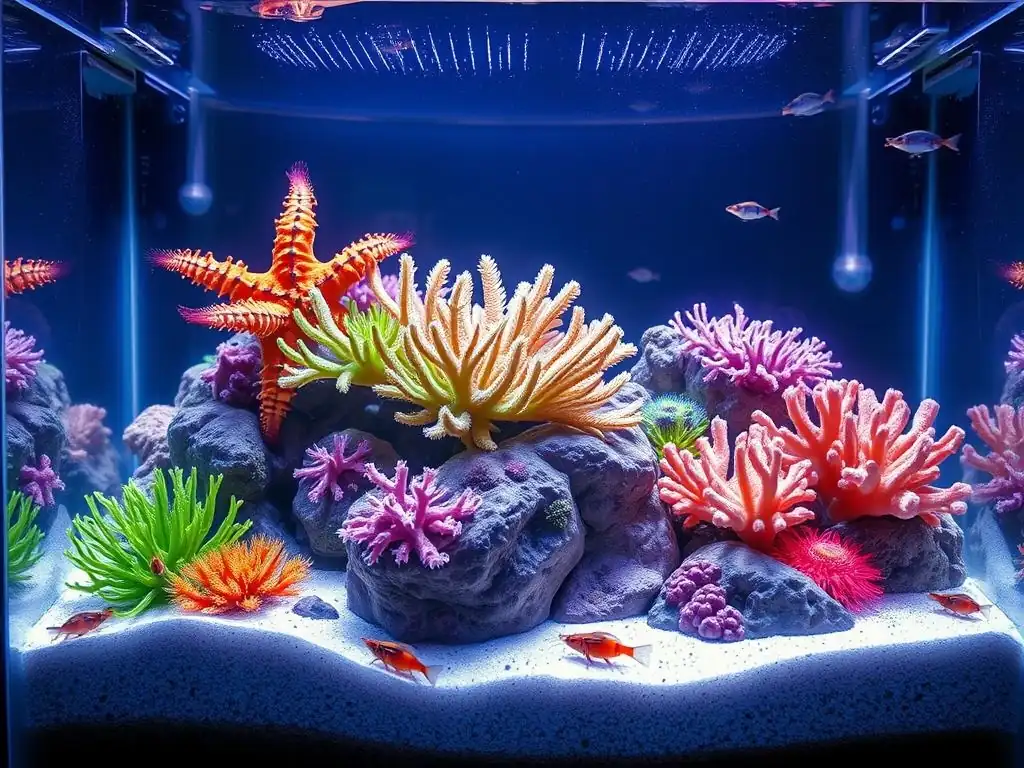
Welcome to Aquarium Mastery, where your underwater dreams come to life!
Ever dreamt of a thriving reef ecosystem in a nano package? Dive into our comprehensive guide and discover the fascinating world of nano reef gobies care. These tiny titans bring personality and vibrant color to your reef, but understanding their specific needs is crucial. Are you ready to unlock the secrets to keeping these small, peaceful, and reef-safe gobies happy and healthy? Let's explore the essentials!
- Introduction to Nano Reef Gobies: Peaceful Additions to Your Aquarium
- Selecting the Right Nano Goby Species for Your Reef Tank
- Nano Reef Goby Care: Creating the Ideal Environment
- Nano Reef Goby Compatibility: Tank Mates and Considerations
- Common Health Problems in Nano Reef Gobies and Their Treatment
- Maintaining a Healthy and Thriving Nano Reef Goby Population
- Conclusion: The Joys of Keeping Nano Reef Gobies
-
Frequently Asked Questions
- What makes nano reef gobies a good choice for a small aquarium?
- What are some popular and readily available nano reef goby species?
- What are the primary feeding considerations for nano reef gobies?
- What water parameters are crucial for the health and survival of nano reef gobies?
- Are nano reef gobies compatible with other fish and invertebrates in a reef tank?
- Final Reflection: The Tiny Wonders of Our Reefs
- Unleash the Nano Reef's Potential!
Introduction to Nano Reef Gobies: Peaceful Additions to Your Aquarium
Understanding the Appeal of Nano Gobies for Reef Tanks
Nano gobies captivate aquarists with their diminutive size, vibrant coloration, and fascinating behaviors, making them ideal inhabitants for smaller reef aquariums. Unlike larger marine fish that quickly outgrow nano systems or produce excessive bioload, most nano gobies remain compact, typically under 3-4 inches (7.5-10 cm) in adult length. This characteristic allows them to thrive in tanks as small as 10-20 gallons (approx.
38-75 liters), which are increasingly popular due to space constraints and lower initial setup costs compared to larger reef systems. Their unique perching habits, burrowing tendencies, or even symbiotic relationships with invertebrates add dynamic life and visual interest without overwhelming the delicate balance of a miniature reef.
Furthermore, these small fish often exhibit surprising intelligence and distinct personalities. From the bold, inquisitive stare of a Yellow Watchman Goby peeking from its burrow to the subtle movements of a Clown Goby camouflaged among coral polyps, they offer endless observation opportunities. Their relatively low bioload means they contribute minimally to nitrate and phosphate accumulation, simplifying water quality management, a critical aspect of successful nano reef gobies care. Their presence can transform a simple coral display into a bustling, miniature ecosystem.
Why Choose Reef-Safe Gobies for Your Nano Aquarium?
The primary reason to select reef-safe gobies for a nano aquarium is their compatibility with corals and other delicate invertebrates. Unlike many larger marine fish that may nip at corals, consume ornamental shrimp, or disturb the sand bed excessively, the vast majority of nano gobies are known for their peaceful demeanor and non-destructive feeding habits.
This allows aquarists to maintain a diverse array of corals, including sensitive SPS (Small Polyp Stony) and LPS (Large Polyp Stony) corals, without fear of predation or harassment. Their diet typically consists of small invertebrates, detritus, or algae, rather than coral polyps, ensuring the integrity of your reef ecosystem.
Beyond their dietary preferences, the peaceful nature of these gobies contributes significantly to a harmonious tank environment. They generally do not exhibit aggression towards other small, non-competitive fish or invertebrates, making them excellent candidates for community nano reefs. Their small size and often shy disposition mean they are unlikely to stress out other inhabitants, fostering a tranquil atmosphere where all species can thrive. This makes them a cornerstone for balanced and visually appealing nano reef gobies care strategies, promoting long-term stability in a confined marine environment.
The Importance of Careful Fish Selection for a Thriving Nano Reef
In a nano reef aquarium, every livestock decision carries magnified importance due to the limited water volume and reduced buffering capacity. A single unsuitable fish choice can rapidly destabilize the entire system, leading to issues such as aggressive behavior, overstocking, rapid nutrient accumulation, or even the demise of other tank inhabitants. Therefore, meticulous research into the adult size, specific temperament, and long-term care requirements of any potential fish is paramount. Opting for species that naturally thrive in smaller environments and align with the existing bioload is crucial for preventing stress and maintaining optimal water quality.
Choosing the right fish, particularly peaceful and appropriately sized nano reef gobies care for, ensures the long-term success and stability of your miniature marine ecosystem. A well-researched selection minimizes the risk of aggression towards corals or other fish, prevents nutrient spikes from overstocking, and reduces the likelihood of disease outbreaks often triggered by stress. By prioritizing species known for their adaptability to nano environments and their compatibility with reef inhabitants, aquarists can cultivate a vibrant, healthy, and enduring nano reef that provides years of enjoyment.
Selecting the Right Nano Goby Species for Your Reef Tank
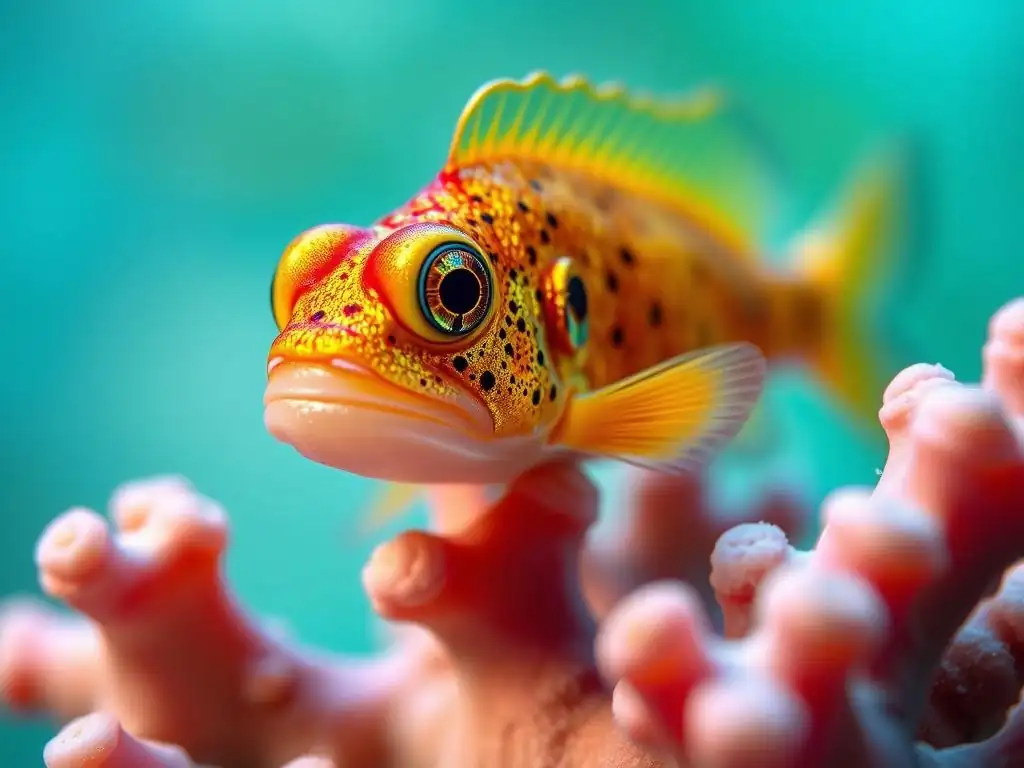
Popular Small Goby Species for Nano Reef Aquariums
Clown Gobies (Gobiodon spp. ): Colors and Care
Clown Gobies, encompassing several species such as the Yellow Clown Goby (Gobiodon okinawae) and Green Clown Goby (Gobiodon atrangulatus), are among the most popular choices for nano reefs due to their diminutive size, typically ranging from 1.5 to 2 inches (3.8-5 cm). These charming fish are known for their vibrant, solid colors and their distinctive habit of perching on or within the branches of SPS corals like Acropora, often matching the coral's coloration. They exhibit minimal swimming, preferring to remain in one area, making them ideal for small footprints.
Their care is relatively straightforward, requiring a diet of small, meaty foods such as enriched frozen mysis shrimp, brine shrimp, and cyclop-eeze, fed once or twice daily. While generally considered reef-safe, some individuals, especially if underfed, might occasionally nip at coral polyps, though this is rare and usually not destructive. Providing ample live rock and branching corals offers them security and perching opportunities, which are vital for their well-being and successful nano reef gobies care.
Yellow Watchman Goby (Cryptocentrus cinctus): A Reef Tank Workhorse
The Yellow Watchman Goby is a hardy and charismatic species, reaching an adult size of approximately 4-5 inches (10-12.5 cm). It is easily recognizable by its bright yellow body adorned with iridescent blue spots and distinctive large eyes. This goby is renowned for its fascinating symbiotic relationship with pistol shrimp (e.g., Alpheus bellulus), where the shrimp excavates and maintains a burrow that both share, with the goby acting as a lookout. This partnership provides constant entertainment and a unique behavioral dynamic in the aquarium.
This species is an excellent sand sifter, constantly sifting through the substrate in search of food, which helps keep the sand bed aerated and clean. Their diet should consist of a variety of meaty foods, including frozen mysis shrimp, brine shrimp, and small pellets. Yellow Watchman Gobies are peaceful towards other fish, though they can be territorial with other bottom-dwelling gobies or conspecifics in smaller tanks.
A tank size of at least 20 gallons (approx. 75 liters) with a deep sand bed (at least 2-3 inches or 5-7.5 cm) is recommended to accommodate their burrowing activities and ensure proper nano reef gobies care.
Hector's Goby (Koumansetta hectori): Algae Control Expert
Hector's Goby is a small, active species that typically grows to about 2-3 inches (5-7.5 cm). It features a striking pattern of horizontal stripes, usually orange or yellow, against a white or pale body, and often sports a distinct black spot on its dorsal fin. What makes this goby particularly appealing for nano reef tanks is its reputation as an effective detritus and hair algae consumer. While it won't eradicate a major algae outbreak, it diligently grazes on nuisance algae and sifts through the sand for small organisms and detritus, contributing to the tank's cleanliness.
This goby is peaceful and generally shy, preferring a tank with plenty of hiding spots and live rock crevices to feel secure. Its diet should be supplemented with small, meaty foods like cyclop-eeze, copepods, and finely crushed flakes or pellets, as its natural grazing might not provide sufficient nutrition in a home aquarium. Hector's Goby is an excellent choice for aquarists seeking a visually appealing and functional addition that aids in tank maintenance and fits perfectly within the scope of advanced nano reef gobies care.
Green Clown Goby (Gobiodon atrangulatus): A Vibrant Reef Dweller
The Green Clown Goby is another attractive member of the Gobiodon genus, celebrated for its intense, almost fluorescent green coloration, often with subtle black markings near the gills or fins. Like its Yellow Clown Goby cousin, it remains very small, typically around 1.5 to 2 inches (3.8-5 cm) in length. This species is known for its strong association with branching SPS corals, particularly Acropora, where it spends most of its time perching among the polyps, sometimes even appearing to change its shade of green to better blend in.
Its care requirements are similar to other Clown Gobies; they thrive on a diet of small, meaty frozen foods such as mysis shrimp and enriched brine shrimp, fed in small, frequent portions. While generally considered reef-safe, their close association with corals means occasional observation is warranted to ensure they are not irritating the coral. Providing a mature nano reef with established SPS corals offers them the ideal habitat and security necessary for successful nano reef gobies care, allowing their vibrant color to truly shine.
Court Jester Goby (Stonogobiops yasha): Symbiotic Partner
The Court Jester Goby, also known as the Yasha Goby, is a truly exquisite and highly sought-after nano goby, growing to a maximum size of about 2.5 inches (6.4 cm). It boasts a slender, white body adorned with striking red or orange vertical stripes and an exceptionally long, elegant dorsal fin. This species is famous for its almost obligatory symbiotic relationship with specific pistol shrimp species, such as Alpheus randalli. The pistol shrimp digs and maintains a burrow, providing shelter, while the goby acts as a lookout, warning the shrimp of danger with a flick of its tail.
Due to its shy nature, the Court Jester Goby requires a peaceful tank environment with plenty of secure hiding spots and a deep sand bed (at least 2-3 inches or 5-7.5 cm) if a pistol shrimp is introduced. Their diet consists of small, meaty foods like enriched brine shrimp, mysis shrimp, and copepods, which may need to be target-fed due to their shy disposition and slow feeding habits.
This species is perfectly suited for very small nano tanks (e.g., 10-15 gallons or 38-57 liters) and represents the pinnacle of fascinating nano reef gobies care for those seeking unique behavioral interactions.
Considering Size and Temperament When Choosing Nano Gobies
When selecting nano gobies, it is crucial to look beyond the "nano" label and consider the specific adult size of the chosen species. While all nano gobies are small compared to typical reef fish, there's a significant difference between a 1.5-inch (3.8 cm) Clown Goby and a 4-inch (10 cm) Yellow Watchman Goby.
This size difference directly impacts the minimum tank size required, the bioload produced, and the potential for competition with other inhabitants. Overstocking, even with small fish, can lead to increased nutrient levels, diminished water quality, and heightened stress for all tank inhabitants, ultimately compromising the health of your nano reef.
Equally important is understanding the temperament of each species. While generally peaceful, some gobies, particularly burrowing types like the Yellow Watchman, can be territorial towards conspecifics or other bottom-dwelling fish if space is limited. Clown Gobies, while peaceful, might occasionally nip at coral polyps if underfed. Researching individual species' social behaviors, preferred habitats (e.g., sand dwellers vs. rock dwellers), and typical activity levels is essential to avoid conflicts and ensure a harmonious community. A thorough understanding of these factors is fundamental for successful nano reef gobies care and the overall well-being of your miniature marine ecosystem.
Nano Reef Goby Care: Creating the Ideal Environment
Setting Up a Suitable Nano Reef Tank for Gobies
Tank Size Recommendations for Small Gobies
For most single nano gobies, such as Clown Gobies or Hector's Gobies, a well-established 10-gallon (approximately 38 liters) nano reef tank can suffice, provided that water parameters are diligently maintained. However, for a pair of certain species, or for larger nano gobies like the Yellow Watchman Goby, a minimum tank size of 20 gallons (approximately 75 liters) is generally recommended. This larger volume offers more stable water parameters, greater space for territorial establishment, and a healthier environment for the fish to exhibit natural behaviors without undue stress.
Even though these fish are small, providing adequate space is critical for their long-term health and reduces the likelihood of aggression towards tank mates. A larger tank also allows for more diverse aquascaping and a richer biological filtration system, which are crucial for maintaining the pristine water quality that sensitive marine fish require. Selecting the appropriate tank size is the foundational step in providing excellent nano reef gobies care.
Essential Equipment for a Healthy Goby Environment
A healthy goby environment in a nano reef requires several key pieces of equipment. A reliable heater is essential to maintain a stable water temperature between 76-82°F (24-28°C), with a 50-75 watt heater often sufficient for a 10-20 gallon tank. Adequate lighting is necessary for any corals you intend to keep, but gobies themselves do not require intense light; moderate illumination is usually fine.
For filtration, an all-in-one nano cube system, a hang-on-back (HOB) filter with biological media, or a small sump system are viable options. For tanks 20 gallons and larger, a small protein skimmer is highly beneficial for removing organic waste and maintaining low nutrient levels.
Water movement should be gentle to moderate, as strong currents can stress small gobies. A small powerhead, positioned carefully, can provide adequate flow without buffeting the fish. Ensuring all equipment is properly sized for the tank volume and regularly maintained (e.g., cleaning filter media, calibrating heaters) is critical for consistent water quality and the overall success of your nano reef gobies care efforts.
Substrate and Rockwork Considerations for Gobies
The choice of substrate and rockwork is paramount for the well-being of nano gobies, as it directly impacts their ability to express natural behaviors. For burrowing species like the Yellow Watchman Goby or Court Jester Goby, a deep sand bed of at least 2-3 inches (5-7.5 cm) is crucial. Fine-grained aragonite sand is ideal, as it is soft enough for them to dig without injury and provides a natural environment for their symbiotic shrimp partners. Without a suitable substrate, burrowing gobies can become stressed and may not thrive.
For perching gobies, such as Clown Gobies, while a deep sand bed isn't strictly necessary, ample live rock with crevices, caves, and overhangs is vital. This aquascape provides numerous hiding spots, territorial boundaries, and perching locations where they can feel secure and observe their surroundings. Ensure that all rockwork is stable and securely stacked, especially if you have burrowing species that might undermine structures. A well-designed aquascape not only enhances the tank's aesthetics but also provides essential functional elements for effective nano reef gobies care.
Water Parameters for Optimal Nano Reef Goby Health
Maintaining Stable Salinity, Temperature, and pH
Maintaining stable water parameters is arguably the most critical aspect of nano reef gobies care. Salinity should be kept within a specific gravity range of 1.023-1.026 (32-35 ppt), mirroring natural reef conditions. Temperature should consistently remain between 76-82°F (24-28°C), avoiding sudden fluctuations that can stress fish and compromise their immune systems. The pH level should be stable between 8.1-8.4. Even minor, rapid shifts in these parameters can be detrimental to sensitive marine inhabitants, particularly in smaller nano tank volumes where changes happen quickly.
Regular testing with accurate test kits (e.g., refractometer for salinity, digital thermometer for temperature, reliable pH kit) is non-negotiable. Daily top-offs with RODI (Reverse Osmosis Deionized) water are essential to compensate for evaporation, which concentrates salinity and can lead to dangerous swings if not addressed. Consistency in these parameters significantly contributes to the longevity and vibrant health of your nano gobies.
The Importance of Regular Water Changes
Regular water changes are the cornerstone of maintaining pristine water quality in a nano reef tank and are especially vital for effective nano reef gobies care. In smaller volumes, dissolved organic compounds, nitrates, and phosphates can accumulate rapidly, even with efficient filtration. Weekly water changes of 10-20% (e.g., 1.5-3 gallons for a 15-gallon tank) are often recommended to export these accumulated nutrients, replenish essential trace elements consumed by corals and fish, and dilute any minor pollutants.
Using properly mixed saltwater, prepared with RODI water and a high-quality marine salt mix, is crucial. The new water should be temperature-matched and have salinity levels identical to the tank water to prevent shock. Consistent water changes reduce stress on the gobies, enhance their immune response, and prevent the onset of many common marine fish diseases, contributing significantly to their long-term well-being.
Understanding and Controlling Nitrate and Phosphate Levels
High levels of nitrates (ideally below 10 ppm, preferably closer to 0 ppm) and phosphates (ideally below 0.03 ppm) are indicative of poor water quality and can severely impact the health of nano gobies and corals. These nutrients are primarily introduced through overfeeding, decaying organic matter (uneaten food, fish waste), and sometimes tap water. Elevated levels stress fish, suppress their immune systems, and can lead to aggressive nuisance algae growth that smothers corals and clogs equipment.
Controlling these levels is integral to proper nano reef gobies care. Strategies include feeding only what your fish can consume in 1-2 minutes, regular siphon cleaning of the sand bed to remove detritus, diligent water changes, and ensuring adequate biological and mechanical filtration. For persistent issues, chemical media like GFO (Granular Ferric Oxide) for phosphate removal or biopellets for nitrate reduction can be employed in a dedicated reactor or media bag, always used according to manufacturer instructions.
Diet and Feeding Habits of Nano Reef Gobies
What to Feed Your Nano Goby: A Balanced Diet
Most nano reef gobies are carnivores or omnivores, requiring a varied and nutritious diet to thrive. Their small mouths necessitate small food particles. Excellent food choices include enriched frozen mysis shrimp, brine shrimp, cyclop-eeze, and finely chopped krill or other marine proteins. For species like Hector's Goby, which graze on algae and detritus, ensuring a mature tank with microalgae is beneficial, but supplemental prepared foods are still essential.
High-quality marine pellets or flakes, specifically formulated for small marine fish, can also be offered, provided they are crushed to an appropriate size. Varying the diet prevents nutritional deficiencies and encourages natural foraging behaviors. For shy species, enriching foods with vitamin supplements (e.g., Selcon) before feeding can boost their overall health and immunity, a critical aspect of comprehensive nano reef gobies care.
Feeding Frequency and Portion Sizes
Due to their small size and relatively fast metabolisms, nano gobies generally benefit from small, frequent feedings rather than large, infrequent meals. Feeding 1-2 times daily is a common practice, but some aquarists opt for 3-4 smaller feedings, especially for very active or shy species. The key is to offer only what your gobies can consume within 1-2 minutes. Overfeeding is a common mistake in nano tanks, leading to rapid nutrient accumulation (nitrates, phosphates) and declining water quality.
Observe your gobies during feeding to ensure all individuals are getting enough food. If you have multiple fish, or if your goby is particularly shy, target feeding with a pipette or turkey baster can ensure they receive their share, preventing them from being outcompeted by faster or bolder tank mates. This precision in feeding is a fundamental component of optimal nano reef gobies care.
Addressing Potential Feeding Challenges
Newly introduced nano gobies, especially wild-caught specimens, can sometimes be shy or reluctant to eat prepared foods. Stress from shipping and a new environment often suppresses appetite. To overcome this, offer a variety of foods, starting with live options like copepods or enriched brine shrimp, which often stimulate a feeding response. Gradually transition them to frozen foods once they settle in.
If a goby consistently refuses to eat, it's crucial to check water parameters immediately for any abnormalities, as poor water quality is a significant stressor. Also, observe for signs of illness (e.g., clamped fins, labored breathing, visible spots) or harassment from tank mates. Providing ample hiding spots and a stable, peaceful environment can reduce stress and encourage a shy goby to feed. Patience and persistence are key to overcoming these initial feeding challenges in nano reef gobies care.
Nano Reef Goby Compatibility: Tank Mates and Considerations
Compatible Tank Mates for Nano Reef Gobies
Best Invertebrate Tank Mates: Snails, Shrimp, and Crabs
Nano gobies are generally very peaceful towards most invertebrates, making a wide array of clean-up crew members and ornamental inverts excellent tank mates. Various species of snails, such as turbo, nerite, cerith, and Nassarius snails, are ideal for controlling algae and detritus without bothering gobies. Small hermit crabs (e.g., blue-legged, red-legged) also serve as effective scavengers. Ornamental shrimp like peppermint shrimp (useful for Aiptasia control), cleaner shrimp (Lysmata amboinensis), or fire shrimp (Lysmata debelius) are not only safe but also add visual interest and can even perform cleaning services for your fish.
For symbiotic gobies like the Yellow Watchman or Court Jester Goby, introducing a compatible pistol shrimp (e.g., Alpheus bellulus or Alpheus randalli) is highly recommended. This partnership creates a fascinating dynamic and allows both species to thrive by utilizing their natural behaviors. Ensuring that any invertebrate chosen is truly reef-safe and won't prey on or compete with the goby for food is a key aspect of balanced nano reef gobies care.
Selecting Peaceful Fish Species for a Community Reef Tank
When selecting fish tank mates for nano gobies in a community reef tank, the priority should be on other small, peaceful species that occupy different niches within the aquarium to minimize competition and aggression. Excellent choices include small blennies (e.g., Tailspot Blenny, Starry Blenny), which are primarily algae grazers and often perch on rocks. Small, peaceful clownfish, such as the Ocellaris Clownfish, can be suitable for tanks 20 gallons or larger, offering a classic reef tank aesthetic. Small cardinalfish, like the Banggai Cardinalfish, also make good companions due to their calm demeanor and mid-water swimming habits.
The key is to avoid overcrowding and to choose species with similar water parameter requirements and temperaments. A general guideline for a 20-gallon nano reef might be to house 2-3 small fish, ensuring each has adequate space. Careful consideration of adult size and potential territoriality is vital to prevent stress and maintain a harmonious environment, which is paramount for successful nano reef gobies care.
Avoiding Aggressive Tank Mates That May Bully Gobies
To ensure the long-term health and well-being of your nano gobies, it is absolutely crucial to avoid housing them with aggressive or semi-aggressive fish species. Fish such as many damselfish (e.g., blue devil, yellowtail), large angelfish, triggerfish, puffers, or even some larger wrasses can view small gobies as food or territorial threats. Even if they don't immediately attack, constant harassment and bullying can lead to chronic stress, loss of appetite, weakened immune systems, and eventually, premature death for the goby.
Even seemingly "mildly" aggressive fish can be problematic in the confined space of a nano tank, where escape routes are limited. Researching the temperament of any potential tank mate thoroughly is non-negotiable. It's always safer to err on the side of caution and choose only species explicitly known for their peaceful nature and compatibility with small, bottom-dwelling fish. Protecting your nano gobies from bullying is a fundamental aspect of responsible nano reef gobies care.
Understanding Potential Territorial Issues and Solutions
While nano gobies are generally peaceful, some species, particularly those that burrow or establish a specific territory (like the Yellow Watchman Goby), can exhibit territorial behavior, especially towards conspecifics (other gobies of the same species) or other bottom-dwelling fish. This is often exacerbated in smaller tanks where space is limited and distinct territories cannot be easily established. A Yellow Watchman Goby, for example, might chase another goby away from its burrow entrance.
To mitigate potential territorial issues, provide ample hiding spots, caves, and distinct rock structures that allow each fish to claim its own space. For multiple gobies, ensure the tank size is generous enough (e.g., 20+ gallons for a pair of Watchman Gobies) and introduce them simultaneously or add the less dominant fish first. If aggression persists, it may be necessary to remove one of the fish to prevent chronic stress. Proper aquascaping and thoughtful stocking density are key solutions to managing territoriality and ensuring effective nano reef gobies care.
Common Health Problems in Nano Reef Gobies and Their Treatment
Identifying Signs of Illness in Nano Gobies
Recognizing Common Goby Diseases: Marine Ich, Brooklynellosis
Recognizing the early signs of illness is critical for successful treatment and prevention of disease spread in a nano reef. Two common and highly contagious diseases in marine fish are Marine Ich (Cryptocaryon irritans) and Brooklynellosis (Brooklynella hostilis). Marine Ich manifests as small, white spots resembling salt grains scattered across the body and fins, accompanied by symptoms like flashing (rubbing against rocks), rapid breathing, and lethargy. Brooklynellosis, often more aggressive, presents with sloughing skin, cloudy mucus production, rapid respiration, and often a sudden onset of symptoms.
Beyond these, other general signs of illness in nano gobies include clamped fins, faded or unnatural coloration, loss of appetite, abnormal swimming patterns (e.g., shimmying, erratic movements), visible lesions, sores, or fin erosion. Any deviation from normal behavior or appearance warrants immediate investigation. Early detection significantly increases the chances of successful treatment and minimizes the risk to other inhabitants, making vigilant observation a cornerstone of effective nano reef gobies care.
Understanding the Importance of Quarantine for New Fish
The single most effective preventative measure against introducing diseases into your established nano reef is a dedicated quarantine tank. This separate setup, typically a simple 10-20 gallon (38-75 liter) aquarium with basic filtration and heating, allows new fish to be observed and potentially treated in isolation for a period of 4-6 weeks before being introduced to the main display tank. During this time, any latent diseases can manifest, and the fish can recover from the stress of shipping.
Quarantine prevents common parasites like Ich, marine velvet (Amyloodinium ocellatum), and bacterial infections from spreading to your existing, healthy inhabitants. It also provides an opportunity to acclimate the new goby to prepared foods and ensure it is robust before facing the dynamics of a community tank. Investing in a quarantine setup and adhering to its protocol is an invaluable practice that safeguards your entire reef system and is paramount for long-term nano reef gobies care.
Treating Common Goby Ailments
Safe and Effective Treatment Options for Nano Reef Gobies
When a nano goby shows signs of illness, prompt and appropriate treatment in a hospital (quarantine) tank is essential, as treating the main display tank with medications can harm corals and invertebrates. For Marine Ich, common treatments include hyposalinity (gradual reduction of salinity to 1.008-1.010 for 2-4 weeks) or copper-based medications. If using copper, precise monitoring of copper levels with a reliable test kit is crucial, as too much is toxic and too little is ineffective. A typical therapeutic range for copper might be 0.2-0.5 ppm.
For bacterial infections or Brooklynellosis, broad-spectrum antibiotics (e.g., Furan-2, Maracyn 2) or formalin dips may be employed, strictly following product instructions. Some hobbyists also use freshwater dips for short durations (3-5 minutes) to dislodge external parasites. Always research the specific medication, its side effects, and its compatibility with the fish species and water parameters. Never treat the main reef tank with medications unless specifically designed as reef-safe, as this can devastate your corals and invertebrates, undermining all your efforts in nano reef gobies care.
The Role of Water Quality in Preventing Disease
While specific treatments are necessary for active infections, maintaining consistently pristine water quality is by far the most effective preventative measure against disease in nano gobies. Stable parameters (salinity, temperature, pH), low nitrate and phosphate levels, and regular water changes significantly reduce stress on fish. Stress is a primary factor in compromising a fish's immune system, making it highly susceptible to pathogens that might otherwise be kept in check.
A healthy environment allows a goby's natural immune defenses to function optimally, making them more resilient to common marine diseases. This includes providing a varied and nutritious diet, appropriate tank size and aquascaping, and compatible tank mates. By focusing on preventative nano reef gobies care through excellent water quality and environmental stability, aquarists can dramatically reduce the incidence of illness and promote the long-term health and vibrancy of their gobies.
Maintaining a Healthy and Thriving Nano Reef Goby Population
Promoting Natural Behaviors in Your Nano Gobies
Promoting natural behaviors in your nano gobies is key to their long-term health and your enjoyment of them. For burrowing species like the Yellow Watchman or Court Jester Goby, ensure a sufficiently deep (at least 2-3 inches or 5-7.5 cm) and fine sand bed. If keeping a symbiotic goby, introduce a compatible pistol shrimp (e.g., a Tiger Pistol Shrimp, Alpheus bellulus, for a Watchman Goby) to encourage their fascinating partnership. For perching gobies, such as Clown Gobies, provide ample branching SPS corals or live rock structures with small crevices.
A varied and appropriate diet, coupled with stable water parameters, also contributes significantly to natural behaviors like foraging and territorial displays. Observing your gobies engage in these species-specific actions is a clear indicator of their comfort and well-being within the aquarium. A tank designed to cater to their natural instincts enhances their quality of life and makes for a more engaging display, embodying advanced nano reef gobies care.
Encouraging Spawning in Reef-Safe Gobies
While challenging in the confines of a home nano aquarium, some reef-safe gobies, particularly various Clown Goby species, have been known to spawn. The primary factors for encouraging spawning include exceptionally stable and pristine water quality, a highly nutritious and varied diet (often including live foods like copepods), and a compatible, well-conditioned male and female pair. Providing suitable spawning sites, such as small clay pots, inverted clam shells, or specific crevices within the live rock, can also be beneficial.
Spawning typically involves the female laying eggs in a protected area, with the male then guarding and fanning the eggs until they hatch, usually within 3-7 days depending on species and temperature. Raising goby fry is extremely difficult in a home setting due to their minuscule size and requirement for microscopic live foods like rotifers and copepod nauplii. However, witnessing the spawning behavior itself can be a rewarding experience for dedicated aquarists committed to comprehensive nano reef gobies care.
Preventing Common Problems and Ensuring Long-Term Success
Long-term success in nano reef gobies care hinges on consistent, proactive maintenance and careful planning. Regular water changes (e.g., 15% weekly for a 15-gallon tank) are crucial for nutrient export and parameter stability. Daily checks of temperature and salinity, along with weekly testing of nitrates and phosphates, help detect issues before they become critical. Avoid sudden changes in water chemistry, temperature, or lighting, as these are major stressors for marine fish.
Careful stocking density is also key; resist the temptation to overpopulate your nano tank, as this leads to increased bioload and stress. Research the specific needs of each goby species thoroughly before purchase, paying attention to their adult size, temperament, and dietary requirements. A proactive approach to observation, coupled with diligent maintenance, will prevent most common problems and allow your nano gobies to thrive for several years, with many species living 3-5+ years or even longer with optimal care.
The Future of Your Nano Reef Tank with Gobies
With proper nano reef gobies care, these charming fish can be enduring and captivating inhabitants of your miniature marine ecosystem. Their small size allows for greater flexibility in coral selection, enabling you to cultivate a diverse and vibrant reef that might not be possible with larger fish species. The unique behaviors, from symbiotic relationships with shrimp to perching on delicate corals, ensure that your nano reef remains a dynamic and endlessly fascinating display.
As you gain experience, consider expanding your knowledge by joining online reef forums, local reef clubs, or reputable Facebook groups dedicated to marine aquariums. Sharing experiences, learning from seasoned aquarists, and staying updated on new techniques and products will further enhance your hobby. The continuous journey of learning and observation is what truly defines successful nano reef gobies care and ensures the long-term health and beauty of your nano reef tank.
Conclusion: The Joys of Keeping Nano Reef Gobies
Appreciating the Unique Charm of Small, Peaceful Gobies
Nano reef gobies are truly the unsung heroes of the miniature marine aquarium. Their unique blend of captivating personalities, vibrant colors, and often specialized behaviors – be it burrowing, perching, or forming symbiotic bonds – makes them an unparalleled addition to any nano reef tank. Despite their small stature, they bring immense character and dynamic life to confined aquatic spaces, proving that great things indeed come in small packages. They offer a window into the intricate world of coral reefs, allowing aquarists to observe fascinating natural interactions up close.
The satisfaction derived from successfully maintaining these delicate yet resilient creatures in a thriving miniature ecosystem is profound. Their peaceful nature and generally reef-safe habits alleviate many common concerns associated with stocking a mixed-reef tank, making them a rewarding choice for both novice and experienced aquarists. Embracing the unique charm of nano gobies transforms a simple glass box into a vibrant, living piece of art, showcasing the beauty and complexity of the marine environment.
Resources for Further Learning About Nano Reef Gobies Care
To continue your journey in mastering nano reef gobies care and general marine aquaria, several valuable resources are available. Reputable online forums such as Reef2Reef.com and Nano-Reef.com offer vast archives of information, active communities for asking questions, and opportunities to learn from the collective experience of thousands of aquarists. Comprehensive marine aquarium books by authors like Julian Sprung or Anthony Calfo provide in-depth scientific and practical guidance.
Additionally, connecting with local fish stores that specialize in marine livestock and have knowledgeable staff can provide personalized advice and access to healthy specimens. Continuous learning, diligent observation of your aquarium, and a proactive approach to maintenance are the ultimate keys to ensuring the sustained health, vibrancy, and success of your nano reef tank and its captivating goby inhabitants for many years to come.
Frequently Asked Questions
What makes nano reef gobies a good choice for a small aquarium?
Nano reef gobies are ideal because of their small size and peaceful temperament. They typically don't require large tanks and are generally reef safe, meaning they won't harm corals.
What are some popular and readily available nano reef goby species?
Some popular choices include the Yellow Clown Goby, the Ocellaris Clown Goby, and the Hector's Goby. These are generally easy to find and relatively easy to care for.
What are the primary feeding considerations for nano reef gobies?
They primarily feed on small invertebrates and algae. Supplement their diet with high-quality flake food and frozen foods suitable for small carnivores.
What water parameters are crucial for the health and survival of nano reef gobies?
Maintaining stable water parameters is critical. Ensure proper salinity levels, a stable pH, and low levels of nitrates and phosphates through regular water changes.
Are nano reef gobies compatible with other fish and invertebrates in a reef tank?
Generally, yes, they are compatible with most reef inhabitants. However, avoid housing them with aggressive or predatory fish that may bully or eat them.
Final Reflection: The Tiny Wonders of Our Reefs
The intricate ecosystems we strive to maintain in our nano reef aquariums are delicate balances, and understanding the role of each inhabitant is paramount. Today, the growing popularity of nano reefs underscores the urgent need for responsible stocking practices, ensuring the well-being of these miniature underwater worlds and the creatures that call them home. Choosing the right fish, especially nano reef gobies, is not just about aesthetics; it's about contributing to a thriving and sustainable environment.
The allure of these small, peaceful, and reef-safe gobies lies not only in their captivating beauty but also in their crucial role in maintaining a healthy reef ecosystem. My own journey into nano reef keeping has been profoundly shaped by the realization that even the smallest creatures can have a significant impact. As Jacques Cousteau eloquently stated: The sea, once it casts its spell, holds one in its net of wonder forever.
This wonder compels us to act as responsible stewards, carefully considering the needs of these tiny inhabitants and ensuring their long-term survival.
So, as you embark on, or continue, your nano reef journey, remember the lessons learned about the delicate balance and the importance of informed choices. Let the knowledge of nano reef gobies care guide your decisions, ensuring that your miniature reef becomes a testament to your commitment to responsible aquascaping and the preservation of these tiny wonders for generations to come. Consider how your choices impact the overall health of your reef, and strive to create a thriving ecosystem where these peaceful gobies can flourish.
Unleash the Nano Reef's Potential!
Thank you for diving into the world of reef-safe gobies! We hope this guide has empowered you to select the perfect peaceful addition to your nano reef. Now, let's put that knowledge into action!
Here are a few steps you can take to further explore the world of nano reef gobies:
- Prioritize Compatibility: Carefully consider the temperament and needs of all current inhabitants before introducing any goby to your nano reef. Observation is key.
- Dive Deeper: Research a specific goby species that captivated you, creating a care sheet with personalized notes for your unique setup.
- Share the Spark: Inspire others by sharing your nano reef goby experience in the comments below! What challenges have you faced, and what successes have you celebrated?
What's one surprising thing you've learned about your nano reef goby's behavior?