
Strategic Powerhead Placement for SPS: Creating Perfect Turbulent Flow in Your Reef

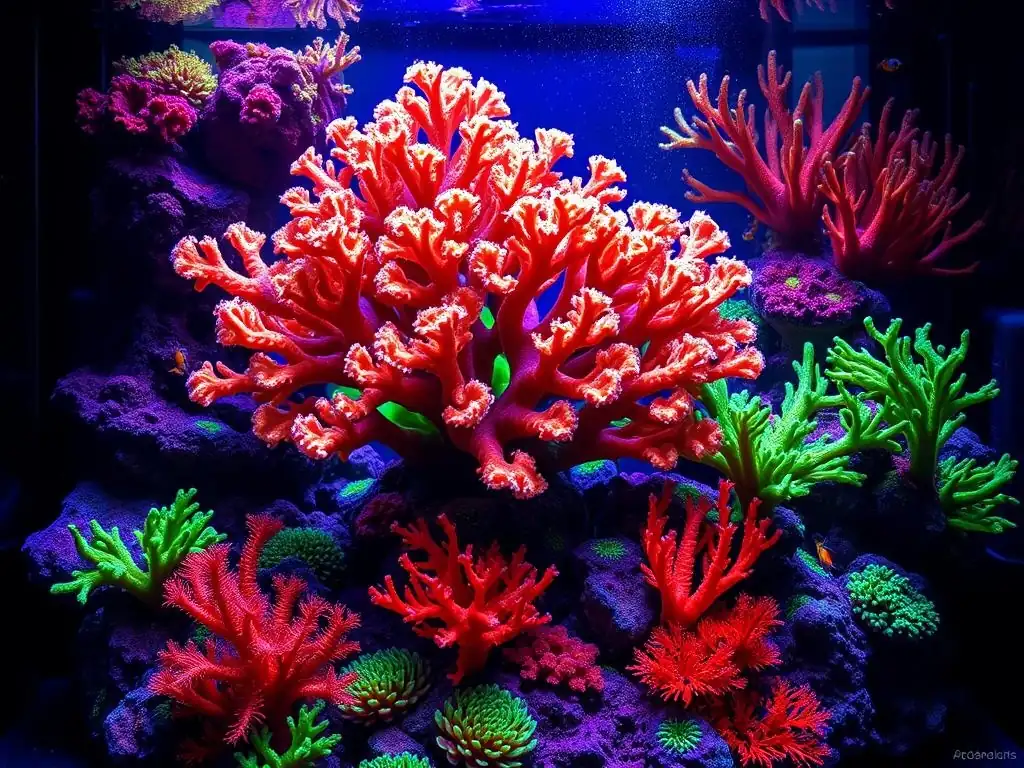
Welcome to Aquarium Mastery!
Ever wondered if your SPS corals are truly thriving, or just surviving? Discover the secrets to unlocking vibrant growth and coloration with proper water flow. Our latest article delves into the crucial art of SPS tank powerhead placement, revealing how strategic positioning can create the perfect turbulent flow your reef craves. Ready to optimize your reef's ecosystem and witness explosive coral growth? Let's dive in!
- Understanding the Importance of Flow for SPS Corals
- Key Principles of SPS Tank Powerhead Placement
- Selecting the Right Powerheads for Your SPS Tank
- Strategic Powerhead Placement Techniques for SPS
- Fine-Tuning Flow and Monitoring SPS Coral Health
- Common Mistakes in SPS Tank Powerhead Placement
- Maintaining Powerheads for Optimal Performance
- Advanced Flow Strategies for SPS Tanks
- Troubleshooting Flow-Related SPS Issues
- Achieving the Perfect Flow: A Summary of Best Practices for SPS Coral Health
-
Frequently Asked Questions
- What is the primary goal of strategic powerhead placement in an SPS tank?
- Why is turbulent flow so important for SPS corals?
- Where are common locations for placing powerheads in an SPS tank?
- How can I tell if my SPS tank has adequate flow?
- What factors should I consider when choosing powerheads for my SPS tank?
- Final Reflection: Harnessing the Power of Flow
- Ignite Your Reef: Unleash the Power of Perfect Flow!
Understanding the Importance of Flow for SPS Corals
Why SPS Corals Need High Water Flow
SPS corals, particularly Acropora, Montipora, and Seriatopora species, originate from high-energy reef environments where strong, consistent water movement is the norm. This high flow is indispensable for their physiological well-being and growth. It serves as the primary mechanism for delivering essential nutrients such as calcium, alkalinity, magnesium, and trace elements directly to the coral polyps, which are vital building blocks for calcification – the process by which these stony corals construct their intricate skeletons. Without sufficient flow, these crucial elements can become depleted in the immediate vicinity of the coral tissue, severely hindering growth and overall vitality.
Beyond nutrient delivery, robust water movement is equally critical for the efficient removal of metabolic waste products and accumulated detritus. Corals, like all living organisms, generate waste. High flow ensures that these byproducts, along with any settling sediment or organic particulate matter, are continuously swept away from the coral's delicate tissue.
Stagnant areas can lead to the buildup of harmful compounds, fostering the growth of undesirable bacteria or nuisance algae directly on the coral surface, which can cause tissue recession, disease, and even lead to coral loss. For example, a 200-gallon SPS tank might require an effective flow rate equivalent to 20-30 times its volume per hour to maintain optimal conditions for nutrient exchange and waste export.
The Role of Turbulent Flow in SPS Health and Growth
Turbulent flow, characterized by its chaotic, unpredictable, and multi-directional nature, is vastly superior to laminar (unidirectional) flow for the health and growth of SPS corals. This dynamic movement ensures that all surfaces and intricate branches of a coral colony are consistently exposed to fresh, nutrient-rich water. It effectively mimics the complex, ever-changing currents found on natural reefs, where waves and tides create a constantly shifting water column. Research, such as studies on Acropora millepora, has demonstrated that chaotic flow patterns significantly enhance calcification rates and overall metabolic efficiency compared to static or unidirectional flow.
The constant shifting of water currents caused by turbulence gently massages the coral polyps, stimulating their feeding response and promoting greater polyp extension. This increased extension allows for more efficient light absorption by the symbiotic zooxanthellae residing within the coral tissue, which are responsible for photosynthesis. Furthermore, turbulent flow facilitates optimal gas exchange, ensuring the efficient uptake of carbon dioxide for photosynthesis and the release of oxygen. Achieving effective turbulent SPS tank powerhead placement is crucial; it often necessitates multiple powerheads positioned to create intersecting currents that prevent any single area from experiencing predictable, laminar flow.
Consequences of Insufficient Flow in SPS Tanks
Insufficient water flow is one of the most common and detrimental factors contributing to the decline of SPS corals in a reef aquarium. The immediate signs of inadequate flow include reduced polyp extension, a dull or muted coloration, and the visible accumulation of detritus or sediment on the coral's branches, base, or surrounding rockwork.
Over time, these conditions invariably lead to tissue necrosis, particularly at the base of the coral or in the intricate inner branches where flow is typically weakest. For instance, in a 100-gallon SPS tank with consistently low flow (e.g., less than 10 times tank volume turnover per hour), a Montipora digitata colony may show signs of tissue loss within a few weeks due to waste buildup.
Prolonged periods of low flow can severely stunt coral growth, significantly reduce calcification rates, and render SPS corals far more susceptible to diseases, bacterial infections, and pest infestations. Nuisance algae, such as hair algae or cyanobacteria, thrive in low-flow, detritus-rich environments and can easily establish themselves on stressed coral tissue, outcompeting the coral for light and nutrients and potentially smothering it. This underscores the critical importance of meticulous SPS tank powerhead placement to prevent the formation of stagnant zones and ensure the long-term vitality and vibrant health of your entire SPS coral collection.
Key Principles of SPS Tank Powerhead Placement
Achieving Random Turbulent Flow: The Goal
The ultimate objective of SPS tank powerhead placement is to generate random, turbulent flow throughout the entire aquarium, deliberately avoiding any predictable, straight-line currents. This randomness is paramount because it actively prevents the formation of "dead spots" and ensures that all surfaces of your SPS corals are consistently exposed to varying water movements, closely mimicking the dynamic conditions found on natural reef crests.
A highly effective strategy involves deploying a minimum of two powerheads, strategically positioned on opposing sides of the tank, and often incorporating wave-making or random flow functions to constantly alter the direction and intensity of the water movement.
To truly achieve this desired randomness, aquarists commonly utilize multiple powerheads, often three or four in larger systems (e.g., a 180-gallon tank might effectively use four 3,000 GPH powerheads). The flow from one powerhead should ideally intersect and interact with the flow from another, or with the carefully designed aquascape, to generate chaotic and unpredictable patterns rather than a single, powerful, and linear current. This multi-directional approach guarantees that vital nutrients are delivered, and metabolic waste products are efficiently removed from every angle and every part of the coral colony, promoting uniform growth and health.
Avoiding Dead Spots and Laminar Flow
Dead spots are localized areas within the aquarium where water flow is minimal or entirely absent. These insidious zones lead to the accumulation of detritus, dissolved organic compounds, and waste products, subsequently fostering the proliferation of undesirable nuisance algae (like hair algae) or cyanobacteria. Laminar flow, conversely, is a smooth, unidirectional current that, while potentially strong, lacks the dynamic and constantly shifting movement essential for the long-term health of SPS corals. Effective SPS tank powerhead placement is fundamentally aimed at the complete elimination of both these problematic conditions.
Regularly observing the movement of fine detritus particles or even small pieces of food within the water column can serve as an invaluable diagnostic tool for identifying dead spots. These stagnant areas frequently occur behind large, dense rock structures, within tank corners, or along the substrate at the bottom of the aquarium. Correcting these issues involves adjusting powerhead angles, introducing smaller supplemental powerheads specifically into problematic zones, or carefully repositioning existing units. For example, if detritus consistently settles behind a prominent Acropora colony, a small, low-GPH powerhead can be discreetly positioned to provide targeted, localized flow, preventing buildup.
Considering Tank Dimensions and Aquascape
The specific dimensions (length, width, height) and overall shape of your aquarium profoundly influence optimal SPS tank powerhead placement. A long, relatively shallow tank will necessitate a distinct flow strategy compared to a tall, narrow cube-shaped system. For instance, a 48-inch long tank might optimally benefit from two powerheads positioned at opposing ends, whereas a cube tank might be better served by a single central powerhead with a very wide flow pattern, or alternatively, multiple smaller units strategically distributed. The overarching goal is to ensure comprehensive water movement, preventing any area from becoming stagnant regardless of tank geometry.
The internal rockwork, or aquascape, is not merely an aesthetic feature; it plays a critical role in directing, shaping, and potentially obstructing water flow. Densely packed aquascapes or those featuring large, solid structures can inadvertently create significant dead spots. When meticulously planning SPS tank powerhead placement, it is crucial to consider how the water flow will interact with the existing rock formations.
Aim to bounce flow off the back glass, side panels, or even large, open rock structures to generate indirect, diffused, and highly turbulent currents. It is generally most effective to place powerheads so their flow washes gently over open areas or cascades over coral colonies rather than directly blasting them with concentrated force.
Selecting the Right Powerheads for Your SPS Tank
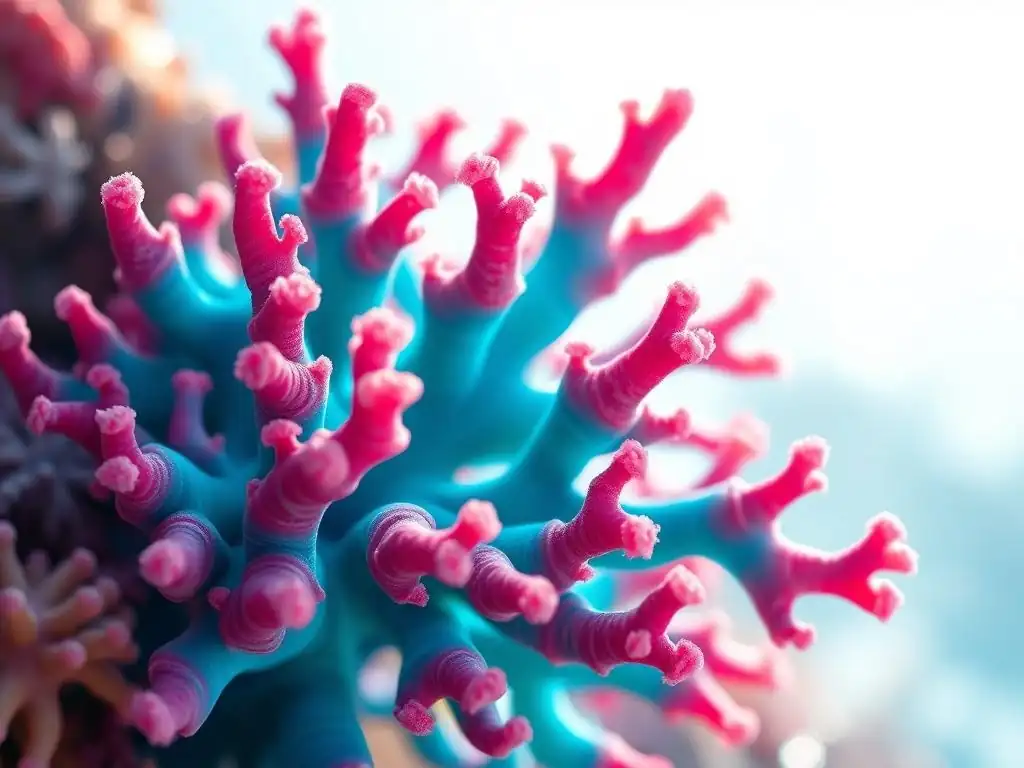
Powerhead Flow Rate: GPH Calculation for SPS
For SPS corals, a widely accepted general guideline for total water movement within the display tank is to aim for a turnover rate of 20 to 40 times the tank's total volume per hour (GPH). This figure represents the sum of the maximum output of all internal powerheads combined.
For example, a 100-gallon SPS tank would ideally require powerheads collectively capable of producing between 2,000 and 4,000 GPH of total flow. However, it's crucial to understand that this is merely a starting point, as the actual "effective" flow experienced by the corals can be significantly less due to impedance from aquascaping, distance from the powerhead, and the nature of the flow itself.
When evaluating and selecting powerheads, it's important to recognize that manufacturers' stated GPH figures are typically measured under ideal, unobstructed laboratory conditions. In a real-world aquarium environment, factors such as head pressure (if used in a closed loop), impeller design, and the presence of protective screens or cages can all reduce the actual flow delivered.
Many experienced SPS aquarists often lean towards the higher end of the 30-40x turnover rate, and it is generally advisable to slightly over-spec the powerheads. This allows for greater flexibility, as controllable models can be easily dialed down if the flow proves to be too intense, whereas under-specifying can leave you with persistently insufficient water movement.
Types of Powerheads: Propeller vs. Vane
Propeller-based powerheads, often referred to as "prop pumps" or "flow pumps," are exceptionally popular for SPS tanks due to their inherent ability to move a very large volume of water with a wide, dispersed, and gentle flow pattern. Leading brands such as EcoTech Marine VorTech or Maxspect Gyre exemplify this design.
These powerheads excel at creating broad, powerful, yet non-damaging water movement that closely mimics the natural surges and currents found in oceanic environments, which is crucial for effective SPS tank powerhead placement. Their design typically results in a less concentrated, more sheet-like flow, significantly reducing the risk of directly "blasting" delicate coral tissue.
In contrast, vane-based powerheads, or more traditional powerheads, typically produce a much more focused and concentrated stream of water. While they can be useful for very specific applications, such as targeting flow into a particular, localized area or for promoting general water mixing, their direct, laminar flow can be detrimental to SPS corals if not aimed with extreme caution.
They are generally less preferred for broad SPS tank powerhead placement due to their potential to create "hot spots" of excessively intense flow that can cause tissue damage. However, smaller vane pumps can serve as useful supplementary tools for precisely addressing isolated dead spots within the aquascape.
Controllable Powerheads: Advantages and Features
Controllable powerheads offer unparalleled flexibility in managing and fine-tuning water flow, making them an invaluable asset for any SPS-dominated reef aquarium. These advanced units empower aquarists to precisely adjust flow intensity, create a diverse range of wave patterns (e.g., short pulse, long pulse, nutrient transport mode), and even synchronize multiple units to work in concert.
This high degree of control is immensely beneficial for optimizing SPS tank powerhead placement to meet the specific and evolving needs of different coral species or to adapt to the growth and expansion of coral colonies over time. For instance, a newly introduced SPS frag might require a lower flow intensity initially, which can be gradually increased as it acclimates and grows.
Many high-end controllable powerheads come equipped with sophisticated features such as random flow modes, dedicated feed modes (which temporarily reduce flow during feeding times to prevent food from being swept away), and even night modes with reduced intensity to mimic natural diurnal cycles. These advanced functionalities contribute significantly to creating a highly dynamic and naturalistic environment within the aquarium. For example, a wave-making mode that oscillates between high and low flow every few minutes can effectively dislodge settled detritus and ensure varied exposure for corals, thereby significantly enhancing the overall success and effectiveness of SPS tank powerhead placement.
Strategic Powerhead Placement Techniques for SPS
The "Opposing Flow" Method: Balancing Powerheads
The "opposing flow" method is a fundamental and highly effective technique for SPS tank powerhead placement. This strategy involves positioning two or more powerheads on opposite sides of the aquarium, carefully angled to create currents that collide and interact within the water column. This deliberate collision generates highly turbulent, chaotic flow patterns throughout the entire tank, effectively eliminating undesirable laminar flow and preventing the formation of stagnant dead spots. For a standard 4-foot (48-inch) long tank, a common and successful setup involves two powerheads positioned at opposite ends, each angled slightly towards the center or the opposing glass.
In a typical implementation, one powerhead might be strategically placed in the upper front corner on the left side of the tank, angled towards the back right corner. Concurrently, the other powerhead would be situated in the upper back corner on the right side, pointed towards the front left. The precise angles will depend on the unique aquascape and the desired flow patterns. This method ensures that water is constantly moving in multiple, intersecting directions, providing exceptional flow coverage for all SPS corals, from the smallest frag to the most expansive colony, promoting uniform growth and health.
Using Wave Makers for Dynamic Flow Patterns
Wave makers are specialized powerheads or controllers specifically designed to cycle through varying flow intensities or directions, thereby creating dynamic, pulsing flow patterns within the aquarium. This sophisticated approach effectively mimics the natural surge and ebb of water found on natural reef environments, which is profoundly beneficial for SPS corals. Rather than a constant, predictable current, wave makers deliver intermittent blasts of high flow followed by periods of lower flow. This prevents corals from acclimating to a single flow direction and promotes more robust, resilient growth by constantly stimulating their polyps.
Many contemporary controllable powerheads are equipped with integrated wave-making functions, making this dynamic flow easily achievable. For instance, configuring two powerheads on opposite sides of the tank to pulse alternately (one powerhead on while the other is off, then switching) can generate a powerful, back-and-forth "gyre-like" flow. This dynamic water movement is particularly effective for dislodging settled detritus from coral surfaces and ensuring that all parts of the coral tissue are exposed to varying conditions, thereby significantly optimizing SPS tank powerhead placement for maximum coral health and vitality.
Placement for Specific SPS Coral Species: Acropora, Montipora, Seriatopora
While all SPS corals generally demand high water flow, there can be nuanced differences in their optimal flow preferences. Acropora species, particularly those with delicate, intricate branching structures, typically thrive in very high, highly turbulent flow conditions that actively prevent any detritus accumulation within their complex branches. Montipora species, whether plating or branching forms, also appreciate strong flow but might exhibit a slightly higher tolerance for varied or less intense conditions compared to some Acropora.
For Seriatopora species, with their often more compact and densely branched structures, ensuring that water flow penetrates deep into the colony is absolutely crucial to prevent the formation of dead spots within the coral itself. When meticulously planning SPS tank powerhead placement, it is essential to consider the mature size and anticipated growth form of your specific coral species.
Larger, denser colonies may require more direct, yet still turbulent, flow to ensure that even the innermost branches receive adequate water movement. For example, a large Acropora millepora colony might greatly benefit from a powerhead positioned to create flow that effectively washes over its entire top and sides, reaching all polyps.
Powerhead Placement in Relation to the Aquascape
The aquascape, or internal rockwork, is far more than just an aesthetic element; it is a critical component that profoundly influences and shapes water flow patterns. Powerheads should be strategically positioned to work with the rockwork, rather than against it. The aim is to angle powerheads so their flow bounces off the back glass, side panels, or even large, open rock structures to create indirect, diffused, and highly turbulent currents.
This approach prevents direct, potentially damaging blasts of concentrated flow onto corals while ensuring wide and effective distribution of water movement throughout the tank. It is crucial to avoid placing powerheads directly behind large, solid rock formations where their flow would be entirely obstructed and rendered ineffective.
Consider the "shadow" areas that are inevitably created by your rockwork design. These are prime locations for the formation of stagnant dead spots. Strategic SPS tank powerhead placement involves carefully aiming flow into or around these areas to actively break up any stagnation.
For example, a powerhead placed slightly above and to the side of a prominent rock arch can effectively send flow through the arch, reaching corals positioned on the other side. This thoughtful integration of flow dynamics with the physical structure of your aquascape is paramount for achieving comprehensive and beneficial water movement throughout the entire SPS tank, promoting uniform health and growth.
Fine-Tuning Flow and Monitoring SPS Coral Health
Observing Coral Polyp Extension and Coloration
The degree of polyp extension is one of the most immediate and reliable indicators of an SPS coral's overall health and its satisfaction with the current water flow conditions. Healthy SPS corals, particularly Acropora species, will typically exhibit robust polyp extension, with their polyps visibly "reaching" into the water column.
If polyps are consistently retracted, it could signal either insufficient flow (leading to detritus accumulation or a lack of nutrient delivery) or, less commonly, overly strong, direct flow that is causing stress. For instance, a thriving Acropora valida should consistently display constant, visible polyp movement and extension, indicating optimal conditions.
Beyond polyp extension, meticulously monitoring the coral's coloration is equally important. Dull, fading, or browning colors can often be a subtle but significant sign of inadequate flow, as insufficient water movement hinders efficient nutrient delivery and waste removal, thereby impacting the health and photosynthetic efficiency of the symbiotic zooxanthellae. Conversely, bleaching (a loss of color) can occur if water flow is excessively direct and intense, effectively "blasting" the coral and causing stress. Consistent observation over several days after any adjustment to your SPS tank powerhead placement is crucial to accurately discern the coral's response and fine-tune conditions.
Adjusting Powerhead Angles and Intensities
Fine-tuning SPS tank powerhead placement is an inherently iterative and ongoing process that requires patience and careful observation. Even minor adjustments to powerhead angles (just a few degrees) or subtle changes in intensity settings can profoundly alter the overall flow patterns within the aquarium. It is generally most beneficial to make only one adjustment at a time and then observe the tank's response for 24-48 hours before contemplating another change.
This methodical approach allows you to accurately isolate the specific effect of each modification. For example, in a 90-gallon tank, increasing a powerhead's setting from 50% to 60% can drastically change the flow dynamics in its vicinity.
Utilizing a small amount of fine detritus (such as a pinch of fish food or even a tiny amount of crushed coral dust) can serve as an excellent visual aid for understanding and identifying flow patterns, as well as pinpointing any areas of stagnation or excessive turbulence. Carefully observe how these particles move and where they eventually settle.
If they consistently accumulate in specific areas, it strongly indicates a dead spot that requires a precise powerhead adjustment. The ultimate goal is to achieve a gentle, rhythmic "swaying" of your corals without them being constantly bent over, stressed, or directly blasted by concentrated flow.
Recognizing Signs of Over-Flow or Under-Flow
Under-flow is generally a more common issue in SPS tanks and typically manifests as persistently poor polyp extension, the visible accumulation of detritus on coral tissue or surrounding rockwork, and potentially localized outbreaks of nuisance algae (e.g., cyanobacteria) in stagnant zones. The affected coral may also appear "slimy" or exhibit a dull, unhealthy sheen. For example, if a Montipora capricornis colony consistently collects detritus on its plating surfaces, it is a clear and undeniable sign of insufficient water flow in that specific area, demanding immediate attention and adjustment.
While less frequently encountered with SPS, over-flow can occur if a powerhead is excessively strong or aimed too directly at a particular coral colony. Signs of over-flow include persistent polyp retraction, visible tissue recession that often begins from the areas directly exposed to the intense flow, and an overall stressed appearance of the coral. In extreme cases, the coral may appear "blasted" or exhibit signs of tissue "burning."
For instance, a direct, sustained blast from a 4,000 GPH powerhead on a delicate Acropora frag can cause significant tissue damage within a matter of hours. The ideal SPS tank powerhead placement meticulously avoids both of these detrimental extremes.
Common Mistakes in SPS Tank Powerhead Placement
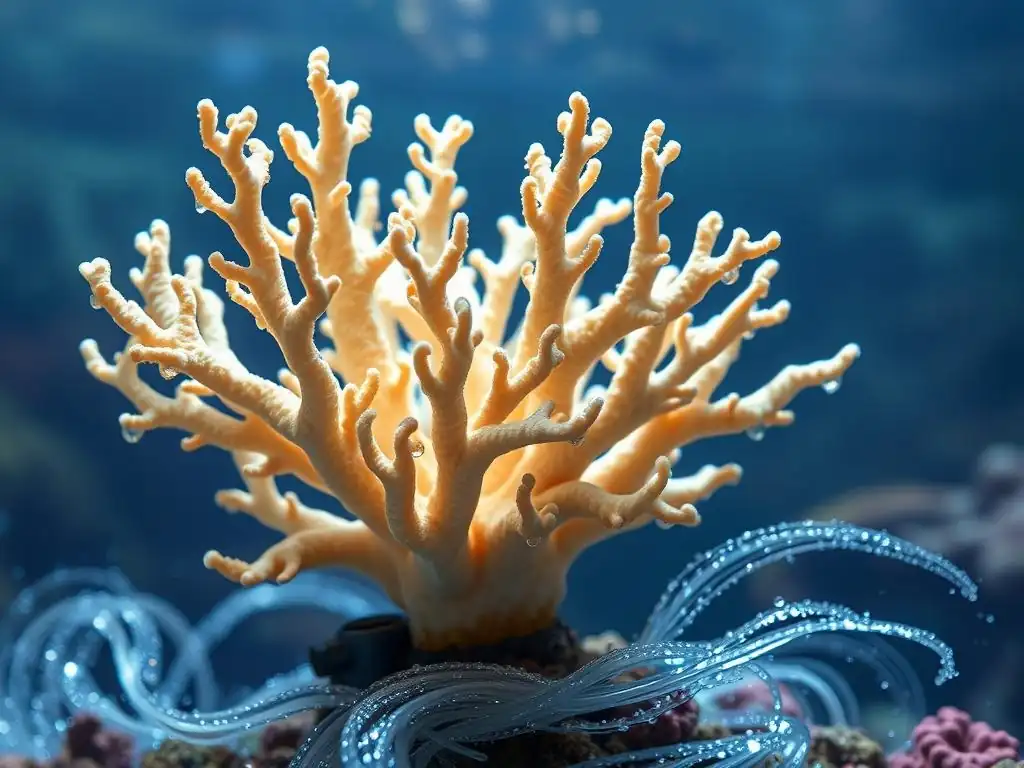
Overpowering the Tank: Preventing Coral Tissue Damage
A common misconception in reef keeping is that "more flow is always better" for SPS corals. While SPS corals undoubtedly thrive in high flow, there is a critical point of diminishing returns, and excessive, direct flow can be profoundly detrimental. Overpowering the tank, especially by relying on a single, extremely high-GPH powerhead aimed directly at coral colonies, can cause mechanical tissue abrasion, induce severe stress, and ultimately lead to rapid tissue necrosis. This is particularly true for newly introduced frags or smaller, more delicate colonies that have not yet fully acclimated to the aquarium environment.
Direct, high-velocity flow can literally strip the delicate coral tissue from its underlying skeleton, especially at the tips of branches or in areas where the flow becomes highly concentrated. It can also prevent coral polyps from extending properly, thereby hindering their ability to feed and photosynthesize effectively.
A frequent mistake in SPS tank powerhead placement is the erroneous assumption that maximum GPH output is always optimal, without adequately considering the crucial aspects of flow distribution and turbulence. It is far more beneficial to employ multiple moderate-output powerheads that collectively create dynamic, turbulent flow than to use one giant powerhead that generates a damaging, concentrated jet stream.
Ignoring Dead Spots: Areas of Poor Circulation
One of the most critical and often overlooked errors in SPS tank powerhead placement is the failure to accurately identify and subsequently rectify dead spots. These insidious areas, typically found behind large aquascape structures, under overhangs, or nestled in tank corners, inevitably accumulate detritus, dissolved organic compounds, and metabolic waste. This accumulation creates ideal conditions for the proliferation of nuisance algae, cyanobacteria, and even harmful bacterial infections, posing a significant threat to coral health.
Corals placed within or in close proximity to these dead spots will invariably exhibit poor growth rates, dull or receding coloration, and are highly susceptible to localized tissue loss. For example, a magnificent Acropora colony might thrive on one side of the tank but show persistent tissue recession on the side facing a hidden dead spot. Regular, meticulous observation of detritus accumulation patterns and the careful, precise adjustment of powerhead angles are absolutely essential to ensure comprehensive and vigorous flow throughout every single area of your SPS system, leaving no room for stagnation.
Neglecting Powerhead Maintenance: Flow Reduction
The silent killer of optimal flow in reef tanks is the neglect of powerhead maintenance, specifically calcification buildup. Powerheads, particularly in high-calcium, high-alkalinity reef environments, are highly prone to the accumulation of calcium deposits on their impellers, shafts, and internal housings. This insidious buildup significantly reduces the powerhead's flow efficiency over time. A powerhead initially rated for 4,000 GPH might, after just a few months of neglect, only be producing 2,000 GPH, effectively starving corals of essential water movement. This is a frequently overlooked but critical aspect of successful SPS tank powerhead placement and long-term reef stability.
Reduced flow due to neglected powerhead maintenance mimics the effects of inherently insufficient flow from poor initial placement, leading to the same detrimental consequences: compromised coral health, severely stunted growth, and increased susceptibility to disease. Many aquarists mistakenly attempt to compensate by adding more powerheads when their existing units are simply clogged and inefficient. Regular and thorough cleaning of powerheads (e.g., every 1-3 months, depending on your tank's calcification rate) is paramount to maintain their optimal flow output and prevent these pervasive issues, ensuring your SPS corals receive the consistent flow they demand.
Maintaining Powerheads for Optimal Performance
Regular Cleaning and Inspection
Regular and thorough cleaning of powerheads is arguably as crucial to long-term SPS success as their initial SPS tank powerhead placement. Over time, calcium deposits, various forms of algae, and accumulated detritus inevitably build up on the powerhead's impeller, magnetic drive, housing, and protective cages. This accumulation significantly reduces their operational efficiency and critically diminishes their flow output. A powerhead that is not regularly cleaned can easily lose between 20-50% of its rated flow within just a few months, directly and negatively impacting the health and growth of your SPS corals.
A typical cleaning procedure involves carefully disassembling the powerhead and then soaking its individual components (such as the impeller, magnet, and housing) in a mild acid solution. A common and effective solution is a 50/50 mix of white vinegar and water, or a commercially available citric acid solution, for several hours. After soaking, gently scrub away any remaining debris with a soft brush, ensuring all calcification is removed.
It is also vital to visually inspect the impeller for any signs of cracks or wear and to confirm that the ceramic shaft is smooth and undamaged. Reassemble the powerhead and test its operation before reintroducing it to the aquarium. This routine should be performed monthly or bi-monthly, depending on your tank's specific calcification rate.
Preventing Calcification Buildup
Calcification buildup on powerheads is a natural and unavoidable occurrence in reef aquariums due to the elevated levels of calcium and alkalinity. These elements readily precipitate out of the water column and adhere to various surfaces, particularly moving parts like powerhead impellers. While diligent regular cleaning is an essential measure, certain proactive practices can help minimize the rate of buildup, thereby extending the intervals between necessary cleanings and maintaining consistent flow.
One effective mitigation strategy is to maintain stable water parameters, particularly alkalinity (dKH), within the recommended range of 7.5-8.5 dKH. Extremely high alkalinity levels (e.g., consistently above 10 dKH) can significantly accelerate the rate of calcification. Some aquarists also report that operating powerheads at slightly lower, yet still effective, speeds can reduce the rate of buildup compared to continuously running them at their maximum output. Furthermore, ensuring proper SPS tank powerhead placement also means minimizing areas where water flow might be too slow, as reduced flow can allow calcification to accelerate more rapidly on the powerhead itself.
Powerhead Lifespan and Replacement
The operational lifespan of a powerhead can vary significantly depending on the brand, specific model, and the consistency of maintenance it receives. High-quality powerheads from reputable manufacturers often last for 3-5 years or even longer with diligent and proper maintenance. However, continuous operation in a high-salt, high-calcium environment inevitably takes its toll on internal components. Common signs of an aging or failing powerhead include an increase in operational noise, a noticeable reduction in flow despite recent cleaning, intermittent operation, or excessive heat generation from the unit.
It is generally a wise practice to proactively replace a failing powerhead rather than waiting for it to completely cease functioning. A sudden and complete loss of flow can be catastrophic for an SPS-dominated reef tank, as these corals are highly sensitive to sudden changes in water movement.
Consider replacing powerheads every 3-5 years as a preventative measure, especially if you observe a consistent decline in their performance. Having a spare, fully functional powerhead on hand is an invaluable investment for any serious SPS aquarist, ensuring that optimal SPS tank powerhead placement and critical water flow are maintained without any significant interruption.
Advanced Flow Strategies for SPS Tanks
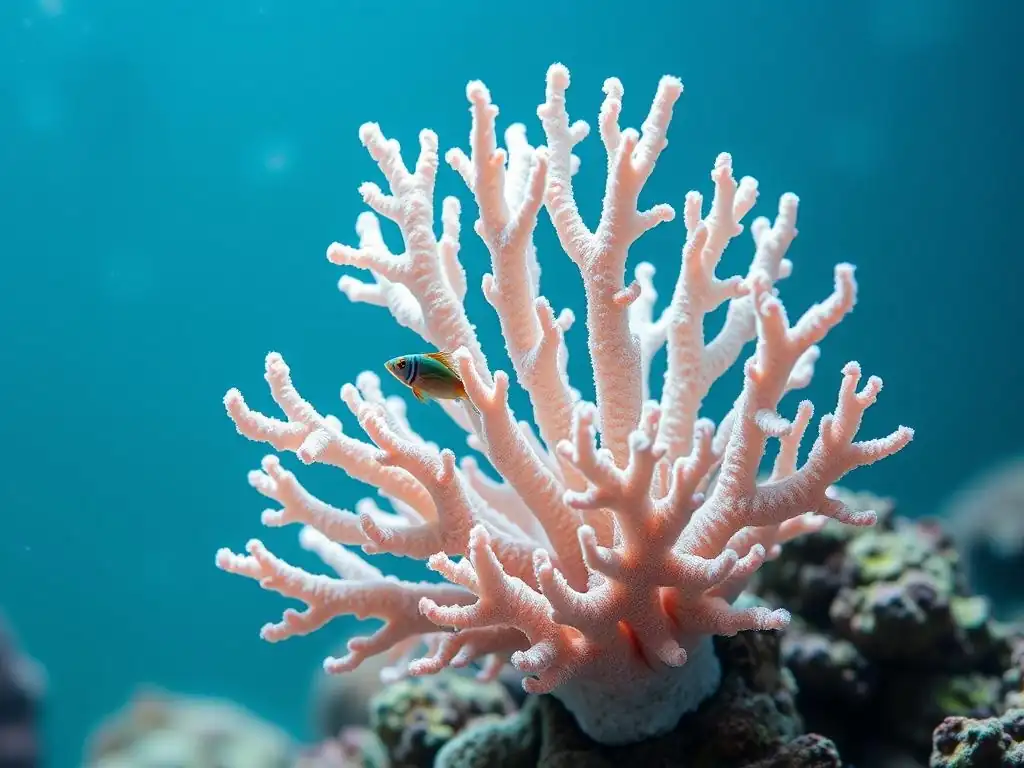
Closed-Loop Systems and Returns
Closed-loop systems represent an advanced and highly effective method for generating high, consistent water flow throughout the aquarium without the visual clutter of numerous powerheads directly inside the display tank. These systems typically consist of a powerful external pump that draws water from one or more discreet intakes (e.g., bulkheads near the bottom of the tank) and then returns it through multiple strategically positioned outputs (e.g., nozzles or spray bars) distributed within the aquascape. This design keeps the main display tank largely free of equipment, significantly enhancing its aesthetic appeal.
For larger SPS-dominated tanks (e.g., 200 gallons and up), closed-loop systems can provide an immense volume of distributed flow that is exceedingly difficult to replicate solely with internal powerheads. They can be plumbed with various nozzle types and configurations to create highly turbulent, multi-directional flow patterns, making them an excellent choice for achieving optimal SPS tank powerhead placement indirectly. While generally more complex and costly to set up initially, closed-loop systems offer superior aesthetics and often deliver more reliable, consistent, and powerful flow compared to traditional internal powerhead setups.
Using Multiple Smaller Powerheads for Redundancy
An advanced and increasingly popular strategy for ensuring robust flow in SPS tanks involves utilizing several smaller, strategically placed powerheads instead of relying on one or two very large units. This approach offers significant advantages in terms of redundancy: if one powerhead experiences a failure, the impact on the overall tank flow is much less severe, providing a crucial buffer for SPS corals that are highly sensitive to sudden reductions in water movement. For example, a 150-gallon tank might effectively use four 1,500 GPH powerheads instead of just two 3,000 GPH units.
This distributed approach also allows for far more precise tailoring of water flow to specific areas of the aquascape and to individual coral colonies. Smaller powerheads can often be tucked away more discreetly within the rockwork and angled with greater precision to address specific dead spots or to provide targeted flow to denser coral groupings. This granular control over SPS tank powerhead placement frequently leads to more uniform growth and consistently better health across the entire reef display, as every coral receives its optimal flow.
Incorporating Gyre Flow
Gyre flow refers to a broad, sheet-like movement of water that travels across the entire length of the tank, impacts the opposite wall, and then returns along the other side, effectively creating a continuous, circular current. This distinctive flow pattern is typically achieved using specialized "gyre" style powerheads (e.g., Maxspect Gyre, IceCap Gyre) that are designed to move water horizontally in a wide, laminar fashion rather than in a narrow stream.
While gyre flow itself is largely laminar, its significant benefit for SPS corals stems from its ability to create massive, highly consistent water movement over extensive areas, effectively turning over the entire water column. When thoughtfully combined with traditional propeller-style powerheads that introduce essential turbulence and chaotic movement, gyre flow can be incredibly effective. For instance, a gyre pump can provide the bulk of the overall tank turnover, with smaller propeller powerheads strategically placed to break up the laminar flow and introduce the crucial turbulence at key SPS tank powerhead placement points, creating an ideal mixed flow environment.
Tissue Necrosis: Causes and Solutions
Tissue necrosis, or the death of coral tissue, can be an alarming and rapid development in SPS corals. If it is flow-related, it often presents as distinct white patches or receding tissue, particularly on areas that are either directly exposed to an excessively strong, consistent blast of flow (over-flow) or in areas of extreme stagnation where detritus chronically accumulates (under-flow). For instance, a small Acropora frag may show rapid tissue loss on one side if it is inadvertently placed directly in front of a powerful, unaimed powerhead.
For issues stemming from over-flow, the immediate solution is to promptly re-angle the offending powerhead or reduce its intensity. Consider temporarily relocating the affected coral to a less intense flow zone if possible. For under-flow, carefully observe patterns of detritus accumulation and adjust your SPS tank powerhead placement to increase flow to the affected area. This might involve adding a small, supplemental powerhead or strategically repositioning existing units to ensure comprehensive coverage. Addressing the issue swiftly and decisively is paramount to prevent further tissue loss and promote recovery.
Slow Growth Rates: Identifying Flow Deficiencies
Slow or persistently stunted growth in SPS corals, even when other parameters like water chemistry and lighting appear to be optimal, is a classic and clear indicator of insufficient or non-turbulent water flow. Corals critically depend on consistent, fresh water movement to continuously deliver calcium, alkalinity, and other vital trace elements essential for calcification and skeletal growth.
If these crucial nutrients become depleted in the immediate boundary layer surrounding the coral due to poor flow, growth will inevitably suffer significantly. A healthy Montipora digitata colony, for example, should exhibit noticeable growth (e.g., 1-2 inches per month) under truly optimal conditions.
To rectify slow growth caused by flow deficiencies, reassess your total GPH, aiming for the higher end of the recommended 30-40x tank volume turnover. More importantly, focus intently on creating more turbulent, random, and multi-directional flow patterns. This frequently entails adjusting SPS tank powerhead placement to bounce flow off the glass or intricate rockwork, actively utilizing wave-making functions, or even adding more powerheads to ensure complete coverage and dynamic water movement throughout the entire tank, revitalizing coral growth.
Algae Growth on SPS: Addressing Flow Problems
While nutrient imbalances (excess nitrates and phosphates) are the primary drivers of nuisance algae outbreaks, localized algae growth directly on SPS coral tissue or on the surrounding rockwork is very often exacerbated by poor water flow. Stagnant areas within the aquarium allow detritus and dissolved organic compounds to settle and accumulate, providing a highly fertile substrate for various nuisance algae, such as hair algae, bryopsis, or cyanobacteria, to readily establish and proliferate. This can quickly smother, irritate, and stress delicate SPS corals, leading to their decline.
Increasing and optimizing water flow, particularly by generating robust turbulent flow, can significantly help combat localized algae growth. The increased water movement actively prevents detritus from settling on coral surfaces and physically sweeps away algae spores, making it considerably harder for them to attach and successfully proliferate. Re-evaluating your SPS tank powerhead placement to meticulously eliminate all dead spots and ensure vigorous, multi-directional flow over all surfaces, especially near coral bases and within intricate branches, is a key preventative and corrective measure against nuisance algae.
Achieving the Perfect Flow: A Summary of Best Practices for SPS Coral Health
Achieving truly perfect flow for SPS corals is a continuous and dynamic process, not a static, one-time setup. It fundamentally hinges on understanding that SPS corals thrive in high, turbulent, and varied water movement, which directly mirrors the energetic conditions of their natural reef habitats.
The core principle of effective SPS tank powerhead placement is to meticulously eliminate all dead spots and rigorously prevent laminar flow, thereby ensuring that every single part of every coral colony receives a constant supply of fresh, nutrient-rich water, and that metabolic waste is efficiently and continuously removed. This critical balance often translates to a total tank turnover of 20-40 times the tank volume per hour, meticulously distributed by multiple, strategically angled powerheads.
The "perfect" flow is never static; it inherently evolves as your corals grow, mature, and as your aquascape potentially shifts or expands. Therefore, continuous and meticulous observation of key indicators such as polyp extension, coral coloration, and patterns of detritus accumulation is absolutely crucial.
Be prepared to regularly fine-tune powerhead angles, adjust intensity settings, and even consider adding or repositioning units as your SPS reef develops and matures. Consistent and diligent powerhead maintenance, including regular and thorough cleaning, is equally vital to ensure that your carefully planned SPS tank powerhead placement continues to deliver optimal performance and consistently supports the long-term health, vibrant coloration, and robust growth of your precious SPS corals.
Frequently Asked Questions
What is the primary goal of strategic powerhead placement in an SPS tank?
The primary goal is to create turbulent flow which is crucial for SPS coral health. This ensures adequate nutrient delivery and waste removal, preventing dead spots.
Why is turbulent flow so important for SPS corals?
SPS corals rely on flow for gas exchange, nutrient uptake, and to prevent detritus buildup. Insufficient flow can lead to tissue necrosis and coral death.
Where are common locations for placing powerheads in an SPS tank?
Typical locations include opposite sides of the tank, angled to create colliding currents, and behind the rockwork to eliminate dead spots. Consider alternating powerhead activation for more natural flow.
How can I tell if my SPS tank has adequate flow?
Observe your corals. Healthy SPS corals will exhibit polyp extension and a gentle swaying motion. Look for areas of detritus buildup as indicators of poor flow.
What factors should I consider when choosing powerheads for my SPS tank?
Consider the tank size, coral placement, and the powerhead's flow rate. Aim for a flow rate that is 20-40 times the tank volume per hour, adjusting based on your specific needs.
Final Reflection: Harnessing the Power of Flow
The principles of strategic powerhead placement, as outlined in this article, are not merely about creating aesthetically pleasing water movement in a reef tank; they are about cultivating a thriving ecosystem. Understanding the nuances of flow dynamics and their impact on SPS corals is more relevant than ever, as reef keeping becomes increasingly sophisticated and hobbyists strive for unparalleled coral health and coloration. The ability to manipulate flow effectively is a key differentiator between a struggling reef and a vibrant, flourishing microcosm of the ocean.
This journey into the world of SPS tank powerhead placement has underscored the profound interconnectedness within a reef environment. It reminds us that even seemingly small adjustments can have a significant impact on the overall health and well-being of our corals. The pursuit of perfect turbulent flow is not just a technical exercise; it's an act of stewardship, a commitment to providing the optimal conditions for these delicate organisms to thrive. The sea, once it casts its spell, holds one in its net of wonder forever.
- Jacques Cousteau. This quote perfectly encapsulates the dedication and wonder that drives reef keepers to constantly improve and refine their methods.
As you consider the information presented here, I encourage you to reflect on your own reef keeping practices. Are you truly maximizing the potential of your powerheads? Are you observing your corals closely enough to understand their individual flow preferences? Take the time to experiment, to adjust, and to learn from your successes and failures. By embracing a strategic approach to powerhead placement, you can unlock the full potential of your SPS corals and create a truly breathtaking reefscape that will inspire awe for years to come.
Ignite Your Reef: Unleash the Power of Perfect Flow!
Thanks for diving deep into the secrets of strategic powerhead placement! Now that you understand how to create the ideal turbulent flow for your SPS corals, it’s time to take action and witness the incredible results.
- Re-evaluate your current powerhead setup using the principles outlined in this article and make adjustments for optimal flow.
- Share this knowledge with fellow reef keepers and help them unlock the vibrant potential of their SPS corals.
- Experiment with unconventional powerhead positions – perhaps behind the rockwork – to discover hidden flow dynamics in your unique aquascape.
What surprising flow pattern did you discover when analyzing your own reef tank’s current?