
Zoanthid Flow Requirements: Striking the Perfect Balance

Welcome to Aquarium Mastery!
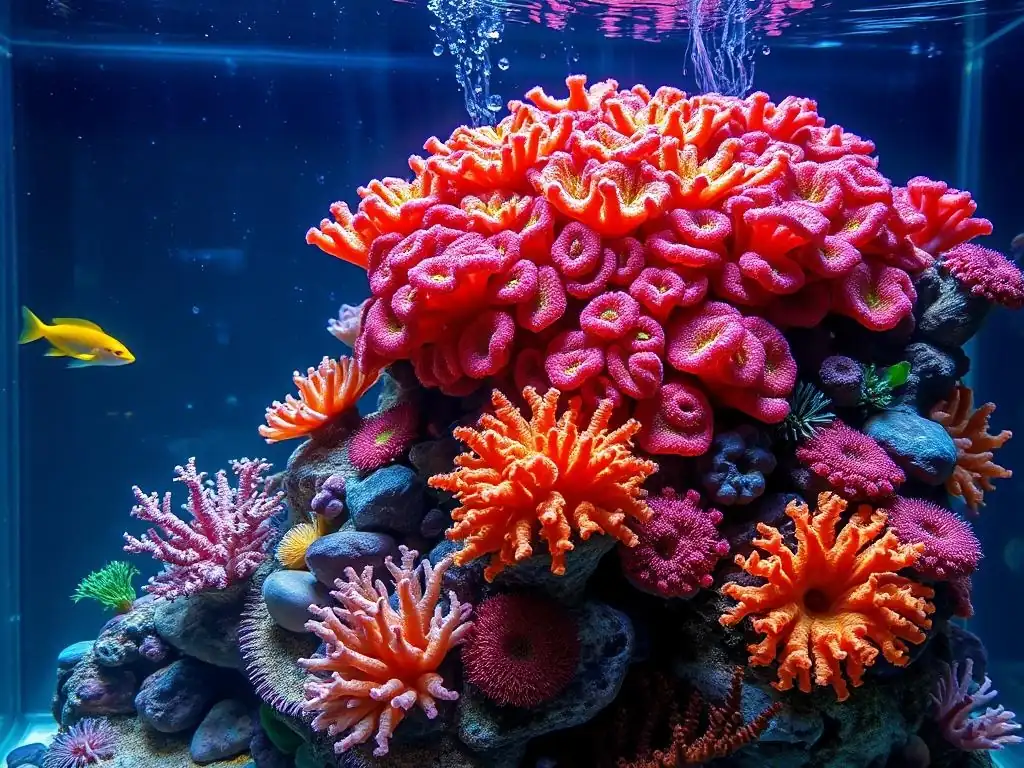
Ever wondered if your Zoanthids are truly thriving or just surviving? Dive into our comprehensive guide and unlock the secrets to Zoanthid lighting and water flow needs. Discover how striking the perfect balance is key to vibrant colors and healthy growth in your coral reef aquarium. Curious to learn more? Let's explore together!
- Zoanthid Flow Requirements: Striking the Perfect Balance for Thriving Colonies
- Understanding Zoanthid Water Flow Needs: An Essential Guide
- Different Types of Water Flow and Their Impact on Zoanthids
- Identifying Signs of Inadequate or Excessive Water Flow in Your Zoanthid Tank
- Achieving Optimal Water Flow for Zoanthids: Practical Strategies
- Factors Affecting Zoanthid Flow Requirements
- Choosing the Right Equipment for Zoanthid Water Flow
- Adapting Flow to Specific Zoanthid Species
- Troubleshooting Common Zoanthid Flow Problems
- Maintaining Consistent Water Parameters Alongside Optimal Flow
- Advanced Techniques for Zoanthid Flow Management
- Conclusion: Mastering Zoanthid Flow for a Vibrant Reef Aquarium.
-
Frequently Asked Questions
- What are Zoanthids and why is proper flow important for them?
- What type of water flow is generally recommended for Zoanthids?
- How can I tell if my Zoanthids are getting too much or too little flow?
- What factors other than flow affect Zoanthid health?
- Where in the aquarium should I place Zoanthids to optimize their flow?
- Final Reflection: The Living Current
- Unleash the Vibrant Colors of Your Zoanthids!
Zoanthid Flow Requirements: Striking the Perfect Balance for Thriving Colonies
Understanding Zoanthid Water Flow Needs: An Essential Guide
Why Proper Water Flow Matters for Zoanthid Health
Proper water flow is paramount for the health and vitality of Zoanthid colonies in a reef aquarium. These sessile invertebrates rely on water movement for several critical physiological processes. Firstly, adequate flow ensures the efficient delivery of nutrients, including dissolved organic matter and planktonic food particles, directly to the polyps. Without sufficient water movement, Zoanthids can become "starved" or experience reduced feeding efficiency, leading to slower growth rates and diminished coloration.
Secondly, water flow is crucial for the removal of metabolic waste products and detritus that can accumulate on the polyps. Zoanthids, like all corals, produce mucus to protect themselves and shed waste. Stagnant water allows this mucus and any settled detritus to linger, potentially smothering the polyps, encouraging bacterial growth, and leading to tissue necrosis.
Studies on coral feeding efficiency suggest that optimal flow rates can increase the feeding rates by 15-20% for some soft corals, highlighting the direct link between water movement and nutrient uptake. Inadequate flow can lead to a buildup of metabolic waste products around the polyps, potentially causing them to close up or even recede.
Zoanthid Lighting and Water Flow: An Interconnected Relationship
The relationship between Zoanthid lighting and water flow needs is deeply interconnected and synergistic. While Zoanthids derive much of their energy from photosynthetic symbionts (zooxanthellae) within their tissues, which depend on appropriate Zoanthid lighting, water flow plays a vital role in optimizing this process. Adequate flow helps to dissipate localized heat generated by intense lighting, preventing thermal stress on the polyps, especially under high PAR (Photosynthetically Active Radiation) levels.
Furthermore, water flow ensures that all parts of a Zoanthid colony receive consistent light exposure by gently swaying the polyps, preventing self-shading. In environments with high light intensity, such as those providing 200-300 PAR, robust water flow is often necessary to facilitate the efficient exchange of gases (oxygen and carbon dioxide) and to ensure a steady supply of essential nutrients to the zooxanthellae.
Conversely, if Zoanthid lighting is intense but water flow is insufficient, polyps may appear shriveled or closed, indicating stress, even if other water parameters are ideal. Achieving the correct balance between Zoanthid lighting and water flow needs is a cornerstone of successful Zoanthid husbandry.
Different Types of Water Flow and Their Impact on Zoanthids
Laminar Flow vs. Turbulent Flow: What's Best for Zoanthids?
When discussing water movement in a reef tank, two primary types of flow are often distinguished: laminar and turbulent. Laminar flow is characterized by smooth, unidirectional movement, where water travels in parallel layers without much mixing. While this type of flow can be observed in specific industrial applications, it is generally not ideal for Zoanthids in an aquarium setting. Prolonged, strong laminar flow can continuously push polyps in one direction, leading to chronic stress, reduced polyp extension, and even tissue damage over time due to constant mechanical stress.
Conversely, turbulent flow is chaotic, multidirectional, and highly variable in speed and direction, mimicking the natural conditions found on a reef. This type of flow is generally preferred for Zoanthids as it prevents detritus from settling, ensures even nutrient delivery, and helps with gas exchange around the entire colony.
While true laminar flow is rare in a home aquarium, excessive unidirectional flow from a single, high-output powerhead can mimic its detrimental effects. Many successful Zoanthid aquarists aim for a broad, diffuse, and turbulent flow pattern that gently sways the polyps without forcing them to remain constantly retracted or bent in one direction.
Understanding Random Flow in Zoanthid Tanks
Random flow is a highly beneficial form of turbulent water movement that closely replicates the dynamic and unpredictable currents of natural reef environments. Unlike static or unidirectional flow, random flow constantly changes its direction and intensity, ensuring that all parts of the Zoanthid colony are exposed to varying conditions. This dynamic movement is crucial for preventing the buildup of detritus, which can smother polyps and lead to localized areas of poor water quality.
Devices such as random flow generators (e.g., those from VCA or similar brands) or sophisticated wave makers are designed to produce this kind of unpredictable water movement. By constantly shifting the flow pattern, these devices help to dislodge any settled particles from the polyps and encourage robust polyp extension as the Zoanthids "reach" for nutrients in the varying currents. Anecdotal evidence from experienced aquarists suggests that Zoanthid colonies in tanks with effective random flow tend to exhibit fuller polyp extension, more vibrant coloration, and superior overall health compared to those in tanks with less dynamic flow patterns.
The Detrimental Effects of Dead Spots on Zoanthid Colonies
Dead spots, or areas within the aquarium where water movement is minimal or nonexistent, pose significant threats to the health of Zoanthid colonies. In these stagnant zones, detritus, uneaten food, and metabolic waste products readily accumulate. This accumulation creates an anaerobic environment, leading to a decline in water quality locally and fostering the growth of nuisance algae, particularly cyanobacteria (red slime algae), which can quickly engulf and smother Zoanthid polyps.
Zoanthids placed in dead spots often exhibit clear signs of distress: they may remain closed for extended periods, appear shriveled, or show signs of tissue recession or browning. For example, a colony positioned directly behind a large piece of rockwork or in a corner of the tank without adequate flow can quickly become a trap for organic waste.
This can lead to the polyps becoming covered in biofilm or detritus, hindering their ability to photosynthesize and feed. Addressing dead spots through strategic powerhead placement and appropriate Zoanthid lighting and water flow needs is critical for preventing these detrimental effects and ensuring the long-term vitality of the colony.
Identifying Signs of Inadequate or Excessive Water Flow in Your Zoanthid Tank
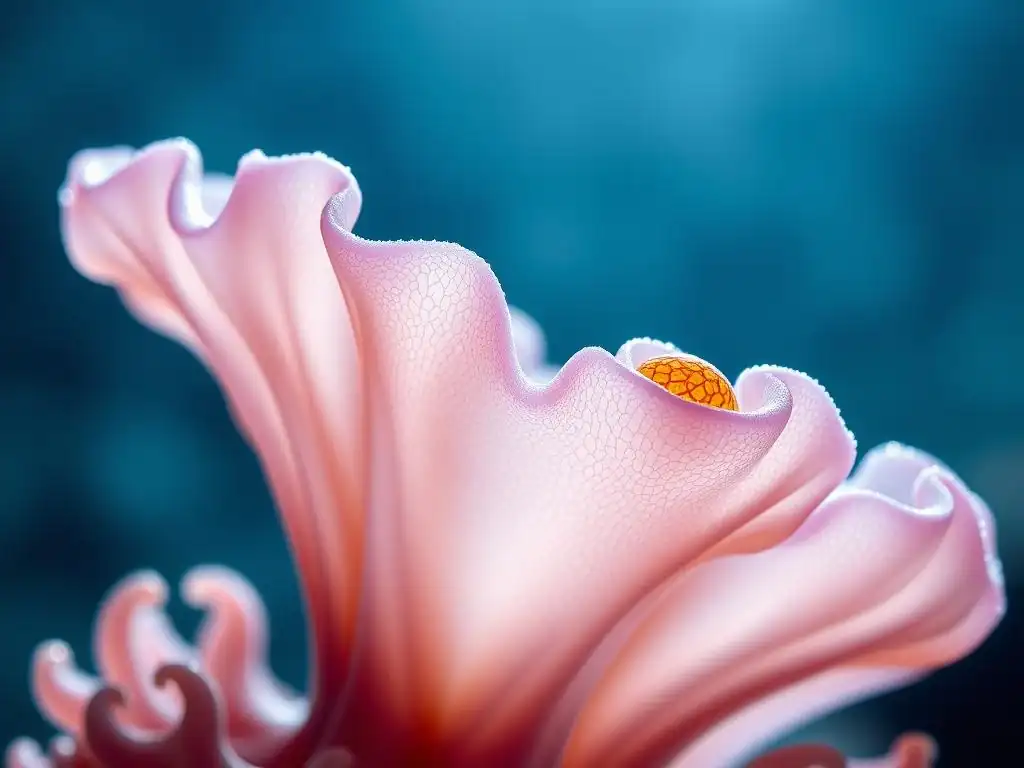
Signs of Insufficient Water Flow: A Visual Guide
Identifying inadequate water flow in a Zoanthid tank often requires keen observation of the polyps and their surrounding environment. One of the most common visual cues is the accumulation of detritus or debris on the Zoanthid polyps or directly around their base. If you observe small particles, uneaten food, or brown/green slime settling on the colony, it's a strong indicator that the flow is not sufficient to keep the polyps clean.
Other signs include Zoanthid polyps remaining closed for extended periods, even when lighting and water parameters are otherwise optimal. They might appear shriveled or exhibit poor polyp extension, as they struggle to shed waste or receive adequate nutrients.
Furthermore, the presence of nuisance algae, particularly cyanobacteria (red slime algae) or diatom blooms, directly on or around the Zoanthid colony, often points to areas of low flow where nutrients are allowed to concentrate. For example, a colony of "Utter Chaos" Zoanthids that typically extends fully might appear shrunken and covered in a fine layer of brown detritus if placed in a low-flow region.
Recognizing Over-Flow Issues in Zoanthid Aquariums
While insufficient flow is detrimental, excessive water flow can be equally damaging to Zoanthid colonies. Recognizing over-flow issues involves observing signs of chronic stress or physical damage to the polyps. One of the most apparent indicators is when Zoanthid polyps are constantly retracted or appear "blown out" – meaning they are severely compressed or torn due by the force of the water. Unlike healthy polyps that gently sway, those in excessive flow may appear rigid or constantly bent over.
Another sign of over-flow is tissue damage, which can manifest as tears, abrasions, or even complete detachment of polyps from the frag plug or rockwork. This is particularly common with weaker-stalked Zoanthid varieties. You might also notice a lack of proper polyp extension, as the Zoanthids are expending too much energy trying to hold on rather than extending to feed or photosynthesize. For instance, "Rasta" Zoanthids, known for their vibrant colors, might appear pale and shrunken if constantly battered by a direct, high-intensity current, indicating that their Zoanthid lighting and water flow needs are out of balance.
Achieving Optimal Water Flow for Zoanthids: Practical Strategies
Powerhead Placement for Effective Zoanthid Circulation
Strategic powerhead placement is fundamental to achieving optimal water flow for Zoanthids. The goal is to create broad, turbulent, and indirect flow patterns that reach all areas of the tank without directly blasting any specific coral. A common and effective strategy involves placing powerheads on opposing sides of the aquarium, slightly angled towards each other or towards the front pane, to create a circular or cross-flow pattern. For a standard 40-gallon breeder tank, two smaller powerheads (e.g., rated at 400-800 GPH each) placed diagonally opposite can often provide more balanced flow than a single, larger unit.
Avoid pointing powerheads directly at Zoanthid colonies, as this can cause the "blown out" effect or excessive stress. Instead, aim for flow that gently washes over the colonies. Consider the aquascape when placing powerheads; large rock structures can block flow, creating dead spots. It's often beneficial to place powerheads higher up in the tank to promote surface agitation for gas exchange and to allow the flow to diffuse downwards, reaching lower-lying Zoanthid colonies. Regularly observing detritus accumulation on the substrate or rockwork can help fine-tune powerhead positioning.
Using Wave Makers to Mimic Natural Reef Environments for Zoanthids
Wave makers are invaluable tools for replicating the dynamic and unpredictable water movement found in natural reef environments, which is highly beneficial for Zoanthids. Unlike traditional powerheads that produce a constant stream, wave makers can be programmed to create oscillating, pulsing, or random flow patterns. This variability prevents the constant stress associated with unidirectional flow and ensures that detritus is regularly dislodged from the Zoanthid polyps.
Modern wave makers, such as those from EcoTech Marine (Vortech series) or Maxspect (Gyre series), offer advanced programmability, allowing aquarists to customize flow patterns and intensity throughout the day. For example, a pulsing mode can simulate surging ocean currents, while a random flow mode can provide a more chaotic, yet gentle, movement. Implementing a wave maker can significantly improve the overall health and extension of Zoanthid colonies by providing the varied Zoanthid lighting and water flow needs that mimic their natural habitat, leading to more vibrant colors and faster growth.
Adjusting Water Flow Based on Zoanthid Species and Placement
Not all Zoanthid species have identical flow requirements, and their placement within the aquarium also significantly influences their optimal flow. Some Zoanthids, particularly those with larger polyps or more delicate structures, may prefer lower to moderate flow, while others thrive in higher, more turbulent conditions. For instance, "Rasta" Zoanthids, known for their delicate nature, generally prefer moderate, indirect flow, whereas more robust varieties like "God of War" Zoanthids can often tolerate slightly higher turbulent flow.
When placing Zoanthids, consider their position relative to direct powerhead outputs and the overall flow patterns. Colonies placed higher in the aquascape, closer to the surface or direct flow paths, will naturally experience stronger currents. Conversely, those placed lower or tucked behind rockwork will receive less flow. It is crucial to observe each specific colony's response to its placement. If a colony appears stressed (closed, shriveled, or leaning heavily), adjusting its position or modifying the surrounding flow is necessary. This tailored approach ensures that each Zoanthid colony receives its specific Zoanthid lighting and water flow needs for optimal health.
Factors Affecting Zoanthid Flow Requirements
Tank Size and Shape: How They Influence Water Flow
The size and shape of an aquarium significantly influence the overall water flow dynamics and, consequently, the Zoanthid flow requirements. Larger tanks generally require more powerful or multiple flow devices to ensure adequate circulation throughout the entire volume. A 120-gallon tank, for example, will need significantly more total gallons per hour (GPH) of circulation compared to a 20-gallon nano tank to prevent dead spots and maintain healthy water movement for Zoanthid colonies.
The tank's shape also plays a crucial role. Long, narrow tanks (e.g., a 75-gallon standard) can be challenging to achieve even flow across their length, often benefiting from powerheads placed at opposing ends. Cube-shaped tanks, while easier to generate circular flow, can still develop stagnant corners if not properly addressed. Understanding these physical constraints is essential for planning powerhead placement and ensuring that the Zoanthid lighting and water flow needs are met uniformly across the aquascape, preventing areas of insufficient or excessive flow.
The Impact of Rockwork and Aquascape on Zoanthid Circulation
The arrangement of live rock and the overall aquascape dramatically impact water circulation within a Zoanthid tank. Densely packed or monolithic rock structures can create significant barriers to water movement, leading to localized dead spots. These stagnant areas are prone to detritus accumulation and can negatively affect Zoanthid colonies placed within or near them. For example, a large, solid rock arch might create a shielded zone behind it where flow is severely reduced, causing Zoanthids there to suffer.
Conversely, an open, porous aquascape with plenty of gaps and channels allows water to flow more freely, promoting better overall circulation and reducing the likelihood of dead spots. When designing the aquascape, consider how water will move through and around the structures. Leaving gaps between rocks, creating "tunnels," and elevating some rockwork off the substrate can significantly improve water distribution and ensure that all Zoanthid colonies receive adequate flow. This thoughtful approach to aquascaping is vital for optimizing the Zoanthid lighting and water flow needs of the entire system.
Zoanthid Placement: Considering Flow in Relation to Lighting
The strategic placement of Zoanthid colonies within the aquarium is a critical factor that integrates both flow and lighting considerations. Zoanthids, being photosynthetic, require adequate Zoanthid lighting, but the optimal intensity varies by species and the overall tank setup. For example, a "Sunny D" Zoanthid colony might thrive under moderate to high PAR (150-250 PAR) with moderate turbulent flow, while a "Gobstopper" Zoanthid might prefer slightly less intense light and gentler flow.
When positioning Zoanthids, consider the intensity of the light at that specific depth and location, and then adjust the flow accordingly. Higher light areas often benefit from slightly stronger flow to help dissipate heat and facilitate nutrient exchange. Conversely, Zoanthids placed in lower light areas or shaded spots might require less direct flow.
It's important to avoid placing Zoanthids in direct, high-velocity currents that can cause them to remain perpetually closed or stressed, regardless of the lighting. Observing how polyps react to both light and flow in their chosen spot is key to finding the perfect balance for their Zoanthid lighting and water flow needs.
Choosing the Right Equipment for Zoanthid Water Flow
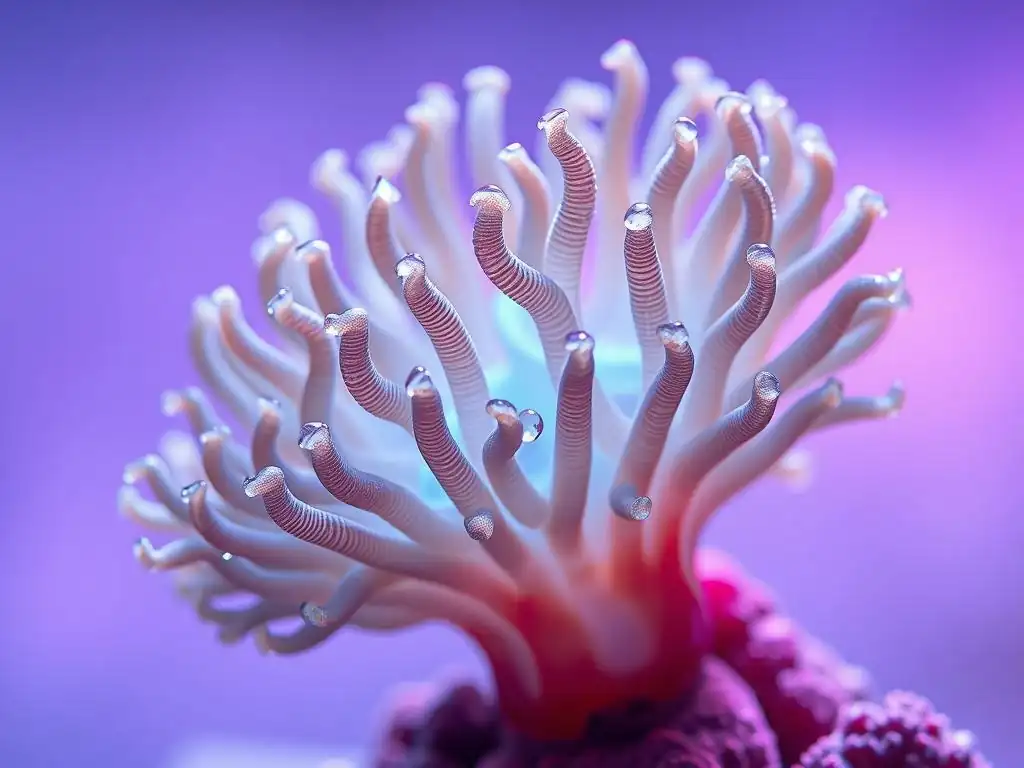
Powerhead Selection: GPH and Flow Pattern Considerations
Selecting the appropriate powerheads is crucial for establishing effective water flow for Zoanthids. The primary considerations are the Gallons Per Hour (GPH) rating and the flow pattern produced. For most Zoanthid-dominated tanks, aiming for a total tank turnover rate of 10-20 times the tank volume per hour is a good starting point, though this is a general guideline and can vary based on aquascape density. For instance, a 40-gallon tank might benefit from powerheads providing a combined 400-800 GPH of effective flow.
Beyond raw GPH, the flow pattern is paramount. Powerheads that produce a broad, diffuse flow (e.g., propeller pumps or those with wide nozzles) are generally preferred over those that create narrow, high-velocity jets. The latter can cause "hot spots" of excessive flow and stress Zoanthids. Many modern powerheads offer adjustable flow rates and various modes (e.g., constant, pulse, random), allowing fine-tuning to meet the specific Zoanthid lighting and water flow needs of your system. Opting for multiple smaller powerheads rather than one large one can often provide more distributed and naturalistic flow.
Wave Maker Options: Programmability and Intensity Control
Wave makers represent a significant upgrade in water flow management for Zoanthids, offering advanced programmability and intensity control that static powerheads cannot. These devices allow aquarists to mimic the dynamic, unpredictable currents of a natural reef, which is highly beneficial for the health and appearance of Zoanthid colonies. Key features to look for include:
- Programmable Modes: Many wave makers offer various modes such as short pulse, long pulse, random, and nutrient transport mode, which can be cycled throughout the day. For example, a short pulse mode can create a gentle back-and-forth sway, while a random mode simulates chaotic reef conditions, both ideal for maintaining healthy Zoanthid lighting and water flow needs.
- Intensity Control: The ability to adjust the flow strength, often via a controller or app, allows for precise tuning. This is crucial for adapting flow to different Zoanthid species or for specific areas of the tank. Some models allow for automatic reduction of flow at night to simulate calmer nocturnal conditions.
- Synchronized Operation: High-end wave makers can often be linked and synchronized, allowing them to operate in opposition or in sequence, creating complex flow patterns across the entire tank. Brands like EcoTech Marine's VorTechs or Maxspect's Gyres are popular choices due to their robust features and ability to create highly effective, naturalistic flow for Zoanthids.
Maintaining Your Water Flow Equipment for Optimal Performance
Regular maintenance of water flow equipment is crucial for ensuring consistent and optimal Zoanthid lighting and water flow needs are met. Over time, powerheads and wave makers can accumulate calcium deposits, algae, and detritus, which can reduce their efficiency, alter flow patterns, or even cause them to seize up. It is recommended to perform routine cleaning every 1-3 months, depending on the rate of calcium buildup in your aquarium.
To clean, disassemble the powerhead according to the manufacturer's instructions and soak the impellers, shafts, and volutes in a mild acid solution, such as a mixture of white vinegar and RO/DI water, for several hours or overnight. This effectively dissolves calcium deposits. After soaking, gently scrub any remaining debris with a soft brush and rinse thoroughly before reassembling. Regularly inspecting power cords for wear and ensuring that the pump's intake is not blocked by sand or detritus will also help maintain peak performance and extend the lifespan of your valuable flow equipment, safeguarding your Zoanthid colonies.
Adapting Flow to Specific Zoanthid Species
Palys vs. Zoas: Differences in Flow Tolerance
While often grouped together, "Palys" (Palythoa) and "Zoas" (Zoanthus) can exhibit subtle differences in their preferred flow tolerance, largely due to variations in polyp size and overall robustness. Palythoa species generally have larger, more robust polyps and are often found in areas of higher flow on natural reefs. Consequently, they tend to tolerate and even thrive in moderate to relatively strong turbulent flow within the aquarium. Their larger polyps are more resilient to direct currents and benefit from the increased nutrient delivery associated with higher flow.
In contrast, many Zoanthus species typically have smaller, more delicate polyps. While they still require good water movement to prevent detritus buildup and ensure nutrient delivery, they can be more sensitive to direct, high-velocity currents. Overly strong or laminar flow can cause Zoanthus polyps to remain retracted or appear stressed, inhibiting their extension and photosynthetic activity. For these smaller polyp varieties, moderate, diffuse, and random flow is often preferred, allowing them to gently sway without being battered. Understanding these nuances helps tailor the Zoanthid lighting and water flow needs for mixed colonies.
Sunny D Zoanthids: Ideal Flow Characteristics
"Sunny D" Zoanthids, known for their striking orange and yellow coloration, are a popular choice among aquarists. When it comes to their Zoanthid lighting and water flow needs, they generally thrive in moderate, indirect turbulent flow. While they appreciate good water movement to keep their polyps clean and deliver nutrients, they are not typically fond of extremely strong, direct currents that can cause them to stay closed or appear "blown out."
Ideal flow for Sunny D Zoanthids involves a broad, diffuse water movement that gently sways their polyps. This allows for efficient gas exchange and nutrient uptake without causing undue stress. Placing them in an area where they receive consistent, yet non-blasting, flow from a wave maker or strategically aimed powerhead will encourage full polyp extension and vibrant coloration. If Sunny D Zoanthids appear shriveled or consistently retracted despite good water parameters, assessing and potentially reducing direct flow might be necessary.
Rasta Zoanthids: Flow Recommendations
"Rasta" Zoanthids, celebrated for their captivating green, orange, and yellow hues, are another highly sought-after variety. Their flow requirements lean towards moderate to slightly lower turbulent flow compared to some other more robust Zoanthids. Rasta polyps can be somewhat delicate, and excessive or direct high-velocity flow can easily cause them stress, leading to prolonged closure or even tissue recession.
For optimal health and polyp extension, Rasta Zoanthids benefit most from indirect, gentle, yet consistent water movement. This means avoiding placement directly in front of a powerhead's output or in areas with strong, unidirectional currents. Instead, aim for a broad, diffused flow that gently washes over the colony, ensuring detritus removal and nutrient delivery without physically battering the polyps. Many aquarists find success placing Rasta Zoanthids in mid-tank positions where they receive the benefit of overall tank circulation without being subjected to the strongest currents, thus meeting their specific Zoanthid lighting and water flow needs.
Troubleshooting Common Zoanthid Flow Problems
Zoanthids Not Opening: Could Flow Be the Culprit?
When Zoanthid polyps remain consistently closed, despite stable water parameters and appropriate Zoanthid lighting, water flow is often a primary suspect. Both insufficient and excessive flow can cause Zoanthids to retract. If the flow is too low, detritus can accumulate on the polyps, irritating them and preventing full extension. You might observe a fine layer of brown or green film on the polyps, or notice that they appear shriveled and unresponsive.
Conversely, if the flow is excessively strong or direct, the Zoanthids might close as a protective mechanism against constant physical stress. In this scenario, they might appear "blown out" or bent over, and their tissues might look compressed. To troubleshoot, first observe the flow around the affected colony. If detritus is settling, increase flow. If polyps are being violently battered, try redirecting flow or moving the colony to a calmer area. Gradually adjusting the flow and monitoring the Zoanthids' response over 24-48 hours can help identify the optimal balance.
The presence of nuisance algae directly on Zoanthid colonies is a common issue often linked to inadequate water flow. When flow is insufficient, detritus and organic waste can settle on the polyps, creating a nutrient-rich substrate for algae, particularly cyanobacteria (red slime algae) or diatoms, to colonize. These algae can quickly smother the Zoanthids, blocking their access to light and nutrients, and leading to tissue decay.
To address algae growth on Zoanthids that stems from flow issues, the primary solution is to improve localized water movement. This might involve repositioning existing powerheads to break up dead spots, adding a small, adjustable powerhead directed towards the affected area (but not directly at the Zoanthids), or utilizing a wave maker to create more turbulent and varied flow.
Manually siphoning off the algae and detritus during water changes can provide temporary relief, but addressing the underlying flow deficiency is essential for long-term prevention. Ensuring proper Zoanthid lighting and water flow needs are met will naturally discourage unwanted algal growth.
Zoanthid Tissue Recession: How Incorrect Flow Can Contribute
Zoanthid tissue recession, characterized by the gradual shrinking or "melting" of polyps, can be a distressing sign for aquarists. While multiple factors can contribute to this, incorrect water flow is a significant, often overlooked, culprit. Both chronically insufficient and excessively strong flow can lead to tissue recession. In low-flow areas, the accumulation of detritus, waste products, and the growth of nuisance algae can suffocate polyps and lead to bacterial infections, causing their tissues to degrade.
Conversely, relentless, direct, or excessively strong water flow can physically damage delicate Zoanthid tissues over time. Constant mechanical stress can lead to abrasions, tears, or an inability for polyps to extend and feed properly, eventually resulting in tissue loss. For instance, a "God of War" Zoanthid colony might thrive in moderate flow, but if placed directly in a high-velocity current, its polyps could begin to shrink and recede. Observing the symptoms and adjusting the Zoanthid lighting and water flow needs to a more appropriate level is crucial for reversing tissue recession and promoting recovery.
Maintaining Consistent Water Parameters Alongside Optimal Flow
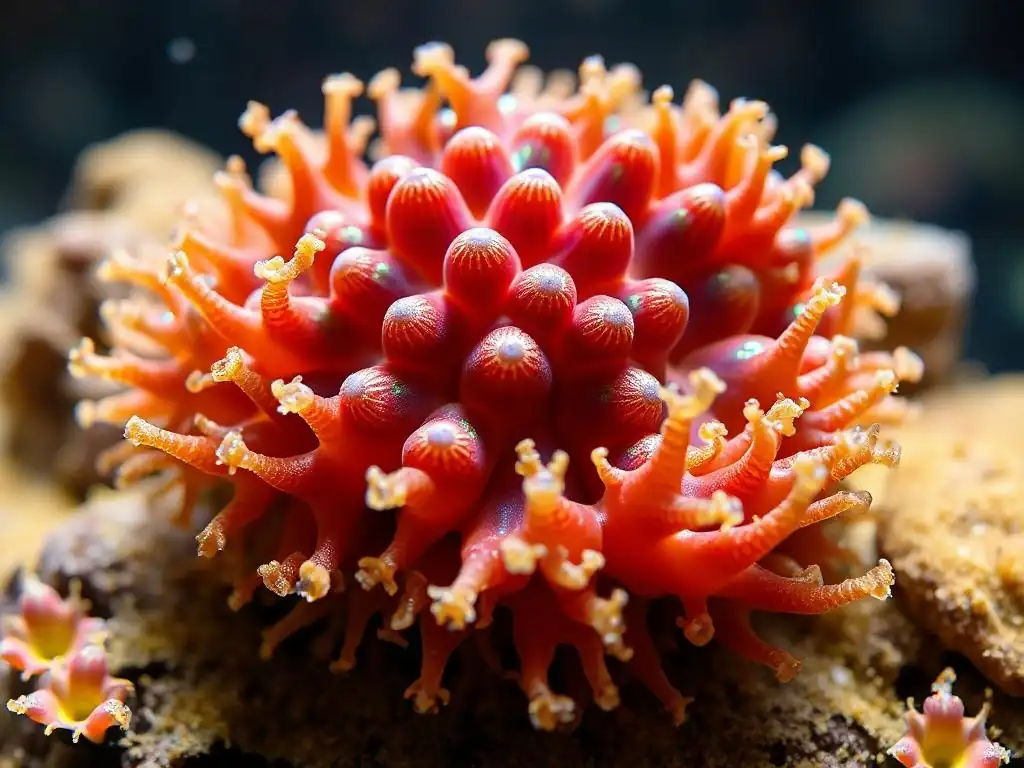
The Importance of Water Quality for Zoanthid Health
While optimal Zoanthid lighting and water flow needs are critical, they must be complemented by consistent and high-quality water parameters for the overall health and vibrancy of Zoanthid colonies. Even with perfect flow, poor water quality can lead to stress, disease, and tissue recession. Key parameters to monitor include:
- Salinity: Maintain stable salinity at 1.025-1.026 specific gravity.
- Temperature: Keep temperature consistent, ideally between 76-79°F (24.4-26.1°C).
- Alkalinity (dKH): Aim for 7-9 dKH. Stable alkalinity is crucial for coral calcification, even in soft corals.
- Calcium (Ca): Maintain 400-450 ppm.
- Magnesium (Mg): Maintain 1300-1400 ppm.
- Nitrates (NO3) & Phosphates (PO4): Keep these very low, ideally <10 ppm for nitrates and <0.03 ppm for phosphates, as high levels can fuel nuisance algae and stress corals.
Regular water changes (e.g., 10-20% weekly or bi-weekly) using high-quality salt mix and RO/DI water are fundamental to maintaining these parameters and replenishing trace elements. Ignoring water quality can negate all efforts made to optimize flow and lighting, leading to unhappy and unhealthy Zoanthids.
Balancing Flow with Filtration for a Thriving Reef
The interplay between water flow and filtration is essential for creating a thriving reef environment for Zoanthids. Optimal water flow helps to keep detritus in suspension, allowing the filtration system to effectively remove it from the water column. Without adequate flow, detritus settles in dead spots, bypassing mechanical filtration (filter socks, sponges) and potentially breaking down into undesirable nutrients that can fuel algae growth and stress Zoanthids.
A robust filtration setup, including mechanical, biological, and chemical filtration, works in tandem with water flow to maintain pristine water quality. Mechanical filtration removes particulate matter that flow keeps suspended. Biological filtration (live rock, bio-media) converts harmful ammonia and nitrites into less toxic nitrates.
Chemical filtration (carbon, GFO) removes dissolved organic compounds and phosphates. For example, a well-placed powerhead circulating water around a Zoanthid colony will ensure that any dislodged detritus is carried towards a filter sock or protein skimmer for removal, preventing it from decomposing and impacting water parameters. This integrated approach ensures that the Zoanthid lighting and water flow needs are supported by an equally effective waste management system.
Advanced Techniques for Zoanthid Flow Management
Using Flow Meters to Precisely Measure Water Movement
For the dedicated aquarist seeking to precisely dial in their Zoanthid lighting and water flow needs, using a flow meter can be an invaluable advanced technique. While visual observation is often the primary method for assessing flow, a flow meter provides quantifiable data on water velocity in specific areas of the tank. These devices, which can range from simple handheld impellers to more sophisticated digital sensors, measure the speed of water movement in feet per second (fps) or centimeters per second (cm/s).
By strategically placing a flow meter near Zoanthid colonies, aquarists can determine the exact flow rates their corals are experiencing. This allows for highly precise adjustments to powerhead output or positioning, moving beyond anecdotal observation. For instance, if a specific Zoanthid species is known to thrive in a flow range of 5-10 cm/s, a flow meter allows you to confirm if your setup is providing that. This level of precision can be particularly useful when troubleshooting persistent issues or when trying to replicate conditions for highly sensitive or rare Zoanthid varieties, leading to more consistent success.
Implementing a Reef Controller for Automated Flow Adjustments
Implementing a reef controller for automated flow adjustments represents the pinnacle of advanced Zoanthid flow management. Modern reef controllers (e.g., Neptune Apex, GHL Profilux) offer sophisticated control over powerheads and wave makers, allowing for highly customized and dynamic flow patterns throughout the day and night. This automation removes the need for manual adjustments and ensures consistency, which is vital for long-term Zoanthid health.
With a reef controller, aquarists can program intricate flow schedules that mimic natural reef conditions, including:
- Daily Cycles: Varying flow intensity throughout the day to coincide with Zoanthid lighting cycles, perhaps increasing flow during peak light hours and reducing it at night.
- Randomization: Utilizing advanced algorithms to create truly unpredictable and random flow patterns, preventing adaptation and promoting robust growth.
- Feeding Modes: Temporarily reducing or pausing flow during feeding times to prevent food from being immediately swept away, allowing Zoanthids to capture nutrients.
- Safety Features: Automatically shutting off pumps if water levels are too low or temperatures are too high.
This level of control ensures that Zoanthid lighting and water flow needs are met with unparalleled precision and consistency, leading to more stable and vibrant reef ecosystems.
Conclusion: Mastering Zoanthid Flow for a Vibrant Reef Aquarium.
Frequently Asked Questions
What are Zoanthids and why is proper flow important for them?
Zoanthids are a type of soft coral popular in reef aquariums. Proper flow is crucial because it helps remove waste, delivers nutrients, and prevents the build-up of detritus, all essential for their health and growth.
What type of water flow is generally recommended for Zoanthids?
Generally, Zoanthids thrive with moderate, somewhat turbulent water flow. Avoid direct, high-intensity flow, as this can stress and damage them. Look for a gentle, varied flow pattern.
How can I tell if my Zoanthids are getting too much or too little flow?
Signs of insufficient flow include algae growth on the polyps and closed, retracted polyps. Excessive flow can cause the polyps to remain closed, become damaged, or even detach. Observe your corals carefully.
What factors other than flow affect Zoanthid health?
Besides flow, water quality, including salinity, temperature, and nutrient levels, is critical. Also, adequate lighting and a stable environment are key factors in the overall health of Zoanthids.
Where in the aquarium should I place Zoanthids to optimize their flow?
Start by placing them in an area with indirect and moderate flow. Monitor their response and adjust their location as needed until they are fully extended and healthy looking, indicating optimal conditions.
Final Reflection: The Living Current
The delicate balance of flow, as we've explored in the context of Zoanthid care, extends far beyond the confines of a reef tank. Understanding the nuanced interplay between environment and organism is crucial, not just for thriving corals, but for appreciating the interconnectedness of all living systems. The lessons learned in optimizing Zoanthid flow requirements resonate with broader ecological principles, reminding us of the fragility and resilience inherent in nature.
This journey into the specific needs of Zoanthids has illuminated a universal truth: attention to detail and a deep understanding of environmental factors are paramount for fostering life. The constant dance between flow, light, and nutrient availability shapes the very essence of these captivating creatures. The best way to find yourself is to lose yourself in the service of others.
This quote, often attributed to Mahatma Gandhi, speaks to the dedication required to truly understand and nurture life, whether within a reef tank or beyond.
Now, consider the currents in your own life. Are you providing the right "flow" – the right environment – for your own growth and the growth of those around you? Let this exploration of Zoanthid flow requirements serve as a reminder to observe, adapt, and cultivate the conditions necessary for life to flourish, both within the microcosm of an aquarium and the vast expanse of the world around us.
Unleash the Vibrant Colors of Your Zoanthids!
Thank you for diving into the world of zoanthid flow! We hope you’ve gained valuable insights into creating the perfect current for these captivating corals. Now, it's time to put your knowledge into action and watch your zoanthids thrive!
Here are a few things you can do right now:
- Carefully re-evaluate the flow in your zoanthid tank. Observe their behavior to identify areas where adjustments are needed – are they stretching, closed, or thriving?
- Experiment with different wavemaker settings or placement to find the sweet spot for your specific zoanthid colony. Remember, gentle, chaotic flow is often key!
- Share your zoanthid flow secrets! Head over to our Aquarium Mastery community forum and tell us, what unique methods have you found successful in maintaining optimal flow for your zoanthids?