
Acan Pest Control: Keeping Your Micromussa Free from Harm

Welcome to Aquarium Mastery!
Is your prized Micromussa looking a little less vibrant lately? Dive into our comprehensive guide on Acan thrips control methods and learn how to protect your precious corals from these tiny terrors. Discover proven techniques to keep your LPS flourishing and your aquarium thriving. Ready to unlock the secrets to a pest-free reef? Let's get started!
- Acan Pest Control: Protecting Your Micromussa Corals
- Understanding Micromussa Corals and Pest Vulnerability
- Recognizing Signs of Pest Infestation in Micromussa Corals
- Common Micromussa Coral Pests and Their Control
- Preventing Pest Infestations: Proactive Measures
- Post-Treatment Care for Micromussa Corals
- Long-Term Coral Health and Pest Management
- Troubleshooting Common Pest Issues
-
Frequently Asked Questions
- What are Acan thrips, and why are they a problem for my Micromussa coral?
- How can I identify an Acan thrips infestation in my aquarium?
- What are some effective Acan thrips control methods that I can use?
- Are there any natural predators that can help control Acan thrips in my reef tank?
- How often should I inspect my Acan corals for thrips, and what preventative measures can I take?
- Final Reflection: Protecting the Vibrant Reef
- Safeguard Your Micromussa: Act Now to Protect Your Reef!
Acan Pest Control: Protecting Your Micromussa Corals
Understanding Micromussa Corals and Pest Vulnerability
Identifying Common Pests Affecting Micromussa Corals
Micromussa corals, often referred to as Acan corals in the hobby, are highly prized for their vibrant colors and unique polyp structures. These large polyp stony (LPS) corals, while relatively hardy in stable conditions, are unfortunately susceptible to a range of marine pests. Unlike terrestrial "thrips" which are insects, the pests affecting Micromussa are specialized marine invertebrates, including various types of flatworms, nudibranchs, and sometimes copepods or amphipods, especially if the coral is stressed. Recognizing these specific threats is the first critical step in effective Acan thrips control methods.
The impact of these pests can range from subtle tissue irritation and polyp retraction to rapid tissue necrosis and eventual coral death if left unaddressed. For instance, predatory flatworms can consume coral tissue, leaving behind visible bite marks and causing significant recession. Nudibranchs, often masterfully camouflaged, can strip polyps clean. Early detection and accurate identification are paramount, as the specific Acan thrips control methods vary significantly depending on the pest in question.
Factors Increasing Micromussa Susceptibility to Pests
Several factors can significantly increase a Micromussa coral's vulnerability to pest infestations. Foremost among these are environmental stressors such as fluctuating water parameters, including unstable alkalinity, calcium, or magnesium levels, or swings in temperature and salinity. High nitrate and phosphate levels, while not directly causing pests, can weaken the coral's natural defenses and make it less resilient to attack. Inadequate lighting or improper flow can also lead to stress, manifesting as poor polyp extension or color loss, making the coral an easier target.
Furthermore, physical stress from recent fragging, shipping, or aggression from tank mates can severely compromise a Micromussa's health, opening the door for opportunistic pests. A significant percentage of pest outbreaks, estimated by experienced aquarists to be over 70%, originate from the introduction of new, unquarantined corals into an established system. This bypasses any existing resilience the main display tank might have, introducing a fresh, healthy population of pests directly to your vulnerable corals. Implementing robust Acan thrips control methods starts with understanding these predisposing factors.
Recognizing Signs of Pest Infestation in Micromussa Corals
Visual Indicators of Pest Presence
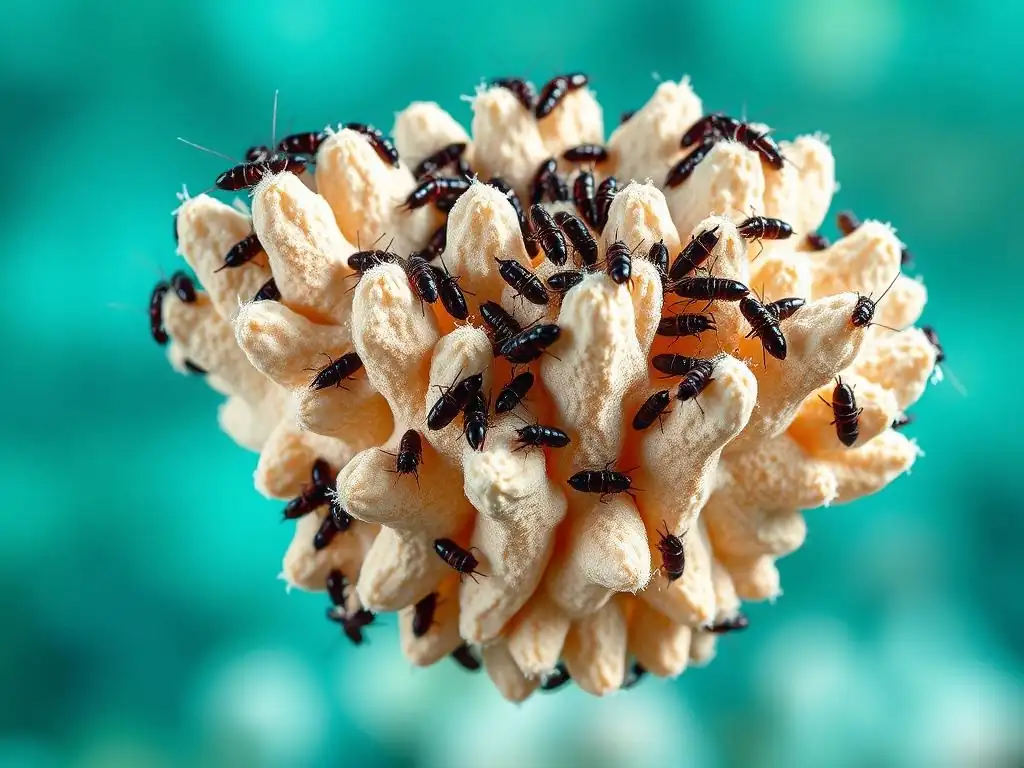
Detecting pest infestations in Micromussa corals often relies on keen visual observation. Specific visual indicators can range from the direct sighting of the pests themselves to indirect signs of coral distress. For instance, tiny, often camouflaged flatworms might be visible on the coral's surface, particularly in crevices or on the underside of polyps.
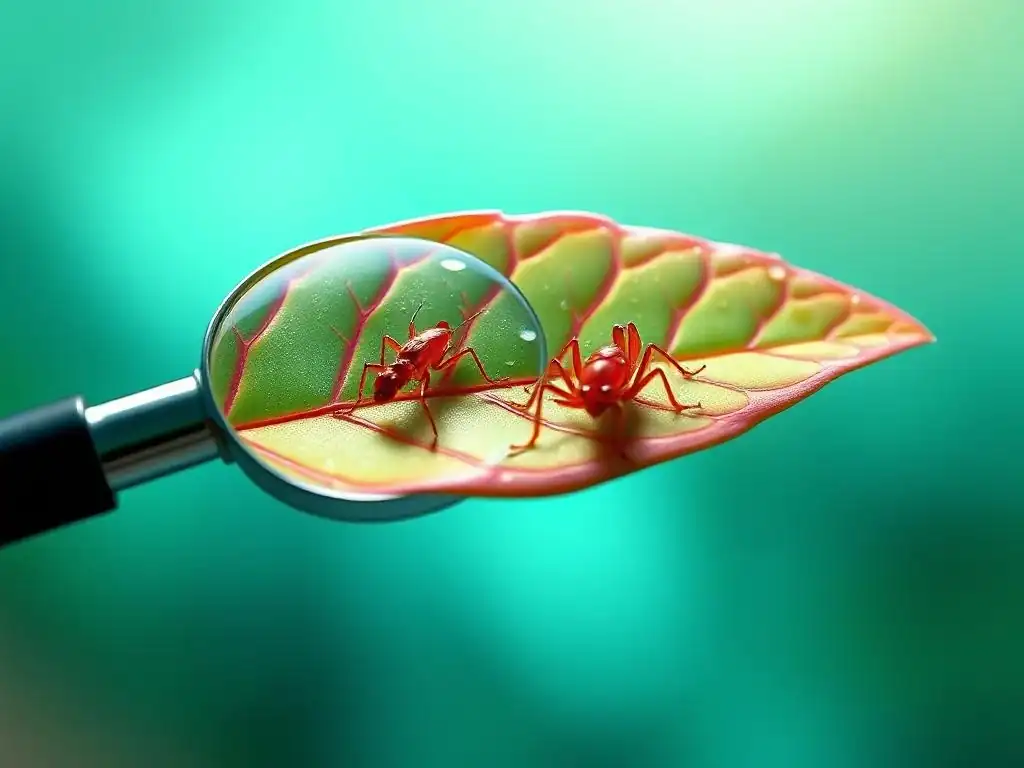
Red bugs, while less common on Micromussa than Acropora, appear as minute reddish dots. Tissue recession, where the coral tissue pulls away from its skeleton, is a strong indicator of stress or predation. Look for localized areas of bleaching, darkening, or unusual sliming, especially at the base or edges of polyps.
Using a magnifying glass or a strong flashlight during routine inspections can reveal pests that are otherwise invisible to the naked eye. Pests like nudibranchs, which are often highly specialized and mimic the coral's coloration, can be extremely difficult to spot without close scrutiny. Their presence might only be evident through the appearance of their distinctive egg spirals, which are typically clear or white jelly-like masses laid on the coral or nearby rockwork. Regular, detailed inspection is a cornerstone of effective Acan thrips control methods.
Behavioral Changes in Affected Micromussa Corals
Beyond direct visual cues, changes in a Micromussa coral's behavior can signal a pest problem. Healthy Micromussa polyps typically extend fully and exhibit a plump, vibrant appearance, particularly during feeding times or under stable lighting. An infested coral, however, might show persistent polyp retraction, appearing shriveled or deflated, even when other corals in the tank are fully extended. This retraction is often a defense mechanism against irritation or predation.
Another behavioral change is excessive sliming, where the coral produces a thick layer of mucus, attempting to slough off irritants or pests. A noticeable decrease in feeding response or a general loss of vitality compared to its usual robust appearance are also strong indicators. For example, if a Micromussa that previously readily accepted target feeding now remains tightly closed, it warrants immediate investigation. Documenting these subtle behavioral shifts is crucial for early intervention and successful Acan thrips control methods.
Common Micromussa Coral Pests and Their Control
Acropora Eating Flatworms (AEFW)
Identifying AEFW on Micromussa
Acropora Eating Flatworms (AEFW), Amakusaplana acroporae, are notorious pests primarily targeting Acropora corals. However, under certain circumstances, particularly with stressed corals, they can affect other LPS corals like Micromussa. These flatworms are small, typically 2-4 mm in length, oval-shaped, and often brownish-white or mottled, allowing them to camouflage effectively on coral tissue. They consume coral tissue, leaving behind visible bite marks and causing tissue recession, often starting from the base of the coral and progressing upwards.
AEFW are prolific breeders, laying distinctive egg spirals, usually 1-2 mm in diameter, which are clear to light brown and often found in protected areas of the coral's skeleton. While their primary target is Acropora, their presence on Micromussa is a serious concern, indicating a broader pest issue in the system. Close inspection with a magnifying glass is often required to spot these elusive pests and their eggs, especially within the intricate folds and valleys of Micromussa polyps.
AEFW Treatment Options: Dips and Eradication
The primary Acan thrips control method for AEFW involves coral dips. Commercial coral dips like CoralRx, Revive, or specific pest control solutions containing ingredients such as levamisole hydrochloride or milbemycin oxime are highly effective. For a typical dip, the affected Micromussa coral is carefully removed from the tank and submerged in a prepared dip solution for 5-15 minutes, depending on the product instructions and the coral's tolerance. Gentle agitation, often achieved by swirling the coral or using a small powerhead in the dip container, helps dislodge the flatworms.
After dipping, the coral should be thoroughly rinsed in clean, tank-temperature saltwater before being returned to the display tank. Due to the resilience of AEFW eggs, which are unaffected by most dips, repeat treatments are crucial. A common protocol involves dipping the coral every 3-7 days for at least 3-4 weeks to ensure all newly hatched flatworms are eradicated before they can mature and lay new eggs. In severe tank-wide infestations, a fallow period (removing all susceptible corals) might be considered, but for localized Micromussa issues, diligent dipping is the most practical Acan thrips control method.
Red Bugs (Tegastes acroporanus)
Recognizing Red Bugs on Micromussa
Red Bugs ( Tegastes acroporanus) are tiny (less than 1mm) reddish-orange copepods that are primarily known to infest Acropora corals. While less common on Micromussa, they can occasionally be found irritating the tissue of LPS corals, causing polyps to retract or appear stressed. They are extremely difficult to spot without magnification, often appearing as tiny, moving specks, typically on the coral's body or between polyps.
Unlike flatworms, Red Bugs do not consume coral tissue but rather irritate it by feeding on the coral's mucus and nutrients. Their presence can lead to a general decline in coral health, reduced polyp extension, and diminished coloration. If you observe Micromussa polyps that are persistently closed or appear irritated without any other obvious signs of flatworms or nudibranchs, a closer look for Red Bugs under magnification might be warranted.
Red Bug Treatment Options: Dips and Control
For Red Bug infestations, one of the most effective Acan thrips control methods is a dip using a product containing milbemycin oxime, such as Interceptor (a dog heartworm medication, used off-label) or specific commercial reef pest treatments. The dosage for Interceptor is typically very low, around 0.25 mg per gallon of dip water, requiring precise measurement due to its potency. The coral is dipped for approximately 6-10 minutes, with gentle agitation to dislodge the pests.
Following the dip, the coral should be thoroughly rinsed in clean tank water to remove any residual medication and dead Red Bugs before being returned to the display tank. Unlike AEFW, Red Bugs do not lay eggs on the coral, so repeat treatments are generally not required for the same coral unless a re-infestation occurs. However, it's crucial to monitor the coral and the entire system for any lingering pests. Ensuring good water flow around the coral can also help deter Red Bug colonization.
Nudibranchs
Identifying Nudibranchs on Micromussa
Several species of nudibranchs are predatory on corals, and while some are highly specific (e.g., Montipora-eating nudibranchs), others can be more generalist or opportunistic, potentially affecting Micromussa. These marine slugs are often masters of camouflage, mimicking the color and texture of their coral prey, making them incredibly difficult to spot. They can range in size from a few millimeters to several centimeters. Look for them primarily at night, when they are most active, or during feeding times when they might emerge.
Signs of nudibranch presence include localized tissue recession, particularly in irregular patterns, or visible bite marks on the coral polyps. The most definitive sign, however, is the presence of their distinctive egg spirals or masses, which are often white, clear, or colored to match the coral, and typically found on the coral itself or adjacent rockwork. Identifying the specific type of nudibranch can be challenging without expert knowledge, but any unusual slug-like creature on your Micromussa should be treated as a threat.
Nudibranch Removal and Control Methods
Manual removal is often the most straightforward and effective initial Acan thrips control method for nudibranchs. Using a pair of fine-tipped tweezers or by siphoning, carefully remove any visible nudibranchs from the coral. This process should be repeated daily or every other day, as they can be elusive and new ones may emerge. For heavily infested corals, a dip in a commercial coral pest solution (like those used for flatworms) can help dislodge some species, though their effectiveness varies greatly depending on the nudibranch species.
Introducing natural predators into the reef tank can also serve as a biological Acan thrips control method. Certain species of wrasses, such as the Six-Line Wrasse ( Pseudocheilinus hexataenia), Melanurus Wrasse ( Halichoeres melanurus), or Yellow Coris Wrasse ( Halichoeres chrysus), are known to prey on nudibranchs. However, their effectiveness can be inconsistent, and they may not eradicate all pests.
Dragonets, like Mandarin Gobies ( Synchiropus splendidus), can also consume small copepods and worms, but their diet is highly specific, and they may not target all nudibranch species. A combination of diligent manual removal and appropriate dips, followed by careful observation, provides the best chance of eradication.
Preventing Pest Infestations: Proactive Measures
Quarantine Procedures for New Corals
The single most effective Acan thrips control method to prevent pest infestations is implementing a rigorous quarantine (QT) procedure for all new coral acquisitions. A dedicated quarantine tank, separate from the main display, should be set up with stable water parameters, basic lighting, and minimal rockwork for easy observation. New Micromussa corals should remain in this QT for a minimum of 4-6 weeks. This extended period allows sufficient time for any hidden pests or their eggs to hatch, mature, and become visible.
During the quarantine period, new corals should undergo prophylactic dips, even if no pests are immediately visible. For example, a common practice is to dip new corals in a broad-spectrum coral pest treatment solution upon arrival and then again after 7-10 days. Regular visual inspections, preferably daily, using a magnifying glass are crucial. All equipment used in the QT (nets, siphon tubes, frag plugs) should be kept separate and never used in the main display tank to prevent cross-contamination.
Regular Inspection and Maintenance
Beyond quarantine, consistent and thorough regular inspection and maintenance are vital for long-term Acan thrips control methods. Make it a habit to visually inspect all your Micromussa corals daily or at least several times a week. Use a strong flashlight and a magnifying glass to scrutinize the coral's surface, particularly in crevices, under polyps, and at the base where pests often hide. Look for subtle changes in color, texture, polyp extension, or the presence of any unusual organisms, no matter how small.
Integrate these inspections into your routine tank maintenance. For instance, while performing water changes, take the opportunity to look closely at your corals. Siphon detritus from around coral bases, ensure good water flow around each colony to prevent stagnant areas where pests might thrive, and promptly remove any dying coral tissue, as decaying matter can attract certain pests. Early detection through diligent observation significantly improves the chances of successful eradication with minimal impact on the coral or the overall system.
Maintaining Optimal Water Parameters
Maintaining stable and optimal water parameters is fundamental to coral health and acts as an indirect, yet powerful, Acan thrips control method. Healthy, unstressed Micromussa corals are inherently more resilient and better equipped to fend off minor pest incursions. Key parameters include a stable temperature (typically 76-78°F or 24.5-25.5°C), consistent salinity (1.025-1.026 specific gravity), and balanced alkalinity (8-10 dKH), calcium (400-450 ppm), and magnesium (1300-1400 ppm). Fluctuations in these parameters cause stress, which can weaken the coral's immune response.
Furthermore, diligent nutrient control is essential. While not directly a pest control measure, keeping nitrates typically below 10 ppm and phosphates below 0.05 ppm helps prevent the growth of nuisance algae that can compete with or irritate corals, and generally contributes to a cleaner, less stress-inducing environment. A pristine, stable aquatic environment reduces the overall stress load on Micromussa corals, allowing them to allocate more energy to growth and defense rather than constantly reacting to suboptimal conditions.
Post-Treatment Care for Micromussa Corals
Monitoring Coral Recovery
After applying any Acan thrips control method, particularly a chemical dip, close monitoring of the Micromussa coral is essential for its recovery. For the first few days to a week post-treatment, observe the coral daily for signs of improvement, such as increased polyp extension, a return to its vibrant coloration, and the cessation of any previous sliming or retraction. Conversely, watch for any signs of continued stress, such as persistent tissue recession, bleaching, or the reappearance of pests.
It is helpful to keep a log of the treatment date, the product used, the duration of the dip, and subsequent observations. This record can be invaluable for determining the effectiveness of the treatment and guiding future interventions. Be patient; full recovery for a stressed coral can take several weeks, as tissue regeneration is a slow process. Avoid further aggressive interventions unless new pests are definitively identified.
Providing Adequate Lighting and Flow
Proper lighting and water flow are critical components of post-treatment care for Micromussa corals, aiding their recovery and resilience. Ensure the coral is situated in an area of the tank that provides appropriate light intensity for its species – typically moderate light, avoiding direct, intense illumination that can cause further stress to a weakened coral. Too much light can lead to bleaching, while too little can hinder photosynthesis and energy production.
Equally important is providing moderate to strong, indirect water flow. Good flow helps to remove any lingering detritus or dead tissue from the coral's surface, preventing secondary infections. It also ensures proper gas exchange and nutrient delivery to the recovering coral polyps, promoting faster healing and robust growth. Stagnant areas should be avoided, as they can exacerbate stress and encourage the re-establishment of pests or bacterial films.
Ensuring Proper Water Chemistry
Maintaining impeccable water chemistry is paramount during the recovery phase of a treated Micromussa coral. Any fluctuations in critical parameters can impede healing and potentially lead to further stress or susceptibility to other issues. Regularly test your tank's alkalinity, calcium, magnesium, salinity, and temperature to ensure they remain within optimal ranges. Consistency is key; even minor daily swings can be detrimental to a recovering coral.
Perform regular water changes (e.g., 10-20% weekly) to dilute any residual chemicals from the dips, replenish essential trace elements, and export accumulated nitrates and phosphates. While some dips are reef-safe, introducing fresh, clean saltwater helps to maintain an overall healthy environment conducive to healing. Consider using high-quality salt mix and RODI water to prevent introducing new contaminants. Stable, pristine water chemistry provides the foundation for a successful recovery and long-term coral health.
Long-Term Coral Health and Pest Management
Maintaining a Healthy Reef Ecosystem
Long-term Acan thrips control methods are intrinsically linked to maintaining a robust and healthy reef ecosystem. A balanced tank, characterized by stable parameters, appropriate stocking levels for both fish and corals, and a diverse cleanup crew, significantly contributes to the resilience of your Micromussa corals. A healthy cleanup crew, including various snails, hermit crabs, and possibly certain specialized fish, can help consume detritus and nuisance algae, reducing potential food sources or hiding spots for pests.
Furthermore, a well-established biological filtration system and mature live rock provide a stable environment that reduces overall stress on corals. Corals that are thriving in a balanced ecosystem are inherently more resistant to pest infestations. They possess stronger immune responses and can often recover more quickly from minor irritations. The philosophy here is proactive: preventing problems by fostering a strong system rather than reactively treating issues.
Implementing a Regular Coral Dipping Schedule
While not all aquarists choose to do so, implementing a regular, prophylactic coral dipping schedule can be an effective long-term Acan thrips control method, especially for high-value or particularly susceptible Micromussa colonies. This doesn't necessarily mean dipping every coral in the tank weekly, but rather considering a routine dip for new acquisitions, or perhaps a quarterly or bi-annual dip for your most prized corals, even if no pests are visibly present.
Such a schedule helps catch any nascent pest populations before they can establish a foothold and spread throughout the tank. It acts as a preventative measure, akin to regular health check-ups. However, it's crucial to weigh the benefits of prophylactic dipping against the stress of handling and dipping the coral. For robust, established colonies, diligent observation and immediate action upon spotting pests might be preferred over routine dips.
Observing Coral Behavior for Early Pest Detection
The most powerful long-term Acan thrips control method is the consistent and meticulous observation of your Micromussa corals' behavior and appearance. Develop a keen eye for subtle changes. Know what your healthy corals look like – their typical polyp extension, coloration, and feeding response. Any deviation from this norm should immediately raise a red flag and prompt further investigation.
Daily visual checks, ideally with a flashlight, can reveal small white specks (flatworms), tiny red dots (red bugs), or unusual tissue recession before a full-blown infestation takes hold. Early detection dramatically increases the success rate of any treatment, as pest populations are smaller and more manageable. By being proactive and highly observant, you can often nip potential problems in the bud, saving your valuable Micromussa corals from extensive damage.
Troubleshooting Common Pest Issues
Dealing with Persistent Pests
When faced with persistent pests on Micromussa corals, despite initial Acan thrips control methods, a multi-faceted approach is often required. First, re-evaluate the treatment protocol: was the dip duration sufficient? Was the correct dosage used? Are repeat treatments being performed frequently enough to break the pest's life cycle, especially concerning eggs? Sometimes, switching to a different type of commercial dip, or combining manual removal with chemical treatments, can yield better results.
Consider the possibility of a hidden reservoir of pests elsewhere in the tank, such as on live rock, in the sand bed, or on other corals not yet showing overt signs. In severe, tank-wide infestations, a more drastic measure like a temporary fallow period for the affected corals in a separate quarantine tank might be necessary. This involves removing all susceptible corals from the display tank for several weeks to months, allowing any remaining pests in the main system to starve out.
Preventing Secondary Infections
Stressed Micromussa corals, especially those undergoing tissue recession or recovering from pest damage and chemical dips, are highly vulnerable to secondary bacterial infections. These infections can manifest as brown jelly disease or rapid tissue necrosis, quickly leading to the coral's demise. To prevent this, maintaining impeccable water quality throughout the recovery period is paramount. Perform regular water changes and ensure stable, optimal parameters to support the coral's immune system.
Avoid excessive handling of already stressed corals. If tissue recession is severe, ensure robust water flow around the affected areas to prevent detritus from settling on exposed skeleton, which can harbor bacteria. Some aquarists might consider adding beneficial bacteria supplements to the water to bolster the system's microbial balance, though this is often secondary to pristine water conditions. Prompt removal of any necrotic tissue, if safely possible, can also limit the spread of infection.
Addressing Bleaching or Tissue Recession After Treatment
It is not uncommon for Micromussa corals to exhibit some degree of temporary bleaching or further tissue recession following a pest treatment, particularly after a strong chemical dip. This is often a stress response to the handling, the dip itself, or the sudden removal of pests that were irritating the coral. This post-treatment stress can be alarming but is often part of the recovery process.
The key to addressing this is to provide the most stable and ideal conditions possible for the coral's recovery. Ensure all water parameters are perfect, including alkalinity, calcium, magnesium, and temperature. Provide appropriate, stable lighting and gentle, indirect water flow to aid in healing and prevent further stress. Avoid any further aggressive interventions unless new pests are confirmed. Patience, consistent care, and a stable environment are the best remedies for post-treatment stress, allowing the Micromussa to gradually regain its health and vibrancy.
Frequently Asked Questions
What are Acan thrips, and why are they a problem for my Micromussa coral?
Acan thrips are tiny pests that can infest Acan corals, specifically Micromussa species. They feed on coral tissue, leading to tissue recession and potential coral death if left unchecked.
How can I identify an Acan thrips infestation in my aquarium?
Look for signs of coral irritation, such as retracted polyps, unusual slime production, or bare patches on the coral skeleton. You may also see small brown or black spots moving on the coral's surface with close inspection.
What are some effective Acan thrips control methods that I can use?
Common methods include coral dips using solutions like iodine or commercial coral dips designed to kill pests. Quarantining new corals is also crucial to prevent infestations.
Are there any natural predators that can help control Acan thrips in my reef tank?
While not always reliable, some fish species may consume thrips opportunistically. However, relying solely on natural predators for complete eradication isn't usually effective; consider integrated pest management.
How often should I inspect my Acan corals for thrips, and what preventative measures can I take?
Regularly inspect your corals, at least once a week, for any signs of pests or disease. Consider using preventative coral dips on new additions and maintaining optimal water parameters to strengthen coral health.
Final Reflection: Protecting the Vibrant Reef
The journey to understand and combat Acan thrips, as explored in this article, underscores the vital importance of proactive reefkeeping in a changing world. The delicate balance of our aquariums mirrors the fragility of natural ecosystems, and our responsibility as custodians demands constant vigilance and informed action to safeguard the vibrant life within.
This exploration into Acan thrips control isn't just about protecting our corals; it's about fostering a deeper appreciation for the intricate web of life they represent. My own experiences with reefkeeping have taught me that even the smallest threat can have cascading effects, highlighting the interconnectedness of every element within the tank. The health of the reef is a reflection of our own commitment to understanding and preserving the natural world.
This quote encapsulates the essence of responsible reefkeeping and the broader environmental stewardship we must embrace.
Now, armed with knowledge of Acan thrips control methods, I encourage you to reflect on your own role in preserving these miniature ecosystems. Consider how you can apply these principles of observation, prevention, and responsible treatment not only to your aquariums, but also to your interactions with the natural world around you. Let's all strive to be informed and proactive stewards, ensuring the beauty and resilience of our reefs, both captive and wild, for generations to come.
Safeguard Your Micromussa: Act Now to Protect Your Reef!
Thank you for diving deep into the world of Acan pest control! We hope you’ve gained valuable insights to keep your Micromussa corals thriving. Now, let's put that knowledge into action and ensure the continued health and beauty of your reef.
Here are a few steps you can take right away:
- Immediately inspect your Micromussa for any signs of pests or damage, using the techniques outlined in the article. Early detection is key!
- Share this guide with fellow reef enthusiasts to help them protect their own Acan corals and contribute to a healthier reefing community.
- Try a gentle freshwater dip (with salinity adjusted) on a small frag as an experimental preventative measure against pests. Observe closely and document your results!
What proactive measure will you take this week to boost the resilience of your reef against potential threats?