
Cryptocoryne Wendtii: The Chameleon Plant – Colors, Forms & Easy Care

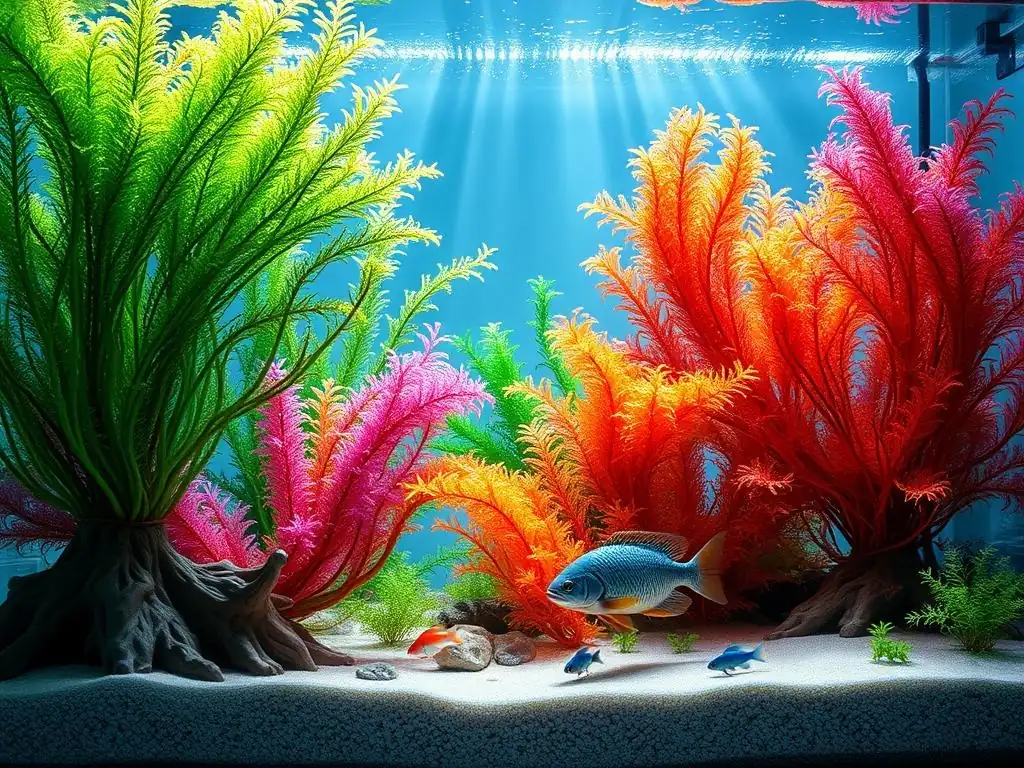
Welcome to Aquarium Mastery!
Ever wondered how to introduce a splash of color and natural beauty to your aquarium with minimal fuss? Dive in and discover the secrets of Cryptocoryne wendtii, the chameleon plant that thrives even under beginner conditions. Intrigued? This article unveils everything you need to know about Cryptocoryne wendtii easy care, from its diverse forms and captivating colors to simple tips for a flourishing aquatic garden. Let's unlock the potential of this versatile plant together!
- Introduction to Cryptocoryne Wendtii: A Beginner-Friendly Aquarium Plant
- Understanding Cryptocoryne Wendtii Varieties: Colors and Forms
- Cryptocoryne Wendtii Easy Care: A Comprehensive Guide
- Propagating Cryptocoryne Wendtii: Expanding Your Aquarium
- Common Problems and Solutions with Cryptocoryne Wendtii
- Cryptocoryne Wendtii Tank Mates: Compatible Fish and Invertebrates
- Cryptocoryne Wendtii vs. Other Cryptocoryne Species: Key Differences
- Where to Buy Cryptocoryne Wendtii: Selecting Healthy Plants
- Conclusion: Enjoying the Beauty and Simplicity of Cryptocoryne Wendtii Easy Care
-
Frequently Asked Questions
- How easy is Cryptocoryne wendtii to care for in a freshwater aquarium?
- What are the different color variations of Cryptocoryne wendtii?
- What type of lighting is best for Cryptocoryne wendtii?
- What are some common issues that can affect Cryptocoryne wendtii, and how can I troubleshoot them?
- What type of substrate is recommended for Cryptocoryne wendtii?
- Final Reflection: Embracing the Adaptability of Cryptocoryne
- Unleash the Crypt's Potential in Your Aquarium!
Introduction to Cryptocoryne Wendtii: A Beginner-Friendly Aquarium Plant
Cryptocoryne wendtii, often affectionately called "Crypt Wendtii" by aquarists, stands out as one of the most popular and adaptable aquatic plants for freshwater aquariums. Native to Sri Lanka, this rosette-forming plant belongs to the Araceae family and is renowned for its remarkable hardiness and ability to thrive in a wide range of water conditions, making Cryptocoryne wendtii easy care a reality for both novice and experienced hobbyists. Its chameleon-like ability to display various colors and leaf forms depending on environmental factors further adds to its appeal, providing dynamic visual interest in any planted tank.
This robust plant typically grows to a moderate height, usually between 10 to 20 centimeters (4 to 8 inches), making it suitable for midground or foreground placement in larger aquariums, or as a background plant in smaller nano tanks. Its slow to moderate growth rate means less frequent trimming compared to faster-growing stem plants, contributing significantly to its reputation for Cryptocoryne wendtii easy care. Beyond its aesthetic qualities, Cryptocoryne wendtii also plays a beneficial role in the aquarium ecosystem by absorbing excess nutrients, thus helping to inhibit algae growth and maintain stable water parameters.
Understanding Cryptocoryne Wendtii Varieties: Colors and Forms
Exploring the Different Color Variations of Cryptocoryne Wendtii
Cryptocoryne wendtii is celebrated for its incredible phenotypic plasticity, meaning its appearance can vary significantly based on growing conditions such as light intensity, nutrient availability, and even substrate composition. This adaptability gives rise to numerous named varieties, each exhibiting distinct coloration that adds diverse visual textures to the aquascape. Understanding these variations is key to appreciating why Cryptocoryne wendtii easy care doesn't mean a lack of aesthetic diversity.
The color variations are not merely genetic but often a response to the specific environment within the aquarium. For instance, higher light levels can intensify red or bronze hues, while lower light might encourage greener tones. This responsiveness makes Cryptocoryne wendtii a fascinating plant to observe, as it subtly changes over time, reflecting the unique conditions of your tank.
Cryptocoryne Wendtii 'Green'
The 'Green' variety of Cryptocoryne wendtii is perhaps the most common and widely available form, characterized by its vibrant, emerald-green leaves. These leaves can range from a lighter lime green to a deeper forest green, often depending on the light spectrum and intensity provided. Its simple yet elegant coloration makes it an excellent choice for creating a lush, natural-looking base in any planted aquarium.
This variety is particularly forgiving, making Cryptocoryne wendtii easy care a standout feature for beginners. It adapts well to low-tech setups without CO2 injection and thrives in moderate lighting, maintaining its rich green hue. The 'Green' form often features a slightly textured or bullated leaf surface, adding subtle visual interest even with its uniform color.
Cryptocoryne Wendtii 'Brown'
Cryptocoryne wendtii 'Brown' exhibits a spectrum of earthy tones, ranging from deep olive green with brown undertones to a rich, dark chocolate brown, sometimes even appearing almost blackish in intense lighting. The underside of the leaves often retains a reddish tint, creating a striking contrast. This variety is highly prized for adding depth and a sense of maturity to the aquascape.
The 'Brown' form's coloration is often more pronounced under medium to high light conditions and with ample iron supplementation, which helps in the development of its darker pigments. Despite its sophisticated appearance, its care requirements remain consistent with the general Cryptocoryne wendtii easy care guidelines, making it accessible even for those new to dark-leaved plants.
Cryptocoryne Wendtii 'Red'
The 'Red' variety of Cryptocoryne wendtii is a captivating plant that displays shades from deep reddish-brown to a striking coppery-red, particularly when grown under higher light intensity. The intensity of the red can vary significantly, with some specimens showing only hints of red on the leaf margins or undersides, while others exhibit a full, saturated crimson hue across the entire leaf blade. This vibrant coloration makes it a focal point in any aquarium.
Achieving the most intense red coloration often requires stronger lighting (medium to high) and a good supply of iron and other micronutrients, though it can still thrive and show some reddish tints in lower light. Despite its more demanding color expression, the fundamental Cryptocoryne wendtii easy care principles still apply, making it a relatively straightforward plant to grow even for those seeking vibrant colors.
Cryptocoryne Wendtii 'Bronze'
Cryptocoryne wendtii 'Bronze' presents a unique blend of colors, typically featuring a metallic bronze to coppery-brown coloration, often with a slightly iridescent sheen. The leaves can sometimes have subtle green undertones or reddish veins, adding to their complex beauty. This variety provides a warm, inviting tone to the aquascape, contrasting beautifully with green plants.
Similar to the 'Red' variety, the 'Bronze' coloration is often enhanced by medium to high lighting and a well-rounded fertilization regime. Its textured leaves often appear more pronounced, catching and reflecting light in an appealing manner. The general hardiness and adaptability of Cryptocoryne wendtii easy care ensure that even this distinct variety can flourish with minimal specialized attention.
Cryptocoryne Wendtii Leaf Forms: Size and Shape Variations
Beyond color, Cryptocoryne wendtii also exhibits fascinating variations in leaf shape, size, and texture. These morphological differences contribute significantly to the plant's versatility in aquascaping, allowing hobbyists to choose forms that best fit their design vision. The specific conditions within the aquarium, such as water flow, light, and nutrient availability, can influence how these leaf forms develop, further emphasizing the plant's adaptability.
These distinct forms are often cultivated selectively for their unique aesthetic qualities, but they all share the underlying robust nature that defines Cryptocoryne wendtii easy care. This means that while their appearance may differ, their fundamental requirements for successful growth remain largely consistent, making them accessible to a wide range of aquarists.
Cryptocoryne Wendtii 'Tropica'
Cryptocoryne wendtii 'Tropica' is arguably one of the most popular and recognizable forms, renowned for its distinct, broad, and heavily bullated (hammered or crinkled) leaves. The leaves typically display a rich dark green to brownish-green coloration, often with a reddish-brown underside, and can grow quite large, sometimes reaching up to 15-20 cm (6-8 inches) in length. Its textured appearance adds significant visual interest and depth to the aquarium.
This form is exceptionally hardy and adaptable, making it a prime example of Cryptocoryne wendtii easy care. It thrives in a wide range of conditions, from low-light to medium-light setups, and tolerates varied water parameters. Its robust nature makes it an excellent choice for beginners looking for a substantial, low-maintenance plant that provides excellent ground cover or midground focal points.
Cryptocoryne Wendtii 'Mi Oya'
Cryptocoryne wendtii 'Mi Oya' is a unique and sought-after variety, distinguished by its narrower, somewhat elongated leaves that often display a subtle undulation or wavy margin. The coloration typically ranges from a deep green to a reddish-brown, often with a slightly metallic sheen, and the underside can exhibit a reddish hue. This form tends to grow a bit taller and more upright than 'Tropica', reaching heights of 20-25 cm (8-10 inches).
The 'Mi Oya' variety, despite its more refined appearance, maintains the characteristic hardiness associated with Cryptocoryne wendtii easy care. It performs well in moderate lighting and can adapt to various water conditions, making it suitable for adding vertical interest and a touch of elegance to the midground or background of the aquarium. Its slightly slower growth rate also contributes to its low-maintenance appeal.
Cryptocoryne Wendtii 'Green Gecko'
Cryptocoryne wendtii 'Green Gecko' is a relatively newer introduction that has quickly gained popularity due to its attractive bright green coloration and moderately bullated leaf texture. The leaves are typically broad and somewhat oval, providing a lush, vibrant green presence in the aquarium. Unlike some other forms, 'Green Gecko' maintains its striking green hue even under varying light conditions, though brighter light can intensify its color.
This variety embodies the essence of Cryptocoryne wendtii easy care, being highly adaptable and resilient. It thrives in low to medium light setups and is not particularly demanding regarding CO2 or extensive fertilization, making it an excellent choice for beginners or those seeking a vibrant green plant that requires minimal fuss. Its compact growth habit often makes it ideal for foreground or midground placement in smaller tanks.
Cryptocoryne Wendtii Easy Care: A Comprehensive Guide
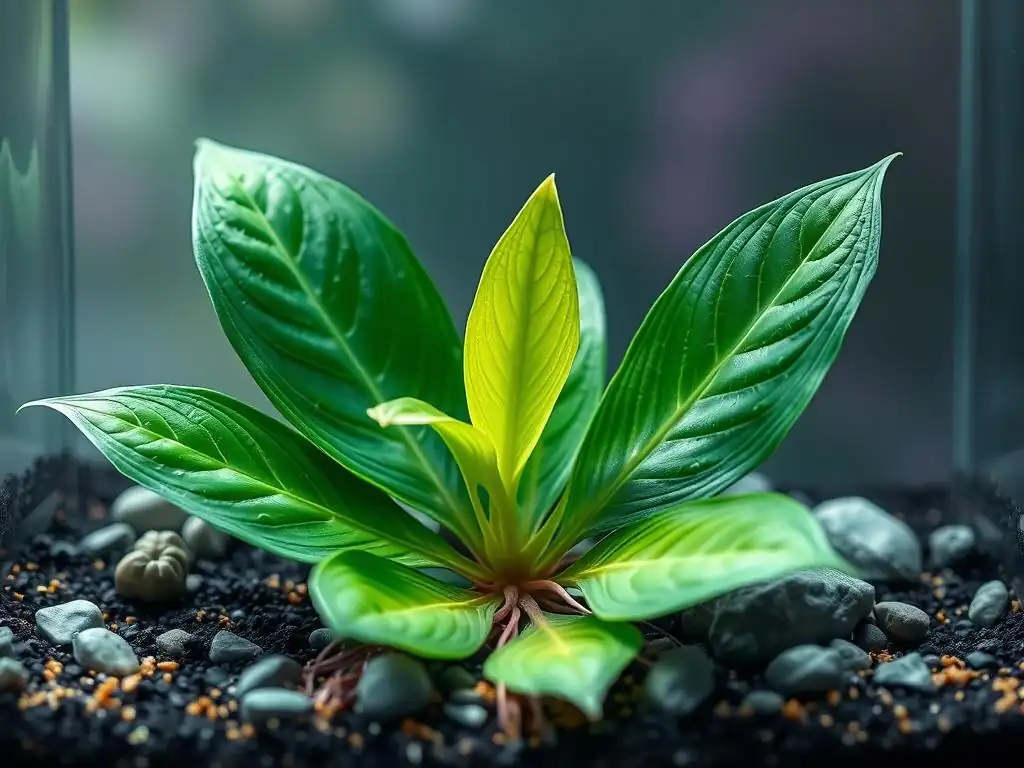
Cryptocoryne wendtii is widely regarded as one of the most forgiving and low-maintenance plants available to aquarists, solidifying its reputation for Cryptocoryne wendtii easy care. Its adaptability to a broad spectrum of tank conditions makes it an ideal choice for beginners, yet its diverse forms and colors also appeal to experienced hobbyists. Understanding its basic needs, from planting to fertilization, ensures long-term success and minimizes common issues.
The key to successful Cryptocoryne wendtii easy care lies in providing a stable environment, rather than a perfectly optimized one. Once established, these plants are remarkably resilient and can tolerate fluctuations that might stress more delicate species. This section will delve into the specific requirements to help your Cryptocoryne wendtii thrive and contribute to a healthy, beautiful aquarium.
Cryptocoryne Wendtii Planting and Substrate Requirements
Proper planting and substrate choice are fundamental for Cryptocoryne wendtii easy care, as these plants are primarily root feeders. When planting, gently bury the roots and the rhizome (the thick horizontal stem from which roots and leaves grow) into the substrate, ensuring that the crown (where the leaves emerge) is just above or at the substrate line. Burying the crown too deeply can lead to rot, while not burying the roots sufficiently can cause the plant to float or struggle to establish.
For optimal growth, a nutrient-rich substrate is highly recommended. Substrates specifically designed for planted aquariums, such as ADA Aqua Soil, Fluval Stratum, or CaribSea Eco-Complete, provide essential micronutrients and a cation exchange capacity that benefits root feeders like Cryptocoryne wendtii. If using an inert substrate like sand or gravel, supplementing with root tabs directly beneath the plant is crucial to provide the necessary nutrients for robust growth and to ensure Cryptocoryne wendtii easy care.
Lighting Needs for Optimal Cryptocoryne Wendtii Growth
One of the significant advantages contributing to Cryptocoryne wendtii easy care is its remarkable adaptability to various lighting conditions. While it can survive and slowly grow in very low light setups (e.g., 0.2-0.5 watts per liter or 10-20 PAR), its growth will be significantly slower, and its coloration may be less vibrant. For optimal growth and to encourage richer colors, moderate lighting is generally recommended.
Under moderate lighting (e.g., 0.5-1.0 watts per liter or 30-50 PAR), Cryptocoryne wendtii will exhibit more robust growth, produce more runners, and display its characteristic coloration more intensely. While it can tolerate higher light, very intense lighting can sometimes trigger algae growth on its leaves, especially if nutrient levels or CO2 are not balanced. Aim for a photoperiod of 8-10 hours daily to prevent excessive algae and promote healthy plant growth.
Water Parameters for Healthy Cryptocoryne Wendtii
Cryptocoryne wendtii's reputation for Cryptocoryne wendtii easy care is largely due to its broad tolerance for water parameters. Unlike many delicate aquatic plants, it can adapt to a wide range of temperatures, pH levels, and water hardness. However, consistency and stability are more critical than hitting exact numbers. Sudden, drastic changes in water chemistry can sometimes lead to "Crypt melt," a temporary but alarming phenomenon where the leaves seemingly dissolve.
Regular water changes (20-30% weekly or bi-weekly) are beneficial for maintaining stable parameters and replenishing essential trace elements. While Cryptocoryne wendtii is tolerant, avoiding extreme fluctuations will ensure its long-term health and vibrant appearance.
Ideal Temperature Range for Cryptocoryne Wendtii
Cryptocoryne wendtii thrives across a relatively wide temperature range, making it compatible with most tropical freshwater aquarium setups. The ideal temperature for consistent growth and overall plant health typically falls between 22°C and 28°C (72°F and 82°F). Within this range, the plant's metabolic processes are optimized, allowing for efficient nutrient uptake and photosynthesis.
While it can tolerate brief periods outside this range, prolonged exposure to temperatures below 20°C (68°F) may slow growth considerably, and temperatures above 30°C (86°F) can stress the plant and potentially lead to melt or stunted development. Maintaining a stable temperature within the recommended range is a key aspect of Cryptocoryne wendtii easy care.
pH Levels for Cryptocoryne Wendtii
The pH tolerance of Cryptocoryne wendtii is another factor contributing to its Cryptocoryne wendtii easy care reputation. It can comfortably grow in a pH range of 6.0 to 8.0, encompassing slightly acidic to slightly alkaline conditions. This broad range means it is compatible with most community fish tanks and does not require specialized pH buffering.
While tolerant, extreme fluctuations in pH should be avoided, as rapid changes can induce stress and potentially trigger Crypt melt. Maintaining a stable pH within this broad range, rather than striving for a specific number, is more important for the plant's long-term health. Most tap water parameters will fall within this acceptable range.
Water Hardness Considerations
Regarding water hardness, Cryptocoryne wendtii is similarly flexible, adapting well to both soft and moderately hard water. It can thrive in a general hardness (GH) range of 3 to 15 dGH (degrees of general hardness) and a carbonate hardness (KH) range of 3 to 12 dKH (degrees of carbonate hardness). This adaptability makes it suitable for a vast majority of tap water sources without the need for extensive water conditioning.
While it can tolerate a range, very soft water might benefit from the addition of a GH booster to ensure adequate mineral availability, particularly calcium and magnesium, which are crucial for plant cell structure. Conversely, extremely hard water is generally not an issue for Cryptocoryne wendtii, provided the pH remains stable. Its resilience to varying water hardness is a significant aspect of Cryptocoryne wendtii easy care.
Fertilization for Cryptocoryne Wendtii: Ensuring Nutrient Availability
While Cryptocoryne wendtii is not a nutrient hog, providing a consistent supply of essential nutrients is crucial for its vibrant growth and to fully leverage its Cryptocoryne wendtii easy care nature. As a root feeder, it primarily absorbs nutrients through its root system, but it can also absorb some from the water column. A balanced fertilization strategy typically involves both root supplementation and liquid fertilizers, especially if you have other plants that are heavy water column feeders.
Symptoms of nutrient deficiency in Cryptocoryne wendtii can include yellowing leaves (iron or nitrogen deficiency), stunted growth, or translucent spots. Addressing these issues promptly with appropriate fertilization will ensure the plant remains healthy and beautiful.
Liquid Fertilizers for Cryptocoryne Wendtii
Liquid fertilizers, administered directly into the water column, are beneficial for providing micronutrients and trace elements that Cryptocoryne wendtii can absorb through its leaves, as well as benefiting other plants in the aquarium. While Cryptocoryne wendtii is primarily a root feeder, it still benefits from the availability of nutrients like iron, potassium, and magnesium in the water column. A comprehensive liquid fertilizer designed for planted aquariums, dosed according to the manufacturer's instructions (usually weekly or bi-weekly), is generally sufficient.
For a tank with Cryptocoryne wendtii easy care as a priority and minimal other demanding plants, a standard all-in-one liquid fertilizer or one focused on micronutrients can suffice. Pay particular attention to iron, as its deficiency can lead to pale or yellowing new growth in Cryptocoryne species.
Root Tabs for Cryptocoryne Wendtii
Root tabs are arguably the most critical component of a successful fertilization strategy for Cryptocoryne wendtii, given its strong preference for root uptake. These small capsules or tablets, typically containing a concentrated blend of macronutrients (nitrogen, phosphorus, potassium) and micronutrients (iron, manganese, zinc), are inserted directly into the substrate beneath the plant's root system. This method ensures that the nutrients are readily available where the plant needs them most.
For optimal Cryptocoryne wendtii easy care, insert root tabs approximately every 3-6 months, or as indicated by the specific product's instructions, and depending on the density of your planting and the overall nutrient load of your substrate. For instance, in a 55-gallon tank with a dense cluster of Cryptocoryne wendtii, placing 2-3 root tabs around the base of the plants every four months would be a good starting point. This consistent supply of root-level nutrients is paramount for robust growth, vibrant coloration, and to prevent nutrient deficiencies.
CO2 Supplementation: Is it Necessary for Cryptocoryne Wendtii?
One of the defining characteristics contributing to Cryptocoryne wendtii easy care is its ability to thrive without supplemental CO2 injection. Unlike many fast-growing stem plants or carpeting plants that demand high CO2 levels for optimal growth, Cryptocoryne wendtii can efficiently utilize the CO2 naturally present in the aquarium water, which is produced by fish respiration and bacterial decomposition.
However, while not strictly necessary, providing CO2 supplementation will significantly enhance its growth rate, lead to larger and more robust leaves, and often intensify its coloration. In a high-tech setup with CO2 injection (e.g., 20-30 ppm), Cryptocoryne wendtii will grow noticeably faster and appear more vibrant. For those prioritizing Cryptocoryne wendtii easy care and a low-maintenance setup, skipping CO2 is perfectly fine, but for maximum growth and aesthetic appeal, consider adding it.
Propagating Cryptocoryne Wendtii: Expanding Your Aquarium
Propagating Cryptocoryne wendtii is a straightforward process, further contributing to its reputation for Cryptocoryne wendtii easy care. These plants readily produce "runners," which are horizontal stems that grow out from the mother plant and produce new plantlets. This natural method of asexual reproduction allows aquarists to easily expand their collection or fill in bare spots in their aquascape without needing specialized equipment or techniques.
The ease of propagation means that a single purchase of Cryptocoryne wendtii can eventually lead to a dense, lush carpet of plants over time, provided the conditions are favorable. Understanding this simple process empowers hobbyists to maintain a thriving planted tank with minimal effort.
Cryptocoryne Wendtii Propagation Methods: Runner Division
The primary and most common method for propagating Cryptocoryne wendtii is through the division of its runners. As a mature Cryptocoryne wendtii plant establishes itself, it will send out slender stolons (runners) horizontally through the substrate. Along these runners, small daughter plants will begin to form, complete with their own developing root systems and a few initial leaves.
Once these daughter plants have developed 3-4 leaves and a decent root system (typically 5-10 cm or 2-4 inches long), they are ready to be separated from the mother plant. This natural propagation process is incredibly efficient and requires little intervention, making Cryptocoryne wendtii easy care extend even to its reproduction.
Step-by-Step Guide to Dividing Cryptocoryne Wendtii Runners
Dividing Cryptocoryne wendtii runners is a simple and effective way to propagate new plants. Follow these steps for successful division and to continue the cycle of Cryptocoryne wendtii easy care:
- Identify Mature Daughter Plants: Look for daughter plants that have developed at least 3-4 healthy leaves and a noticeable root system, typically about 5-10 cm (2-4 inches) in length. These will be connected to the mother plant by a thin runner.
- Gently Excavate: Carefully reach into the substrate around the daughter plant and gently loosen the surrounding substrate to expose the runner connecting it to the mother plant. Avoid disturbing the mother plant's main root system too much.
- Sever the Runner: Using sharp aquarium scissors or a clean razor blade, snip the runner a few centimeters away from both the mother plant and the daughter plant. This ensures both plants retain a small segment of the runner, which can aid in recovery.
- Remove and Replant: Carefully lift the newly separated daughter plant from the substrate. If desired, you can trim any excessively long roots to about 5-7 cm (2-3 inches) to encourage new root growth upon replanting.
- Replant the Daughter Plant: Plant the separated daughter plant in a new location in your aquarium, burying its roots and the base of the crown into the substrate, similar to how you would plant a new Cryptocoryne wendtii. Ensure the crown is not buried to prevent rot.
- Monitor and Maintain: After replanting, the new plantlet may experience a slight shock or even a minor "Crypt melt" initially, but it should recover quickly and begin to establish itself. Continue to provide stable water parameters and appropriate fertilization.
Common Problems and Solutions with Cryptocoryne Wendtii
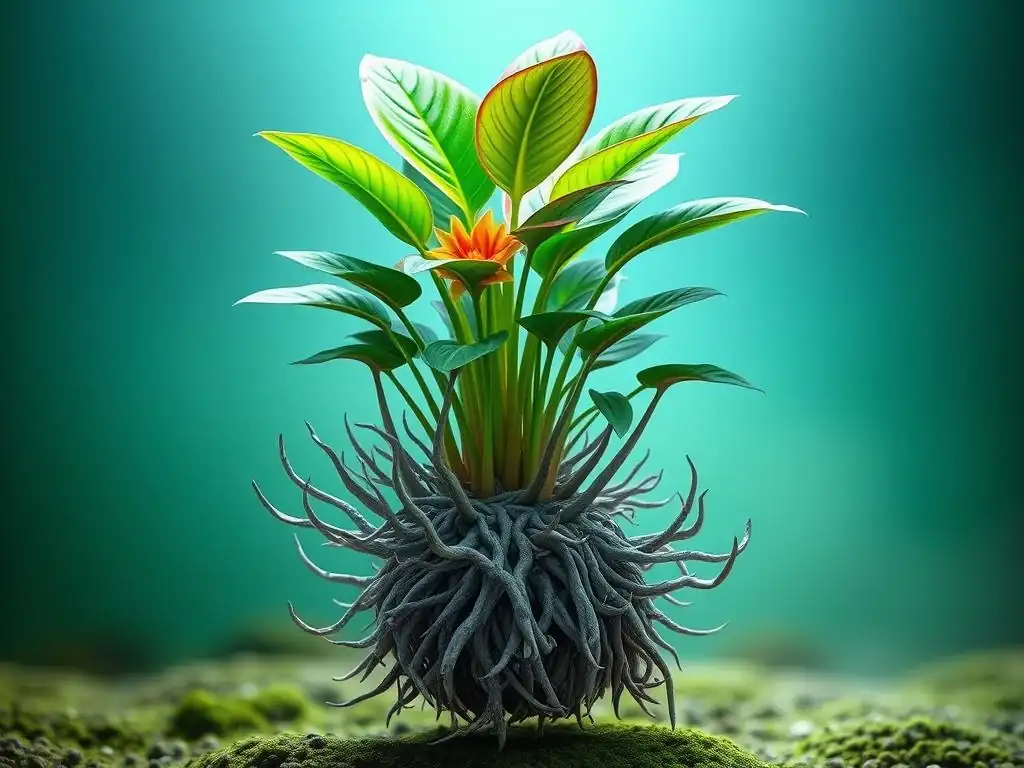
While Cryptocoryne wendtii is renowned for its Cryptocoryne wendtii easy care, like any living organism, it can occasionally encounter issues. The most common problem associated with Cryptocoryne species is "Crypt Melt," a phenomenon that can be alarming to new aquarists but is often temporary and recoverable. Other issues include algae growth on leaves and nutrient deficiencies.
Understanding these potential problems and their solutions is crucial for maintaining a healthy and thriving Cryptocoryne wendtii display. Proactive measures and prompt responses can prevent minor issues from escalating and ensure the long-term success of your plants.
Crypt Melt: Understanding and Preventing Leaf Decay
"Crypt Melt" is a common, albeit unsettling, phenomenon observed in Cryptocoryne species, including Cryptocoryne wendtii. It refers to the sudden and rapid decay or dissolution of the plant's leaves, sometimes seemingly overnight. This typically occurs when the plant experiences a significant change in its environment, such as being moved to a new tank, drastic changes in water parameters (temperature, pH, hardness), or alterations in lighting intensity or duration.
While alarming, Crypt melt is usually a protective mechanism rather than a sign of the plant dying. The plant is shedding its old leaves that were adapted to the previous conditions and preparing to grow new leaves better suited to the new environment. To prevent or minimize melt, aim for stable conditions. When introducing new Cryptocoryne wendtii, expect some melt and resist the urge to pull the plant out; the roots and rhizome are likely still healthy.
Trim away melted leaves to prevent them from fouling the water, and maintain consistent parameters. For example, if moving a plant from a tank at 24°C (75°F) with a pH of 6.8 to a new tank at 27°C (81°F) with a pH of 7.5, a mild melt is almost inevitable. Provide stable conditions for the next few weeks, and new growth should emerge from the rhizome.
Algae Growth on Cryptocoryne Wendtii Leaves: Identification and Control
Even with Cryptocoryne wendtii easy care, algae can sometimes become an issue, particularly if there's an imbalance in the aquarium ecosystem. Algae on Cryptocoryne wendtii leaves typically manifests as green spot algae, green dust algae, or black beard algae. Green spot algae appears as small, hard, dark green dots, often on older, slower-growing leaves. Green dust algae is a fine, powdery green film, while black beard algae (BBA) forms fuzzy, dark tufts.
Excessive light intensity or duration, combined with insufficient CO2 or nutrient imbalances (especially low nitrates or phosphates), are common causes. To control algae, first identify the type. For green spot algae, reduce light intensity or duration and ensure adequate phosphate levels. For green dust algae, perform a thorough tank cleaning and reduce lighting.
BBA often indicates fluctuating CO2 levels or poor water circulation; address these by stabilizing CO2 and improving flow. Manually remove severe algae with a soft brush or by gently rubbing the leaves. Introducing algae-eating invertebrates like Amano shrimp (Caridina multidentata) or snails like Nerite snails (Vittina natalensis) can also help keep algae in check, with Amano shrimp being particularly effective at grazing on various types of algae, including some BBA.
Addressing Nutrient Deficiencies in Cryptocoryne Wendtii
Despite Cryptocoryne wendtii easy care, nutrient deficiencies can occur if the substrate is depleted or if liquid fertilization is insufficient, particularly in high-growth tanks. Recognizing the signs of deficiency early can help prevent severe damage.
- Yellowing or Pale Leaves (Chlorosis): Often indicates a lack of iron or nitrogen. Iron deficiency typically shows in newer leaves first, while nitrogen deficiency affects older leaves. Supplement with iron-rich root tabs or a comprehensive liquid fertilizer containing chelated iron.
- Stunted Growth: Can be a general sign of insufficient macronutrients (nitrogen, phosphorus, potassium). Ensure regular root tab replenishment and consider a liquid all-in-one fertilizer.
- Small Holes or Transparent Spots: Often points to potassium deficiency. This typically affects older leaves. Dosing potassium through a liquid fertilizer or ensuring it's in your root tabs can remedy this.
- Darkening or Purpling of Leaves: Can indicate phosphorus deficiency, though less common in Cryptocoryne.
- Distorted or Twisted New Growth: May signal a lack of calcium or boron, though rare if using general hardness boosters or comprehensive fertilizers.
Regular observation of your Cryptocoryne wendtii and a consistent fertilization schedule (especially with root tabs) are key to preventing these issues and ensuring its continued health and vibrant appearance.
Cryptocoryne Wendtii Tank Mates: Compatible Fish and Invertebrates
Choosing appropriate tank mates is an important consideration for any planted aquarium, and Cryptocoryne wendtii easy care extends to its compatibility with a wide range of aquatic inhabitants. Due to its robust leaves and moderate growth, it is generally resistant to damage from most common aquarium fish and invertebrates. However, selecting tank mates that do not actively consume or uproot plants will ensure the long-term health and aesthetic appeal of your Cryptocoryne wendtii display.
The goal is to create a harmonious ecosystem where both plants and animals can thrive. Fortunately, the vast majority of popular community aquarium species are excellent companions for Cryptocoryne wendtii, allowing for diverse and engaging aquatic setups.
Choosing the Right Tank Mates for a Cryptocoryne Wendtii Aquarium
Cryptocoryne wendtii is compatible with most peaceful community fish species. Ideal tank mates include:
- Small Tetras: Species like Neon Tetras (Paracheirodon innesi), Cardinal Tetras (Paracheirodon axelrodi), and Rummy-Nose Tetras (Hemigrammus rhodostomus) are excellent choices. They are peaceful, stay in the mid-water column, and do not bother plants. For example, a school of 15 Neon Tetras in a 20-gallon tank with Cryptocoryne wendtii creates a vibrant display without plant damage.
- Rasboras: Harlequin Rasboras (Trigonostigma heteromorpha) and Chili Rasboras (Boraras brigittae) are also great options, known for their calm demeanor and non-destructive habits.
- Livebearers: Guppies (Poecilia reticulata), Mollies (Poecilia sphenops), and Platies (Xiphophorus maculatus) are generally plant-safe, though some mollies might occasionally nibble on soft algae on leaves if underfed.
- Corydoras Catfish: These bottom dwellers (e.g., Corydoras aeneus) are perfect companions as they aerate the substrate without uprooting established plants and help clean up uneaten food.
- Small Gouramis: Dwarf Gouramis (Trichogaster lalius) and Honey Gouramis (Trichogaster chuna) are peaceful and add color without disturbing plants.
- Shrimp: Amano Shrimp (Caridina multidentata), Cherry Shrimp (Neocaridina davidi), and Ghost Shrimp (Palaemonetes paludosus) are beneficial, as they graze on algae and detritus without harming plants. A colony of 30 Cherry Shrimp in a 10-gallon Cryptocoryne wendtii tank can keep the leaves spotless.
- Snails: Nerite Snails (Vittina natalensis) and Mystery Snails (Pomacea bridgesii) are excellent algae eaters and are safe for Cryptocoryne wendtii.
Avoid fish that are known plant-eaters or notorious for uprooting plants, such as Silver Dollars (Metynnis argenteus), Pacu (Piaractus brachypomus), large Cichlids (unless specifically known to be plant-safe), and some larger species of Goldfish (Carassius auratus) which can decimate plants. For instance, a single 15cm Silver Dollar can defoliate a mature Cryptocoryne wendtii plant in a matter of days. Sticking to peaceful, herbivorous or omnivorous species that do not specifically target plants is key to a successful Cryptocoryne wendtii easy care setup.
Cryptocoryne Wendtii vs. Other Cryptocoryne Species: Key Differences
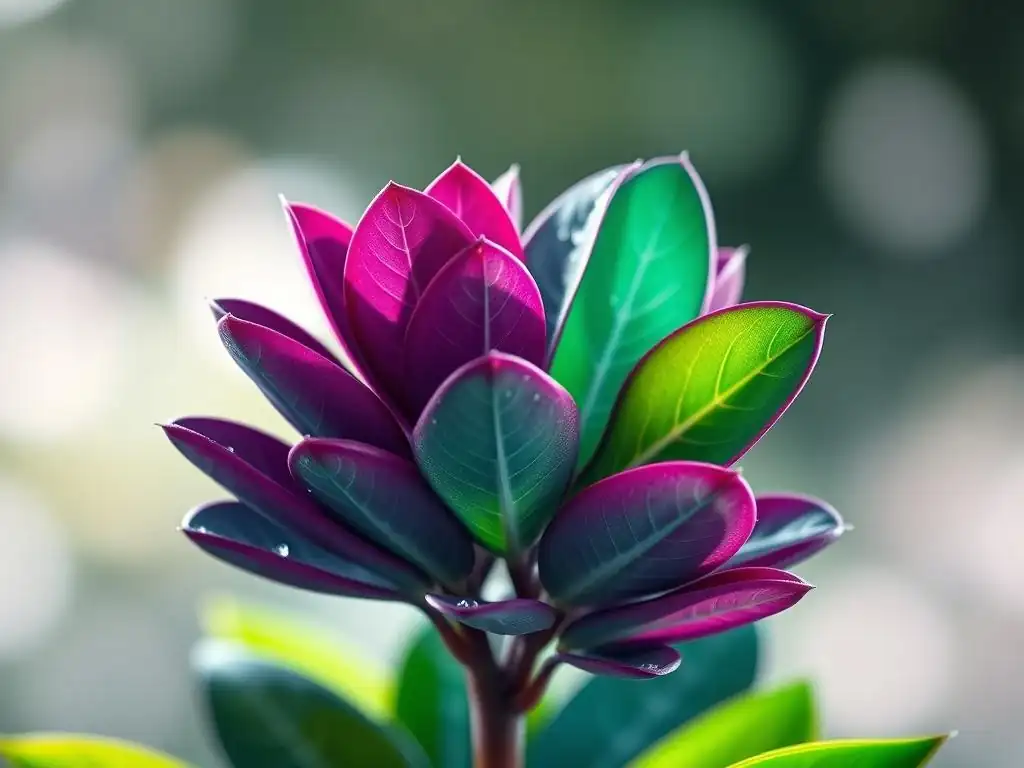
The genus Cryptocoryne is vast and diverse, encompassing numerous species and varieties, many of which share similar characteristics. While Cryptocoryne wendtii is a standout for its Cryptocoryne wendtii easy care and adaptability, distinguishing it from other commonly available Cryptocoryne species can be helpful for aquarists looking to diversify their plant collection or accurately identify their plants.
The primary differences often lie in leaf shape, size, coloration tendencies, and sometimes, subtle variations in preferred growing conditions. Understanding these distinctions allows for more informed choices when aquascaping and ensures that each species receives its optimal care.
Comparing Cryptocoryne Wendtii to Cryptocoryne Beckettii
Cryptocoryne wendtii and Cryptocoryne beckettii are often confused due to their similar overall appearance and shared hardiness, both falling under the umbrella of Cryptocoryne wendtii easy care. However, there are distinct differences. Cryptocoryne beckettii, native to Sri Lanka, typically features narrower, more elongated leaves with a distinct reddish-brown to purplish-brown underside, often with a slightly rippled or wavy margin. Its coloration tends to be more uniformly brownish-green on the top surface. It generally grows to a similar height as C. wendtii, around 10-20 cm (4-8 inches).
In contrast, Cryptocoryne wendtii is celebrated for its greater variability in leaf shape, ranging from narrow to broad, and often displaying a more pronounced bullated (hammered) texture, especially in varieties like 'Tropica'. Its color palette is also much broader, encompassing distinct greens, browns, reds, and bronzes, often with the ability to shift hues based on environmental conditions. While both are hardy, C. wendtii is generally considered even more tolerant of a wider range of water parameters and lighting conditions, making its Cryptocoryne wendtii easy care reputation slightly more pronounced.
Cryptocoryne Wendtii vs. Cryptocoryne Balansae
The distinction between Cryptocoryne wendtii and Cryptocoryne balansae is much more apparent than with C. beckettii, as C. balansae has a dramatically different growth habit. Cryptocoryne balansae, native to Thailand, is characterized by its very long, narrow, ribbon-like leaves that are heavily undulated or "hammered" along their edges. These leaves can grow significantly taller than C. wendtii, often reaching lengths of 30-60 cm (12-24 inches) or more, making it suitable for background placement in larger aquariums. Its coloration is typically a deep green to bronze, sometimes with reddish undertones.
While Cryptocoryne balansae shares the general hardiness of the Cryptocoryne genus, it prefers slightly more stable conditions and often benefits more distinctly from CO2 supplementation and stronger lighting to achieve its full potential and vibrant undulations. Cryptocoryne wendtii, with its more compact, rosette growth form and highly variable leaf shapes and colors, remains the more versatile and inherently Cryptocoryne wendtii easy care option for a wider range of aquarium sizes and setups, especially for those seeking a midground or foreground plant that requires less vertical space.
Where to Buy Cryptocoryne Wendtii: Selecting Healthy Plants
When purchasing Cryptocoryne wendtii, selecting healthy specimens is crucial for a successful start and to truly experience the Cryptocoryne wendtii easy care benefits. You can typically find Cryptocoryne wendtii from several sources: local fish stores (LFS), online aquatic plant retailers, and sometimes even through local aquarium club sales or hobbyist forums. Each source has its advantages and disadvantages regarding cost, variety, and plant health.
Regardless of the source, always inspect the plants carefully before purchase. A healthy Cryptocoryne wendtii will have firm, intact leaves without significant discoloration, holes, or excessive algae growth. Avoid plants with mushy stems, translucent leaves, or signs of severe nutrient deficiency, as these may be struggling and prone to immediate melt in your tank.
- Local Fish Stores (LFS): This allows for direct inspection of the plant's health. Ask about the tank conditions it was kept in.
- Online Aquatic Plant Retailers: Offer a wider variety of specific Cryptocoryne wendtii forms (e.g., 'Tropica', 'Mi Oya') and often provide higher quality, professionally grown plants. They may ship plants either submerged or emersed (grown out of water), which can sometimes lead to a more pronounced "Crypt melt" as the plant transitions to submerged growth in your aquarium. For example, a reputable online vendor might offer 'Cryptocoryne wendtii 'Bronze'' for $7.00 per plant, securely packaged.
- Hobbyist Forums/Local Clubs: Can be a good source for well-acclimated plants from other aquarists, often at a lower cost, but availability can be inconsistent.
When plants arrive, especially from online sources, it's a good practice to gently rinse them and remove any yellowing or damaged leaves before planting. This minimizes the amount of decaying organic matter introduced into your tank and helps the plant focus its energy on new, healthy growth.
Conclusion: Enjoying the Beauty and Simplicity of Cryptocoryne Wendtii Easy Care
Cryptocoryne wendtii truly lives up to its reputation as the "Chameleon Plant," offering an astonishing array of colors and leaf forms that can adapt to and enhance nearly any freshwater aquarium. From the vibrant greens of 'Green Gecko' to the rich bronzes of 'Bronze' and the distinctive textures of 'Tropica', its diversity allows aquarists to create visually captivating landscapes. More importantly, its inherent resilience and minimal demands on specific water parameters, lighting, and CO2 make Cryptocoryne wendtii easy care a standout feature, making it an ideal choice for aquarists of all experience levels.
Embracing the simplicity of Cryptocoryne wendtii easy care means less time worrying about complex plant requirements and more time enjoying the serene beauty of your aquatic world. By providing a nutrient-rich substrate, consistent (though not necessarily intense) lighting, and stable water conditions, you can ensure these remarkable plants not only survive but truly thrive, contributing to a balanced and aesthetically pleasing aquarium ecosystem for years to come.
Frequently Asked Questions
How easy is Cryptocoryne wendtii to care for in a freshwater aquarium?
Cryptocoryne wendtii is considered a beginner-friendly plant due to its adaptability. It tolerates a wide range of water parameters and lighting conditions, making it a relatively low-maintenance option.
What are the different color variations of Cryptocoryne wendtii?
This plant is known as the "chameleon plant" because it exhibits various colors, including green, brown, and red hues. These color variations can be influenced by factors like lighting and nutrient levels.
What type of lighting is best for Cryptocoryne wendtii?
While adaptable, Cryptocoryne wendtii thrives best under low to medium lighting. Excessive light can sometimes lead to algae growth, so it's best to avoid intense illumination.
What are some common issues that can affect Cryptocoryne wendtii, and how can I troubleshoot them?
A common issue is "Crypt melt," where the plant's leaves dissolve. This can be triggered by sudden changes in water parameters. Maintaining stable water conditions is crucial for prevention.
What type of substrate is recommended for Cryptocoryne wendtii?
Cryptocoryne wendtii benefits from a nutrient-rich substrate. Adding root tabs or using an aquasoil substrate will provide the necessary nutrients for healthy growth.
Final Reflection: Embracing the Adaptability of Cryptocoryne
The journey through understanding Cryptocoryne wendtii reveals more than just the secrets to its easy care; it highlights the beauty of adaptability in the face of changing environments. Just as this plant thrives in diverse conditions, so too can we learn to flourish by embracing flexibility and resilience in our own lives. The ability to adapt, to change color and form, is not a weakness, but a testament to strength and survival.
This unassuming aquatic plant, with its myriad forms and colors, serves as a constant reminder of the importance of observing and appreciating the subtle nuances of nature. Its enduring popularity in aquariums speaks volumes about its inherent beauty and ease of care, but also about our innate desire to connect with the natural world. The best way to observe a fish is to become a fish.
- Jacques Cousteau. This sentiment extends to all living things; understanding comes from immersion and appreciation.
Now, consider the lessons Cryptocoryne wendtii offers. Let its adaptability inspire you to embrace change, to find beauty in the unexpected, and to cultivate a deeper connection with the world around you. Take a moment to reflect on how you can foster your own resilience and adaptability, allowing you to thrive, just like this remarkable plant, in the ever-changing currents of life.
Unleash the Crypt's Potential in Your Aquarium!
Thank you for diving into the world of Cryptocoryne wendtii! We hope you've discovered new inspiration for adding this adaptable beauty to your aquascape. Now, it's time to bring that inspiration to life!
Here are a few ways to continue your Cryptocoryne journey:
- Start your Cryptocoryne collection today! Visit your local aquarium store or trusted online retailer to find the perfect Cryptocoryne wendtii variant for your tank.
- Share your favorite Cryptocoryne wendtii color variation on social media using #AquariumMasteryCrypt to inspire other aquascapers.
- Experiment with different substrate types to see how they affect the color and growth of your Cryptocoryne wendtii and share your findings!
What unique Cryptocoryne wendtii variety will you add to your aquarium, and how will it transform your aquascape?