
The Role of Leaf Litter in a Dwarf Cichlid Aquarium

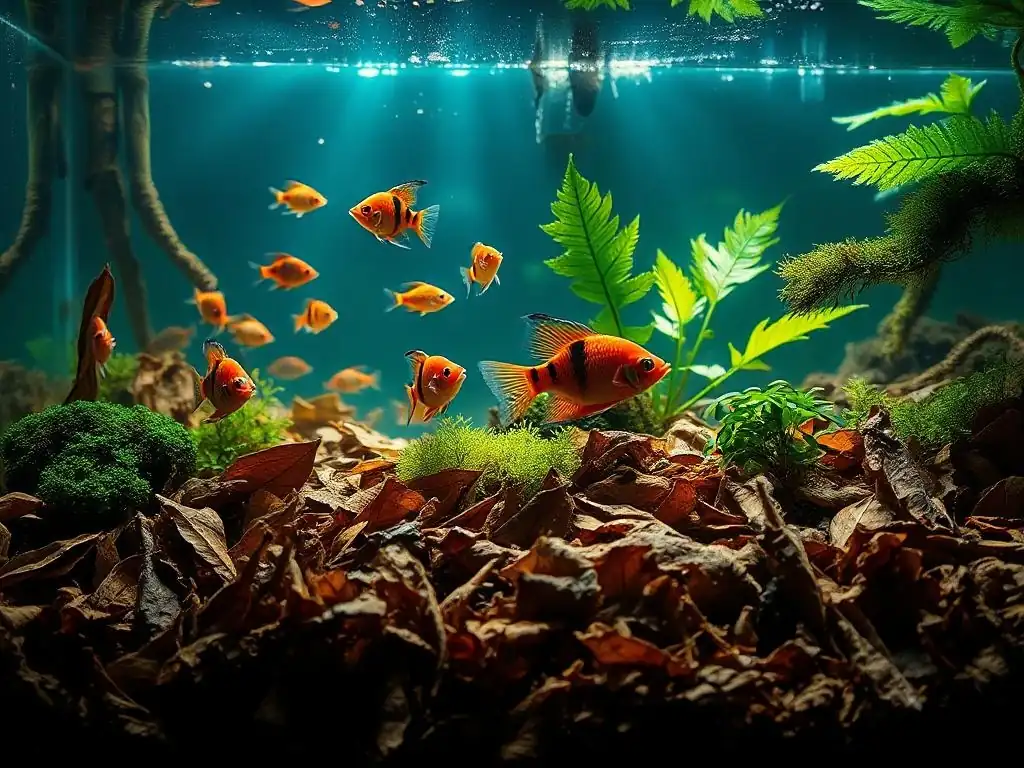
Welcome to Aquarium Mastery!
Ever wondered how a simple pile of leaves could unlock a hidden paradise for your dwarf cichlids? Dive in and discover the secrets of creating a thriving, natural biotope with dwarf cichlid leaf litter. We'll explore how this often-overlooked element can dramatically improve the health, behavior, and overall beauty of your aquarium. Intrigued? Let's get started!
- Understanding Dwarf Cichlid Natural Habitats and Leaf Litter
- Benefits of Using Leaf Litter in a Dwarf Cichlid Tank
- Choosing the Right Leaves for Your Dwarf Cichlid Aquarium
- Setting Up Your Dwarf Cichlid Tank with Leaf Litter
- Maintaining Leaf Litter in Your Dwarf Cichlid Aquarium
- Potential Issues and Troubleshooting with Leaf Litter
- Dwarf Cichlid Species That Benefit Most from Leaf Litter
- Alternative Natural Substrates for Dwarf Cichlid Aquariums
- Conclusion: Enhancing Your Dwarf Cichlid Aquarium with Leaf Litter
-
Frequently Asked Questions
- What is the primary benefit of using leaf litter in a dwarf cichlid aquarium?
- How does leaf litter affect the water chemistry in a dwarf cichlid tank?
- What types of leaves are safe to use as leaf litter for dwarf cichlids?
- How often should I replace the leaf litter in my dwarf cichlid aquarium?
- Can leaf litter alone provide enough food for my dwarf cichlids?
- Final Reflection: Embracing the Natural Cycle
- Dive Deeper: Nurture Your Cichlid Paradise!
Understanding Dwarf Cichlid Natural Habitats and Leaf Litter
The Importance of Replicating Natural Environments for Dwarf Cichlids
Replicating the natural environment of dwarf cichlids is paramount for their long-term health, psychological well-being, and successful breeding. These small, often shy fish, such as species from the Apistogramma genus or Microgeophagus ramirezi, thrive when their surroundings closely mimic their native habitats. A well-designed biotope aquarium reduces stress, encourages natural behaviors like foraging and territorial displays, and often leads to more vibrant coloration and increased lifespan. Without these specific environmental cues, dwarf cichlids can become lethargic, prone to disease, and reluctant to spawn.
Key aspects of their natural environment include specific water parameters, substrate composition, and the presence of natural cover. For instance, many dwarf cichlids originate from soft, acidic blackwater rivers, where the water chemistry is heavily influenced by decomposing organic matter. Providing the correct pH, hardness, and ample hiding spots allows them to feel secure, express their full behavioral repertoire, and establish territories without excessive aggression, which is crucial in a dwarf cichlid community tank.
Exploring South American Biotopes: The Origin of Many Dwarf Cichlids
Many of the most popular dwarf cichlids, including various Apistogramma species, Mikrogeophagus ramirezi (Ram Cichlids), and Dicrossus filamentosus (Checkerboard Cichlids), originate from the vast river systems of South America, particularly the Amazon and Orinoco basins. These regions are characterized by slow-moving streams, oxbow lakes, and flooded forests, often referred to as "blackwater" biotopes. The water in these areas is stained a tea-like color due to the leaching of tannins and humic acids from decomposing plant matter, including an abundance of fallen leaves and submerged driftwood.
The water chemistry in these blackwater biotopes is typically soft, with a very low General Hardness (GH) and Carbonate Hardness (KH), and acidic, with pH values often ranging from 4.5 to 6.5. This unique chemical profile is directly influenced by the continuous breakdown of organic material. The dense canopy overhead and the rich leaf litter on the substrate provide essential cover, reducing light penetration and creating a complex network of hiding places and foraging grounds. This natural setting highlights the critical role of dwarf cichlid leaf litter in their survival and prosperity.
What is Leaf Litter and Why is it Important?
Leaf litter, in the context of an aquarium, refers to dried, fallen leaves from specific trees that are safely introduced into the tank. These leaves, once submerged, slowly decompose, mimicking the natural processes found in the wild biotopes of many aquatic species, especially dwarf cichlids. Far from being mere aesthetic additions, dwarf cichlid leaf litter serves multiple vital functions within the aquatic ecosystem, transforming a standard aquarium into a more natural and beneficial environment.
The importance of dwarf cichlid leaf litter stems from its multifaceted benefits. It acts as a natural water conditioner, releasing beneficial humic substances and tannins that alter water chemistry. It provides essential hiding spots and visual barriers, reducing stress for shy fish. Furthermore, as the leaves break down, they foster the growth of a rich microfauna, offering a continuous, natural food source for fry and adult fish alike. This creates a self-sustaining miniature ecosystem that closely mirrors the conditions these fish have evolved to thrive in.
Benefits of Using Leaf Litter in a Dwarf Cichlid Tank
Creating a Natural and Stress-Reducing Environment
Incorporating dwarf cichlid leaf litter into an aquarium significantly contributes to creating a natural and stress-reducing environment. The scattered leaves on the substrate, alongside driftwood and plants, effectively replicate the complex, shaded, and debris-strewn riverbeds and floodplains found in the Amazon and other South American regions.
This visual authenticity provides a profound sense of security for dwarf cichlids, which are inherently shy and often territorial. For species like the Cockatoo Dwarf Cichlid ( Apistogramma cacatuoides), which exhibit intricate social hierarchies, the leaf litter provides numerous visual breaks and potential hiding spots, helping to diffuse aggression between males or among a breeding group.
The presence of this intricate structure allows dwarf cichlids to establish distinct territories, retreat from perceived threats, and explore their surroundings without feeling exposed. This reduction in environmental stress is often visible in their behavior: they become bolder, display more vibrant and natural coloration, and are more likely to engage in natural behaviors such as foraging, courtship, and spawning. For instance, a stressed Ram Cichlid ( Microgeophagus ramirezi) might appear faded and withdrawn, whereas one in a leaf-littered tank will often exhibit brilliant blues and yellows, actively sifting through the leaves.
Leaf Litter as a Natural Food Source for Fry and Microfauna
One of the most critical benefits of using dwarf cichlid leaf litter, particularly for breeding setups, is its role in supporting a thriving microfauna community. As leaves decompose, they become colonized by a diverse array of microorganisms, including bacteria, fungi, protozoa, copepods, and rotifers.
These microscopic organisms form the base of a natural food web within the aquarium, providing a continuous and readily available food source for dwarf cichlid fry and even supplementing the diet of adult fish. This bio-availability of food is especially vital during the initial stages of a fry's life, when they are too small to consume conventional flake or pellet foods.
Adult dwarf cichlids, being opportunistic omnivores, will also actively graze on the decomposing dwarf cichlid leaf litter. They can be observed sifting through the leaves, picking off detritus, and consuming the small invertebrates that live among the decaying plant matter. This natural foraging behavior is not only enriching for the fish but also provides them with essential nutrients and roughage that might be lacking in a purely prepared diet. It mimics their natural feeding habits in the wild, where they constantly explore the substrate for food.
Infusoria and Microorganisms: A First Food for Dwarf Cichlid Fry
The decomposition of dwarf cichlid leaf litter is a powerful catalyst for the proliferation of infusoria and other microscopic organisms, which are absolutely vital as a "first food" for newly hatched dwarf cichlid fry. Species like Apistogramma and Mikrogeophagus produce extremely small fry, often measuring less than 2-3 millimeters upon hatching.
These tiny fish require food particles that are almost invisible to the naked eye. Infusoria, which are single-celled protozoans and other minute aquatic life forms, provide exactly this, offering a crucial source of protein and essential nutrients that are perfectly sized for the fry's developing mouths and digestive systems.
Without a readily available supply of these microorganisms, dwarf cichlid fry survival rates can be significantly low. The leaf litter creates a vast surface area for bacteria and fungi to colonize, which in turn are consumed by infusoria. This continuous cycle ensures a steady supply of live, nutritious food that the fry can graze on immediately after becoming free-swimming, eliminating the need for constant manual feeding of specialized fry foods in the initial critical days. For dedicated breeders, dwarf cichlid leaf litter is an indispensable tool for raising large, healthy broods.
Water Chemistry Benefits: Tannins and pH Reduction
One of the most significant and well-documented benefits of using dwarf cichlid leaf litter is its profound impact on water chemistry, specifically through the release of tannins and humic acids. As the leaves decompose, they slowly leach these organic compounds into the water, resulting in a gradual and stable reduction in pH.
For many dwarf cichlid species that originate from soft, acidic blackwater environments, such as various Apistogramma species or Nannacara anomala, maintaining a pH between 5.5 and 6.5 is crucial for their health, coloration, and breeding success. The tannins also contribute to softening the water by binding with certain minerals, mimicking the low mineral content of their natural habitats.
Beyond pH reduction, tannins and humic acids possess mild antiseptic and antifungal properties. These compounds can help inhibit the growth of harmful bacteria and fungi, providing a natural defense against common fish diseases like fin rot and fungal infections. This creates a healthier and more stable aquatic environment, reducing the reliance on chemical treatments. While the exact pH drop varies depending on the water's initial buffering capacity (KH) and the quantity of dwarf cichid leaf litter used, a noticeable and beneficial shift towards more acidic conditions is typically observed.
The Impact of Tannins on Water Color and Clarity
The release of tannins from dwarf cichlid leaf litter inevitably leads to a distinct "tea-stained" or amber hue in the aquarium water. This coloration, often perceived as undesirable by novice aquarists, is in fact a hallmark of a natural blackwater biotope and is highly beneficial for the fish. The darker water mimics the shaded, tannin-rich streams and rivers where many dwarf cichlids naturally reside, providing a sense of security and reducing stress from bright aquarium lighting. The color is purely aesthetic and does not indicate poor water quality; rather, it signifies the presence of beneficial compounds.
Furthermore, this darker water can dramatically enhance the appearance of many dwarf cichlid species. The iridescence and vibrant colors of fish like German Blue Rams ( Microgeophagus ramirezi) or various Apistogramma species often become much more pronounced and striking against the warm, subdued background of tannin-stained water. The reduced light penetration also contributes to a calmer environment, encouraging the fish to exhibit more natural behaviors and feel more comfortable exploring the tank. It is a visual cue that the dwarf cichlid leaf litter is actively working to create an optimal habitat.
Providing Hiding Places and Territory Definition for Dwarf Cichlids
Dwarf cichlids, by their very nature, are often territorial and require ample hiding spots to feel secure and manage aggression, especially in a community tank setting. Dwarf cichlid leaf litter provides an intricate, multi-layered landscape that serves as an excellent source of shelter and visual barriers. Fish can dart under individual leaves, hide within piles of decaying foliage, or use the leaf-strewn substrate to retreat from more dominant tank mates or perceived threats. This immediate availability of cover significantly reduces stress levels, which in turn promotes better health and more natural behaviors.
Beyond simple hiding, the strategic placement of dwarf cichlid leaf litter helps in defining territories. Male dwarf cichlids, particularly during breeding, will establish small personal zones that they defend. Piles of leaves can act as natural boundaries, allowing multiple fish to coexist in the same tank by breaking up lines of sight and creating distinct zones. For cave-spawning species like Pelvicachromis pulcher (Kribensis cichlids) or substrate spawners like many Apistogramma, the leaf litter can also provide ideal spawning sites or a secure area for fry to hide post-hatching, enhancing breeding success and overall population stability.
Choosing the Right Leaves for Your Dwarf Cichlid Aquarium
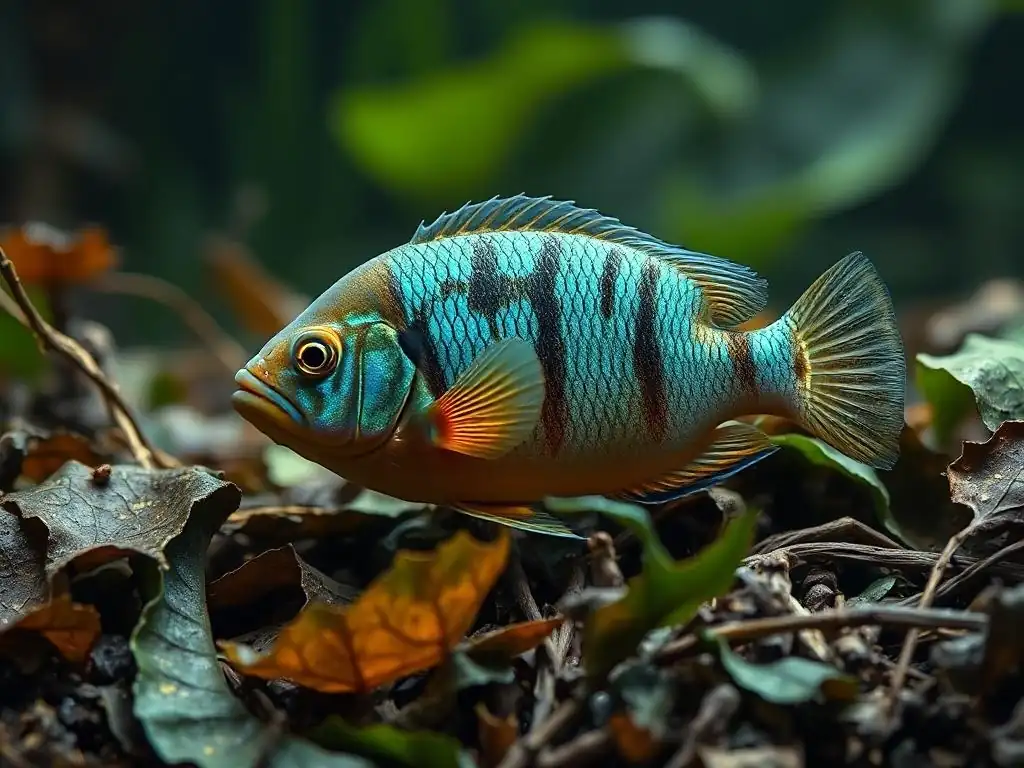
Safe Leaf Options: Oak, Beech, Catappa, Guava, and Magnolia Leaves
When selecting dwarf cichlid leaf litter for your aquarium, it's crucial to choose leaves that are safe, non-toxic, and will provide the desired benefits without introducing harmful chemicals. Several types of leaves are widely recognized and used by aquarists for their beneficial properties. Catappa leaves ( Terminalia catappa), also known as Indian Almond leaves, are perhaps the most popular due to their rapid tannin release, potent antimicrobial properties, and relatively quick decomposition. They are excellent for quickly establishing blackwater conditions.
Other excellent choices include dried oak leaves (from Quercus species) and beech leaves ( Fagus sylvatica). These leaves decompose much slower than Catappa leaves, meaning they provide longer-lasting cover and a more gradual release of tannins, often remaining intact for several months. Guava leaves ( Psidium guajava) are also gaining popularity for their medicinal properties, believed to aid in preventing bacterial infections, and their moderate tannin release. Magnolia leaves ( Magnolia grandiflora) are another durable option that provides significant visual appeal and a slow, steady release of beneficial compounds, making them a great long-term dwarf cichlid leaf litter choice.
Preparing Leaves for Aquarium Use: Cleaning and Sanitizing
Proper preparation of dwarf cichlid leaf litter is essential to ensure the safety of your fish and prevent the introduction of unwanted pests or contaminants. The first step is thorough cleaning: rinse the collected or purchased leaves under running water to remove any surface dirt, dust, small insects, or debris. This initial rinse is critical, especially for wild-collected leaves, to eliminate potential pollutants that might have settled on them.
After rinsing, boiling or blanching the leaves is highly recommended. Boiling serves a dual purpose: it sterilizes the leaves by killing off any lingering bacteria, fungi, or microscopic parasites, and it helps them sink immediately when placed in the aquarium. For smaller leaves like Catappa, a boil of 5-10 minutes is generally sufficient. Larger or tougher leaves, such as oak or magnolia, might benefit from a longer boil, up to 30 minutes, to ensure they become waterlogged and sink promptly. Always allow the leaves to cool completely before introducing them to your dwarf cichlid tank.
Avoid These Leaves: Eucalyptus, Pine, and Poisonous Plants
While many types of leaves can be safely used as dwarf cichlid leaf litter, it is critically important to know which ones to avoid. Some leaves contain natural compounds that are toxic to fish or can severely degrade water quality. Eucalyptus leaves, for instance, contain volatile oils and resins that are not only harmful to aquatic life but can also create an unpleasant odor in the aquarium. Similarly, pine needles and other conifer leaves release turpenes and other sap-like substances that are detrimental to fish health and can cause significant water parameter imbalances.
Furthermore, never use leaves from ornamental garden plants or any plant that has been treated with pesticides, herbicides, or other chemicals. Many common garden plants are inherently poisonous, and even non-toxic varieties can carry harmful residues from agricultural treatments. Unless you are absolutely certain of the leaf's origin and safety, it is always best to stick to the tried-and-true, safe options like Catappa, Oak, Beech, Guava, or Magnolia leaves. Prioritizing safety ensures a healthy environment for your dwarf cichlids.
Setting Up Your Dwarf Cichlid Tank with Leaf Litter
How Much Leaf Litter Should You Add? [1-2 Leaves per Gallon Initially]
Determining the right amount of dwarf cichlid leaf litter to add to your aquarium depends on several factors: the size of your tank, the specific type of leaves, and your desired aesthetic and water chemistry outcomes. A good starting point for a typical setup is to add approximately 1 to 2 medium-sized leaves (e.g., Catappa leaves about 6-8 inches long) per 5 to 10 gallons of water. For a denser, more immediate blackwater effect or for tanks dedicated to sensitive species like Apistogramma, you might increase this to 1-2 leaves per gallon initially, ensuring you monitor parameters closely.
It is always advisable to introduce dwarf cichlid leaf litter gradually, especially in established tanks. Adding too many leaves at once can cause a rapid drop in pH and a sudden release of tannins, potentially shocking your fish or leading to unstable water conditions. Begin with a smaller quantity, observe your fish's reaction and water parameters (pH, KH), and then slowly add more over several days or weeks until you achieve the desired look and water chemistry. Remember that different leaves release tannins and decompose at varying rates, so adjust your additions accordingly.
Arranging Leaf Litter for Optimal Aesthetics and Functionality
The arrangement of dwarf cichlid leaf litter plays a crucial role in both the visual appeal and the functional benefits it provides within the aquarium. For a naturalistic look, simply scatter the leaves randomly across the substrate, allowing them to settle organically. This mimics the appearance of a forest floor and provides numerous individual hiding spots and foraging areas for your fish. You can also strategically create small piles of leaves in certain corners or under driftwood, offering more concentrated areas of cover for shy fish or potential breeding sites.
Functionally, ensure that the dwarf cichlid leaf litter doesn't completely cover every inch of the substrate. Leave some open areas for swimming and for fish that prefer to sift through sand. The goal is to create a dynamic landscape with varying depths of leaf cover. This allows your dwarf cichlids to choose their preferred level of concealment and explore different micro-habitats within the tank, enhancing their natural behaviors and providing them with a sense of security and complexity in their environment.
Combining Leaf Litter with Other Natural Elements: Driftwood and Plants
To create a truly authentic and beneficial biotope for dwarf cichlids, dwarf cichlid leaf litter should be combined with other natural elements like driftwood and appropriate aquatic plants. Driftwood, particularly Malaysian or Spiderwood, not only adds significant aesthetic value but also releases tannins, contributing to the blackwater effect and providing additional hiding spots and surfaces for beneficial bacterial colonization. The intricate branches of driftwood offer structure that complements the scattered leaves, creating a multi-dimensional habitat.
Adding suitable aquatic plants further enhances the natural environment. Plants like Anubias, Java Fern, and various Cryptocoryne species are excellent choices as they tolerate or even thrive in the soft, acidic, and often dimly lit conditions of a blackwater tank. They provide additional cover, help with water quality by absorbing nitrates, and contribute to the overall visual appeal. The combination of dwarf cichlid leaf litter, driftwood, and plants creates a complex, self-sustaining ecosystem that closely mirrors the diverse and rich natural habitats of dwarf cichlids, promoting their health and natural behaviors.
Maintaining Leaf Litter in Your Dwarf Cichlid Aquarium
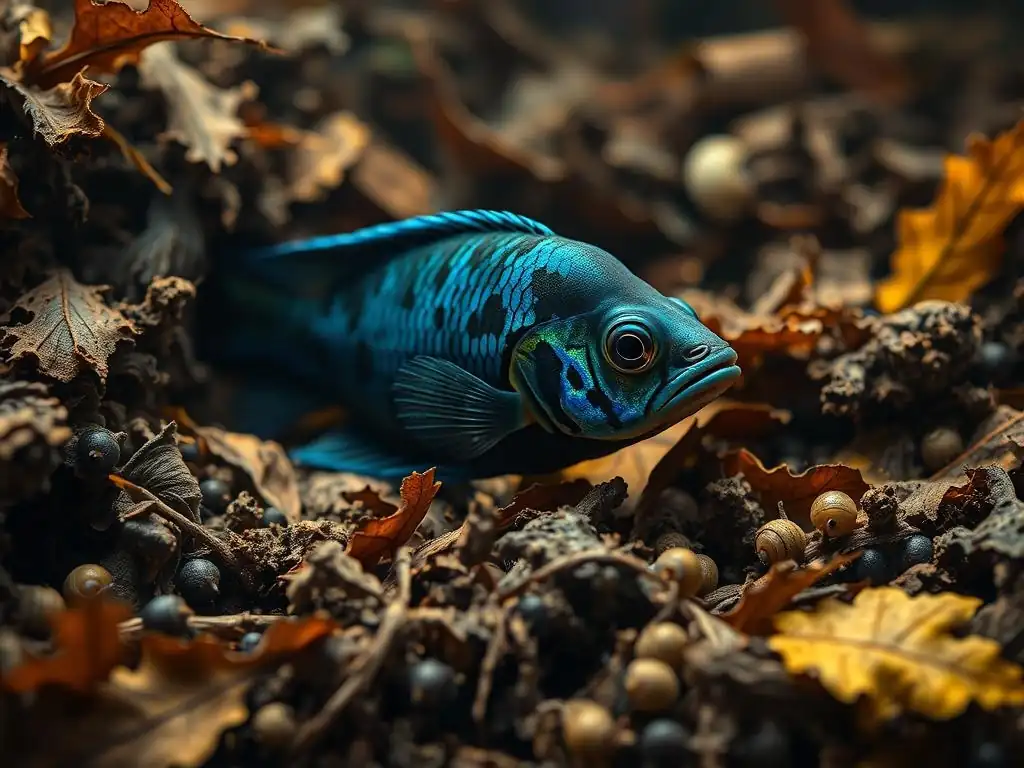
Leaf Litter Decomposition: Understanding the Process
The decomposition of dwarf cichlid leaf litter is a natural and continuous process within the aquarium, essential for releasing beneficial compounds and supporting the microfauna. Once submerged, leaves begin to break down over a period ranging from a few weeks to several months, depending on the leaf type, water parameters, and the presence of detritivores like snails or shrimp. Catappa leaves, for example, typically decompose within 2-4 weeks, while oak or magnolia leaves can last for 3-6 months or longer.
As leaves decompose, they release tannins and humic acids, which contribute to the desired water chemistry. They also provide a substrate for bacterial and fungal growth, which in turn feeds infusoria and other microorganisms that are crucial for dwarf cichlid fry. However, it's important to understand that decomposition also adds organic waste to the tank. While a healthy biological filter can process this, excessive or rapid decomposition without proper maintenance can lead to an increase in ammonia and nitrates, necessitating careful monitoring of water parameters.
Replacing Leaf Litter Regularly: Frequency and Best Practices
Regular replacement of dwarf cichlid leaf litter is crucial to maintain consistent water chemistry benefits and prevent excessive organic buildup. The frequency of replacement depends on the type of leaves used and their rate of decomposition. For faster-decomposing leaves like Catappa, you might need to add new leaves every 2-4 weeks. Slower-decomposing leaves such as oak or beech may only require replacement every 2-3 months, or when they have mostly disintegrated into skeletal remains.
It's best practice to replace leaves on a staggered schedule rather than removing all old leaves at once. For example, if you have 10 leaves in your tank, remove 2-3 old, degraded leaves during a weekly water change and add 2-3 new, pre-boiled ones. This gradual replacement minimizes sudden shifts in water parameters and ensures a continuous supply of beneficial tannins and a stable microfauna population. Regularly observing the condition of your dwarf cichlid leaf litter will guide your replacement schedule.
Monitoring Water Parameters: pH, Ammonia, Nitrite, and Nitrate
When using dwarf cichlid leaf litter, diligent monitoring of water parameters is absolutely essential to ensure a stable and healthy environment for your fish. The primary parameters to watch are pH, ammonia, nitrite, and nitrate. The tannins released by the leaves will naturally lower the pH, which is often desired for dwarf cichlids. However, a rapid or drastic drop in pH can be harmful, so regular testing (e.g., weekly) is critical, especially in tanks with low buffering capacity (KH).
Furthermore, as the dwarf cichlid leaf litter decomposes, it contributes to the organic load in the tank, which can potentially lead to spikes in ammonia and nitrite if the biological filter is not robust enough. While a well-established nitrogen cycle should handle this, it's crucial to test for ammonia and nitrite weekly, especially after adding a large batch of new leaves. Nitrate levels should also be monitored, as they indicate the overall accumulation of organic waste. Regular partial water changes (e.g., 20-30% weekly) are key to managing nitrates and replenishing essential minerals.
Potential Issues and Troubleshooting with Leaf Litter
Tannin Staining: Managing Water Color
One of the most noticeable effects of using dwarf cichlid leaf litter is the "tannin staining" of the water, which gives it an amber or tea-like hue. While this is a desired effect for creating a natural blackwater biotope and is beneficial for the fish, some aquarists might find the coloration too intense or prefer clearer water. If the water color becomes too dark for your preference, there are several ways to manage it without entirely removing the benefits of the leaf litter.
The simplest method is to increase the frequency or volume of your partial water changes. For instance, instead of a 20% weekly change, you might do a 30-40% change. Another effective solution is to use activated carbon in your filter.
Activated carbon is highly efficient at adsorbing tannins and other organic compounds, rapidly clearing the water. However, if your primary goal is to maintain the blackwater effect and its associated benefits, use activated carbon sparingly or only when the color is truly excessive, as it will also remove the beneficial humic substances. Consider it a temporary measure rather than a continuous filtration method if you desire the blackwater look for your dwarf cichlid tank.
Excessive Decomposition: Addressing Ammonia Spikes
While dwarf cichlid leaf litter decomposition is a natural and beneficial process, an excessive amount of leaves or rapid breakdown, particularly in a young or lightly filtered tank, can lead to potential issues such as ammonia spikes. This occurs when the rate of organic matter decomposition outpaces the capacity of the beneficial bacteria in the biological filter to convert ammonia into less toxic compounds. Signs of an ammonia spike include cloudy water, fish gasping at the surface, lethargy, or red gills.
To address this, immediate action is required. Perform a significant partial water change (e.g., 50%) to dilute the ammonia. Simultaneously, reduce the amount of dwarf cichlid leaf litter in the tank, especially if there are large, rapidly decomposing piles. Ensure your filtration system is adequate for your tank size and bioload, and consider adding more biological filter media if necessary. Adding new leaves gradually and monitoring parameters closely, especially during the initial setup phase, can largely prevent such spikes.
Introducing Unwanted Organisms: Prevention and Control
One potential risk of adding natural elements like dwarf cichlid leaf litter, especially if collected from outdoor sources, is the unintentional introduction of unwanted organisms into your aquarium. These can include various species of snails (e.g., pond snails, ramshorn snails), hydra, planaria, or even insect larvae. While some snails can be beneficial detritivores, an uncontrolled population can become an aesthetic nuisance and compete for resources. Hydra and planaria, though generally harmless to adult fish, can pose a threat to delicate fry or shrimp.
The best prevention method is thorough preparation of all dwarf cichlid leaf litter before introduction. As previously mentioned, rinsing the leaves thoroughly and then boiling or blanching them for 5-10 minutes is highly effective in killing most hitchhiking organisms and their eggs. If, despite precautions, unwanted organisms appear, manual removal (e.g., scraping snails off glass, siphoning hydra) is often the safest first step. For severe infestations, certain fish-safe treatments are available, but always ensure they are compatible with your fish and other tank inhabitants like shrimp.
Dwarf Cichlid Species That Benefit Most from Leaf Litter
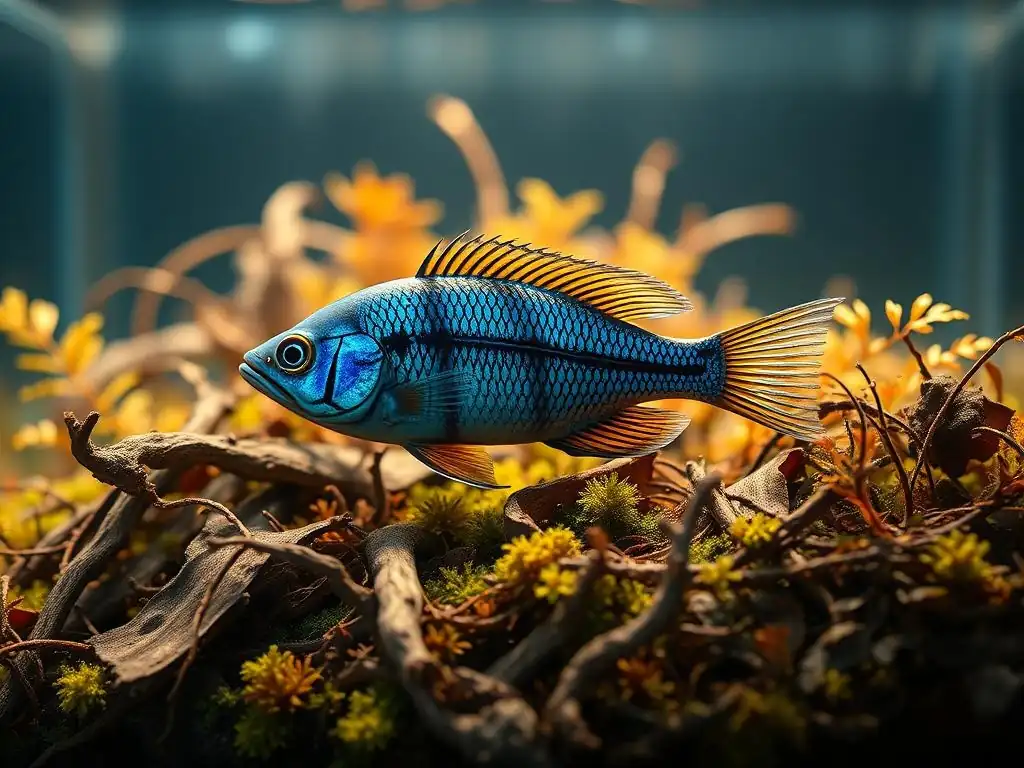
Apistogramma Species and Leaf Litter: A Perfect Match
Apistogramma species, often referred to as "Apistos," are perhaps the quintessential dwarf cichlids that benefit immensely from dwarf cichlid leaf litter. Hailing from the blackwater streams and flooded forests of South America, these fish naturally inhabit environments rich in fallen leaves. The leaf litter provides crucial visual barriers, reducing aggression between males and creating secure territories for breeding pairs. Species like Apistogramma cacatuoides, A. agassizii, and A. borellii display more vibrant colors and exhibit natural behaviors, such as sifting through leaves for micro-organisms, when housed in such conditions.
Furthermore, dwarf cichlid leaf litter is almost indispensable for successful Apistogramma breeding. Many species are cave or substrate spawners, and the leaves offer ideal, secluded sites for eggs to be laid and for fry to hide post-hatching. The decomposing leaves also generate the vital infusoria and other microscopic food sources that are essential for the survival and initial growth of their incredibly tiny fry. The soft, acidic water conditions created by the tannins are also critical for egg viability and the overall health of these sensitive fish.
Ram Cichlids and Leaf Litter: Creating a Comfortable Environment
Ram Cichlids ( Mikrogeophagus ramirezi, including German Blue Rams, Electric Blue Rams, and Bolivian Rams) are another group of dwarf cichlids that thrive in tanks featuring dwarf cichlid leaf litter. While Bolivian Rams are slightly more tolerant of varying water parameters than their German Blue counterparts, all Ram Cichlids originate from slow-moving, often leaf-strewn waters in South America. The presence of leaf litter significantly reduces stress in these often-sensitive fish, encouraging them to display their full, stunning coloration and engage in natural foraging behaviors.
The leaf litter provides essential hiding places and visual breaks, which are crucial for these relatively shy fish, especially when housed in a community setting or during breeding. Rams will often sift through the leaves, picking off detritus and microorganisms, mimicking their natural diet. Although they prefer slightly warmer water (around 80-84°F or 27-29°C) than some other dwarf cichlids, the stable, soft, and slightly acidic conditions provided by dwarf cichlid leaf litter are ideal for their long-term health, vitality, and successful spawning, making them less prone to common health issues.
Kribensis Cichlids and Leaf Litter: Enhancing Natural Behavior
Pelvicachromis pulcher, commonly known as Kribensis Cichlids, are popular West African dwarf cichlids that also benefit from the inclusion of dwarf cichlid leaf litter in their aquarium. While Kribensis are typically cave spawners and are more adaptable to a wider range of water parameters compared to their South American counterparts, the enriched environment provided by leaf litter still greatly enhances their natural behavior and well-being. The leaves offer additional layers of cover and visual complexity within the tank.
Kribensis will readily explore and sift through the dwarf cichlid leaf litter, foraging for small food particles and microorganisms. This encourages their natural inquisitive behavior and provides mental stimulation. Although they primarily use caves or pots for spawning, the surrounding leaf litter offers a secure, shaded area for the fry once they emerge, providing additional protection from other tank inhabitants. The subtle tannin release also contributes to a more naturalistic environment, which, while not as critical as for blackwater species, still contributes to overall fish health and a sense of security.
Alternative Natural Substrates for Dwarf Cichlid Aquariums
Peat Moss: Benefits and Considerations
Peat moss is a well-known alternative or supplement to dwarf cichlid leaf litter for achieving soft, acidic blackwater conditions. It is derived from decomposed plant matter, primarily sphagnum moss, and is rich in humic and fulvic acids. When added to the aquarium, either directly to the substrate (in a thin layer) or, more commonly, within a filter bag in the sump or hang-on-back filter, peat moss effectively lowers pH and softens water by absorbing minerals. This makes it an excellent choice for species that require very specific water parameters, such as wild-caught Apistogramma.
However, there are important considerations when using peat moss. It can significantly reduce the water's buffering capacity (KH), making the pH more susceptible to rapid fluctuations. Overuse can lead to dangerous pH crashes, so careful monitoring with a reliable pH test kit is crucial. Additionally, some peat moss products can release a lot of particulate matter, clouding the water, and they may contain unwanted nutrients or pesticides if not sourced specifically for aquarium use. Always opt for aquarium-grade peat moss and introduce it gradually.
Alder Cones: Similar Effects to Leaf Litter
Alder cones, typically from the European Black Alder tree ( Alnus glutinosa), offer a concentrated source of tannins and humic acids, providing similar benefits to dwarf cichlid leaf litter but in a smaller, more compact form. These small, woody cones are particularly effective for smaller aquariums or for targeting specific areas within a larger tank. They slowly release beneficial compounds, contributing to a lower pH, softer water, and providing mild antiseptic properties, much like Catappa leaves.
Aquarists often use alder cones to create "micro-biotopes" or to provide additional hiding spots for fry and small invertebrates. They are relatively clean and easy to prepare, usually just requiring a quick rinse before being added to the tank. While they don't offer the same extensive physical cover as a broad layer of dwarf cichlid leaf litter, their potent chemical contribution makes them a valuable addition for maintaining blackwater conditions and promoting the health of sensitive dwarf cichlid species. They generally decompose over several weeks to a few months.
Combining Substrates for a Balanced Ecosystem
Creating a truly balanced and thriving ecosystem for dwarf cichlids often involves combining various natural substrates and elements. Instead of relying solely on dwarf cichlid leaf litter, a comprehensive approach might include a fine, inert sand substrate (such as silica sand or specialized aquarium sand) as the base layer, which allows for natural sifting behavior and is gentle on their delicate barbels. On top of this, a generous scattering of dwarf cichlid leaf litter can be distributed, creating depth and numerous micro-habitats.
Further enhancing this setup, strategically placed pieces of driftwood provide additional tannins, structure, and surfaces for biofilm growth. For tanks requiring even lower pH or more consistent blackwater effects, small amounts of aquarium-grade peat moss can be incorporated into the filter or as a very thin layer under the sand. Finally, the inclusion of appropriate live plants (e.g., Cryptocorynes, Anubias) completes the biotope, offering further cover, nutrient absorption, and contributing to the overall aesthetic and ecological balance. This multi-faceted approach caters to all aspects of dwarf cichlid behavior and ecological needs, promoting optimal health and naturalistic displays.
Conclusion: Enhancing Your Dwarf Cichlid Aquarium with Leaf Litter
Incorporating dwarf cichlid leaf litter into your aquarium is a simple yet profoundly impactful way to transform a standard tank into a thriving, naturalistic habitat. From replicating the soft, acidic blackwater conditions of their native South American rivers to providing essential hiding places and a continuous food source for delicate fry, the benefits are numerous and far-reaching. Dwarf cichlid leaf litter reduces stress, enhances natural coloration, and significantly boosts breeding success for species like Apistogramma and Ram Cichlids.
By understanding the types of safe leaves, proper preparation techniques, and the nuances of ongoing maintenance, aquarists can easily create an environment where their dwarf cichlids not only survive but truly flourish. While monitoring water parameters is key, the overall process is straightforward and rewarding. Ultimately, using dwarf cichlid leaf litter is an indispensable practice for anyone serious about providing the best possible care for these fascinating and beautiful fish, allowing them to exhibit their full range of natural behaviors and contribute to a truly captivating aquatic display.
Frequently Asked Questions
What is the primary benefit of using leaf litter in a dwarf cichlid aquarium?
Leaf litter primarily mimics the natural habitat of dwarf cichlids, providing them with shelter and foraging opportunities. This reduces stress and promotes more natural behaviors.
How does leaf litter affect the water chemistry in a dwarf cichlid tank?
As leaf litter decomposes, it releases tannins and humic acids, which lower the pH and soften the water. This creates the acidic and soft water conditions many dwarf cichlids prefer.
What types of leaves are safe to use as leaf litter for dwarf cichlids?
Safe leaves include Indian Almond leaves (catappa leaves), oak leaves, and beech leaves. Ensure they are free from pesticides and pollutants before adding them to the aquarium.
How often should I replace the leaf litter in my dwarf cichlid aquarium?
The lifespan of leaf litter depends on the aquarium conditions, but generally, you should replace the leaves every 1-3 months. Add new leaves as the old ones decompose completely.
Can leaf litter alone provide enough food for my dwarf cichlids?
While leaf litter encourages the growth of microorganisms that dwarf cichlids may graze on, it's not a complete food source. You'll still need to provide a balanced diet with high-quality fish food.
Final Reflection: Embracing the Natural Cycle
The journey through understanding the role of leaf litter in a dwarf cichlid aquarium reveals a powerful truth: mimicking nature's intricate systems can unlock unparalleled success in our own aquatic endeavors. The benefits, from water chemistry stabilization to providing essential microfauna and shelter, are undeniable, demonstrating that a seemingly simple addition can profoundly impact the health and well-being of these fascinating fish.
This exploration extends beyond the glass walls of our aquariums, influencing our understanding of the delicate balance within natural ecosystems. The realization that even something as seemingly insignificant as fallen leaves plays a vital role underscores the interconnectedness of life. In nature, nothing exists alone.
- Rachel Carson. This quote resonates deeply, reminding us that every element, no matter how small, contributes to the overall health and resilience of the environment, a principle directly applicable to the miniature ecosystems we create.
Now, armed with this knowledge, consider the ways you can incorporate this understanding into your own practices, both within and beyond the aquarium. Embrace the natural cycle, not just in your tank, but in your approach to life. By observing, learning, and adapting to the rhythms of nature, you can cultivate a deeper appreciation for the world around you and create a more harmonious and thriving environment for yourself and the creatures you care for.
Dive Deeper: Nurture Your Cichlid Paradise!
Thanks for exploring the vital role leaf litter plays in creating a thriving dwarf cichlid aquarium! Now that you understand its benefits, it's time to put this knowledge into action and transform your tank.
Here are some ways to enhance your cichlid's environment:
- Infuse new life: Carefully select and prepare suitable leaf litter, such as oak or almond leaves, and introduce them gradually to your aquarium to observe its effect on your cichlids.
- Share the knowledge: Post pictures of your cichlid tank with leaf litter on social media.
- Beyond leaves: Research natural driftwood or root systems to incorporate for even more biotope enrichment.
What species of leaves do you think would work best in your setup? Share your thoughts in the comments!