
Linckia Starfish: A Beautiful Challenge – Are They Reef Aquarium Suitable?

Welcome to Aquarium Mastery!
Ever been captivated by the vibrant beauty of a Linckia starfish and wondered if it could thrive in your reef aquarium? These stunning creatures are a true spectacle, but their care is notoriously challenging. Before you bring one home, dive into our comprehensive guide on Linckia starfish reef aquarium care. Uncover the secrets to their survival and learn if your reef tank is truly ready for this beautiful, yet demanding, invertebrate. Read on to discover if you can provide the perfect environment and avoid common pitfalls!
- Understanding Linckia Starfish: An Introduction for Reef Aquarists
-
Linckia Starfish Reef Compatibility: Examining the Challenges
- The Nutritional Needs of Linckia Starfish: A Major Hurdle in Reef Aquariums
- Why Linckia Starfish Often Starve in Captivity: Biofilm Grazing and Microfauna Dependence
- Linckia Starfish Water Quality Requirements: Parameters for Success
- Sensitivity to Acclimation: Minimizing Stress for Linckia Starfish
-
Ideal Reef Aquarium Conditions for Linckia Starfish (If Possible)
- Tank Size and Setup: Creating a Suitable Environment for Linckia Starfish
- Water Parameters: Maintaining Optimal Chemistry for Linckia Starfish Health
- Substrate and Rockwork: Providing Grazing Surfaces and Hiding Places
- Compatibility with Other Invertebrates and Fish: Avoiding Predation and Competition
- Linckia Starfish Species Profiles: Identifying Common Varieties
- Feeding Linckia Starfish in a Reef Tank: Strategies and Supplements
- Common Health Issues in Linckia Starfish: Prevention and Treatment
- Alternatives to Linckia Starfish for Reef Aquariums
- Linckia Starfish Reef Aquarium Care: The Verdict
-
Frequently Asked Questions
- How difficult is it to care for a Linckia starfish in a reef aquarium?
- What are the ideal water parameters for a Linckia starfish?
- What do Linckia starfish eat in a reef aquarium?
- What are the common signs of a Linckia starfish in distress?
- Are there any other starfish species that are easier to care for in a reef aquarium?
- Final Reflection: Embracing the Delicate Balance
- Transform Your Reef: Take the Next Step with Linckia!
Understanding Linckia Starfish: An Introduction for Reef Aquarists
What is a Linckia Starfish? Overview and Characteristics
Linckia starfish, members of the Ophidiasteridae family, are captivating echinoderms renowned for their striking, often monochromatic coloration and smooth, almost porcelain-like texture. The most famous species, the Blue Linckia ( Linckia laevigata), is instantly recognizable for its vibrant azure hue, while other species display brilliant reds, oranges, or mottled patterns.
These starfish typically possess five cylindrical arms, though occasionally specimens with more or fewer arms can be found due to regeneration. In their natural Indo-Pacific coral reef habitats, they are often observed slowly traversing rockwork and sand, reaching sizes between 4 to 12 inches in diameter, depending on the specific species and age.
Their unique physiology includes a water vascular system that allows for movement and feeding, utilizing thousands of tube feet on their underside. Unlike many other starfish that actively hunt or scavenge large food particles, Linckia starfish are highly specialized grazers. Their diet primarily consists of microscopic biofilm, diatoms, various microalgae, and detritus that coats the surfaces of live rock and sand. This highly specific feeding habit is a critical factor in their challenging care requirements, making successful long-term Linckia starfish reef aquarium care a significant hurdle for even experienced aquarists.
The Allure of Linckia Starfish in Reef Tanks: Aesthetic Appeal vs. Practicality
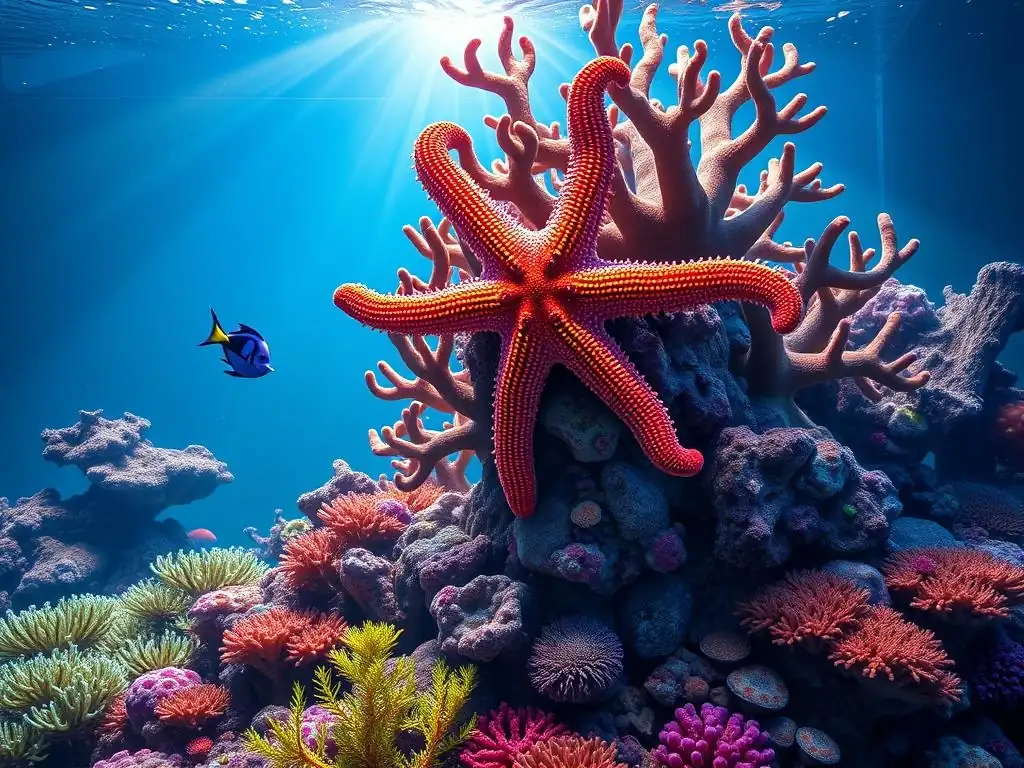
The undeniable aesthetic appeal of Linckia starfish makes them a highly sought-after addition to reef aquariums. Their vivid colors provide a stunning contrast against the corals and rockwork, and their slow, deliberate movements add a sense of tranquility and natural beauty to the aquatic landscape. Many aquarists are drawn to the idea of incorporating such a unique and visually arresting invertebrate into their carefully crafted ecosystems, hoping to replicate a slice of the natural reef. The Blue Linckia, in particular, often becomes a focal point due to its intense coloration.
However, the practical realities of Linckia starfish reef aquarium care often starkly contrast with their captivating beauty. Despite their allure, these starfish have a notoriously poor survival rate in captivity, with a significant percentage succumbing to starvation within months, or even weeks, of introduction. This high mortality is primarily due to the difficulty in replicating their natural diet and providing the vast surface area required for their constant grazing. Aquarists must weigh the desire for their aesthetic contribution against the ethical responsibility of providing an environment where such a specialized creature can truly thrive, rather than slowly decline.
Linckia Starfish Reef Compatibility: Examining the Challenges
The Nutritional Needs of Linckia Starfish: A Major Hurdle in Reef Aquariums
The primary reason for the notoriously low success rate of Linckia starfish in home aquariums lies in their highly specialized nutritional requirements. Unlike many generalist scavengers, Linckia starfish are not opportunistic feeders that will consume large food particles, nor do they typically accept prepared foods like pellets or flakes. Instead, they are micro-grazers, relying almost exclusively on the thin, living film of bacteria, diatoms, microscopic algae, and other detrital microorganisms that naturally colonize the surfaces of live rock, substrate, and tank walls. This biofilm is their sole source of sustenance.
A typical home reef aquarium, even a well-established one, rarely possesses the sheer volume and continuous renewal of this specific biofilm necessary to sustain a Linckia starfish long-term. In their natural environment, these starfish have access to vast expanses of rock and substrate, constantly replenished by ocean currents and the natural cycle of the reef.
A 100-gallon aquarium, for instance, offers only a fraction of the grazing surface available in their native habitat, leading to a rapid depletion of their food source. This fundamental mismatch between their dietary needs and the limitations of captive environments makes Linckia starfish reef aquarium care particularly challenging.
Why Linckia Starfish Often Starve in Captivity: Biofilm Grazing and Microfauna Dependence
The concept of "starvation" for a Linckia starfish is often a slow, insidious process rather than an acute event. Because their diet consists of microscopic organisms, they require a continuous supply of grazing material across a vast surface area. When introduced into a captive environment, the available biofilm and microfauna are quickly consumed. Unlike other invertebrates that might adapt to supplemental feeding, Linckia starfish lack the ability to effectively process larger food items, and their unique feeding mechanism (everting their stomach over a surface to digest the film) is not suited for targeted feeding.
Even in aquariums that appear to have ample "algae" on the glass or rocks, it's often not the specific type or density of biofilm that Linckia starfish require. Many captive systems are also too "clean" due to efficient filtration, protein skimming, and aggressive algae removal by other tank inhabitants.
This combination of limited surface area, specific dietary needs, and competitive feeding from other reef inhabitants inevitably leads to a caloric deficit for the Linckia starfish. Over weeks to months, the starfish slowly wastes away, losing its vibrant coloration and plumpness, a clear sign of inadequate Linckia starfish reef aquarium care.
Linckia Starfish Water Quality Requirements: Parameters for Success
Maintaining pristine and stable water quality is paramount for the health and longevity of Linckia starfish, even if their nutritional needs are met. These echinoderms are highly sensitive to fluctuations in water parameters and the presence of undesirable compounds. Salinity should be kept very stable, ideally between 1.023 and 1.025 specific gravity, with temperature maintained consistently between 74-78°F (23-26°C). Sudden shifts in these parameters can cause osmotic stress, leading to a decline in health or even tissue necrosis.
Furthermore, Linckia starfish are particularly intolerant of elevated nitrates, phosphates, and dissolved organic compounds. Nitrates should ideally be kept below 5 ppm, and phosphates below 0.03 ppm. Even moderately high levels can contribute to stress and susceptibility to disease. Regular, small water changes (e.g., 10% weekly or 20% bi-weekly) using high-quality RO/DI water and a reputable salt mix are essential for diluting pollutants and replenishing trace elements. Consistent monitoring with accurate test kits is critical to ensure the optimal water chemistry required for proper Linckia starfish reef aquarium care.
Sensitivity to Acclimation: Minimizing Stress for Linckia Starfish
The acclimation process is a make-or-break moment for Linckia starfish due to their extreme sensitivity to changes in water chemistry. Unlike many fish or corals that can tolerate a relatively quick drip acclimation over an hour, Linckia starfish require an exceptionally slow and gradual transition. A drip acclimation period of at least 3-4 hours, or even longer, is highly recommended to slowly equalize the salinity, pH, and temperature between the shipping water and the aquarium water. Rapid changes can induce severe osmotic shock, leading to irreversible damage to their delicate internal systems.
Crucially, Linckia starfish must never be exposed to air. Even a brief moment out of water can trap air bubbles within their water vascular system, which can be fatal. When transferring them, it is imperative to keep them fully submerged at all times, gently scooping them from their transport container into the aquarium using a clean cup or small container. This meticulous attention to the acclimation process is a fundamental aspect of responsible Linckia starfish reef aquarium care and significantly increases their initial chances of survival, though it does not address the long-term feeding challenges.
Ideal Reef Aquarium Conditions for Linckia Starfish (If Possible)
Tank Size and Setup: Creating a Suitable Environment for Linckia Starfish
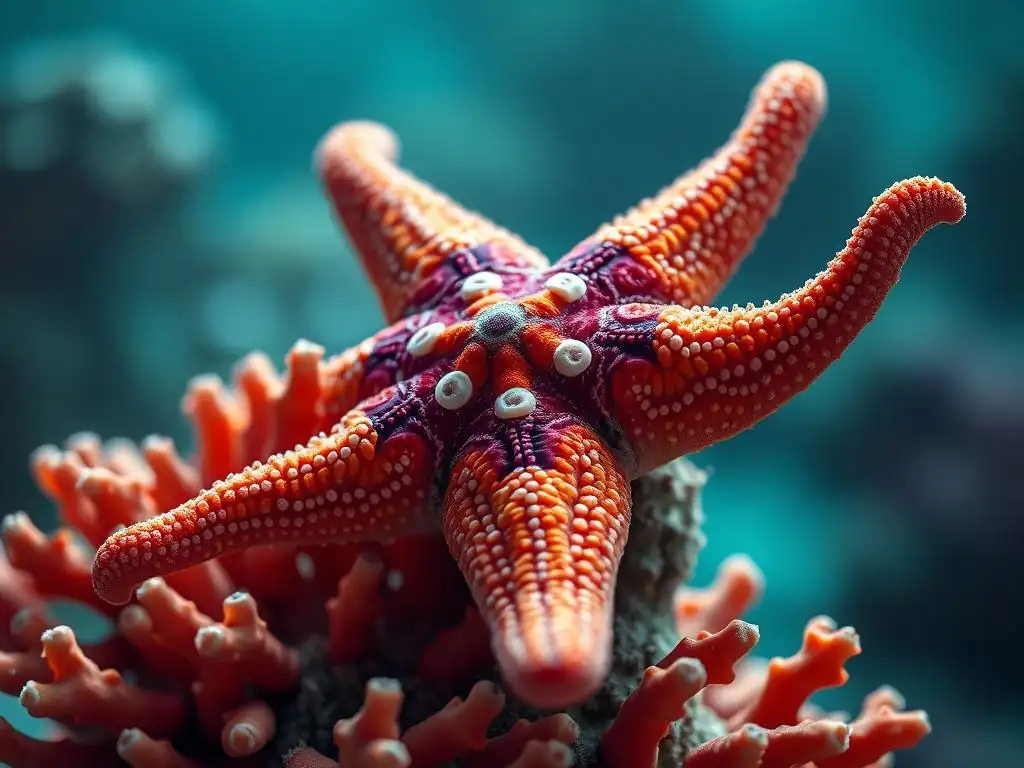
For aquarists considering Linckia starfish reef aquarium care, tank size is not merely about swimming space, but about providing an expansive, continuous grazing surface. A minimum tank size of 75-100 gallons is often cited, but in reality, a significantly larger system, ideally 150 gallons or more, is far more appropriate for a single specimen to have any chance of long-term survival. The larger the tank, the more live rock and glass surface area are available for the essential biofilm and microfauna to colonize and grow.
Beyond sheer volume, the maturity of the aquarium is paramount. A Linckia starfish should only be introduced into a very well-established reef tank that has been running successfully for at least 12-18 months, preferably two years or more. This allows ample time for a robust, diverse, and stable microfauna population to develop across all surfaces. The setup should include abundant live rock (at least 1.5-2 pounds per gallon) with plenty of open surfaces and crevices for grazing, ensuring a constant supply of their microscopic food source.
Water Parameters: Maintaining Optimal Chemistry for Linckia Starfish Health
While Linckia starfish are sensitive to water quality, maintaining a stable and pristine environment is a cornerstone of successful Linckia starfish reef aquarium care. Ideal parameters closely mirror those for a healthy coral reef system, but with an even stricter emphasis on consistency. Salinity should be maintained precisely at 1.024-1.025 specific gravity, and temperature at a steady 76°F (24.4°C). Fluctuations of more than 1-2 degrees in temperature or 0.001-0.002 in salinity can be highly detrimental.
Beyond the basics, calcium levels should be kept between 400-450 ppm, alkalinity at 8-12 dKH, and magnesium between 1250-1350 ppm. These parameters are crucial for their skeletal health and overall physiological function, though their direct consumption of these elements is less than that of stony corals. Most importantly, nitrates must be virtually undetectable (below 5 ppm) and phosphates near zero (below 0.03 ppm). Regular, diligent water testing and consistent weekly or bi-weekly water changes (10-15%) are essential to prevent the accumulation of toxins and maintain this delicate balance.
Substrate and Rockwork: Providing Grazing Surfaces and Hiding Places
The composition and arrangement of substrate and rockwork are critical for Linckia starfish, as these surfaces are their primary feeding grounds. A well-established, living sand bed, preferably 2-4 inches deep, can contribute to the overall microfauna population of the tank, though Linckia primarily graze on hard surfaces. The most vital component is an abundance of mature live rock. This rock should be cured and seeded with diverse bacterial and invertebrate life for many months before a Linckia is introduced. Aim for intricate rock structures that provide ample surface area for biofilm growth.
The rockwork should be arranged to create both open, accessible grazing areas and sheltered crevices where the starfish can retreat from strong currents or potential disturbances. Ensure all rock structures are stable and securely placed to prevent any shifts or collapses that could trap or injure the slow-moving starfish. The more diverse and extensive the live rock structure, the greater the potential for a thriving, natural food source, which is fundamental to successful Linckia starfish reef aquarium care.
Compatibility with Other Invertebrates and Fish: Avoiding Predation and Competition
Careful consideration of tank mates is crucial for Linckia starfish reef aquarium care to ensure the starfish is not preyed upon or outcompeted for its limited food source. Certain fish species are known predators of starfish and should be strictly avoided. These include various triggerfish (e.g., undulated, clown, queen), puffers (e.g., dogface, porcupine), large wrasses (e.g., Coris, Halichoeres species), and some larger predatory crabs. Even seemingly docile fish can occasionally nip at the arms of a slow-moving Linckia, leading to stress and potential infection.
Competition for food is another significant concern. Other heavy grazers or detritivores, such as large hermit crabs (especially those that consume biofilm), some snail species, or other starfish, can quickly deplete the limited food supply of a Linckia. If keeping multiple Linckia starfish, an exceptionally large tank (e.g., 200+ gallons) is necessary to ensure adequate grazing territory for each. Generally, peaceful, reef-safe fish and small, non-aggressive invertebrates that do not directly compete for biofilm are the best tank mates to minimize stress and maximize the Linckia's chances of survival.
Linckia Starfish Species Profiles: Identifying Common Varieties
Blue Linckia Starfish ( Linckia laevigata): A Popular but Demanding Choice
The Blue Linckia Starfish, Linckia laevigata, is arguably the most recognizable and highly desired species in the aquarium trade, primarily due to its striking, uniform blue coloration, which can range from sky blue to deep sapphire. Native to the shallow reef flats and sandy bottoms of the Indo-Pacific, it typically grows to a size of 6-8 inches in diameter. Its smooth, almost leathery texture and graceful movements make it an incredibly attractive addition to any reef display.
However, the Blue Linckia is also one of the most demanding and, consequently, one of the least successful starfish to keep in captivity. Its dietary specialization on specific, thin biofilm layers and microscopic organisms means it struggles immensely to find sufficient sustenance in the limited confines of a home aquarium. Historical data and anecdotal evidence suggest that a vast majority of Blue Linckia starfish perish from starvation within 6-12 months of introduction, even in seemingly well-maintained tanks. This makes long-term Linckia starfish reef aquarium care for this species exceptionally challenging and often leads to ethical considerations regarding its purchase.
Red Linckia Starfish ( Linckia multifora): Considerations for Reef Tanks
The Red Linckia Starfish, Linckia multifora, presents a slightly different appearance and, anecdotally, a marginally better (though still challenging) survival rate in captivity compared to its blue counterpart. This species typically displays shades of red, orange, or a mottled pattern of red and white, often with a slightly rougher texture than L. laevigata. It is often found with arms of varying lengths, a testament to its remarkable regenerative capabilities, as it can readily drop and regrow arms when stressed or attacked in the wild.
Like other Linckia species, L. multifora relies on grazing microscopic biofilm and detritus. While its dietary needs are similar, some aquarists report that it might be slightly more adaptable to a broader range of micro-detrital foods, possibly due to its natural habitat sometimes including areas with more accumulated detritus. However, this adaptability is marginal. Successful Linckia starfish reef aquarium care for L. multifora still necessitates a very large, mature, and well-established reef system with an abundant and diverse microfauna population to provide adequate nutrition.
Marble Linckia Starfish ( Linckia guildingi): A Less Common Species
The Marble Linckia Starfish, Linckia guildingi, is less frequently encountered in the aquarium trade compared to the blue or red varieties, but it is equally captivating. Its coloration is highly variable, often featuring mottled patterns of browns, greens, grays, and creams, resembling polished marble, which gives it its common name. This species can also grow quite large, sometimes reaching up to 12 inches in diameter, making it a truly impressive specimen. It is widely distributed across the Indo-Pacific, often inhabiting slightly deeper waters or areas with more varied substrate.
The care requirements for Linckia guildingi are consistent with other Linckia species: an absolute reliance on grazing microscopic biofilm and detritus for sustenance. Its larger size means it requires an even greater surface area for grazing than its smaller relatives, demanding an exceptionally voluminous and mature reef system (e.g., 200+ gallons) to potentially thrive. Due to its specific and demanding needs, and its larger potential size, successful Linckia starfish reef aquarium care for the Marble Linckia is an endeavor reserved for only the most advanced and dedicated aquarists with truly established ecosystems.
Feeding Linckia Starfish in a Reef Tank: Strategies and Supplements
Cultivating Biofilm and Microfauna: Encouraging Natural Food Sources
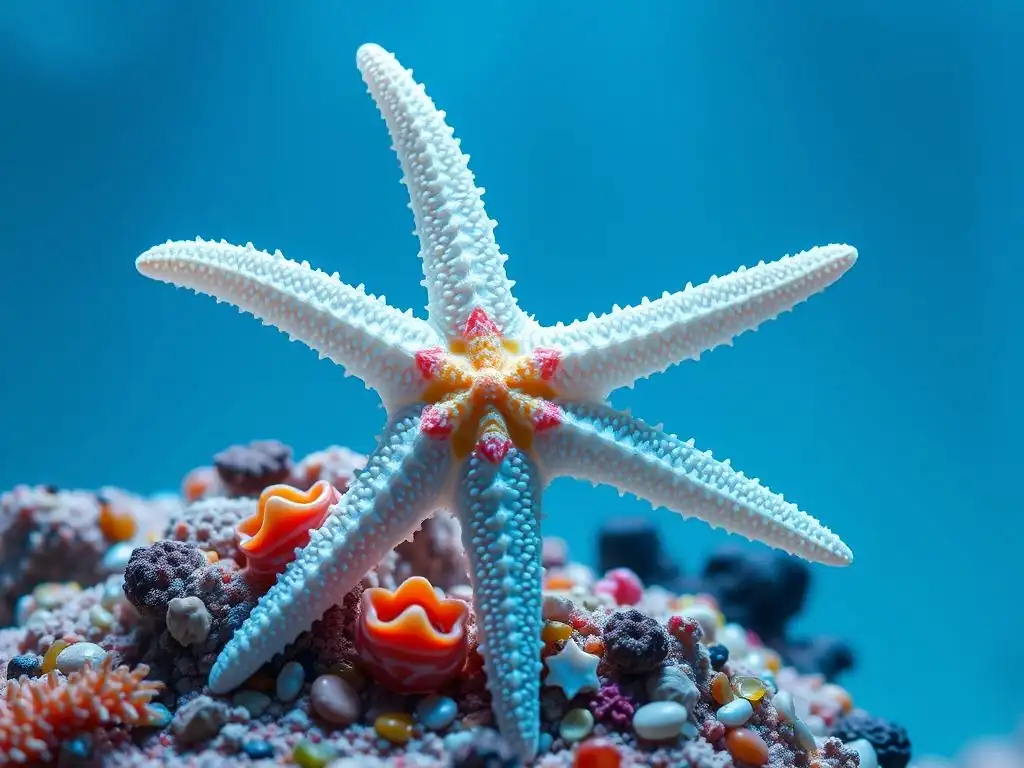
The cornerstone of any attempt at successful Linckia starfish reef aquarium care is the cultivation and preservation of natural food sources within the tank. Since Linckia starfish primarily graze on the microscopic biofilm that coats all surfaces, the most effective strategy is to allow the aquarium to mature for an extended period, ideally 1-2 years, before considering their introduction. This extended period allows for the establishment of a robust and diverse ecosystem of bacteria, diatoms, microalgae, copepods, and other beneficial microfauna across all live rock, substrate, and glass surfaces.
To further encourage this natural food growth, aquarists should avoid overly aggressive cleaning practices. While nuisance algae should be managed, excessive scrubbing of live rock or constant vacuuming of the sand bed can strip away vital food sources. Incorporating a refugium within the sump, stocked with live rock and macroalgae like Chaetomorpha, can serve as an excellent breeding ground for copepods and amphipods, which may occasionally be consumed by the starfish as they circulate into the main display. This approach focuses on creating a self-sustaining food web, mimicking their natural environment as closely as possible.
Supplemental Feeding: Investigating Limited Options
Given the difficulty in providing sufficient natural food, many aquarists explore supplemental feeding options for Linckia starfish, though these are often met with limited success. Unlike many other invertebrates, Linckia starfish do not readily consume traditional prepared foods such as pellets, flakes, or even finely chopped meaty foods. Their unique feeding mechanism, which involves everting their stomach over a surface to digest a thin film, is not adapted for ingesting larger particles.
Some aquarists have experimented with finely powdered spirulina, marine snow products, or specialized invertebrate foods specifically designed to disperse as a fine particulate. These are typically broadcast into the water column or gently directed towards the starfish using a pipette. However, the effectiveness of such methods is highly questionable.
Most of the added food is quickly consumed by other tank inhabitants, removed by filtration, or simply not recognized as a food source by the Linckia. While these attempts might provide a marginal, temporary boost, they are generally insufficient to sustain a Linckia starfish long-term and are not a substitute for a thriving natural biofilm.
The Challenges of Targeted Feeding: Ensuring Linckia Starfish Receive Enough Food
The inherent challenges of targeted feeding for Linckia starfish stem directly from their grazing nature and slow metabolism. Unlike fish or corals that can be spot-fed or respond to a single feeding event, Linckia starfish require a constant, continuous supply of microscopic food across a vast surface area. Attempting to "feed" a Linckia by placing food directly on or near it is largely ineffective because their feeding mechanism requires them to move across a surface, everting their stomach to absorb the thin biofilm.
Even if a suitable finely powdered food is introduced, ensuring that the Linckia actually consumes enough of it before it dissipates or is consumed by more agile tank mates is nearly impossible. The starfish moves at a leisurely pace, and its intake rate is incredibly low. This fundamental incompatibility between their natural feeding behavior and the practicalities of targeted feeding in a closed system reinforces why starvation remains the leading cause of mortality. For effective Linckia starfish reef aquarium care, the focus must always be on cultivating a robust, self-sustaining natural food source rather than relying on direct feeding.
Common Health Issues in Linckia Starfish: Prevention and Treatment
Signs of Starvation: Recognizing Early Warning Signs
Recognizing the early signs of starvation is crucial for Linckia starfish reef aquarium care, though by the time symptoms are apparent, the prognosis is often poor. The most common and insidious health issue for Linckia starfish in captivity is chronic malnutrition. Early indicators include a gradual loss of their vibrant coloration; a healthy Blue Linckia, for instance, will be a deep, uniform blue, whereas a starving one might appear pale, dull, or even translucent in areas.
Another key sign is the thinning or shrinking of their arms. Healthy Linckia starfish have plump, turgid arms; starved individuals will show noticeable emaciation, with their arms appearing shriveled or deflated. They may also become increasingly lethargic, remaining stationary in one spot for extended periods rather than actively grazing. In advanced stages, the tips of their arms may begin to curl, decay, or even fall off. These symptoms indicate severe and prolonged nutritional deficiency, and at this point, reversal is rare, highlighting the importance of preventative measures.
Bacterial Infections: Identifying and Addressing Common Ailments
Bacterial infections are a significant health concern for Linckia starfish, often occurring as secondary complications stemming from stress, poor water quality, or physical injury. These infections can manifest as white, fuzzy patches, lesions, or areas of tissue decay, particularly on the underside, around the mouth, or at the tips of their arms. A healthy starfish should have clean, intact tissue. Infected areas may appear slimy or discolored, and the starfish might exhibit unusual behavior, such as retreating to a secluded spot and remaining inactive.
Treating bacterial infections in a reef aquarium can be challenging, as many medications are harmful to corals and other invertebrates. If an infection is suspected, the starfish should ideally be moved to a dedicated hospital tank with pristine water parameters. Treatment with broad-spectrum antibiotics, such as Furan-2 or similar products designed for aquatic use, might be attempted, following manufacturer guidelines precisely. However, the prognosis for infected starfish is generally guarded. Prevention through stable, high-quality water and minimizing stress is by far the most effective strategy in Linckia starfish reef aquarium care.
Avoiding Physical Damage: Protecting Linckia Starfish from Injury
Linckia starfish are delicate creatures and highly susceptible to physical injury, which can quickly lead to stress, secondary infections, and ultimately, mortality. One of the most critical aspects of their care is to never lift them out of the water. As previously mentioned, air exposure can trap bubbles in their water vascular system, causing internal damage that is often fatal. If a Linckia needs to be moved, it must always be kept fully submerged and gently scooped with a container.
Beyond handling, aquarists must ensure that the tank environment itself poses no physical threats. All live rock should be securely placed to prevent collapses that could crush the slow-moving starfish. Care should be taken to ensure that powerheads or overflow weirs do not create suction zones where the starfish could get trapped or damaged.
Similarly, aggressive tank mates, such as certain crabs or fish prone to nipping, should be avoided as they can cause physical trauma. Any injury, no matter how minor, can serve as an entry point for bacterial infections, making careful environmental management vital for Linckia starfish reef aquarium care.
Alternatives to Linckia Starfish for Reef Aquariums
Reef-Safe Starfish Species: Options with Higher Success Rates
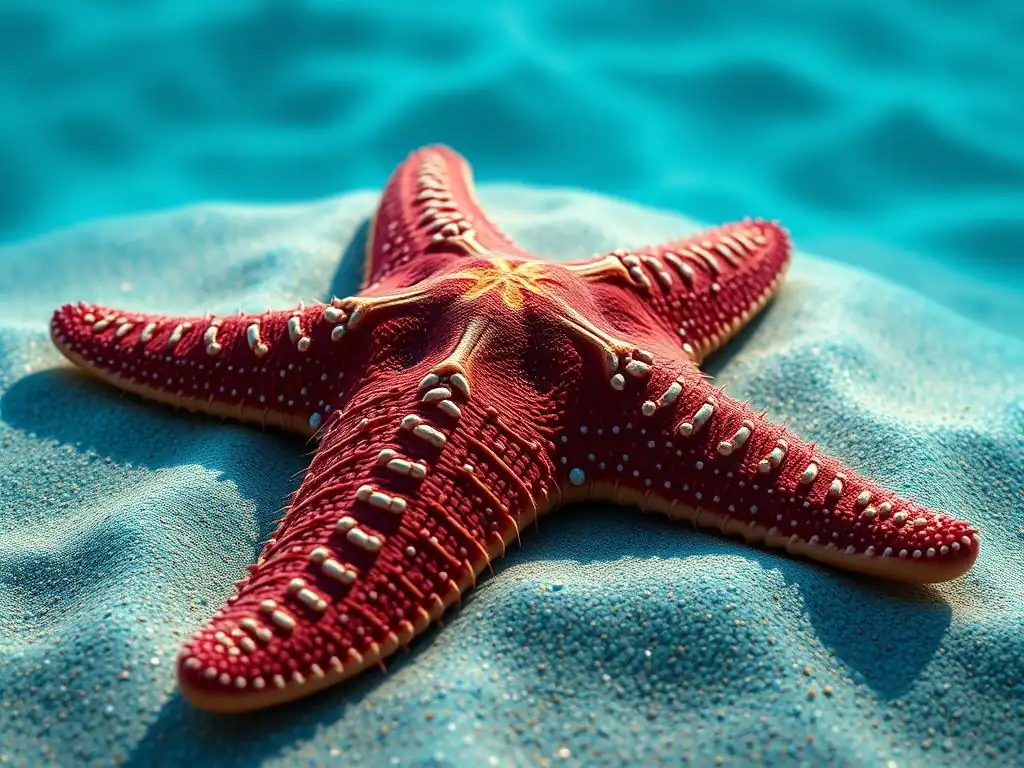
For aquarists seeking the benefits of starfish in their reef tanks without the extreme challenges of Linckia starfish reef aquarium care, several more robust and reef-safe alternatives exist. The Sand Sifting Starfish (Archaster typicus) is an excellent choice for tanks with deep sand beds (at least 2-3 inches). These starfish constantly burrow through the substrate, consuming detritus and keeping the sand bed aerated, though they require very large sand bed areas to avoid starving.
Brittle Stars and Serpent Stars (various Ophiarachna, Ophioderma, Ophiothrix species) are another popular and generally successful group. These are highly efficient scavengers, often nocturnal, and come in a wide array of colors and patterns. Most species are reef-safe, consuming uneaten food and detritus, though some larger species can be predatory towards small fish or invertebrates if not well-fed. Their hardiness and active scavenging make them a far more sustainable choice for general reef tank maintenance and aesthetic appeal.
Other Invertebrates for Detritus Control and Aesthetics: Exploring Alternatives
Beyond other starfish species, a diverse array of invertebrates can provide similar benefits to Linckia starfish in terms of detritus control and aesthetic interest, but with significantly higher success rates in captive environments. Nassarius Snails (Nassarius vibex) are highly recommended for sand beds; they burrow just beneath the surface and emerge rapidly when food is detected, consuming detritus and uneaten food. Their active nature helps keep the sand bed clean and aerated.
Trochus Snails (Trochus histrio, Trochus niloticus) are excellent grazers of nuisance algae on rockwork and glass, and they are generally very hardy. Conch Snails (e.g., Fighting Conch, Strombus alatus) are larger, active sand stirrers and detritivores, providing both function and visual interest.
Finally, various species of Hermit Crabs (e.g., Blue Leg, Scarlet Reef) are effective scavengers, though care must be taken to provide appropriately sized empty shells as they grow, and some species can occasionally bother snails. These alternatives offer a more responsible and rewarding approach to invertebrate stocking, providing the desired benefits without the inherent difficulties of Linckia starfish reef aquarium care.
Linckia Starfish Reef Aquarium Care: The Verdict
Weighing the Risks and Rewards: Is a Linckia Starfish Right for Your Reef Tank?
When considering the addition of a Linckia starfish to a reef aquarium, aquarists must engage in a thorough and honest assessment of the risks versus the rewards. The primary "reward" is the undeniable aesthetic beauty and unique presence these starfish bring to a display. Their vibrant colors and graceful movements are truly captivating. However, the "risks" are substantial and, for most home aquarists, insurmountable. The core challenge lies in their highly specialized diet of microscopic biofilm and microfauna, which a typical captive environment simply cannot provide in sufficient, continuous quantities.
The overwhelming evidence, supported by decades of anecdotal reports and scientific understanding, indicates a very high mortality rate for Linckia starfish in home aquariums, often within months due to slow starvation. Only exceptionally large (150+ gallons), extremely mature (2+ years old), and lightly stocked reef systems, with vast amounts of established live rock and minimal competition, might offer a slim chance of long-term survival.
For the vast majority of aquarists, the answer to whether a Linckia starfish is right for their reef tank is, regrettably, no. The potential for a beautiful display is overshadowed by the high probability of the animal's slow demise.
Responsible Aquarium Keeping: Prioritizing the Well-being of Linckia Starfish
Responsible aquarium keeping dictates that the well-being of the animal should always be the paramount consideration. In the case of Linckia starfish, their specific and demanding care requirements place them squarely in the category of species that are generally unsuitable for the typical home reef aquarium. To knowingly purchase an animal with such a low probability of long-term survival, often succumbing to a prolonged and undignified starvation, raises significant ethical concerns.
Instead of focusing on acquiring these challenging species, aquarists are encouraged to prioritize thorough research and select invertebrates that are known to thrive in captive environments. Embracing the beauty and ecological benefits of more robust and adaptable starfish species, such as brittle stars or sand-sifting stars, or other highly beneficial detritivores like Nassarius snails, represents a more sustainable and ethical approach to reef aquarium keeping. This ensures a fulfilling experience for the aquarist while ensuring the health and longevity of the aquatic inhabitants, promoting a more enlightened approach to Linckia starfish reef aquarium care and beyond.
Frequently Asked Questions
How difficult is it to care for a Linckia starfish in a reef aquarium?
Linckia starfish are considered very difficult to keep. Their high sensitivity to water parameters and specific dietary needs make them unsuitable for most reef aquariums.
What are the ideal water parameters for a Linckia starfish?
Maintaining pristine water quality is crucial. This includes stable salinity, pH, alkalinity, and near-zero nitrate and phosphate levels. Stable calcium and magnesium levels are also essential.
What do Linckia starfish eat in a reef aquarium?
Linckia starfish primarily feed on microbial films and algae found on live rock. Supplementation is difficult, and they often starve in captivity due to insufficient food. They require a well-established reef system.
What are the common signs of a Linckia starfish in distress?
Signs of distress include tissue recession, loss of arms, or a general lack of activity. These symptoms usually indicate poor water quality or starvation.
Are there any other starfish species that are easier to care for in a reef aquarium?
Yes, some starfish species are more reef-safe and easier to maintain. Examples include brittle stars and serpent stars, as they are more adaptable and have a wider range of food sources.
Final Reflection: Embracing the Delicate Balance
The journey of understanding Linckia starfish reef aquarium care underscores a crucial aspect of responsible aquarism: the profound impact our choices have on delicate ecosystems. As we've explored the specific needs and challenges associated with these beautiful but demanding creatures, it becomes clear that their survival in captivity hinges on a deep commitment to replicating their natural environment, a feat often beyond the reach of even experienced hobbyists.
The allure of the Linckia starfish, with its vibrant colors and graceful movements, is undeniable. However, the ethical considerations surrounding their acquisition and care must always take precedence. Their high mortality rate in aquariums serves as a stark reminder of the responsibility we bear when introducing wild-caught organisms into artificial environments. In the end, we will conserve only what we love; we will love only what we understand; and we will understand only what we are taught.
- Baba Dioum's words resonate deeply, urging us to prioritize education and understanding before acquisition.
Ultimately, the question of whether Linckia starfish are "reef aquarium suitable" is not simply a matter of technical feasibility, but one of ethical responsibility. Let us all, as aquarists, strive to be informed stewards of the marine environment, making conscious choices that prioritize the well-being of these magnificent creatures. Before adding any organism to your reef tank, especially one as demanding as the Linckia starfish, ask yourself: are you truly prepared to provide the optimal conditions for its long-term survival and happiness? The answer to that question will determine whether you contribute to its conservation or its demise.
Transform Your Reef: Take the Next Step with Linckia!
Thank you for diving into the world of Linckia starfish with us! We hope you found valuable insights into the challenges and beauty these creatures bring. Now, let's turn that knowledge into action.
- Consider your reef's maturity and stability: Is it truly ready for a Linckia? Research meticulously and observe your tank closely before making a decision.
- Share this article with fellow reef enthusiasts! Help them navigate the complexities of Linckia care.
- Think outside the box: Explore culturing microfauna to supplement your Linckia's diet and increase its chances of thriving.
What specific steps will you take this week to better understand the needs of Linckia starfish and ensure the health of your reef ecosystem?