
Detritus Demolishers: The Key Invertebrates for a Pristine Sand Bed

Welcome to Aquarium Mastery!
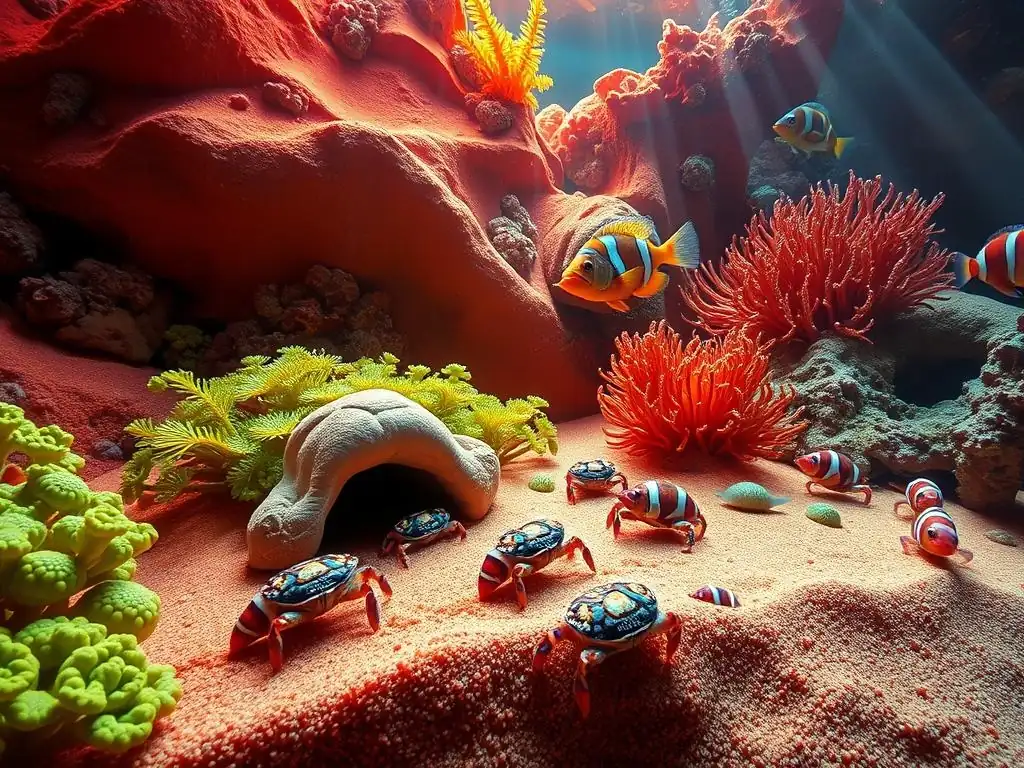
Ever wondered how to keep your saltwater aquarium's sand bed sparkling clean and thriving? Detritus Demolishers: The Key Invertebrates for a Pristine Sand Bed unveils the secrets to a balanced ecosystem by introducing you to the essential invertebrates that act as natural custodians. Dive in to discover which creatures can transform your sand bed and keep your tank flourishing! Ready to learn more about these amazing helpers?
- Understanding the Saltwater Sand Bed Ecosystem
- Top Saltwater Sand Bed Invertebrates for Detritus Removal
- Creating an Ideal Environment for Saltwater Sand Bed Invertebrates
- Troubleshooting Common Issues with Sand Bed Invertebrate Populations
- Integrating Saltwater Sand Bed Invertebrates into Your Aquarium Ecosystem
-
Frequently Asked Questions
- What exactly are detritus demolisher invertebrates, and why are they important in a saltwater aquarium?
- What are some examples of effective detritus demolisher invertebrates commonly used in saltwater aquariums?
- How many detritus demolisher invertebrates should I add to my saltwater aquarium sand bed?
- What are the potential risks or drawbacks of introducing detritus demolisher invertebrates to my saltwater aquarium?
- How can I ensure the long-term health and survival of my detritus demolisher invertebrates in my saltwater aquarium?
- Final Reflection: Guardians of the Grain
- Transform Your Tank: Invite the Sandbed Clean-Up Crew!
Understanding the Saltwater Sand Bed Ecosystem
The Importance of a Healthy Sand Bed in Saltwater Aquariums
The sand bed in a saltwater aquarium is far more than just a decorative substrate; it is a vital component of the entire ecosystem, acting as a natural biological filter and a crucial habitat. Within its layers, beneficial bacteria thrive, performing essential processes like nitrification and denitrification. This bacterial activity helps convert harmful ammonia and nitrite into less toxic nitrates, and further, in deeper anaerobic zones, can even convert nitrates into harmless nitrogen gas, significantly reducing the need for extensive water changes and maintaining overall water quality.
Beyond its filtration capabilities, a healthy sand bed provides a diverse microhabitat for a myriad of microscopic organisms, including copepods, amphipods, and various worms. These tiny creatures form the base of the aquarium's food web, serving as a continuous, natural food source for fish and corals. A thriving community of saltwater sand bed invertebrates ensures that this complex ecosystem remains balanced and resilient, contributing to the long-term stability and success of the marine environment.
Detritus Accumulation and its Impact on Water Quality
Detritus, composed of uneaten fish food, fish waste, decaying plant matter, and other organic debris, is an unavoidable byproduct in any aquarium. If left to accumulate, particularly within the sand bed, it can rapidly decompose, leading to a cascade of negative consequences for water quality. This decomposition process releases significant amounts of nutrients, primarily nitrates and phosphates, which act as fuel for undesirable nuisance algae blooms, such as unsightly green hair algae, cyanobacteria (red slime algae), and even toxic dinoflagellates.
Moreover, excessive detritus can lead to the formation of anaerobic (oxygen-depleted) zones within the sand bed. In these anoxic conditions, different types of bacteria proliferate, producing hydrogen sulfide, a highly toxic gas that smells like rotten eggs and can be lethal to fish and saltwater sand bed invertebrates if released into the water column. This highlights the critical need for effective detritus management to prevent water quality degradation and ensure a healthy, thriving marine aquarium.
The Role of Invertebrates in Sand Bed Maintenance
Saltwater sand bed invertebrates are the unsung heroes of the aquarium, forming a natural "clean-up crew" that tirelessly works to maintain a pristine and healthy substrate. These diverse creatures, ranging from snails and starfish to sea cucumbers, actively consume detritus, uneaten food, and decaying organic matter, preventing their accumulation and subsequent breakdown into harmful compounds. Their constant burrowing, sifting, and grazing activities are essential for the overall well-being of the aquarium.
The continuous movement of these saltwater sand bed invertebrates helps to aerate the substrate, preventing compaction and facilitating oxygen penetration into deeper layers. This aeration is crucial for supporting beneficial aerobic bacteria and preventing the formation of toxic anaerobic pockets. By integrating a carefully selected mix of these detritus-eating invertebrates, aquarists can establish a self-sustaining cleaning system that significantly reduces manual maintenance and promotes a more stable and vibrant marine ecosystem.
Top Saltwater Sand Bed Invertebrates for Detritus Removal
Nassarius Snails: The Scavengers of the Sand
Nassarius Snail Feeding Habits and Detritus Consumption
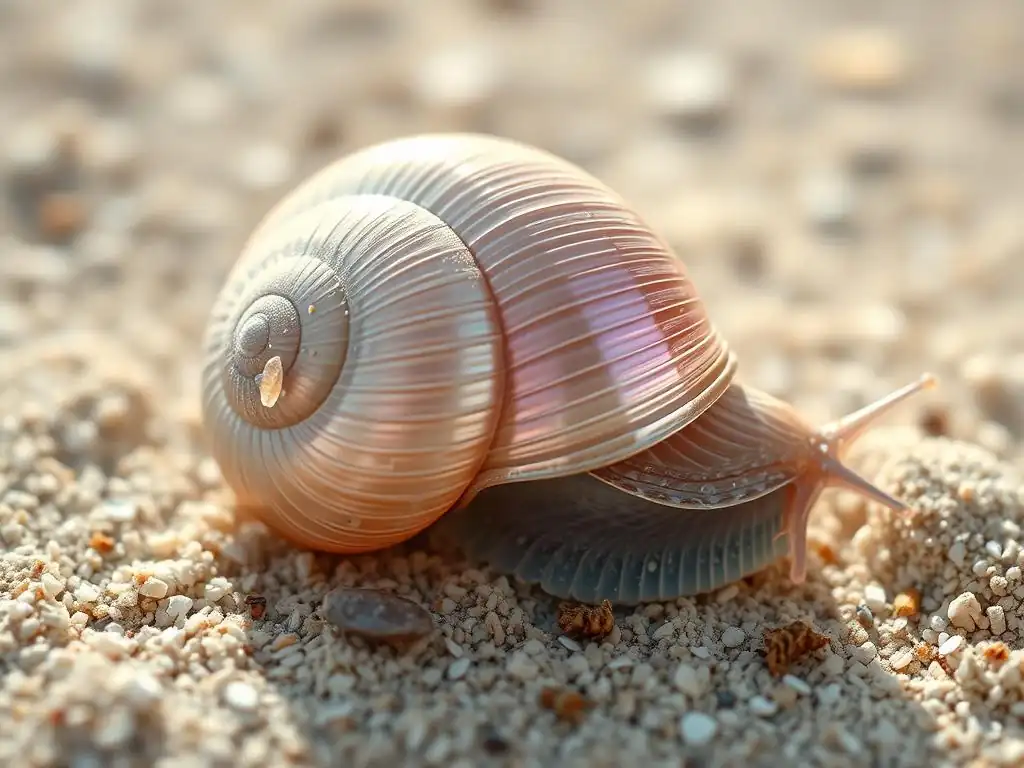
Nassarius snails, particularly species like Nassarius vibex and Nassarius distortus, are renowned for their exceptional scavenging abilities and are indispensable saltwater sand bed invertebrates. These opportunistic carnivores possess an acute sense of smell, allowing them to rapidly detect and emerge from the sand when food or decaying organic matter is present in the water column. They will then quickly move across the sand bed, consuming uneaten fish food, fish waste, and even small dead inhabitants before these materials can break down and pollute the water.
Their unique feeding behavior involves extending a long siphon to "sniff out" food, then burying themselves slightly to consume the detritus. This constant activity helps to stir the upper layers of the sand, preventing the accumulation of organic debris on the surface and ensuring that it is processed efficiently. A healthy population of Nassarius snails actively contributes to a cleaner substrate, reducing the nutrient load and minimizing the risk of nuisance algae outbreaks.
Choosing the Right Number of Nassarius Snails for Your Tank
Determining the appropriate number of Nassarius snails for your aquarium is crucial for effective detritus control without leading to starvation or overpopulation. A general guideline often recommended by experienced aquarists is to introduce approximately one Nassarius snail for every 2 to 3 gallons of aquarium volume. For instance, a 50-gallon reef tank might benefit from a clean-up crew including 15 to 25 Nassarius snails to adequately cover the sand bed.
However, the ideal number can also depend on your feeding habits and the overall bioload of your tank. Heavily fed tanks or those with a higher fish population may require a slightly denser concentration of these saltwater sand bed invertebrates. Conversely, very lightly fed or sparsely populated tanks might thrive with fewer snails. Regularly observe your sand bed; if detritus is visibly accumulating, consider adding a few more. If snails appear emaciated or inactive, it might indicate insufficient food, suggesting a reduction in numbers is needed.
Cerith Snails: Efficient Algae and Detritus Grazers
Cerith Snail Benefits Beyond Detritus Removal
Cerith snails ( Cerithium spp.) are highly versatile saltwater sand bed invertebrates prized for their multi-faceted contributions to aquarium cleanliness. While they are efficient detritus consumers, actively sifting through the top layers of sand to ingest decaying organic matter and uneaten food, their benefits extend much further. They are also prolific grazers of various types of nuisance algae, including diatoms (brown algae), green film algae, and even some forms of cyanobacteria that often colonize the sand surface, glass, and live rock.
Their constant movement across surfaces and through the sand bed prevents the compaction of the substrate, thereby improving oxygen penetration into the upper layers. This aeration supports beneficial aerobic bacteria and discourages the formation of harmful anaerobic pockets. Furthermore, their grazing helps to maintain the aesthetic appeal of the aquarium by keeping surfaces clean and free from unsightly algal growths, making them an indispensable component of any effective clean-up crew.
Maintaining a Healthy Cerith Snail Population
To ensure a thriving population of Cerith snails, providing a stable and appropriate environment is key. They require consistent water parameters, with salinity maintained between 1.023 and 1.026 specific gravity and temperatures typically ranging from 75-78°F (24-26°C). While they are excellent grazers, if your tank is exceptionally clean with minimal algae and detritus, supplemental feeding with spirulina flakes or algae wafers can help sustain them, preventing starvation.
It's also crucial to avoid the use of copper-based medications, as copper is highly toxic to all saltwater sand bed invertebrates, including Cerith snails, even in trace amounts. Many species of Cerith snails will reproduce in a home aquarium, laying characteristic spiral egg masses on tank surfaces. Maintaining optimal conditions and a stable food supply will encourage their natural breeding, helping to sustain your clean-up crew without constant replenishment.
Brittle Stars: Deep Cleaners of the Sand Bed
Brittle Star Diet and Detritus Processing
Brittle stars, particularly the smaller, reef-safe species, are effective scavengers that contribute significantly to the cleanliness of the sand bed and rockwork. Using their flexible, spiny arms, they constantly probe the substrate and crevices, searching for and consuming detritus, uneaten food, and decaying organic matter. Species like the Mini Brittle Star ( Ophiactis savignyi) are prolific and can form large, highly effective populations that work tirelessly, often unseen, to process organic waste.
These saltwater sand bed invertebrates are primarily nocturnal, emerging after the lights are off to begin their foraging. Their deep-cleaning action helps to prevent the accumulation of detritus within the sand bed's deeper layers, where it could otherwise lead to anaerobic conditions. While they are opportunistic feeders, their diet largely consists of the organic debris that would otherwise break down into harmful compounds, making them a valuable asset in maintaining water quality.
Selecting Compatible Brittle Star Species
When considering brittle stars for your sand bed clean-up crew, species selection is paramount to ensure compatibility and avoid potential issues. It is critical to avoid large, predatory species such as the Green Brittle Star ( Ophiarachna incrassata), which can grow to an arm span of 18 inches or more and are known to prey on small fish and other saltwater sand bed invertebrates, especially at night. Their aggressive nature makes them unsuitable for most reef or community tanks.
Instead, opt for smaller, truly reef-safe species. Excellent choices include the Mini Brittle Star, which rarely exceeds an inch in size and reproduces readily; the Dwarf Brittle Star ( Ophiocoma pumila); or various Serpent Stars ( Ophiolepsis spp.), which typically remain under 6-8 inches and are non-predatory. These smaller species will efficiently clean the sand and rockwork without posing a threat to your other aquarium inhabitants, ensuring a harmonious and clean ecosystem.
Sand Sifting Starfish: The Pros and Cons
The Impact of Sand Sifting Starfish on Microfauna
Sand sifting starfish, such as the common Sand Sifting Starfish ( Archaster typicus), are highly efficient at consuming detritus and aerating the sand bed through their constant burrowing and sifting activities. They are incredibly effective at processing large volumes of substrate, leaving behind a visibly cleaner sand bed. However, their indiscriminate feeding method presents a significant drawback: they consume vast quantities of beneficial microfauna.
This microfauna, including copepods, amphipods, and various types of worms, is crucial for the long-term health and stability of the sand bed ecosystem. These tiny organisms contribute to nutrient cycling, further break down detritus, and serve as a natural food source for other tank inhabitants like mandarinfish. The continuous depletion of these essential saltwater sand bed invertebrates by sand sifting starfish can lead to a less biodiverse and less stable sand bed over time, potentially impacting the overall health of the aquarium.
Responsible Sand Sifting Starfish Keeping
Given their impact on microfauna, responsible keeping of sand sifting starfish requires specific considerations. They are best suited for very large, well-established aquariums, typically 75 gallons or more, with a deep sand bed of at least 3-4 inches. This substantial volume of substrate provides a larger habitat for microfauna to attempt to recover and sustain the starfish's dietary needs. In smaller tanks, starvation is a common issue for these specialized saltwater sand bed invertebrates.
Supplemental feeding is often necessary, even in large tanks, to reduce their reliance on the sand bed's natural inhabitants. Sinking pellets or small pieces of meaty foods can be target-fed. Aquarists should closely monitor the starfish's condition; a healthy starfish will be plump and actively sifting, while a thin or inactive one indicates insufficient food. Careful consideration of your tank's size and maturity is essential before introducing these powerful, yet potentially disruptive, substrate cleaners.
Sea Cucumbers: Detritus Vacuum Cleaners
Sea Cucumber Feeding Strategies
Sea cucumbers are arguably the ultimate detritus vacuum cleaners among saltwater sand bed invertebrates. Species like the Tiger Tail Cucumber ( Holothuria hilla) or the Donkey Dung Cucumber ( Holothuria impatiens) exhibit a unique feeding strategy: they constantly ingest large quantities of sand and substrate. As the sand passes through their digestive system, they extract and consume the organic detritus, decaying matter, and microscopic organisms embedded within it.
After processing, they excrete "clean" sand, leaving behind distinctive piles or trails. This continuous ingestion and excretion not only removes accumulated detritus but also provides invaluable aeration to the deepest layers of the sand bed, areas often untouched by other clean-up crew members. A single medium-sized sea cucumber can process several pounds of sand per day, dramatically reducing the potential for anaerobic pockets and the production of harmful hydrogen sulfide.
Choosing the Right Sea Cucumber for Sand Bed Health
Selecting the appropriate sea cucumber species is crucial for both sand bed health and the safety of your aquarium. While many species are excellent detritivores, some can pose significant risks. For example, the Leopard Sea Cucumber ( Bohadschia graeffei) or the California Sea Cucumber ( Parastichopus californicus) can grow very large and, when stressed, are known to eviscerate (expel their internal organs), releasing potent toxins (holothurin) that can wipe out an entire tank.
For most home aquariums, smaller, less toxic, and more reef-safe species are recommended. The Tiger Tail Cucumber ( Holothuria hilla) and the Donkey Dung Cucumber ( Holothuria impatiens) are generally good choices for tanks 50 gallons or larger with a deep sand bed (at least 3 inches). Always research the specific needs and potential risks of any sea cucumber before introduction. Provide stable water parameters and avoid sudden changes, as stress is the primary trigger for evisceration in these unique saltwater sand bed invertebrates.
Creating an Ideal Environment for Saltwater Sand Bed Invertebrates
Maintaining Proper Water Parameters for Invertebrates
Maintaining stable and optimal water parameters is the cornerstone of a thriving environment for saltwater sand bed invertebrates. Consistent salinity levels, ideally between 1.024 and 1.026 specific gravity (34-35 ppt), are critical, as sudden shifts can cause osmotic shock. Temperature should be kept steady, typically within the range of 75-78°F (24-26°C), and pH levels should consistently fall between 8.1 and 8.4. Fluctuations in these primary parameters can severely stress invertebrates, leading to reduced activity, disease, or even death.
Beyond these basic parameters, ensuring appropriate levels of alkalinity (7-11 dKH), calcium (400-450 ppm), and magnesium (1250-1350 ppm) is vital for the calcifying saltwater sand bed invertebrates like snails and brittle stars, supporting their shell and skeletal growth. Regular testing with reliable test kits allows aquarists to promptly identify and correct any deviations, proactively safeguarding the health and effectiveness of their clean-up crew.
Providing Adequate Substrate Depth and Composition
The physical characteristics of your sand bed directly influence which saltwater sand bed invertebrates will thrive and how effectively they can perform their cleaning duties. For surface dwellers and shallow burrowers like most Nassarius and Cerith snails, a shallow sand bed (SSB) of 1 to 2 inches is generally sufficient. However, for deeper burrowing species such as certain brittle stars, sea cucumbers, or specialized sand-sifting starfish, a deep sand bed (DSB) of 4 to 6 inches is essential. This depth allows them to fully express their natural behaviors, including extensive burrowing and detritus processing in the lower layers.
Regarding composition, a grain size ranging from 0.5mm to 2mm is typically ideal for most saltwater sand bed invertebrates. Finer sand can compact too easily, creating anaerobic zones and hindering burrowing, while excessively coarse sand may not retain detritus effectively for consumption. Using aragonite or "live sand" provides a beneficial buffering capacity and introduces a diverse microbial population from the start, enhancing the overall health of the substrate.
Avoiding Overfeeding to Minimize Detritus Buildup
Overfeeding is one of the most common mistakes in aquarium husbandry and a primary contributor to excessive detritus accumulation. When fish are fed more than they can consume within a few minutes, the uneaten food settles into the sand bed and rockwork, where it rapidly decomposes. This decomposition releases a surge of nitrates and phosphates, which not only fuels nuisance algae blooms but also places an unnecessary burden on your saltwater sand bed invertebrates.
By adopting a disciplined feeding regimen, providing only what your fish and corals can consume within 2-3 minutes, once or twice daily, you can significantly reduce the amount of organic waste entering the system. This proactive approach not only lightens the workload for your clean-up crew but also directly contributes to superior water quality, clearer water, and a more stable and healthy environment for all inhabitants, allowing your saltwater sand bed invertebrates to focus on managing natural detritus levels.
Ensuring Sufficient Oxygen Levels in the Sand Bed
While some anaerobic zones are desirable in a deep sand bed for denitrification, excessive anoxia throughout the substrate can lead to the production of toxic hydrogen sulfide, identifiable by its rotten egg smell. This gas is highly lethal to fish and saltwater sand bed invertebrates. Therefore, ensuring sufficient oxygen levels, particularly in the upper layers of the sand bed, is paramount for a healthy aquarium.
Adequate water flow across the sand surface is crucial, as it facilitates oxygen exchange at the water-substrate interface. Furthermore, the constant sifting, burrowing, and grazing activities of many saltwater sand bed invertebrates naturally aerate the substrate. Their movement prevents compaction and allows oxygen to penetrate deeper, supporting beneficial aerobic bacteria and preventing the widespread formation of dangerous anoxic pockets. This natural aeration provided by your clean-up crew is indispensable for maintaining a vibrant and safe sand bed.
Troubleshooting Common Issues with Sand Bed Invertebrate Populations
Identifying and Addressing Invertebrate Die-Off
A sudden or gradual die-off of saltwater sand bed invertebrates is a critical indicator of an underlying problem in the aquarium and requires immediate investigation. Common causes include rapid or drastic fluctuations in water parameters (salinity, temperature, pH), the presence of toxic substances such as copper-based medications (even trace amounts are lethal), elevated ammonia or nitrite levels, or severe starvation due to insufficient food or overstocking of the clean-up crew. Signs of distress include lethargy, snails remaining withdrawn into their shells for prolonged periods, or brittle stars losing arms.
To address a die-off, first perform a significant water change (20-30%) using properly mixed saltwater to dilute any potential toxins. Immediately test all critical water parameters, including copper if any medications have been used recently. If copper is detected, employ a reliable copper-removing media. If starvation is suspected, reduce the clean-up crew numbers or begin supplementing their diet with appropriate foods. Prompt identification and correction of the cause are vital to prevent further losses and stabilize the ecosystem.
Preventing Overpopulation of Specific Species
While a thriving clean-up crew is desirable, certain saltwater sand bed invertebrates, such as Nassarius snails, Cerith snails, and Mini Brittle Stars, can reproduce prolifically in a stable, well-fed aquarium. While initially a sign of a healthy environment, an unchecked population boom can eventually lead to overpopulation. This results in intense competition for food resources, depletion of the detritus supply, and ultimately, a mass die-off due to starvation, which can then further pollute the tank.
To prevent overpopulation, regularly monitor the numbers of your clean-up crew. If you observe an excessive increase in a particular species, you can manually remove some individuals. These can often be given to another hobbyist or a local fish store. Adjusting your feeding habits to slightly reduce the amount of uneaten food can also help control population growth by limiting their primary food source, thereby maintaining a balanced and sustainable clean-up crew in your aquarium.
Managing Algae Blooms that Compete with Invertebrates
Nuisance algae blooms, such as cyanobacteria (red slime algae) or dinoflagellates, can pose a significant threat to saltwater sand bed invertebrates and the overall health of the sand bed. These aggressive algal growths can physically smother snails and other benthic creatures, blocking their access to light, oxygen, and food sources. Furthermore, they directly compete with algae-grazing invertebrates for available nutrients, potentially leading to starvation for your clean-up crew.
Effective management of algae blooms involves addressing the root cause, which is typically elevated nitrate and phosphate levels or insufficient water flow. Implement nutrient export strategies such as regular, larger water changes, the use of GFO (Granular Ferric Oxide) or carbon dosing, and ensuring adequate water circulation across the sand bed. While increasing the population of specific algae-eating saltwater sand bed invertebrates like Cerith snails can help, the primary focus should always be on improving water quality and nutrient control to resolve the underlying issue.
Integrating Saltwater Sand Bed Invertebrates into Your Aquarium Ecosystem
Introducing New Invertebrates Gradually
The successful integration of new saltwater sand bed invertebrates into your aquarium hinges on proper acclimation. These creatures are highly sensitive to sudden changes in water parameters, including salinity, temperature, and pH, which can differ significantly between their transport water and your display tank. A rapid transition can induce severe stress, leading to shock, illness, or even death.
The recommended method for introducing new invertebrates is drip acclimation. This involves slowly dripping water from your aquarium into the container holding the new invertebrates over an extended period, typically 45-60 minutes. This gradual process allows the invertebrates to slowly adjust to the new water chemistry. Once acclimated, gently transfer them to your sand bed or rockwork, avoiding rough handling. Observe them closely for the first few hours and days; healthy saltwater sand bed invertebrates should quickly become active and begin exploring their new surroundings.
Observing Invertebrate Behavior for Signs of Stress
Regular and attentive observation of your saltwater sand bed invertebrates is a powerful tool for early detection of stress, illness, or environmental issues. Healthy snails will be actively moving and grazing, extending their bodies from their shells. If a snail remains withdrawn into its shell for an extended period, falls off the glass and doesn't right itself, or appears lethargic, it's a clear sign of distress. Brittle stars may lose arms, and sea cucumbers might appear shrunken or attempt to eviscerate if severely stressed.
These behavioral changes often indicate underlying problems such as poor water quality (e.g., ammonia or nitrite spikes, low oxygen), starvation, or the presence of toxins. Promptly test your water parameters, increase aeration if necessary, or provide supplemental feeding if food scarcity is suspected. Early intervention based on these observations can often prevent further losses and help maintain a robust and effective clean-up crew.
Monitoring Water Quality Regularly to Ensure Invertebrate Health
Consistent and diligent monitoring of your aquarium's water quality is arguably the most critical factor in ensuring the long-term health and effectiveness of your saltwater sand bed invertebrates. Perform routine weekly tests for essential parameters such as salinity, temperature, pH, ammonia, nitrite, and nitrate. Additionally, monthly tests for alkalinity, calcium, and magnesium are highly recommended, especially in reef-keeping setups, as these levels directly impact the shell and skeletal health of many invertebrates.
Maintaining stable and optimal parameters prevents environmental stress that can weaken your clean-up crew and compromise their ability to perform their vital detritus-consuming roles. Any significant deviations from ideal ranges should be addressed immediately through appropriate actions, such as performing a water change, adjusting dosing, or increasing filtration. A proactive approach to water quality management ensures that your saltwater sand bed invertebrates remain robust and can effectively contribute to keeping your aquarium pristine and balanced.
Frequently Asked Questions
What exactly are detritus demolisher invertebrates, and why are they important in a saltwater aquarium?
These are invertebrates that consume detritus – decaying organic matter – in a saltwater aquarium's sand bed. They are important because they maintain water quality and prevent the build-up of harmful substances.
What are some examples of effective detritus demolisher invertebrates commonly used in saltwater aquariums?
Common examples include various types of snails (like Nassarius and Cerith snails), sand-sifting starfish, and certain types of bristle worms (although some can be pests).
How many detritus demolisher invertebrates should I add to my saltwater aquarium sand bed?
The number depends on the size of your tank and the amount of detritus produced. Start with a small number and observe their impact, adjusting as needed to maintain a healthy sand bed.
What are the potential risks or drawbacks of introducing detritus demolisher invertebrates to my saltwater aquarium?
Some invertebrates, like certain bristle worms, can become overpopulated and disruptive. Others might prey on beneficial organisms or compete for resources if not properly managed.
How can I ensure the long-term health and survival of my detritus demolisher invertebrates in my saltwater aquarium?
Provide a stable and mature aquarium environment with adequate food sources. Avoid using copper-based medications, which are toxic to invertebrates, and maintain proper water parameters.
Final Reflection: Guardians of the Grain
The intricate dance of life within a saltwater aquarium's sand bed, often unseen, is undeniably critical for maintaining a healthy and thriving ecosystem. What we've explored in this article, the vital roles of these "Detritus Demolishers," isn't just about keeping a tank clean; it's about understanding the fundamental principles of nutrient cycling and the delicate balance upon which aquatic life depends. Ignoring these tiny custodians can lead to cascading problems, highlighting the profound impact even the smallest creatures can have on a larger system.
This exploration has underscored the often overlooked beauty and importance of the microscopic world within our aquariums. It reminds us that responsible reef keeping extends beyond simply adding aesthetically pleasing corals and fish. It requires a deeper appreciation for the interconnectedness of all living things and the crucial role of decomposers in maintaining equilibrium. In nature, nothing exists alone.
- Rachel Carson. This quote perfectly encapsulates the symbiotic relationships that thrive within a healthy sand bed, a microcosm of the larger ocean ecosystem.
Now, consider the implications of this knowledge. How can you, as a saltwater enthusiast, actively cultivate a thriving sand bed environment? Reflect on your current practices. Are you providing adequate substrate, maintaining proper flow, and introducing beneficial invertebrates? Let this article be a catalyst for a more informed and conscientious approach to aquarium keeping, ensuring that these unsung heroes continue to work their magic, creating a pristine and vibrant underwater world for generations to come.
Transform Your Tank: Invite the Sandbed Clean-Up Crew!
Thanks for diving into the world of detritus demolishing! You've now got the intel to create a thriving, pristine sand bed. Ready to put that knowledge into action and watch your aquarium flourish?
Here's how:
- Immediately assess your current sand bed: Identify areas with excessive detritus buildup to target your new clean-up crew. This will help you determine the number and type of invertebrates you need.
- Research and select three detritivore species that fit your aquarium's specific needs and bioload. Don't just go for the usual suspects - explore options like Nassarius snails or Tiger Conch.
- Share this article with a fellow reef enthusiast! Spreading the knowledge helps everyone build healthier aquariums.
Ready to get started and show us your "before & after" photos of your rejuvenated sandbed?