
Crafting the Perfect Lake Malawi Biotope for Mbuna & Peacock Cichlids

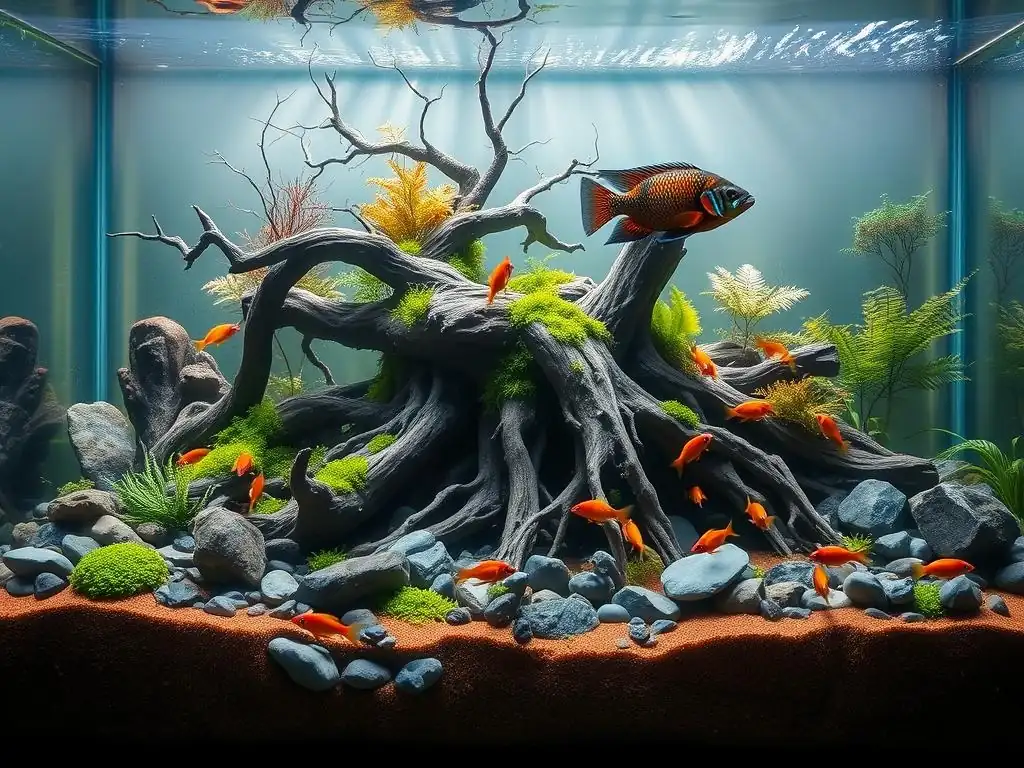
Welcome to Aquarium Mastery!
Ever wondered how to recreate the vibrant underwater world of Lake Malawi in your own home? Dive in and discover the secrets to a thriving Lake Malawi biotope setup, perfect for showcasing the dazzling colors of Mbuna and Peacock Cichlids. This isn't just about filling a tank; it's about building an ecosystem. Keep reading to unlock the key to a stunning and biologically balanced aquarium!
- Crafting a Lake Malawi Biotope Aquarium
- Understanding the Lake Malawi Biotope
- Essential Elements for a Lake Malawi Biotope
- Water Chemistry: Replicating Lake Malawi's Conditions
- Filtration and Water Quality
- Selecting Mbuna and Peacock Cichlids
- Feeding Lake Malawi Cichlids
- Maintaining a Lake Malawi Biotope
- Troubleshooting Common Issues
- The Rewards of a Well-Maintained Biotope
-
Frequently Asked Questions
- How is a Lake Malawi biotope different from a general freshwater aquarium?
- What are the key water parameters to maintain for a Lake Malawi biotope?
- What type of substrate is best suited for a Lake Malawi biotope?
- What kind of rockwork should I include in my Lake Malawi biotope?
- What types of fish are suitable for a Lake Malawi biotope besides Mbuna and Peacock Cichlids?
- Final Reflection: Embracing the Underwater Ecosystem
- Dive Deeper: Create Your Own Lake Malawi Paradise!
Crafting a Lake Malawi Biotope Aquarium
Understanding the Lake Malawi Biotope
What is a Lake Malawi Biotope Aquarium?
A Lake Malawi biotope aquarium is a specialized aquatic environment meticulously designed to replicate the natural habitat of cichlids found in Lake Malawi, East Africa. This type of setup aims to mimic the specific geological features, water chemistry, and ecological conditions of the lake, providing an authentic and stress-reducing home for its inhabitants. The primary focus of a Lake Malawi biotope setup is to create a rocky, alkaline, and hard water environment, devoid of live plants (as they are scarce in the natural rocky zones Mbuna inhabit) and rich in hiding spots and territorial boundaries for the fish.
The authenticity of a Lake Malawi biotope setup extends beyond just aesthetics; it is crucial for the health and behavioral expression of the fish. By providing conditions that mirror their ancestral home, aquarists can observe natural behaviors such as territorial displays, intricate breeding rituals, and specific feeding habits, which might not be evident in a generic freshwater tank. This attention to detail in the Lake Malawi biotope setup ensures the long-term well-being and vibrant coloration of these captivating cichlids.
Benefits of Recreating the Lake Malawi Environment
Recreating the Lake Malawi environment offers numerous advantages for both the cichlids and the aquarist. For the fish, a properly executed Lake Malawi biotope setup significantly reduces stress levels by providing familiar surroundings and the specific water parameters they thrive in. This leads to stronger immune systems, increased longevity, and more vibrant coloration, with fish exhibiting their full potential in terms of natural patterns and hues. Furthermore, the structured rockwork provides essential territorial boundaries, minimizing inter-species aggression and allowing for a more harmonious community.
Beyond the well-being of the fish, a Lake Malawi biotope setup provides an incredibly engaging and educational experience for the aquarist. Witnessing the natural behaviors, such as the intricate courtship dances of Peacock cichlids or the diligent cave guarding of Mbuna, offers a deeper appreciation for these unique fish.
According to observations from experienced aquarists, cichlids housed in biotope-accurate tanks often display breeding behaviors within months of setup, a testament to their comfort and security in the environment. The stability of water parameters in such a setup also simplifies maintenance in the long run, as the natural buffering capacity of the substrate and rocks helps to maintain the desired pH and hardness.
Mbuna and Peacock Cichlids: Differences and Compatibility
Mbuna and Peacock cichlids are the two primary groups of Lake Malawi cichlids commonly kept in aquariums, each with distinct characteristics that influence a Lake Malawi biotope setup. Mbuna, meaning "rock fish" in the local Tonga language, are typically smaller, more aggressive, and primarily herbivorous, grazing on algae and biofilm found on rocks. They are known for their bold colors and strong territorial instincts, requiring ample rockwork to establish their domains. Popular Mbuna species include the Electric Yellow Lab ( Labidochromis caeruleus) and the Demasoni Cichlid ( Pseudotropheus demasoni).
Peacock cichlids ( Aulonocara species), in contrast, are generally more slender, less aggressive, and primarily omnivorous or carnivorous, feeding on small invertebrates found in the sandy substrates or open water. Males are renowned for their brilliant, iridescent colors, often displaying shades of blue, red, and yellow. Examples include the Sunshine Peacock ( Aulonocara stuartgranti "Ngara") and the Blue Neon Peacock ( Aulonocara jacobfreibergi).
While both groups originate from Lake Malawi, their differing temperaments and dietary needs present compatibility challenges. Successfully combining them in a Lake Malawi biotope setup often requires careful planning, typically favoring more docile Mbuna species with Peacock cichlids in larger tanks to mitigate aggression and ensure proper feeding.
Essential Elements for a Lake Malawi Biotope
Tank Size Considerations
The appropriate tank size is a foundational element for any successful Lake Malawi biotope setup, directly impacting the health, aggression levels, and overall well-being of your cichlids. For a community of Mbuna cichlids, a minimum tank size of 55 gallons (approximately 208 liters) is generally recommended to provide sufficient swimming space and territory for a small group of around 8-12 juvenile fish.
However, for a mixed community of Mbuna and Peacock cichlids, or for larger adult specimens, a 75-gallon (approximately 284 liters) or even 125-gallon (approximately 473 liters) tank is significantly better. Larger tanks dilute aggression more effectively, allowing for more diverse stocking and reducing stress.
When planning your Lake Malawi biotope setup, consider the footprint of the tank rather than just its volume. A longer tank (e.g., a 72-inch 125-gallon tank) provides more horizontal swimming space and more surface area for rockwork, which is crucial for establishing distinct territories, compared to a taller tank of the same volume.
For instance, a 48-inch long 55-gallon tank can accommodate a modest group, but a 48-inch long 75-gallon tank offers a greater width and height, providing more complex aquascaping opportunities and improved water volume per fish. Investing in the largest tank possible that fits your space and budget will yield the most rewarding Lake Malawi biotope setup experience.
Substrate Selection
Substrate selection is a critical component in a Lake Malawi biotope setup, influencing both the aesthetics and the crucial water chemistry of the aquarium. The most recommended substrate is fine sand, preferably aragonite sand or specialized cichlid sand, which naturally buffers the water, helping to maintain the high pH and hardness levels characteristic of Lake Malawi.
Pool filter sand is another popular and cost-effective option, though it is inert and will not contribute to buffering, requiring other methods to maintain water parameters. A substrate depth of at least 2-3 inches (5-7.5 cm) is advisable to allow for natural digging behaviors, particularly among Mbuna, and to provide a stable base for rockwork.
Using sand in your Lake Malawi biotope setup also mimics the natural environment where many Peacock cichlids forage by sifting through the substrate for food particles. Unlike gravel, sand does not trap detritus as easily, contributing to better water quality when properly maintained.
While some aquarists might consider crushed coral as a substrate, its rough texture can be abrasive to the delicate mouths and barbels of cichlids as they sift. Therefore, a fine, smooth sand is generally preferred for its safety, aesthetic appeal, and its ability to replicate the sandy shores and lakebed areas where these cichlids thrive in their natural Lake Malawi biotope setup.
Rockwork and Aquascaping
Rockwork is the cornerstone of any authentic Lake Malawi biotope setup, serving multiple vital functions for the cichlids. It provides essential hiding places, spawning sites, and, most importantly, clearly defined territories, which are crucial for reducing aggression, especially among Mbuna. When aquascaping, the goal is to create numerous caves, crevices, and visual barriers using various sizes and shapes of rocks. Limestone, lace rock, lava rock, and Texas Holey Rock are popular choices due to their porous nature (providing biological filtration surface area) and their ability to slowly release minerals that help maintain the desired high pH and hardness.
When designing your Lake Malawi biotope setup with rocks, prioritize stability and safety. Rocks should be carefully stacked directly on the bottom glass of the tank, or on a protective foam mat, to prevent them from shifting or collapsing due to the cichlids' digging activities. Creating "rock piles" that extend close to the water surface also offers vertical territory.
A common strategy involves building rock structures that break lines of sight, preventing dominant fish from constantly seeing and harassing subordinate tank mates. Aim for a ratio where there are more hiding spots and territories than there are dominant fish, minimizing stress and promoting natural behaviors within your Lake Malawi biotope setup.
Lighting Requirements
Lighting in a Lake Malawi biotope setup is generally less critical for the fish themselves, as many of these cichlids inhabit deeper, less intensely lit areas of the lake. However, it plays a significant role in showcasing the vibrant colors of your Mbuna and Peacock cichlids and influencing the growth of beneficial algae, which Mbuna graze upon. Moderate lighting, typically in the range of 6,500K to 10,000K color temperature, is usually sufficient. This range provides a bright, crisp look that accentuates the blues, yellows, and reds of the cichlids without promoting excessive algae growth.
While some aquarists might opt for very bright lights to encourage algae growth for Mbuna, this can also lead to nuisance algae issues if not properly managed. A typical lighting schedule of 8-10 hours per day is adequate for both visual appeal and the well-being of the fish in a Lake Malawi biotope setup.
LED lights are an excellent choice due to their energy efficiency, low heat output, and customizable spectrums. Some advanced LED systems even allow for simulating dawn and dusk cycles, further enhancing the natural feel of your Lake Malawi biotope setup and providing a gradual transition for the fish.
Water Chemistry: Replicating Lake Malawi's Conditions
Achieving the Ideal pH Level
Achieving and maintaining the ideal pH level is paramount for a successful Lake Malawi biotope setup, as these cichlids originate from water that is naturally very alkaline. The target pH range for Lake Malawi cichlids is typically between 7.8 and 8.6, with 8.0 to 8.4 being an optimal sweet spot. Deviations outside this range can cause significant stress, weaken the fish's immune system, and increase susceptibility to disease. Regular monitoring of pH with a reliable test kit is essential to ensure stability.
To achieve and maintain this high pH in your Lake Malawi biotope setup, several strategies can be employed. Using an aragonite or crushed coral substrate naturally buffers the water by slowly dissolving and releasing carbonates. Additionally, adding crushed coral or cichlid buffering salts to your filter or directly to the water during water changes can help. Avoid using pH-lowering products, as they can cause rapid and dangerous pH swings. Instead, focus on natural buffering agents and consistent water changes with appropriately conditioned water to ensure the long-term stability of your Lake Malawi biotope setup's pH.
Hardness and Alkalinity: Maintaining Stability
Beyond pH, the general hardness (GH) and carbonate hardness (KH), also known as alkalinity, are critical water parameters to replicate in a Lake Malawi biotope setup. Lake Malawi water is characterized by its high mineral content, resulting in high GH and KH levels. The ideal GH range for these cichlids is typically 10-18 dGH (degrees of general hardness), while the KH should be between 160-240 ppm or 9-13 dKH (degrees of carbonate hardness). High KH is particularly important as it acts as a buffer, preventing drastic pH fluctuations.
Maintaining these levels in your Lake Malawi biotope setup can be achieved through similar methods used for pH. The use of aragonite sand or crushed coral as a substrate or filter media will slowly dissolve, contributing to both GH and KH. Additionally, specialized cichlid salts, often containing magnesium, calcium, and carbonates, can be added during water changes to replenish these essential minerals. Regular testing of both GH and KH is crucial to ensure these parameters remain stable within the desired ranges, providing a robust and healthy environment for your cichlids in your Lake Malawi biotope setup.
Temperature Control
Temperature control is a straightforward yet vital aspect of any Lake Malawi biotope setup. These tropical cichlids thrive in warm, stable water conditions that mimic their natural equatorial habitat. The ideal temperature range for Lake Malawi cichlids is generally between 76°F and 82°F ( 24°C and 28°C), with 78°F ( 26°C) being a commonly targeted temperature for optimal activity and health. Consistent temperature is more important than hitting an exact degree, as rapid temperature fluctuations can stress fish and make them susceptible to disease.
To maintain a stable temperature in your Lake Malawi biotope setup, a reliable aquarium heater with sufficient wattage for your tank size is essential. For larger tanks, multiple heaters might be necessary to ensure even heat distribution. It is also wise to use an independent thermometer to verify the heater's accuracy. During warmer months, ensure the tank does not overheat; proper ventilation or even a small fan directed across the water surface can help with evaporative cooling if temperatures rise too high. Maintaining this stable warm environment is a key component of a thriving Lake Malawi biotope setup.
Filtration and Water Quality
Choosing the Right Filter
Choosing the right filtration system is paramount for a successful Lake Malawi biotope setup, as these cichlids are messy eaters and produce a significant bioload. Robust mechanical, biological, and chemical filtration are all essential. Canister filters are highly recommended for Lake Malawi cichlid tanks due to their large media capacity, efficiency in removing particulate matter, and ability to house ample biological media for beneficial bacteria. For tanks 75 gallons and larger, multiple canister filters or a combination of a canister filter and a sump system are often employed to handle the high waste production.
When selecting filters for your Lake Malawi biotope setup, aim for a total flow rate that circulates the entire tank volume at least 5-10 times per hour. For example, a 75-gallon tank would ideally have a filter or filters providing 375-750 GPH (gallons per hour). Ensure the filter media includes coarse sponges for mechanical filtration, ceramic rings or bio-balls for biological filtration, and activated carbon or other chemical media for removing impurities and odors. Regular maintenance of these filters is crucial to prevent the buildup of nitrates and maintain pristine water quality in your Lake Malawi biotope setup.
The Importance of Water Changes
Regular and significant water changes are arguably the single most important maintenance task for a healthy Lake Malawi biotope setup. Despite robust filtration, nitrates will accumulate over time, and essential minerals will be depleted. Weekly water changes of 25-50% of the tank's volume are typically recommended for Lake Malawi cichlid tanks to dilute nitrates, replenish trace elements, and maintain stable water chemistry. For heavily stocked tanks or those with larger, more aggressive species, even more frequent or larger water changes might be necessary.
Performing water changes diligently in your Lake Malawi biotope setup helps prevent "old tank syndrome," a condition where accumulated organic waste and high nitrate levels suppress the fish's immune systems, leading to disease and stunted growth. Always use a reliable water conditioner that neutralizes chlorine and chloramines when adding new water. If your tap water parameters differ significantly from Lake Malawi's, consider using a buffering agent or cichlid salts to adjust the new water before adding it to the tank. Consistent water changes are non-negotiable for the long-term success of your Lake Malawi biotope setup.
Controlling Nitrogen Cycle Compounds
Controlling nitrogen cycle compounds—ammonia, nitrite, and nitrate—is fundamental to maintaining a healthy and stable Lake Malawi biotope setup. Ammonia ( NH3/NH4+) and nitrite ( NO2-) are highly toxic to fish and should always be at 0 ppm (parts per million) in a mature, cycled aquarium. The biological filtration provided by beneficial bacteria converts these harmful compounds into less toxic nitrate ( NO3-). While nitrate is less acutely toxic, high levels can still stress fish and promote algae growth.
To effectively control these compounds in your Lake Malawi biotope setup, ensure your tank is fully cycled before adding fish. This process establishes the colonies of nitrifying bacteria necessary for conversion. Once cycled, regular testing for ammonia, nitrite, and nitrate is crucial. Maintaining robust biological filtration with ample surface area for bacteria, avoiding overfeeding, and performing frequent water changes are the primary methods for keeping nitrate levels low (ideally below 20 ppm, and certainly below 40 ppm). Consistent management of the nitrogen cycle is key to a thriving Lake Malawi biotope setup.
Selecting Mbuna and Peacock Cichlids
Popular Mbuna Species
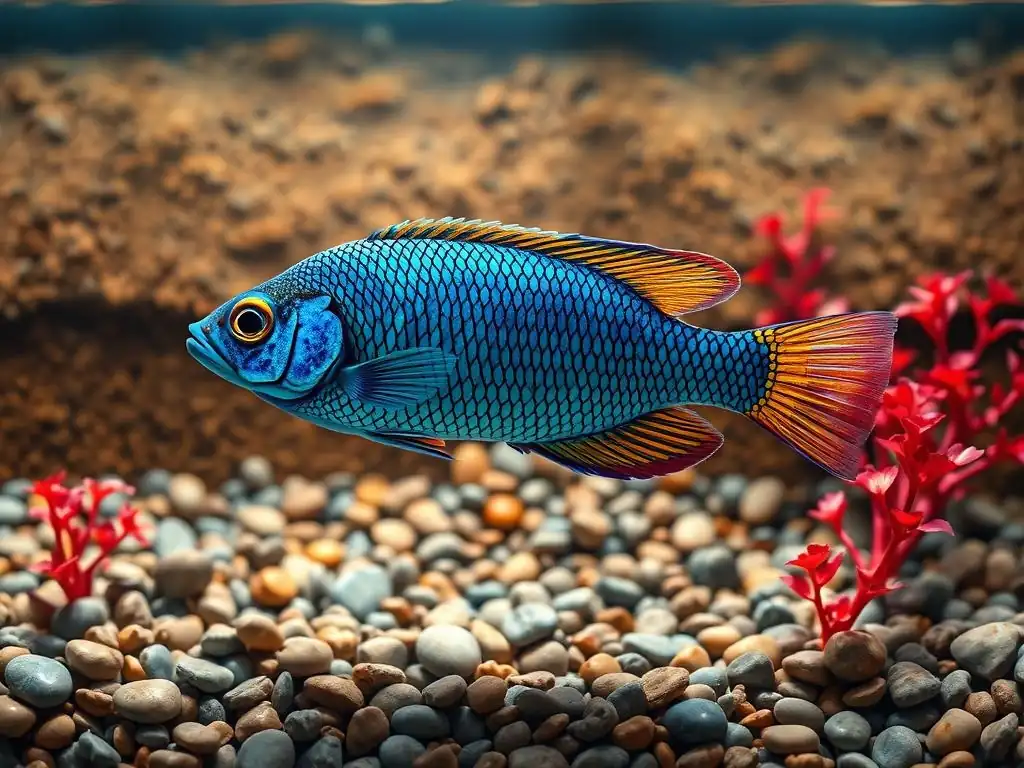
When setting up a Lake Malawi biotope with Mbuna cichlids, choosing compatible species is crucial due to their territorial and aggressive nature. Several species are popular for their vibrant colors and availability. The Electric Yellow Lab ( Labidochromis caeruleus) is a common favorite, known for its brilliant yellow coloration and relatively milder temperament compared to other Mbuna, making it a good choice for beginners. They typically grow to about 4-5 inches (10-12.5 cm).
Another striking Mbuna for a Lake Malawi biotope setup is the Demasoni Cichlid ( Pseudotropheus demasoni). These small, intensely blue and black striped fish only reach about 3 inches (7.5 cm) but possess a highly aggressive nature, making them best kept in large groups (e.g., 12+ individuals) to diffuse aggression among themselves.
The Red Zebra Cichlid ( Maylandia estherae) and various Melanochromis species like the Auratus Cichlid ( Melanochromis auratus) are also popular, though the Auratus is notoriously aggressive and often best kept in species-specific tanks or with very robust tank mates in a large Lake Malawi biotope setup. Careful research into each species' temperament and adult size is vital before stocking.
Vibrant Peacock Cichlids
Peacock cichlids ( Aulonocara species) are highly sought after for a Lake Malawi biotope setup due to the male's spectacular, iridescent coloration, which can range from brilliant blues and reds to vibrant yellows and oranges. Unlike Mbuna, Peacocks are generally more peaceful and spend more time in the open water or sifting through sandy substrates. The Sunshine Peacock ( Aulonocara stuartgranti "Ngara") is a prime example, displaying stunning yellow and blue hues, and typically grows to about 5-6 inches (12.5-15 cm).
Other popular Peacock cichlids for a Lake Malawi biotope setup include the Blue Neon Peacock ( Aulonocara jacobfreibergi), known for its striking blue body and yellow accents, and various OB (Orange Blotch) Peacocks, which exhibit a mosaic of colors. When selecting Peacocks, it's generally best to keep one male of each distinct color pattern to prevent inter-species aggression and allow each male to display his full coloration. While generally more docile than Mbuna, they still require ample space and a well-designed Lake Malawi biotope setup with open swimming areas and some sandy patches.
Stocking Levels
Determining appropriate stocking levels is a delicate balance in a Lake Malawi biotope setup, crucial for managing aggression and maintaining water quality. While conventional wisdom for many freshwater tanks suggests "one inch of fish per gallon," this rule is often modified for African cichlids. A strategy known as "controlled overstocking" is frequently employed for Mbuna cichlids. This involves keeping a higher density of fish than typically recommended, which diffuses aggression by spreading it among many individuals, preventing one fish from being singled out and constantly harassed.
For a 75-gallon Lake Malawi biotope setup, this might mean housing 15-20 juvenile Mbuna of appropriate species, allowing them to grow into adulthood. When combining Mbuna with Peacocks, stocking levels must be carefully considered, often favoring fewer fish or larger tanks to account for their differing temperaments and dietary needs.
It is critical to ensure that even with overstocking, filtration is extremely robust, and water changes are frequent and substantial to handle the increased bioload. Always introduce all fish at once (or in large groups) into your Lake Malawi biotope setup to prevent established fish from becoming overly territorial against newcomers.
Feeding Lake Malawi Cichlids
Dietary Needs of Mbuna and Peacocks
Understanding the distinct dietary needs of Mbuna and Peacock cichlids is essential for their health and vibrant coloration in a Lake Malawi biotope setup. Mbuna cichlids are primarily herbivorous, adapted to grazing on the algal and bio-film covered rocks in their natural habitat. Their digestive systems are long and designed to process plant matter. Feeding them a diet high in animal protein can lead to digestive issues, most notably Malawi Bloat, a common and often fatal disease. Their diet should consist mainly of spirulina-based flakes, pellets, and blanched vegetables like zucchini or spinach.
Peacock cichlids, on the other hand, are generally omnivorous or carnivorous, sifting through sandy substrates for small invertebrates and insect larvae in the wild. Their digestive tracts are shorter, more suited for protein digestion. While they can tolerate some vegetable matter, their primary diet should include high-quality cichlid pellets formulated for omnivores, supplemented with occasional frozen or live foods like brine shrimp or bloodworms. Providing species-appropriate diets is critical to prevent malnutrition and disease, ensuring the long-term health of your cichlids in a Lake Malawi biotope setup.
Recommended Foods
For Mbuna cichlids in your Lake Malawi biotope setup, the cornerstone of their diet should be high-quality spirulina flakes or pellets. Look for foods where spirulina or other plant-based ingredients are listed as the primary components. Brands like New Life Spectrum Cichlid Formula or Hikari Cichlid Excel are often recommended for their balanced nutritional profiles. Occasionally, you can supplement their diet with blanched green vegetables such as zucchini slices, shelled peas, or romaine lettuce. These provide essential fiber and vitamins.
For Peacock cichlids in your Lake Malawi biotope setup, a high-quality cichlid pellet designed for omnivores or carnivores is ideal. These pellets should contain a balanced mix of plant and animal proteins. Suitable options include New Life Spectrum Thera-A or Hikari Cichlid Gold. Supplement their diet sparingly with frozen foods like Mysis shrimp, brine shrimp, or bloodworms. It's important to note that while Peacocks can consume some protein, overfeeding high-protein foods can still lead to issues. Always ensure the food is small enough for the fish to easily consume, preventing choking hazards.
Feeding Schedules
Establishing a consistent feeding schedule is important for the health and well-being of your cichlids in a Lake Malawi biotope setup, while also preventing water quality issues. It is generally recommended to feed Lake Malawi cichlids small amounts multiple times a day rather than one large meal. This approach mimics their natural grazing behavior and ensures that all fish, including less dominant ones, have an opportunity to eat. For most adult cichlids, feeding 2-3 times a day, with each feeding consumed within 1-2 minutes, is ideal.
Overfeeding is a common mistake that can rapidly degrade water quality, leading to high nitrate levels and increased risk of diseases like Malawi Bloat. Any food not consumed within a few minutes should be removed from the tank to prevent decomposition. For very active or growing juvenile fish in a Lake Malawi biotope setup, slightly more frequent feedings might be beneficial. Observing your fish during feeding will help you fine-tune the amount; if food is left on the substrate, you are likely feeding too much.
Maintaining a Lake Malawi Biotope
Regular Maintenance Tasks
Consistent regular maintenance is crucial for the long-term success and stability of your Lake Malawi biotope setup. The most important task is the weekly water change, typically 25-50% of the tank's volume, as previously discussed. During water changes, it's also an excellent opportunity to vacuum the substrate to remove any accumulated detritus and uneaten food, which can contribute to nitrate buildup. Even with sand, a light vacuuming helps prevent anaerobic spots and keeps the substrate clean.
Other regular maintenance tasks for your Lake Malawi biotope setup include cleaning the filter media. Mechanical filter media (sponges, filter floss) should be rinsed weekly or bi-weekly in old tank water to prevent clogging and maintain flow rate, while biological media should only be gently rinsed as needed to preserve beneficial bacteria. Wiping down the inside of the glass to remove any algae film, checking all equipment (heaters, pumps) for proper function, and observing your fish for any signs of stress or disease are also vital components of a comprehensive maintenance routine.
Monitoring Water Parameters
Regular monitoring of water parameters is non-negotiable for a healthy Lake Malawi biotope setup. Consistent testing provides insights into the stability of your aquarium's environment and allows for early detection of potential issues before they become critical. Key parameters to test include:
- pH: Ideally between
7.8and8.6. - Ammonia (
NH3/NH4+): Should always be0 ppm. - Nitrite (
NO2-): Should always be0 ppm. - Nitrate (
NO3-): Ideally below20 ppm, certainly below40 ppm. - General Hardness (
GH): Target10-18 dGH. - Carbonate Hardness (
KH): Target160-240 ppmor9-13 dKH. - Temperature: Stable between
76-82°F(24-28°C).
These tests should be performed weekly, especially after water changes, to ensure the Lake Malawi biotope setup remains within optimal ranges. High-quality liquid test kits are significantly more accurate than test strips for these crucial measurements. Maintaining a log of your test results can help identify trends and diagnose problems more effectively.
Dealing with Common Cichlid Diseases
Despite meticulous care, Lake Malawi cichlids can occasionally fall prey to common aquarium diseases, with Malawi Bloat being the most prevalent and dangerous. Malawi Bloat is often triggered by poor diet (too much protein for Mbuna), poor water quality, or stress. Symptoms include lethargy, loss of appetite, bloating, white stringy feces, and rapid breathing. Treatment often involves metronidazole, but prevention through proper diet and water quality is paramount.
Another common ailment in a Lake Malawi biotope setup is Ich ( Ichthyophthirius multifiliis), characterized by small white spots resembling salt grains on the fish's body and fins. Ich is usually a sign of stress or fluctuating temperatures. It can be treated by slowly raising the tank temperature to 82-86°F ( 28-30°C) for several days (ensure adequate aeration as warmer water holds less oxygen) and using an appropriate Ich medication. Always quarantine new fish for several weeks before introducing them to your established Lake Malawi biotope setup to prevent disease introduction.
Troubleshooting Common Issues
Aggression Management
Aggression is a natural, albeit challenging, aspect of keeping Lake Malawi cichlids in a biotope setup, particularly with Mbuna. Effective aggression management is key to a harmonious tank. The "controlled overstocking" method, where more fish are kept in the tank than typically advised, can help diffuse aggression by spreading it among many individuals, preventing one fish from becoming the sole target. For a 75-gallon tank, this might mean maintaining 15-20 appropriately sized Mbuna.
Another critical strategy in a Lake Malawi biotope setup is meticulous aquascaping with ample rockwork. Creating numerous caves, crevices, and visual barriers breaks up lines of sight and provides subordinate fish with places to retreat and hide. Removing overly aggressive individuals, especially males that consistently harass tank mates, might be necessary as a last resort. Careful species selection, avoiding highly aggressive species combinations, and maintaining a proper male-to-female ratio (typically 1 male to 3-4 females per species) also significantly contribute to aggression management.
Algae Control
Algae are a natural part of any Lake Malawi biotope setup, and a certain amount is even beneficial as a food source for herbivorous Mbuna. However, excessive or unsightly algae can be a common issue. The primary causes of algae blooms are often too much light, excessive nutrients (high nitrates or phosphates), or insufficient water changes. To control nuisance algae, first assess your lighting schedule; reducing it to 8-10 hours per day can often help.
Secondly, ensure your water change schedule is robust and effective at keeping nitrates below 20 ppm. Overfeeding is a common culprit for excess nutrients, so adjust feeding amounts if necessary. While some aquarists introduce algae-eating snails or plecos, these are generally not suitable tank mates for aggressive Lake Malawi cichlids, as they may be harassed or eaten. Manual removal during weekly maintenance, along with addressing the underlying causes of nutrient imbalance, is the most effective long-term strategy for algae control in your Lake Malawi biotope setup.
Addressing Cloudy Water
Cloudy water is a common issue in new or improperly maintained Lake Malawi biotope setups and can indicate several underlying problems. The most frequent cause in a newly set up tank is a bacterial bloom, which occurs during the cycling process as beneficial bacteria multiply. This cloudiness is usually harmless and resolves itself as the cycle completes, typically within 2-4 weeks. During this phase, avoid adding more fish or attempting drastic water changes that could disrupt the beneficial bacteria.
In an established Lake Malawi biotope setup, cloudy water often points to poor water quality, typically due to overfeeding, insufficient filtration, or infrequent water changes. Uneaten food and excess waste decompose, leading to a bacterial explosion or a buildup of fine particulate matter. Addressing this involves:
- Reducing feeding amounts.
- Ensuring your filter is adequately sized and properly maintained (clean mechanical media).
- Increasing the frequency or volume of water changes.
- Using a water clarifier as a temporary fix, but always address the root cause.
Consistent maintenance is key to maintaining crystal-clear water in your Lake Malawi biotope setup.
The Rewards of a Well-Maintained Biotope
Showcasing African Cichlids
A meticulously crafted and well-maintained Lake Malawi biotope setup offers an unparalleled opportunity to showcase the breathtaking beauty and dynamic behaviors of African cichlids. The vibrant, almost iridescent colors of Mbuna and Peacock cichlids truly come alive against the backdrop of natural rockwork and sandy substrate, mimicking their native environment. Unlike a generic community tank, a biotope setup highlights the specific adaptations and social structures of these fish, allowing their unique personalities and territorial displays to be fully appreciated.
The aesthetic appeal of a Lake Malawi biotope setup is captivating, transforming a simple aquarium into a living piece of art that faithfully represents a specific slice of nature. Visitors are often mesmerized by the activity within the tank, from the constant grazing of Mbuna to the elaborate courtship rituals of Peacocks. This specialized setup not only provides a stimulating environment for the fish but also serves as an educational display, demonstrating the importance of habitat replication for the thriving of aquatic species.
Creating a Thriving Ecosystem
Beyond aesthetics, the ultimate reward of a well-maintained Lake Malawi biotope setup is the creation of a truly thriving ecosystem. When all elements – water chemistry, filtration, aquascaping, and stocking – are in harmony, the cichlids exhibit natural behaviors, vibrant health, and often, successful breeding. This self-sustaining balance reduces stress on the fish, minimizes disease outbreaks, and simplifies long-term maintenance. The beneficial bacteria flourish, efficiently processing waste, and the fish behave as they would in their natural Lake Malawi habitat.
A thriving Lake Malawi biotope setup demonstrates a deep understanding of these fish's specific needs, leading to a robust and resilient aquatic environment. Witnessing multiple generations of cichlids being bred and raised within the confines of a healthy biotope is a testament to the success of the setup. This ecological balance not only benefits the fish but also provides immense satisfaction to the aquarist, knowing they have provided an optimal habitat for these magnificent creatures.
Long-Term Satisfaction
The long-term satisfaction derived from a well-maintained Lake Malawi biotope setup is immense and multifaceted. It goes beyond the initial excitement of setting up the tank and extends into years of enjoyment and learning. The stability and health of the ecosystem mean less troubleshooting and more time spent simply observing the fascinating interactions and vibrant colors of the cichlids. Aquarists often find that the deeper they delve into understanding the specific requirements of Lake Malawi cichlids, the more rewarding the hobby becomes.
Furthermore, a successful Lake Malawi biotope setup serves as a continuous source of pride and accomplishment. It is a living testament to dedication, research, and meticulous care. The ability to maintain such a specialized and vibrant aquatic environment fosters a strong connection with the natural world and provides a relaxing, captivating focal point in any home or office. This enduring sense of achievement and the continuous beauty of the thriving cichlid community are the ultimate rewards for investing in a proper Lake Malawi biotope setup.
Frequently Asked Questions
How is a Lake Malawi biotope different from a general freshwater aquarium?
A Lake Malawi biotope specifically replicates the natural environment of Lake Malawi, focusing on its unique water chemistry, substrate, and rock formations. This differs from a general freshwater setup that might not cater to the specific needs of African cichlids.
What are the key water parameters to maintain for a Lake Malawi biotope?
Maintaining the correct water parameters is crucial. You should aim for a high pH level (7.8-8.6), high alkalinity (KH), and a water temperature between 76-82°F (24-28°C) to mimic the lake's environment.
What type of substrate is best suited for a Lake Malawi biotope?
A sand-based substrate, such as aragonite sand or crushed coral, is ideal. These types of substrate help to buffer the water's pH and provide a natural look and feel for your Mbuna and Peacock cichlids.
What kind of rockwork should I include in my Lake Malawi biotope?
Use limestone rocks or other inert rocks that will not alter the water chemistry negatively. Create caves and crevices to provide hiding places and territorial boundaries for your cichlids, mimicking their natural habitat.
What types of fish are suitable for a Lake Malawi biotope besides Mbuna and Peacock Cichlids?
While Mbuna and Peacock Cichlids are central, you can consider other compatible African cichlids from Lake Malawi. Ensure they have similar dietary and behavioral needs to avoid aggression and maintain a balanced ecosystem.
Final Reflection: Embracing the Underwater Ecosystem
The journey of creating a Lake Malawi biotope setup transcends mere aquarium keeping; it's an act of bringing a vibrant, complex ecosystem into our homes. The meticulous planning, the careful selection of rocks and substrate, and the dedication to water parameters all culminate in a miniature representation of one of Africa's Great Lakes. This endeavor, while challenging, underscores the profound beauty and fragility of natural environments, reminding us of our responsibility to understand and protect them.
This exploration into the world of Mbuna and Peacock Cichlids has deeply influenced my perspective on aquarium keeping, moving beyond simple decoration to a deeper appreciation for ecological balance. The dedication required to replicate the specific conditions of Lake Malawi highlights the interconnectedness of all living things within an ecosystem. In the end, we will conserve only what we love; we will love only what we understand; and we will understand only what we are taught.
- Baba Dioum. This quote perfectly encapsulates the power of biotope aquariums to foster understanding and, ultimately, conservation.
Now, I invite you to reflect on your own relationship with nature. Consider how you can apply the principles of biotope design – the careful consideration of habitat, the commitment to balance, and the respect for biodiversity – to other aspects of your life. Whether it's creating a more sustainable garden, supporting conservation efforts, or simply appreciating the intricate beauty of the natural world around you, let the lessons learned from crafting the perfect Lake Malawi biotope inspire you to become a more conscious and engaged steward of our planet.
Dive Deeper: Create Your Own Lake Malawi Paradise!
Thank you for exploring the fascinating world of Lake Malawi cichlids! We hope you've gained valuable insights into crafting the perfect biotope aquarium. Now, it's time to bring that knowledge to life and witness the vibrant beauty of these incredible fish firsthand.
Here are a few ways to continue your journey:
- Start Planning: Commit to designing your own Lake Malawi biotope aquarium. Determine the size, filtration, and hardscape you'll need to create a thriving environment.
- Explore Different Color Variations: Research other variants of Mbuna and Peacock cichlids to see what would work best for your envisioned ecosystem.
- Share Your Inspiration: Post your dream tank setup ideas on social media using #LakeMalawiDreams.
What unique hardscape elements are you most excited to incorporate into your Malawi biotope?