
Swim Bladder Issues in African Cichlids: Diagnosis and Care

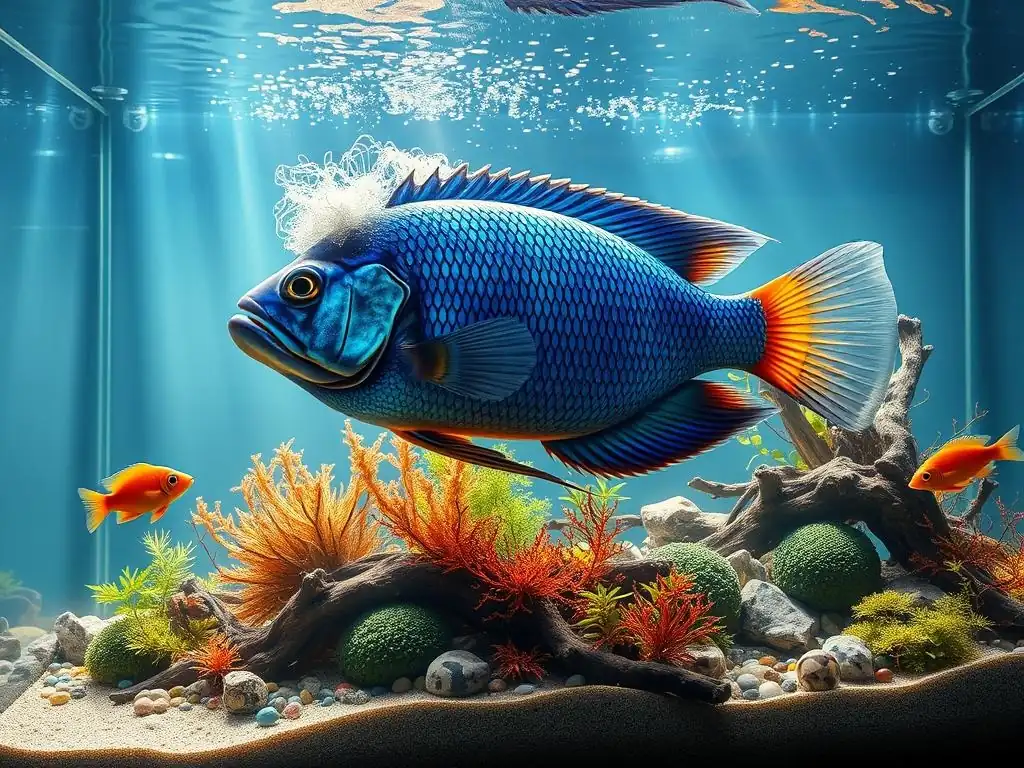
Welcome to Aquarium Mastery, your ultimate guide to thriving aquatic ecosystems!
Ever wondered why your vibrant African cichlid is struggling to swim upright? Swim bladder issues can be a serious concern for these captivating fish, and understanding the causes and treatments is crucial for their well-being. Dive into our in-depth article to learn about diagnosing and caring for African cichlids with swim bladder problems, and unlock the secrets to a healthy and happy aquarium!
- Understanding Swim Bladder Problems in African Cichlids
- Diagnosing Swim Bladder Problems in Your Cichlids
- Treating Swim Bladder Disease in African Cichlids
- Preventing Swim Bladder Problems in Your African Cichlid Tank
- Long-Term Care and Management of Cichlids with Swim Bladder Issues
- Swim Bladder Issues in Specific African Cichlid Species
- Frequently Confused Conditions: Ruling Out Similar Ailments
-
Frequently Asked Questions
- What are the most common symptoms of swim bladder issues in African Cichlids?
- What are the primary causes of swim bladder problems in African Cichlids?
- How can I diagnose swim bladder issues in my African Cichlid?
- What are the initial steps I should take if I suspect my African Cichlid has a swim bladder issue?
- What are some preventative measures I can take to avoid swim bladder problems in my African Cichlids?
- Final Reflection: Navigating the Depths of Cichlid Wellbeing
- Dive Deeper: Transform Your Cichlid Care Now!
Understanding Swim Bladder Problems in African Cichlids
What is the Swim Bladder and Why is it Important for Cichlids?
The swim bladder is a crucial internal organ in most fish, including African cichlids, primarily responsible for buoyancy control. This gas-filled sac allows a cichlid to maintain its position in the water column without expending significant energy. By adjusting the volume of gas within the bladder, the fish can effortlessly ascend, descend, or hover at a specific depth, which is vital for efficient feeding, predator avoidance, and social interactions within the complex hierarchy of an African cichlid aquarium.
For African cichlids, which often occupy specific niches within their natural Rift Lake environments – from the rocky foraging grounds of Mbuna to the open sandy areas of Peacock cichlids – precise buoyancy is paramount. A healthy swim bladder ensures they can navigate their intricate habitats, access food sources, and escape aggressive tank mates. When the swim bladder malfunctions, it directly impacts the cichlid's ability to swim normally, leading to severe stress and potentially fatal outcomes if the underlying African cichlid swim bladder issues are not addressed promptly.
Common Causes of Swim Bladder Disorder in African Cichlids
Swim bladder disorder in African cichlids can stem from a variety of factors, with diet being one of the most prevalent. Overfeeding, especially with high-protein or high-fat foods not suited for their specific dietary needs (e.g., feeding meat-heavy foods to herbivorous Mbuna), can lead to constipation and internal blockages. This digestive impaction puts pressure on the swim bladder, impairing its function. Additionally, the rapid consumption of dry, floating pellets can cause cichlids to ingest excessive air, leading to buoyancy problems.
Beyond dietary factors, poor water quality is a significant contributor to African cichlid swim bladder issues. Elevated levels of ammonia, nitrite, or nitrate stress the fish's immune system, making them susceptible to internal bacterial infections that can directly affect the swim bladder. Physical injury, such as from aggressive tank mates, netting, or collisions with tank decor, can also cause trauma to the organ. In some cases, rapid changes in water temperature or pH, internal parasites, or even genetic predispositions can contribute to the development of swim bladder disorder.
Diagnosing Swim Bladder Problems in Your Cichlids
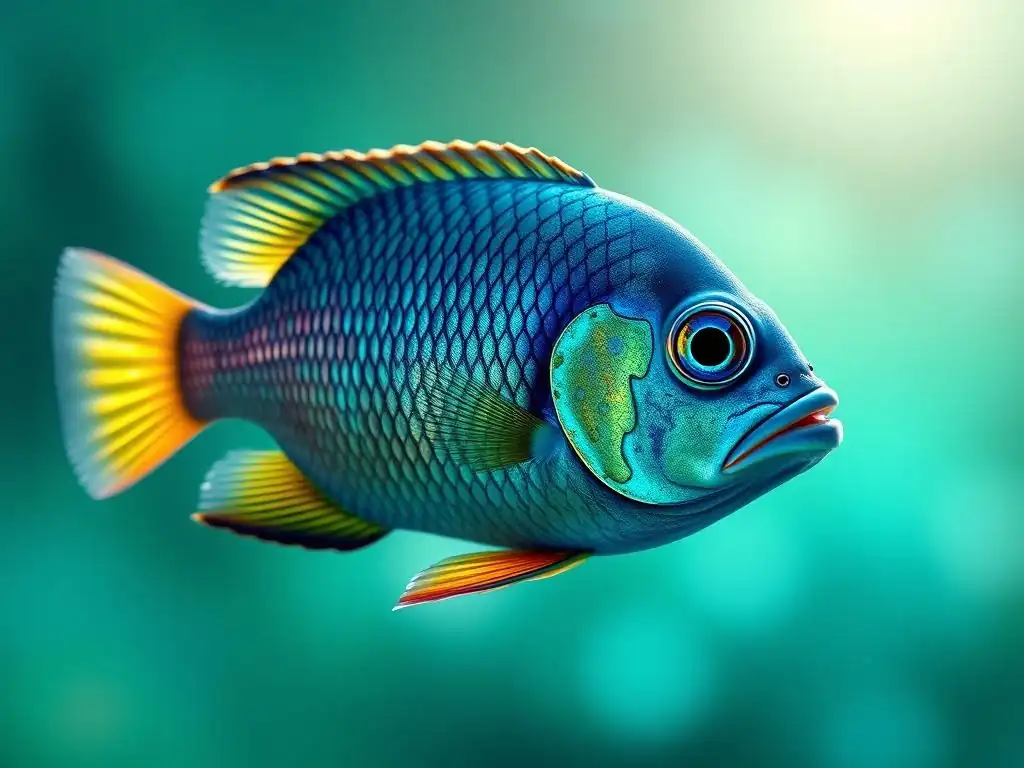
Identifying Symptoms of Swim Bladder Disease
Identifying the symptoms of African cichlid swim bladder issues early is crucial for successful treatment. The most common and obvious sign is a noticeable change in the fish's swimming behavior. Affected cichlids may struggle to maintain equilibrium, often floating uncontrollably to the surface, sinking to the bottom, or swimming on their side or upside down. You might observe a Peacock cichlid, usually an active swimmer, resting motionless on the substrate for extended periods, or a Mbuna cichlid struggling to descend after feeding.
Other symptoms can include a visibly bloated or distended abdomen, particularly behind the gills, due to gas or fluid accumulation. In some severe cases, the fish's spine might appear curved or bent as the swim bladder exerts abnormal pressure. Affected cichlids often exhibit a loss of appetite, lethargy, and a general disinterest in their surroundings, which are clear indicators of discomfort and stress. Careful observation during feeding times can reveal a fish struggling to reach food or having difficulty eating due to its altered buoyancy.
Distinguishing Swim Bladder Issues from Other Cichlid Diseases
While the symptoms of African cichlid swim bladder issues are quite distinct, it's important to differentiate them from other conditions that might present similar external signs. For instance, Dropsy, a serious and often fatal condition, also causes abdominal swelling but is characterized by "pinecone" scales, where the scales protrude outwards due to fluid accumulation under the skin. A cichlid with Dropsy will typically show overall body swelling, whereas a swim bladder issue primarily affects buoyancy and may only cause localized bloating.
Internal parasites, such as Hexamita, can also lead to lethargy, loss of appetite, and emaciation, but typically do not directly cause buoyancy problems unless the infection is extremely severe and compromises multiple organs. Fish suffering from Hexamita often exhibit white, stringy feces and may develop "hole-in-the-head" disease. Physical injuries or neurological disorders can also cause erratic swimming, but usually lack the specific buoyancy control issues or abdominal bloating associated with swim bladder disorder. Careful observation of all symptoms is key to an accurate diagnosis.
Observation Techniques for Accurate Diagnosis
Accurate diagnosis of African cichlid swim bladder issues relies heavily on meticulous observation. Begin by watching your cichlids during their normal activity periods, particularly at feeding time. Note which fish are struggling to swim, if any are floating or sinking unusually, or if they are unable to consume food effectively. Observing their behavior over a period of 24 to 48 hours can help confirm if the symptoms are persistent or merely a temporary anomaly.
If a specific cichlid is showing symptoms, consider isolating it in a small, bare-bottom hospital tank (e.g., a 10-gallon tank for a single adult cichlid) with excellent aeration and a heater. This allows for closer inspection without the distraction of other tank mates and reduces stress on the affected fish. In this isolated environment, you can more clearly assess its swimming patterns, body shape, and response to initial interventions, helping you pinpoint the exact nature of the African cichlid swim bladder issues.
Treating Swim Bladder Disease in African Cichlids
Initial Steps for Treatment: Isolation and Observation
When an African cichlid exhibits signs of swim bladder disorder, the immediate first step is to isolate the affected fish. Transferring it to a dedicated hospital tank, typically a 10 to 20-gallon setup, is highly recommended. This isolation serves multiple purposes: it reduces stress on the sick fish by removing it from the main tank's social dynamics and potential aggression, prevents the spread of any potential contagious pathogens, and allows for precise control over water parameters and medication dosages.
The hospital tank should be bare-bottomed to facilitate cleaning and observation of waste, equipped with a reliable heater to maintain a stable temperature (around 78-82°F or 25.5-27.8°C), and an air stone for ample oxygenation. Avoid adding substrate or elaborate decorations, as these can harbor bacteria and complicate treatment. Once isolated, observe the fish closely for 24-48 hours without feeding, as a short fasting period can help alleviate digestive issues that might be contributing to the African cichlid swim bladder problems.
Dietary Adjustments for Swim Bladder Recovery
High-Fiber Diet for Cichlids with Swim Bladder Issues
For African cichlids suffering from swim bladder issues, especially those suspected to be caused by constipation or dietary imbalances, a high-fiber diet is often the first and most effective treatment. Blanched peas are widely recommended due to their high fiber content and natural laxative properties. To prepare, simply boil frozen peas until soft, then remove the outer skin before offering the soft inner portion to your cichlid. Feed sparingly, perhaps 1-2 small pieces per day, for several days.
In addition to peas, incorporating high-quality spirulina flakes or pellets can be beneficial, particularly for herbivorous Mbuna cichlids. These foods provide essential roughage and nutrients without the high protein or fat content that can exacerbate African cichlid swim bladder issues. For omnivorous or carnivorous cichlids like Peacocks, ensure their regular diet includes a balanced mix, and consider adding some vegetable matter. The goal is to gently clear any digestive blockages and reduce pressure on the swim bladder.
Avoiding Overfeeding to Prevent Swim Bladder Bloat
Overfeeding is a leading cause of African cichlid swim bladder issues related to diet, as it can lead to digestive system overload and subsequent bloat. When treating a cichlid with swim bladder disorder, it is crucial to drastically reduce or temporarily cease feeding. After the initial fasting period, reintroduce food in very small quantities, focusing on the high-fiber options mentioned previously. Instead of one large meal, consider offering two or three tiny meals throughout the day, ensuring all food is consumed within 1-2 minutes.
This approach prevents the digestive tract from becoming overwhelmed and minimizes the risk of food sitting in the gut and causing fermentation or impaction. For general prevention of African cichlid swim bladder issues, establishing a consistent feeding schedule with appropriate portion sizes is vital. Many aquarists find success feeding their cichlids once or twice daily, only offering an amount equivalent to the size of the fish's eye, to prevent bloat and maintain optimal digestive health.
Medication Options for Bacterial Infections
Metronidazole Treatment
If the African cichlid swim bladder issues are suspected to be caused by an internal bacterial infection, often indicated by other symptoms like lethargy, loss of appetite, or white stringy feces, Metronidazole is a commonly used medication. This antibiotic is effective against a range of anaerobic bacteria and flagellates (like Hexamita) that can contribute to digestive and swim bladder problems. It can be administered in the water or, ideally, as a medicated food.
For water treatment, a typical dosage is 250-500mg per 10 gallons of water, with daily partial water changes (e.g., 25%) before redosing. Treatment usually lasts 5-7 days. For medicated food, mix Metronidazole powder with a small amount of food and a binding agent (like gelatin or garlic guard) and feed for the duration of treatment. Always follow the specific instructions on the product packaging, as concentrations can vary. While Metronidazole can be effective, it's important to confirm bacterial involvement, as not all swim bladder issues are bacterial in origin.
Epsom Salt Baths
Epsom salt (magnesium sulfate) is a beneficial treatment for African cichlid swim bladder issues, particularly when bloating or constipation is suspected. Unlike aquarium salt (sodium chloride), Epsom salt acts as a muscle relaxant and a mild laxative, helping to draw out excess fluid from the fish's body and relieve internal pressure. It can be used as a short-term bath or added to the hospital tank for a longer treatment.
For a short-term bath, dissolve 1 teaspoon of Epsom salt per gallon of water in a separate container, and allow the affected cichlid to soak for 15-30 minutes, closely monitoring its stress levels. For a longer-term treatment in the hospital tank, a concentration of 1-3 teaspoons per 5-10 gallons can be used. Ensure the Epsom salt is fully dissolved before adding the fish. This treatment can significantly alleviate bloating and aid in the passage of impacted food, directly supporting recovery from African cichlid swim bladder issues.
Water Quality Management: A Key Factor in Recovery
Maintaining Optimal Water Parameters for African Cichlids
Maintaining optimal and stable water parameters is paramount for the recovery of a cichlid with swim bladder issues and for preventing their recurrence. African cichlids, particularly those from the Rift Lakes, thrive in specific conditions: a high pH typically between 7.8 and 8.6, a high general hardness (GH) of 10-20 dGH, and a high carbonate hardness (KH) of 10-18 dKH. Fluctuations outside these ranges or sudden changes can cause significant stress, weakening the fish's immune system and making them more vulnerable to infections that can affect the swim bladder.
During treatment for African cichlid swim bladder issues, monitor these parameters daily using a reliable test kit. Ensure the water temperature is stable, ideally between 78-82°F (25.5-27.8°C), as consistent warmth aids metabolism and recovery. Any deviations from ideal parameters should be corrected gradually to avoid further shocking the already stressed fish. Pristine water quality acts as a foundational support for the fish's natural healing processes.
Importance of Regular Water Changes
Regular and diligent water changes are perhaps the single most important aspect of water quality management, both for treating and preventing African cichlid swim bladder issues. Accumulation of nitrates, ammonia, and nitrites – byproducts of fish waste and uneaten food – severely compromises water quality and stresses fish, making them susceptible to a host of ailments, including bacterial infections that can impact the swim bladder.
During the treatment of a cichlid with swim bladder problems, performing daily partial water changes (e.g., 25-30%) in the hospital tank is highly recommended. This helps to remove toxins, replenish essential minerals, and ensure the water remains clean and oxygenated. In the main display tank, a routine of 25-50% weekly water changes, coupled with thorough gravel vacuuming to remove detritus and uneaten food, is crucial for long-term health and prevention of African cichlid swim bladder issues. Clean water reduces the overall pathogen load and supports a robust immune system.
Preventing Swim Bladder Problems in Your African Cichlid Tank
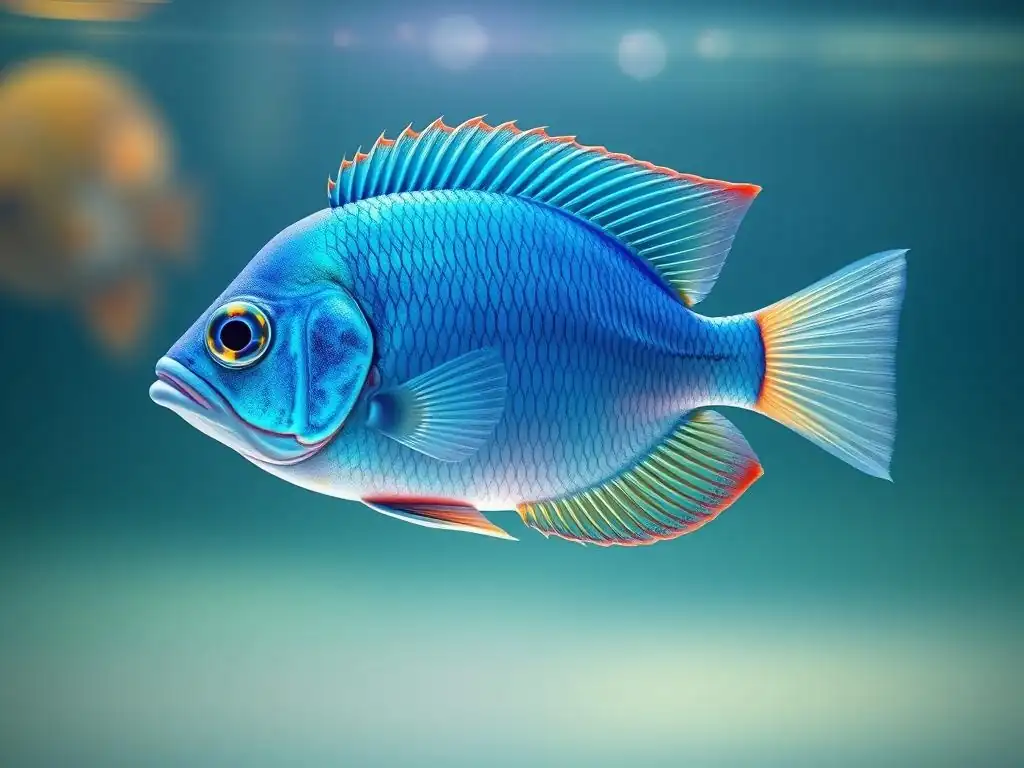
Proper Tank Setup and Environment
A well-planned tank setup and a stable environment are foundational to preventing African cichlid swim bladder issues. Ensure your tank is adequately sized for the species and number of cichlids you intend to keep; for example, a minimum of 55 gallons for a small group of Mbuna or 75+ gallons for Peacocks. Overcrowding can lead to increased aggression, stress, and rapid deterioration of water quality, all of which contribute to health problems.
Invest in robust filtration, such as a canister filter or multiple powerful hang-on-back filters, to maintain excellent water clarity and chemical balance. The substrate choice is also important; crushed coral or aragonite gravel helps to naturally buffer the water to the high pH levels African cichlids require, reducing the need for chemical adjustments and promoting environmental stability. Consistent temperature (78-82°F or 25.5-27.8°C) and appropriate rockwork providing ample hiding spots and territories further minimize stress and support the overall health of your cichlids, thus reducing the likelihood of African cichlid swim bladder issues.
The Role of Diet in Preventing Swim Bladder Problems
Diet plays a critical role in preventing African cichlid swim bladder issues, arguably being the most common preventative measure. It is essential to feed a high-quality, species-appropriate diet. For herbivorous Mbuna cichlids, this means a diet rich in vegetable matter, such as high-quality spirulina flakes or pellets, and blanched vegetables like peas or zucchini. Avoid feeding high-protein foods like bloodworms, beef heart, or feeder fish, as these can lead to severe digestive issues and "Malawi bloat," which often involves swim bladder dysfunction.
For omnivorous Peacock cichlids ( Aulonocara species), a balanced diet of quality cichlid pellets or flakes with moderate protein and vegetable content is ideal. Regardless of species, always avoid overfeeding. Offer small meals that can be consumed within 1-2 minutes, typically once or twice a day. Occasional fasting days (once a week) can also aid digestion and help prevent African cichlid swim bladder issues by giving their digestive system a rest.
Minimizing Stress to Promote Cichlid Health
Minimizing stress is a cornerstone of maintaining healthy African cichlids and preventing conditions like swim bladder disorder. Stress weakens a fish's immune system, making it more vulnerable to infections and other ailments. Key stressors in a cichlid tank include improper stocking levels (either too few, leading to extreme aggression, or too many, leading to overcrowding and poor water quality), incompatible tank mates, and unstable water parameters.
Ensure your cichlids have enough space and appropriate hiding spots to establish territories and escape aggression. For example, a colony of 10-15 Mbuna in a 55-gallon tank with plenty of rock caves provides a balance that diffuses aggression. Consistent water changes, proper filtration, and a stable temperature and pH reduce environmental stress. By creating a calm and well-managed habitat, you significantly reduce the likelihood of African cichlid swim bladder issues and promote overall vitality.
Long-Term Care and Management of Cichlids with Swim Bladder Issues
Monitoring for Relapses and Recurring Issues
After a cichlid has recovered from swim bladder issues, continuous monitoring is essential, as relapses can occur, particularly if the underlying cause was not fully addressed or if the fish has a predisposition. Pay close attention to its swimming behavior, appetite, and any signs of abdominal bloating. Even subtle changes, such as a slight tilt while swimming or unusual lethargy, should prompt immediate investigation.
Maintaining the improved dietary regimen (e.g., consistent feeding of high-fiber foods for Mbuna, avoiding overfeeding) and rigorous water quality management are paramount. Regular weekly water tests for ammonia, nitrite, and nitrate, even after recovery, can help ensure the environment remains pristine. Early detection of recurring African cichlid swim bladder issues allows for prompt intervention, significantly increasing the chances of successful long-term management.
Creating a Supportive Environment for Recovered Cichlids
For cichlids that have recovered from swim bladder issues, creating a supportive and low-stress environment is crucial for their long-term well-being. If the fish was initially isolated in a hospital tank, reintroduce it to the main tank carefully, ensuring it can compete for food and find a comfortable territory without excessive aggression from other tank mates. Sometimes, a particularly sensitive or weakened cichlid may benefit from being moved to a less aggressive community tank, if available.
Ensure there are ample hiding spots and visual breaks in the tank's aquascape to reduce territorial disputes and provide refuge. Consistent lighting cycles and minimal sudden disturbances also contribute to a calm environment. By maintaining pristine water quality, offering a consistent and appropriate diet, and managing tank aggression, you can significantly reduce the risk of future African cichlid swim bladder issues and support the continued health of the recovered fish.
When to Consult a Veterinarian for Your African Cichlids
While many African cichlid swim bladder issues can be successfully managed at home with dietary adjustments and water quality improvements, there are instances when consulting a veterinarian specializing in aquatic animals is advisable. If symptoms persist or worsen despite several days of diligent home treatment, or if the diagnosis remains unclear, professional help may be necessary. For example, if a cichlid continues to float uncontrollably after a week of Epsom salt baths and blanched peas, it might indicate a more complex internal issue.
A vet can perform more advanced diagnostics, such as X-rays to check for internal tumors or organ damage, or conduct lab tests on fecal samples to identify specific bacterial or parasitic infections. They may also prescribe stronger or more targeted medications that are not readily available to the general public. While finding an aquatic veterinarian can be challenging in some areas, it is the best course of action for severe, unresponsive, or perplexing African cichlid swim bladder issues.
Swim Bladder Issues in Specific African Cichlid Species
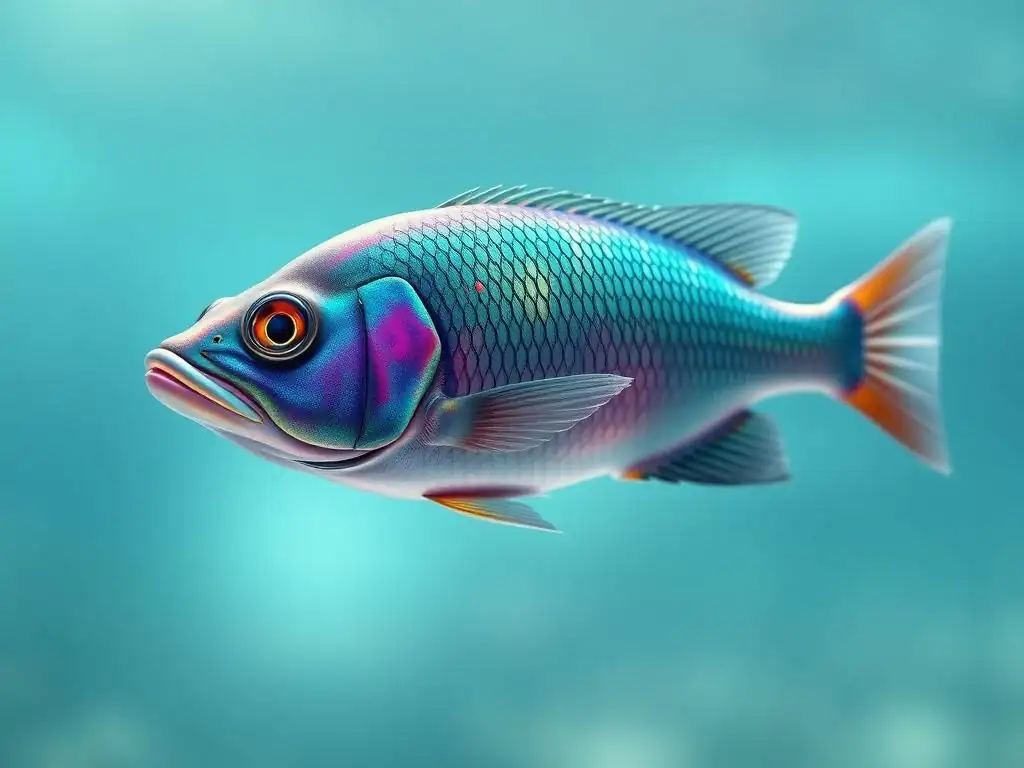
Mbuna Cichlids and Swim Bladder Predisposition
Mbuna cichlids, hailing from the rocky shores of Lake Malawi, are primarily herbivorous or algivorous, meaning their natural diet consists largely of algae and other plant matter. This specialized diet makes them particularly susceptible to swim bladder issues, often manifesting as "Malawi Bloat," if fed inappropriate foods. High-protein, high-fat diets, such as those containing bloodworms, beef heart, or standard tropical fish flakes designed for omnivores, are extremely detrimental to their digestive systems.
When Mbuna like Melanochromis cyaneorhabdos (Maingano) or Labidochromis caeruleus (Electric Yellow) are fed these rich foods, their long digestive tracts struggle to process them, leading to impaction, inflammation, and bacterial overgrowth. This internal pressure and infection frequently compromise the swim bladder's function, causing buoyancy problems. Therefore, preventing African cichlid swim bladder issues in Mbuna relies almost entirely on providing a diet strictly focused on high-quality spirulina flakes, pellets with low protein content, and blanched vegetables.
Peacock Cichlids and Swim Bladder Sensitivity
Peacock cichlids ( Aulonocara species), while also from Lake Malawi, have a different dietary preference compared to Mbuna. They are primarily omnivores or carnivores, sifting through sand for small invertebrates. While less prone to the severe dietary bloat seen in Mbuna from high protein, they are still sensitive to overfeeding and poor quality foods that can lead to African cichlid swim bladder issues. Overly fatty foods or excessive amounts of any food can cause digestive stress and impaction.
For example, an Aulonocara stuartgranti (Ngara Flametail) that is routinely overfed large quantities of high-fat pellets or live foods can develop internal blockages that put pressure on the swim bladder. Additionally, like all cichlids, Peacocks are vulnerable to bacterial infections stemming from poor water quality or stress, which can directly affect the swim bladder. Maintaining pristine water parameters and offering a balanced, high-quality cichlid pellet or flake with moderate protein and some vegetable matter is crucial for their swim bladder health.
Tropheus cichlids, native to Lake Tanganyika, are perhaps the most notoriously sensitive to diet-related swim bladder issues. They are obligate herbivores, strictly grazing on algae from rocks in their natural habitat. Even small amounts of animal protein can devastate their digestive system, leading to a condition known as "Tropheus Bloat," which almost invariably involves severe swim bladder dysfunction and is often fatal.
Species like Tropheus duboisi or Tropheus moori are highly susceptible to this issue if fed anything other than specialized high-quality spirulina or vegetable-based pellets. Their digestive tracts are simply not equipped to process animal fats or proteins. The resulting inflammation and bacterial proliferation quickly impact the swim bladder, causing buoyancy loss and an inability to swim normally. Preventing African cichlid swim bladder issues in Tropheus requires an uncompromising commitment to their specific herbivorous diet and immaculate water conditions.
Frequently Confused Conditions: Ruling Out Similar Ailments
Differentiating Swim Bladder from Dropsy in Cichlids
It is crucial to accurately differentiate African cichlid swim bladder issues from Dropsy, as their treatments and prognoses vary significantly. While both conditions can cause abdominal swelling, the key distinguishing symptom of Dropsy is the "pinecone" appearance of the scales, where they stand out from the body due to systemic fluid retention. This scale protrusion is absent in cases of isolated swim bladder disorder.
Swim bladder issues primarily affect buoyancy and swimming ability, often leading to the fish floating, sinking, or swimming on its side. Dropsy, on the other hand, is generally a symptom of underlying organ failure (often kidneys or liver) and is usually accompanied by overall body swelling, lethargy, and loss of appetite. While a swim bladder problem can sometimes be a precursor or symptom of a more systemic issue, Dropsy itself is a more generalized, often fatal, condition that indicates severe internal malfunction beyond just the swim bladder.
Ruling Out Internal Parasites as a Cause of Symptoms
When observing symptoms like lethargy, loss of appetite, and emaciation that might accompany African cichlid swim bladder issues, it's important to rule out internal parasites. Parasites such as Hexamita (a flagellate) can cause similar general signs of illness, and in severe cases, might indirectly affect a fish's ability to swim due to extreme weakness or secondary bacterial infections. However, the primary symptom of internal parasites is often distinct: white, stringy feces, sometimes accompanied by a sunken belly or "hole-in-the-head" lesions.
While Metronidazole, a common treatment for swim bladder issues, is also effective against Hexamita, correctly identifying the primary cause is important for a comprehensive treatment plan. If the fish primarily exhibits buoyancy problems with a bloated abdomen and no other signs of parasitic infection (like emaciation or characteristic feces), then African cichlid swim bladder issues are more likely the primary diagnosis. Conversely, if parasitic symptoms are prominent, specific anti-parasitic treatments might be prioritized.
Identifying and Addressing Physical Injuries
Physical injuries can sometimes mimic the symptoms of African cichlid swim bladder issues, especially if the trauma affects the area around the swim bladder. A cichlid might exhibit erratic swimming, difficulty maintaining balance, or even a visible deformity if it has collided with tank decor, been netted roughly, or sustained significant aggression from tank mates. Unlike diet-related or bacterial swim bladder problems, there may not be distinct abdominal bloating unless secondary infection occurs.
When assessing a cichlid with swimming difficulties, always inspect the fish thoroughly for external signs of injury such as torn fins, missing scales, scrapes, or bruises. If physical trauma is suspected as the cause of compromised buoyancy, treatment focuses on providing a stress-free environment, maintaining pristine water quality to prevent secondary bacterial infections, and allowing time for healing. While direct repair of a damaged swim bladder is not feasible, preventing further injury and supporting the fish's recovery environment is crucial.
Frequently Asked Questions
What are the most common symptoms of swim bladder issues in African Cichlids?
The most common symptoms include difficulty maintaining buoyancy, such as floating at the top or sinking to the bottom, and unusual swimming patterns, like swimming sideways or upside down. They may also exhibit a loss of appetite.
What are the primary causes of swim bladder problems in African Cichlids?
The causes can range from poor water quality and overfeeding, which leads to constipation, to physical injury during aggression or netting. Sometimes, bacterial infections can also affect the swim bladder.
How can I diagnose swim bladder issues in my African Cichlid?
Diagnosis relies on observing the fish's behavior and ruling out other potential illnesses. Check water parameters and look for any external injuries. If symptoms persist, consider the possibility of internal bacterial infection.
What are the initial steps I should take if I suspect my African Cichlid has a swim bladder issue?
First, improve water quality by performing a partial water change. Then, adjust the fish's diet to easily digestible foods like daphnia or peas. Consider raising the water temperature slightly.
What are some preventative measures I can take to avoid swim bladder problems in my African Cichlids?
Maintaining excellent water quality through regular testing and water changes is crucial. Avoid overfeeding and provide a varied diet rich in fiber. Also, minimize stress by ensuring appropriate tank mates and decor.
The intricacies of African cichlid care, particularly when addressing swim bladder issues, extend far beyond simply maintaining a visually appealing aquarium. They represent a commitment to understanding and responding to the complex needs of these vibrant creatures, a responsibility that resonates even more profoundly in today's world where ethical pet ownership is increasingly valued. The ability to diagnose and treat these ailments is not just about keeping fish alive; it's about ensuring their quality of life and respecting their inherent dignity.
This journey into the world of cichlid health has highlighted the delicate balance within the aquarium ecosystem and the profound impact we, as caretakers, have on it. My own experience with these fish has taught me the importance of diligent observation and proactive care, transforming what began as a hobby into a deep appreciation for aquatic life. The greatness of a nation and its moral progress can be judged by the way its animals are treated.
- Mahatma Gandhi. This quote, while often applied to larger animals, holds equal weight when considering the wellbeing of our aquatic companions.
So, as you continue to cultivate your own underwater worlds, remember that the knowledge you've gained extends beyond the pages of this article. Let it inspire you to become a more informed, compassionate, and proactive caretaker. Observe your cichlids closely, learn their individual personalities, and be prepared to act swiftly and decisively when they need your help. By doing so, you not only ensure their health and happiness but also contribute to a greater understanding and appreciation of the delicate beauty of the natural world.
Dive Deeper: Transform Your Cichlid Care Now!
Thanks for exploring the world of African Cichlid swim bladder issues with us! We hope you've gained valuable insights into identifying and addressing these challenges. Now, let's put that knowledge into action.
- Immediately assess your cichlids: Observe their swimming patterns closely for any signs of distress or imbalance, and separate any affected fish to prevent potential bullying or competition for resources. This is your primary next step.
- Delve into the details: Research the specific dietary needs of your cichlids and adjust their feeding schedule accordingly to prevent constipation, a common culprit behind swim bladder issues.
- Share your discoveries: Post a picture of your cichlid setup on social media with the hashtag #CichlidCare and inspire others to maintain healthy aquarium environments!
What's the first small change you'll make to improve your cichlids' environment today?