
Choosing the Right Substrate for Your Freshwater Shrimp: Inert vs. Active Soil

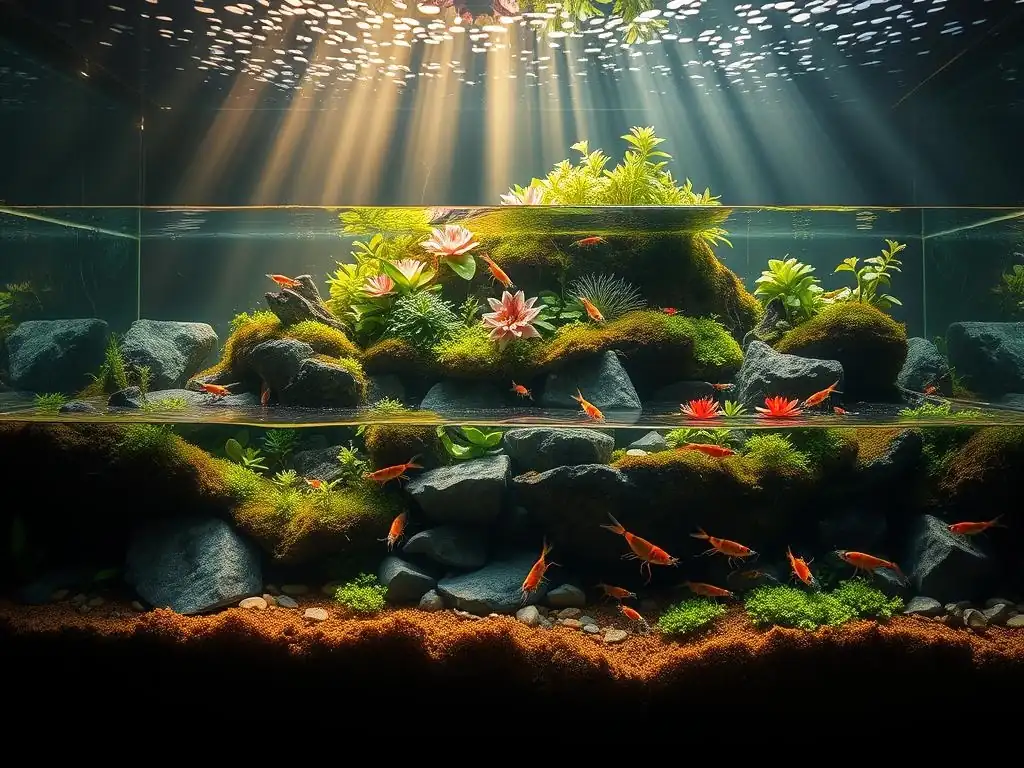
Welcome to Aquarium Mastery!
Ever wondered how the right substrate can transform your freshwater shrimp tank from just a container to a thriving ecosystem? Dive into our comprehensive guide on freshwater shrimp substrate options, where we unravel the mysteries of inert gravel versus active soil. Discover which choice will unlock the vibrant colors and healthy breeding habits of your delicate shrimp. Read on to find out which substrate will set your shrimp up for success!
- Understanding Freshwater Shrimp Substrate Options: A Comprehensive Guide
- What is Aquarium Substrate and Why Does it Matter for Shrimp?
- Inert Substrate for Freshwater Shrimp: A Beginner-Friendly Choice
- Active Soil Substrate for Freshwater Shrimp: Advanced Aquascaping
- Inert vs. Active Soil: A Detailed Comparison for Shrimp Keepers
- Setting Up Your Shrimp Tank with Inert or Active Soil: Step-by-Step
- Maintaining Your Shrimp Substrate: Best Practices for a Healthy Aquarium
- Choosing the Right Substrate Based on Your Experience Level and Goals
- Troubleshooting Common Substrate Issues in Shrimp Tanks
- Conclusion: Making the Best Substrate Choice for Your Freshwater Shrimp
-
Frequently Asked Questions
- What are the main differences between inert and active substrates for freshwater shrimp tanks?
- Why is substrate choice important for freshwater shrimp?
- What are some popular inert substrate options for freshwater shrimp?
- What are the benefits of using an active substrate for freshwater shrimp?
- How do I choose the right substrate for my freshwater shrimp?
- Final Reflection: Cultivating Thriving Shrimp Habitats
- Dive Deeper: Cultivate a Thriving Shrimp Paradise!
Understanding Freshwater Shrimp Substrate Options: A Comprehensive Guide
Choosing the correct substrate is a foundational decision for any freshwater aquarium, but for tanks housing delicate freshwater shrimp, this choice becomes even more critical. The substrate, the material covering the bottom of your tank, directly influences water parameters, provides essential habitat, and impacts the overall health and breeding success of your shrimp. Understanding the various freshwater shrimp substrate options available, particularly the distinction between inert and active soils, is key to creating a thriving aquatic environment.
This comprehensive guide will delve into the nuances of different substrates, comparing their advantages and disadvantages. We will explore how each type affects water chemistry, plant growth, and ultimately, the well-being of your Neocaridina (e.g., Cherry Shrimp, Blue Dream Shrimp) and Caridina (e.g., Crystal Red Shrimp, Bee Shrimp) colonies. By the end, you'll be equipped to make an informed decision on the best substrate for your specific freshwater shrimp setup and goals.
What is Aquarium Substrate and Why Does it Matter for Shrimp?
Defining Aquarium Substrate: Its Role in a Thriving Shrimp Tank
Aquarium substrate refers to the material that forms the base layer of your tank. Beyond its aesthetic contribution, substrate serves multiple vital functions in an aquatic ecosystem. It provides a rooting medium for live plants, anchoring them securely and allowing them to absorb nutrients through their root systems. More importantly for shrimp, the substrate offers an immense surface area for the colonization of beneficial nitrifying bacteria, which are crucial for breaking down harmful ammonia and nitrites into less toxic nitrates, a cornerstone of the nitrogen cycle.
Furthermore, the substrate acts as a natural foraging ground for freshwater shrimp, allowing them to graze on biofilm and detritus that accumulate within the substrate layers. It also provides essential hiding spots, particularly for vulnerable shrimplets or newly molted adults seeking refuge from tank mates or during periods of stress. The choice of freshwater shrimp substrate options can significantly influence the overall stability and health of the aquarium environment, directly affecting water quality and the inhabitants' well-being.
The Importance of Substrate for Freshwater Shrimp Health and Breeding
The right substrate is paramount for the health and breeding success of freshwater shrimp. For instance, a rough-textured substrate can provide grip for shrimp, aiding in their movement and molting process. A fine-grained substrate like sand or specialized active soil offers a soft surface that protects their delicate antennae and legs from injury, which is particularly important for active foragers. The substrate also plays a role in the establishment of a robust biofilm, a primary food source for many shrimp species, especially shrimplets.
In terms of breeding, the substrate can offer critical shelter for newly hatched shrimplets, increasing their survival rates by protecting them from filtration systems or larger tank inhabitants. Female shrimp also often attach their eggs to decor or the substrate during the final stages of gestation if they feel secure.
Optimal water parameters, often influenced by the substrate, are directly linked to breeding stimulus and successful embryo development. For example, Caridina shrimp, like Crystal Red Shrimp, are notoriously sensitive to water quality, and specific freshwater shrimp substrate options are designed to meet their precise needs for soft, acidic water to encourage prolific breeding.
How Substrate Affects Water Parameters for Shrimp
The type of substrate chosen can dramatically impact the water parameters within your shrimp aquarium, particularly pH (acidity/alkalinity), KH (carbonate hardness), and GH (general hardness). Inert substrates, as their name suggests, have minimal to no effect on these parameters, meaning your water chemistry will primarily be determined by your source water and any additives you use. This offers predictability but requires external buffering if your tap water is not suitable for your target shrimp species.
Conversely, active soils are specifically formulated to influence water parameters. They typically contain humic acids and other organic compounds that buffer the water, lowering both pH and KH to create a soft, acidic environment. This is highly beneficial for Caridina shrimp, which thrive in conditions with a pH between 6.0 and 6.8 and a KH between 0 and 2 dKH.
However, this buffering capacity also means constant monitoring is necessary, as the soil's ability to buffer can deplete over time, potentially leading to fluctuations if not managed correctly. Understanding these impacts is crucial for selecting appropriate freshwater shrimp substrate options.
Inert Substrate for Freshwater Shrimp: A Beginner-Friendly Choice
What is Inert Substrate?
Inert substrate refers to any aquarium substrate that does not significantly alter the water chemistry of the tank. This means it will not leach minerals, buffer pH, or affect water hardness (GH/KH) over time.
For aquarists, this provides a predictable and stable foundation, as the water parameters will primarily be determined by the source water used for filling and water changes. It is a popular choice for beginners or those keeping shrimp species that are tolerant of a wider range of water conditions, such as Neocaridina davidi (Cherry Shrimp), which can thrive in slightly harder, more alkaline water than their Caridina cousins.
Common examples of inert freshwater shrimp substrate options include various types of gravel, sand, and certain specialized clay-based products like Seachem Flourite. Their chemical neutrality makes them excellent for maintaining consistent water parameters, provided the source water is already suitable for the shrimp being kept. This stability reduces the need for complex water parameter adjustments within the tank itself, simplifying the maintenance routine for new shrimp keepers.
Types of Inert Substrates Suitable for Shrimp Tanks
Gravel: Pros and Cons for Shrimp Keeping
Gravel is one of the most widely available and traditional freshwater shrimp substrate options. It typically consists of small, rounded stones ranging from 2mm to 5mm in diameter. Its primary advantages include its affordability and ease of cleaning, as detritus tends to settle on top or between the larger particles, making it easy to siphon out during routine maintenance. Gravel also provides ample surface area for beneficial bacteria to colonize, contributing to biological filtration.
However, gravel does have its drawbacks for shrimp keeping. If the gravel is too large, uneaten food and waste can accumulate deep within the substrate, leading to anaerobic pockets that produce harmful gases. While most shrimp aren't burrowers, very sharp-edged gravel could potentially pose a minor risk to their delicate legs and antennae, though this is rare with aquarium-specific products. For plants that primarily feed through their roots, gravel offers no intrinsic nutrients, meaning supplemental root tabs or liquid fertilizers are necessary to support healthy growth.
Sand: A Natural-Looking Option for Shrimp
Sand is a highly popular inert substrate for freshwater shrimp, offering a natural and aesthetically pleasing appearance that mimics many natural aquatic environments. Its fine texture (typically 0.1mm to 2mm) is gentle on shrimp's delicate appendages, making it an excellent choice for species that forage extensively on the substrate. Sand provides a vast surface area for beneficial bacteria and allows for a more natural rooting environment for many aquatic plants, particularly those with fine root systems or those that propagate through runners.
Despite its benefits, sand requires specific considerations. It can compact over time, potentially leading to anaerobic zones if not occasionally stirred or if the tank is overfed. However, shrimp themselves, along with snails, often help to aerate the top layers.
Cleaning sand requires a different technique than gravel; instead of plunging a gravel vacuum deep, it's best to hover just above the sand surface to siphon off detritus without sucking up too much sand. Common types include pool filter sand, play sand (ensure it's silica-based and thoroughly rinsed), and specialized aquarium sands like Estes Marine Sand or CaribSea Super Naturals.
Seachem Flourite: A Porous Clay Gravel
Seachem Flourite is a unique inert substrate that blends the benefits of gravel with some of the porous qualities of active soils, without altering water chemistry. It is a stable, porous clay gravel that does not contain any chemical additives, dyes, or coatings.
Its rough, fractured surface provides an exceptionally large surface area for the colonization of beneficial bacteria, significantly enhancing the tank's biological filtration capacity. Although marketed as a planted tank substrate due to its iron content, it is considered inert in terms of pH and KH buffering, making it a suitable freshwater shrimp substrate option for Neocaridina or other shrimp that prefer stable, neutral to slightly alkaline conditions.
One initial disadvantage of Seachem Flourite is its tendency to be quite dusty, requiring thorough rinsing before use to prevent cloudiness in the aquarium. While it provides some trace elements like iron, it does not supply the full spectrum of nutrients needed for all plants, so supplemental fertilization may still be necessary for demanding species. Its dark color can also contrast beautifully with colorful shrimp varieties, making their vibrant hues stand out.
Advantages of Using Inert Substrates for Shrimp
Ease of Maintenance and Cleaning
One of the primary advantages of inert freshwater shrimp substrate options is their relative ease of maintenance and cleaning. Gravel, with its larger particle size, allows detritus and uneaten food to settle on the surface or within the top layers, making it simple to remove with a standard gravel vacuum. This prevents the buildup of organic waste, which can otherwise lead to elevated nitrates or even ammonia spikes in a heavily stocked tank. Sand, while requiring a different vacuuming technique (hovering just above the surface), also allows for efficient removal of surface debris.
This straightforward cleaning process minimizes disturbance to the tank ecosystem and the shrimp themselves, reducing stress. Unlike active soils, which can break down or release trapped nutrients if agitated too much, inert substrates are robust and can withstand regular, thorough cleaning without compromising their structure or chemical neutrality. This makes them a forgiving choice for beginners learning the ropes of aquarium maintenance.
Chemical Stability and Predictability
The most significant benefit of inert substrates for freshwater shrimp is their chemical stability. Because they do not leach minerals or buffer water parameters, the pH, KH, and GH of your aquarium will remain consistent with your source water. This predictability is highly advantageous, as it allows aquarists to precisely control water chemistry through their choice of tap water, remineralized RO/DI water, or external buffering agents. For Neocaridina shrimp, which thrive in a wide range of parameters (typically pH 6.5-8.0, KH 3-8 dKH, GH 6-10 dGH), inert substrates simplify the process of maintaining their preferred conditions.
This stability reduces the risk of sudden pH or KH swings, which can be highly stressful and even fatal for sensitive shrimp. With inert substrates, if your source water is already within the ideal range for your shrimp, you can be confident that the substrate itself will not introduce unwanted fluctuations, providing a consistent and safe environment for your shrimp to thrive and breed.
Cost-Effectiveness
Inert freshwater shrimp substrate options are generally more cost-effective than active soils, both in terms of initial purchase price and long-term expenses. A 20-pound bag of inert aquarium gravel or sand can typically be purchased for $15-$25 USD, which is significantly less than a similar volume of active soil. For example, a 9-liter bag of premium active soil like ADA Aqua Soil Amazonia can range from $50-$70 USD.
Furthermore, inert substrates have an exceptionally long lifespan. They do not break down or lose their chemical neutrality over time, meaning they rarely, if ever, need to be replaced. This stands in stark contrast to active soils, whose buffering capacity can deplete within 1 to 3 years, necessitating replacement to maintain desired water parameters. This long-term durability makes inert substrates a highly economical choice for shrimp keepers looking for a low-maintenance and budget-friendly setup.
Lack of Nutrient Buffering Capacity
A key disadvantage of inert freshwater shrimp substrate options is their complete lack of nutrient buffering capacity. Unlike active soils, they do not contain or release essential plant nutrients into the water column or directly to plant roots. While they provide an anchoring medium for plants, they do not contribute to their nutritional needs. This means that for tanks with live plants, particularly those that are heavy root feeders like Cryptocoryne or Echinodorus species, supplemental fertilization becomes absolutely necessary.
Aquarists using inert substrates must rely on root tabs inserted directly into the substrate near plant roots or liquid fertilizers dosed into the water column to provide the necessary macro and micronutrients for healthy plant growth. Without these additional measures, plants may exhibit stunted growth, yellowing leaves, or other signs of nutrient deficiencies, impacting the overall aesthetics and biological balance of the shrimp tank.
No Impact on Water Hardness or pH
Another significant drawback of inert freshwater shrimp substrate options is their inability to influence water hardness (GH/KH) or pH. While this provides chemical stability, it also means that if your tap water parameters are not ideal for your specific shrimp species, the substrate will not help to correct them. For instance, if you wish to keep Caridina shrimp (e.g., Crystal Red Shrimp, Black King Kong Shrimp) that require soft, acidic water (pH 6.0-6.8, KH 0-2 dKH), using inert substrate with hard, alkaline tap water will necessitate constant external intervention.
This typically involves using reverse osmosis (RO) or deionized (DI) water, which is essentially pure H2O, and then remineralizing it with specific mineral additives to achieve the target GH and KH levels. This adds an extra layer of complexity and cost to water preparation, as opposed to active soils which naturally buffer water to these desired parameters. For aquarists with unsuitable tap water, this can be a considerable ongoing effort.
Requires Additional Fertilization for Plants
As previously mentioned, the inert nature of these substrates means they provide no inherent nutrients for live plants. Consequently, tanks utilizing inert freshwater shrimp substrate options require a dedicated fertilization regimen to support plant growth. This typically involves two main approaches: using root tabs and dosing liquid fertilizers. Root tabs are solid fertilizer pellets that are inserted directly into the substrate near the base of root-feeding plants, slowly releasing nutrients over several months.
Liquid fertilizers, on the other hand, are dosed into the water column and provide nutrients for plants that absorb them through their leaves or for overall nutrient balance. The specific fertilization regime will depend on the types of plants, their nutrient demands, and the lighting intensity of the tank. This adds an extra step to tank maintenance and requires a greater understanding of plant nutrition compared to using nutrient-rich active soils.
Active Soil Substrate for Freshwater Shrimp: Advanced Aquascaping
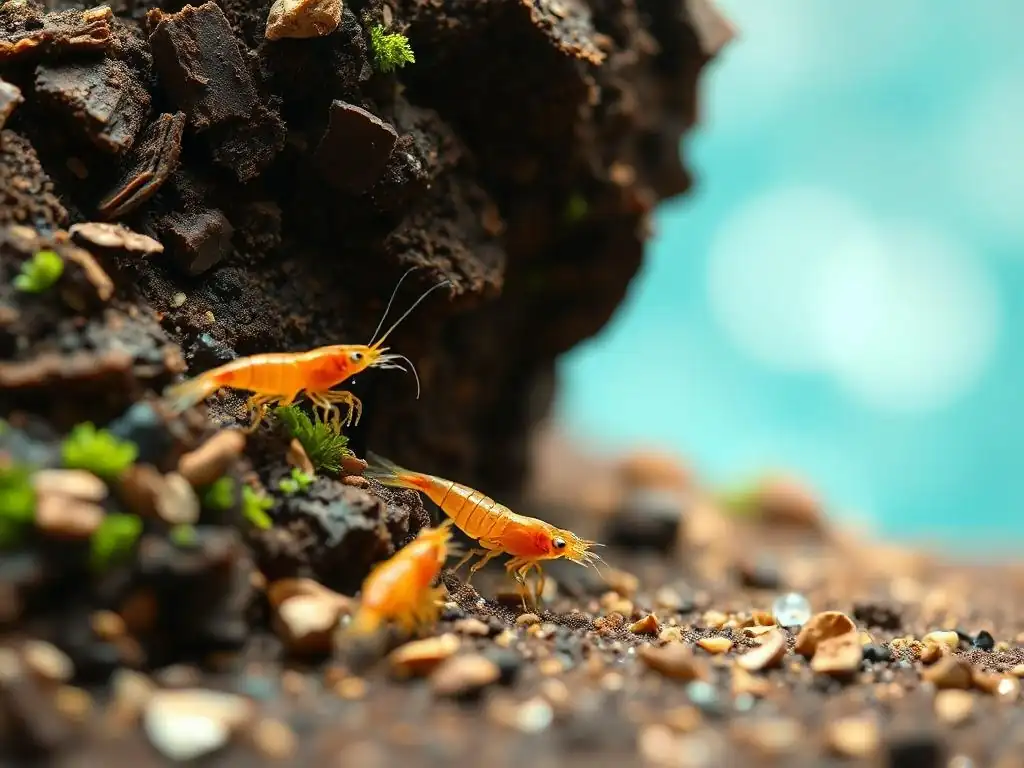
What is Active Soil Substrate?
Active soil substrate, often simply referred to as "aquarium soil" or "buffered soil," is a specially formulated substrate designed to actively alter and maintain specific water parameters. Unlike inert substrates, active soils are typically composed of baked or fired clay granules, often enriched with organic acids, humic substances, and various plant nutrients.
Their primary function is to buffer the water, specifically lowering the pH and carbonate hardness (KH) to create a soft, acidic environment. This makes them an ideal freshwater shrimp substrate option for species that naturally inhabit such conditions, particularly Caridina shrimp like Crystal Red, Bee, and Fancy Tiger shrimp.
These soils work through an ion exchange process, where they absorb carbonates and other ions from the water, thereby reducing KH and subsequently lowering pH. This buffering capacity is finite and will deplete over time, typically lasting anywhere from 1 to 3 years depending on the initial water parameters and the frequency of water changes. Beyond their buffering capabilities, active soils are also highly porous, providing ample surface area for beneficial bacteria, and are often nutrient-rich, promoting robust plant growth.
How Active Soil Affects Water Parameters: Buffering pH and KH
Active soil substrates exert a significant influence on water parameters, primarily by buffering pH and KH downwards. This is achieved through their unique chemical composition, which often includes humic and fulvic acids derived from organic matter, as well as cation exchange capacities within the clay granules. When water is added to an active soil tank, the soil actively absorbs carbonate ions (HCO3-) from the water, which directly reduces the carbonate hardness (KH). Since KH acts as the primary buffer against pH swings, a reduction in KH typically leads to a decrease in pH, pushing it into the acidic range.
For many Caridina species, maintaining a stable pH between 6.0 and 6.8 and a KH between 0 and 2 dKH is crucial for their long-term health, breeding success, and vibrant coloration. Active soils naturally achieve and maintain these conditions, making it significantly easier for aquarists to provide the specific environment these sensitive shrimp require, especially when using neutral or slightly alkaline tap water. This buffering action makes active soil a preferred freshwater shrimp substrate option for specialized shrimp setups.
Types of Active Soil Substrates for Shrimp
ADA Aqua Soil Amazonia: A Popular Choice for Planted Tanks
ADA Aqua Soil Amazonia is arguably one of the most renowned and widely used active soil substrates in the aquascaping world. Developed by Takashi Amano's Aqua Design Amano, it is highly prized for its exceptional ability to promote lush plant growth and its strong buffering capacity. Made from natural black soil, it creates a soft, acidic water environment (typically pH 5.8-6.5, KH 0-2 dKH) that is ideal for many demanding aquatic plants and, crucially, for Caridina shrimp species. Its dark color provides a striking contrast, making vibrant shrimp and green plants stand out.
While its benefits are significant, ADA Amazonia is known for releasing a substantial amount of ammonia during its initial setup phase. This necessitates a thorough cycling period, often 4-6 weeks, before shrimp can be safely introduced. For example, new setups with ADA Amazonia frequently show ammonia readings of 2-5 ppm in the first week. Despite this initial hurdle, its long-term performance in creating stable, soft water and supporting dense plant growth makes it a top choice for experienced aquascapers and dedicated Caridina shrimp breeders.
Fluval Stratum: Nutrient-Rich Substrate for Shrimp
Fluval Stratum is another popular active soil substrate, recognized for its nutrient-rich composition and porous structure, making it an excellent freshwater shrimp substrate option. Sourced from mineral-rich volcanic ash, it is designed to promote healthy plant growth by providing a readily available source of essential micronutrients. Its granular structure offers a large surface area for beneficial bacteria colonization, contributing to robust biological filtration, which is vital for maintaining stable water quality in shrimp tanks.
Fluval Stratum typically buffers water to a slightly acidic to neutral pH range (around 6.0-7.0) and helps to soften water, making it suitable for a wide variety of freshwater shrimp, including both Caridina and some Neocaridina species that prefer softer water. While it may release some ammonia initially, it generally does so in smaller quantities compared to some other active soils, potentially leading to a slightly faster cycling process. Its lightweight nature can be a minor disadvantage during planting, as it may float if not handled carefully, but it eventually settles well.
UNS Controsoil: A Lightweight Option
UNS Controsoil, distributed by Ultum Nature Systems, is a well-regarded active soil substrate that offers excellent buffering capabilities and a stable structure. Made from natural volcanic materials, it is formulated to buffer water to an ideal pH range for Caridina shrimp (typically 6.0-6.5) and effectively lower KH, creating the soft water conditions these sensitive species require. One of its notable features is its relatively firm and lightweight granular structure, which helps it maintain its shape over time and prevents excessive compaction.
Controsoil is designed for both planted tanks and shrimp-specific setups, providing essential nutrients for plant growth while also contributing to water clarity by absorbing tannins and other impurities. Similar to other active soils, it will undergo an initial "leaching" phase where it releases some ammonia, necessitating a proper tank cycling period before shrimp introduction. Its availability in different grain sizes (e.g., normal, fine) allows aquarists to choose the best option for their specific aquascaping needs and shrimp species.
Advantages of Using Active Soil Substrates for Shrimp
Buffering Capacity for Optimal Shrimp Health
The most significant advantage of active soil substrates is their inherent buffering capacity, which directly contributes to optimal shrimp health, particularly for Caridina species. These soils are specifically designed to lower and stabilize pH and KH, typically creating a soft, acidic environment with a pH between 6.0 and 6.8 and a KH between 0 and 2 dKH. These parameters closely mimic the natural habitats of many wild Caridina shrimp, such as those found in specific streams in China.
Maintaining these precise conditions is crucial for the successful molting, vibrant coloration, and prolific breeding of sensitive shrimp like Crystal Red Shrimp, Black King Kong, or Pinto Shrimp. Fluctuations in pH and KH can lead to stress, molting issues, and even death in these species. Active soils remove the burden of constantly adjusting water parameters via additives, providing a stable, self-regulating environment that is conducive to the well-being of the most demanding freshwater shrimp.
Nutrient-Rich Environment for Plant Growth
Beyond their buffering capabilities for shrimp, active soil substrates are highly valued for their ability to create a nutrient-rich environment that significantly boosts plant growth. These soils are typically infused with essential macro and micronutrients, including nitrogen, phosphorus, potassium, iron, and various trace elements. This readily available supply of nutrients, primarily released through the substrate, allows aquatic plants to thrive, often leading to lusher, healthier growth compared to inert substrates.
This inherent fertility reduces or even eliminates the need for supplemental root tabs and often minimizes the reliance on liquid fertilizers, especially in the initial months of a tank's setup. Plants with extensive root systems, such as Cryptocoryne species, Echinodorus, and many stem plants, benefit immensely from the nutrient-dense nature of active soils. A thriving planted tank not only enhances the aesthetic appeal but also contributes to a more stable ecosystem, providing additional filtration and oxygenation beneficial for freshwater shrimp.
Promotes Water Clarity
Active soil substrates often contribute to enhanced water clarity in an aquarium, a benefit that indirectly supports shrimp health and overall tank aesthetics. Many active soils are designed with a porous structure that can help to absorb tannins and other organic impurities that might otherwise leach into the water and cause discoloration. This absorption capability can result in crystal-clear water, which is not only visually appealing but also allows for better light penetration for plants and easier observation of your shrimp.
Furthermore, some active soils have properties that can help to flocculate (clump together) fine particulate matter in the water column, causing it to settle more quickly. This reduces turbidity and maintains pristine conditions. While not their primary function, this ability to maintain clearer water is an added benefit of using these specialized freshwater shrimp substrate options, contributing to a more stable and visually appealing aquatic environment for your delicate invertebrates.
Potential for Ammonia Spikes During Cycling
One of the most significant disadvantages of active soil substrates, particularly for new setups, is their potential to release substantial amounts of ammonia during the initial cycling phase. Many active soils, especially those rich in nutrients like ADA Aqua Soil Amazonia, are formulated with high organic content. When first submerged in water, these organic compounds can break down and release ammonia into the water column. It is common to see ammonia readings of 2-5 ppm or even higher in the first week of setting up a tank with new active soil.
This ammonia spike makes it absolutely crucial to perform a thorough fishless cycle before introducing any freshwater shrimp. Introducing shrimp too early into an uncycled tank with active soil will almost certainly lead to severe stress, illness, and high mortality rates due to ammonia and nitrite poisoning. The cycling process with active soil can sometimes take longer than with inert substrates, often 4-6 weeks, as the beneficial bacteria need time to establish and process the initial ammonia load effectively.
Requires Careful Monitoring of Water Parameters
While active soils are designed to buffer water to ideal parameters for Caridina shrimp, they still require careful and consistent monitoring of water parameters. The buffering capacity of active soil is finite and will deplete over time, typically within 1 to 3 years, depending on factors such as the initial hardness of your source water and the frequency of water changes. As the buffering capacity diminishes, the soil's ability to maintain low pH and KH will weaken, potentially leading to gradual shifts or even sudden fluctuations in water chemistry.
Regular testing of pH, KH, and GH is essential to track the soil's effectiveness and to anticipate when its buffering capacity might be nearing its end. If the parameters start to drift outside the desired range for your shrimp species, corrective actions such as increasing the frequency of water changes with remineralized RO/DI water, or eventually replacing the substrate, may become necessary. This ongoing vigilance is a key aspect of managing active freshwater shrimp substrate options.
Shorter Lifespan Compared to Inert Substrates
Unlike inert substrates that can last indefinitely, active soil substrates have a finite lifespan. Their buffering capacity, which is their defining characteristic, gradually depletes over time as they absorb carbonates and release their buffering compounds. The exact lifespan varies depending on the specific brand of soil, the initial hardness of the water used for water changes, and the frequency of those changes. On average, most active soils effectively buffer water for about 1 to 3 years.
Once the buffering capacity is exhausted, the soil essentially becomes inert, no longer providing the desired pH and KH reduction. At this point, if you are keeping shrimp that require soft, acidic water, you will need to replace the substrate entirely. This can be a significant undertaking, involving temporarily housing your shrimp and plants, draining the tank, removing the old soil, and setting up the new substrate. This shorter lifespan and the associated replacement costs and effort are important considerations when choosing between different freshwater shrimp substrate options.
Can Lower KH Too Much
While the ability of active soils to lower KH is beneficial for Caridina shrimp, it can be a disadvantage for other species or if not managed properly. Active soils can reduce KH to near zero (0-1 dKH), which is ideal for Crystal Red or Bee shrimp. However, Neocaridina shrimp, such as Cherry, Blue Dream, or Sunkist shrimp, generally prefer slightly harder water with a KH range of 3-8 dKH and a pH of 6.5-8.0. If Neocaridina are kept in water with extremely low KH, they can experience issues with osmoregulation and molting, leading to stress and mortality.
Furthermore, a KH of zero provides no buffering against pH swings. While the active soil itself buffers pH, once its capacity is depleted, or if external factors introduce strong acids or bases (e.g., CO2 injection without proper monitoring, sudden large water changes with high KH water), the pH can crash or spike rapidly. This lack of KH buffering in the water column itself requires careful monitoring and often the use of remineralized RO/DI water to ensure stability for the shrimp.
Inert vs. Active Soil: A Detailed Comparison for Shrimp Keepers
pH and KH Management: Which Substrate is Better?
When it comes to pH and KH management, the choice between inert and active freshwater shrimp substrate options hinges entirely on the specific needs of your shrimp species. Inert substrates, such as gravel or sand, have no impact on water chemistry; they are chemically neutral. This means that the pH and KH of your aquarium will be dictated solely by your source water.
For Neocaridina shrimp (e.g., Cherry Shrimp), which are more adaptable and thrive in a pH range of 6.5-8.0 and a KH of 3-8 dKH, inert substrates are often sufficient, provided your tap water falls within these parameters. This simplicity allows for straightforward water changes without complex adjustments.
Active soils, conversely, are specifically engineered to buffer water, lowering both pH and KH. They achieve a soft, acidic environment, typically maintaining a pH of 6.0-6.8 and a KH of 0-2 dKH. This makes them indispensable for Caridina shrimp (e.g., Crystal Red Shrimp, Bee Shrimp), which require these precise conditions for optimal health, coloration, and breeding success.
While active soils simplify the process of achieving these parameters, they also require monitoring as their buffering capacity depletes over time, and they can sometimes lower KH too much for Neocaridina species. Therefore, active soil is superior for specific Caridina needs, while inert is better for adaptable Neocaridina or when you prefer to control parameters externally.
Plant Growth: Inert vs. Active Soil for Aquascaping
The impact on plant growth is another critical differentiator between inert and active freshwater shrimp substrate options, especially for aquascapers. Active soils are generally superior for supporting lush aquatic plant growth. Brands like ADA Aqua Soil Amazonia or Fluval Stratum are rich in essential macro and micronutrients (e.g., nitrogen, phosphorus, potassium, iron) that are readily available to plant roots.
This nutrient richness promotes vigorous growth, vibrant coloration, and reduces the need for extensive liquid fertilization or root tabs, particularly in the initial months of a setup. Plants with demanding nutrient requirements, such as Cryptocoryne species, stem plants, and foreground carpets, often thrive in active soil due to the consistent nutrient supply and ideal acidic pH.
In contrast, inert substrates like gravel or sand offer no inherent nutritional value to plants. While they provide a stable anchoring medium for roots, aquarists must supplement with root tabs for heavy root feeders and dose liquid fertilizers regularly to supply all necessary nutrients. Without these additions, plants in inert substrates may exhibit stunted growth or nutrient deficiencies. While a beautiful planted tank is certainly achievable with inert substrates, it typically requires a more involved and consistent fertilization regimen compared to the "set it and forget it" (for a period) nature of nutrient-rich active soils.
Ease of Maintenance: Inert Substrates vs. Active Soil
Ease of maintenance is a significant factor, particularly for new shrimp keepers. Inert freshwater shrimp substrate options generally offer simpler maintenance routines. Gravel is very easy to clean with a standard gravel vacuum, allowing detritus to be siphoned out effectively without disturbing the substrate too much. Sand requires a different technique, hovering the siphon just above the surface, but is still relatively straightforward. These substrates are robust and can withstand regular cleaning without breaking down or altering water chemistry, making them very forgiving.
Active soils, however, demand a more delicate approach. Their granular structure can break down if aggressively vacuumed, potentially releasing trapped nutrients or clouding the water. Deep vacuuming is generally avoided; instead, spot cleaning with a small siphon or surface siphoning is recommended. Furthermore, active soils require vigilant monitoring of water parameters as their buffering capacity depletes over time, necessitating eventual replacement. This adds a layer of complexity and labor to long-term maintenance, as a full substrate replacement involves temporarily relocating shrimp and plants, draining the tank, and re-establishing the system.
Cost Analysis: Comparing the Long-Term Expenses
When comparing the cost of inert versus active freshwater shrimp substrate options, it's crucial to consider both the initial purchase price and the long-term expenses, including potential replacement. Inert substrates like standard aquarium gravel or sand are significantly more affordable upfront. A 20-pound bag of inert substrate typically costs between $15 and $25 USD, sufficient for a medium-sized tank (e.g., a 10-gallon tank might need 15-20 pounds). Furthermore, inert substrates are extremely durable and effectively last indefinitely, meaning there are no replacement costs over the lifespan of your aquarium.
Active soils, on the other hand, have a higher initial price point. A 9-liter bag of premium active soil, such as ADA Aqua Soil Amazonia, can cost anywhere from $50 to $70 USD. More importantly, active soils have a finite lifespan; their buffering capacity typically lasts between 1 and 3 years.
Once depleted, they cease to provide the desired water parameters and often need to be replaced, incurring recurring costs. Over a 5-10 year period, the cumulative cost of active soil can be several times higher than that of an inert substrate, making inert options more economical in the long run.
Impact on Shrimp Breeding and Survival Rates
The choice of freshwater shrimp substrate options has a direct and profound impact on shrimp breeding success and overall survival rates, primarily through its influence on water parameters. For Caridina shrimp species, such as Crystal Red or Black King Kong shrimp, which originate from soft, acidic water environments, active soil is often indispensable. These shrimp thrive and breed most successfully in water with a pH of 6.0-6.8 and a KH of 0-2 dKH.
Active soils naturally create and maintain these conditions, significantly increasing breeding rates, improving shrimplet survival, and enhancing the vibrancy of adult coloration. Without these specific parameters, Caridina shrimp may refuse to breed, experience molting difficulties, or have high mortality rates.
Conversely, for Neocaridina shrimp species (e.g., Cherry Shrimp, Blue Dream Shrimp), which are more tolerant of a wider range of water parameters (typically pH 6.5-8.0, KH 3-8 dKH), inert substrates are often perfectly suitable. These shrimp are highly adaptable, and as long as stable parameters within their preferred range are provided via source water, they will breed prolifically on sand or gravel.
While Neocaridina can survive on active soil, the extremely low KH it produces can sometimes be too soft for their optimal long-term health and breeding, potentially leading to issues if not carefully managed. Therefore, selecting the substrate that aligns with your shrimp's specific water parameter requirements is paramount for their reproductive success and longevity.
Setting Up Your Shrimp Tank with Inert or Active Soil: Step-by-Step
Preparing Inert Substrate for Your Shrimp Tank: Cleaning and Rinsing
Preparing inert freshwater shrimp substrate options is a straightforward but crucial step to ensure the health of your aquarium. Whether you choose gravel or sand, thorough cleaning and rinsing are essential to remove dust, debris, and any potential contaminants that could cloud your water or introduce unwanted substances. Begin by placing small batches of the substrate into a clean bucket. Fill the bucket with tap water, agitate the substrate vigorously with your hands or a stirring tool, and then carefully pour out the cloudy water, being careful not to lose the substrate.
Repeat this rinsing process multiple times, typically 5 to 10 times, until the water you pour off runs completely clear. For sand, this might take more rinses due to its finer particles. Neglecting this step can lead to persistent cloudy water in your tank, which is not only unsightly but can also irritate shrimp gills and make it difficult for them to forage efficiently. Once thoroughly rinsed, the inert substrate is ready to be gently added to your aquarium, ideally before filling with water to minimize disturbance.
Cycling Your Tank with Active Soil: A Crucial Step
Cycling a tank with active soil is a critical and non-negotiable step before introducing any freshwater shrimp. Active soils, particularly nutrient-rich ones like ADA Aqua Soil Amazonia, release significant amounts of ammonia during their initial submersion. This ammonia is a natural byproduct of the organic compounds within the soil leaching into the water. Ammonia levels can easily reach 2-5 ppm or higher in the first week, which is highly toxic to shrimp and fish.
Therefore, a proper fishless cycle must be performed. This involves adding an ammonia source (e.g., pure ammonia solution, fish food) to feed the beneficial bacteria, allowing them to establish and convert the ammonia into nitrites, and then nitrites into nitrates. Regular testing of ammonia, nitrite, and nitrate levels is essential throughout this period. The cycle is complete when both ammonia and nitrite consistently read zero, and nitrates are present. This process typically takes 4-6 weeks, but patience is key, as rushing it can lead to devastating losses of your delicate shrimp.
Planting in Inert vs. Active Substrate: Techniques and Tips
Planting techniques vary slightly depending on whether you're using inert or active freshwater shrimp substrate options. With inert substrates like gravel or sand, plants may initially struggle to root firmly, especially stem plants, due to the lighter nature of the substrate. For heavy root feeders, it's crucial to place root tabs directly into the substrate near their root systems, as inert substrates provide no inherent nutrients. You may need to use planting tweezers to firmly anchor plants, and some plants might benefit from being weighed down with lead weights (ensure they are aquarium safe) until their roots establish.
Active soils generally make planting easier due to their texture and nutrient content. Plants readily grip the soil, and their roots quickly access the rich nutrients. When planting in active soil, it's important to be gentle to avoid disturbing the soil structure too much, which can release fine particles and cloud the water. Avoid excessive digging or rearranging once the tank is filled. For carpeting plants, the fine grain of some active soils allows for easy spreading and rooting. Regardless of substrate, ensure plants are healthy and free of pests before introduction.
Water Change Strategies for Inert and Active Soil Tanks
Water change strategies differ significantly between inert and active freshwater shrimp substrate options to maintain optimal conditions. For inert substrate tanks, regular water changes, typically 10-20% weekly, are generally sufficient to dilute nitrates and replenish trace elements, assuming your source water is already suitable for your shrimp species. The key here is consistency and ensuring the replacement water matches the tank's parameters as closely as possible to avoid shocking the shrimp.
For active soil tanks, especially during the initial months, water change strategies are more nuanced. Due to the initial ammonia leaching and the soil's buffering action, smaller, more frequent water changes are often recommended. For example, 10-15% daily water changes for the first week, then 20% twice weekly for the first month, can help manage ammonia spikes and stabilize the buffering process.
Crucially, when keeping Caridina shrimp on active soil, it is highly recommended to use reverse osmosis (RO) or deionized (DI) water remineralized to target parameters (e.g., GH 4-6, KH 0-1, pH 6.0-6.8) using a specialized shrimp GH+/KH- remineralizer. This ensures that the water being added doesn't deplete the soil's buffering capacity too quickly and maintains the precise soft, acidic conditions vital for these sensitive shrimp.
Maintaining Your Shrimp Substrate: Best Practices for a Healthy Aquarium
Cleaning Inert Substrates: Vacuuming and Gravel Siphoning
Maintaining inert freshwater shrimp substrate options primarily involves regular cleaning through vacuuming and gravel siphoning. This practice is crucial for removing accumulated detritus, uneaten food, and shrimp waste, which can otherwise decompose and contribute to harmful ammonia and nitrate levels. For gravel, use a standard gravel vacuum. Plunge the wide end into the gravel, allowing water to flow through the substrate, lifting debris while the heavier gravel falls back down. Avoid plunging too deep or disturbing beneficial bacteria colonies excessively.
For sand, a different technique is employed: hover the gravel vacuum just above the sand surface. This allows the siphon to suck up the lightweight detritus and waste without pulling up too much sand. Perform this cleaning weekly or bi-weekly, depending on your tank's bioload and feeding habits. Regular and gentle cleaning of inert substrates ensures a clean environment, prevents anaerobic pockets, and contributes significantly to the overall water quality and health of your freshwater shrimp.
Managing Active Soil: Avoiding Disturbances and Replacements
Managing active soil freshwater shrimp substrate options requires a more delicate approach to preserve its structure and buffering capacity. Unlike inert substrates, active soils should not be deep-vacuumed. Aggressive siphoning can break down the soil pellets, releasing fine particles that cloud the water and potentially releasing trapped nutrients. Instead, focus on surface cleaning; use a small siphon to gently remove detritus and uneaten food that settles on top of the soil. This minimizes disturbance to the soil layers and protects the beneficial bacteria colonies within.
Over time, active soil's buffering capacity will deplete, typically within 1 to 3 years. When water parameters start to drift (e.g., pH begins to rise, KH becomes detectable), it indicates the soil is no longer actively buffering. At this point, replacement becomes necessary to maintain the ideal soft, acidic conditions for Caridina shrimp. This is a significant undertaking, often requiring the temporary relocation of shrimp and plants, but it is essential for the long-term success of a specialized active soil setup.
Monitoring Water Parameters: Regular Testing for Optimal Conditions
Regardless of the freshwater shrimp substrate options chosen, regular monitoring of water parameters is a non-negotiable best practice for maintaining a healthy shrimp aquarium. For all shrimp tanks, consistent testing for ammonia, nitrite, and nitrate is vital, especially during the initial cycling phase and in established tanks to ensure the nitrogen cycle is functioning properly. A liquid test kit is highly recommended over test strips for its superior accuracy and reliability.
Beyond the nitrogen cycle, specific parameters like pH, KH (carbonate hardness), and GH (general hardness) are paramount for shrimp health. For Neocaridina shrimp, aim for a pH of 6.5-8.0, KH of 3-8 dKH, and GH of 6-10 dGH. For Caridina shrimp, the target is much narrower: pH 6.0-6.8, KH 0-2 dKH, and GH 4-6 dGH. Test these parameters weekly in established tanks, and daily during the initial cycling period or if any issues arise. Consistent monitoring allows you to detect potential problems early and take corrective action, ensuring the stability and well-being of your delicate freshwater shrimp.
Choosing the Right Substrate Based on Your Experience Level and Goals
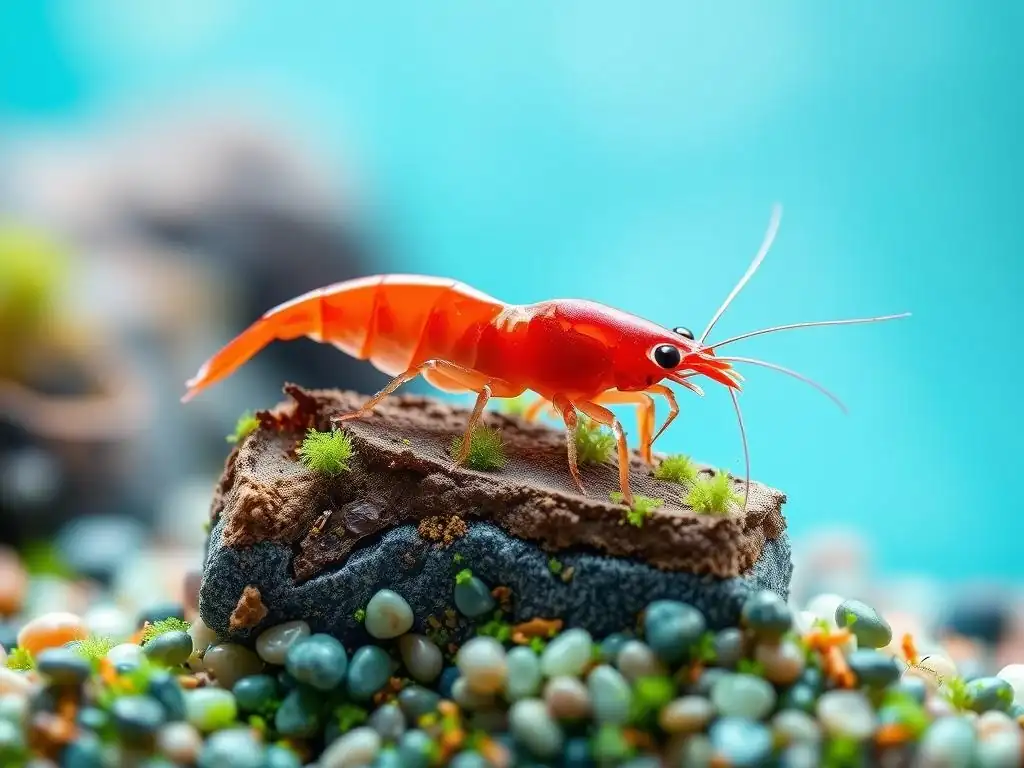
Beginner Shrimp Keepers: Starting with Inert Substrates
For beginner shrimp keepers, starting with inert freshwater shrimp substrate options like sand or fine gravel is highly recommended. Inert substrates offer a simpler, more forgiving introduction to the world of shrimp keeping. Their chemical neutrality means they will not alter your water parameters, allowing you to focus on managing your source water and establishing a stable nitrogen cycle. This eliminates the complexity of dealing with the initial ammonia spikes and ongoing buffering management associated with active soils.
Furthermore, Neocaridina shrimp species, such as Cherry Shrimp ( Neocaridina davidi), are excellent choices for beginners due to their hardiness and adaptability to a wider range of water parameters (e.g., pH 6.5-8.0, KH 3-8 dKH). These parameters are often achievable with standard tap water, especially when using an inert substrate. By simplifying the substrate choice, beginners can concentrate on fundamental aspects of shrimp care, such as proper feeding, water changes, and basic plant care, building confidence before potentially venturing into more advanced setups.
Experienced Aquascapers: Leveraging Active Soil for Stunning Planted Tanks
Experienced aquascapers often gravitate towards active soil freshwater shrimp substrate options, not only for their benefits to sensitive shrimp but also for their unparalleled ability to support stunning, densely planted aquascapes. Active soils are rich in nutrients, providing an ideal growth medium for a wide variety of aquatic plants, including demanding species that thrive in soft, acidic conditions. This allows for the creation of intricate and vibrant underwater landscapes with lush carpets, tall stem plants, and robust foreground plants without the constant need for extensive external fertilization.
For aquascapers who also wish to keep sensitive Caridina shrimp (e.g., Crystal Red, Black King Kong), active soil is the natural choice as it provides the precise soft, acidic water parameters (pH 6.0-6.8, KH 0-2 dKH) that these shrimp require to thrive and breed. While managing active soil involves a steeper learning curve, including careful cycling and consistent water parameter monitoring, the rewards are a breathtakingly beautiful aquascape that is also a perfectly tailored habitat for specialized shrimp.
Considering Your Shrimp Species: Specific Substrate Preferences
The most crucial factor in choosing the right freshwater shrimp substrate option is the specific species of shrimp you intend to keep. Different shrimp species have distinct water parameter requirements, and your substrate choice should align with these needs.
For instance, Neocaridina shrimp (e.g., Cherry, Blue Dream, Yellow) are highly adaptable and thrive in a wide range of conditions, generally preferring neutral to slightly alkaline water with moderate hardness (pH 6.5-8.0, KH 3-8 dKH, GH 6-10 dGH). For these species, inert substrates like sand or gravel are perfectly suitable and often simplify maintenance, as you can rely on your tap water (if appropriate) or easily remineralize RO/DI water to their preferred range.
Conversely, Caridina shrimp (e.g., Crystal Red, Bee, Black King Kong, Pinto) are much more sensitive and require specific soft, acidic water conditions (pH 6.0-6.8, KH 0-2 dKH, GH 4-6 dGH) to thrive and breed successfully. For these species, active soil substrates are almost a necessity. They actively buffer the water to these precise parameters, making it feasible to keep these delicate shrimp even if your tap water is hard and alkaline. Therefore, always research the specific water parameter needs of your chosen shrimp species before making a substrate decision.
Troubleshooting Common Substrate Issues in Shrimp Tanks
Algae blooms are a common issue in shrimp tanks, and the substrate can play a significant role in their occurrence. In tanks with inert freshwater shrimp substrate options, algae often indicate an imbalance of nutrients in the water column, typically from overfeeding, insufficient water changes, or excessive lighting. If detritus accumulates heavily in the substrate due to inadequate cleaning, it can decompose and release nutrients, fueling algae growth. Solutions include reducing feeding, increasing water change frequency, and ensuring thorough gravel vacuuming.
In tanks with active soil, algae can be more prevalent during the initial setup phase. New active soils often leach excess nutrients, particularly ammonia and phosphates, which can lead to diatom blooms (brown algae) or green water. After the cycle, if the tank is overfed or lighting is too intense, the rich nutrients in active soil can still contribute to various algae types. Solutions involve careful nutrient management (e.g., fewer fertilizers, less feeding), reducing light intensity and duration (e.g., 6-8 hours daily), and introducing algae-eating invertebrates like Nerite snails or Amano shrimp (if tank is cycled).
Ammonia Spikes: Managing Active Soil During Cycling
Ammonia spikes are a well-known phenomenon when setting up a tank with new active soil freshwater shrimp substrate options and are a critical point to manage. As discussed, active soils, especially nutrient-rich varieties like ADA Amazonia, release ammonia as their organic compounds break down upon submersion. It's common to see ammonia levels as high as 2-5 ppm in the first week. The primary solution is patience and a thorough fishless cycling process. Do not introduce shrimp until both ammonia and nitrite consistently read zero for several days.
During the cycling period, you can help manage the ammonia by performing small, frequent water changes (e.g., 10-15% daily) if the ammonia levels become excessively high (above 5 ppm), although some aquarists prefer to let the cycle run its course without intervention. Adding beneficial bacteria starters can also accelerate the cycling process. Once the tank is fully cycled, the established bacterial colonies will efficiently convert any ammonia released by the soil into harmless nitrates, preventing future spikes.
pH Fluctuations: Maintaining Stable Water Parameters
pH fluctuations can be detrimental to freshwater shrimp, and the substrate can both cause and help mitigate this issue. In inert substrate tanks, pH fluctuations often occur due to a lack of buffering capacity in the water, especially if using very soft tap water or RO/DI water without proper remineralization. Large, infrequent water changes with water of a significantly different pH can also cause swings.
The solution here is to ensure your water has adequate KH (carbonate hardness) to buffer pH, either through your source water or by carefully adding a KH-boosting remineralizer. Small, frequent water changes with properly prepared water also help maintain stability.
In active soil tanks, pH fluctuations can occur if the soil's buffering capacity is nearing depletion, allowing the pH to slowly creep up, or if sudden large water changes with high KH water are performed, overwhelming the soil's buffering ability. While active soil provides excellent buffering, a KH near zero means there's little buffer in the water column itself.
The solution involves regular monitoring of pH and KH. If the pH begins to rise or KH becomes detectable, it's a sign the soil is losing its effectiveness, and more frequent water changes with properly remineralized RO/DI water (for Caridina shrimp) or eventual substrate replacement may be necessary.
Conclusion: Making the Best Substrate Choice for Your Freshwater Shrimp
Choosing the best freshwater shrimp substrate options is a pivotal decision that profoundly impacts the health, well-being, and breeding success of your aquatic invertebrates. There is no single "best" substrate; rather, the ideal choice depends on a careful consideration of your experience level, your specific shrimp species, and your overall aquarium goals. Inert substrates like sand and gravel offer simplicity, chemical stability, and cost-effectiveness, making them excellent choices for beginners and for keeping hardy Neocaridina shrimp that thrive in a wider range of water parameters. They require external fertilization for plants but provide a forgiving environment.
Conversely, active soil substrates are the go-to for experienced aquarists and those dedicated to keeping sensitive Caridina shrimp species, such as Crystal Red or Bee shrimp. These specialized soils actively buffer water to the precise soft, acidic conditions vital for these shrimp's survival and prolific breeding, while also providing a nutrient-rich foundation for lush planted aquascapes.
However, they demand a more involved setup process, including careful cycling to manage initial ammonia spikes, and require ongoing monitoring as their buffering capacity depletes over time. Ultimately, an informed decision based on your unique setup will lead to a thriving and vibrant freshwater shrimp aquarium.
Frequently Asked Questions
What are the main differences between inert and active substrates for freshwater shrimp tanks?
Inert substrates like gravel and sand don't affect water parameters, providing only a surface for beneficial bacteria. Active substrates, like aquatic soil, buffer pH and release nutrients, potentially impacting water chemistry and shrimp health.
Why is substrate choice important for freshwater shrimp?
Substrate directly affects water parameters. Stable water chemistry is crucial for shrimp health and breeding. The wrong substrate can lead to stress, molting problems, or even death.
What are some popular inert substrate options for freshwater shrimp?
Common inert options include aquarium gravel, sand, and glass marbles. These don't alter water parameters, making them suitable for shrimp species that prefer neutral to slightly alkaline water.
What are the benefits of using an active substrate for freshwater shrimp?
Active substrates can lower and buffer the pH, creating an ideal environment for some shrimp species, like Caridina. They also release nutrients beneficial for aquatic plants.
How do I choose the right substrate for my freshwater shrimp?
Consider the specific needs of your shrimp species. Research their preferred pH and water hardness. Also, factor in your plant selection as some plants thrive better with active substrates.
Okay, here's a final reflection designed to close your article "Choosing the Right Substrate for Your Freshwater Shrimp: Inert vs. Active Soil," optimized for the keyword "Freshwater shrimp substrate options" and following the structure you provided:
Final Reflection: Cultivating Thriving Shrimp Habitats
The journey of selecting the perfect substrate, as we've explored, is more than just a technical decision; it's about creating a thriving ecosystem for your freshwater shrimp. Understanding the nuances of inert gravel versus active soil is crucial, not only for their survival but also for their overall well-being and vibrant coloration, a testament to the dedication of aquarists worldwide.
This exploration into freshwater shrimp substrate options has highlighted the delicate balance required to mimic their natural environments. The ongoing success of shrimp keeping relies on our commitment to understanding and adapting to their specific needs. The best aquarium is one that can mimic the natural environment as closely as possible.
This quote underscores the importance of informed choices, ensuring that our aquatic companions flourish in the environments we create.
As you embark on or continue your shrimp-keeping journey, remember that the substrate is the foundation upon which your miniature ecosystem is built. Consider the information shared, experiment responsibly, and most importantly, observe your shrimp closely. Your dedication to providing the right environment will not only reward you with a thriving colony but also contribute to the growing knowledge and appreciation of these fascinating creatures.
Dive Deeper: Cultivate a Thriving Shrimp Paradise!
Thank you for exploring the world of shrimp substrates with us. We hope you now feel empowered to create the perfect aquatic environment for your shrimp. Ready to take the next step?
Here are a few things you can do right now:
- Carefully consider your shrimp species and water parameters before choosing between inert substrate and active soil – remember to test regularly!
- Delve further: Research and compare different substrate brands, focusing on nutrient content and pH buffering capabilities to fine-tune your aquascape.
- Share your substrate experience! Comment below with your preferred substrate and any tips you have for fellow shrimp keepers.
What unexpected benefits have you discovered from your chosen shrimp substrate?