
The Most Colorful Gobies, Blennies, and Dragonets for a Stunning Nano Display

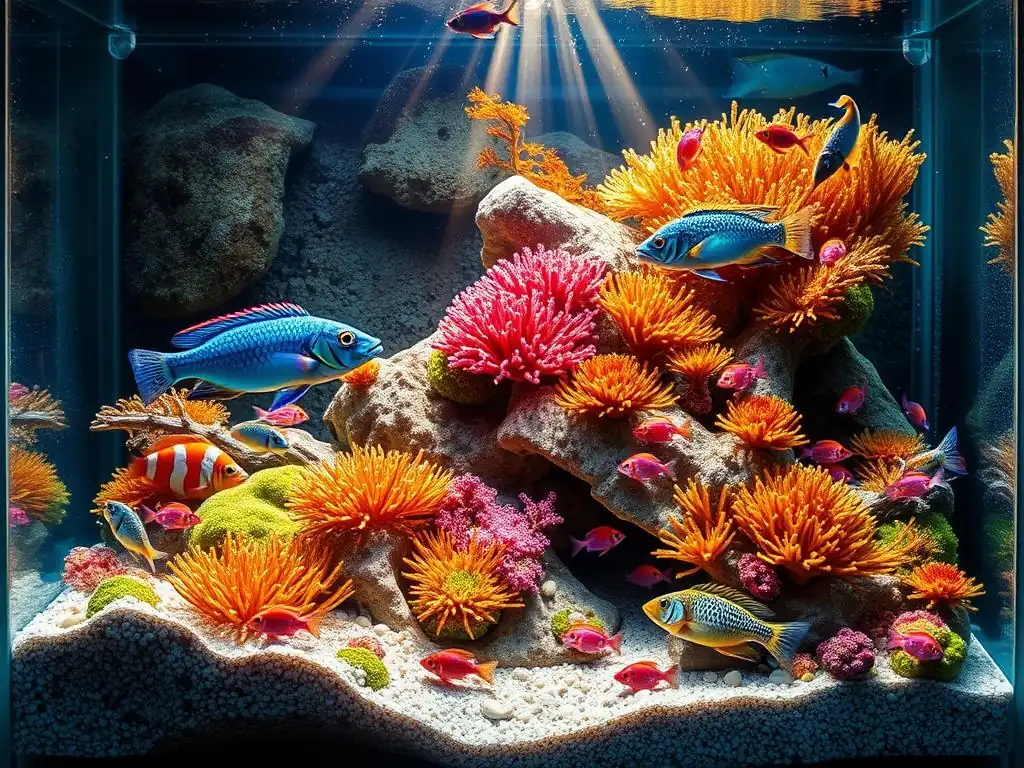
Welcome to Aquarium Mastery, your ultimate guide to creating thriving aquatic ecosystems!
Ready to transform your nano tank into a vibrant underwater jewel? Dive in and discover our secrets to colorful nano fish selection! We're about to unveil some of the most breathtaking gobies, blennies, and dragonets that will bring your saltwater aquarium to life. But which dazzling species are perfect for your display, and how do you ensure their happiness and health? Let's explore!
- Vibrant Nano Reef Fish: Gobies, Blennies, and Dragonets
- Introduction: Adding Color and Life to Your Nano Reef
- Top Goby Species for Nano Reefs
- Notable Blenny Species for Nano Reefs
- Dragonet Species: Advanced Nano Reef Inhabitants
- Essential Care for Colorful Nano Fish
- Selecting Suitable Colorful Nano Fish
- Maintaining a Healthy Nano Reef Ecosystem
- Conclusion: Enjoying a Thriving Nano Reef
-
Frequently Asked Questions
- What makes gobies, blennies, and dragonets good choices for nano aquariums?
- What factors should I consider when selecting colorful nano fish?
- How can I ensure the best coloration for my nano fish?
- What are some popular examples of colorful gobies, blennies, and dragonets suitable for nano tanks?
- Where can I find more information on caring for specific species of nano fish?
- Final Reflection: Embracing the Miniature Rainbow
- Unleash the Rainbow: Design Your Dream Nano Aquarium!
Vibrant Nano Reef Fish: Gobies, Blennies, and Dragonets
Introduction: Adding Color and Life to Your Nano Reef
The Allure of Small, Colorful Reef Fish
Nano reef aquariums, typically ranging from 5 to 30 gallons, offer a captivating window into the marine world within a compact footprint. Their appeal lies not only in their manageability for those with limited space but also in the intricate ecosystems they can host. The true magic of a nano reef, however, often comes alive with the introduction of small, vibrant fish species that bring dynamic movement and breathtaking color to the miniature aquatic landscape. Observing the unique behaviors of these tiny inhabitants, from the perching blenny to the sand-sifting goby, provides endless fascination.
For aquarists aiming to maximize visual impact, careful colorful nano fish selection is paramount. These diminutive marine gems, with their striking patterns and brilliant hues, transform a simple glass box into a dazzling display. By choosing species that thrive in smaller volumes and complement the overall aesthetic, hobbyists can create a living piece of art that serves as a focal point in any room, showcasing the incredible diversity of the world's coral reefs on a smaller scale.
Understanding Gobies, Blennies, and Dragonets
Gobies are a diverse family of fish, often characterized by their bottom-dwelling nature and unique swimming patterns that involve short, darting movements followed by perching on rocks or substrate. Many goby species, such as the Yellow Watchman Goby, are renowned for forming symbiotic relationships with pistol shrimp, where the shrimp maintains a burrow that both share, adding a fascinating dynamic to the tank. Generally peaceful, gobies tend to occupy the lower regions of the aquarium, sifting sand or patrolling their chosen territory.
Blennies, on the other hand, are celebrated for their quirky personalities and expressive faces. These fish typically perch on live rock, often in crevices or on elevated spots, observing their surroundings with a comical intensity. Their diets vary widely, with some species being excellent algae grazers, while others consume detritus or small invertebrates. Blennies are generally peaceful but can exhibit territorial behavior towards conspecifics or fish of similar body shapes, making thoughtful colorful nano fish selection crucial for their long-term well-being in a confined space.
Dragonets, while sometimes mistaken for gobies due to their similar body shape and bottom-dwelling habits, belong to a distinct family (Callionymidae). These mesmerizing fish are known for their slow, deliberate movements and incredibly intricate patterns and colors. However, their beauty comes with a challenge: dragonets are highly specialized feeders, relying almost exclusively on a diet of live copepods and amphipods found in a mature, thriving reef ecosystem. This dietary requirement makes them suitable only for advanced aquarists with well-established tanks that can sustain a robust microfauna population, influencing the feasibility of their colorful nano fish selection.
Top Goby Species for Nano Reefs
Clown Goby (Gobiodon okinawae): A Bright Yellow Accent
The Clown Goby, also known as the Okinawa Goby, is a standout choice for colorful nano fish selection due to its incredibly vibrant, uniform yellow coloration. These diminutive fish typically reach a maximum size of only 1.5 inches (approximately 3.8 cm), making them perfectly suited for nano aquariums as small as 5 gallons. They are often observed perching directly on the branches of stony corals, particularly SPS (Small Polyp Stony) corals, where they derive shelter and occasionally feed on coral mucus, though their primary diet should be supplemented.
Care for the Clown Goby is relatively straightforward, making them accessible to a wide range of aquarists. They are peaceful and generally accept a variety of small, meaty frozen foods such as cyclop-eeze, enriched brine shrimp, and mysis shrimp. While they are usually harmonious with other tank inhabitants, Clown Gobies can exhibit territorial behavior towards other gobies of the same species if the tank is too small or lacks sufficient hiding spots. Providing ample live rock and branching corals will ensure these bright yellow accents feel secure and display their natural behaviors.
Yellow Watchman Goby (Cryptocentrus cinctus): A Sandy Bottom Specialist
The Yellow Watchman Goby is a highly popular choice for nano reef tanks, recognized for its striking bright yellow body adorned with iridescent blue spots. While they can grow up to 5 inches (approximately 12.7 cm) in larger systems, smaller individuals are commonly available and thrive in nano tanks of 20 gallons or more, provided there's adequate sand bed space. This species is most famous for its fascinating symbiotic relationship with pistol shrimp (e.g., Alpheus randalli), where the shrimp digs and maintains a burrow, and the goby acts as a lookout, warning the nearly blind shrimp of danger.
To accommodate a Yellow Watchman Goby, a deep sand bed of at least 2-3 inches (5-7.6 cm) is essential for burrowing activity. Their diet consists primarily of small, meaty foods, including frozen mysis shrimp, brine shrimp, and high-quality pellets. They are generally peaceful and pose no threat to corals or other fish, making them a safe and engaging addition for colorful nano fish selection. Observing the intricate communication and teamwork between the goby and its shrimp partner adds a unique, dynamic element to the nano aquarium.
Green Mandarin Goby (Synchiropus splendidus): A High-Maintenance Beauty
The Green Mandarin Goby, often simply called the Mandarin Dragonet (as it is not a true goby), is arguably one of the most visually stunning fish available for the marine aquarium hobby. Its intricate labyrinthine patterns of vibrant green, orange, and blue are truly mesmerizing. Growing to about 3-4 inches (7.6-10 cm), their slow, deliberate movements and captivating coloration make them a highly sought-after species for colorful nano fish selection. However, their extraordinary beauty is matched by their highly specialized and demanding dietary requirements.
Unlike most aquarium fish that readily accept prepared foods, Green Mandarins primarily subsist on a diet of live copepods and amphipods, which they meticulously hunt and graze from live rock and substrate throughout the day. This constant feeding necessitates a highly mature and established reef aquarium, typically at least 6 months old and often 30 gallons or larger, with a thriving population of microfauna. For this reason, Green Mandarins are not recommended for novice aquarists or newly set up nano tanks, as starvation is a common cause of their demise in unsuitable environments.
Mandarin Goby Feeding Strategies for Nano Tanks
Successfully keeping a Green Mandarin Goby in a nano tank hinges almost entirely on providing a continuous and abundant supply of live copepods. One of the most effective strategies involves establishing a dedicated refugium – a separate, plumbed section of the filtration system that serves as a breeding ground for copepods. Stocking the refugium with diverse types of copepods, such as Tisbe, Tigriopus, and Apocyclops, and maintaining it with macroalgae like Chaetomorpha, can help ensure a steady supply for the main display tank.
Even with a refugium, target feeding can be necessary, especially in smaller nano tanks where natural populations might deplete quickly. Some aquarists have success training Mandarins to accept frozen foods like enriched mysis shrimp or spirulina-enriched brine shrimp, often by using a pipette to deliver the food directly in front of the fish.
This training process can be lengthy and is not guaranteed for all individuals. A truly successful setup for a Mandarin requires a tank that has been well-established for over six months, allowing for robust microfauna populations to naturally flourish and support this incredibly beautiful, yet delicate, colorful nano fish selection.
Hector's Goby (Amblygobius hectori): An Algae-Eating Asset
Hector's Goby is a slender and attractive goby species, growing up to approximately 3 inches (7.6 cm). Its body is adorned with distinctive horizontal stripes of white and brown-orange, making it a subtle yet appealing choice for colorful nano fish selection. Beyond its aesthetic appeal, Hector's Goby offers a practical benefit to the nano reef: it is known for its propensity to sift through the sand bed and graze on nuisance algae, including certain types of hair algae that can plague smaller systems.
This goby is an excellent candidate for nano tanks of 10 gallons or more, provided there is a suitable sand bed for sifting. Hector's Gobies are generally peaceful and can be kept in community tanks with other docile species. Their diet includes small invertebrates found in the sand, detritus, and various types of algae, which can be supplemented with high-quality flakes, pellets, and small frozen foods. Their continuous sifting action helps keep the substrate aerated and clean, contributing to the overall health and stability of the nano reef ecosystem.
Notable Blenny Species for Nano Reefs
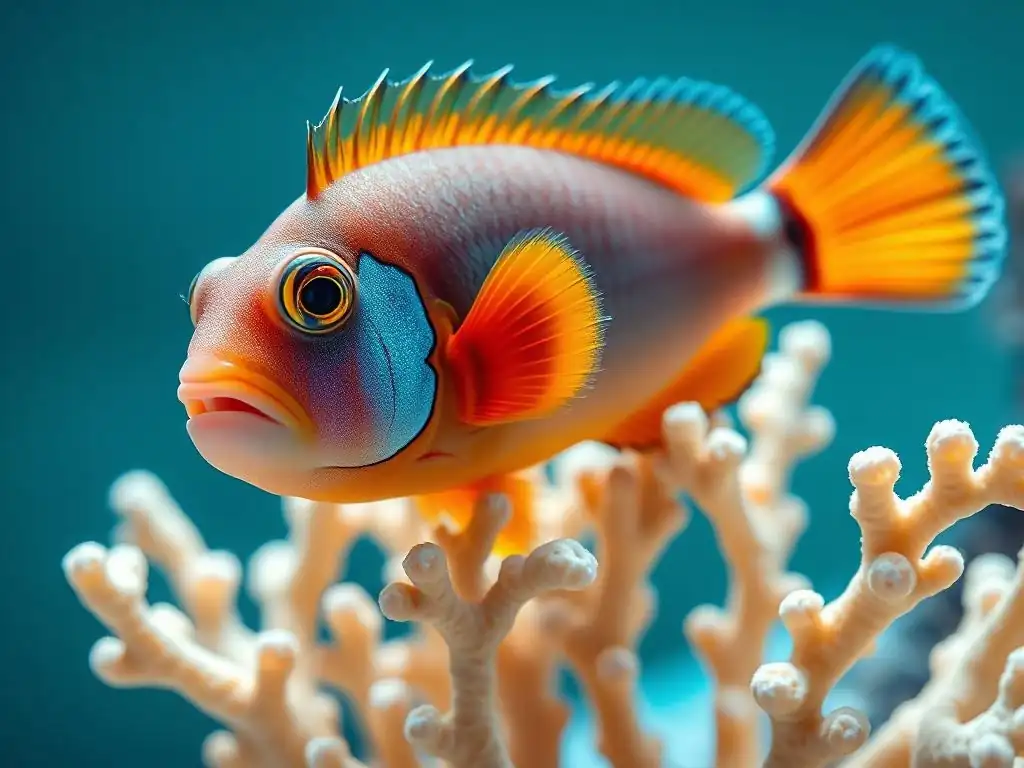
Midas Blenny (Ecsenius midas): A Golden Reef Swimmer
The Midas Blenny is a truly captivating species, renowned for its brilliant golden-yellow to orange coloration, often accented with subtle blue highlights around the eyes and fins. While it can reach a size of up to 5 inches (approximately 12.7 cm), its active swimming style and tendency to occupy various levels of the water column make it a dynamic and visible addition to nano tanks of 20 gallons or larger. Unlike many blennies that primarily perch, the Midas Blenny is a more frequent swimmer, adding constant motion to the display.
These blennies are generally peaceful inhabitants, though they can display territoriality towards other blennies or similarly shaped fish, particularly if housed in tanks smaller than 20 gallons. Their diet is primarily omnivorous, readily accepting a variety of prepared foods including high-quality flakes, pellets, and small frozen foods like mysis shrimp and spirulina-enriched brine shrimp. Providing ample rockwork with crevices and perching spots will ensure the Midas Blenny feels secure and displays its striking golden hues, making it a brilliant colorful nano fish selection.
Bicolor Blenny (Ecsenius bicolor): A Distinctive Two-Tone
The Bicolor Blenny is a popular and readily available species known for its striking two-tone coloration: the front half of its body is typically a dark brown or black, transitioning sharply to a bright orange or yellow rear half. Growing up to 4 inches (approximately 10 cm), its expressive face and characteristic perching behavior on live rock make it an engaging addition to nano tanks of 10 gallons or more. They often position themselves in prominent spots, observing their surroundings with a curious gaze.
Bicolor Blennies are excellent algae grazers, making them beneficial for controlling nuisance algae in the aquarium. They will also readily accept a varied diet of high-quality flakes, pellets, and small frozen foods. While generally peaceful, they can be territorial towards other blennies or fish that occupy similar niches, especially in smaller tanks. Providing plenty of live rock with numerous hiding spots and perching locations is crucial for their well-being. Their distinctive appearance and active personality make the Bicolor Blenny a highly appealing and functional colorful nano fish selection.
Tailspot Blenny (Ecsenius stigmatura): A Small but Active Resident
The Tailspot Blenny is a charming and highly active species, though its coloration is more subtle compared to its flashier blenny cousins. Typically growing to a maximum size of 2.5 inches (approximately 6.3 cm), its body is generally tan to light brown, distinguished by a prominent, circular black spot at the base of its tail. Despite its muted hues, its constant activity and endearing personality make it a delightful inhabitant for nano tanks as small as 5-10 gallons.
This blenny is an industrious worker, constantly sifting through the sand bed and picking at the rockwork for microalgae and detritus. They are excellent at keeping the substrate clean and are known for their peaceful disposition, making them ideal for community nano tanks. Their diet primarily consists of algae and small invertebrates, which should be supplemented with high-quality flakes, pellets, and small frozen foods. The Tailspot Blenny's continuous grazing and unique movements add a dynamic and engaging element to the aquarium, showcasing that a colorful nano fish selection can also include species with captivating behaviors.
Dragonet Species: Advanced Nano Reef Inhabitants
Ruby Red Dragonet (Synchiropus sycorax): A Rare Jewel
The Ruby Red Dragonet is a breathtakingly beautiful species, boasting a vibrant ruby-red body adorned with intricate white spots and patterns. Smaller than the more common Green Mandarin, it typically reaches a size of 2-3 inches (approximately 5-7.6 cm). While still a challenging species to keep, some aquarists find them slightly more adaptable to accepting frozen foods than Green Mandarins, though this is not guaranteed for every individual. They are truly a rare jewel for colorful nano fish selection.
Like all dragonets, the Ruby Red Dragonet's primary diet consists of live copepods and other microfauna. Therefore, a mature, established tank of at least 20 gallons, with a thriving copepod population and often a well-maintained refugium, is essential for their long-term survival. Success with this species often involves a dedicated effort to culture copepods or slowly train the fish to accept small, meaty frozen foods like Nutramar Ova or enriched mysis shrimp. The Ruby Red Dragonet is a highly rewarding species for experienced aquarists willing to meet its specific care requirements.
Ocellated Dragonet (Synchiropus ocellatus): A Peaceful Grazer
The Ocellated Dragonet, also known as the Scooter Blenny (though it is a dragonet, not a blenny), is a captivating species with a more subdued coloration compared to the Mandarins. Its body is typically tan to brown, patterned with distinctive "ocelli" or eye-spots, which provide excellent camouflage. Growing up to 3 inches (approximately 7.6 cm), its unique method of "scooting" along the substrate and live rock adds an endearing charm to the nano aquarium.
Similar to other dragonets, the Ocellated Dragonet is primarily a microfauna feeder, constantly grazing on copepods and amphipods from the live rock and sand bed. While some individuals may be trained to accept frozen foods, a well-established and mature tank (10 gallons minimum, but larger is better for microfauna sustainability) with a robust live food supply is crucial. They are peaceful and non-aggressive, making them suitable for community nano tanks where their dietary needs can be met. The Ocellated Dragonet represents a more understated yet equally fascinating colorful nano fish selection for dedicated aquarists.
Essential Care for Colorful Nano Fish
Tank Size and Species Compatibility
The term "nano aquarium" broadly encompasses tanks ranging from 5 to 30 gallons, and the appropriate tank size for a colorful nano fish selection is paramount. Overcrowding is a leading cause of stress, disease, and premature death in nano tanks. For instance, a 5-gallon tank might comfortably house only a single Clown Goby, whereas a 20-gallon system could potentially support a small community of two to three compatible nano species, provided there is ample filtration and diligent maintenance. Understanding the adult size and territorial needs of each species is critical to preventing long-term issues.
Beyond mere space, species compatibility is equally vital. It is essential to choose fish that are peaceful towards each other and do not compete excessively for food or territory. For example, while many gobies and blennies are generally docile, introducing multiple individuals of the same or very similar species into a small tank can lead to aggression. Researching the temperament and specific requirements of each fish before purchase ensures a harmonious environment where all inhabitants can thrive, making the colorful nano fish selection process successful.
Maintaining Stable Water Parameters
Given their smaller water volumes, nano aquariums are inherently more susceptible to rapid fluctuations in water parameters, which can be highly detrimental to sensitive marine fish. Consistent stability is key. Essential parameters to monitor regularly include salinity (specific gravity 1.023-1.026), temperature (74-78°F or 23-26°C), pH (8.1-8.4), alkalinity (7-12 dKH), calcium (400-450 ppm), and magnesium (1250-1350 ppm). Weekly testing is highly recommended to detect any deviations before they become problematic.
Unstable water parameters can lead to significant stress, weaken fish immune systems, and make them highly susceptible to diseases like marine ich or fin rot. Even slight, consistent swings can reduce a fish's lifespan and diminish its vibrant coloration. Performing small, frequent water changes (e.g., 10-20% weekly or bi-weekly, depending on bioload) with properly mixed and temperature-matched saltwater is often more effective than large, infrequent changes in maintaining the stable environment crucial for any colorful nano fish selection.
Meeting Nutritional Needs of Gobies, Blennies, and Dragonets
Providing a varied and appropriate diet is fundamental to the health and vibrancy of any colorful nano fish selection. Most gobies and blennies are relatively easy to feed, readily accepting high-quality small pellets, flakes, and a variety of small, meaty frozen foods such as mysis shrimp, cyclop-eeze, and enriched brine shrimp. Feeding small amounts multiple times a day is generally better than one large feeding, as it mimics their natural grazing behavior and reduces waste.
Dragonets, however, present a unique challenge due to their specialized diet of live copepods and amphipods. While some individuals may be trained to accept frozen foods, a continuous supply of live microfauna from a mature tank or refugium is often essential for their long-term survival. For all species, ensuring the food is small enough for their mouths and delivered effectively (e.g., target feeding for shy eaters) is important. A diverse and nutritious diet not only supports overall health but also enhances the brilliant colors that make these fish so appealing.
Providing Ample Hiding Places and Reef Structure
A well-structured nano aquarium that mimics the natural reef environment is crucial for the well-being of gobies, blennies, and dragonets. Live rock is indispensable, offering numerous crevices, caves, and overhangs that serve as vital hiding places and territories. Blennies, in particular, rely on these structures for perching and retreating when stressed. For sand-sifting gobies, a sufficiently deep sand bed (at least 2-3 inches or 5-7.6 cm) is necessary for burrowing and sifting activities.
The strategic placement of live rock can also help break up sightlines, reducing potential aggression between tank inhabitants and providing a sense of security. A complex reef structure encourages natural behaviors, allowing fish to establish territories, forage, and feel safe from perceived threats. This thoughtful aquascaping is not just for aesthetics; it directly contributes to reducing stress levels, promoting natural foraging, and showcasing the best characteristics of your colorful nano fish selection.
Selecting Suitable Colorful Nano Fish
Assessing Experience Level and Tank Maturity
When embarking on a colorful nano fish selection, it is crucial to honestly assess your experience level in marine aquariology and the maturity of your nano tank. Beginners are strongly advised to start with hardy and forgiving species such as the Clown Goby, Tailspot Blenny, or Bicolor Blenny. These fish are generally less demanding in terms of water parameters and feeding, providing a solid foundation for learning.
More challenging species, particularly dragonets like the Green Mandarin or Ruby Red Dragonet, should only be considered by advanced aquarists with well-established tanks that have been running stably for at least six months, and ideally, feature a robust refugium or a very large volume of live rock to support their specialized dietary needs. Introducing delicate fish into an immature or unstable tank often leads to stress, disease, and ultimately, failure. Patience in allowing a tank to fully cycle and mature is key to successful long-term husbandry.
Prioritizing Fish Health and Welfare
The health and welfare of your chosen fish should always be the top priority during colorful nano fish selection. When selecting fish from a local fish store or reputable online vendor, observe them closely for signs of good health. Look for active, alert fish with clear eyes, full bellies, and intact fins. Avoid individuals that appear lethargic, have clamped fins, visible spots (like marine ich), frayed fins, or any signs of physical injury or emaciation. A healthy fish will display its natural, vibrant coloration.
Furthermore, implementing a quarantine protocol is highly recommended for all new marine fish, regardless of their initial appearance. A separate quarantine tank, typically 10-20 gallons, allows you to observe the new fish for at least 2-4 weeks, treat any potential diseases without harming your main display tank's inhabitants or corals, and ensure the fish is eating well and adapting before introduction. This crucial step significantly reduces the risk of introducing pathogens into your established nano reef.
Preventing Overcrowding and Ensuring Compatibility
One of the most common pitfalls in nano reef keeping is overcrowding. Despite the allure of a diverse colorful nano fish selection, exceeding the bioload capacity of a small tank inevitably leads to deteriorating water quality, increased stress among inhabitants, and heightened susceptibility to disease. As a general guideline, a 10-gallon nano tank might comfortably house one to two very small nano fish, while a 20-gallon tank could potentially support three to four, depending on their adult size and activity levels. Always research the maximum adult size of a fish and its specific space requirements.
Beyond just numbers, ensuring species compatibility is vital. Avoid mixing highly territorial fish, or multiple fish that occupy the exact same niche (e.g., multiple types of blennies known for aggression towards conspecifics in small spaces). Researching potential tank mates thoroughly will help prevent conflicts, stress, and injuries. A well-planned, compatible community will thrive, showcasing the best of each species' natural behavior and vibrant coloration without undue stress.
Maintaining a Healthy Nano Reef Ecosystem
Regular Water Changes and Monitoring
Consistent and regular water changes are the cornerstone of maintaining a healthy nano reef ecosystem, especially when housing a colorful nano fish selection. Due to the small water volume, nutrient accumulation (nitrates, phosphates) can occur rapidly, and essential trace elements can become depleted. A common recommendation for nano tanks is a 10-20% water change weekly or bi-weekly, depending on the bioload and feeding regimen. This practice effectively removes dissolved organic pollutants and replenishes vital minerals.
Alongside water changes, consistent monitoring of key water parameters is crucial. Daily checks of temperature and salinity are advisable, while weekly tests for alkalinity, calcium, magnesium, nitrates, and phosphates provide a comprehensive overview of the tank's health. Any sudden or gradual shifts in these parameters can indicate underlying issues, such as overfeeding, inadequate filtration, or equipment malfunction, allowing the aquarist to intervene proactively before the health of the fish is compromised.
Effective Filtration and Waste Removal
A robust and multi-faceted filtration system is essential for the long-term success of a nano reef and the well-being of its colorful nano fish selection. Mechanical filtration, such as filter floss or sponges, should be regularly cleaned or replaced to physically remove particulate waste before it breaks down. Chemical filtration, often utilizing activated carbon or granular ferric oxide (GFO), helps to remove dissolved organic compounds and phosphates, respectively, preventing unsightly algae blooms and maintaining pristine water clarity.
Biological filtration, primarily provided by live rock and a healthy sand bed, is critical for processing ammonia and nitrites into less harmful nitrates. For nano tanks 10 gallons and larger, a small protein skimmer can be highly beneficial, as it efficiently removes organic waste before it can contribute to the nitrogen cycle. Regular siphoning of detritus from the sand bed and cleaning of filter media are also vital practices to prevent nutrient buildup and ensure a clean, stable environment for your vibrant fish.
Observing Fish Behavior and Addressing Problems
Daily observation of your colorful nano fish selection is one of the most effective tools for maintaining a healthy nano reef. Familiarize yourself with the normal swimming patterns, feeding habits, and coloration of each fish. Any deviation from these norms can be an early indicator of stress, disease, or environmental issues. Signs to look for include lethargy, rapid breathing, clamped fins, scratching against rockwork, visible spots or lesions, fading colors, or a sudden loss of appetite.
Early detection of problems significantly increases the chances of successful intervention. Having a small, dedicated hospital or quarantine tank on hand can be invaluable for isolating and treating sick fish without medicating the main display. Research common marine fish diseases (e.g., marine ich, velvet, fin rot) and have a basic understanding of their treatments. Proactive observation and a prepared approach to problem-solving are essential for ensuring the long-term vitality and beauty of your nano reef inhabitants.
Conclusion: Enjoying a Thriving Nano Reef
The Rewards of a Well-Managed Nano Aquarium
The journey of setting up and maintaining a nano reef aquarium, especially one populated with a carefully chosen colorful nano fish selection, is incredibly rewarding. Despite their smaller size, these miniature marine ecosystems offer all the fascination and beauty of a larger reef tank.
The intricate behaviors of gobies burrowing in the sand, blennies perching on corals, and dragonets meticulously hunting for microfauna provide endless hours of captivating observation. A well-managed nano tank, with its vibrant inhabitants and thriving corals, becomes a living piece of art, a tranquil oasis that brings the wonders of the ocean directly into your home.
The success of such a system is a testament to the aquarist's dedication, patience, and commitment to understanding the specific needs of these delicate marine creatures. The initial research, the meticulous planning of the aquascape, the diligent monitoring of water parameters, and the consistent daily care all culminate in a vibrant, stable, and thriving ecosystem. The joy derived from witnessing the health and vivid coloration of your colorful nano fish selection makes every effort worthwhile, transforming a hobby into a deeply satisfying passion.
Additional Resources for Nano Reef Keepers
For those looking to deepen their knowledge and further enhance their nano reef keeping skills, AquariumMastery.com offers a wealth of detailed resources. Explore comprehensive species profiles to gain in-depth insights into the specific care requirements, compatibility, and natural behaviors of various gobies, blennies, and dragonets. Delve into articles on advanced water chemistry management, understanding coral care, and troubleshooting common tank issues to ensure a holistic approach to your aquarium's health.
Beyond our guides, engaging with the broader aquarium community can provide invaluable support and shared experiences. Online forums, local aquarium clubs, and social media groups offer platforms for asking questions, sharing successes, and learning from fellow enthusiasts. The marine aquarium hobby is one of continuous learning and adaptation, and by utilizing all available resources, you can ensure your colorful nano fish selection thrives, bringing sustained beauty and fascination to your nano display for years to come.
Frequently Asked Questions
What makes gobies, blennies, and dragonets good choices for nano aquariums?
These fish are often ideal due to their smaller size and generally peaceful temperament, making them suitable for the limited space of nano tanks. Many species also exhibit vibrant colors, enhancing the visual appeal of the aquarium.
What factors should I consider when selecting colorful nano fish?
Consider the fish's compatibility with other inhabitants, its specific dietary needs, and its preferred water parameters. Researching each species thoroughly is crucial for success.
How can I ensure the best coloration for my nano fish?
Providing a balanced diet rich in appropriate nutrients, maintaining stable water quality, and creating a stress-free environment are key to promoting vibrant colors. Adequate lighting also plays a role.
What are some popular examples of colorful gobies, blennies, and dragonets suitable for nano tanks?
Examples include the Yellow Clown Goby, the Tailspot Blenny, and the Ocellaris Dragonet. These fish are known for their striking colors and relatively small size.
Where can I find more information on caring for specific species of nano fish?
AquariumMastery.com offers detailed species profiles, care guides, and troubleshooting articles to help you successfully maintain these colorful fish in your nano aquarium.
Final Reflection: Embracing the Miniature Rainbow
The vibrant world of nano aquariums, once a niche hobby, has exploded in popularity, and with it, the demand for captivating, small-sized fish. The allure of a miniature reef teeming with color is undeniable, offering a slice of the ocean's beauty within the confines of our homes. This exploration of colorful gobies, blennies, and dragonets underscores the power of these tiny creatures to transform a simple tank into a living masterpiece.
The impact of these miniature ecosystems extends beyond mere aesthetics. They offer a unique opportunity to connect with nature, fostering a sense of responsibility and wonder. The careful selection and care required for these delicate fish encourages patience, observation, and a deeper understanding of marine life. In every walk with nature, one receives far more than he seeks.
- John Muir. This quote resonates deeply when considering the profound connection we can forge with these tiny, colorful inhabitants of our nano tanks.
As you consider your own nano aquarium, remember that the true beauty lies not just in the colors, but in the commitment to creating a thriving and balanced ecosystem. Let the vibrant hues of these gobies, blennies, and dragonets inspire you to cultivate a miniature world that reflects your own passion for the ocean and its incredible biodiversity. Embrace the challenge, and you'll be rewarded with a stunning display that brings joy and wonder for years to come.
Unleash the Rainbow: Design Your Dream Nano Aquarium!
Thank you for diving into the captivating world of colorful nano fish! Now that you've explored some truly stunning options, it's time to turn inspiration into reality and create a breathtaking underwater display of your own.
Here are a few ways to get started:
- Select your centerpiece fish: Based on the compatibility information, choose your ultimate goby, blenny, or dragonet that will become the shining star of your nano tank.
- Dive deeper into research: Explore specialized forums dedicated to nano reef aquariums to learn about aquascaping tips and tricks from experienced hobbyists.
- Share your vision: Create a mood board with your dream nano aquarium setup and share it on social media using #AquariumMastery to inspire others!
Ready to bring these vibrant colors into your home aquarium? What unique aquascape ideas are you envisioning to showcase your new nano fish?