
DIY Shrimp Foods: Healthy, Natural, and CostEffective Recipes to Try

Welcome to Aquarium Mastery, fellow aquarist!
Ever wonder what secrets lie in creating the perfect diet for your vibrant shrimp? Dive into our guide to DIY shrimp food recipes and unlock the potential for healthier, happier, and more colorful invertebrates. Discover how to craft nutritious, cost-effective meals that will have your shrimp thriving. Eager to learn more? Let's get started!
- DIY Shrimp Foods: Healthy, Natural, and Cost-Effective Recipes
- Introduction to Homemade Shrimp Food for Thriving Colonies
- Essential Ingredients
- DIY Shrimp Food Recipes
- Tips and Tricks
- Feeding: Best Practices
- Troubleshooting Common Issues
- Conclusion: Empowering Shrimp Keeping with DIY Nutrition
- Frequently Asked Questions
- Final Reflection: Cultivating a Thriving Shrimp Ecosystem
- Ignite Your Shrimp's Health: Craft Your Own Nutrient-Packed Feeds!
DIY Shrimp Foods: Healthy, Natural, and Cost-Effective Recipes
Introduction to Homemade Shrimp Food for Thriving Colonies
Why Consider DIY Shrimp Food Recipes?
Many aquarium enthusiasts are increasingly turning to DIY shrimp food recipes for their beloved colonies. This approach offers unparalleled control over the nutritional content, allowing aquarists to precisely tailor diets to the specific needs of their shrimp species, whether they are hardy Neocaridina or more delicate Caridina. Beyond the satisfaction of crafting your own food, it’s a proactive step towards ensuring your shrimp receive a diet free from fillers, artificial colors, and unwanted preservatives often found in commercial options.
The drive to create homemade food stems from a desire to optimize shrimp health, leading to more vibrant coloration, increased breeding success, and overall vitality within the colony. By understanding the dietary requirements of your shrimp, you can address potential nutritional gaps that might exist in off-the-shelf products, fostering a thriving and resilient aquatic environment. It's an empowering aspect of shrimp keeping that puts the aquarist in charge of their invertebrates' well-being.
Benefits: Control, Nutrition, and Cost Savings
The primary advantage of crafting your own DIY shrimp food recipes is the absolute control you gain over the ingredients. You can meticulously select high-quality, organic components, ensuring your shrimp are not exposed to potentially harmful substances like copper, which can be lethal even in minute quantities (e.g., as low as 0.05 ppm). This level of ingredient transparency is rarely achievable with commercially produced foods, providing peace of mind for conscientious aquarists.
Furthermore, homemade options often provide superior nutrition tailored to specific needs. For instance, a breeding colony of Neocaridina shrimp might benefit from a higher protein content (e.g., 30-40%), while a colony focused on vibrant coloration might thrive on increased carotenoids. Economically, creating your own DIY shrimp food recipes can lead to significant cost savings in the long run.
Buying bulk ingredients like spirulina powder or organic spinach can be substantially cheaper than repeatedly purchasing premium commercial foods. For example, a 100-gram bag of high-quality spirulina powder, often costing around $15-$20, can last for months, whereas a small 30-gram jar of specialized commercial shrimp food might cost $8-$12 and be depleted much faster.
Understanding Shrimp Nutritional Needs
To formulate effective DIY shrimp food recipes, it's crucial to grasp the fundamental nutritional requirements of freshwater shrimp. Their diet should primarily consist of a balanced mix of protein, carbohydrates, and fats. Protein is vital for growth, tissue repair, and successful reproduction, especially for shrimplets and breeding adults. Many successful shrimp diets aim for a protein content ranging from 25% to 45%, depending on the species and life stage. Carbohydrates provide essential energy for daily activities, while fats contribute to energy storage and deliver crucial essential fatty acids.
Beyond macronutrients, shrimp require a diverse array of micronutrients, including various vitamins and minerals. Calcium is perhaps the most critical mineral, directly impacting exoskeleton formation and successful molting. A deficiency can lead to common molting issues, often a primary cause of shrimp mortality. Other vital minerals include magnesium, potassium, and trace elements, which support overall health, osmoregulation, and enzymatic functions. A varied diet, incorporating different plant and protein sources, is key to ensuring all these intricate nutritional needs are met for a healthy and thriving shrimp colony.
Essential Ingredients
Protein Sources: Growth and Reproduction
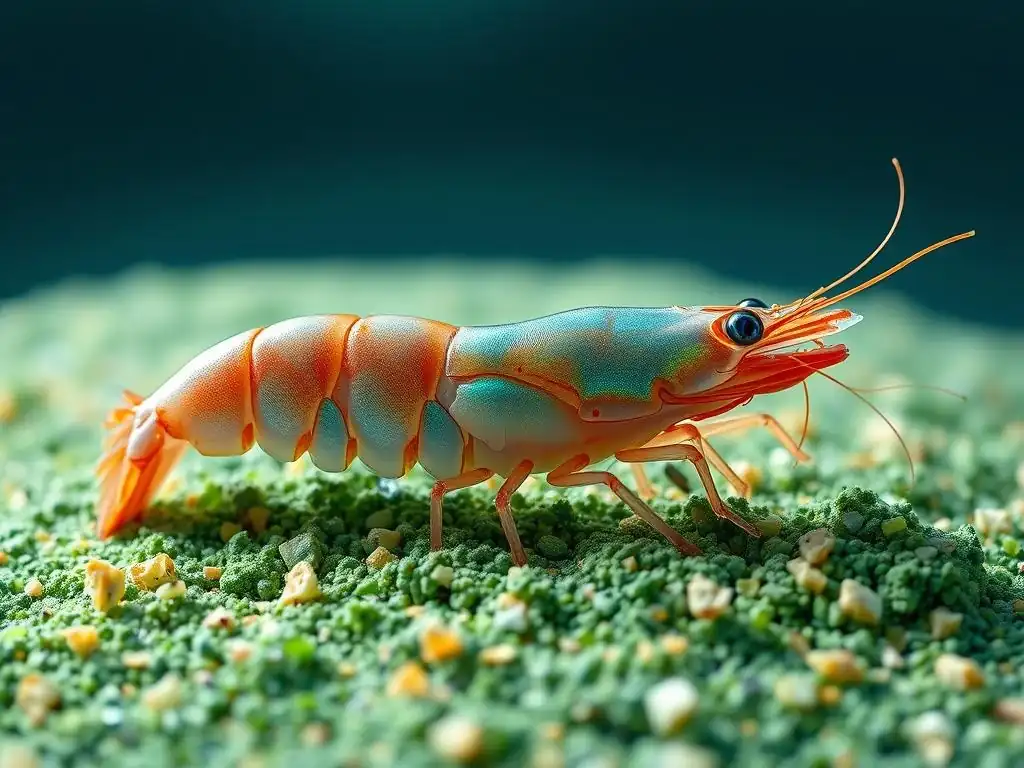
Protein is paramount for shrimp growth, development, and successful reproduction. When formulating DIY shrimp food recipes, selecting high-quality protein sources is essential. Spirulina powder, derived from blue-green algae, is an excellent choice, boasting a protein content of approximately 60-70% by dry weight and a complete amino acid profile beneficial for aquatic life. Other plant-based proteins like chlorella powder and pea protein isolate are also highly digestible and provide a good amino acid balance.
For a more varied protein intake, some aquarists incorporate small amounts of high-quality, low-ash fish meal or krill meal, ensuring they are free from heavy metals and contaminants. Insect meals, such as black soldier fly larvae meal, are also emerging as sustainable and nutrient-dense options. The goal is to provide a diverse range of proteins to ensure all necessary amino acids are available for optimal shrimp health, leading to robust growth and prolific breeding.
Vegetable Matter: Vitamins and Minerals
Vegetable matter forms a crucial component of any balanced DIY shrimp food recipe, providing a wealth of vitamins, minerals, and fiber. Organic spinach is a popular and readily available ingredient, rich in iron, calcium, and vitamins A, C, and K, all vital for shrimp well-being. Other beneficial options include blanched kale, nettle leaf powder, moringa powder, and finely chopped blanched zucchini or sweet potato.
These plant-based ingredients contribute significantly to overall health and immune function. For instance, dried nettle leaf powder is highly valued for its high mineral content and anti-inflammatory properties. When preparing vegetables, ensure they are thoroughly blanched to soften them and break down cell walls, making nutrients more accessible to shrimp. Opting for organic produce is always recommended to avoid introducing pesticides into your aquarium environment.
Calcium and Mineral Supplements: Shell Development
Calcium is perhaps the most critical mineral for shrimp, directly influencing the strength and integrity of their exoskeleton and the success of their molting process. Without sufficient calcium, shrimp can experience molting failures, leading to stress and often death. Incorporating calcium sources into DIY shrimp food recipes is therefore non-negotiable. Food-grade calcium carbonate powder is a common and effective supplement, easily mixed into pastes or gel foods. Powdered cuttlebone, available at pet stores, is another excellent natural source of calcium.
Beyond calcium, a broader spectrum of minerals is necessary for overall shrimp health, including magnesium, potassium, and various trace elements. These minerals play roles in osmoregulation, enzyme function, and nerve transmission. While some minerals can be obtained from plant matter, supplementing with a broad-spectrum mineral powder designed for aquatic invertebrates can ensure all needs are met. For example, a deficiency in magnesium can hinder calcium uptake, highlighting the importance of a balanced mineral profile.
Natural Color Enhancers: Pigmentation
For aquarists keen on showcasing the vibrant hues of their shrimp, incorporating natural color enhancers into DIY shrimp food recipes is a popular strategy. These ingredients contain carotenoids, natural pigments that shrimp absorb and deposit in their shells and tissues, intensifying their coloration. Astaxanthin is a particularly potent carotenoid, responsible for the red and orange pigments in many aquatic organisms. It can be found in ingredients like spirulina, krill meal, and certain types of algae.
Spirulina, beyond its high protein content, also contains phycocyanin, which can enhance blue and green coloration in shrimp. Other natural enhancers include paprika (used sparingly and in a processed form to avoid irritation) and certain types of dried leafy greens. The effectiveness of these enhancers varies by shrimp species and genetic predisposition, but a diet consistently rich in these compounds can significantly improve the visual appeal of your shrimp colony over time, making their reds deeper, blues more electric, and yellows more vivid.
DIY Shrimp Food Recipes
Recipe 1: Spinach and Calcium Treat
This simple yet effective DIY shrimp food recipe is excellent for providing essential greens and calcium, crucial for healthy molting and vibrant coloration. It's particularly beneficial for species like Neocaridina shrimp that thrive on a plant-heavy diet. The calcium content helps prevent molting issues, a common cause of shrimp mortality.
Ingredients
- 1 cup fresh organic spinach leaves
- 1/4 teaspoon food-grade calcium carbonate powder or finely crushed cuttlebone powder
- Small amount of purified water (if needed for consistency)
Instructions
- Blanch the spinach leaves: Bring a small pot of purified water to a boil. Add the spinach leaves and blanch for 30-60 seconds until they are wilted and bright green.
- Immediately transfer the blanched spinach to an ice bath to stop the cooking process and preserve nutrients.
- Drain the spinach thoroughly and squeeze out as much excess water as possible.
- Finely chop the spinach using a sharp knife or a small food processor until it forms a very fine paste. The finer the chop, the easier it will be for shrimplets to consume.
- In a small bowl, mix the spinach paste with the calcium carbonate powder until thoroughly combined. If the mixture is too dry, add a few drops of purified water until it forms a thick, workable paste.
- Press the mixture thinly onto a piece of parchment paper or a non-stick surface. You can form small, flat discs or thin sheets.
- Allow the treats to air dry in a well-ventilated area for 24-48 hours, or use a food dehydrator at a low temperature (around 100°F / 38°C) for several hours until completely dry and brittle. This prevents mold.
- Once dry, break the sheets into small, shrimp-sized pieces or crumble them into flakes. Store in an airtight container in a cool, dark place. For longer storage, refrigeration is recommended.
Feeding Guidelines
Feed a small piece of this spinach and calcium treat 2-3 times per week. For a colony of 20-30 adult Neocaridina shrimp in a 10-gallon tank, a piece roughly the size of a small pea should be sufficient. Observe your shrimp; they should consume the food within 1-2 hours. If food remains after this period, you are likely overfeeding and should reduce the amount for subsequent feedings to prevent water quality issues.
Recipe 2: Spirulina and Pea Protein Powerhouse
This DIY shrimp food recipe focuses on delivering a high-protein boost, ideal for promoting robust growth in young shrimp and supporting breeding colonies. Spirulina is a complete protein, while pea protein adds another excellent plant-based protein source.
Ingredients
- 2 tablespoons spirulina powder (food-grade)
- 1 tablespoon pea protein powder (unsweetened, unflavored)
- 1/2 teaspoon agar-agar powder (as a binder)
- 1/2 cup purified water
Instructions
- In a small saucepan, combine the agar-agar powder with purified water. Heat over medium-low heat, stirring constantly, until the agar-agar is fully dissolved and the mixture is clear. This usually takes 2-3 minutes after it reaches a simmer.
- Remove the saucepan from the heat.
- In a separate bowl, thoroughly mix the spirulina powder and pea protein powder, ensuring no lumps remain.
- Gradually add the dry powder mixture to the warm agar-agar solution, stirring vigorously to prevent clumping. Continue mixing until a smooth, thick paste forms.
- Immediately pour the mixture onto a clean, flat surface lined with parchment paper or a silicone mat. Spread it thinly and evenly using a spatula to a thickness of about 1-2 millimeters.
- Allow the mixture to cool and set completely at room temperature, which should take about 15-30 minutes. Once set, it will have a firm, gel-like consistency.
- Once firm, carefully peel the sheet from the parchment paper. Use a sharp knife or a pizza cutter to cut the sheet into small, uniform squares, pellets, or flakes suitable for your shrimp.
- Air dry the cut pieces for 24-48 hours until they are brittle and completely dry. Alternatively, use a food dehydrator at a low setting. Store the dried food in an airtight container in a cool, dry place. For extended freshness, consider refrigerating or freezing.
Feeding Guidelines
Due to its high protein content, this food should be fed sparingly. Offer a small piece about 3-4 times per week. For a 20-gallon tank housing 30-40 adult shrimp, a piece roughly 5mm x 5mm should be sufficient. Observe how quickly your shrimp consume it; if uneaten food remains after an hour, reduce the quantity for future feedings. This powerful DIY shrimp food recipe is designed to be a concentrated nutritional boost.
Recipe 3: Gel Food: Versatile and Customizable
Gel food is an incredibly versatile DIY shrimp food recipe, allowing for endless customization to meet specific dietary needs. Its firm yet soft texture is easily consumed by shrimp of all sizes, and it sinks quickly, making it accessible to bottom dwellers.
Ingredients
- 1 tablespoon gelatin powder (unflavored, unsweetened) or 1.5 teaspoons agar-agar powder
- 1/2 cup purified water
- 2 tablespoons base blend of powdered ingredients (e.g., 1 tbsp spirulina, 1 tbsp dried spinach powder, 1/2 tsp calcium carbonate powder)
Instructions
- In a small saucepan, combine the gelatin (or agar-agar) with purified water. If using gelatin, let it bloom for 5 minutes.
- Heat over low-medium heat, stirring constantly, until the gelatin/agar-agar is fully dissolved and the mixture is clear. Do not boil vigorously.
- Remove from heat.
- In a separate bowl, thoroughly mix your desired base blend of powdered ingredients.
- Gradually add the dry powder mixture to the warm gelatin/agar-agar solution, stirring continuously to prevent lumps. Mix until a smooth, consistent paste is achieved.
- Pour the mixture into small silicone molds (ice cube trays with small compartments work well), a shallow dish lined with parchment paper, or even a syringe for dispensing small portions.
- Refrigerate for at least 2-3 hours, or until completely set and firm.
- Once set, remove the gel food from the molds or cut the sheet into small, shrimp-appropriate pieces (e.g., 2-3mm cubes).
- Store the gel food in an airtight container in the refrigerator for up to 7-10 days, or freeze for longer storage (up to 2-3 months). Thaw frozen portions in the refrigerator before use.
Customizing Your Gel Food Recipe
The beauty of this DIY shrimp food recipe lies in its adaptability. You can easily swap or add ingredients to tailor it to your shrimp's needs:
- For enhanced growth: Add a pinch of powdered protein (e.g., silk worm pupa powder, small amount of high-quality fish meal).
- For stronger shells: Increase calcium carbonate or add powdered cuttlebone.
- For vibrant colors: Incorporate more spirulina, astaxanthin powder, or finely ground dried paprika (use sparingly).
- For general health: Mix in finely crushed dried nettle leaves, moringa powder, or a small amount of finely ground, high-quality commercial shrimp pellet.
- For variety: Experiment with small amounts of pureed blanched vegetables like zucchini, carrots, or sweet potato. Ensure all additions are finely powdered or pureed to ensure even distribution and easy consumption.
Recipe 4: Japanese-Inspired Seaweed Shrimp Food
This unique DIY shrimp food recipe harnesses the nutritional power of seaweed, a staple in many aquatic diets. Nori, specifically, is rich in vitamins, minerals, and trace elements, making it an excellent natural food source for shrimp.
Ingredients
- 1 sheet (approx. 8x7 inches) unsalted, unroasted dried Nori seaweed (the type used for sushi)
- 1/4 teaspoon spirulina powder (optional, for added protein and color enhancement)
- A few drops of purified water (as needed)
Instructions
- Tear the Nori sheet into smaller pieces and place them in a clean coffee grinder or a powerful spice grinder.
- Grind the Nori until it becomes a very fine powder. The finer the powder, the easier it will be to form and for shrimp to consume.
- Transfer the Nori powder to a small bowl. If using, add the spirulina powder and mix thoroughly to combine.
- Add purified water drop by drop, mixing continuously, until a very thick, stiff paste forms. Be careful not to add too much water, as it can make the drying process difficult. The consistency should be like a very thick dough.
- Place the paste between two sheets of parchment paper. Roll it out thinly (about 1-2 millimeters thick) using a rolling pin.
- Carefully peel off the top layer of parchment paper. Using a sharp knife or a pizza cutter, score the sheet into small squares or rectangles while it's still pliable.
- Allow the scored sheet to air dry completely in a well-ventilated area for 24-48 hours, or use a food dehydrator at a low setting (around 100°F / 38°C) until brittle.
- Once dry, break the sheet along the scored lines into individual pieces. Store in an airtight container in a cool, dry place.
Feeding Guidelines
Nori is quite nutrient-dense, so feed this DIY shrimp food recipe sparingly. Offer a tiny piece, roughly 3mm x 3mm, for every 15-20 adult shrimp, about 1-2 times per week. Observe your shrimp's feeding behavior; they will typically swarm the food quickly. Remove any uneaten portions after a few hours to maintain optimal water quality. This food is particularly enjoyed by Neocaridina and Caridina shrimp.
Tips and Tricks
Sourcing High-Quality Ingredients
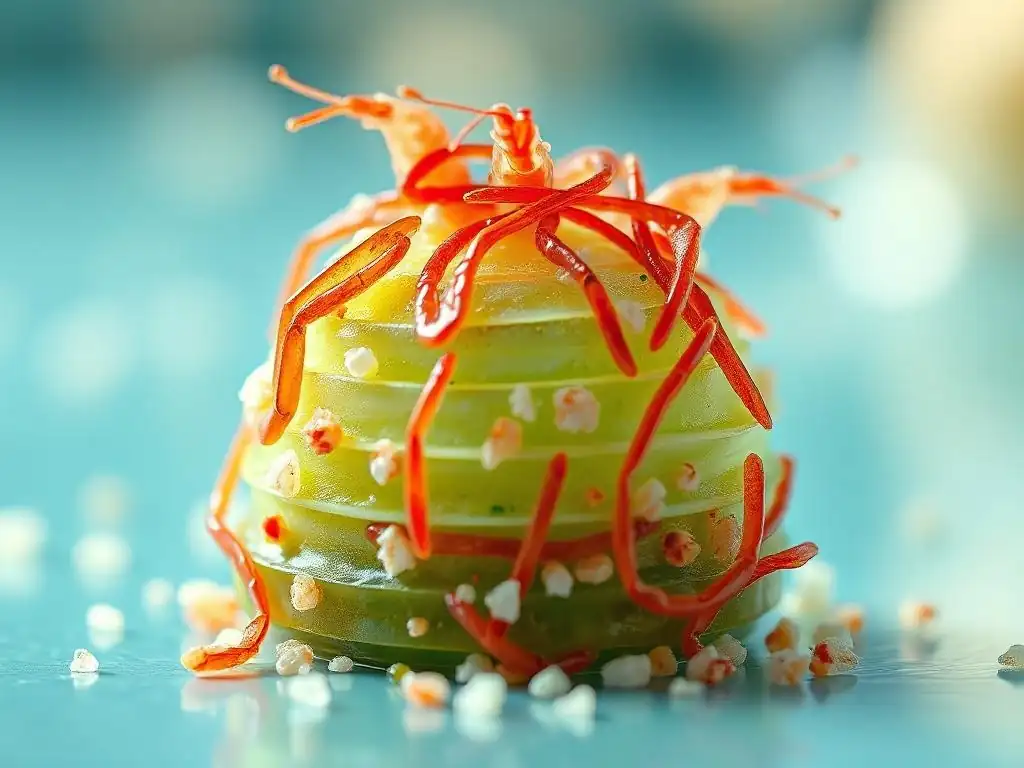
The success of your DIY shrimp food recipes hinges entirely on the quality of your ingredients. Always prioritize human-grade or food-grade components to ensure purity and safety. Avoid ingredients with added salts, sugars, artificial colors, or preservatives, as these can be detrimental to shrimp health. For example, when purchasing spirulina, look for reputable suppliers who provide certificates of analysis confirming the absence of heavy metals like lead or mercury, which can accumulate in aquatic systems.
Consider buying ingredients in bulk from health food stores, organic markets, or specialized online suppliers. This not only ensures freshness but also offers significant cost savings over time. Always check expiration dates and opt for products with clear ingredient lists. For fresh vegetables like spinach or kale, choosing organic varieties minimizes the risk of introducing pesticides into your aquarium, safeguarding your delicate shrimp ecosystem.
Proper Storage and Handling
Proper storage is crucial for maintaining the freshness and preventing spoilage of your homemade DIY shrimp food recipes. Once dried, store your shrimp food in airtight containers, such as small glass jars or sealed plastic bags, to protect it from moisture and air. Exposure to humidity can lead to mold growth, which is highly toxic to shrimp.
For optimal freshness and to extend shelf life, especially for gel foods or recipes with higher moisture content, refrigeration is highly recommended. Dried foods can typically be stored at room temperature for several weeks, but for longer periods (up to 3-6 months), freezing is an excellent option. Always label your containers with the date of creation and the ingredients to keep track of freshness and formulations. Preparing smaller batches is often advisable to ensure the food remains fresh and potent.
Adjusting Recipes for Species and Life Stage
Not all shrimp have identical dietary needs, and effective DIY shrimp food recipes should be adaptable. For instance, Neocaridina species (like Cherry Shrimp) are primarily grazers and thrive on a diet rich in plant matter and biofilm, though they still benefit from protein. Caridina species (such as Crystal Red or Taiwan Bee Shrimp), often more sensitive, might require more specific mineral supplementation and a slightly higher protein content to support their more specialized needs.
Furthermore, the life stage of your shrimp dictates dietary adjustments. Shrimplets (baby shrimp) require very fine, powdered food that is easily digestible and rich in protein for rapid growth. Breeding adults, conversely, will benefit from increased protein and calcium to support egg production and successful molting. Observing your specific colony's behavior, growth rates, and coloration will guide you in fine-tuning your DIY shrimp food recipes for their unique requirements.
Avoiding Common Mistakes
When venturing into DIY shrimp food recipes, being aware of common pitfalls can save you from issues. One of the most frequent mistakes is overfeeding. Excess food decays, leading to dangerous ammonia spikes and fostering algae blooms, both detrimental to water quality and shrimp health. Another common error is improper drying, which results in mold growth. Ensure your homemade foods are completely dry and brittle before storage to prevent this.
Using contaminated ingredients is another significant risk. Always source food-grade components and avoid anything that might contain pesticides, heavy metals, or other toxins. Finally, creating food that is too large or breaks down too quickly can lead to uneaten portions and cloudy water. Aim for small, dense pieces that hold their shape in water for a reasonable period (e.g., 1-2 hours) but are easily consumed by shrimp. Patience and observation are key to refining your DIY shrimp food recipes.
Feeding: Best Practices
Determining the Right Amount
When feeding your DIY shrimp food recipes, the adage "less is more" holds true. Overfeeding is the single most common mistake in shrimp keeping and can quickly lead to deteriorated water quality. Start with a very small amount, observing how quickly your shrimp consume it. Ideally, the food should be entirely consumed within 1 to 2 hours, and preferably within 30 minutes for faster breakdown foods.
The correct amount will depend on several factors: the size of your shrimp colony, the volume of your tank, and the presence of other tank inhabitants (like snails or fish) that might compete for food. For a small 10-gallon tank with 20-30 adult Neocaridina shrimp, a piece of gel food the size of a small pea or a tiny pinch of dried flakes is often sufficient. It's always better to underfeed slightly and supplement if needed, rather than overfeed and risk ammonia spikes.
Feeding Frequency
The optimal feeding frequency for your shrimp will vary based on their species, age, and the overall health of your aquarium. Generally, feeding 2-3 times per week is a good starting point for established colonies. Young shrimp (shrimplets) and breeding colonies, which have higher metabolic demands, might benefit from more frequent, very small feedings, perhaps every other day.
It's also beneficial to incorporate "fasting days" into your feeding schedule. Allowing a day or two without direct feeding encourages shrimp to graze on the natural biofilm, algae, and detritus present in the tank. This not only provides a natural food source but also helps maintain tank cleanliness and prevents overfeeding. Observe your shrimp's activity levels and health to fine-tune your specific feeding routine.
Observing Feeding Behavior
Observing your shrimp's feeding behavior is a crucial aspect of responsible shrimp keeping and helps you gauge the effectiveness of your DIY shrimp food recipes. When you introduce food, healthy and hungry shrimp should quickly converge on it, forming a "shrimp ball." Active feeding indicates that the food is palatable and that your shrimp are thriving.
If the food remains uneaten after a few hours, it's a clear sign that you are either feeding too much or the food is not appealing to your shrimp. Promptly remove any uneaten food to prevent it from decaying and fouling the water. Pay attention to which DIY shrimp food recipes your colony prefers; some species might show a preference for certain ingredients or textures. This direct observation allows you to adjust your feeding strategy and food formulations for optimal results.
Combining DIY with Commercial Options
While DIY shrimp food recipes offer immense benefits in terms of control and customization, many aquarists find a balanced approach, combining homemade and high-quality commercial foods, to be the most effective. Commercial foods, particularly those from reputable brands, are often formulated to provide a complete and balanced diet, offering convenience and a guaranteed nutrient profile.
Using commercial foods as a base, or as a supplement on non-DIY feeding days, can help ensure your shrimp receive all necessary nutrients, especially for beginners who are still experimenting with their DIY formulations. For example, you might feed your DIY spinach and calcium treat twice a week and a high-quality commercial pellet once a week. This hybrid approach leverages the strengths of both options, providing a diverse and comprehensive diet for your thriving shrimp colony.
Troubleshooting Common Issues
Algae Blooms: Addressing Overfeeding
One of the most common issues arising from feeding, especially with DIY shrimp food recipes, is the proliferation of algae. Algae blooms are almost always a direct consequence of excess nutrients in the water column, primarily from uneaten food decaying and releasing nitrates and phosphates. While some algae are beneficial for shrimp grazing, an uncontrolled bloom can deplete oxygen, obscure tank views, and indicate an unhealthy imbalance.
To address algae blooms linked to feeding, the first step is to drastically reduce the amount of food offered. Implement a strict feeding schedule, ensuring all food is consumed within 1-2 hours. Increase the frequency of partial water changes (e.g., 20-30% twice a week) to export excess nutrients. Additionally, consider adding more live plants, which compete with algae for nutrients, and ensure your filtration system is adequate for your tank size, perhaps adding a small sponge filter for extra mechanical and biological filtration.
Water Quality Concerns: Monitoring Levels
The breakdown of uneaten DIY shrimp food recipes can rapidly degrade water quality, leading to spikes in ammonia, nitrite, and nitrate. Ammonia and nitrite are highly toxic to shrimp, even at low concentrations (e.g., 0.25 ppm ammonia can be lethal), while high nitrates (above 20 ppm) can cause stress and inhibit breeding. Sensitive Caridina species are particularly vulnerable to fluctuating water parameters.
Regular water testing is paramount. Invest in reliable liquid test kits for pH, GH (General Hardness), KH (Carbonate Hardness), ammonia, nitrite, and nitrate. Test your water parameters weekly, and immediately perform a partial water change (e.g., 25-50%) if ammonia or nitrite are detected, or if nitrates climb above 20 ppm. Consistent monitoring and prompt action are vital for maintaining a stable and healthy environment for your shrimp.
Shrimp Health Issues: Nutritional Deficiencies
Despite best efforts with DIY shrimp food recipes, nutritional deficiencies can sometimes manifest as specific health issues. A common sign is poor molting, where shrimp get stuck in their old shells or exhibit incomplete molts. This often points to a lack of calcium or other essential minerals. Dull coloration, lethargy, and slow growth can also indicate an imbalanced diet or a deficiency in key vitamins or proteins.
If you observe these symptoms, first review your DIY shrimp food recipes. Ensure you are providing a balanced diet with adequate protein, calcium, and a variety of vegetable matter. You might need to adjust the ratios or introduce new ingredients known for specific nutrients. For instance, if molting issues persist, increase the calcium content in your recipes. Sometimes, a temporary supplement designed for shrimp minerals in the water column can also help, but a long-term solution lies in a well-rounded diet.
Conclusion: Empowering Shrimp Keeping with DIY Nutrition
Recap of Benefits
Embarking on the journey of creating your own DIY shrimp food recipes offers a multitude of benefits that extend far beyond simple cost savings. It empowers you with unparalleled control over the ingredients, ensuring your beloved shrimp receive a diet free from undesirable fillers and artificial additives. This level of transparency directly translates into superior nutrition, allowing you to tailor specific nutrient profiles to the unique needs of your shrimp species and life stages, whether they are growing shrimplets or active breeding adults.
Ultimately, this hands-on approach to nutrition contributes significantly to the overall health, vibrancy, and breeding success of your shrimp colony. By providing a diet perfectly aligned with their physiological requirements, you foster stronger immune systems, more vibrant coloration, and a more prolific population, leading to a truly thriving aquatic ecosystem.
Encouraging Experimentation
The world of DIY shrimp food recipes is vast and continuously evolving, encouraging a spirit of experimentation. Don't be afraid to try different ingredient combinations, adjust ratios, and observe how your shrimp respond. Each colony is unique, and what works perfectly for one might need slight tweaks for another. Start with small batches of new recipes and carefully monitor your shrimp's feeding behavior and overall health.
This iterative process of creating, observing, and refining your DIY shrimp food recipes is not only beneficial for your shrimp but also incredibly rewarding for the aquarist. It deepens your understanding of shrimp nutrition and allows for a truly personalized approach to their care, turning feeding time into an engaging and educational experience.
Resources for Further Learning.
For those eager to delve deeper into the intricacies of shrimp nutrition and expand their repertoire of DIY shrimp food recipes, a wealth of information is available. Reputable online aquarium forums and dedicated shrimp-keeping communities are excellent places to exchange ideas, learn from experienced aquarists, and troubleshoot specific challenges. Many scientific articles on crustacean nutrition also offer in-depth insights into the dietary requirements of various aquatic invertebrates.
Furthermore, comprehensive books on freshwater invertebrate care provide foundational knowledge that can greatly enhance your ability to formulate effective and balanced diets. The Aquarium Mastery website itself serves as a valuable, detailed resource, offering extensive guides on all aspects of aquarium setup, maintenance, and species-specific care, including dedicated sections on freshwater shrimp profiles, their care, and breeding. Continuously educating yourself ensures you can provide the best possible nutrition for your thriving shrimp colony.
Frequently Asked Questions
How can making DIY shrimp food benefit my aquarium?
DIY shrimp food allows you to control the ingredients, ensuring a nutritious and balanced diet for your shrimp. This can lead to healthier shrimp and a more vibrant aquarium.
What are some common ingredients used in DIY shrimp food recipes?
Common ingredients include vegetables like spinach and zucchini, protein sources like fish flakes or spirulina powder, and supplements like calcium carbonate. These provide essential nutrients for shrimp growth and molting.
Is DIY shrimp food safe for my aquarium and other inhabitants?
When prepared correctly with aquarium-safe ingredients, DIY shrimp food is generally safe. Avoid overfeeding to prevent water pollution and ensure compatibility with other tank inhabitants.
How often should I feed my shrimp DIY food versus commercial food?
DIY food can supplement a commercial diet. Offer small portions 1-2 times per week, observing how much your shrimp consume within a few hours to avoid overfeeding and water quality issues.
Where can I find reliable DIY shrimp food recipes?
AquariumMastery.com offers a variety of healthy, natural, and cost-effective DIY shrimp food recipes. Look for recipes that cater to the specific needs of your shrimp species.
Final Reflection: Cultivating a Thriving Shrimp Ecosystem
The journey into DIY shrimp food recipes isn't just about saving money; it's about understanding and actively participating in the delicate ecosystem within our aquariums. By taking control of what our shrimp consume, we're not only ensuring their health and vitality but also fostering a deeper connection with the natural world we strive to replicate in our homes.
This exploration has highlighted the profound impact of mindful aquascaping and responsible pet ownership. It's a reminder that even seemingly small choices, like crafting our own shrimp food, can have a significant ripple effect on the well-being of our aquatic companions and the overall balance of our tanks. The best way to find yourself is to lose yourself in the service of others.
- Mahatma Gandhi. This quote resonates deeply, as nurturing our shrimp through homemade food becomes an act of service, enriching both their lives and our own.
Now, armed with these DIY shrimp food recipes, I encourage you to experiment, observe, and refine your approach. Embrace the process of learning and adapting, and remember that every batch of homemade food is an opportunity to deepen your understanding of your shrimp and their needs. Let's continue to cultivate thriving shrimp ecosystems, one nutritious recipe at a time.
Ignite Your Shrimp's Health: Craft Your Own Nutrient-Packed Feeds!
Thank you for exploring the world of DIY shrimp food and unlocking a healthier, more natural diet for your aquatic companions. Now it's time to put that knowledge into action!
Here are a few things you can do to elevate your shrimp-keeping game:
- Begin crafting your first batch of homemade shrimp food – start with a simple recipe like blanched vegetables or a spirulina-based mix to see how your shrimp react.
- Dive deeper into the ingredients! Research other natural foods that could benefit your shrimp, such as mulberry leaves or nettle. Experiment responsibly and observe your shrimp's reaction.
- Share your experience! Join an online aquarium community or forum and post photos and videos of your DIY shrimp food creations and results! Inspire others to try it.
What unique ingredient are you most excited to experiment with in your homemade shrimp food?