
The Neocaridina Color Wheel: A Guide to Their Dazzling Varieties & Lineages

Welcome to Aquarium Mastery!
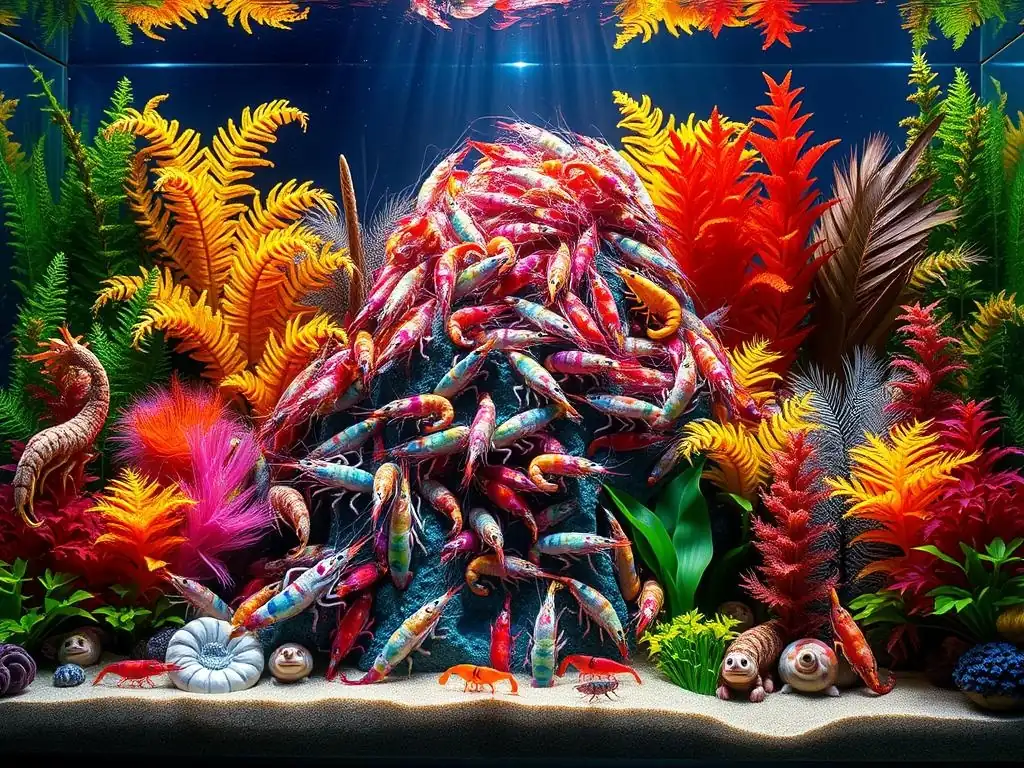
Ever wondered how many vibrant shades of cherry shrimp exist? Prepare to be amazed! Dive into our Neocaridina color morph guide and unlock the secrets of these dazzling freshwater invertebrates. Discover their unique lineages, explore the spectrum of available colors, and learn how to keep these little jewels thriving in your aquarium. Let the exploration begin, and prepare to be captivated by the Neocaridina Color Wheel!
- Understanding Neocaridina Shrimp Color Genetics
-
Exploring the Spectrum: A Comprehensive Neocaridina Color Morph Guide
- Red Neocaridina Shrimp Varieties: Cherry, Sakura, Painted Fire Red
- Orange Neocaridina Shrimp: Pumpkin and Sunkist Orange Shrimp
- Yellow Neocaridina Shrimp: Golden Yellow and Yellow Neon
- Green Neocaridina Shrimp: Jade Green Shrimp
- Blue Neocaridina Shrimp: Blue Velvet, Blue Dream, and Sky Blue
- Black Neocaridina Shrimp: Black Rose and Black Diamond
- White Neocaridina Shrimp: Snow White Shrimp
- Chocolate Neocaridina Shrimp: Brown Color Variations
- Creating Your Own Neocaridina Color Lineages
- Neocaridina Shrimp Care Considerations for Optimal Color Expression
- Troubleshooting Common Neocaridina Color Fading Issues
- Advanced Neocaridina Color Breeding Techniques
-
Frequently Asked Questions
- What exactly are Neocaridina shrimp and why are there so many color variations?
- What are some of the most popular Neocaridina color morphs mentioned in the guide?
- How does the "lineage" of a Neocaridina shrimp affect its color?
- What are some key considerations when keeping different Neocaridina color morphs together in the same tank?
- Where can I find more detailed information about specific Neocaridina color morphs and their care requirements?
- Final Reflection: Embracing the Spectrum of Life
- Unleash the Vibrant Shrimp Keeper in You!
Understanding Neocaridina Shrimp Color Genetics
The Origins of Neocaridina Color Morphs: Selective Breeding
The stunning array of Neocaridina color morphs seen in aquariums today did not emerge naturally. These vibrant Neocaridina varieties are the direct result of decades of meticulous selective breeding by dedicated aquarists, primarily from wild populations of Neocaridina davidi (formerly N. heteropoda) found in streams and ponds across Taiwan and China. The wild form of Neocaridina davidi typically exhibits a dull, translucent brown or greenish coloration, providing camouflage against predators in their natural habitat.
Hobbyists began isolating and breeding individuals that displayed slight variations in color, such as a faint reddish tint or a more pronounced green. Through successive generations, only the shrimp exhibiting the most desirable color traits were allowed to reproduce, gradually intensifying and stabilizing these mutations into distinct, recognizable lines. For instance, the highly popular Cherry shrimp, one of the earliest and most widespread Neocaridina color morphs, was developed over many years from these subtle red mutations, with breeders constantly culling less colorful individuals to achieve the deep, opaque red seen in high-grade specimens.
Basic Neocaridina Shrimp Genetics: Genes and Color Expression
The brilliant colors of Neocaridina shrimp are determined by a complex interplay of genetic factors, primarily involving genes that control the production and distribution of various pigments within specialized cells called chromatophores. While the exact genetic pathways for every Neocaridina color are still being researched, it is understood that many color traits are polygenic, meaning they are influenced by multiple genes working in concert. For example, the intensity and opacity of red or blue coloration are not typically controlled by a single gene but rather by several genes contributing to pigment density and cell arrangement.
Some traits may follow more straightforward Mendelian inheritance patterns (dominant or recessive), but most of the stable Neocaridina varieties are the result of cumulative selection for many generations. Pigments like astaxanthin (responsible for reds, oranges, and yellows) are often derived from the shrimp's diet, while other pigments contribute to blues and greens. The shrimp's ability to express these colors fully is genetically predetermined, but environmental factors also play a significant role in how vividly these genetic predispositions are displayed, making the Neocaridina color morph guide a dynamic field of study for aquarists.
Factors Influencing Neocaridina Color Intensity: Environment and Diet
Beyond genetics, several environmental and dietary factors significantly influence the intensity and vibrancy of Neocaridina shrimp coloration. Consistent and stable water parameters are paramount; fluctuations in pH, GH (General Hardness), or KH (Carbonate Hardness) can stress shrimp, leading to faded colors or even death. For optimal color expression, Neocaridina generally thrive in temperatures between 68-78°F (20-25.5°C), a pH range of 6.5-8.0, and a GH of 6-10 dGH. A dark substrate is often recommended, as shrimp tend to darken their own coloration to better blend in with their surroundings, making their colors appear more vivid against a dark background.
Diet plays a crucial role, especially for red, orange, and yellow Neocaridina varieties. These colors are largely dependent on carotenoid pigments, such as astaxanthin, which shrimp cannot produce themselves and must obtain from their food. High-quality shrimp foods enriched with spirulina, astaxanthin, or other natural color enhancers can significantly boost color vibrancy.
For instance, studies have shown that shrimp fed diets containing 50-100 mg/kg of astaxanthin display noticeably richer reds and oranges compared to those on unsupplemented diets. Conversely, a poor diet, stress from aggressive tank mates, or poor water quality (e.g., high nitrates above 20 ppm) can all lead to dull, faded shrimp, diminishing their appeal in any Neocaridina color morph guide.
Exploring the Spectrum: A Comprehensive Neocaridina Color Morph Guide
Red Neocaridina Shrimp Varieties: Cherry, Sakura, Painted Fire Red
The red Neocaridina shrimp are arguably the most popular and foundational Neocaridina color in the hobby, known for their striking appearance and relative hardiness. These vibrant crustaceans are all derived from the same Neocaridina davidi species, with their distinct names reflecting different grades of color intensity achieved through generations of selective breeding. The progression from Cherry to Painted Fire Red illustrates the dedication of breeders to achieve increasingly opaque and saturated red pigmentation across the entire body of the shrimp.
These red Neocaridina varieties are an excellent starting point for new aquarists interested in exploring the Neocaridina color morph guide, as they are generally robust and prolific breeders. Their popularity has also led to extensive breeding efforts, resulting in a wide availability of high-quality stock. Achieving the pinnacle of red coloration, such as in Painted Fire Red shrimp, requires not only superior genetics but also optimal care, including a diet rich in color-enhancing carotenoids and stable water parameters.
Cherry Shrimp Grades: Identifying Quality Red Coloration
Cherry shrimp are the entry-level red Neocaridina color morph, characterized by a noticeable red hue that can range from light to medium. High-quality Cherry shrimp will have a more consistent red across their bodies, though some translucency might still be visible, especially on the underside or legs. As the grade increases to Sakura, the red becomes more opaque and covers a larger portion of the body. Fire Red shrimp show even greater opacity, with very little translucency, and the red pigment extends to the legs and antennae.
Painted Fire Red Shrimp: Achieving Intense Red Pigmentation
Painted Fire Red shrimp represent the highest grade of red Neocaridina color, distinguished by their complete and uniform opacity. The red coloration is so dense that it covers the entire body, including the legs, underside, and even the pleopods (swimming legs), giving them a solid, painted appearance. Achieving this intense red pigmentation requires rigorous selective breeding, where only shrimp exhibiting the deepest, most opaque red are chosen for reproduction. Environmental factors, such as a dark substrate and a diet rich in astaxanthin, further enhance this profound coloration.
Orange Neocaridina Shrimp: Pumpkin and Sunkist Orange Shrimp
Orange Neocaridina shrimp offer a cheerful and bright addition to any aquarium, providing a distinct contrast to the more common reds and blues. These Neocaridina varieties maintain the same hardy characteristics as their red counterparts, making them suitable for beginners. The orange coloration is also derived from carotenoid pigments, similar to the reds, and their vibrancy is significantly influenced by diet and water quality.
The two primary types within this section of the Neocaridina color morph guide are Pumpkin Orange and Sunkist Orange. While both exhibit beautiful orange hues, they differ subtly in their shade and opacity, allowing aquarists to choose based on their aesthetic preferences. Consistent breeding efforts focus on intensifying this orange pigment, ensuring it covers the entire body without significant translucent patches.
Pumpkin Orange Shrimp: Selecting for Deeper Orange Hues
Pumpkin Orange shrimp are known for their deep, rich, and often matte orange coloration. The desired trait in this Neocaridina color is a solid, opaque orange that covers the entire body, with minimal translucency. Breeders select individuals that exhibit the darkest, most uniform orange, often resembling the color of a ripe pumpkin. To enhance this deep hue, a diet rich in beta-carotene and other orange-promoting carotenoids is highly beneficial.
Sunkist Orange Shrimp: Maintaining Vibrant Orange Color
Sunkist Orange shrimp typically display a brighter, more vibrant orange hue compared to the Pumpkin variety. While still opaque, their color often has a slightly more luminous quality, reminiscent of a freshly peeled orange. Maintaining this vibrant orange color involves providing stable water parameters, a clean environment, and a consistent diet with appropriate color-enhancing supplements. Regular culling of less colorful individuals helps to preserve the bright, consistent Sunkist orange line.
Yellow Neocaridina Shrimp: Golden Yellow and Yellow Neon
Yellow Neocaridina shrimp bring a sunny and bright disposition to the aquarium, standing out vividly against green plants or dark substrates. These Neocaridina varieties are another popular choice for those looking to add a splash of distinct color. Like red and orange shrimp, their yellow pigmentation is largely dependent on dietary carotenoids, making proper nutrition essential for vibrant color expression.
The yellow spectrum within the Neocaridina color morph guide includes Golden Yellow and the even brighter Yellow Neon. Both are highly sought after for their cheerful appearance and ability to thrive in similar conditions to other Neocaridina shrimp. Breeders focus on achieving not just a strong yellow, but also a high degree of opacity and consistency across the shrimp's body.
Golden Yellow Shrimp: Breeding for Rich Yellow Pigment
Golden Yellow shrimp are characterized by a solid, opaque yellow coloration that covers most of their body. The goal in breeding these Neocaridina color forms is to achieve a rich, deep yellow pigment that is consistent across the entire shrimp, including the legs and underside. Selective breeding involves choosing individuals with the most intense and uniform yellow, often with a slightly golden sheen. A diet containing yellow-enhancing carotenoids can significantly improve their color depth.
Yellow Neon Shrimp: The Brightest Yellow Variations
Yellow Neon shrimp represent the pinnacle of yellow Neocaridina coloration, known for their exceptionally bright, almost fluorescent yellow hue. These shrimp often exhibit a distinct, bright yellow stripe running down their back, which can appear to glow under certain lighting conditions, hence the "Neon" designation. Maintaining the striking brightness of Yellow Neon shrimp requires careful selection of breeding stock and optimal water quality, ensuring the shrimp are free from stress that could dull their vibrant color.
Green Neocaridina Shrimp: Jade Green Shrimp
Green Neocaridina shrimp, primarily represented by the Jade Green variety, offer a unique and earthy aesthetic that is distinct from other Neocaridina color morphs. Achieving a true, consistent green in Neocaridina can be more challenging than with reds or yellows, as the pigment can often appear more brownish or olive-toned if not carefully bred. Despite this, dedicated breeders have successfully stabilized lines that display a beautiful, deep green.
The Jade Green shrimp typically possess a solid, opaque green body, which can range from a darker forest green to a brighter, more jade-like shade. Their unique coloration makes them a fascinating addition to a planted aquarium, where they can either blend in or stand out depending on the specific shade and the surrounding foliage.
Jade Green Shrimp: Achieving Deep Green Coloration
Jade Green shrimp are prized for their solid, opaque green coloration. The ideal Jade Green shrimp will exhibit a deep, consistent green that covers their entire body, often with a slightly translucent quality in lower grades, but becoming fully opaque in higher grades. Achieving this deep green coloration requires rigorous selective breeding over many generations, focusing on individuals that display the strongest and most uniform green pigment. Environmental factors, such as a dark substrate, can help to intensify their natural color, making the green appear richer and more pronounced.
Blue Neocaridina Shrimp: Blue Velvet, Blue Dream, and Sky Blue
Blue Neocaridina shrimp are highly sought after for their captivating and diverse shades of blue, ranging from light pastel to deep, opaque navy. These Neocaridina varieties have gained immense popularity, often commanding higher prices due to the difficulty in consistently breeding for intense and stable blue coloration. The blue pigment in shrimp is often structural, meaning it's created by the way light interacts with the shrimp's shell rather than solely by pigments from their diet, though diet can still play a role in overall health and color vibrancy.
The blue spectrum within the Neocaridina color morph guide includes Blue Velvet, Blue Dream, and Sky Blue, representing a progression in intensity and opacity. These different blue Neocaridina color forms often originate from the same genetic lines, with breeders selecting for specific shades and levels of translucency to create distinct varieties.
Blue Velvet Shrimp: Identifying True Blue Velvet Characteristics
Blue Velvet shrimp typically display a lighter to medium blue coloration, often with some degree of translucency, particularly in lower grades. The blue hue can vary from a pastel blue to a more pronounced denim blue. Identifying true Blue Velvet characteristics involves looking for a consistent blue across the body, even if it's not fully opaque. They often have a slightly velvety texture to their color, hence the name.
Blue Dream Shrimp: Breeding for Darker Blue Tones
Blue Dream shrimp are highly prized for their deep, opaque blue coloration. They are a step up from Blue Velvets in terms of color saturation and consistency. The ideal Blue Dream shrimp will have a uniform, dark navy blue covering its entire body, including legs and antennae, with virtually no translucent patches. Breeding for these darker blue tones requires stringent selective breeding, consistently choosing the darkest and most opaque individuals for reproduction.
Sky Blue Shrimp: Maintaining Lighter Blue Pigmentation
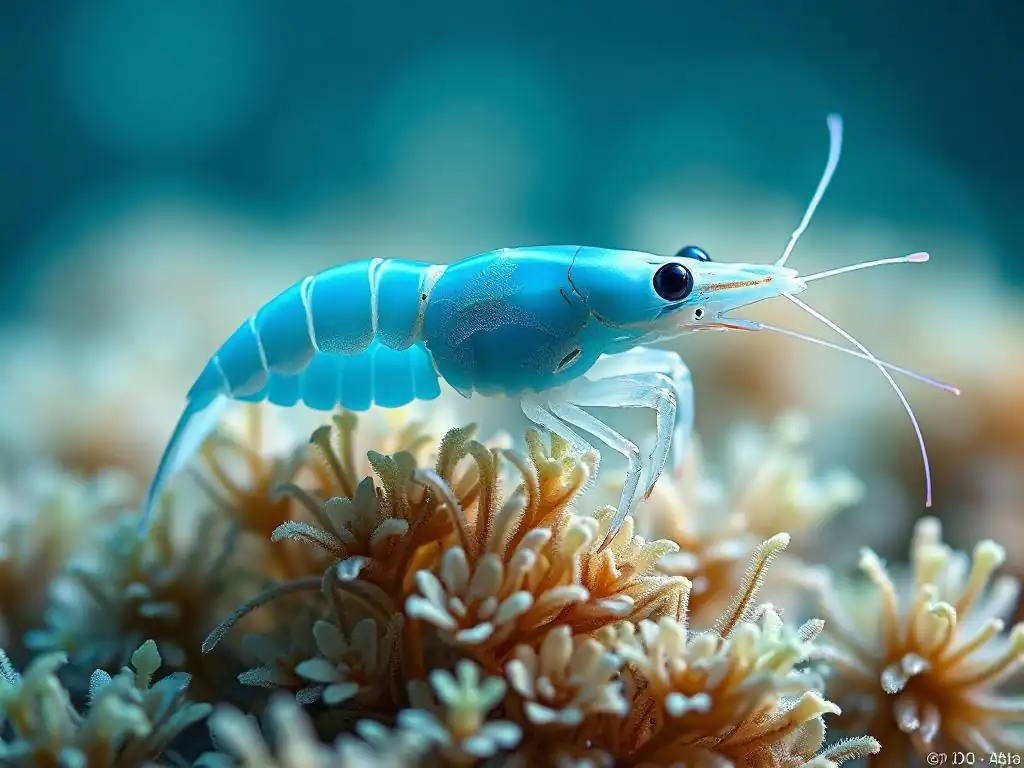
Sky Blue shrimp exhibit a lighter, often powdery or icy blue coloration, distinct from the deeper blues of Blue Dream or the medium blue of Blue Velvet. Their color can sometimes appear almost translucent, but with a clear, light blue hue. Maintaining this lighter blue pigmentation involves careful selection of breeding stock that consistently produces this specific shade. Environmental factors, like stable water parameters and a clean tank, contribute to their overall health and color stability.
Black Neocaridina Shrimp: Black Rose and Black Diamond
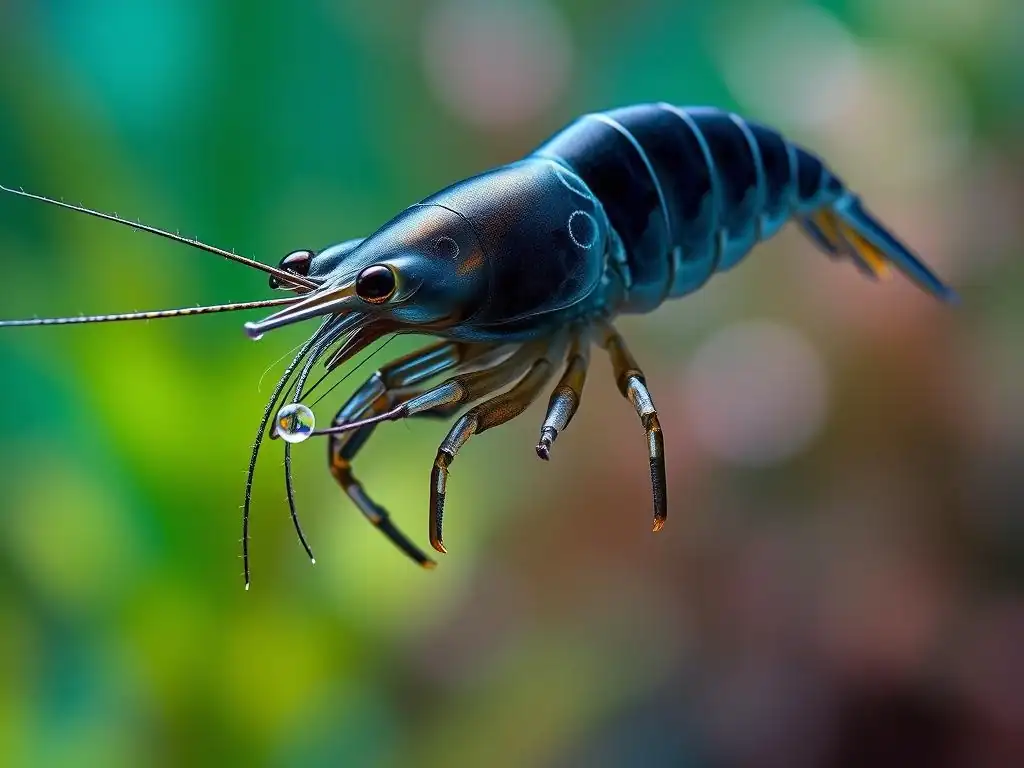
Black Neocaridina shrimp offer a striking, elegant contrast in the aquarium, providing a sophisticated backdrop for other vibrant colors or standing out on their own. These Neocaridina varieties are less common than reds or blues but are highly valued for their deep, opaque black coloration. Black shrimp are often developed from very dark chocolate or extremely dark blue lines through meticulous selective breeding over many generations, pushing the boundaries of the Neocaridina color morph guide.
The two main types within this segment are Black Rose and Black Diamond, each representing different levels of black intensity and sheen. Achieving a truly solid, non-fading black is the primary goal for breeders of these impressive Neocaridina color forms.
Black Rose Shrimp: Achieving Solid Black Coloration
Black Rose shrimp are characterized by their solid, opaque black coloration, often with a slightly matte or velvety appearance. The ideal Black Rose shrimp will have a uniform black covering its entire body, including the legs and underside, with no visible translucent spots or brown undertones. Achieving this solid black coloration requires intensive selective breeding, consistently culling any individuals that exhibit lighter patches, brown hues, or significant translucency.
Black Diamond Shrimp: Recognizing Quality Black Pigmentation
Black Diamond shrimp represent the pinnacle of black Neocaridina coloration, distinguished by an even deeper, more lustrous black than Black Rose, often with a subtle sheen that gives them a "diamond-like" quality. Recognizing quality black pigmentation in Black Diamond shrimp means looking for absolute opacity and a rich, deep black that absorbs light rather than reflecting it. This level of black is achieved through generations of dedicated breeding, focusing on the darkest and most perfectly pigmented individuals to maintain the line's exceptional quality.
White Neocaridina Shrimp: Snow White Shrimp
White Neocaridina shrimp, primarily known as Snow White shrimp, offer a pristine and ethereal presence in the freshwater aquarium. Their stark white coloration provides a striking contrast against green plants or dark substrates, making them a popular choice for aquascapes designed to highlight specific elements. Unlike many other Neocaridina varieties whose color is influenced by carotenoids, the white coloration in Snow White shrimp is often due to a lack of pigment combined with an opaque body, often a result of selecting for very light or clear shrimp.
Breeding for high-quality Snow White shrimp focuses on achieving a consistent, opaque white that covers the entire body, without any translucent patches or off-white hues. Their delicate appearance belies their hardy Neocaridina nature, making them a beautiful yet robust addition to the Neocaridina color morph guide.
Snow White Shrimp: Selecting for Opaque White Color
Snow White shrimp are highly valued for their pure, opaque white coloration. The desired trait is a solid, milky white that covers the entire body, including the legs and antennae, with absolutely no translucency. Selecting for opaque white color involves rigorous culling of any shrimp that show clear patches, yellowish tints, or any other deviation from the desired pure white. Consistent selective breeding over generations is essential to stabilize and enhance this unique Neocaridina color, ensuring that the offspring maintain the pristine white characteristic.
Chocolate Neocaridina Shrimp: Brown Color Variations
Chocolate Neocaridina shrimp offer a rich, earthy tone that can provide a natural and sophisticated aesthetic to the aquarium. While often seen as a stepping stone to black Neocaridina varieties, well-bred chocolate lines possess a beautiful, deep brown color that is appealing in its own right. These shrimp maintain the hardiness and ease of care characteristic of Neocaridina davidi, making them an excellent choice for aquarists seeking a distinct yet understated color.
The depth and consistency of the brown coloration are key factors in assessing the quality of Chocolate Neocaridina shrimp. Breeders focus on eliminating any red or orange undertones that might detract from the pure chocolate hue, aiming for a solid, opaque brown that covers the entire body.
Breeding for Consistent Chocolate Brown Coloration
Breeding for consistent chocolate brown coloration in Neocaridina shrimp involves selecting individuals that exhibit a uniform, deep brown across their entire body. The goal is to achieve an opaque, rich chocolate hue without any visible translucent patches or undesirable red or black undertones. This requires diligent selective breeding, where only the darkest and most consistently brown shrimp are chosen for reproduction. Environmental factors, such as a dark substrate, can help to enhance the perceived depth of their brown color, making them appear even richer in the aquarium.
Creating Your Own Neocaridina Color Lineages
Starting Your Neocaridina Breeding Project: Choosing Your Stock
Embarking on a Neocaridina breeding project to create or refine your own color lineages begins with the careful selection of your initial breeding stock. It is crucial to acquire healthy, vibrant, and well-colored shrimp from a reputable breeder or supplier. Starting with a minimum of 10-20 shrimp is recommended to ensure a diverse enough gene pool and to account for potential losses.
For beginners, focusing on a single, stable color line, such as high-grade Cherry shrimp or Blue Dream, is advisable. This allows you to gain experience in selective breeding and culling without the complexities of crossbreeding different Neocaridina varieties and the unpredictable outcomes that can arise.
Inspect potential breeding stock for consistent color, active movement, and absence of deformities or signs of illness. Quality stock will significantly shorten the time required to achieve your desired Neocaridina color goals, as the genetic foundation for intense coloration is already present. Investing in higher-grade shrimp at the outset, even if slightly more expensive, can save considerable time and effort in the long run by providing a stronger genetic base for your breeding program.
Crossbreeding Neocaridina Shrimp: Potential Outcomes and Risks
Crossbreeding different Neocaridina color morphs is an advanced technique that carries significant risks and unpredictable outcomes. While it might seem appealing to combine a red and a blue shrimp to create a new purple variety, Neocaridina davidi genetics often revert to the wild-type coloration (a dull, brownish-clear) when different color lines are interbred.
This reversion occurs because the various color morphs are often based on recessive genes or complex polygenic traits that, when mixed, lose their specific expression. For example, crossing a Red Cherry with a Blue Dream shrimp will most likely yield offspring that are predominantly wild-type in the F1 generation, with only a small percentage showing mixed or faded colors.
Subsequent generations (F2, F3, etc.) might produce a wider array of colors, including some desirable ones, but stabilizing a new Neocaridina color from such a cross typically requires years of rigorous selective breeding and culling. This process can be labor-intensive and may not always yield the desired results, consuming considerable tank space and time. Therefore, crossbreeding is generally recommended only for experienced breeders who understand the genetic principles involved and are prepared for the commitment required to stabilize a new Neocaridina color morph guide entry.
Maintaining Color Purity in Your Neocaridina Lines
Maintaining color purity within your Neocaridina lines is paramount for any serious breeding project. The most effective method for this is strict culling, which involves removing any shrimp that do not meet the desired color standards for your specific line. This includes individuals that are translucent, faded, show wild-type coloration, or exhibit undesirable off-colors. Culling should begin as soon as the juveniles are large enough to assess their coloration, typically around 1-2 months of age. In early generations, it is not uncommon to cull 10-30% or even more of the offspring to maintain quality.
To prevent accidental crossbreeding and maintain distinct Neocaridina color lines, it is essential to house each color variety in its own dedicated aquarium. Even seemingly minor color variations, if allowed to interbreed, can dilute the gene pool and cause a regression in color intensity over generations. Regular monitoring of your colonies and prompt removal of sub-standard individuals are critical steps to ensure your Neocaridina color morph guide standards remain high and your lines continue to produce vibrant, consistent offspring.
Identifying and Culling Unwanted Neocaridina Color Variations
Identifying unwanted Neocaridina color variations is a crucial skill for maintaining the purity and quality of your shrimp lines. When assessing your shrimp, look for individuals that exhibit:
- Translucency: Patches where the body is clear rather than opaque.
- Faded Color: A duller or lighter hue than the desired standard for the specific Neocaridina color morph guide entry.
- Wild-Type Coloration: Reversion to the brownish-clear appearance of their wild ancestors.
- Off-Colors: The presence of unwanted colors (e.g., a red shrimp with blue spots, or a yellow shrimp with green patches).
- Poor Shell Quality: Thin or uneven shell coloration, which can indicate poor health or genetics.
Once identified, these unwanted Neocaridina varieties should be culled from the breeding tank. Culling does not mean discarding the shrimp; rather, they can be moved to a separate "cull tank" where they can live out their lives, or be used as feeders for other aquarium inhabitants. This practice ensures that only the best-colored individuals contribute to the next generation, gradually improving the overall quality and stability of your Neocaridina color line over time. Consistent culling is the backbone of successful selective breeding.
Neocaridina Shrimp Care Considerations for Optimal Color Expression
Water Parameters for Neocaridina Color Development
Optimal water parameters are fundamental for the vibrant color development and overall health of Neocaridina shrimp. These hardy invertebrates thrive in stable conditions, as fluctuations can induce stress and lead to faded coloration. For most Neocaridina varieties, recommended parameters include a pH range of 6.5 to 8.0, a General Hardness (GH) of 6-10 dGH, and a Carbonate Hardness (KH) of 3-8 dKH. The Total Dissolved Solids (TDS) should ideally be between 150-250 ppm, which indicates sufficient mineral content for molting and color expression.
Maintaining these parameters consistently is more important than hitting exact numbers. Regular water testing (at least weekly) using reliable kits is essential to monitor conditions. Small, frequent water changes (10-20% weekly) with properly aged and dechlorinated water will help keep nitrate levels low (ideally below 20 ppm) and replenish essential minerals, directly contributing to the shrimp's health and the intensity of their Neocaridina color. Unstable or poor water quality is a primary reason for shrimp fading.
Diet and Supplements for Enhanced Neocaridina Color
The diet of Neocaridina shrimp plays a critical role in enhancing and maintaining their vibrant coloration, particularly for red, orange, and yellow Neocaridina varieties whose pigments are largely derived from food. High-quality shrimp-specific pellets that contain natural color enhancers are highly recommended. Look for ingredients such as spirulina, astaxanthin, beta-carotene, and other carotenoids, which are precursors to the pigments that give shrimp their striking hues. For example, astaxanthin, a powerful antioxidant, is directly responsible for the red and orange coloration in many aquatic animals.
Supplementing their diet with blanched vegetables like spinach, zucchini, or kale provides essential vitamins and minerals, while Indian Almond Leaves (catappa leaves) release tannins that create a beneficial environment and encourage biofilm growth, a natural food source. Feeding small amounts 2-3 times a week, enough for them to consume within a few hours, prevents overfeeding and maintains water quality. A diverse and nutrient-rich diet ensures that shrimp have all the necessary building blocks to express their genetic potential for brilliant Neocaridina color.
Substrate and Lighting Effects on Neocaridina Shrimp Color
The choice of substrate and the type of lighting in an aquarium can significantly influence the perceived and actual intensity of Neocaridina shrimp coloration. A dark substrate, such as black or dark brown gravel or specialized shrimp soil, is widely recommended for enhancing Neocaridina color. Shrimp, like many aquatic animals, possess the ability to adjust their coloration to better blend with their environment for camouflage.
When placed on a dark substrate, they tend to darken their own pigments, making their inherent colors appear much more vibrant and opaque. Conversely, light-colored substrates can cause shrimp to lighten their coloration, leading to a faded or washed-out appearance.
Regarding lighting, moderate intensity is generally best for Neocaridina shrimp. While strong lighting might be beneficial for plants, excessive brightness can stress shrimp, potentially leading to color fading. A typical LED aquarium light providing a natural daylight spectrum is usually sufficient. Some aquarists also report that lighting with a slightly cooler temperature (more blue tones) can make blue Neocaridina varieties appear more striking, while warmer lights (more red tones) can highlight red and orange shrimp, allowing for aesthetic optimization within the context of a Neocaridina color morph guide.
Troubleshooting Common Neocaridina Color Fading Issues
Identifying Stress Factors Affecting Neocaridina Color
Color fading in Neocaridina shrimp is often a primary indicator of stress, and identifying these stressors is the first step in resolving the issue. Common stress factors include sudden and drastic changes in water parameters, such as rapid shifts in temperature, pH, or hardness. Overcrowding in the tank can also lead to stress due to competition for resources and increased waste production. The presence of aggressive tank mates, even small fish that nip at their antennae or legs, will cause chronic stress and result in dull, faded Neocaridina color.
Loud noises, excessive vibrations, or frequent, disruptive tank maintenance can also contribute to stress. Shrimp are delicate creatures, and a consistently unstable or alarming environment will cause them to lose their vibrant hues as a self-preservation mechanism. Observing their behavior—hiding more than usual, erratic swimming, or a general lack of activity—alongside color fading, can help pinpoint the underlying stressor affecting your Neocaridina varieties.
Addressing Water Quality Problems That Cause Color Loss
Poor water quality is a leading cause of color loss and overall health decline in Neocaridina shrimp. High levels of nitrates (above 20 ppm), or any detectable ammonia or nitrite, are highly toxic and will quickly lead to faded Neocaridina color and potentially death. Insufficient mineral content in the water can also cause issues, as shrimp require specific minerals (like calcium and magnesium, reflected in GH) for successful molting and shell development, which directly impacts their coloration.
To address these problems, regular water testing is crucial to identify parameter deviations. Perform small, frequent water changes (e.g., 10-20% every 3-5 days) using properly conditioned water that matches the tank's parameters as closely as possible. Ensure your filtration system is adequate and that you are not overfeeding, as excess food decomposes and contributes to poor water quality. Consistent maintenance and a stable aquatic environment are paramount for maintaining the vivid Neocaridina color morph guide standards.
While stress and water quality are common culprits, color changes in Neocaridina shrimp can also be a symptom of underlying disease. A general dulling or loss of vibrancy across the entire body can indicate a systemic issue or early stages of an infection. More specific signs include a milky white appearance inside the shrimp's body, which often points to a bacterial infection, or the presence of cottony growths, indicative of a fungal infection. External parasites, though less common, can also cause shrimp to become lethargic and lose color as their health deteriorates.
Observing additional symptoms alongside color fading is important for diagnosis. These include reduced activity, lack of appetite, difficulty molting, or unusual growths. If disease is suspected, isolating affected shrimp to a quarantine tank is advisable to prevent spread. While specific treatments vary by disease, maintaining pristine water quality and a stress-free environment are critical supportive measures to help shrimp recover and regain their natural Neocaridina color.
Advanced Neocaridina Color Breeding Techniques
Line Breeding and Selective Breeding for Enhanced Color Traits
Advanced Neocaridina color breeding hinges on two primary techniques: line breeding and intensive selective breeding. Line breeding involves mating related individuals (e.g., father to daughter, or siblings) to concentrate desirable genes within a specific Neocaridina color line. This method helps to "fix" traits, meaning the offspring will consistently express the desired color with high intensity and opacity. While it carries a risk of inbreeding depression if done carelessly, when managed properly, it can significantly improve the quality and stability of a Neocaridina color morph guide entry over generations.
Selective breeding is the continuous process of choosing only the best individuals for reproduction. For color enhancement, this means consistently picking the shrimp with the deepest, most opaque, and most uniform Neocaridina color from each generation. For example, to develop a high-grade Painted Fire Red, only the reddest, most opaque individuals would be allowed to breed, ensuring that their strong color genes are passed on. This rigorous selection, often involving the culling of 50% or more of the offspring in the early stages, is what transforms good Neocaridina varieties into exceptional ones.
The Future of Neocaridina Color Morph Development
The future of Neocaridina color morph development continues to be driven by the passion and innovation of dedicated aquarists worldwide. As breeders refine their techniques in line breeding and selective breeding, we can anticipate even more stable and vibrant versions of existing Neocaridina varieties. The pursuit of absolute opacity and uniform coloration across all known Neocaridina color lines will likely continue, pushing the boundaries of what is considered a "perfect" specimen within the Neocaridina color morph guide.
Beyond perfecting current colors, there is ongoing exploration into developing entirely new Neocaridina color morphs and patterns. This could include novel combinations, such as truly purple or multi-colored shrimp, or the stabilization of unique patterns like the "Rili" pattern (where clear patches break up solid colors) in new hues. As genetic understanding of Neocaridina shrimp deepens, and breeding techniques become more sophisticated, the possibilities for new, dazzling Neocaridina varieties remain exciting and boundless, ensuring that the Neocaridina color wheel continues to expand.
Frequently Asked Questions
What exactly are Neocaridina shrimp and why are there so many color variations?
Neocaridina are a popular species of freshwater shrimp, known for their hardiness and ease of breeding. The vast array of colors are due to selective breeding, resulting in numerous distinct color morphs.
What are some of the most popular Neocaridina color morphs mentioned in the guide?
The guide details many, but popular morphs include Red Cherry Shrimp, Yellow Goldenback Shrimp, and Blue Dream Shrimp, each exhibiting unique color characteristics.
How does the "lineage" of a Neocaridina shrimp affect its color?
Lineage refers to the breeding history of the shrimp. Understanding lineage helps predict the potential colors of offspring and maintain color consistency within a colony.
What are some key considerations when keeping different Neocaridina color morphs together in the same tank?
Mixing different color morphs can lead to interbreeding and loss of distinct colors. To prevent this, it's best to keep pure color lines in separate tanks to preserve their unique traits.
Where can I find more detailed information about specific Neocaridina color morphs and their care requirements?
AquariumMastery.com offers species profiles and care guides for various Neocaridina color morphs. These resources provide in-depth information on water parameters, feeding, and breeding.
Final Reflection: Embracing the Spectrum of Life
The vibrant world of Neocaridina shrimp, as we've explored, is far more than just a collection of colorful crustaceans; it's a living testament to the power of selective breeding and the beauty of genetic diversity. This exploration of the Neocaridina color wheel highlights our enduring fascination with manipulating nature's palette, and the responsibility that comes with it. The sheer variety we've uncovered underscores the potential for both aesthetic delight and scientific understanding within even the smallest of creatures.
This journey through the Neocaridina color morphs has not only showcased their visual appeal but also illuminated the dedication and passion of aquarists worldwide. It's a reminder that even seemingly niche hobbies can foster a deep appreciation for the intricacies of life and the interconnectedness of ecosystems. The love for all living creatures is the most noble attribute of man.
- Charles Darwin. This quote resonates deeply when we consider the care and attention given to these tiny aquatic gems, transforming simple tanks into miniature works of art.
Now, as you gaze upon your own aquarium, or perhaps contemplate starting your Neocaridina adventure, consider the broader implications of what you've learned. Let the dazzling array of colors inspire you to appreciate the beauty of diversity in all its forms, both within the natural world and within our own communities. Embrace the spectrum, and let it remind you that even the smallest actions can contribute to a richer, more vibrant world.
Unleash the Vibrant Shrimp Keeper in You!
Thanks for diving into the fascinating world of Neocaridina shrimp! We hope you found this guide helpful in understanding their dazzling colors and lineages. Now it's time to take the next step and bring this knowledge to life.
Here are some ways you can further explore the shrimp-tastic universe:
- Start Your Own Neocaridina Color Experiment: Choose two distinct color variations and begin breeding to see what new patterns and hues emerge! Document your findings and share them with the community.
- Join online forums and groups dedicated to Neocaridina shrimp breeding. Share your experiences, ask questions, and learn from other enthusiasts.
- Explore local aquarium societies and attend meetings to connect with fellow shrimp keepers in person.
What surprising color combination are you most excited to attempt in your own aquarium?