
Dry Dosing Fertilizers: Precision Control for Advanced Aquarists

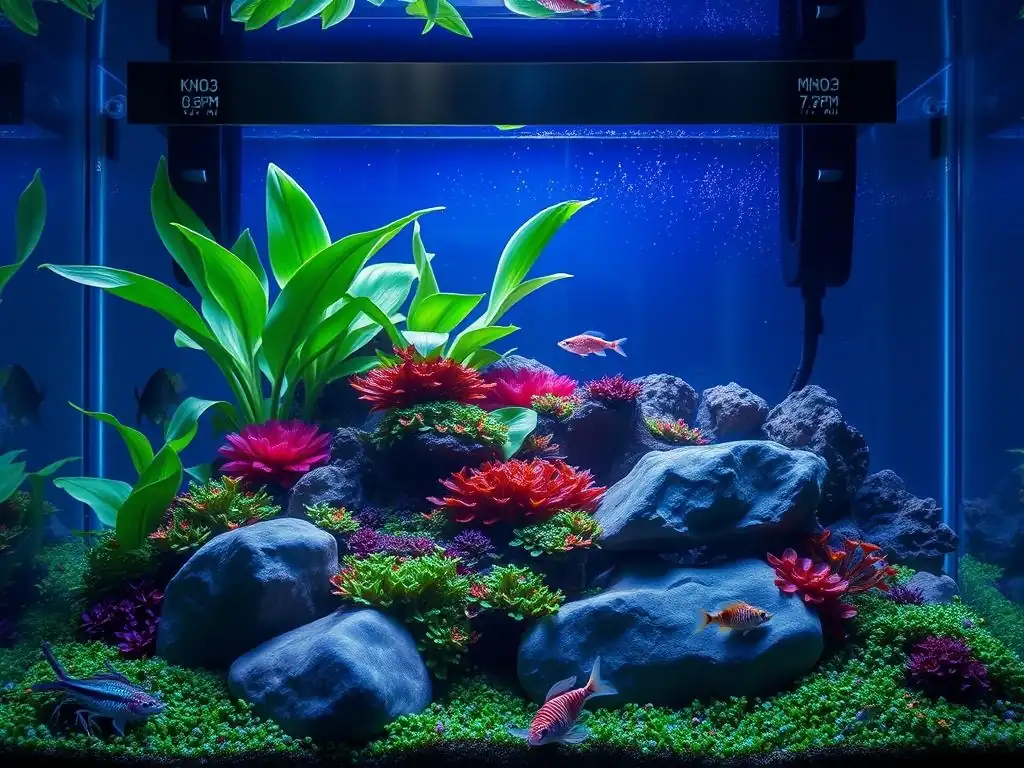
Welcome to Aquarium Mastery, where we unlock the secrets to thriving aquatic ecosystems!
Ever wondered how to achieve perfect nutrient balance in your planted aquarium, resulting in vibrant colors and explosive growth? Dive in and discover our detailed guide to crafting a precision dry dosing schedule – a game-changer for advanced aquarists. Prepare to take control of your water chemistry and witness the incredible potential of your aquatic plants. Let's get started!
- Understanding Dry Dosing for Planted Aquariums
- Setting Up Your Dry Dosing System
- Creating Your Precision Dry Dosing Schedule
- Dry Dosing Techniques: A Step-by-Step Guide
- Monitoring and Adjusting Your Dry Dosing Schedule
- Advanced Dry Dosing Strategies
- Troubleshooting Common Dry Dosing Issues
- Dry Dosing Safety Considerations
- Achieving Aquarium Mastery with Precision Dry Dosing
- Frequently Asked Questions
- Final Reflection: Cultivating Precision in Our Aquatic Worlds
- Unleash Your Aquarium's True Potential!
Understanding Dry Dosing for Planted Aquariums
What is Dry Dosing in Aquarium Fertilization?
Dry dosing in aquarium fertilization refers to the practice of adding powdered or granular forms of essential plant nutrients directly to the aquarium water, or more commonly, dissolving them into a stock solution before addition. Unlike pre-mixed liquid fertilizers, which come in ready-to-use bottles, dry fertilizers are typically pure chemical compounds like potassium nitrate (KNO3), monopotassium phosphate (KH2PO4), and various trace element mixes such as CSM+B (Chelated Trace Mix with Boron). This method grants aquarists unparalleled control over the precise concentration of each individual nutrient.
The primary purpose of dry dosing is to provide aquatic plants with the necessary macro and micronutrients they need to thrive, preventing deficiencies that can lead to stunted growth or algae issues. Advanced aquarists often prefer this method because it allows them to tailor nutrient levels exactly to their tank's specific demands, which can vary significantly based on plant mass, lighting intensity, CO2 injection rates, and water change schedules. This granular control is fundamental to establishing a highly effective and precise dry dosing schedule.
The Benefits of Precision Dry Fertilizer Dosing
One of the most significant advantages of precision dry fertilizer dosing is its remarkable cost-effectiveness. Dry chemicals are considerably cheaper per unit of nutrient compared to their liquid counterparts. For instance, a kilogram of potassium nitrate (KNO3) might cost around $15-25 and last for over a year in a 50-gallon tank, whereas an equivalent amount of liquid nitrate supplement could cost ten times as much over the same period. This economic benefit makes dry dosing particularly appealing for larger aquariums or those with high nutrient demands.
Beyond cost, dry dosing offers superior customization and control over nutrient levels. Aquarists can mix specific ratios of nitrogen, phosphorus, potassium, and trace elements to meet the exact needs of their plant species and tank conditions. This level of precision is crucial for optimizing plant health, promoting vibrant coloration, and effectively managing algae. Furthermore, dry fertilizers have a much longer shelf life and are more concentrated, requiring less storage space compared to bulky liquid bottles, making the implementation of a consistent and precise dry dosing schedule far more practical.
Dry vs. Liquid Fertilizers: A Detailed Comparison for Planted Tanks
The choice between dry and liquid fertilizers hinges on an aquarist's experience level, budget, and desire for control. Liquid fertilizers, often sold as all-in-one solutions or specific macro/micro supplements, offer convenience and ease of use, making them ideal for beginners. They are pre-mixed, require no complex calculations, and can be dosed directly. However, their convenience comes at a higher price point per nutrient unit, and they offer less flexibility in adjusting individual nutrient concentrations. For example, if a tank is deficient in potassium but has adequate nitrates, an all-in-one liquid might unnecessarily increase nitrate levels.
Dry fertilizers, conversely, demand more initial effort in terms of measuring, dissolving, and calculating dosages, but they provide ultimate control and cost savings. An aquarist using dry fertilizers can precisely increase nitrogen (e.g., using KNO3) without affecting phosphorus or trace elements, or vice versa. This granular control is invaluable for advanced aquarists who meticulously manage their tank's nutrient profile to achieve specific plant growth outcomes and prevent nutrient imbalances. While dry dosing requires a slightly steeper learning curve, the long-term benefits in terms of customization, cost, and the ability to implement a truly precise dry dosing schedule are substantial.
Setting Up Your Dry Dosing System
Essential Equipment for Accurate Dry Fertilizer Measurements
Accurate measurement is the cornerstone of a successful dry dosing system, directly impacting the effectiveness of your precision dry dosing schedule. The most critical piece of equipment is a high-precision digital scale, ideally one that measures in milligrams (0.001g) or at least to two decimal places (0.01g).
Such scales are crucial for measuring small quantities of potent fertilizers like potassium phosphate (KH2PO4) or trace element mixes, where even a slight error can lead to significant concentration imbalances in the tank. For instance, adding just 0.5 grams of KH2PO4 to a 50-gallon tank can increase phosphate by approximately 1.5 ppm, highlighting the need for precision.
In addition to a scale, a set of accurate measuring spoons (e.g., 1/4 teaspoon, 1/2 teaspoon) can be useful for larger doses of less potent compounds like potassium sulfate (K2SO4), though it's always advisable to calibrate spoon measurements with your scale initially. You will also need several mixing containers, such as clean plastic bottles or jars, for preparing stock solutions. Syringes or pipettes with volumetric markings are essential for precisely dispensing these dissolved solutions into the aquarium. Finally, safety equipment like disposable gloves should always be used when handling dry chemicals to prevent skin irritation.
Choosing the Right Dry Fertilizers: EI, Estimative Index, and More
The choice of dry fertilizers often aligns with a specific dosing methodology, with the Estimative Index (EI) being one of the most popular for planted aquariums. The EI method aims to provide all essential nutrients in non-limiting quantities, ensuring that plants always have access to everything they need for robust growth.
The core dry fertilizers for an EI-based precision dry dosing schedule typically include: potassium nitrate (KNO3) for nitrogen and potassium, monopotassium phosphate (KH2PO4) for phosphorus and potassium, potassium sulfate (K2SO4) for additional potassium, and a comprehensive trace element mix like CSM+B (Chelated Trace Mix with Boron) for micronutrients such as iron, manganese, and zinc.
Other methodologies, like the Perpetual Preservation System (PPS-Pro), utilize dry fertilizers but often aim for leaner dosing, maintaining lower nutrient levels. Regardless of the chosen method, sourcing high-quality, pure dry chemicals is paramount. These can be purchased from specialized aquarium suppliers, online chemical retailers, or even agricultural suppliers in larger quantities. It is vital to ensure the chemicals are suitable for aquarium use and free from harmful impurities. Understanding the role of each compound will empower you to customize your nutrient delivery and refine your precision dry dosing schedule.
Calculating Fertilizer Dosage for Your Specific Aquarium
Calculating the correct fertilizer dosage is a critical step in setting up your dry dosing system, ensuring your precision dry dosing schedule is effective. The basic principle involves determining how much of a given dry chemical is needed to achieve a desired parts per million (ppm) concentration of a specific nutrient in your aquarium's net water volume.
For example, to increase nitrate (NO3) by 10 ppm in a 50-gallon (approximately 190-liter) tank using potassium nitrate (KNO3), you would need to add around 3.2 grams of KNO3. This calculation accounts for the molecular weight of KNO3 and the percentage of nitrate within it.
While manual calculations are possible, numerous online aquarium fertilizer calculators are available that simplify this process. These tools allow you to input your tank volume and desired ppm increase, then output the precise amount of dry fertilizer needed.
When using these calculators, remember to use your net tank volume (total volume minus substrate, hardscape, and equipment) for greater accuracy. Factors such as plant density, lighting intensity, and CO2 injection levels will influence your overall nutrient demand, so these initial calculations serve as a starting point for your precision dry dosing schedule, which you will then fine-tune based on plant response.
Creating Your Precision Dry Dosing Schedule
Determining Your Aquarium's Nutrient Needs: NPK Ratios
Understanding your aquarium's nutrient needs, particularly the NPK (Nitrogen, Phosphorus, Potassium) ratios, is fundamental to developing a highly effective precision dry dosing schedule. These three macronutrients are consumed in the largest quantities by aquatic plants. While the classic Redfield Ratio (approximately 16:1 Nitrogen to Phosphorus) is often discussed in aquatic environments, planted tanks typically thrive with slightly different ratios, often targeting a higher N:P. For instance, many successful EI-based precision dry dosing schedules aim for nitrate (NO3) levels between 10-30 ppm, phosphate (PO4) between 1-3 ppm, and potassium (K) between 10-20 ppm.
The specific demands of your tank will dictate these ratios. A heavily planted, high-light, high-CO2 aquarium with fast-growing stem plants will consume nutrients much more rapidly than a sparsely planted, low-tech tank. Therefore, observing plant growth, color, and overall health is crucial. Deficiencies in any of these macronutrients will manifest as specific symptoms, such as yellowing of older leaves (nitrogen deficiency) or pinholes and melting (potassium deficiency). Monitoring these visual cues, alongside occasional water testing, allows you to tailor your NPK additions precisely.
Developing a Weekly Dry Dosing Schedule for Optimal Plant Growth
Developing a structured weekly dry dosing schedule is key to maintaining stable nutrient levels and promoting optimal plant growth. For the popular Estimative Index (EI) method, a common approach involves dosing macronutrients (Nitrogen, Phosphorus, Potassium) on three non-consecutive days, and micronutrients (trace elements like iron) on the remaining three non-consecutive days, leaving one day for a large water change and nutrient reset. For example, a typical precision dry dosing schedule might look like this:
- Monday: Macronutrients (KNO3, KH2PO4, K2SO4)
- Tuesday: Micronutrients (CSM+B)
- Wednesday: Macronutrients
- Thursday: Micronutrients
- Friday: Macronutrients
- Saturday: Micronutrients
- Sunday: 50% Water Change
This pattern ensures that plants always have an abundance of nutrients, preventing any single element from becoming a limiting factor. The large weekly water change serves to prevent the buildup of any specific nutrient or unwanted byproducts, effectively "resetting" the tank's chemistry and allowing for consistent, high-level dosing without toxicity concerns. This systematic approach forms the backbone of a reliable precision dry dosing schedule.
Dry Dosing Frequency: Daily, Weekly, or Intermittent?
The frequency of your dry dosing can significantly impact nutrient stability and plant health, and the optimal choice often depends on your aquarium's setup and your personal commitment. Daily dosing, typically achieved by preparing concentrated stock solutions and dispensing small amounts each day, provides the most stable nutrient levels. This method minimizes peaks and troughs in nutrient concentrations, which can be particularly beneficial for highly demanding plants in high-tech (high light, high CO2) setups. However, it requires consistent daily attention and precision.
Intermittent dosing, usually 2-3 times per week for macros and micros as seen in the EI method, strikes a good balance between stability and convenience. While nutrient levels will fluctuate more than with daily dosing, the fluctuations are generally within acceptable ranges for most planted aquariums, especially when coupled with a weekly water change.
Weekly dosing, where all fertilizers are added once a week after a water change, is the simplest approach but can lead to significant nutrient swings, potentially stressing plants and encouraging algae. For a truly precise dry dosing schedule, daily or intermittent methods are generally preferred for their superior nutrient stability.
Dry Dosing Techniques: A Step-by-Step Guide
Measuring Dry Fertilizers Accurately: Spoons, Scales, and Precision
Accurate measurement is paramount when dry dosing, as even slight errors can impact your precision dry dosing schedule and overall tank health. For the highest accuracy, especially with potent compounds like KH2PO4 or trace elements, a digital milligram scale (measuring to 0.001g) is indispensable.
When using a scale, always calibrate it regularly and use a consistent method, such as weighing the fertilizer in a small, empty measuring spoon or a piece of paper, then taring the scale before adding the chemical. For example, to achieve 1.5 ppm of phosphate in a 50-gallon tank, you'd need to measure approximately 0.5 grams of KH2PO4.
While a scale offers the best precision, calibrated measuring spoons can be used for larger doses of less potent fertilizers like KNO3 or K2SO4. However, it's crucial to understand that "level teaspoon" can vary slightly, so initial calibration with your digital scale is highly recommended to determine the exact weight a specific spoon holds for each fertilizer. Some aquarists also pre-weigh their weekly doses into small, labeled baggies, which streamlines the daily or intermittent dosing process and maintains consistency with their precise dry dosing schedule.
Dissolving Dry Fertilizers for Even Distribution
Once measured, dry fertilizers must be properly dissolved to ensure even distribution throughout the aquarium and prevent localized high concentrations that could harm aquatic life. The most common and recommended method is to create concentrated stock solutions. This involves dissolving a calculated amount of dry fertilizer (e.g., 100 grams of KNO3) into a specific volume of distilled or RO/DI water (e.g., 500 ml). It is crucial to dissolve macronutrients (KNO3, KH2PO4, K2SO4) in one container and micronutrients (CSM+B) in a separate container, as mixing them in concentrated forms can lead to precipitation, making nutrients unavailable.
Warm water can help expedite dissolution, but avoid hot water as it might degrade some compounds. Once dissolved, these stock solutions can be stored in clearly labeled, opaque bottles in a cool, dark place. When it's time to dose, simply measure the required volume of the stock solution with a syringe or measuring cup and add it to a high-flow area of your aquarium, such as near the filter outflow. This ensures rapid dispersion and avoids direct contact with sensitive plants or fish, maintaining the integrity of your precision dry dosing schedule.
Integrating Dry Dosing into Your Water Change Routine
Integrating your dry dosing into a consistent water change routine is a fundamental aspect of maintaining a stable and thriving planted aquarium, especially under an Estimative Index (EI) based precision dry dosing schedule. The EI method typically recommends a large weekly water change, usually 50% or more, on a designated day (e.g., Sunday). This large water change serves a critical purpose: it effectively "resets" the nutrient levels in the aquarium, preventing the undesirable buildup of any specific nutrient, organic waste, or other dissolved solids that could otherwise accumulate from consistent high-level dosing.
By performing the water change first, you establish a fresh baseline for nutrient concentrations. After the water change, you then apply your full dose of macronutrients and micronutrients according to your precision dry dosing schedule. This ensures that plants receive a complete, fresh supply of nutrients immediately after the reset, allowing them to absorb what they need throughout the week without experiencing deficiencies or being exposed to excessive long-term accumulation. This consistent weekly cycle of water change and full dry dose is a cornerstone of success for many advanced aquarists.
Monitoring and Adjusting Your Dry Dosing Schedule
Recognizing Nutrient Deficiencies and Excesses in Aquatic Plants
Vigilantly recognizing nutrient deficiencies and excesses in your aquatic plants is paramount to effectively managing and adjusting your precision dry dosing schedule. Each major nutrient deficiency typically presents with distinct visual symptoms. For instance, a nitrogen (N) deficiency often leads to overall yellowing (chlorosis) of older leaves, accompanied by stunted growth. Phosphorus (P) deficiency might manifest as dark green, stunted growth with purplish tints on older leaves. Potassium (K) deficiency is commonly identified by pinholes, yellowing edges, or melting of older leaves. Iron (Fe) deficiency, a common micronutrient issue, causes yellowing of new growth, often with veins remaining green.
Conversely, nutrient excesses, though less common with proper dry dosing, can also cause issues. For example, excessive iron can lead to stunted growth or blackening of leaf tips in some sensitive plants, while a general overabundance of nutrients can sometimes trigger certain types of algae blooms if other factors like CO2 and light are not balanced. By meticulously observing your plants' health, color, and growth patterns, you gain invaluable qualitative data that directly informs necessary adjustments to your precision dry dosing schedule.
Testing Your Water Parameters: Key Indicators for Dry Dosing Adjustments
While visual observation is crucial, quantitative data from water parameter testing provides objective insights for fine-tuning your precision dry dosing schedule. Regular testing of key parameters helps confirm suspected deficiencies or excesses and guides adjustments. Nitrate (NO3) and phosphate (PO4) are the most commonly tested macronutrients.
For an Estimative Index (EI) based system, you'd typically aim to see NO3 levels between 10-30 ppm and PO4 levels between 1-3 ppm just before your weekly water change, indicating that plants are consuming nutrients but not running out. If levels are consistently too low, you might need to increase your dry dosing amounts.
Although less frequently tested by hobbyists, potassium (K) test kits are available and can be useful if potassium deficiency symptoms persist despite adequate dosing. Beyond direct nutrient tests, monitoring general water parameters like pH and KH is important, especially in relation to CO2 injection, as CO2 availability significantly impacts nutrient uptake. Consistent weekly testing, coupled with meticulous record-keeping, provides the empirical data needed to make informed, incremental adjustments to your dry dosing amounts, ultimately optimizing your precision dry dosing schedule for peak plant health.
Fine-Tuning Your Dry Dosing Schedule Based on Plant Response
Fine-tuning your dry dosing schedule is an ongoing process that demands patience, keen observation, and systematic adjustment based on your plants' responses. Once you've established an initial precision dry dosing schedule, monitor your aquarium daily for any signs of nutrient deficiencies, excesses, or changes in plant growth rate and coloration.
If, for instance, you notice new growth on your stem plants is pale, suggesting an iron deficiency, you might slightly increase your trace element dose for the following week. Conversely, if you observe green spot algae proliferating, it could indicate too much phosphate or inadequate CO2, prompting a slight reduction in phosphate dosing or a CO2 check.
The key to successful fine-tuning is to make small, incremental changes to only one variable at a time and then observe the results over several days or a full week before making further adjustments. For example, if increasing nitrogen, raise the KNO3 dose by 10-20% and wait. Documenting your doses, water parameters, and plant observations in a logbook is invaluable for tracking progress and identifying trends. This iterative process of observing, testing, adjusting, and re-observing ensures your precision dry dosing schedule evolves to perfectly match your aquarium's dynamic needs, leading to vibrant and stable plant growth.
Advanced Dry Dosing Strategies
Targeting Specific Plant Needs with Customized Dry Fertilizer Blends
Advanced aquarists often move beyond standard dry dosing methodologies to create customized dry fertilizer blends that precisely target the unique needs of specific plant species or tank conditions. For example, a tank heavily stocked with red-leafed plants like Rotala macrandra or Ludwigia repens might benefit from slightly higher iron (Fe) dosing, as iron plays a crucial role in chlorophyll production and red pigment synthesis. By using individual dry compounds, an aquarist can increase only their iron dose via a trace mix like CSM+B, without unnecessarily increasing other micronutrients.
Similarly, a tank dominated by heavy root feeders like Cryptocoryne or Echinodorus species might benefit from increased potassium (K) or phosphorus (P) in the water column, even if other nutrients are stable, as these plants can absorb more efficiently from both the water and substrate. Conversely, a low-light, low-tech tank might require significantly reduced doses, or even just occasional additions of specific macro or micronutrients, preventing nutrient buildup. This ability to mix and match individual dry fertilizers allows for ultimate control and optimization of the precision dry dosing schedule for a truly bespoke approach.
Dry Dosing for Redfield Ratio Optimization
While the strict application of the Redfield Ratio (approximately 16:1 Nitrogen to Phosphorus) for algae control in planted aquariums is a subject of ongoing debate, many advanced dry dosers still consider the N:P balance in their precision dry dosing schedule. The concept suggests that maintaining a specific N:P ratio can help inhibit certain types of algae, particularly green spot algae (GSA), which some believe thrives in conditions of low phosphate relative to nitrogen. By precisely controlling the addition of KNO3 (nitrogen) and KH2PO4 (phosphorus), aquarists can intentionally adjust this ratio.
For instance, if a tank consistently experiences GSA, an aquarist might slightly increase phosphate dosing to achieve an N:P ratio closer to 10:1 or even 5:1, while ensuring overall nutrient levels remain adequate for plant growth. Conversely, if hair algae becomes problematic, some might experiment with lowering the N:P ratio. The power of dry dosing lies in its ability to make these granular adjustments.
However, it's crucial to remember that algae issues are multifaceted, often stemming from imbalances in CO2, light, and flow more than just N:P ratios. Therefore, Redfield Ratio optimization with a precision dry dosing schedule should be part of a holistic approach to tank health.
Using Dry Dosing to Control Algae Growth
While it might seem counterintuitive to add more nutrients to control algae, using dry dosing effectively can significantly help manage and even prevent algae growth in a planted aquarium. The fundamental principle is that healthy, robustly growing aquatic plants are the best defense against algae. By providing non-limiting amounts of all essential macro and micronutrients through a precise dry dosing schedule, plants are empowered to outcompete algae for available resources like light and CO2. When plants are nutrient-deficient, their growth slows, making them vulnerable to algae colonization.
For example, an Estimative Index (EI) based dry dosing approach aims for nutrient abundance, which paradoxically often leads to less algae in well-balanced high-tech tanks. If specific algae appear, dry dosing allows for targeted adjustments. For instance, if green spot algae persists, a slight increase in phosphate might be explored, as some theories suggest it thrives in phosphate-limited conditions.
Conversely, if black beard algae (BBA) is an issue, ensuring adequate potassium and CO2 alongside precise dry dosing can help. The real power of dry dosing in algae control lies in its ability to support vigorous plant growth that naturally suppresses unwanted algal blooms.
Troubleshooting Common Dry Dosing Issues
Dealing with Fertilizer Precipitation and Cloudiness
Fertilizer precipitation and cloudiness in your aquarium water or stock solutions are common issues that can arise with dry dosing, impacting the effectiveness of your precision dry dosing schedule. Precipitation occurs when certain elements react to form insoluble compounds, rendering them unavailable to plants. The most frequent cause is mixing iron (from trace element mixes) directly with phosphates in concentrated stock solutions, or in high-mineral content tap water.
This leads to the formation of iron phosphate, which settles out as a fine, often reddish-brown, powder. Cloudiness can also result from undissolved particles or from bacterial blooms feeding on excess organics, though less common with proper dry dosing.
To address and prevent precipitation, always prepare your macronutrient stock solutions (KNO3, KH2PO4, K2SO4) and micronutrient stock solutions (CSM+B) in separate containers. When dosing into the aquarium, add these solutions at different times or to areas of high water flow to ensure rapid dilution and prevent concentrated interactions. Using distilled or RO/DI water for your stock solutions can also minimize precipitation caused by minerals in tap water. If cloudiness persists, ensure your dry fertilizers are fully dissolved before adding them to the tank, and check for proper filtration and water circulation.
Addressing Plant Toxicity from Overdosing
While dry dosing offers precision, accidental overdosing can lead to plant toxicity, manifesting as stunted growth, deformed leaves, or even melting. For instance, an excessive concentration of copper, often found in trace element mixes, can be highly toxic to invertebrates like shrimp and snails at levels only slightly above what plants require. Similarly, a massive overdose of nitrates or phosphates, though generally less acutely toxic to plants themselves, can trigger severe algae blooms or create osmotic stress for fish. An iron overdose might cause leaves to turn unusually dark or even blacken and stunt new growth.
If you suspect an overdose, the immediate action should be a large water change, typically 50-70%, to dilute the problematic compounds. Following this, carefully review your dry dosing calculations, measuring techniques, and your precision dry dosing schedule. Ensure your digital scale is calibrated correctly and that you are not accidentally adding too much of a specific compound. Prevention is key: always start with conservative doses, especially when introducing new fertilizers or adjusting your schedule, and increase amounts gradually while closely observing plant and animal health.
Preventing Nutrient Imbalances with Precise Dry Dosing
Preventing nutrient imbalances is a core benefit and goal of employing a precise dry dosing schedule. Imbalances, where one nutrient is either deficient or excessively abundant relative to others, can lead to stunted plant growth, susceptibility to algae, and overall poor tank health. For example, if nitrogen is consistently too low while other nutrients are abundant, plants will struggle to produce new growth, leading to pale leaves and a general lack of vigor. Conversely, an excess of one nutrient, even if not directly toxic, can inhibit the uptake of other essential elements.
The best strategy for preventing imbalances is a combination of consistent, accurate dry dosing, regular water parameter testing, and keen observation of your plants. Adhere strictly to your established precision dry dosing schedule, ensuring that all macro and micronutrients are provided in appropriate ratios. Weekly testing of nitrates and phosphates helps confirm that your dosing is maintaining target ranges.
Most importantly, learn to "read" your plants – their color, growth rate, and any signs of distress are the ultimate indicators of nutrient balance. When adjusting, change only one nutrient at a time and observe the effects before making further modifications, ensuring a truly balanced and thriving planted aquarium.
Dry Dosing Safety Considerations
Safe Handling and Storage of Dry Aquarium Fertilizers
Safe handling and storage of dry aquarium fertilizers are critical to protect both yourself and your household. These chemicals, while generally safe when diluted and used correctly, can be irritants or harmful in their concentrated dry form. Always wear disposable gloves when measuring and mixing dry powders to prevent skin contact and irritation. Work in a well-ventilated area to avoid inhaling fine dust particles, which can irritate respiratory passages. Never ingest or taste any dry fertilizer, and always wash your hands thoroughly after handling them.
For storage, keep all dry fertilizers in their original, clearly labeled containers or transfer them to airtight, opaque containers. Label them explicitly with their chemical name (e.g., "KNO3 - Potassium Nitrate") and keep them away from direct sunlight, moisture, and extreme temperatures, as these conditions can degrade the chemicals or cause them to clump. Most importantly, store all fertilizers securely out of reach of children and pets, ideally in a locked cabinet or on a high shelf, to prevent accidental ingestion or exposure. Adhering to these safety protocols is an integral part of responsible dry dosing.
Protecting Your Aquatic Life from Fertilizer Toxicity
While dry fertilizers are formulated for aquatic plant health, improper dosing can pose risks to your fish and invertebrates. The primary concern is localized toxicity from highly concentrated solutions or direct contact. When adding dissolved dry fertilizers to your aquarium, always pour them slowly into an area of high water flow, such as near the filter outflow. This ensures rapid dilution and even distribution throughout the tank, preventing any single area from having a dangerously high concentration that could harm sensitive fish or invertebrates like shrimp and snails.
Never pour concentrated stock solutions directly onto your aquatic inhabitants or plants, as this can cause chemical burns or shock. Although most standard dry fertilizers are relatively benign at recommended concentrations, massive overdoses can lead to osmotic stress for fish, evidenced by rapid breathing, gasping at the surface, or erratic swimming. If an accidental large overdose occurs, perform an immediate large water change (50-70%) to dilute the chemicals. Adhering to a precise dry dosing schedule and using accurate measuring tools significantly mitigates these risks, ensuring the well-being of your entire aquatic ecosystem.
Best Practices for Responsible Dry Dosing in Planted Aquariums
Responsible dry dosing in planted aquariums goes beyond mere measurement and application; it encompasses a holistic approach to tank management. Firstly, education is paramount: understand the specific chemicals you are using, their purpose, and their potential effects. Secondly, accuracy is non-negotiable; invest in and consistently use a precise digital scale for all measurements. This ensures your precision dry dosing schedule delivers exact nutrient levels. Thirdly, consistency in your dosing routine is vital; stick to your established schedule (daily, intermittent, or weekly) to provide stable nutrient availability for your plants.
Furthermore, continuous observation and adjustment are key. Regularly monitor your plants for signs of deficiencies or excesses, and test your water parameters (e.g., nitrates, phosphates) weekly to gather objective data. Make small, incremental adjustments to your dry dosing schedule based on these observations and tests, and document everything in a logbook. Finally, regular large water changes (e.g., 50% weekly) are essential when dry dosing, especially with the Estimative Index method, as they prevent the buildup of nutrients and other dissolved organics, ensuring a healthy and stable environment for both plants and aquatic life.
Achieving Aquarium Mastery with Precision Dry Dosing
The Long-Term Benefits of a Well-Managed Dry Dosing System
Embracing and mastering a well-managed dry dosing system unlocks a multitude of long-term benefits for the advanced aquarist, ultimately leading to true aquarium mastery. Foremost among these is the achievement of stunning, vibrant plant growth. By providing precise, non-limiting quantities of every essential nutrient, plants reach their full genetic potential, displaying lush foliage, intense coloration, and robust health that is often difficult to replicate with less controlled methods. This robust plant growth naturally leads to significantly reduced algae issues, as healthy plants outcompete nuisance algae for resources.
Beyond aesthetics, dry dosing offers substantial cost savings over time, with the initial investment in chemicals paying dividends for years. Perhaps most importantly, the journey of implementing and fine-tuning a precision dry dosing schedule fosters a deeper understanding of aquatic plant nutrition and water chemistry. Aquarists gain unparalleled control over their tank's ecosystem, allowing them to troubleshoot issues with confidence and cultivate a truly thriving, balanced, and visually captivating planted aquarium that reflects their dedication and expertise.
Resources for Further Learning about Dry Dosing Fertilizers
For aquarists committed to achieving mastery with dry dosing, a wealth of resources exists to deepen their knowledge and refine their precision dry dosing schedule. Online forums dedicated to planted aquariums, such as the Barr Report or Aquatic Plant Central, are invaluable hubs of information, where experienced hobbyists share insights, troubleshoot problems, and discuss advanced techniques. These platforms often host detailed guides, scientific discussions, and personal case studies related to various dry dosing methodologies.
Specialized books on aquatic plant cultivation, often written by renowned aquascapers and plant experts, provide comprehensive theoretical and practical knowledge on plant physiology, nutrient cycles, and detailed dosing regimens. While more academic, certain scientific papers on hydroponics and aquatic plant biology can offer profound insights into nutrient uptake and plant health. Lastly, reputable aquarium websites, including Aquarium Mastery, often publish in-depth articles and guides, serving as accessible starting points for understanding the nuances of dry dosing fertilizers and continually improving your approach.
Showcase: Thriving Planted Tank Using Dry Dosing - A Case Study
Consider the success of a hypothetical 75-gallon high-tech planted aquarium, aiming for a vibrant jungle aesthetic with demanding species like Rotala macrandra, Alternanthera reineckii, and dense carpets of Hemianthus callitrichoides 'Cuba'. This tank is equipped with high-intensity LED lighting (e.g., 80 PAR at the substrate), a pressurized CO2 system maintaining 30 ppm, and a nutrient-rich aquasoil substrate. The owner implemented a precise dry dosing schedule based on the Estimative Index (EI) method.
Their weekly precision dry dosing schedule involved:
- Macronutrients (KNO3, KH2PO4, K2SO4): Dosed three times a week (e.g., Monday, Wednesday, Friday) to achieve target levels of approximately 20 ppm NO3, 2 ppm PO4, and 15 ppm K after the weekly water change. This involved adding around 1.5 teaspoons of KNO3, 0.25 teaspoons of KH2PO4, and 1 teaspoon of K2SO4 per dose.
- Micronutrients (CSM+B): Dosed three times a week (e.g., Tuesday, Thursday, Saturday) to ensure adequate trace elements, aiming for roughly 0.5 ppm Fe. This amounted to about 0.5 teaspoons of CSM+B per dose.
- Weekly Water Change: A 50% water change was performed every Sunday to reset nutrient levels and prevent buildup.
After six months of consistent application of this dry dosing schedule, the results were remarkable: the Rotala macrandra displayed intense red coloration, H.C. 'Cuba' formed a dense, pearling carpet, and overall plant growth was vigorous with no signs of nutrient deficiencies. Algae was minimal, primarily limited to a light dusting of green dust algae on the glass, easily wiped away. This case study exemplifies how a carefully calculated and consistently applied precision dry dosing schedule, coupled with optimal lighting and CO2, can lead to an exceptionally healthy and visually stunning planted aquarium.
Frequently Asked Questions
What is dry dosing in the context of aquarium fertilization?
Dry dosing refers to directly adding powdered dry fertilizers to your aquarium water, instead of using liquid fertilizers. This allows for more precise control over nutrient levels.
Why would someone choose dry dosing over liquid fertilizers?
Dry dosing offers greater cost-effectiveness and control over individual nutrient ratios. It allows aquarists to tailor fertilization to their specific tank's needs.
Is dry dosing safe for fish and plants?
Yes, when done correctly. It's crucial to calculate dosages accurately and monitor water parameters to avoid overdosing, which can harm aquatic life.
How do I determine the correct dry dosing schedule for my aquarium?
Start with a recommended schedule based on your tank size and plant needs. Then, adjust based on observed plant growth and nutrient levels measured through testing.
What are some common mistakes to avoid when dry dosing?
Avoid inaccurate measurements, overdosing, and failing to monitor water parameters. These mistakes can lead to algae blooms or harm your aquarium inhabitants.
Final Reflection: Cultivating Precision in Our Aquatic Worlds
The principles of precision dry dosing, as explored throughout this article, resonate profoundly in today's world, where sustainable practices and meticulous control are paramount. What began as a niche technique for advanced aquarists is rapidly becoming a cornerstone of responsible and thriving aquatic ecosystems, both in our homes and potentially, on a larger scale. This shift towards precise nutrient management reflects a broader societal movement towards optimizing resources and minimizing waste, a crucial step in preserving the delicate balance of our planet.
The journey towards mastering a precision dry dosing schedule is more than just achieving lush plant growth; it's about cultivating a deeper understanding of the intricate interplay between life, chemistry, and our own actions. This pursuit of precision has personally reinforced the importance of patience, observation, and continuous learning in all aspects of life. As the renowned aquascaper Takashi Amano once said: To know Mother Nature, is to love her smallest creations.
This quote encapsulates the essence of our journey, reminding us that true mastery lies in appreciating and understanding the subtle nuances of the aquatic world we strive to nurture.
Now, as you embark on your own journey with precision dry dosing, remember that the knowledge gained here is not merely a set of instructions, but a foundation for continuous exploration and refinement. Embrace the challenges, celebrate the successes, and never cease to question and experiment. Let the principles of precision, observation, and responsible stewardship guide you, not only in your aquariums, but in all your endeavors. The future of aquascaping, and perhaps even broader environmental practices, lies in the hands of those who dare to cultivate precision and understanding.
Unleash Your Aquarium's True Potential!
Thank you for exploring the world of dry dosing with us! We hope this article has empowered you with the knowledge to take your aquascaping to the next level. Now, let's put that knowledge into action:
- Calculate and mix your own dry fertilizer solutions! This is the key to unlocking precision control and a vibrant, thriving aquatic ecosystem.
- Share your dry dosing journey and results on social media with #AquariumMastery to inspire other aquarists.
- Dive deeper! Research specific nutrient requirements for your plants and fine-tune your dosing regime for optimal growth.
What unique fertilizer blend will you experiment with first, and what changes are you hoping to see in your aquascape?