
Eibl's Angelfish (Centropyge eibli): An Underrated Dwarf Angel Gem

Welcome to Aquarium Mastery, aquarist!
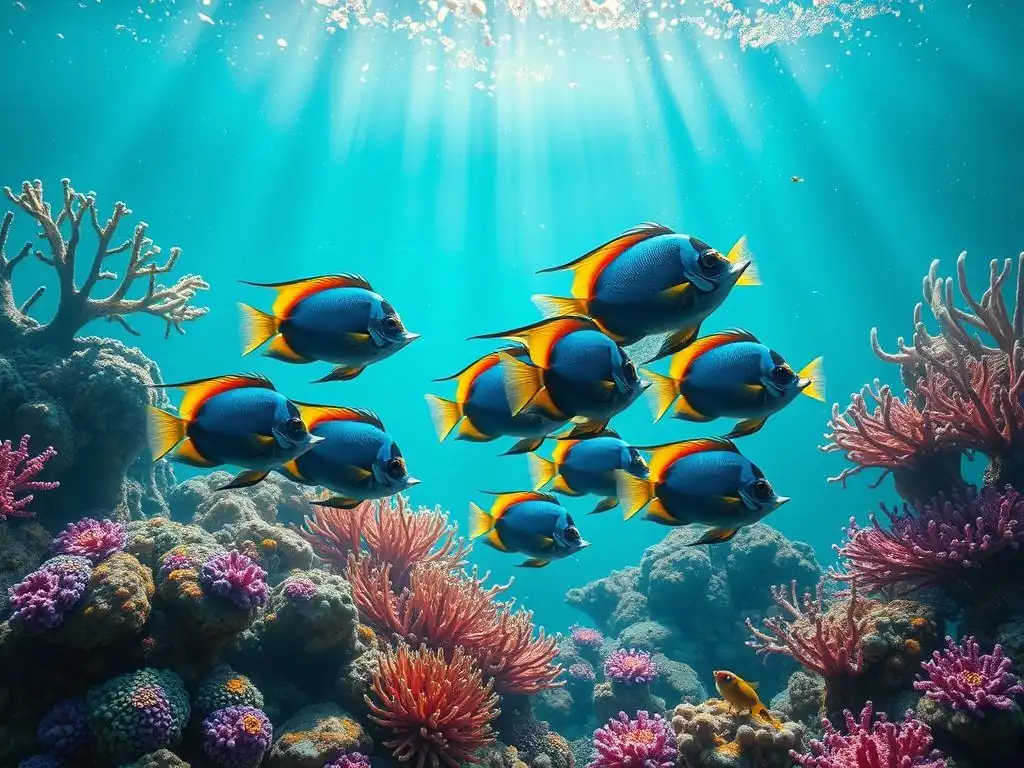
Ever wondered if you could bring the vibrant beauty of the reef into your own home? Our Eibl's Angelfish Care Guide unveils the secrets to successfully keeping this often-overlooked dwarf angel. Get ready to discover everything you need to know about this stunning saltwater gem, from ideal tank conditions to compatible tank mates. Prepare to be amazed – the journey to mastering Centropyge eibli starts now!
- Introduction to Eibl's Angelfish
- Eibl's Angelfish Care Guide: Essential Information
- Setting Up the Ideal Tank for Your Eibl's Angelfish
- Eibl's Angelfish Compatibility and Tank Mates
- Maintaining a Healthy Eibl's Angelfish: Common Issues and Solutions
- Eibl's Angelfish Breeding: Challenges and Possibilities
- Where to Buy Eibl's Angelfish and What to Look For
- Conclusion: The Rewarding Experience of Keeping Eibl's Angelfish
-
Frequently Asked Questions
- What are the key considerations when setting up an aquarium for an Eibl's Angelfish?
- What is the ideal diet for an Eibl's Angelfish to ensure its health and vibrant coloration?
- How difficult is it to care for an Eibl's Angelfish compared to other dwarf angelfish species?
- What are some common health issues that Eibl's Angelfish are susceptible to, and how can they be prevented?
- Can Eibl's Angelfish be kept with other fish, and what are some compatible tank mates?
- Final Reflection: Appreciating the Unassuming Beauty
- Ignite Your Reef: Welcome the Eibl's Angelfish!
Introduction to Eibl's Angelfish
Discovering the Beauty of Centropyge eibli
The Eibl's Angelfish, scientifically known as Centropyge eibli, is a captivating dwarf angelfish species originating from the Indo-Pacific region, primarily found around Indonesia, New Guinea, and the Solomon Islands. This striking fish is easily recognizable by its distinctive coloration: a vibrant orange body adorned with several vertical black bands, typically numbering four to five, that extend from its dorsal to its ventral fins.
Its tail and caudal fin often display a beautiful iridescent blue or purple hue, adding to its allure. Adult specimens typically reach a maximum size of about 4 inches (approximately 10 cm), making them a suitable choice for moderately sized marine aquariums.
Despite its stunning appearance and manageable size, the Eibl's Angelfish is often overshadowed by more commonly available Centropyge species like the Flame Angelfish ( Centropyge loriculus) or the Coral Beauty Angelfish ( Centropyge bispinosa). However, its unique pattern and generally peaceful demeanor for a dwarf angelfish make it a truly underrated gem. Aquarists seeking a distinctive and active focal point for their saltwater tank should certainly consider this species, provided they are prepared to follow a comprehensive Eibl's Angelfish care guide to ensure its well-being.
Why Eibl's Angelfish Deserves More Aquarium Recognition
One of the primary reasons Eibl's Angelfish merits greater recognition in the aquarium hobby is its remarkable hardiness and adaptability once established in a suitable environment. Compared to some more delicate Centropyge species, Centropyge eibli tends to be more resilient to minor fluctuations in water parameters, making it an excellent choice for intermediate aquarists looking to expand their experience with dwarf angels.
With proper Eibl's Angelfish care, including a stable tank environment and a nutritious diet, these fish can live for a significant period, often exceeding 5 to 7 years, and some reports even suggest lifespans of up to 10 years in exceptionally well-maintained systems.
Beyond its robustness, the Eibl's Angelfish adds dynamic movement and a splash of vibrant color to any marine display without exhibiting the excessive aggression sometimes associated with larger angelfish or even some other dwarf angelfish species. Its active foraging behavior, constantly pecking at live rock for microalgae and small invertebrates, contributes to a natural and engaging aquarium ecosystem. A well-executed Eibl's Angelfish care guide is essential for unlocking the full potential of this beautiful species, ensuring it thrives and displays its full spectrum of colors and behaviors.
Eibl's Angelfish Care Guide: Essential Information
Optimal Tank Conditions for Eibl's Angelfish
Establishing optimal tank conditions is paramount for the long-term health and vibrancy of your Eibl's Angelfish. These fish thrive in stable, mature reef or fish-only-with-live-rock (FOWLR) environments. It is highly recommended that the aquarium be well-established, ideally running for at least 6 months, before introducing a Centropyge eibli. A mature tank provides the necessary biological stability, ample beneficial bacteria, and a healthy population of microfauna for grazing. Such stability significantly reduces stress, which is a major factor in preventing disease outbreaks.
Beyond stability, consider the physical environment. Eibl's Angelfish prefer moderate lighting, not overly intense, which mimics their natural habitat on coral reefs where they often seek shelter in crevices. Water flow should also be moderate, providing good circulation without creating turbulent areas that might stress the fish. Ample live rock is crucial, offering numerous hiding spots, territories, and surfaces for the fish to graze on naturally, which is a vital component of successful Eibl's Angelfish care.
Water Parameters for a Healthy Eibl's Angelfish Environment
Maintaining precise and stable water parameters is a cornerstone of any effective Eibl's Angelfish care guide. The ideal temperature range for Centropyge eibli is between 74-80°F (23-27°C). Salinity should be kept within a specific gravity of 1.023-1.026. The pH level should consistently be between 8.1 and 8.4, and alkalinity (dKH) should range from 8-12 dKH. Regular testing with reliable test kits is essential to monitor these parameters and ensure they remain within the optimal ranges.
Crucially, ammonia and nitrite levels must always be at zero, as even trace amounts can be highly toxic to marine fish. Nitrate levels should be kept as low as possible, ideally below 10 ppm, and certainly no higher than 20 ppm. High nitrate levels indicate poor water quality and can lead to stress and susceptibility to diseases. Consistent water quality through proper filtration and regular water changes is perhaps the most critical aspect of providing comprehensive Eibl's Angelfish care, directly impacting their immune system and overall vitality.
Diet and Feeding Habits of Centropyge eibli
What to Feed Your Eibl's Angelfish for Optimal Health
Eibl's Angelfish are omnivores with a significant preference for herbivorous foods in their natural diet, primarily grazing on various types of algae and detritus found on live rock. To replicate this in the aquarium and ensure optimal health, their diet should consist of a high-quality marine flake or pellet food formulated for angelfish, supplemented heavily with plant-based foods. Offer spirulina flakes, nori (seaweed sheets) clipped to the side of the tank, and other marine algae preparations regularly. This emphasis on greens is vital for their digestive health and vibrant coloration.
In addition to plant matter, provide meaty foods a few times a week to ensure a balanced nutritional intake. Excellent choices include frozen mysis shrimp, enriched brine shrimp, finely chopped krill, and other frozen marine preparations. Variety is key to meeting all their dietary requirements and preventing nutritional deficiencies. A diverse Eibl's Angelfish diet is fundamental to their immune system strength and overall longevity.
Feeding Frequency and Amounts for Dwarf Angels
To mimic their natural grazing behavior and maintain optimal water quality, it is best to feed your Eibl's Angelfish multiple small meals throughout the day, rather than one large feeding. Aim for 2-3 feedings daily. This approach prevents large fluctuations in water parameters caused by decaying excess food and ensures the fish consistently receives nutrients, which is beneficial for their metabolism and energy levels.
When feeding, offer only what the Eibl's Angelfish can consume within 2-3 minutes. Any uneaten food should be removed promptly to prevent it from breaking down and contributing to nitrate accumulation. Overfeeding is a common mistake that can lead to poor water quality, algae blooms, and health issues for the fish. A sensible feeding regimen is a vital part of any successful Eibl's Angelfish care guide, promoting both fish health and tank stability.
Setting Up the Ideal Tank for Your Eibl's Angelfish
Choosing the Right Tank Size for Centropyge eibli
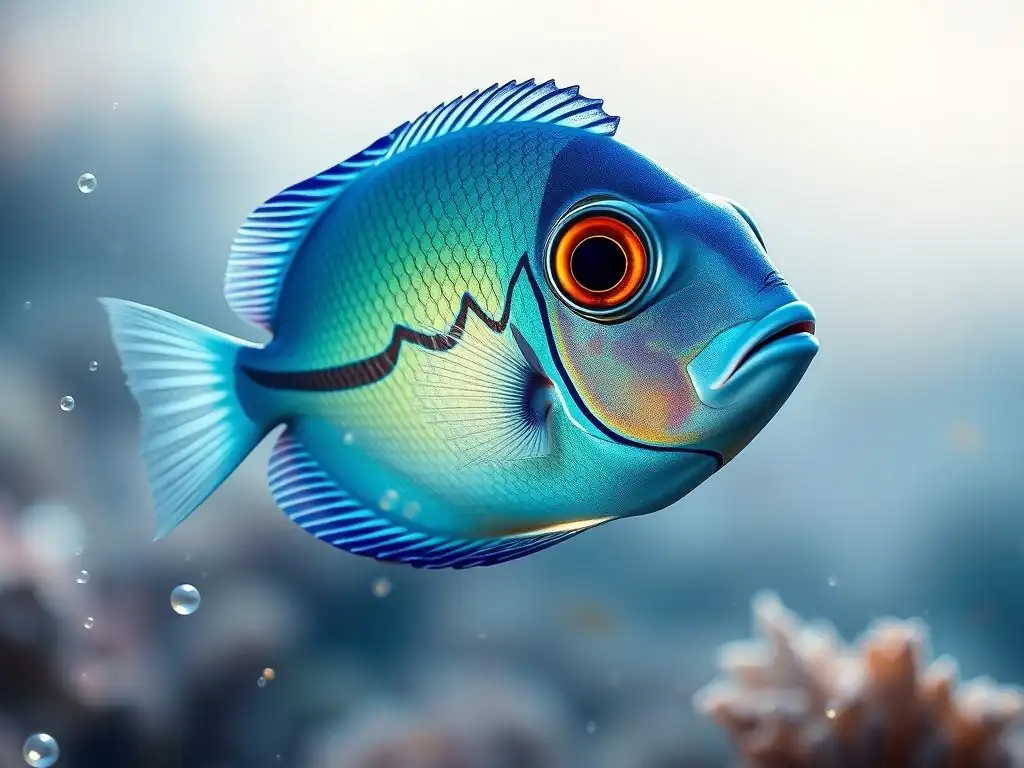
While Eibl's Angelfish are considered dwarf angels, their active swimming nature and potential for territoriality necessitate a suitably sized aquarium. For a single Eibl's Angelfish, a minimum tank size of 50 gallons (approximately 190 liters) is recommended. This volume provides adequate swimming space, allows for the creation of diverse rockwork structures for hiding and grazing, and helps to dilute waste products, contributing to more stable water parameters. Attempting to house them in smaller tanks can lead to increased stress, aggression, and stunted growth.
If you plan to keep an Eibl's Angelfish with other compatible fish, a larger tank of 75 gallons (approximately 280 liters) or more is advisable. This additional space reduces potential territorial disputes and provides more room for all inhabitants to establish their own areas. Providing ample space is a critical component of the Eibl's Angelfish care guide, promoting a peaceful and thriving environment for your fish.
Essential Equipment for an Eibl's Angelfish Aquarium
A robust filtration system is non-negotiable for an Eibl's Angelfish aquarium. This typically includes mechanical filtration (filter socks or sponges to remove particulate matter), biological filtration (live rock and bio-media for beneficial bacteria), and chemical filtration (activated carbon or phosphate removers to maintain water clarity and purity). A high-quality protein skimmer is highly recommended, as it efficiently removes organic waste before it can break down into harmful nitrates, significantly contributing to the overall water quality and reducing the workload of biological filtration.
Other essential equipment includes a reliable heater-thermostat to maintain stable water temperatures within the optimal range, and circulation pumps or powerheads to provide moderate water flow throughout the tank, preventing dead spots and aiding in gas exchange. Lastly, a comprehensive and accurate set of saltwater test kits for monitoring ammonia, nitrite, nitrate, pH, salinity, and alkalinity is indispensable for proactive Eibl's Angelfish care and maintaining a healthy environment.
Creating a Natural Habitat: Rockwork and Substrate
Creating a naturalistic and functional habitat is crucial for the well-being of your Eibl's Angelfish. Provide ample live rock, which serves multiple purposes: it offers numerous caves, crevices, and overhangs for the fish to hide in, explore, and establish territories. As a general guideline, aim for at least 1 pound of live rock per gallon of tank water (or approximately 0.5 kg per 3.8 liters), though the specific arrangement is more important than the exact weight. This rockwork also provides surfaces for algae growth, which the Eibl's Angelfish will graze upon, supplementing their diet.
For substrate, a fine sand bed or crushed coral is suitable. While Eibl's Angelfish do not typically burrow, a substrate contributes to the aesthetic of the tank and can host beneficial bacteria. When aquascaping, ensure all rockwork is stable and securely stacked to prevent collapses, which could injure fish or damage the tank. A well-designed rocky environment is key to reducing stress and promoting natural behaviors, a vital aspect of comprehensive Eibl's Angelfish care.
Eibl's Angelfish Compatibility and Tank Mates
Selecting Suitable Tank Mates for Your Eibl's Angelfish
Eibl's Angelfish are generally considered one of the more peaceful dwarf angelfish species, making them good candidates for a community saltwater aquarium. However, they can exhibit territoriality, especially towards other dwarf angelfish or fish with similar body shapes and colorations. Suitable tank mates include peaceful gobies (e.g., watchman gobies), blennies (e.g., starry blennies), chromis (e.g., green chromis), clownfish, and certain wrasses (e.g., fairy wrasses). These species typically occupy different niches in the tank and are less likely to compete for food or territory.
When introducing an Eibl's Angelfish into an existing community, it is often best to add the angelfish last or at the same time as other new inhabitants to minimize aggression. Consider fish that occupy different swimming levels to reduce direct competition for space. A well-chosen community of tank mates contributes significantly to the overall harmony and success of your Eibl's Angelfish care efforts.
Fish to Avoid: Aggressive Species and Eibl's Angelfish
To ensure the peaceful coexistence of your Eibl's Angelfish, avoid housing them with highly aggressive or predatory fish. Large triggers, lionfish, certain groupers, or large moray eels could view the Eibl's Angelfish as prey or constantly harass it, leading to chronic stress and potential injury. Similarly, avoid other Centropyge species unless you have a very large aquarium (100+ gallons) and are experienced in managing inter-species aggression, as conflicts over territory are highly likely.
Furthermore, do not house Eibl's Angelfish with extremely timid or slow-feeding fish. While generally not aggressive feeders, they are active and can outcompete very shy species for food, leading to malnutrition for the weaker fish. Large, boisterous tangs, while not predatory, can sometimes stress smaller fish like dwarf angels due to their constant movement and large size. Understanding these compatibility nuances is a critical part of providing effective Eibl's Angelfish care.
Reef Compatibility: Can Eibl's Angelfish Live in a Reef Tank?
Eibl's Angelfish and Coral Interactions: A Reef Keeper's Guide
Eibl's Angelfish are typically categorized as "reef safe with caution." This means that while many individuals coexist peacefully with corals, there is always a risk that they might nip at certain types of corals or clam mantles. They generally leave most Small Polyp Stony (SPS) corals like Acropora and Montipora, and many Large Polyp Stony (LPS) corals such as Euphyllia and Favia, untouched. However, fleshy polyps, zoanthids, or clam mantles can occasionally become targets, especially if the fish is underfed or if the tank lacks sufficient natural algae for grazing.
To minimize the risk of coral nipping, ensure your Eibl's Angelfish receives a diverse and abundant diet with a strong emphasis on greens, such as spirulina and nori. A well-fed angelfish is less likely to seek supplementary food from your corals. Observe your fish closely upon introduction to a reef tank for any signs of undesirable behavior.
While some individuals may be perfectly "reef safe" their entire lives, others may develop a taste for certain corals over time. Providing ample live rock with natural algae growth can also help deter them from picking at your prized corals, which is a key consideration in a reef-focused Eibl's Angelfish care guide.
Maintaining a Healthy Eibl's Angelfish: Common Issues and Solutions
Identifying and Treating Common Eibl's Angelfish Diseases
Like all marine fish, Eibl's Angelfish are susceptible to common saltwater diseases, particularly if stressed by poor water quality or inadequate quarantine procedures. The most prevalent diseases include marine Ich ( Cryptocaryon irritans), Marine Velvet ( Amyloodinium ocellatum), and Brooklynella ( Brooklynella hostilis). Symptoms of Ich often include small white spots resembling salt grains on the body and fins, while Velvet presents as a dusty, yellowish film and rapid breathing. Brooklynella can cause excessive slime coat, rapid breathing, and skin lesions.
Upon identifying symptoms, it is crucial to promptly quarantine the affected Eibl's Angelfish in a separate hospital tank. This prevents the spread of disease to other inhabitants and allows for targeted treatment without harming corals or invertebrates in the main display. Copper-based medications are generally effective for treating Ich and Velvet, while formalin or metronidazole can be used for Brooklynella. Always follow medication instructions precisely and monitor the fish closely during treatment. Early detection and intervention are vital for successful Eibl's Angelfish care.
Preventing Diseases in Your Dwarf Angel Aquarium
Prevention is the most effective strategy for maintaining the health of your Eibl's Angelfish. The single most important preventative measure is to quarantine all new fish for a minimum of 4 weeks, and ideally 6-8 weeks, in a separate quarantine tank before introducing them to your main display. This practice allows you to observe new fish for signs of disease, treat any issues that arise, and ensure they are eating well and are robust before joining the established community. A well-executed quarantine protocol dramatically reduces the risk of introducing pathogens into your main system.
Beyond quarantine, consistently maintaining pristine water quality through regular partial water changes (e.g., 10-20% weekly or bi-weekly), utilizing robust filtration, and providing a balanced, nutritious diet are paramount. Minimizing stress by offering ample hiding spots, maintaining stable parameters, and ensuring compatible tank mates also strengthens the fish's immune system, making it more resilient to potential pathogens. These proactive measures are fundamental to long-term Eibl's Angelfish care.
Water Quality Management for Eibl's Angelfish
Consistent and diligent water quality management is the backbone of successful Eibl's Angelfish care. Regularly monitor key water parameters using reliable test kits. This includes temperature, salinity, pH, ammonia, nitrite, and nitrate. Keeping a log of your readings can help you identify trends and address any deviations promptly before they become significant problems. For instance, a gradual increase in nitrates might indicate insufficient water changes or overfeeding.
Regular partial water changes are the most effective method for maintaining optimal water quality. For a typical aquarium housing an Eibl's Angelfish, a 15-20% weekly or bi-weekly water change is often sufficient. For example, in a 75-gallon tank, a 15% weekly change means replacing 11.25 gallons of water with freshly mixed, properly conditioned saltwater. This practice replenishes essential trace elements, removes accumulated nitrates and other pollutants, and helps stabilize overall water chemistry, directly contributing to the health and longevity of your Eibl's Angelfish.
Eibl's Angelfish Breeding: Challenges and Possibilities
Breeding Centropyge eibli in Captivity: Is it Possible?
Breeding Centropyge species, including the Eibl's Angelfish, in captivity is highly challenging but not entirely impossible. Success stories are rare, primarily confined to advanced aquarists or specialized aquaculture facilities, but advancements in larval rearing techniques are slowly increasing the feasibility. It typically requires a dedicated breeding setup, a well-conditioned, compatible pair, and extremely precise control over environmental parameters. The complexities involved make it an endeavor for those with significant experience and resources.
Dwarf angelfish are generally pelagic spawners, meaning they release their eggs into the water column, where they drift with currents before hatching. The tiny size of the newly hatched larvae and their specific dietary requirements (often requiring rotifers and copepods of precise sizes) present the most significant hurdle to successful captive breeding. While hobbyist breeding is uncommon, the potential for contributing to sustainable aquaculture of this beautiful species is a motivating factor for some dedicated aquarists.
Understanding the Reproductive Behavior of Eibl's Angelfish
Eibl's Angelfish, like many other angelfish species, are protogynous hermaphrodites. This means they are born female and have the ability to change sex to male later in life, usually triggered by social cues such as the absence of a dominant male. In a pair, the larger or more dominant individual will typically assume the male role. Spawning usually occurs at dusk, with the pair engaging in a "spawning rush" where they rise together in the water column, releasing eggs and sperm simultaneously.
To encourage spawning behavior, providing a quiet, stable environment with pristine water quality and a highly nutritious diet is essential. However, even if spawning occurs, the subsequent rearing of the minuscule larvae is where most attempts fail. The larvae require specific water parameters, extremely tiny live foods during their initial developmental stages, and often specialized rearing tanks to ensure their survival and growth. Understanding these complex reproductive behaviors is a fascinating, albeit difficult, aspect of advanced Eibl's Angelfish care.
Where to Buy Eibl's Angelfish and What to Look For
Selecting a Healthy Eibl's Angelfish from Your Local Fish Store
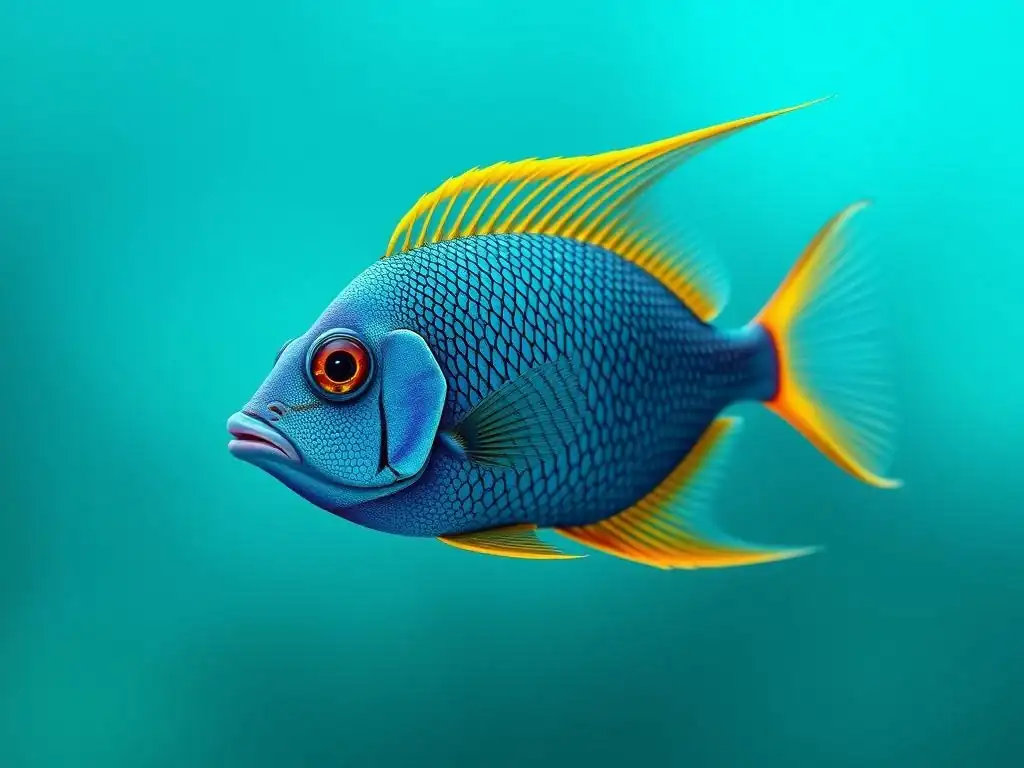
When purchasing an Eibl's Angelfish from your local fish store, careful observation is key to selecting a healthy specimen. Look for fish that are active and alert, swimming freely without awkward movements or clamped fins. Their eyes should be clear and bright, not cloudy or sunken. Inspect the body carefully for any visible signs of disease, such as white spots (Ich), fuzzy growths, open sores, or frayed fins. Their coloration should be vibrant and well-defined, not faded or dull.
Additionally, observe the fish's breathing; it should be calm and regular, not rapid or labored. Ask the store staff what the fish has been eating and, if possible, observe it feeding to ensure it has a good appetite. Inquire about how long the fish has been in their care; a fish that has been at the store for several days or weeks and is eating well is often more stable than a freshly imported specimen. A reputable local fish store will prioritize the health of their livestock and be knowledgeable about proper Eibl's Angelfish care.
Online Retailers Offering Centropyge eibli
Many reputable online marine fish retailers offer Eibl's Angelfish, often providing a wider selection and potentially healthier specimens due to reduced handling and specialized acclimation procedures. Before purchasing, thoroughly research the online retailer's reputation, reading customer reviews regarding fish quality, shipping practices, and customer service. Look for sellers who explicitly state that they quarantine or condition their fish before shipping and offer a live arrival guarantee.
While online purchases can be convenient, proper acclimation upon arrival is crucial. Follow the retailer's recommended acclimation procedures meticulously, which often involve drip acclimation to slowly equalize water parameters. Be prepared to immediately transfer the new Eibl's Angelfish into a dedicated quarantine tank. Purchasing from a responsible online supplier is an important step in ensuring you start your Eibl's Angelfish care journey with a robust and healthy fish.
Conclusion: The Rewarding Experience of Keeping Eibl's Angelfish
Why Eibl's Angelfish is a Great Choice for Intermediate Aquarists
The Eibl's Angelfish presents a compelling combination of stunning beauty, manageable size, and commendable hardiness, making it an excellent choice for intermediate saltwater aquarists. Its unique orange and black striped pattern, accented by its blue tail, adds a distinct visual appeal that stands out in any marine display. Unlike some larger angelfish species that grow too big for typical home aquariums or can become overly aggressive, the Eibl's Angelfish remains relatively small and generally peaceful, fitting well into a diverse community tank.
While it does require consistent Eibl's Angelfish care, including stable water parameters, a varied diet with ample greens, and appropriate tank mates, it is often more forgiving of minor environmental fluctuations than some other, more delicate marine species. Its active foraging behavior and vibrant presence make it a highly engaging and rewarding fish to observe, offering a fulfilling experience for aquarists ready to take on the responsibility of a dwarf angelfish.
Continuing Your Eibl's Angelfish Care Journey
The journey of keeping any marine fish, including the Eibl's Angelfish, is one of continuous learning and observation. Regularly monitoring your fish's behavior, appetite, and overall appearance, alongside consistent testing of water quality, will be key to its long-term success. Be prepared to adjust your feeding regimen or tank conditions as needed based on your observations, as the needs of your aquarium can evolve over time.
Engaging with the wider aquarist community, whether through online forums or local clubs, can provide invaluable support and insights. Sharing your experiences and seeking advice from seasoned hobbyists can enhance your understanding and capabilities. Ultimately, providing excellent Eibl's Angelfish care is a deeply rewarding endeavor, enriching your understanding of marine life and allowing you to enjoy the full beauty and personality of this underrated dwarf angel gem for many years.
Frequently Asked Questions
What are the key considerations when setting up an aquarium for an Eibl's Angelfish?
Setting up for an Eibl's Angelfish requires a well-established tank with plenty of live rock for grazing and hiding. Stable water parameters are crucial, especially regarding temperature and salinity.
What is the ideal diet for an Eibl's Angelfish to ensure its health and vibrant coloration?
Eibl's Angelfish thrive on a varied diet including high-quality flake food, frozen foods like mysis shrimp, and algae. This ensures they receive all the necessary nutrients for optimal health and coloration.
How difficult is it to care for an Eibl's Angelfish compared to other dwarf angelfish species?
Eibl's Angelfish are generally considered relatively hardy compared to other dwarf angels. However, they still require stable water conditions and a consistent diet to thrive in a reef environment.
What are some common health issues that Eibl's Angelfish are susceptible to, and how can they be prevented?
Common issues include ich and other parasites. Prevention involves proper quarantine procedures for new arrivals and maintaining excellent water quality through regular water changes.
Can Eibl's Angelfish be kept with other fish, and what are some compatible tank mates?
Eibl's Angelfish can be kept with peaceful to semi-aggressive fish of similar size. Avoid keeping them with aggressive tank mates that could stress them out. Larger angelfish species are also generally not recommended.
Final Reflection: Appreciating the Unassuming Beauty
The journey through understanding the Eibl's Angelfish reveals more than just the specifics of its care; it highlights the broader importance of appreciating the often-overlooked gems within our natural world. In a hobby often dominated by the pursuit of the rare and expensive, focusing on the humble beauty and unique needs of species like Centropyge eibli reminds us that true fulfillment lies in responsible stewardship and the celebration of biodiversity, regardless of market value.
The enduring appeal of the Eibl's Angelfish, despite its relatively low price point, underscores the power of genuine connection and the satisfaction derived from providing optimal care. It's a testament to the fact that the value of an animal is not measured in dollars, but in the joy and enrichment it brings to our lives. In the end, we will conserve only what we love; we will love only what we understand; and we will understand only what we are taught.
- Baba Dioum. This quote perfectly encapsulates the essence of responsible reef keeping and the importance of sharing knowledge.
So, as you consider adding an Eibl's Angelfish to your reef aquarium, or perhaps simply reflect on the lessons learned from this care guide, I encourage you to look beyond the surface and embrace the beauty of the unassuming. Let us all strive to be more mindful aquarists, appreciating the unique qualities of every creature in our care and contributing to a more sustainable and compassionate hobby for generations to come.
Ignite Your Reef: Welcome the Eibl's Angelfish!
Thanks for exploring the captivating world of the Eibl's Angelfish with us. You've now unlocked the secrets to successfully keeping this stunning dwarf angel in your reef tank. Ready to take the plunge?
Here are some actionable steps to consider:
- Begin planning your reef tank setup to accommodate an Eibl's Angelfish. Focus on creating a stable environment with plenty of hiding places and a varied diet.
- Delve deeper into the Centropyge genus by researching other compatible dwarf angels. Consider the pros and cons of different species before making your final selection.
- Share your newfound knowledge! Discuss the unique needs and beauty of the Eibl's Angelfish with fellow reef keeping enthusiasts in online forums and local aquarium clubs.
What unique rockwork arrangement will you design to make your Eibl's Angelfish feel truly at home?