
The Ideal Tank Environment for Active and Colorful Wrasse Species

Welcome to Aquarium Mastery!
Ever wondered how to create a thriving underwater paradise specifically tailored for the dazzling energy of Wrasse species? You've come to the right place! Dive into our comprehensive guide: " The Ideal Tank Environment for Active and Colorful Wrasse Species". Discover essential Wrasse tank environment setup tips and unlock the secrets to keeping these vibrant beauties happy and healthy. Ready to build the perfect reef haven? Let's get started!
- Creating a Thriving Leopard Wrasse Aquarium
- Understanding Leopard Wrasse Behavior and Habitat Needs
- Leopard Wrasse Tank Environment Setup: A Comprehensive Guide
- Water Chemistry and Parameters for Leopard Wrasse Health
- Lighting and Filtration for a Vibrant Leopard Wrasse Aquarium
- Selecting Compatible Tank Mates for Leopard Wrasses
- Feeding Leopard Wrasses: Ensuring a Balanced Diet
- Maintaining a Healthy Leopard Wrasse Tank Environment
- Common Leopard Wrasse Health Issues and Prevention in the Aquarium
- Advanced Techniques for Leopard Wrasse Tank Enrichment
- Conclusion: Creating a Thriving Habitat for Your Leopard Wrasse
- Frequently Asked Questions
- Final Reflection: Cultivating Vibrant Reefs for Wrasse
- Ignite Your Wrasse's World: Start Today!
Creating a Thriving Leopard Wrasse Aquarium
Understanding Leopard Wrasse Behavior and Habitat Needs
Key Considerations for a Thriving Leopard Wrasse Aquarium
Leopard wrasses (Macropharyngodon spp.) are renowned for their vibrant coloration and active, inquisitive nature, making them highly sought-after additions to marine aquariums. However, their specific behavioral traits and environmental needs require a meticulously planned wrasse tank environment setup to ensure their long-term health and vitality. These fish are constant foragers, sifting through sand and exploring rockwork for small invertebrates, and their natural instinct is to burrow into the sand bed at night or when startled, necessitating a particular substrate.
Their sensitivity to water quality and stress also means that a successful wrasse tank environment goes beyond just tank size. It encompasses stable water parameters, ample hiding spots, and a consistent food supply that mimics their natural diet. Without these crucial elements, Leopard Wrasses can quickly become stressed, lose their vibrant colors, and succumb to disease, making careful planning of their habitat paramount for any aquarist aiming to keep these exquisite fish.
Importance of Replicating Natural Reef Habitats
Replicating the natural reef habitats of Leopard Wrasses is not merely an aesthetic choice; it is fundamental to their physiological and psychological well-being. In their native Indo-Pacific reefs, these wrasses inhabit shallow, sandy areas interspersed with rubble and live rock, where they spend their days foraging for copepods, amphipods, and other small benthic organisms. This environment provides both a constant food source and numerous secure hiding places.
When designing a wrasse tank environment, mirroring these conditions helps reduce stress, encourages natural behaviors like burrowing and foraging, and ultimately leads to a healthier, more resilient fish. A well-aquascaped tank with appropriate substrate and rockwork will allow the wrasse to exhibit its full range of natural behaviors, including its characteristic "hovering" swim and quick dives into the sand, ensuring it thrives rather than just survives.
Leopard Wrasse Tank Environment Setup: A Comprehensive Guide
Determining the Right Tank Size: Minimum 75 Gallons for a Single Wrasse
Selecting the appropriate tank size is a foundational step in any wrasse tank environment setup. For a single Leopard Wrasse, a minimum tank size of 75 gallons (approximately 284 liters) is strongly recommended. While these fish typically reach an adult size of 4-5 inches, their highly active swimming patterns and constant foraging behavior demand ample horizontal space. A smaller tank can lead to territorial disputes, stunted growth, and chronic stress, which compromises their immune system.
Furthermore, a larger water volume contributes significantly to the stability of the aquarium's parameters. A 75-gallon tank provides a greater buffer against rapid fluctuations in temperature, salinity, and pH, and dilutes waste products more effectively. This inherent stability is crucial for sensitive species like Leopard Wrasses, making the initial investment in a larger tank a wise decision for their long-term health and the overall success of the wrasse tank environment.
Essential Substrate: Fine Sand Bed Depth and Type (Aragonite)
The substrate choice is arguably the most critical component of a Leopard Wrasse tank environment setup due to their unique burrowing behavior. Leopard Wrasses bury themselves in the sand to sleep at night, to hide when startled, or to feel secure. Therefore, a deep bed of fine-grained sand is absolutely essential. The sand bed should be at least 3-4 inches (7.5-10 cm) deep across a significant portion of the tank to allow for complete submersion without injury.
The type of sand is equally important. Sugar-fine aragonite sand is ideal because its smooth, rounded grains prevent abrasions to the wrasse's delicate skin and fins as it burrows. Aragonite also offers the added benefit of helping to buffer the aquarium's pH and alkalinity by slowly dissolving, contributing to stable water chemistry. This crucial substrate not only fulfills a vital behavioral need but also enhances the overall stability and health of the wrasse tank environment.
Rockwork and Aquascaping: Creating Wrasse-Friendly Structures
Thoughtful rockwork and aquascaping are vital for creating a secure and stimulating wrasse tank environment. While Leopard Wrasses are active swimmers, they also require numerous hiding spots and visual barriers to feel safe and reduce stress. Live rock serves multiple purposes: it provides extensive surface area for beneficial nitrifying bacteria, contributing significantly to biological filtration, and it offers the structural complexity that mimics their natural reef habitat.
When arranging the rockwork, aim for a balance between open swimming areas and intricate structures with plenty of caves, overhangs, and swim-throughs. Securely stack rocks to prevent collapses, especially given the wrasse's burrowing habits, which can destabilize foundations. A well-designed aquascape enhances the aesthetic appeal of the tank while providing the essential security and exploration opportunities that contribute to a thriving wrasse tank environment.
The Role of Caves and Crevices in Leopard Wrasse Security
Caves and crevices within the rockwork play a critical role in the psychological well-being of Leopard Wrasses. These shy fish, especially when newly introduced or when startled by sudden movements outside the tank, will instinctively seek immediate refuge. Well-placed and easily accessible hiding spots provide a sense of security, allowing the wrasse to retreat and de-stress, which is crucial for its acclimatization and long-term health.
Beyond immediate safety, these secure retreats contribute to the wrasse's overall confidence. A wrasse that feels secure is more likely to spend time openly foraging, display its full vibrant coloration, and exhibit its natural behaviors, rather than remaining perpetually hidden. Therefore, designing a wrasse tank environment with an abundance of varied hiding places directly translates to a more comfortable and visually appealing fish.
Arranging Rocks to Minimize Stress
Strategic arrangement of rockwork is key to minimizing stress for Leopard Wrasses and other tank inhabitants. Create distinct territories and visual breaks within the aquascape to prevent line-of-sight aggression, particularly in tanks with multiple fish. While wrasses are generally peaceful, providing clear boundaries can help reduce potential territorial disputes and allow each fish to establish its own safe zones.
Ensure that the rockwork allows for ample open swimming space, especially in the upper and middle sections of the tank, where Leopard Wrasses spend much of their active time. Simultaneously, ensure that the structures do not impede water flow, which is essential for nutrient export and oxygenation. A well-thought-out wrasse tank environment setup balances aesthetic appeal with the functional needs of the fish, promoting a harmonious and healthy habitat.
Water Chemistry and Parameters for Leopard Wrasse Health
Maintaining Optimal Water Quality: Pristine Conditions are Crucial
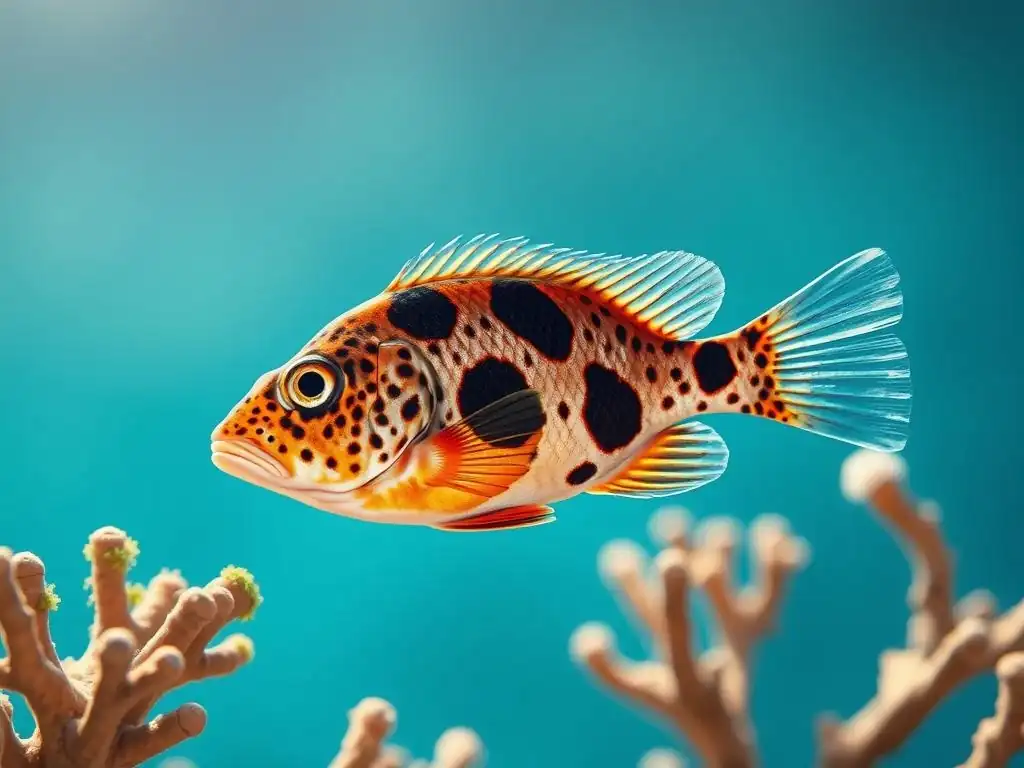
Maintaining pristine water quality is absolutely non-negotiable for the health and longevity of Leopard Wrasses. These fish are highly sensitive to even minor fluctuations and the accumulation of pollutants. Elevated levels of nitrates, phosphates, or dissolved organic compounds can quickly lead to chronic stress, compromise their delicate immune systems, and make them highly susceptible to various diseases.
The consequences of subpar water quality are often immediate and severe for Leopard Wrasses. They may exhibit faded coloration, become lethargic, refuse to eat, or develop visible signs of infection such as fin rot or skin lesions. Therefore, a consistent regimen of robust filtration, regular water testing, and diligent maintenance is paramount. A truly pristine wrasse tank environment is the most effective preventative measure against health issues, fostering a resilient and vibrant fish.
The Importance of Stable Water Parameters: Temperature, Salinity, pH
Stability in key water parameters is as crucial as pristine quality for Leopard Wrasses. Sudden or significant shifts in temperature, salinity, or pH can induce severe stress, leading to osmotic shock or metabolic imbalances that can quickly prove fatal. Ideal parameters for Leopard Wrasses include a stable temperature range of 75-79°F (24-26°C), a specific gravity (salinity) between 1.023 and 1.026, and a pH level consistently between 8.1 and 8.4.
Achieving and maintaining this stability requires reliable equipment and diligent monitoring. A high-quality heater with a precise thermostat, an accurate refractometer for salinity checks, and an auto top-off system to compensate for evaporation are essential tools. Regular testing (daily for salinity, weekly for others) allows for early detection of any deviations, enabling small, gradual adjustments that prevent major stress and ensure a consistently healthy wrasse tank environment.
Dealing with Ammonia, Nitrite, and Nitrate Levels in Leopard Wrasse Tanks
The management of nitrogenous waste products—ammonia, nitrite, and nitrate—is central to maintaining a healthy wrasse tank environment. Ammonia and nitrite are highly toxic to all marine fish, especially sensitive species like Leopard Wrasses, and should always be undetectable (0 ppm) in a mature, cycled aquarium. Even trace amounts can cause severe gill damage, internal organ failure, and rapid death. A robust biological filtration system, primarily provided by well-cured live rock, is essential for converting these compounds.
While less acutely toxic, high nitrate levels (ideally below 10-20 ppm for a wrasse tank, and even lower for a reef system) can still lead to chronic stress, inhibited growth, and increased susceptibility to disease over time. Regular partial water changes (e.g., 10-20% weekly or bi-weekly), efficient protein skimming, and the use of macroalgae in a refugium are effective strategies to export nitrates and maintain the low nutrient levels required for a thriving wrasse tank environment.
Lighting and Filtration for a Vibrant Leopard Wrasse Aquarium
Choosing the Right Lighting for Coral Growth and Wrasse Well-being
While Leopard Wrasses do not have specialized lighting requirements comparable to photosynthetic corals, appropriate illumination is nevertheless important for their overall well-being and to accurately replicate their natural reef environment. Full-spectrum LED or T5 lighting systems that support coral growth (if you plan a mixed reef) are generally suitable. The key is to provide a consistent photoperiod, typically 10-12 hours of light per day, to establish a natural day-night cycle that aids in regulating their circadian rhythm.
Consider the impact of lighting on their behavior. Too intense or insufficient lighting can induce stress. Providing areas of both bright illumination and shaded spots within the rockwork allows the wrasse to choose its preferred light intensity. Modern LED fixtures with dimming capabilities or "sunrise/sunset" modes can further reduce stress by avoiding abrupt light changes, contributing to a more natural and comfortable wrasse tank environment.
Selecting an Appropriate Filtration System for Leopard Wrasse Tank Cleanliness
An effective and comprehensive filtration system is paramount for maintaining the pristine water quality that Leopard Wrasses demand. A multi-faceted approach, combining mechanical, biological, and chemical filtration, works synergistically to remove particulate matter, process nitrogenous waste, and absorb dissolved impurities. Given the sensitivity of these fish, it is often beneficial to "over-filter" the tank slightly, ensuring maximum pollutant removal.
The goal of the filtration system in a wrasse tank environment is to minimize the accumulation of waste products and maintain stable water parameters, which are critical for the fish's health and vibrant coloration. A well-designed and consistently maintained filtration setup reduces the bioload and prevents the chronic stress that can lead to disease, making it a cornerstone of successful Leopard Wrasse husbandry.
Mechanical Filtration: Protein Skimmer
A high-quality protein skimmer is arguably the most indispensable piece of mechanical filtration for any marine aquarium housing Leopard Wrasses. It works by removing dissolved organic compounds (DOCs) from the water column before they can break down into nitrates and phosphates, effectively reducing the overall bioload. By exporting these organic wastes, the protein skimmer significantly contributes to maintaining low nutrient levels and high oxygen saturation, both crucial for wrasse health.
When selecting a protein skimmer for your wrasse tank environment, choose one rated for a tank size 1.5 to 2 times larger than your actual aquarium volume to ensure optimal performance. Regular maintenance, including daily or bi-weekly cleaning of the collection cup, is essential for the skimmer to operate efficiently. A well-functioning protein skimmer is a primary defense against water quality degradation and a key component of a successful wrasse tank environment setup.
Biological Filtration: Live Rock and Bio-Media
Biological filtration forms the backbone of the nitrogen cycle in a marine aquarium, and for a wrasse tank environment, live rock is the premier medium. Live rock provides an immense surface area for beneficial nitrifying bacteria, which convert highly toxic ammonia into nitrite, and then into less toxic nitrate. Furthermore, porous live rock can host anaerobic bacteria deep within its structure, which can convert nitrates into harmless nitrogen gas, completing the denitrification process.
Aim for a generous amount of live rock, typically 1 to 1.5 pounds per gallon, to establish a robust biological filter. While live rock is primary, additional high-quality bio-media (such as ceramic rings or bio-balls) can be utilized in a sump to supplement biological filtration, especially in tanks with a higher bioload. Ensure that any bio-media is well-maintained and free of detritus accumulation to prevent it from becoming a source of nitrates, thereby supporting a healthy wrasse tank environment.
Chemical Filtration: Activated Carbon and GFO (Granular Ferric Oxide)
Chemical filtration plays a vital role in polishing the water and removing specific pollutants in a wrasse tank environment. Activated carbon is highly effective at adsorbing dissolved organic pollutants, tannins that cause water discoloration, and some medications. Using activated carbon helps maintain crystal-clear water and reduces the overall organic load, contributing to a healthier environment for sensitive fish like Leopard Wrasses. It should be replaced every 2-4 weeks as its adsorption capacity becomes exhausted.
Granular Ferric Oxide (GFO) is another powerful chemical filtration media, specifically designed to remove phosphates from the water. Elevated phosphate levels can fuel nuisance algae growth and, in reef tanks, inhibit coral calcification. Using GFO in a fluidized reactor ensures optimal contact time and efficiency. Regular testing for phosphates will dictate how often GFO needs to be replaced, further enhancing the water quality and stability of your wrasse tank environment.
Selecting Compatible Tank Mates for Leopard Wrasses
Understanding Leopard Wrasse Temperament and Compatibility with Other Fish
Understanding the temperament of Leopard Wrasses is paramount when selecting tank mates for your wrasse tank environment. These beautiful fish are generally peaceful and shy, particularly when they are first introduced to an aquarium. They can be easily intimidated by more aggressive, boisterous, or fast-moving species, which can lead to chronic stress, refusal to eat, and a weakened immune system.
Their feeding habits also play a role in compatibility. Leopard Wrasses are slow, deliberate feeders, sifting through the sand for tiny invertebrates. They can be easily outcompeted for food by more voracious eaters, leading to malnutrition. Therefore, careful consideration of temperament, feeding behavior, and overall activity level is crucial to ensure a harmonious and stress-free wrasse tank environment for your Leopard Wrasse.
Avoiding Aggressive Tank Mates That May Outcompete Wrasses
To maintain a peaceful and thriving wrasse tank environment, it is essential to avoid introducing aggressive or overly competitive tank mates. Species such as many types of damselfish, large angelfish, triggerfish, puffers, and large predatory fish are entirely unsuitable. Even semi-aggressive fish can harass a Leopard Wrasse, causing it to hide perpetually in the sand, leading to starvation or chronic stress.
Fast-feeding fish, even if peaceful, can also be problematic as they will outcompete the slow-eating wrasse for food, leading to malnutrition. The consequences of incompatible tank mates can be severe, ranging from constant stress and faded coloration to physical injury or premature death. Thorough research into the temperament and dietary needs of any potential tank mate is a critical step in a successful wrasse tank environment setup.
Ideal Tank Mates: Peaceful Fish Like Clownfish, Firefish, and Gobies
For a harmonious wrasse tank environment, focus on peaceful, non-aggressive, and relatively slow-feeding tank mates. Excellent choices include common clownfish (e.g., Ocellaris or Percula), various species of firefish gobies (e.g., Purple Firefish, Helfrichi Firefish), and many peaceful gobies such as Watchman Gobies, Diamond Watchman Gobies, or Yellow Watchman Gobies. Small, docile cardinalfish also make good companions.
These species generally share similar temperament and dietary needs, minimizing competition and stress. Many of these ideal tank mates are also considered reef-safe, allowing for a diverse and vibrant mixed-reef aquarium alongside your Leopard Wrasse. Always introduce new fish slowly and observe interactions closely to ensure a calm and stable wrasse tank environment where all inhabitants can thrive.
Feeding Leopard Wrasses: Ensuring a Balanced Diet
Providing a Variety of Food Options: Copepods, Rotifers, and Small Frozen Foods
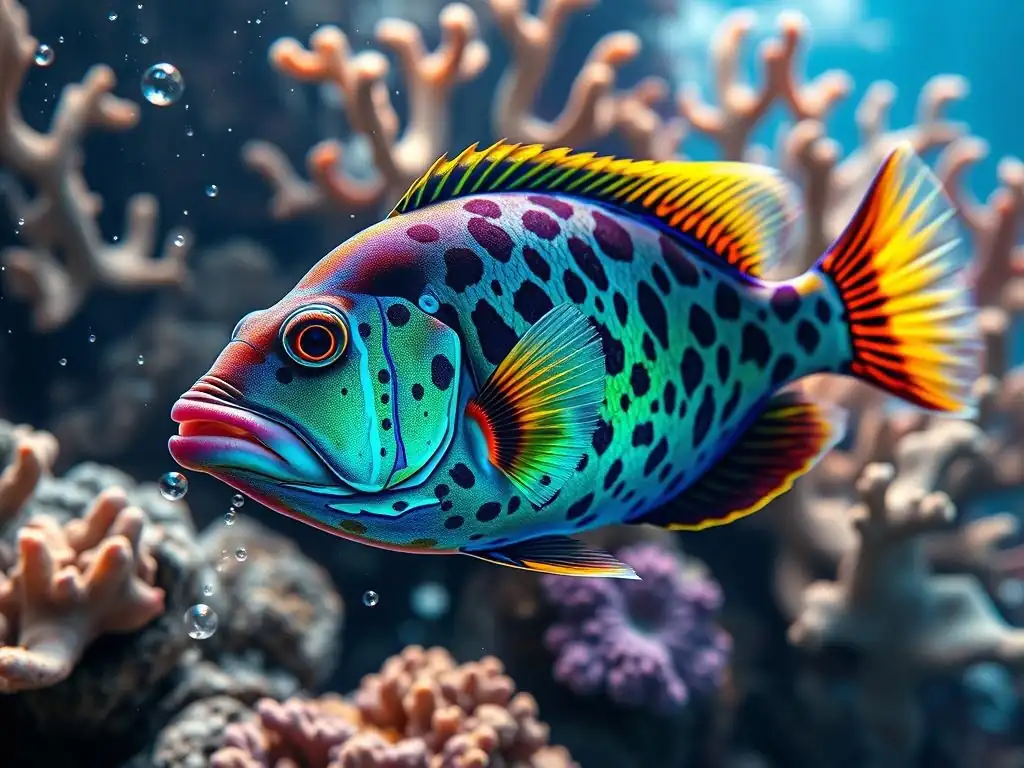
Ensuring a balanced and consistent diet is paramount for the health and vibrant coloration of Leopard Wrasses in a captive wrasse tank environment. In the wild, they are micropredators, constantly hunting for small invertebrates in the sand and on live rock. Consequently, live food sources, particularly copepods and rotifers, are often essential, especially when first introducing a Leopard Wrasse to the aquarium. A continuous supply of live copepods from a refugium can greatly aid in their acclimation and long-term well-being.
Once acclimated, Leopard Wrasses can often be weaned onto a variety of small, high-quality frozen foods. Excellent choices include enriched brine shrimp, mysis shrimp, cyclop-eeze, and finely chopped clam, krill, or other seafood. Offering small amounts of food multiple times a day (e.g., 3-4 times) mimics their natural grazing behavior and ensures they get enough to eat without significant water pollution. A diverse diet ensures complete nutrition within the wrasse tank environment.
Understanding the Dietary Needs: Primarily Carnivorous
Leopard Wrasses are primarily carnivorous, specializing in a diet of small benthic invertebrates. Their natural diet consists of tiny crustaceans, worms, and other microfauna found within the sand bed and on the surfaces of live rock. This obligate carnivorous nature means their aquarium diet must be rich in protein and animal matter. While they will constantly pick at the sand for naturally occurring microfauna, this alone is rarely sufficient to meet their nutritional requirements in a captive wrasse tank environment.
Therefore, regular supplementation with high-quality, vitamin-enriched frozen foods is crucial to provide a complete and balanced nutritional profile. Ensuring they receive a varied diet helps prevent nutritional deficiencies that can lead to faded coloration, lethargy, and a compromised immune system. Understanding and catering to their specific dietary needs is a cornerstone of successful Leopard Wrasse husbandry and contributes significantly to their health in the wrasse tank environment.
Preventing Overfeeding and Maintaining Water Quality
While regular feeding is essential for Leopard Wrasses, preventing overfeeding is equally critical for maintaining pristine water quality in their sensitive wrasse tank environment. Overfeeding introduces excess nutrients into the water column, which quickly degrades water quality by leading to spikes in nitrates, phosphates, and dissolved organic compounds. These elevated pollutants can stress the wrasse, promote nuisance algae growth, and foster bacterial blooms.
To avoid overfeeding, offer only what the wrasse can consume within a few minutes. Any uneaten food should be promptly siphoned out of the tank. A balanced feeding regimen, combined with robust mechanical and biological filtration, is key to preventing nutrient buildup and maintaining the stable, pristine water parameters that Leopard Wrasses demand. Consistent, mindful feeding practices directly contribute to the overall health and stability of the wrasse tank environment.
Maintaining a Healthy Leopard Wrasse Tank Environment
Regular Water Changes: Maintaining Optimal Water Chemistry
Regular partial water changes are a fundamental and indispensable practice for maintaining an optimal wrasse tank environment. While effective filtration systems remove many pollutants, water changes are crucial for diluting and exporting accumulated nitrates, phosphates, and other dissolved organic compounds that filtration alone cannot eliminate. They also help replenish essential trace elements that are consumed by the aquarium's inhabitants and biological processes.
A consistent schedule of 10-20% weekly or bi-weekly water changes is often recommended for a wrasse tank, depending on the bioload and tank stability. Always use high-quality RO/DI water mixed with a reputable marine salt mix, ensuring the new water matches the tank's existing temperature and salinity precisely to avoid shocking the fish. This consistent commitment to water changes is paramount for the long-term health and stability of your Leopard Wrasse and its habitat.
Monitoring Water Parameters: Testing and Adjusting
Consistent and accurate monitoring of water parameters is a proactive measure that allows aquarists to identify and address potential issues before they become problematic in a wrasse tank environment. Beyond the daily salinity checks (using a refractometer), regular testing for pH, alkalinity, calcium, magnesium, ammonia, nitrite, and nitrate is crucial. Weekly testing for nitrogen cycle components and bi-weekly to monthly checks for other parameters are generally recommended for sensitive species.
If tests reveal parameters drifting outside the ideal ranges, make small, gradual adjustments rather than drastic changes. For example, if alkalinity drops, dose buffer solutions slowly over several days. Early detection and cautious correction of parameter shifts prevent acute stress and potential health issues for your Leopard Wrasse. This diligent monitoring provides the necessary feedback to ensure the wrasse tank environment remains stable and healthy.
Observing Wrasse Behavior: Identifying Potential Problems Early
Daily observation of your Leopard Wrasse's behavior is one of the most effective ways to identify potential problems early in its wrasse tank environment. Spend time noting its normal swimming patterns, active foraging, bright and consistent coloration, and healthy appetite. A thriving wrasse will be inquisitive, active during the day, and consistently bury itself in the sand at night.
Any deviation from these normal behaviors should be a cause for concern. Signs such as prolonged hiding during the day, loss of vibrant color, clamped fins, rapid or labored breathing, refusing food, unusual spots or lesions on the body, or excessive scratching against rocks or sand can indicate stress, poor water quality, or the onset of disease. Early detection allows for prompt investigation and intervention, significantly increasing the chances of successful treatment and maintaining a healthy wrasse tank environment.
Common Leopard Wrasse Health Issues and Prevention in the Aquarium
Recognizing Signs of Stress or Disease: Loss of Color, Hiding
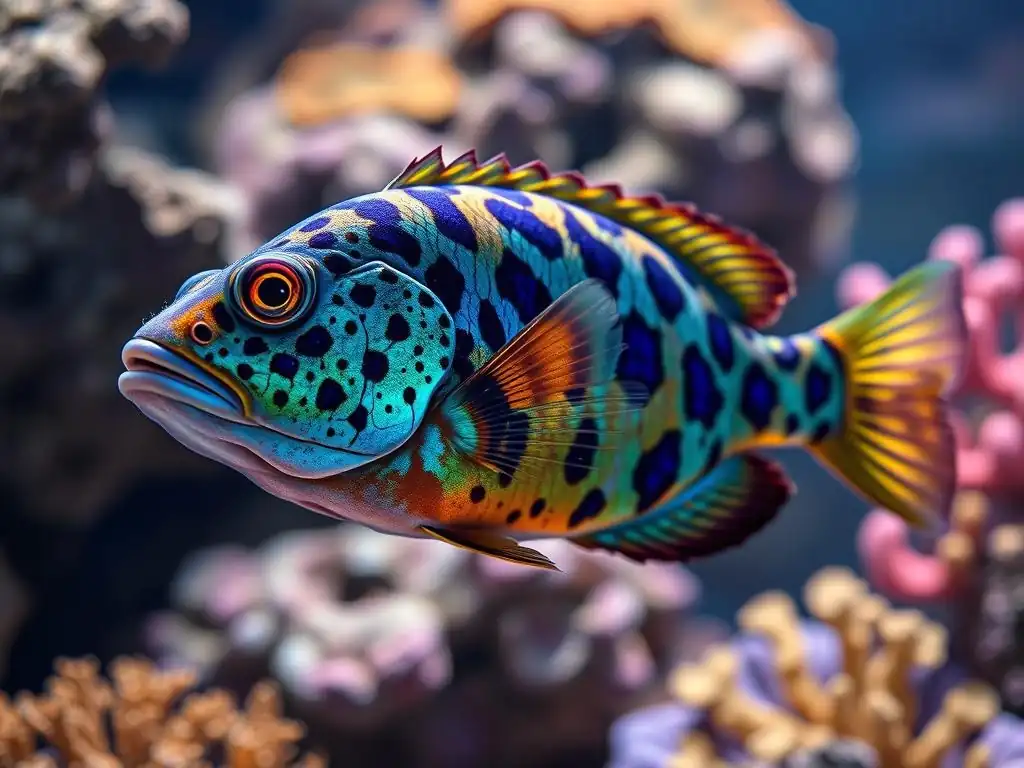
Recognizing the subtle signs of stress or disease in Leopard Wrasses is critical for timely intervention. Beyond general lethargy or reduced appetite, specific visual cues often manifest. A common indicator of stress is a significant loss or fading of their typically vibrant coloration, sometimes appearing patchy or dull. Prolonged hiding, even during active hours, and reluctance to emerge for feeding are also strong signs of discomfort or illness within the wrasse tank environment.
Other physical symptoms to watch for include clamped fins, rapid or labored breathing, visible white spots (suggesting marine Ich or Cryptocaryon irritans), a velvet-like coating on the skin (indicating Velvet disease or Amyloodinium ocellatum), cloudy eyes, or visible lesions and fin erosion. Often, these symptoms are a direct consequence of compromised water quality, incompatible tank mates, or an inadequate wrasse tank environment setup, underscoring the importance of addressing the root cause alongside any treatment.
Preventing Parasitic Infections and Bacterial Diseases
The most effective preventative measure against common parasitic infections (like marine Ich or Velvet) and bacterial diseases in a wrasse tank environment is a stringent quarantine procedure for all new fish additions. A separate quarantine tank (QT), typically 10-20 gallons, should be set up and run for a minimum of 4-6 weeks. This allows for observation, acclimation, and, if necessary, treatment of new fish without risking the established inhabitants of your display tank.
Beyond quarantine, maintaining pristine water parameters, a stable temperature, and a low-stress wrasse tank environment are paramount. A healthy, well-fed Leopard Wrasse in an optimal habitat will have a robust immune system, making it far less susceptible to opportunistic pathogens. Consistent husbandry, including regular water changes and diligent monitoring, significantly reduces the likelihood of disease outbreaks.
Quarantine Procedures for New Leopard Wrasse Additions
Implementing a proper quarantine procedure for new Leopard Wrasse additions is a non-negotiable step for safeguarding your established wrasse tank environment. A dedicated quarantine tank should be bare-bottomed for easy cleaning and include a heater, an air stone or small powerhead for circulation, and a sponge filter (preferably seeded from your main tank's sump or established for weeks). Provide PVC pipes or non-porous decorations for hiding spots; avoid sand, as it can harbor parasites and complicate treatment.
Acclimate the new wrasse slowly to the QT's water parameters. Observe the fish daily for signs of disease, such as spots, lesions, rapid breathing, or abnormal behavior. Do not introduce the wrasse to the main display tank until it has been in quarantine for at least 4-6 weeks, is eating well, and shows no signs of illness. If disease appears, treat it within the QT, preventing the introduction of pathogens into your main wrasse tank environment.
Advanced Techniques for Leopard Wrasse Tank Enrichment
Incorporating Live Rock and Macroalgae for a Natural Environment
Beyond their biological filtration benefits, incorporating ample live rock and carefully selected macroalgae significantly enriches the wrasse tank environment, creating a more natural and stimulating habitat. Live rock provides a dynamic, complex structure that Leopard Wrasses constantly explore, picking at surfaces for microfauna. It cultivates a diverse ecosystem of copepods, amphipods, and other tiny invertebrates, offering a continuous, natural food source that closely mimics their wild diet.
Adding macroalgae, particularly in a refugium (a separate sump compartment), further enhances the natural feel and contributes to water quality. While wrasses do not typically consume macroalgae, species like Chaetomorpha or Caulerpa can absorb nitrates and phosphates, acting as natural nutrient exporters. In the display tank, some aesthetic macroalgae can provide additional visual interest and hiding spots, contributing to a more complete and thriving wrasse tank environment.
Utilizing Refugiums to Improve Water Quality and Provide Food
The integration of a refugium is an advanced technique that offers substantial benefits for a wrasse tank environment, particularly for sensitive species like Leopard Wrasses. A refugium is a separate compartment, typically within a sump or as an external tank, designed to cultivate beneficial organisms without predation from the main display tank inhabitants. It commonly houses a deep sand bed, live rock, and macroalgae (e.g., Chaetomorpha or "chaeto").
For Leopard Wrasses, a refugium provides two critical advantages: firstly, it significantly improves water quality by acting as a natural nitrate and phosphate filter through the growth of macroalgae and the activity of beneficial bacteria. Secondly, and perhaps most importantly, it serves as a continuous breeding ground for live copepods and amphipods. These microcrustaceans are then flushed into the main display tank, providing a constant, natural food source that greatly enhances the wrasse's diet and overall well-being in its wrasse tank environment.
Creating a Reef-Safe Leopard Wrasse Tank Environment
Leopard Wrasses are generally considered excellent candidates for a reef-safe wrasse tank environment. Their natural diet consists of small benthic invertebrates, and they typically do not bother corals, anemones, or most other larger invertebrates. Their active foraging behavior can even be beneficial, as they consume nuisance flatworms and other small pests that might otherwise proliferate in a reef system.
When creating a reef-safe wrasse tank environment, the primary consideration is to ensure that the wrasse's specific needs—a deep sand bed, ample hiding spots, and pristine water quality—are met without compromising the needs of the corals or other reef inhabitants. While largely reef-safe, always research specific coral types and invertebrates to ensure complete compatibility, as very small or delicate invertebrates might occasionally be viewed as a food source by a hungry wrasse. A well-designed reef system can beautifully integrate a Leopard Wrasse, allowing its vibrant colors to shine amidst a thriving coral landscape.
Conclusion: Creating a Thriving Habitat for Your Leopard Wrasse
Creating a thriving habitat for a Leopard Wrasse is a rewarding endeavor that demands meticulous planning and consistent dedication. Success hinges on a comprehensive wrasse tank environment setup that faithfully replicates their natural reef habitat. This includes providing a spacious aquarium of at least 75 gallons, a crucial deep bed of fine aragonite sand for burrowing, and ample, stable rockwork with numerous hiding spots.
Beyond the physical structure, maintaining pristine and stable water parameters, employing robust multi-stage filtration, and selecting only peaceful, compatible tank mates are paramount. A varied, carnivorous diet rich in live and small frozen foods is essential for their nutritional needs. While demanding, providing these specific conditions allows Leopard Wrasses to truly thrive, exhibiting their stunning colors and unique behaviors, becoming a captivating centerpiece in any dedicated aquarist's marine aquarium. Their sensitivity underscores the importance of a well-planned and consistently maintained wrasse tank environment for their long-term health and vibrancy.
Frequently Asked Questions
How much sand is required for a wrasse tank?
Wrasses often bury themselves at night for safety, so a deep sand bed is crucial. Aim for at least 3-4 inches of fine sand to allow them to exhibit this natural behavior.
What size tank is recommended for keeping wrasse species?
The ideal tank size depends on the specific wrasse species, but generally, larger wrasses require larger tanks. A minimum of 75 gallons is recommended for smaller wrasse species.
What type of rockwork should I use in a wrasse tank?
Use plenty of live rock to create caves and crevices. This provides hiding places and helps to establish a healthy biological filter for your wrasse.
What water parameters are crucial for wrasse health?
Maintaining stable water parameters is essential. Key parameters include a stable salinity, pH between 8.1-8.4, and near-zero levels of ammonia and nitrite.
How important is water flow in a wrasse tank?
Wrasses need moderate to high water flow to thrive. This helps to oxygenate the water and remove waste products, creating a healthy environment.
Final Reflection: Cultivating Vibrant Reefs for Wrasse
The journey to understanding the ideal wrasse tank environment is more than just a technical exercise; it's about creating a thriving ecosystem that mirrors the beauty and complexity of the natural reef. As we've explored the intricacies of water parameters, substrate selection, and compatible tankmates, it becomes clear that a successful wrasse tank is a testament to our dedication to responsible reef keeping and the well-being of these captivating creatures.
This pursuit of the perfect wrasse habitat has profoundly shaped our understanding of reef ecosystems and the delicate balance required for their survival. Witnessing the vibrant colors and energetic behaviors of a thriving wrasse population is a constant reminder of the responsibility we bear as custodians of these miniature underwater worlds. In the end, we will conserve only what we love; we will love only what we understand; and we will understand only what we are taught.
- Baba Dioum. This quote encapsulates the essence of our efforts: to educate, understand, and ultimately, foster a deep appreciation for the marine environment.
Now, armed with these "Wrasse tank environment setup tips," I invite you to reflect on your own role in the reef keeping community. Consider how you can contribute to the creation of more sustainable and enriching environments for these incredible fish. Let the knowledge gained here inspire you to not only build a stunning wrasse tank, but also to become a champion for responsible aquarium practices and the conservation of our precious coral reefs.
Ignite Your Wrasse's World: Start Today!
Thank you for exploring the fascinating world of wrasse care with us! We hope you’ve gained valuable insights into creating a vibrant and thriving environment for these active and colorful fish. Now, it’s time to put that knowledge into action and elevate your wrasse's life.
Here are a few ways to get started:
- Implement the Deep Sand Bed: Prioritize establishing a sufficiently deep sand bed to support natural wrasse behaviors like burrowing and foraging. This is crucial for their well-being and happiness.
- Research and introduce diverse live foods into their diet. Observe how they interact with different offerings to fine-tune their nutrition and add excitement to feeding time.
- Share your wrasse setup or ask for advice on the aquarium community forum! Help others and learn from fellow wrasse enthusiasts.
What innovative enrichment idea are you most excited to try in your wrasse's tank?