
Midas Blenny: Golden Charm and ReefSafe Behavior Explored

Welcome to Aquarium Mastery!
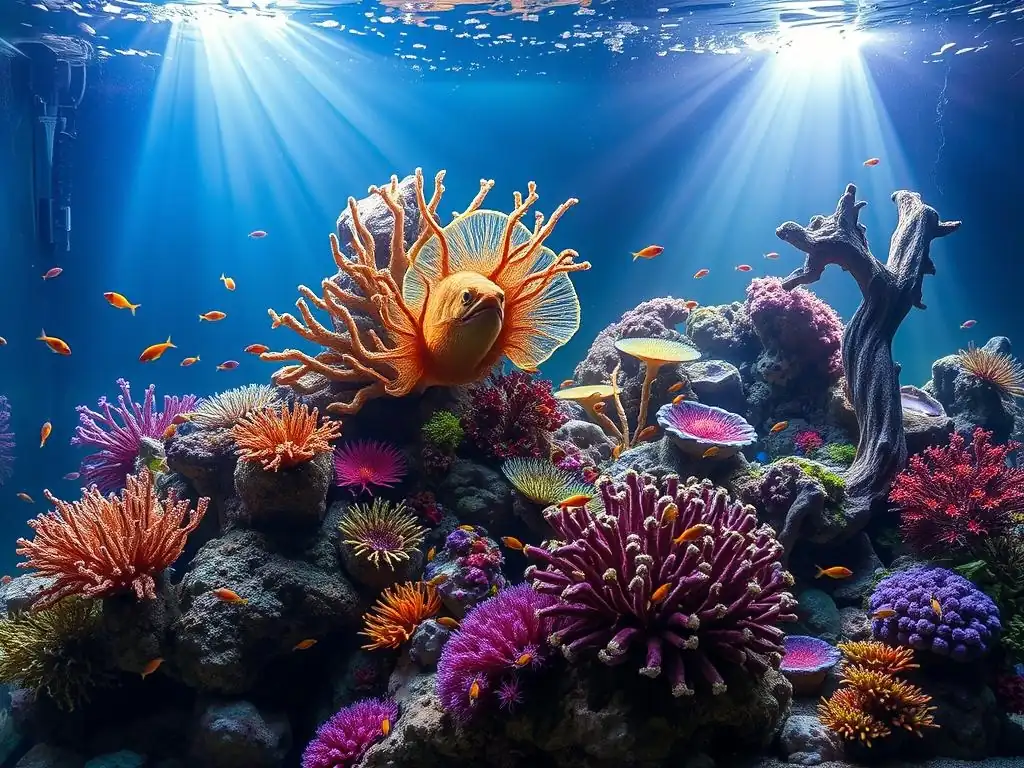
Intrigued by the vibrant colors and playful antics of reef-safe fish? Dive into the captivating world of the Midas Blenny, a golden gem that can truly elevate your saltwater aquarium. Ever wondered if this charismatic fish is the perfect addition to your reef tank? Explore our comprehensive guide to uncover its secrets, compatibility, and everything you need to know before welcoming this beauty into your underwater paradise! Prepare to be amazed!
- Introduction to the Midas Blenny: A Reef Tank Gem
- Midas Blenny Care: Essential Guidelines for a Thriving Fish
- Midas Blenny Behavior: Understanding Their Unique Habits
- Midas Blenny and Reef Compatibility: A Guide to Reef-Safe Behavior
- Setting Up a Midas Blenny Reef Tank: Step-by-Step Guide
- Midas Blenny Health: Recognizing and Treating Common Issues
- Midas Blenny vs. Other Blennies: Making the Right Choice
- Breeding Midas Blennies: Challenges and Possibilities
- Sourcing Your Midas Blenny: Ethical Considerations
- Conclusion: The Midas Blenny – A Rewarding Addition to Your Reef Tank
-
Frequently Asked Questions
- What makes the Midas Blenny a good choice for a reef tank?
- What size aquarium is recommended for a Midas Blenny?
- What type of water parameters are ideal for a Midas Blenny in a reef tank?
- What do Midas Blennies eat in a reef tank environment?
- Are Midas Blennies prone to any specific diseases or health issues in a reef tank?
- Final Reflection: The Enduring Allure of Reef Harmony
- Unleash the Golden Magic in Your Reef Tank!
Introduction to the Midas Blenny: A Reef Tank Gem
Unveiling the Beauty of Ecsenius midas
The Midas blenny, scientifically known as Ecsenius midas, is a captivating marine fish renowned for its brilliant golden-yellow coloration, which often intensifies to a vibrant orange-gold under optimal conditions. Originating from the Indo-Pacific region, specifically found in areas like the Red Sea, East Africa, and across to the Western Pacific, these blennies typically inhabit clear, shallow waters of outer reef slopes and lagoons, often perching on coral branches or within rocky crevices.
Their slender, elongated bodies, usually reaching an adult size of about 4-5 inches (approximately 10-13 cm), coupled with their unique inquisitive eyes, make them a striking focal point in any saltwater aquarium.
Beyond their stunning aesthetics, Midas blennies exhibit fascinating behaviors that contribute to their appeal. They are often observed darting between hiding spots, gracefully swimming in the water column, or perching atop elevated rockwork, constantly surveying their surroundings. This active yet non-destructive nature, combined with their relatively small size, allows them to integrate seamlessly into diverse reef environments. Their natural habitat preferences for areas with plenty of live rock and coral provide a clear indication of their suitability for a well-structured Midas blenny reef tank.
Why the Midas Blenny is a Popular Choice for Reef Aquariums
The Midas blenny's popularity among aquarists, particularly those with reef aquariums, stems from a combination of its visual appeal, generally peaceful temperament, and reputation as a reef-safe inhabitant. Unlike some other blenny species, Ecsenius midas is widely considered to pose minimal threat to corals, including sensitive SPS (Small Polyp Stony) and LPS (Large Polyp Stony) corals, as well as various invertebrates. This crucial characteristic makes them an excellent candidate for a mixed-reef setup where coral health is paramount.
Furthermore, their relatively easy care requirements and adaptability to captive environments contribute significantly to their widespread adoption. They are not overly demanding regarding water parameters, provided basic stability is maintained, and readily accept a variety of prepared foods.
For aquarists seeking a fish that adds a splash of vibrant color and engaging personality without disrupting the delicate balance of a coral ecosystem, the Midas blenny for a reef tank represents an ideal choice. Their ability to thrive and exhibit natural behaviors in a properly set up Midas blenny reef tank solidifies their status as a true gem of the marine aquarium hobby.
Midas Blenny Care: Essential Guidelines for a Thriving Fish
Ideal Tank Conditions for Midas Blennies
Establishing the correct environmental parameters is crucial for the long-term health and vibrancy of your Midas blenny. These blennies thrive in stable saltwater conditions that mimic their natural reef habitat. The ideal temperature range for a Midas blenny reef tank is between 72°F and 78°F (22°C-26°C), with a specific gravity maintained consistently between 1.023 and 1.026. Consistent salinity is particularly important to prevent osmotic stress, which can weaken the fish's immune system.
Furthermore, adequate water movement is beneficial, as Midas blennies appreciate areas with moderate flow, reflecting their natural preference for outer reef slopes. However, extreme turbulence should be avoided, as it can stress them. A pH level between 8.1 and 8.4 is optimal, and alkalinity (dKH) should be kept stable, typically between 8-12 dKH. Regular testing of these parameters – at least once a week – is essential to identify and correct any fluctuations promptly, ensuring a stable and healthy environment for your Midas blenny.
Midas Blenny Diet: What to Feed Your Golden Fish
Midas blennies are primarily planktivores in the wild, feeding on zooplankton and small invertebrates drifting in the water column. In a home aquarium, their diet should reflect this omnivorous tendency, with a strong emphasis on meaty foods supplemented with vegetable matter. A varied diet is key to ensuring they receive all necessary nutrients and maintain their brilliant coloration.
Offer a mix of high-quality frozen foods such as mysis shrimp, enriched brine shrimp, finely chopped krill, and copepods. These can be supplemented with marine flake and pellet foods designed for omnivorous marine fish. It is advisable to feed small portions multiple times a day (2-3 times) rather than one large meal, as this mimics their natural grazing behavior and reduces water pollution. While they may occasionally pick at microalgae, their primary nutritional needs are met through protein-rich offerings.
Maintaining Water Quality for a Healthy Midas Blenny
Superior water quality is paramount for the health of any marine fish, and the Midas blenny is no exception. High levels of nitrates, phosphates, and other pollutants can quickly lead to stress, disease, and a decline in overall vitality. Regular partial water changes are the cornerstone of good water quality management; performing a 10-20% water change every one to two weeks, depending on tank size and bioload, is generally recommended for a Midas blenny reef tank.
In addition to water changes, robust filtration is essential. This includes mechanical filtration to remove particulate matter, chemical filtration (e.g., activated carbon, GFO) to absorb dissolved organics, and biological filtration (live rock, sand bed) to process ammonia and nitrites. A protein skimmer is also highly beneficial, especially in a reef environment, as it effectively removes organic waste before it breaks down into harmful compounds. Consistent monitoring of ammonia, nitrite, and nitrate levels will help ensure the water remains pristine and conducive to a thriving Midas blenny.
Midas Blenny Behavior: Understanding Their Unique Habits
The Perching Behavior of Midas Blennies
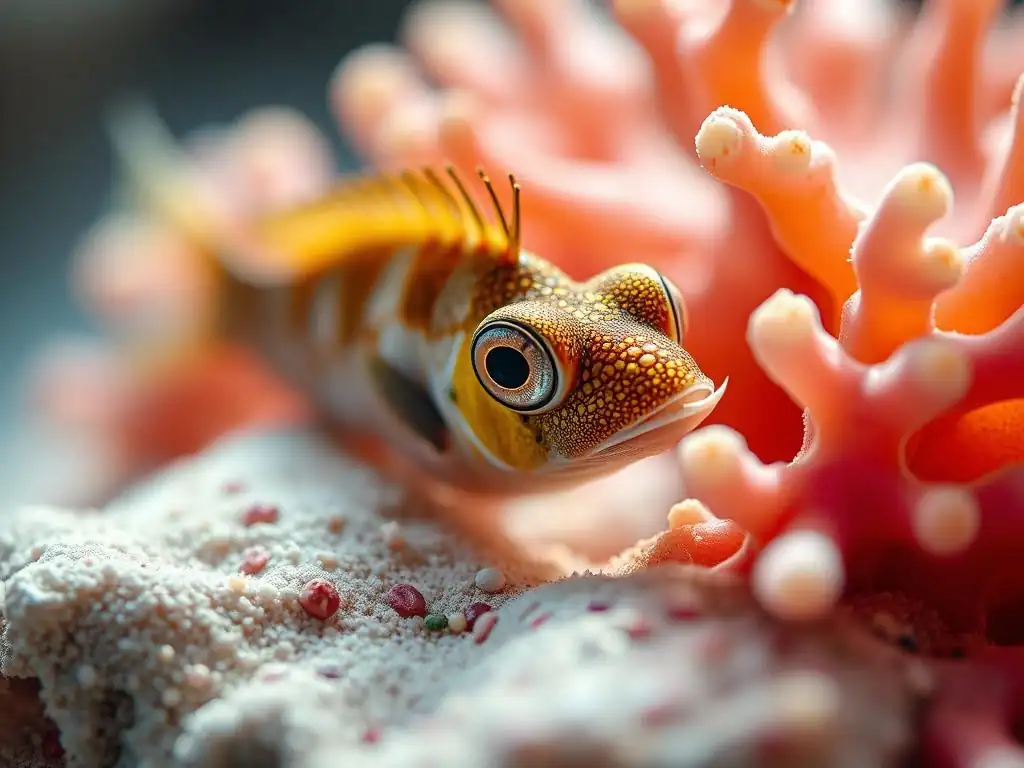
One of the most characteristic and endearing behaviors of the Midas blenny is its tendency to perch. Unlike many free-swimming reef fish, Ecsenius midas will frequently rest on elevated surfaces within the aquarium, such as live rock formations, coral branches, or even equipment like powerheads. They use their pectoral fins to prop themselves up, often remaining motionless for extended periods while observing their surroundings. This behavior is deeply ingrained in their natural instinct, allowing them to conserve energy while maintaining a vantage point for spotting food or potential threats.
This perching habit is not merely for rest; it also serves as a territorial marker. While generally peaceful, a Midas blenny will establish a preferred perch or small territory, especially from other blennies or fish of similar body shape. Providing ample rockwork with numerous crevices and elevated spots for perching is crucial for their well-being in a Midas blenny reef tank, as it allows them to exhibit this natural behavior and feel secure within their environment. Observing them perched, with their vibrant golden bodies contrasting against the reef, is a truly rewarding aspect of keeping this species.
Are Midas Blennies Peaceful? Understanding Their Temperament
Midas blennies are widely regarded as one of the more peaceful blenny species, making them an excellent choice for community reef aquariums. They typically do not bother other fish species, nor do they often engage in direct aggression. Their interactions with tank mates are generally limited to occasional, brief chases if another fish invades their immediate personal space, but these are rarely serious or harmful. Their non-aggressive nature is a significant factor in their suitability for a diverse Midas blenny reef tank.
However, like many blennies, they can exhibit territoriality towards conspecifics (other Midas blennies) or fish with similar body shapes and dietary requirements, such as other blennies or gobies. It is generally recommended to keep only one Midas blenny per aquarium unless the tank is exceptionally large (over 100 gallons) and provides abundant hiding spots and distinct territories. Even then, success is not guaranteed, and careful observation is necessary. Their peaceful disposition towards the majority of reef inhabitants allows them to coexist harmoniously with a wide array of corals and invertebrates.
Identifying and Addressing Midas Blenny Aggression
While Midas blennies are generally peaceful, instances of aggression, though rare, can occur, particularly when tank conditions are suboptimal or when incompatible tank mates are introduced. The most common form of aggression involves territorial disputes, usually manifested as chasing, nipping, or displaying to ward off perceived intruders from their chosen perch or hiding spot. This is most frequently observed when two Midas blennies are housed together in an inadequately sized Midas blenny reef tank, or if another fish species attempts to occupy their preferred territory.
To address Midas blenny aggression, the first step is to ensure adequate space and plenty of visual barriers and hiding places within the rockwork. A minimum tank size of 30 gallons is often recommended for a single Midas blenny, with larger tanks (50+ gallons) offering more flexibility for social dynamics. If aggression persists, especially towards a specific tank mate, consider removing the aggressor or the target fish.
Re-arranging the rockwork can sometimes reset territorial boundaries. Ensuring a varied diet and stable water parameters can also reduce stress, which is a common underlying cause of uncharacteristic aggressive behavior in many fish species.
Midas Blenny and Reef Compatibility: A Guide to Reef-Safe Behavior
Assessing the Reef-Safe Nature of the Midas Blenny
The Midas blenny is generally considered one of the safest blenny species for a reef aquarium, earning its reputation as an excellent choice for a Midas blenny reef tank. Unlike some other blennies that might nip at corals or sessile invertebrates, Ecsenius midas is overwhelmingly known for its non-destructive feeding habits and behavior. Their natural diet of plankton means they are not inclined to graze on corals or clam mantles. This characteristic is a significant advantage for aquarists who prioritize the health and growth of their coral colonies.
While no fish can be guaranteed 100% reef-safe, especially when hungry or stressed, reports of Midas blennies damaging corals are exceedingly rare within the hobby. Out of thousands of Midas blennies kept in reef aquariums, only a negligible percentage might exhibit sporadic picking, usually attributed to insufficient feeding or unusual individual temperament. For the vast majority of aquarists, a Midas blenny will integrate seamlessly into a mixed reef, providing vibrant color and engaging behavior without posing a threat to the delicate ecosystem.
Potential Interactions with Corals and Invertebrates
Midas blennies typically have minimal to no negative interactions with corals and other invertebrates. Their diet consists primarily of small organisms in the water column, not the polyps of corals. This makes them highly compatible with a wide array of stony corals (SPS like Acropora and Montipora, and LPS like Euphyllia and Acanthastrea), as well as soft corals such as Zoanthids, Mushrooms, and Leather Corals. Aquarists can confidently introduce a Midas blenny into a tank populated with their prized coral collection.
Regarding invertebrates, Midas blennies are generally safe with ornamental shrimp (e.g., Cleaner Shrimp, Peppermint Shrimp), snails, hermit crabs, and other common reef custodians. They do not pose a threat to clam mantles, sea stars, or anemones. Their small mouth size and planktivorous nature mean they are unlikely to consume or harass larger invertebrates. The primary consideration remains providing them with ample perching spots on the rockwork, ensuring they do not disturb any sensitive corals by constantly resting on them, though this is rarely an issue given their light body weight.
Choosing Compatible Tank Mates for a Midas Blenny Reef Tank
Selecting appropriate tank mates is crucial for a harmonious Midas blenny reef tank. Given their peaceful nature, Midas blennies generally coexist well with a wide variety of small to medium-sized, non-aggressive fish. Ideal companions include:
- Small Gobies: Such as Watchman Gobies, Diamond Gobies, or Clown Gobies.
- Clownfish: Most species of clownfish are suitable.
- Small Damselfish: Provided they are not overly aggressive species.
- Royal Grammas: Their similar size and temperament make them good choices.
- Fairy and Flasher Wrasses: Peaceful and active additions.
- Cardinalfish: Such as Banggai Cardinalfish.
- Tang and Angelfish Juveniles: Larger fish that grow out of the tank should be avoided.
Avoid housing Midas blennies with highly aggressive fish species that might bully them, such as larger, more territorial damselfish, triggerfish, or aggressive dottybacks. Also, exercise caution when introducing other blennies or fish with very similar body shapes and ecological niches, as this can lead to territorial disputes, especially in smaller tanks. Always introduce new fish slowly and observe interactions carefully to ensure a peaceful Midas blenny reef tank environment.
Setting Up a Midas Blenny Reef Tank: Step-by-Step Guide
Tank Size Recommendations for Midas Blennies
While Midas blennies are relatively small fish, their active swimming and perching behaviors, combined with the need for stable water parameters in a reef environment, necessitate a suitably sized aquarium. For a single Midas blenny, a minimum tank size of 30 gallons (approximately 113 liters) is generally recommended. This allows for adequate swimming space, sufficient live rock for hiding and perching, and enough water volume to maintain stable conditions.
For aquarists planning a mixed reef or wishing to house the Midas blenny with a few other peaceful tank mates, a 50-gallon (approximately 189 liters) or larger Midas blenny reef tank is preferable. Larger tanks provide more stability in water chemistry, offer greater flexibility in aquascaping to create distinct territories, and reduce the likelihood of territorial disputes with other fish. A larger footprint is often more important than sheer volume, as it provides more horizontal swimming and perching areas.
Essential Equipment for a Midas Blenny Aquarium
Setting up a thriving Midas blenny reef tank requires specific equipment to maintain optimal water quality and create a suitable habitat. The essential components include:
- Aquarium: As discussed, a minimum of 30 gallons, preferably 50+ gallons for a mixed reef.
- Lighting: Reef-capable lighting (LEDs, T5s, or metal halides) if keeping corals, otherwise moderate lighting is sufficient.
- Filtration System:
- Protein Skimmer: Crucial for removing organic waste in a reef tank.
- Sumps/Refugiums: Highly recommended for increased water volume, space for equipment, and nutrient export.
- Return Pump: To circulate water from the sump back to the display tank.
- Powerheads/Wavemakers: To provide adequate water flow (moderate).
- Heating: An appropriately sized aquarium heater to maintain stable temperatures (72-78°F).
- Thermometer: For accurate temperature monitoring.
- Salinity Tester: Refractometer or hydrometer for precise specific gravity measurements.
- Water Test Kits: Essential for monitoring ammonia, nitrite, nitrate, pH, alkalinity, and calcium (if keeping corals).
- Live Rock: At least 1-1.5 lbs per gallon, providing biological filtration, hiding spots, and perching sites.
- Substrate: Sand bed (aragonite) is optional but beneficial for denitrification and microfauna.
Creating a Suitable Habitat for Midas Blennies: Rockwork and Hiding Places
The aquascape of a Midas blenny reef tank is paramount to the fish's well-being and natural behavior. Midas blennies are cave dwellers and perching fish, meaning they require an abundance of secure hiding spots and elevated perches within the rockwork. Arrange live rock to create numerous caves, overhangs, and swim-throughs. This not only provides security but also allows them to establish a territory and retreat when feeling threatened.
Focus on creating tall, stable rock structures that reach near the water surface, as Midas blennies love to perch at higher elevations. Ensure the rockwork is stable and cannot collapse, especially if you have large, curious fish or strong powerheads. The use of reef-safe epoxy or super glue can help secure unstable rock formations. A well-designed aquascape with diverse rock formations will not only provide an ideal habitat for your Midas blenny but also enhance the overall aesthetics and biodiversity of your Midas blenny reef tank.
Midas Blenny Health: Recognizing and Treating Common Issues
Common Diseases Affecting Midas Blennies
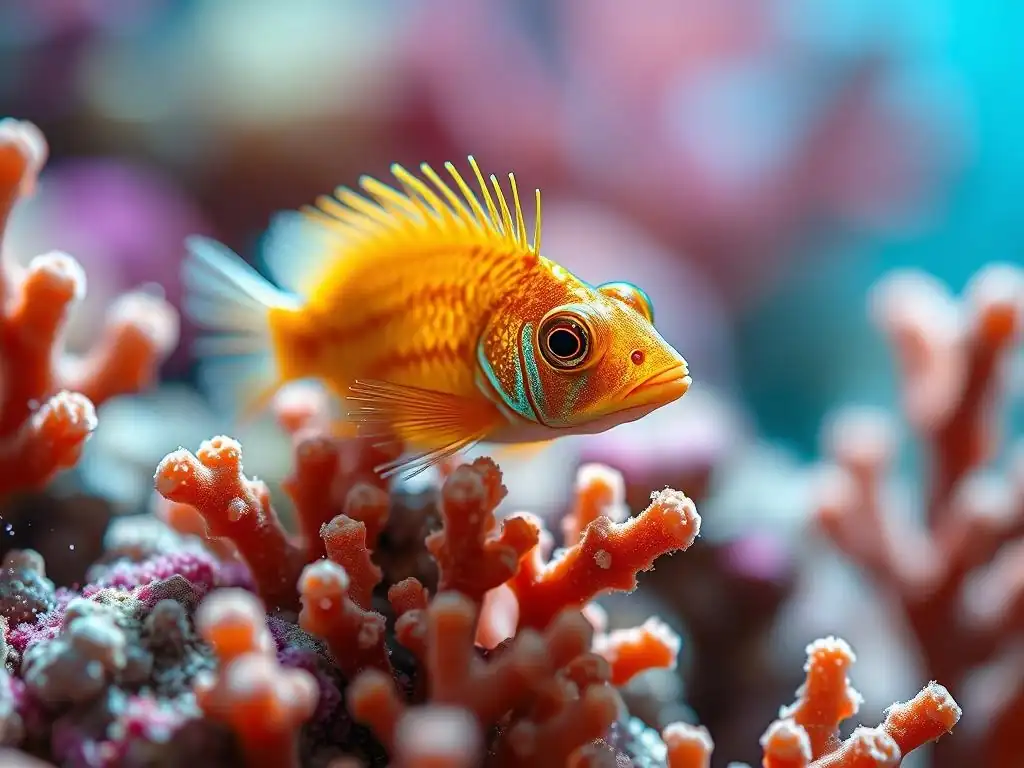
Midas blennies are generally hardy fish, but like all marine inhabitants, they can be susceptible to common aquarium diseases if water quality is poor or they are stressed. The most prevalent issues observed in Midas blennies include:
- Marine Ich (White Spot Disease): Caused by the parasite Cryptocaryon irritans, appearing as small white spots on the body and fins.
- Velvet Disease (Amyloodinium): A more aggressive parasitic infection, appearing as a dusty, yellowish film. Fish may flash or show rapid breathing.
- Bacterial Infections: Often secondary to stress or injury, manifesting as fin rot, cloudy eyes, or body sores.
- Lymphocystis: A viral infection causing cauliflower-like growths, usually benign and self-limiting.
- Head and Lateral Line Erosion (HLLE): Often linked to poor water quality, nutritional deficiencies, or activated carbon use, causing pitting around the head and along the lateral line.
Early detection is key to successful treatment. Regularly observe your Midas blenny for changes in behavior, appetite, coloration, or the appearance of any lesions or spots. Prompt action can often prevent a minor issue from becoming a widespread problem in your Midas blenny reef tank.
Quarantine Procedures for New Midas Blennies
Implementing a strict quarantine protocol for all new Midas blennies (and any new fish or invertebrate) before introducing them to your main Midas blenny reef tank is perhaps the single most important step in preventing disease outbreaks. A separate quarantine tank (QT) of at least 10-20 gallons, equipped with a heater, filter (sponge filter or small hang-on-back), and some PVC pipes for hiding, is essential.
Maintain the new Midas blenny in the QT for a minimum of 4-6 weeks. During this period, observe the fish closely for any signs of disease. This allows time for potential pathogens to manifest, be treated, and for the fish to recover without exposing your main display tank inhabitants. You can also use this time to deworm the fish and ensure it is eating well and adapting to prepared foods. This proactive approach significantly reduces the risk of introducing parasites or bacterial infections that could devastate your established Midas blenny reef tank.
Preventing Health Problems in Your Midas Blenny
Prevention is always better than cure when it comes to fish health. Maintaining pristine and stable water quality is the most critical preventative measure for your Midas blenny. This includes regular water changes, effective filtration, and consistent monitoring of parameters like temperature, salinity, pH, ammonia, nitrite, and nitrate. Avoid sudden fluctuations in water chemistry, as these can stress the fish and compromise its immune system.
A varied and nutritious diet, as detailed previously, is also vital for boosting the Midas blenny's immune response and overall vitality. Ensure the fish is receiving a good balance of meaty and some vegetable matter. Furthermore, providing an enriched environment with ample hiding spots and perching opportunities reduces stress, which is a major contributor to disease susceptibility. Lastly, avoid overcrowding your Midas blenny reef tank, as this increases bioload and stress levels for all inhabitants, making them more vulnerable to illness.
Midas Blenny vs. Other Blennies: Making the Right Choice
Comparing Midas Blennies to Similar Species (e.g., Bicolor Blenny)
When considering a blenny for a reef aquarium, aquarists often compare the Midas blenny ( Ecsenius midas) to other popular species like the Bicolor Blenny ( Ecsenius bicolor). While both are attractive and relatively small, key differences exist. The Midas blenny stands out with its striking solid golden-yellow to orange coloration, occasionally with a subtle blue tint on the fins or face, whereas the Bicolor Blenny lives up to its name with a distinct two-toned appearance, typically dark brown or black on the front half and bright orange or yellow on the rear.
Beyond aesthetics, their temperaments and reef compatibility differ slightly. The Midas blenny is widely regarded as one of the most peaceful blennies, rarely bothering corals or other tank inhabitants. The Bicolor Blenny, while generally well-behaved, has a higher propensity for nipping at corals, especially SPS corals, or clam mantles when not adequately fed or if it develops a taste for them.
This behavioral distinction is crucial for a dedicated Midas blenny reef tank, where coral integrity is a top priority. Both are primarily perching blennies, but the Midas blenny often spends more time free-swimming in the water column compared to the Bicolor.
Advantages of Choosing a Midas Blenny for Your Reef Aquarium
The Midas blenny offers several distinct advantages that make it a superior choice for many reef aquarists, solidifying its position as an ideal inhabitant for a Midas blenny reef tank.
- Exceptional Reef-Safety: This is perhaps its biggest advantage. Its planktivorous diet and non-aggressive nature towards sessile invertebrates mean it poses virtually no threat to corals, clams, or anemones. This allows aquarists to maintain a diverse and thriving coral collection without worry.
- Vibrant Coloration: Its brilliant golden-yellow color adds an immediate and undeniable "pop" of brightness to any marine aquarium, standing out against the blues and purples of corals and rockwork.
- Engaging Behavior: The Midas blenny's unique perching, darting, and occasional free-swimming habits provide constant entertainment. They are inquisitive and often interact with their surroundings, making them a captivating focal point.
- Generally Peaceful Temperament: They coexist well with a wide range of small to medium-sized, non-aggressive fish, making them suitable for most community reef setups.
- Hardiness and Adaptability: Once acclimated, Midas blennies are robust and adapt well to captive diets and stable aquarium conditions, making them suitable for aquarists with some experience in saltwater tanks.
These combined attributes make the Midas blenny an outstanding candidate for anyone looking to add a beautiful, peaceful, and truly reef-safe fish to their saltwater aquarium.
Breeding Midas Blennies: Challenges and Possibilities
Creating a Breeding Environment for Midas Blennies
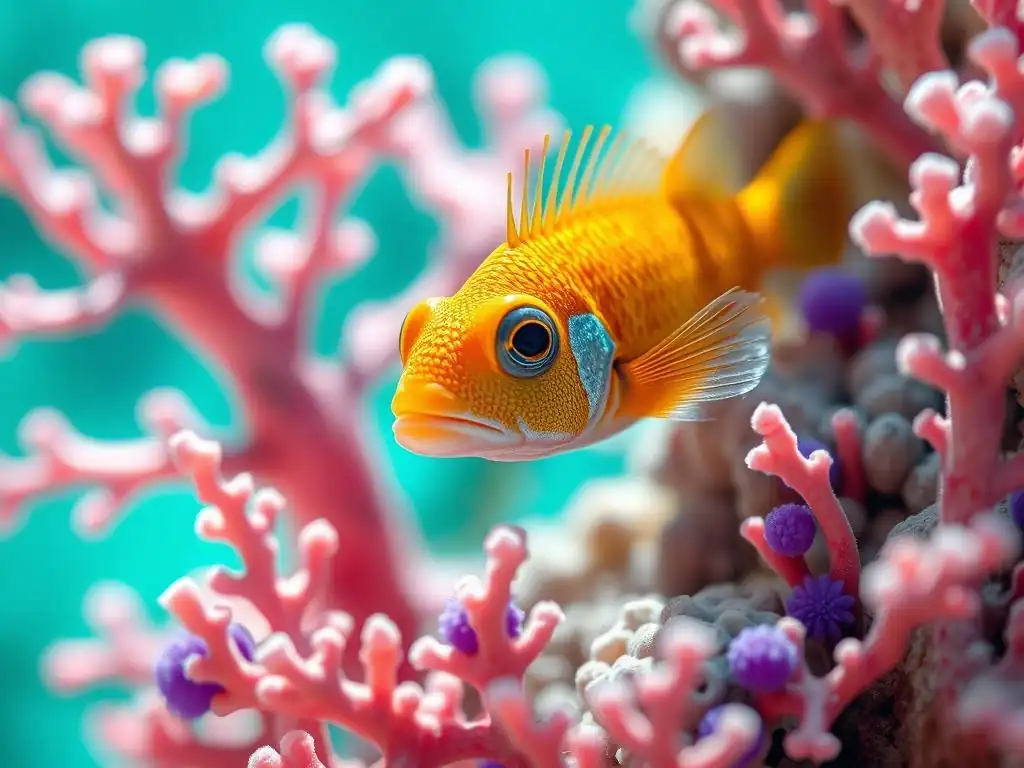
Breeding Midas blennies in a home aquarium is a challenging endeavor and not commonly achieved by hobbyists, primarily due to the difficulty in raising the extremely small and delicate fry. However, if attempting to create a breeding environment, a dedicated breeding tank is essential. This tank should be at least 20-30 gallons, with stable water parameters mirroring those of a healthy reef tank (temperature 76-78°F, specific gravity 1.025, pH 8.2).
The tank should be heavily aquascaped with live rock to provide numerous crevices and caves, as Midas blennies are cave spawners. Providing multiple potential spawning sites is crucial. It is generally recommended to introduce a known male and female pair, though sexing Midas blennies is difficult outside of observing breeding behavior. Conditioning the pair with a varied and high-quality diet of live and frozen foods (e.g., enriched brine shrimp, copepods, mysis shrimp) for several weeks can help induce spawning. Maintaining pristine water quality with minimal nitrates is also vital.
Identifying Midas Blenny Breeding Behavior
Identifying Midas blenny breeding behavior typically involves observing changes in the pair's interaction and the male's preparation of a nest site. Males will often become more territorial around a chosen cave or crevice, diligently cleaning the interior. He may display to the female, attempting to entice her into the prepared nest. This display might involve flaring fins, body quivering, or specific swimming patterns.
Once the female accepts the male's invitation, she will enter the cave and deposit adhesive eggs on the walls or ceiling of the chosen site. The male then fertilizes the eggs and typically guards them until they hatch. The eggs are usually tiny and translucent. The male will fan the eggs to ensure adequate oxygenation and prevent fungal growth. Observing these intricate courtship rituals and parental care behaviors is a rare but rewarding experience for the dedicated aquarist attempting to breed Midas blennies.
Raising Midas Blenny Fry
Raising Midas blenny fry is the most significant hurdle in their captive breeding. After hatching, the larvae are extremely small and planktonic, making them highly susceptible to filtration systems and requiring very specific, microscopic food sources. They typically hatch within a few days, depending on temperature. The initial food source for newly hatched Midas blenny fry must be incredibly tiny, such as rotifers (e.g., Brachionus plicatilis), followed by newly hatched brine shrimp nauplii as they grow.
Maintaining high water quality in the fry rearing tank without strong filtration that could suck up the delicate larvae is challenging. Frequent, small water changes using aged or pre-mixed saltwater are necessary. The tank should be dimly lit initially, and gentle aeration should be provided. Due to the specialized feeding requirements and the fragility of the larvae, successful rearing of Midas blenny fry to a juvenile stage is a rare occurrence in the hobby, primarily achieved by experienced breeders with dedicated larval rearing setups.
Sourcing Your Midas Blenny: Ethical Considerations
Choosing a Reputable Supplier for Midas Blennies
Sourcing your Midas blenny from a reputable supplier is crucial for ensuring the health of your new fish and supporting ethical collection practices. Look for local fish stores or online vendors with a strong track record of responsible animal husbandry and sustainable sourcing. A good supplier will have clean tanks, healthy-looking fish (active, good coloration, no visible signs of disease or injury), and knowledgeable staff who can answer your questions about the fish's origin, diet, and care.
Inquire about their quarantine procedures and how long the fish have been in their care. Suppliers who hold fish for a period before selling them often have healthier specimens that have recovered from shipping stress and are eating well. Prioritize suppliers who source wild-caught fish ethically or, ideally, offer tank-bred specimens, though tank-bred Midas blennies are rare. Avoid impulse purchases from stores with questionable tank conditions or unknowledgeable staff, as this can lead to bringing a sick fish into your Midas blenny reef tank.
Ensuring the Health and Acclimation of Your New Midas Blenny
Once you've selected a Midas blenny, ensuring its proper acclimation to your quarantine tank (and eventually your main Midas blenny reef tank) is paramount to its long-term health. Before purchase, visually inspect the fish: it should be active, alert, have clear eyes, intact fins, and no visible spots, lesions, or signs of emaciation. Avoid fish that are gasping at the surface, hiding excessively, or showing clamped fins.
Upon bringing the fish home, perform a slow drip acclimation over 30-60 minutes to gradually equalize temperature and salinity between the transport bag water and your quarantine tank water. This minimizes osmotic shock, which can severely stress the fish. After acclimation, transfer the Midas blenny to your pre-established quarantine tank, where it should remain for at least 4-6 weeks for observation and potential treatment. This diligent process significantly increases the chances of your new Midas blenny thriving in its new Midas blenny reef tank environment.
Conclusion: The Midas Blenny – A Rewarding Addition to Your Reef Tank
The Midas blenny stands out as an exceptional choice for the discerning reef aquarist, offering a unique blend of dazzling aesthetics, peaceful temperament, and commendable reef-safe behavior. Its brilliant golden hue provides a captivating splash of color, while its engaging perching and swimming habits add dynamic interest to any Midas blenny reef tank. From its minimal impact on corals and invertebrates to its relatively hardy nature, Ecsenius midas consistently proves to be a rewarding inhabitant.
By adhering to the essential care guidelines – maintaining stable water parameters, providing a varied diet, and offering an enriched environment with ample hiding and perching spots – aquarists can ensure their Midas blenny thrives. While breeding remains a significant challenge, the sheer joy of observing this golden gem in a well-established Midas blenny reef tank far outweighs the complexities. For those seeking a vibrant, non-destructive, and characterful addition to their marine ecosystem, the Midas blenny is undoubtedly a top contender.
Frequently Asked Questions
What makes the Midas Blenny a good choice for a reef tank?
The Midas Blenny is generally considered reef safe because it doesn't typically bother corals or invertebrates. They are also known for their peaceful temperament with other fish, adding to their suitability. Their vibrant colors are a bonus for any reef setup.
What size aquarium is recommended for a Midas Blenny?
A tank of at least 30 gallons is recommended. This provides enough swimming space and allows for adequate territory establishment within the reef structure. Larger tanks are always better for water stability.
What type of water parameters are ideal for a Midas Blenny in a reef tank?
Midas Blennies thrive in stable reef tank conditions. Maintaining a salinity of 1.024-1.026, a pH of 8.1-8.4, and a temperature of 72-78°F is crucial for their health. Regular water changes are also vital.
What do Midas Blennies eat in a reef tank environment?
They are primarily carnivorous, feeding on small invertebrates and zooplankton. In a reef tank, they will readily accept high-quality flake food, frozen mysis shrimp, and other small meaty foods. Supplementing with algae is also beneficial.
Are Midas Blennies prone to any specific diseases or health issues in a reef tank?
Like all fish, Midas Blennies can be susceptible to common aquarium diseases like ich (white spot disease) and velvet. Maintaining good water quality and quarantining new arrivals are the best preventative measures. They can also be sensitive to copper-based medications.
Final Reflection: The Enduring Allure of Reef Harmony
The vibrant world of reef aquariums, a microcosm of the ocean's beauty, continues to captivate enthusiasts worldwide, and the Midas Blenny's popularity within this realm is a testament to its unique charm and reef-safe nature. Its golden hue, coupled with its peaceful disposition, makes it a highly sought-after addition, perfectly embodying the delicate balance we strive to achieve within our glass ecosystems.
The Midas Blenny's story, as explored in this article, underscores the importance of responsible reef keeping and informed decision-making. Understanding the specific needs and behaviors of each creature we introduce into our tanks is paramount to ensuring their well-being and the overall health of the reef environment. In the end, we will conserve only what we love; we will love only what we understand; and we will understand only what we are taught.
- Baba Dioum. This quote resonates deeply, reminding us that knowledge is the foundation of conservation, even within the confines of our own aquariums.
As you consider adding a Midas Blenny to your reef tank, or any other creature for that matter, I invite you to reflect on the responsibility that comes with creating and maintaining these miniature ecosystems. Let the knowledge gained from this exploration inspire you to become a more informed and conscientious reef keeper, contributing to the long-term health and beauty of our shared aquatic world.
Unleash the Golden Magic in Your Reef Tank!
Thank you for diving into the captivating world of the Midas Blenny! We hope you've discovered the joy and potential these golden gems can bring to your aquarium. Ready to take the next step and create a thriving reef environment?
Here are a few ways to continue your aquarium journey:
- Consider welcoming a Midas Blenny into your reef tank, ensuring you've researched their specific needs for a happy and healthy life.
- Share this article with fellow reefing enthusiasts to spread the word about the Midas Blenny's reef-safe charm and vibrant personality.
- Explore other fascinating reef inhabitants and start planning a unique biotope tank centered around the Midas Blenny!
What captivating creature will you research next to further enhance your reef aquarium's biodiversity?