
Neocaridina Shrimplet Care: Essential Tips for Ensuring High Survival Rates

Welcome to Aquarium Mastery!
Curious about the secrets to raising thriving Neocaridina shrimp colonies? You've come to the right place! Discover essential Neocaridina shrimp care tips that will help you ensure high survival rates for your precious shrimplets. Dive in and unlock the secrets to a flourishing freshwater invertebrate haven!
- Neocaridina Shrimp Breeding: Maximizing Shrimplet Survival
- Understanding Shrimplet Needs for Optimal Growth
- Essential Care Tips: Boosting Survival Rates
- Optimizing the Tank Environment
- Monitoring Shrimplet Development and Growth
- Breeding for Maximum Yield
-
Frequently Asked Questions
- How often should I feed Neocaridina shrimplets?
- What type of food is best for Neocaridina shrimplets?
- How important is water quality for Neocaridina shrimplets?
- What size tank is recommended for raising Neocaridina shrimplets?
- How can I protect Neocaridina shrimplets from being eaten by other tank inhabitants?
- Final Reflection: Nurturing Tiny Lives, Cultivating Thriving Ecosystems
- Nurture Your Shrimp Colony: Watch Them Thrive!
Neocaridina Shrimp Breeding: Maximizing Shrimplet Survival
Understanding Shrimplet Needs for Optimal Growth
The First Few Weeks: A Critical Period
The initial few weeks are profoundly critical for Neocaridina shrimplets. Upon hatching, these tiny crustaceans are often just 1-2 millimeters in size, making them incredibly vulnerable to environmental fluctuations and lack of appropriate nutrition. Their rapid growth during this period necessitates frequent molting, a process that demands significant energy and precise water conditions. Without consistent access to food and stable parameters, mortality rates can be alarmingly high, often exceeding 50% in suboptimal setups.
This delicate phase dictates the long-term survival and health of the entire brood. Ensuring pristine water quality and a continuous supply of microscopic food sources are paramount. With diligent application of these Neocaridina shrimp care tips, breeders can significantly reduce early shrimplet losses, bringing survival rates from a potential 50% up to an impressive 85-90% or even higher in dedicated breeding environments.
Key Water Parameters for Thriving Shrimplets
Maintaining Stable Water Chemistry
Maintaining unwavering water chemistry is more critical for Neocaridina shrimplets than hitting exact numbers within acceptable ranges. Neocaridina thrive in specific yet stable conditions: a pH between 6.5-7.8, General Hardness (GH) of 6-10 dGH, Carbonate Hardness (KH) of 2-8 dKH, and a Total Dissolved Solids (TDS) reading of 150-300 ppm. Fluctuations, such as a sudden pH drop of 0.5 or a significant swing in GH, can induce osmotic shock, leading to lethargy, molting issues, and ultimately, fatalities among the delicate shrimplets.
Consistent monitoring of these parameters, ideally through weekly water tests, helps aquarists proactively identify and correct any deviations. For instance, a stable GH of 8 dGH provides sufficient minerals for proper shell development without causing stress during molting, which is a frequent cause of death for growing shrimplets. Adhering to these Neocaridina shrimp care tips ensures the chemical environment supports robust growth.
Ideal Temperature Range
The ideal temperature range for Neocaridina shrimplet development is between 70°F and 78°F (21°C-25.5°C). Within this range, shrimplets exhibit optimal metabolic rates, leading to healthy growth and development. Temperatures consistently outside this spectrum can have detrimental effects; prolonged exposure to temperatures below 68°F (20°C) can significantly slow their metabolism and growth, making them more susceptible to disease and prolonging their vulnerable shrimplet stage.
Conversely, temperatures above 80°F (26.7°C) accelerate metabolism too rapidly, shortening lifespan, reducing oxygen solubility in the water, and increasing stress. For instance, maintaining a stable temperature of 74°F (23.3°C) often provides the best balance for promoting vigorous growth and minimizing stress, contributing significantly to high shrimplet survival rates.
Essential Care Tips: Boosting Survival Rates
Providing Adequate Food
Micro Foods: The Foundation
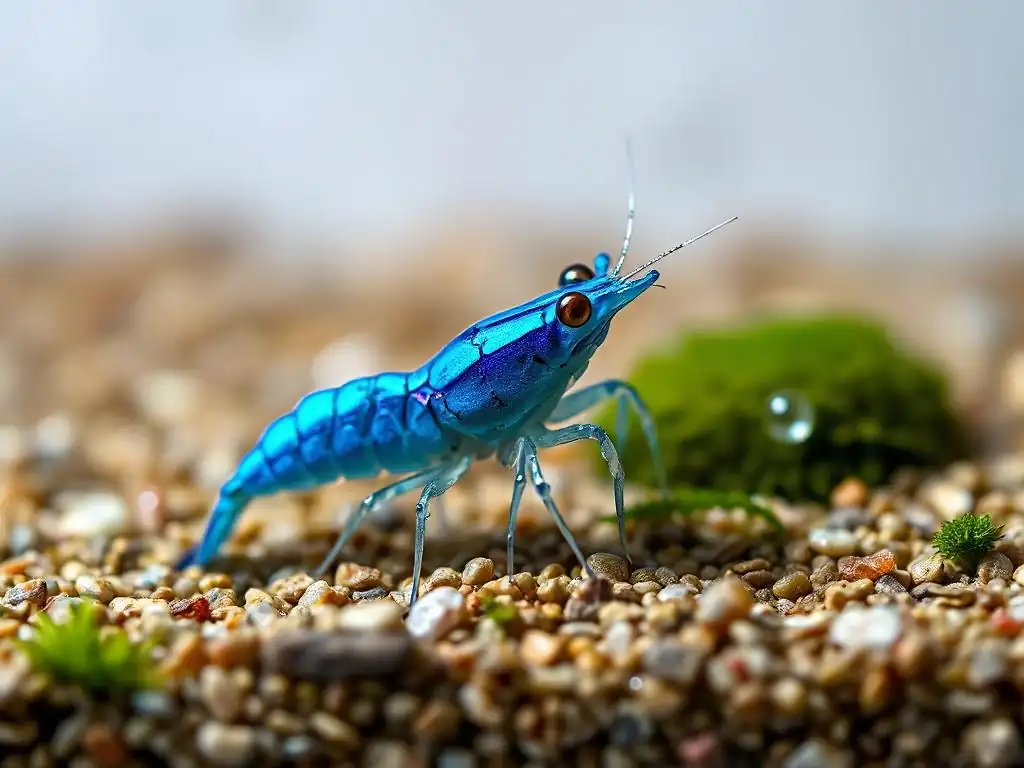
Biofilm forms the primary and most vital food source for newly hatched Neocaridina shrimplets. This complex layer of microorganisms, algae, and detritus naturally accumulates on all aquarium surfaces, providing a continuous grazing opportunity. However, to significantly boost shrimplet survival rates and ensure robust growth, supplementing this natural diet with specialized micro-powder foods is crucial. These commercial foods are typically composed of spirulina, chlorella, and high-quality proteins, with particle sizes often below 50 microns, making them easily ingestible by the smallest shrimplets.
When applying these Neocaridina shrimp care tips, it is essential to dose these micro foods sparingly to avoid water fouling. A tiny pinch, barely visible, once or twice daily, is often sufficient for a small brood of 20-30 shrimplets. The goal is to provide a constant, yet manageable, food supply that is fully consumed within a few hours, preventing uneaten food from decaying and degrading water quality.
Supplementing with Biofilm and Algae
To enhance natural food availability and provide continuous grazing opportunities, enriching the tank with surfaces conducive to biofilm growth is an excellent strategy. Botanicals such as Indian almond leaves, cholla wood, and various types of mosses (like Java moss or Christmas moss) offer extensive surface area for microorganisms to flourish. These elements not only serve as a natural food source but also provide critical hiding spots for vulnerable shrimplets.
Furthermore, encouraging the growth of "safe" algae, such as green dust algae or soft green spot algae on tank surfaces, provides an additional, readily available food source. Breaking small algae wafers into minute pieces and distributing them can also offer supplementary nutrition. This combination of natural biofilm, targeted micro foods, and supplemental algae ensures a diverse and constant diet, which is fundamental for maximizing shrimplet development and overall survival.
Protecting Shrimplets from Predators
Avoiding Predatory Tank Mates
The most effective method for protecting Neocaridina shrimplets and ensuring their high survival rate is to house them in a species-only tank. Most fish, even those considered small or docile, will view newly hatched shrimplets as a readily available food source. Common community fish such as guppies, mollies, platies, and even small tetras like Neon Tetras are known predators of shrimplets, often consuming entire broods within days of hatching.
Even seemingly harmless invertebrates or bottom dwellers like Otocinclus catfish, while primarily herbivorous, can accidentally ingest shrimplets. In a dedicated Neocaridina tank, survival rates can soar to 80-95% per brood. Conversely, in a community tank, shrimplet survival typically plummets to less than 10-20% due to predation, highlighting this as one of the most vital Neocaridina shrimp care tips for successful breeding.
Creating Safe Havens
Dense aquatic planting is indispensable for providing vital hiding spots and extensive grazing surfaces for Neocaridina shrimplets. Plants like Java moss, Christmas moss, and various types of Anubias offer intricate structures where tiny shrimplets can effectively evade detection from larger tank inhabitants, including adult shrimp during their vulnerable post-molt phase. These plants create a complex micro-environment that shrimplets can explore safely.
Beyond live plants, other decor elements such as cholla wood, small rock caves, and ceramic shrimp tubes also serve as crucial refuges. A tank with at least 50% coverage by fine-leaved plants or mosses significantly increases shrimplet survival rates. This dense environment not only offers protection but also fosters a rich biofilm layer, ensuring shrimplets have constant access to food, potentially boosting survival from 20% to over 70% even in tanks with minimal predators.
Preventing Common Problems
Recognizing and Treating Diseases
Neocaridina shrimplets, despite their resilience, are susceptible to common shrimp ailments, though their small size and developing immune systems make them particularly vulnerable. Fungal infections, often manifesting as white, cotton-like growths, and bacterial infections, which can cause lethargy or discolored gills, are among the more common issues. The primary defense against these diseases is consistently pristine water quality, as poor conditions significantly stress shrimplets and compromise their natural defenses.
Treatment options for shrimplets are severely limited due to their extreme sensitivity to most medications. Many common aquarium treatments can be fatal to the delicate young. Therefore, prevention is paramount: maintain stable water parameters, avoid overfeeding, and strictly quarantine any new tank additions. If an outbreak occurs, the most effective Neocaridina shrimp care tips involve enhancing water quality, increasing aeration, and introducing beneficial bacteria to support the tank's ecosystem rather than relying on harsh chemical treatments.
Ensuring Proper Molting
Molting is a perilous yet essential process for Neocaridina shrimplets, as they shed their old exoskeleton to grow larger. A common and often fatal issue is "molt death" or "ring of death," where the shrimplet fails to fully shed its old shell, leading to entrapment and eventual death. This problem is frequently linked to inadequate mineral levels, particularly calcium and magnesium, which are crucial components for forming the new, harder exoskeleton.
To ensure successful molting, maintaining stable General Hardness (GH) levels, ideally between 6-10 dGH for Neocaridina, is vital. Carbonate Hardness (KH) should also be consistent, ranging from 2-8 dKH. If tap water is deficient in these essential minerals, supplementing with shrimp-specific mineral additives can significantly reduce molting complications. For example, a GH of 8 dGH provides an optimal balance of minerals, ensuring shrimplets can develop robust new shells and shed their old ones without undue stress.
Optimizing the Tank Environment
Substrate Selection
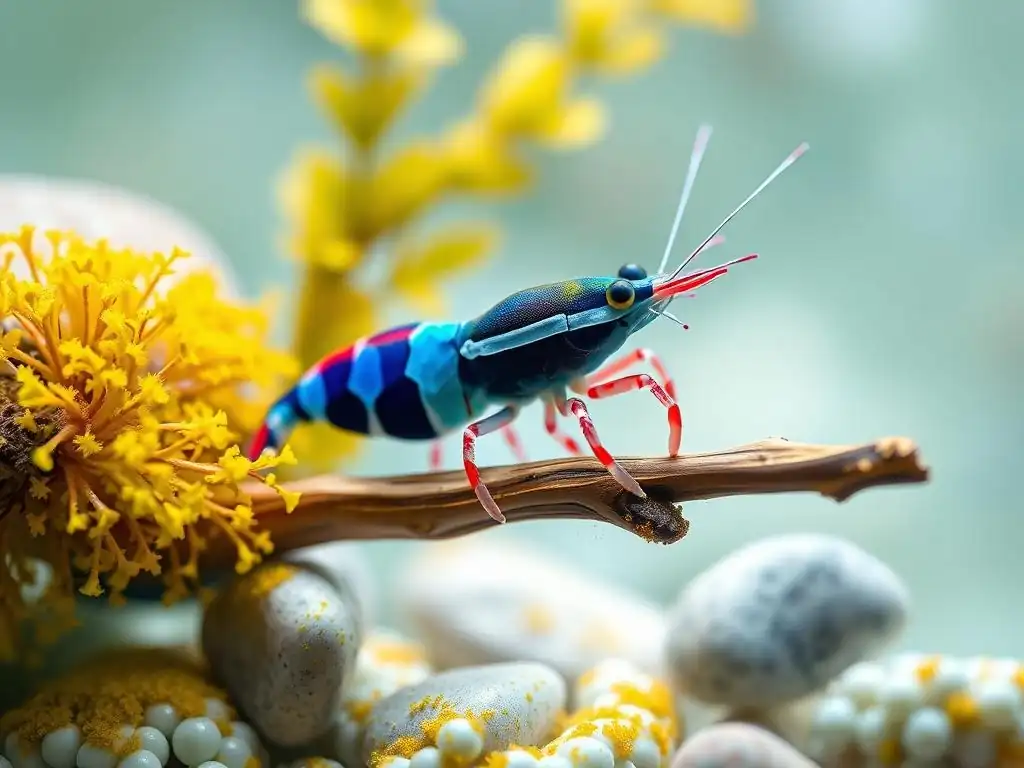
For the optimal health and survival of Neocaridina shrimp and their delicate shrimplets, selecting an inert substrate is generally the preferred approach. Options such as fine gravel, specialized shrimp sand, or even a bare bottom tank are excellent choices. Inert substrates are beneficial because they do not alter the water parameters, which is absolutely crucial for maintaining the stable water chemistry that Neocaridina shrimplets require for healthy development, successful molting, and overall well-being.
In contrast, active substrates like aquasoils are specifically designed to lower pH and KH. While these can be advantageous for certain acidic-water shrimp species (e.g., some Caridina varieties), they are typically too acidic and prone to parameter fluctuations for Neocaridina shrimplets, potentially causing stress and health issues. A fine-grained inert substrate also allows shrimplets to easily forage for biofilm and microscopic organisms without the risk of getting trapped or injured.
The Importance of Filtration and Water Changes
Sponge Filters: Gentle Filtration
Sponge filters are overwhelmingly recommended for Neocaridina shrimplet tanks, standing out as one of the most important Neocaridina shrimp care tips for their young. They provide excellent mechanical filtration by trapping particulate matter and robust biological filtration by hosting vast colonies of beneficial bacteria, all without generating strong currents that could overwhelm or injure tiny shrimplets. Their porous surfaces also become heavily colonized by biofilm, offering a continuous, supplemental food source for grazing shrimplets.
Unlike hang-on-back (HOB) filters or canister filters with exposed intakes, sponge filters pose virtually no risk of sucking up vulnerable shrimplets. Powered by a gentle air pump, they ensure adequate oxygenation without excessive turbulence, creating a calm and safe environment. For a 10-gallon shrimplet tank, a single medium-sized sponge filter is typically sufficient to maintain crystal-clear water and a healthy biological balance.
Regular Water Changes: Maintaining Water Quality
Regular, small water changes are fundamental for maintaining the pristine water quality essential for sensitive Neocaridina shrimplets. These consistent changes help dilute accumulated nitrates, phosphates, and other metabolic waste products that can become toxic to shrimp at higher concentrations. Performing 10-15% water changes once a week is a widely accepted recommendation, as this frequency effectively keeps pollutants low while minimizing drastic parameter shifts that could stress the shrimplets.
When executing water changes, it is imperative to use dechlorinated water that matches the tank's temperature and existing parameters as closely as possible. Even for small top-offs or minor changes, drip acclimation of the new water can prevent shock to the delicate shrimplets. For example, slowly adding 1 gallon of new water over a 30-minute period to a 10-gallon tank significantly reduces stress, thereby minimizing the risk of molting complications or fatalities among the young.
Adding Beneficial Bacteria
Introducing beneficial bacteria to the aquarium is a cornerstone of establishing and maintaining a healthy environment for shrimp, particularly for vulnerable shrimplets. These bacteria are critical for establishing and maintaining the nitrogen cycle, the biological process that converts highly toxic ammonia and nitrite, produced by shrimp waste and decaying food, into less harmful nitrate. A robust and active bacterial colony ensures stable water parameters, which is paramount for shrimplet survival and robust growth.
Commercial bacterial supplements can be added during the initial tank setup and periodically thereafter, especially after water changes or filter maintenance. Furthermore, allowing biofilm to mature on tank surfaces and, if possible, introducing established filter media from a healthy, cycled tank can provide a natural and immediate boost to the bacterial population. A well-cycled tank, characterized by consistent zero readings for ammonia and nitrite, provides the optimal environment for successful Neocaridina shrimp care tips and shrimplet development.
Monitoring Shrimplet Development and Growth
Observing Behavior
Observing the behavior of Neocaridina shrimplets provides crucial insights into their health and the overall well-being of the tank. Healthy shrimplets are consistently active, tirelessly grazing on various surfaces within the aquarium—be it the substrate, plants, or decor. They exhibit clear, vibrant coloration for their age and move with a purposeful, often darting motion when startled or exploring. This constant activity is a primary indicator of their contentment and good health.
Conversely, signs of distress in shrimplets include prolonged lethargy, remaining motionless for extended periods, or exhibiting erratic twitching movements. Pale coloration, a "hunched" appearance, or a lack of appetite can signal underlying issues such as poor water quality, disease, or problems with molting. Promptly addressing these observations by testing water parameters, ensuring adequate food, and checking for environmental stressors can prevent further losses and is a critical aspect of effective Neocaridina shrimp care tips.
Tracking Growth Rates
While precisely tracking the growth of individual Neocaridina shrimplets is challenging due to their minuscule size, observing the overall population's progression provides valuable insight into their development. Neocaridina shrimplets typically reach a juvenile size of approximately 0.5 inches (1.2 cm) within 4-6 weeks and achieve sexual maturity by 2-3 months. They generally reach their full adult size of 1-1.5 inches (2.5-3.8 cm) by 4-5 months of age.
Growth rates are significantly influenced by diet quality, consistent temperature, and stable water parameters. Providing consistent access to high-quality micro-foods and maintaining a stable temperature around 74°F (23.3°C) will promote faster and healthier growth. For instance, shrimplets in a well-fed, stable tank can often double their size within the first month, whereas those in suboptimal conditions may exhibit stunted growth, increased vulnerability, or higher mortality rates.
Breeding for Maximum Yield
Setting Up a Dedicated Breeding Tank
For aquarists aiming to maximize the yield of Neocaridina shrimplets, establishing a dedicated breeding tank is highly recommended. This specialized setup allows for precise control over critical environmental factors such as water parameters, food availability, and, most importantly, the complete absence of predators. These controls are absolutely essential for ensuring the highest possible shrimplet survival rates from each brood. A 5 to 10-gallon tank is often sufficient for a small breeding colony, providing ample space for adult shrimp to breed and for shrimplets to safely mature.
Such a dedicated tank should be heavily planted with mosses and fine-leaved plants, feature a gentle sponge filter, and utilize an inert substrate. This meticulously controlled environment ensures that nearly all shrimplets from a successful brood (which typically numbers 20-50 per berried female) have the optimal chance to survive and thrive. This approach often leads to impressive survival rates of 80-95%, a stark contrast to the 10-30% survival rates commonly seen in community tanks, making it a cornerstone of advanced Neocaridina shrimp care tips for breeders.
Selective Breeding for Enhanced Traits
Once a breeding colony is well-established and consistent high shrimplet survival rates are achieved, aquarists can advance to practicing selective breeding to enhance desirable traits. This process involves carefully identifying and isolating shrimp that exhibit superior coloration, distinct patterns, robust health, or increased vigor within the population. These superior individuals are then allowed to breed, while those with undesirable traits or weaker genetics are removed from the breeding pool (culled).
For example, to intensify the vibrant red coloration in a Red Cherry Shrimp colony, only the brightest red individuals are chosen as breeding stock. This methodical process, applied over multiple generations, can significantly improve the overall quality and consistency of the shrimp line. While selective breeding does not directly impact the initial survival rate of newly hatched shrimplets, it ensures that the surviving young inherit and perpetuate the most desirable genetic qualities, leading to a consistently higher quality population over time.
Frequently Asked Questions
How often should I feed Neocaridina shrimplets?
Neocaridina shrimplets require frequent feeding. You should aim to feed them small amounts 2-3 times a day with specialized shrimplet food or finely ground adult shrimp food. This ensures they get enough nutrients for proper growth.
What type of food is best for Neocaridina shrimplets?
The best food for Neocaridina shrimplets are those that are easily accessible. Powdered or liquid diets designed for shrimplets are ideal. You can also use finely crushed adult shrimp food or biofilm promoting supplements.
How important is water quality for Neocaridina shrimplets?
Water quality is absolutely critical for shrimplet survival. Ammonia and nitrite levels must be zero. Regular water changes with properly dechlorinated water are essential for maintaining optimal conditions.
What size tank is recommended for raising Neocaridina shrimplets?
While shrimplets can survive in smaller tanks, a larger tank of at least 5 gallons is recommended. This provides a more stable environment and more space for foraging. A larger tank also helps to dilute any potential water quality issues.
How can I protect Neocaridina shrimplets from being eaten by other tank inhabitants?
To protect shrimplets, provide plenty of hiding places like mosses, plants, and leaf litter. Avoid keeping them with aggressive or predatory fish that may see them as food. A sponge filter also prevents them from being sucked in.
Final Reflection: Nurturing Tiny Lives, Cultivating Thriving Ecosystems
The journey of raising Neocaridina shrimplets, as we've explored, is a testament to the delicate balance within miniature ecosystems. Understanding and implementing effective Neocaridina shrimp care tips is not just about keeping these tiny creatures alive; it's about fostering a thriving environment that reflects our commitment to responsible aquascaping and the interconnectedness of life, even on a small scale.
The impact of informed and compassionate care extends far beyond our individual tanks. It shapes our understanding of aquatic life, encourages sustainable practices, and ultimately contributes to a more responsible and appreciative relationship with the natural world. The greatness of a nation and its moral progress can be judged by the way its animals are treated.
- Mahatma Gandhi. This quote, while often applied to larger animals, resonates deeply with the care we provide to even the smallest inhabitants of our aquariums.
As you embark on, or continue, your journey with Neocaridina shrimp, remember that each shrimplet represents potential, resilience, and the beauty of nature's intricate designs. Let the knowledge gained here inspire you to not only provide the best possible care for your shrimp but also to share your experiences and contribute to a community dedicated to responsible and sustainable aquascaping. Embrace the challenge, celebrate the successes, and let the vibrant world of Neocaridina shrimp remind you of the profound impact even the smallest actions can have.
Nurture Your Shrimp Colony: Watch Them Thrive!
Thank you for diving into the world of Neocaridina shrimp care! We hope you've found these tips valuable in helping your shrimplets thrive. Now, let’s turn that knowledge into action:
- Implement a feeding schedule specifically tailored for shrimplets using high-quality powdered food.
- Share your newfound knowledge! Inspire a friend to start their own shrimp-keeping journey.
- Document the growth of your shrimplets weekly. Have you noticed any unique color patterns emerging?
What specific adaptation will you make this week to improve the shrimplet survival rate in your aquarium?