
Identifying Common Saltwater Aquarium Snails: A Visual Key

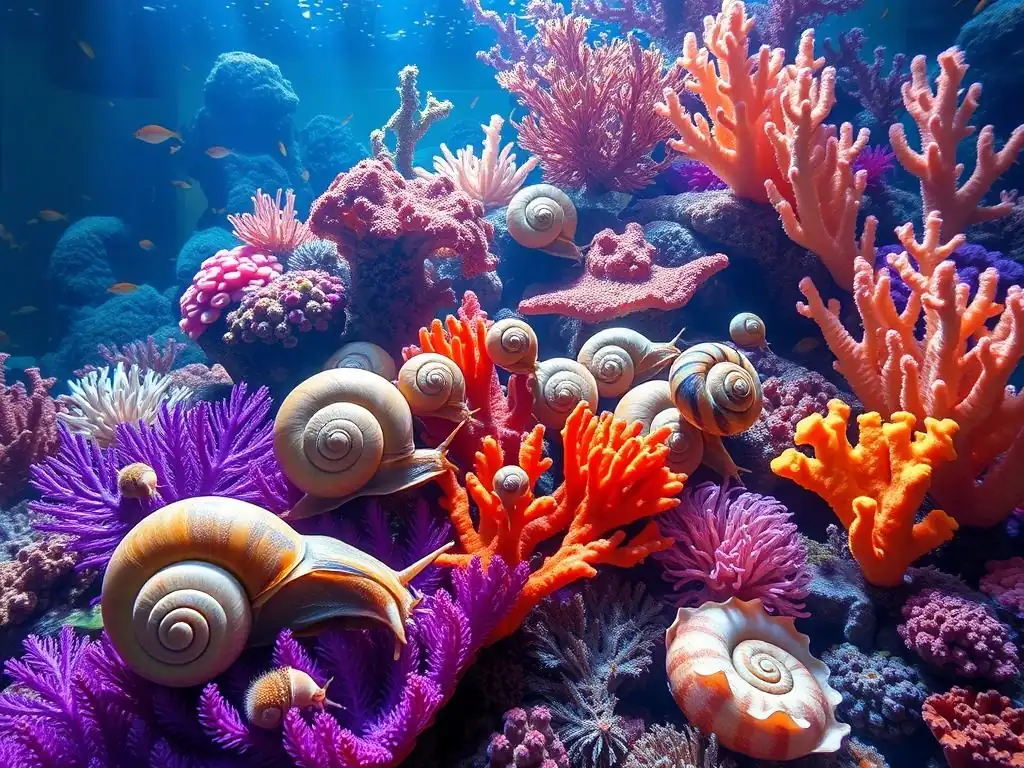
Welcome to Aquarium Mastery!
Ever wondered what that little hitchhiker is clinging to your live rock? Is it a beneficial algae eater, or a potential pest? Dive into our Saltwater Snail Identification Guide and unlock the secrets of your reef's invertebrate inhabitants. This guide is your visual key to accurately identifying common saltwater aquarium snails, helping you maintain a healthy and thriving ecosystem. Curious to learn more? Keep reading to discover the fascinating world beneath the surface!
- Introduction to Saltwater Aquarium Snails and Their Identification
- Key Features for Saltwater Snail Identification
- Common Saltwater Aquarium Snails: A Visual Identification Guide
- Distinguishing Between Similar Saltwater Snail Species
- Saltwater Snail Identification: Dealing with Unknown Species
- Maintaining a Healthy Snail Population in Your Saltwater Aquarium
- Conclusion: Mastering Saltwater Snail Identification for a Thriving Aquarium
-
Frequently Asked Questions
- How can I use this guide to identify a saltwater snail in my aquarium?
- Why is it important to identify the snails in my saltwater aquarium?
- What are some of the most common types of saltwater snails found in aquariums?
- What if I can't find my snail in this identification guide?
- Are all saltwater snails beneficial for my aquarium?
- Final Reflection: Navigating the Seas of Identification
- Dive Deeper: Transform Your Aquarium Knowledge!
Introduction to Saltwater Aquarium Snails and Their Identification
The Importance of Snail Identification in Saltwater Aquariums
Accurate saltwater snail identification is paramount for maintaining a healthy and balanced reef ecosystem. Many aquarists introduce snails as part of their clean-up crew, relying on them for tasks like algae control and detritus consumption. However, the marine environment is diverse, and not all snails are beneficial; some can be opportunistic pests that harm corals or other invertebrates. Misidentifying a snail can lead to significant problems, such as inadvertently removing a vital algae grazer or, conversely, allowing a harmful predator to proliferate undetected.
Understanding the specific roles of the snails in your tank, whether they are a purchased clean-up crew member or an accidental hitchhiker, is crucial for preventing outbreaks of nuisance algae or protecting sensitive corals. For instance, a single parasitic Pyramid snail can devastate a clam population, while a thriving group of Cerith snails can keep a sand bed pristine. Effective saltwater snail identification empowers aquarists to make informed decisions, ensuring the long-term stability and aesthetic appeal of their marine habitat.
Understanding the Role of Saltwater Snails in a Reef Tank Ecosystem
Saltwater snails play diverse and essential roles within a reef tank ecosystem, acting as primary consumers, detritivores, and even sand stirrers. Algae-eating snails, such as Trochus and Nerites, tirelessly graze on nuisance algae that can otherwise coat rocks, glass, and even corals, competing for light and nutrients. A typical clean-up crew for a 50-gallon reef tank might include 10-15 small algae-eating snails, capable of processing several square feet of algal film daily. Meanwhile, detritivores like Nassarius snails burrow through the sand bed, consuming leftover food and decaying organic matter, preventing the buildup of harmful nitrates and phosphates.
Beyond their direct cleaning functions, snails contribute to the overall nutrient cycling within the aquarium. By consuming detritus and algae, they convert these organic materials into forms that can be more easily processed by other tank inhabitants or filtration systems. This biological contribution helps maintain water quality and reduces the frequency of manual cleaning, making them indispensable members of the clean-up crew. Their varied feeding habits and movement patterns ensure that different areas of the tank, from the glass to the deepest sand bed, receive attention, fostering a more robust and self-sustaining environment.
This Saltwater Snail Identification Guide: What to Expect
This comprehensive saltwater snail identification guide is designed to equip aquarists with the knowledge needed to accurately identify common snail species encountered in marine aquariums. We will delve into the key physical characteristics, behavioral patterns, and ecological roles that differentiate various snails, from the most beneficial grazers to potentially problematic pests. The aim is to provide a practical framework for identification, enabling you to confidently assess any snail in your tank.
By following this guide, you will learn how to observe subtle yet critical features such as shell morphology, foot characteristics, and feeding habits. This information is vital for building an effective clean-up crew and for early detection of undesirable hitchhikers. Ultimately, mastering saltwater snail identification will enhance your ability to maintain a thriving, balanced, and visually stunning saltwater aquarium.
Key Features for Saltwater Snail Identification
Shell Morphology: A Key Identifier
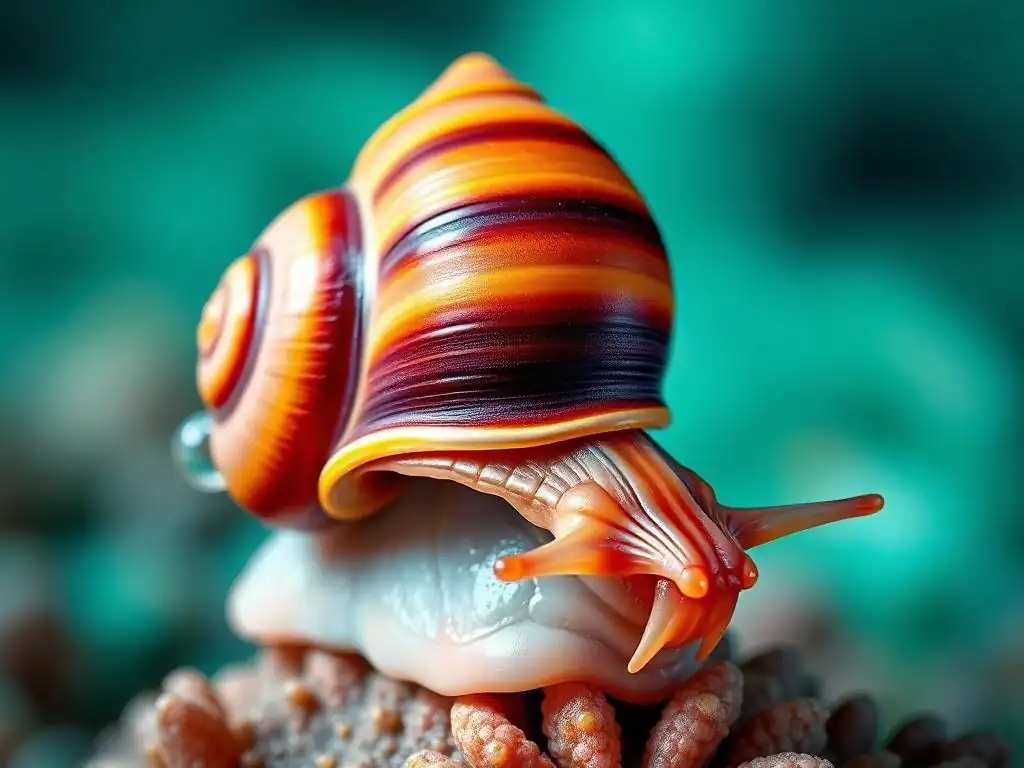
Shell morphology is often the most immediate and reliable characteristic for saltwater snail identification. The shell's unique shape, texture, and spire length provide critical clues that can narrow down a snail's identity significantly. For instance, a tall, slender, and highly spiraled shell often points towards a Cerith snail, while a low, flat, or turban-shaped shell might indicate a Nerite or Trochus. Observing the overall contour and the presence or absence of an operculum (a hard, protective plate that seals the shell opening) is also crucial.
Beyond the basic shape, the shell's texture—whether smooth, ribbed, spiny, or nodulose—offers further differentiation. Some shells may have distinct growth lines or patterns that are species-specific. Paying close attention to the aperture (the opening of the shell) and its shape can also be a distinguishing feature. For example, some snails have a simple, round aperture, while others might have a more complex, elongated, or channeled opening.
Shell Shape Variations in Aquarium Snails
- Conical: Tall, pointed, and spiraled (e.g., Cerith, Pyramid, some Nassarius)
- Turbinate: Turban-shaped or top-shaped with a wide base (e.g., Trochus, Astrea)
- Limpet-like: Low, flattened, or cap-shaped, often with a reduced spire (e.g., Nerite)
- Coiled/Flat: Very low-profile or ear-shaped, with minimal coiling (e.g., Stomatella)
- Elongated/Spindle: Long and narrow, often with a distinct siphon channel (e.g., some Nassarius, Conchs)
Shell Coloration and Patterns
- Solid Colors: Uniformly black, olive green, white, or various shades of brown (e.g., some Nerites, Nassarius)
- Striped/Banded: Distinctive stripes, often helical, or bands of contrasting colors (e.g., Tiger Nerite, some Trochus)
- Mottled/Speckled: Irregular patches or spots of different colors, creating a camouflaged appearance (e.g., Astrea, some Cerith)
- Iridescent: Shells that shimmer with rainbow-like colors, especially under light (e.g., some Stomatella)
Size as an Identification Factor
- Small (under 1 cm): Often hitchhikers, can be beneficial or problematic (e.g., Stomatella, Pyramid snails, Vermetid snails)
- Medium (1-3 cm): Common clean-up crew members (e.g., Cerith, Nerite, Trochus, Astrea, Nassarius)
- Large (over 3 cm): Require larger tanks, often sand stirrers or specialized feeders (e.g., Conch snails, some predatory snails)
Foot and Soft Tissue Characteristics
While the shell provides the primary visual cues for saltwater snail identification, observing the snail's foot and soft tissues can offer crucial secondary characteristics. These features become visible when the snail is active and moving, allowing for a more complete assessment. The shape, color, and movement of the foot, along with the appearance and behavior of the tentacles and siphon, can provide valuable distinguishing information. For instance, some snails possess a broad, muscular foot for strong adhesion, while others have a more agile foot suited for burrowing.
The presence or absence of an operculum, a hard, protective flap that can seal the shell opening, is also a key soft tissue characteristic. Its shape and material (calcareous or horny) vary among species. Additionally, the length, thickness, and movement of the snail's tentacles, which are used for sensing the environment, can be highly indicative. For example, Nassarius snails are recognized by their long, prominent siphons, which they extend to detect food in the water column.
Observing the Snail's Foot
- Broad, Flat Foot: Provides strong suction for adhering to smooth surfaces like glass (e.g., Nerite snails, limpets).
- Narrow, Muscular Foot: Enables efficient movement across uneven surfaces and burrowing into sand (e.g., Cerith snails, Nassarius snails).
- Specialized Foot: Adapted for unique locomotion, such as the "leaping" motion of Conch snails.
Tentacle Appearance and Function
- Long, Slender Tentacles: Often used for exploring the environment and detecting food from a distance (e.g., Cerith snails, Nassarius snails).
- Short, Stout Tentacles: Less prominent, primarily for close-range sensing (e.g., Trochus snails).
- Eye Stalks: Some species possess distinct eye stalks, which can be extended and retracted, aiding in navigation and predator detection (e.g., Conch snails).
Behavior Patterns
Observing the behavior of snails provides dynamic and often definitive clues for saltwater snail identification. How a snail moves, what it eats, and when it is most active can reveal its species and its role within the aquarium. For example, a snail constantly burrowing into the sand bed is likely a detritivore, whereas one persistently grazing on the glass is an herbivore. These behavioral patterns are often consistent within a species and can help distinguish between visually similar snails.
Understanding a snail's typical activity patterns, such as whether it is diurnal (active during the day) or nocturnal (active at night), can also be a key identifier. Some predatory snails, for instance, are notoriously cryptic during daylight hours, only emerging under the cover of darkness to feed on their prey. By combining visual identification with behavioral observations, aquarists can gain a much clearer picture of the snails inhabiting their reef tank.
Grazing Habits and Algae Consumption
- Surface Grazers: Consume film algae, diatoms, and green algae from glass, rocks, and equipment (e.g., Nerite, Trochus, Astrea, Stomatella).
- Detritivores/Scavengers: Primarily feed on decaying organic matter, leftover food, and fine detritus in the sand bed (e.g., Nassarius, Cerith).
- Specialized Feeders: Target specific organisms, which can be beneficial or harmful (e.g., Sundial snails on zoanthids, Pyramid snails on clams).
Burrowing Tendencies
- Deep Burrowers: Spend most of their time submerged in the sand, emerging only for food (e.g., Nassarius snails).
- Surface Burrowers: Partially bury themselves or sift through the top layer of the sand bed (e.g., some Cerith snails).
- Non-Burrowing: Remain on hard surfaces like rocks or glass (e.g., Trochus, Astrea, Nerite).
Nocturnal vs. Diurnal Activity
- Diurnal: Active primarily during the day, easily observed grazing (e.g., Trochus, Astrea, Nerite).
- Nocturnal: Active mainly at night, often hiding during daylight hours (e.g., Stomatella, Sundial snails, Pyramid snails).
- Opportunistic: Activity depends on the presence of food, regardless of light cycle (e.g., Nassarius snails, which emerge rapidly when food is introduced).
Common Saltwater Aquarium Snails: A Visual Identification Guide
Beneficial Algae-Eating Snails
Beneficial algae-eating snails are the backbone of most saltwater clean-up crews, tirelessly working to keep nuisance algae at bay. These snails are highly valued by aquarists for their natural grazing abilities, which help maintain water quality and prevent unsightly algal blooms that can compete with corals for light and nutrients. They are typically herbivores, consuming various types of algae, diatoms, and cyanobacteria.
Introducing a diverse group of these beneficial snails ensures that different niches within the aquarium are covered, from the glass surfaces to the intricate rockwork and the sand bed. Proper saltwater snail identification of these species is crucial to ensure you are adding the right allies to your tank, contributing to a balanced and thriving marine environment without posing a threat to other inhabitants.
Cerith Snails (Cerithiidae): Identification and Care
Cerith snails are easily identified by their elongated, conical shells, which typically feature a pointed spire and often have a textured or ribbed surface. Their shells usually range from 1 to 2.5 centimeters in length and come in various shades of brown, grey, or mottled patterns. They possess a narrow, muscular foot and can often be seen with their long, slender tentacles extended, exploring their surroundings. They are active grazers on detritus, film algae, and diatoms found on both the sand bed and live rock.
These hardy snails are excellent for maintaining a clean sand bed, as they burrow and sift through the substrate, preventing anaerobic pockets and consuming decaying organic matter. They are highly adaptable to various tank conditions and are considered a staple in many clean-up crews. For effective sandbed and rock cleaning in a typical reef tank, a stocking density of one Cerith snail per 2 to 3 gallons is often recommended. They are known for their efficiency in consuming fine detritus and keeping the substrate pristine.
Nerite Snails (Neritidae): Identifying Different Species
Nerite snails are recognized by their distinctive low-profile, turban-shaped or limpet-like shells, which are often smooth and feature striking patterns such as zebra stripes, leopard spots, or solid black. They typically range from 1 to 2 centimeters in size and possess a strong, broad foot that allows them to adhere firmly to smooth surfaces. A prominent operculum is present, which they use to seal their shell. Nerites are exceptionally effective at cleaning diatoms and green film algae from aquarium glass, acrylic, and smooth rock surfaces.
Several species, such as the Olive Nerite or Tiger Nerite, are popular in the aquarium trade. They are obligate herbivores and will not typically consume meaty foods or bother corals. A significant advantage of Nerite snails is that they do not reproduce in saltwater, preventing overpopulation in the aquarium, though they may lay small, white, sesame-seed-like egg capsules that do not hatch. Their robust grazing ability makes them an indispensable part of any saltwater snail identification guide for algae control.
Trochus Snails (Trochidae): A Visual Guide
Trochus snails are characterized by their sturdy, conical, and pyramid-shaped shells, which have a wide base and a distinct, often spiraled apex. Their shells commonly measure between 1.5 and 3 centimeters and can range in color from white and grey to green, often with subtle purple or brown markings. They are known for their "top-shaped" appearance and are excellent grazers on various types of algae, including diatoms, green film algae, and even some hair algae, found on live rock and tank glass.
These snails are highly valued for their efficiency and their ability to right themselves if they fall upside down, a common issue with some other snail species. They are active during the day and are generally robust, making them a popular choice for reef tanks. A recommended stocking density for Trochus snails is typically one per 5 to 10 gallons, depending on the tank's bioload and algae growth. Their consistent grazing and self-righting ability make them a reliable component of any clean-up crew.
Astrea Snails (Astralium): Differentiating Features
Astrea snails possess a conical, turban-shaped shell similar to Trochus snails, but their shells often have a rougher or slightly spiny texture and a less pronounced, sometimes flatter spire. Their coloration typically varies from grey to tan, and they usually measure between 1 and 2 centimeters. While they share a similar general shape with Trochus, careful observation of the shell's texture and the overall profile helps in accurate saltwater snail identification.
Like Trochus snails, Astrea snails are primarily grazers that consume film algae and diatoms from rocks and glass surfaces. They are active during daylight hours and contribute effectively to algae control. However, Astrea snails are generally less adept at righting themselves if overturned compared to Trochus snails, which can sometimes lead to starvation if they are not flipped over by the aquarist. Despite this, they remain a popular choice for their grazing capabilities and are a common sight in reef aquariums.
Less Desirable or Potentially Problematic Snails
While many snails are beneficial, some species can be less desirable or even problematic in a saltwater aquarium, either due to their diet, rapid reproduction, or nuisance behavior. These snails often enter the tank as hitchhikers on live rock or corals and can quickly become an issue if not identified and managed promptly. Early saltwater snail identification of these species is crucial to prevent potential harm to corals, clams, or other invertebrates, and to avoid an overpopulation that can disrupt the tank's balance.
Understanding the characteristics and behaviors of these potentially problematic snails allows aquarists to take corrective action before they cause significant damage. This section will highlight key features to help you distinguish these species from their beneficial counterparts, empowering you to protect your valuable tank inhabitants.
Nassarius Snails (Nassariidae): Identifying Scavengers
Nassarius snails are easily identified by their elongated, conical shells, which are typically smooth and can range in color from off-white to various shades of grey or brown. They usually grow to about 1 to 2 centimeters. Their most distinctive feature is a long, prominent siphon that they extend into the water column to detect food. Nassarius snails are primarily scavengers and detritivores, tirelessly sifting through the sand bed to consume leftover food, decaying organic matter, and fine detritus.
These snails are highly beneficial for aerating the sand bed and preventing the buildup of anaerobic pockets. They are known for their rapid response to food, often emerging quickly from the sand when feeding occurs. While generally considered beneficial, large populations can sometimes disturb very sensitive corals if they burrow too close. A common stocking recommendation is one Nassarius snail per 10 to 15 gallons of tank volume, ensuring effective sand bed maintenance without excessive disturbance.
Vermetid Snails (Vermetidae): Recognizing Filter Feeders
Vermetid snails are unique in their appearance, forming hard, irregular, tube-like shells that are typically cemented to live rock, coral skeletons, or even the aquarium glass. Unlike most snails, they do not move around. They are filter feeders that extend a long, sticky mucous net into the water to capture plankton and detritus. Their size can vary significantly, from just a few millimeters to several centimeters in length, depending on the species and age.
While they are filter feeders, Vermetid snails can become problematic, especially in high densities. Their mucous nets can irritate corals, leading to tissue recession, particularly in sensitive LPS (Large Polyp Stony) corals. Furthermore, their tubes can proliferate rapidly, becoming unsightly and difficult to remove without damaging the rockwork. Manual removal, often by carefully crushing or breaking their tubes at the base, is the most common method of control. Early saltwater snail identification is key to managing their population before they become a nuisance.
Sundial Snails (Architectonicidae): Identifying Potential Coral Predators
Sundial snails are characterized by their distinctive flat, disc-shaped shells, which often feature striking spiral patterns of brown and white, resembling a miniature sundial. They are typically small, usually under 1 centimeter in diameter, making them somewhat inconspicuous. Their unique shell morphology and relatively flat profile distinguish them from most other common aquarium snails.
These snails are notorious for being predatory, with a particular appetite for zoanthids and palythoa corals. They are primarily nocturnal, often hiding during the day and emerging at night to feed on the polyps. Signs of their presence include missing zoanthid polyps or tissue recession on affected colonies. If you notice your zoanthids closing up or disappearing without apparent reason, a thorough nocturnal inspection with a flashlight might reveal these elusive pests. Prompt saltwater snail identification and manual removal are critical to protect your coral collection.
Pyramid Snails (Pyramidellidae): Recognizing Parasitic Snails
Pyramid snails are perhaps the most insidious of hitchhiking pests due to their tiny size and parasitic nature. They are minute, typically only 1 to 3 millimeters long, with a smooth, conical, and often translucent or white shell. Their diminutive size makes them incredibly difficult to spot with the naked eye, often requiring a magnifying glass or careful observation.
These snails are notorious parasites that primarily prey on Tridacna clams, though they can also target other bivalves. They attach themselves to the clam's mantle or foot and feed on its fluids, leading to stress, tissue recession, and eventually, the death of the clam if left unchecked. Signs of Pyramid snail infestation include a clam not opening fully, showing signs of irritation, or having small white dots (the snails themselves) around its mantle. Regular inspection of new clams and vigilant saltwater snail identification are essential for preventing these highly destructive parasites from establishing themselves in your tank.
Other Saltwater Snail Varieties
Beyond the common beneficial grazers and problematic pests, the marine aquarium hobby sometimes introduces other unique snail varieties, either intentionally or as hitchhikers. These snails can offer different benefits or simply add to the biodiversity of the tank. Understanding their characteristics and behaviors is part of a comprehensive saltwater snail identification strategy, allowing aquarists to appreciate their roles and manage them appropriately.
These diverse species highlight the vast array of mollusks that can inhabit a reef environment, each with its own specific ecological niche. Whether they are tiny, fast-moving grazers or large, sand-stirring herbivores, their presence contributes to the dynamic ecosystem of a well-maintained aquarium.
Stomatella Snails (Stomatellidae): Identifying Small, Fast-Moving Grazers
Stomatella snails are small, typically under 1 centimeter, and possess a distinct ear-shaped or flattened shell that is often iridescent green, brown, or black. Their shell is not fully coiled and resembles a flattened abalone shell. What truly distinguishes them is their incredibly fast and jerky movement across the glass and rocks, often appearing to dart rather than glide. They are primarily nocturnal, though they can be seen during the day.
These snails are excellent grazers on film algae and diatoms, making them a highly beneficial hitchhiker. They reproduce readily in the aquarium, often through fragmentation (where a piece of the snail breaks off and regenerates into a new individual), but their populations are generally self-regulating and do not become a nuisance. Their efficient grazing and unique movement make them a welcome, albeit often accidental, addition to any clean-up crew, contributing to effective saltwater snail identification for algae management.
Conch Snails (Strombidae): Identifying Herbivorous Sand Stirrers
Conch snails, such as the popular Fighting Conch or Queen Conch, are characterized by their large, robust shells, which can grow significantly in home aquariums (up to 10-15 centimeters for some species). Their shells are typically elongated with a pointed spire and often feature a flared outer lip in mature specimens. They possess distinctive, independently moving eye stalks and a powerful, muscular foot that allows them to "leap" across the sand bed rather than glide.
These impressive snails are highly effective sand stirrers and detritivores, consuming diatoms, cyanobacteria, and detritus from the substrate. They require a deep sand bed (at least 3-4 inches) to thrive and are best suited for larger tanks, typically 50 gallons or more for smaller species, and over 100 gallons for larger ones. Conch snails are long-lived and fascinating additions to a reef tank, contributing significantly to sand bed aeration and nutrient export. Their unique locomotion and large size make their saltwater snail identification straightforward.
Distinguishing Between Similar Saltwater Snail Species
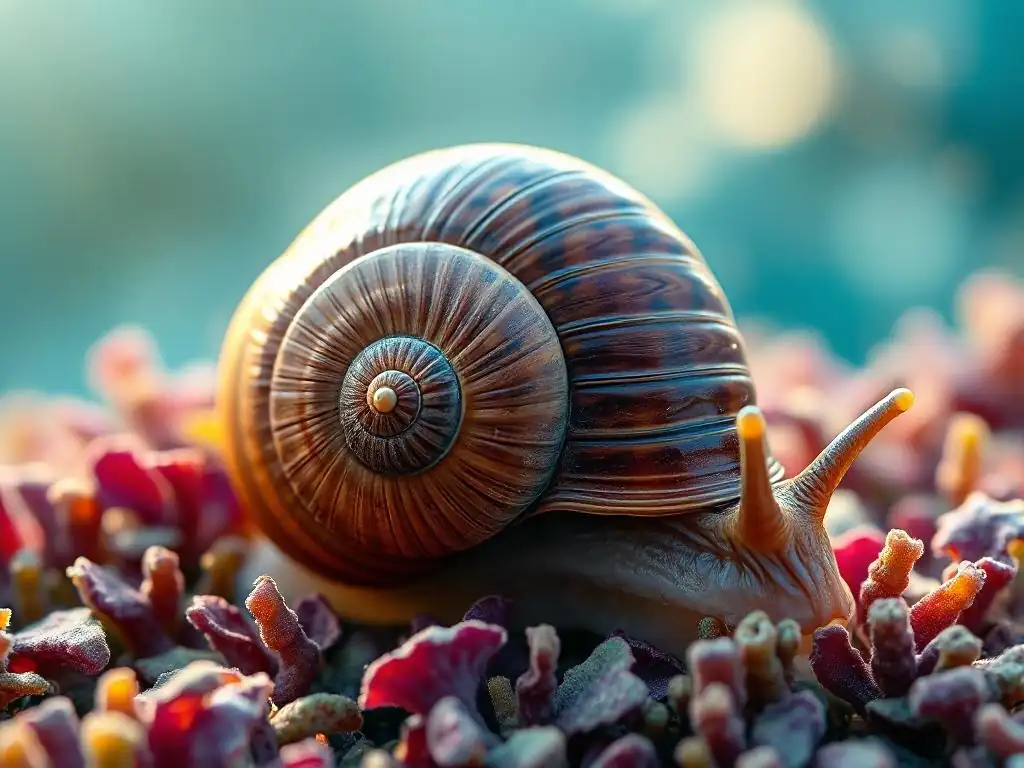
Accurate saltwater snail identification often requires distinguishing between species that share similar general appearances. While the previous sections provided detailed descriptions, some snails can be easily confused due to overlapping characteristics. This section aims to highlight the subtle yet critical differences that allow aquarists to confidently identify species that might otherwise be mistaken for one another, ensuring correct management and care within the aquarium.
Understanding these nuanced distinctions is vital for both beneficial clean-up crew management and the early detection of potentially harmful hitchhikers. By focusing on specific comparative features, aquarists can refine their identification skills and make more informed decisions about their tank inhabitants.
Comparing Cerith vs. Nassarius Snails
Cerith and Nassarius snails are frequently confused due to their similar elongated, conical shell shapes and their tendency to inhabit the sand bed. However, key differences exist. Cerith snails typically have a more textured or subtly ribbed shell, and while they can burrow, they are often seen grazing on the surface of the sand, rocks, and even glass, consuming film algae and detritus. Their siphons are generally less prominent.
In contrast, Nassarius snails possess a smoother shell and are most notably recognized by their very long, prominent siphon, which they extend high into the water column to detect food. They are primarily scavengers and spend most of their time buried in the sand, emerging rapidly when food is introduced. Observing their feeding behavior and the distinctness of their siphon is crucial for accurate saltwater snail identification between these two beneficial species.
Identifying Differences Between Trochus and Astrea Snails
Trochus and Astrea snails both have conical, turban-shaped shells and are excellent algae grazers, leading to frequent misidentification. The primary distinguishing feature lies in their shell morphology and righting ability. Trochus snails generally possess a more perfectly symmetrical, often smoother conical shell with a wide, flat base, and they are adept at righting themselves if they fall upside down. Their shells often exhibit distinct color banding.
Astrea snails, while similarly shaped, typically have a rougher, sometimes spiny, and slightly more irregular shell texture. Their spire can appear flatter, and they are notably less capable of righting themselves if overturned. This means that an overturned Astrea snail may starve if not manually flipped by the aquarist. Paying close attention to the shell's surface texture and observing their ability to right themselves are key for accurate saltwater snail identification between these two common grazers.
Differentiating Beneficial Algae Eaters from Potential Pests
Differentiating between beneficial algae eaters and potential pests is paramount for reef tank health. Beneficial snails, such as Trochus, Nerite, and Cerith, typically have robust, easily recognizable shells and are consistently observed grazing on algae or detritus across various tank surfaces. They are generally active and do not show interest in corals or other invertebrates.
Conversely, potentially problematic snails often have very small, inconspicuous shells (e.g., Pyramid snails on clams), or unusual, non-motile tube-like shells (e.g., Vermetid snails). Predatory pests like Sundial snails will be found exclusively on their specific coral prey (e.g., zoanthids) and will not be seen grazing on general algae. If a snail is consistently found on a specific coral that shows signs of distress, or if it has an unusual appearance, immediate saltwater snail identification and investigation are warranted.
Saltwater Snail Identification: Dealing with Unknown Species
Encountering an unknown snail in your saltwater aquarium can be perplexing. Whether it's a new hitchhiker or a species you simply haven't identified before, knowing how to approach its identification is crucial. Rushing to judgment or removal without proper identification can lead to the loss of a beneficial creature or, conversely, allow a harmful pest to proliferate. This section provides a strategic approach to saltwater snail identification for unknown species, leveraging community knowledge and expert advice.
The goal is to gather as much information as possible about the snail's appearance and behavior to facilitate an accurate identification. Patience and careful observation are key, as some distinguishing features may only become apparent under specific conditions or over time.
Photographing Unknown Snails for Identification
When faced with an unknown snail, taking clear, high-quality photographs is the first and most important step for saltwater snail identification. Capture multiple angles of the snail, including its shell from the top, side, and bottom, as well as close-ups of its foot, tentacles, and siphon if visible. Ensure the lighting is adequate to highlight subtle colors, patterns, and textures.
For scale, place a common object like a ruler, a dime, or a specific coral frag next to the snail in the photo. This provides a crucial reference for its size, which can be a key identification factor. High-resolution images allow others to zoom in and examine minute details that might not be obvious to the naked eye, significantly increasing the chances of an accurate identification from online communities or experts.
Using Online Resources for Saltwater Snail Identification Help
Once you have clear photographs, leveraging online resources is an excellent way to get help with saltwater snail identification. Reputable online reef keeping forums, dedicated marine invertebrate identification websites, and specialized Facebook groups are invaluable. Post your photos with a brief description of where the snail was found (e.g., on sand, on a specific coral, on glass) and any observed behaviors (e.g., burrowing, grazing, nocturnal activity).
When using online resources, be sure to cross-reference any suggested identifications with multiple sources to confirm accuracy. Many experienced aquarists and marine biologists frequent these platforms and can provide rapid and precise identifications based on their extensive knowledge. Searching terms like "saltwater snail identification guide" or "reef tank snail ID forum" can lead you to helpful communities.
Consulting with Local Aquarium Experts
For particularly challenging or critical saltwater snail identification cases, consulting with local aquarium experts can be highly beneficial. This includes experienced staff at reputable local fish stores (LFS) or members of local aquarium clubs. Many LFS employees have vast experience with a wide variety of marine organisms, including common and uncommon hitchhikers.
An in-person consultation allows the expert to observe the snail's movement, texture, and other subtle characteristics that might be difficult to discern from photographs alone. They can also offer advice on best practices for managing the snail, whether it's a beneficial addition or a pest requiring removal. This personalized guidance can be invaluable for accurate saltwater snail identification and subsequent tank management.
Maintaining a Healthy Snail Population in Your Saltwater Aquarium
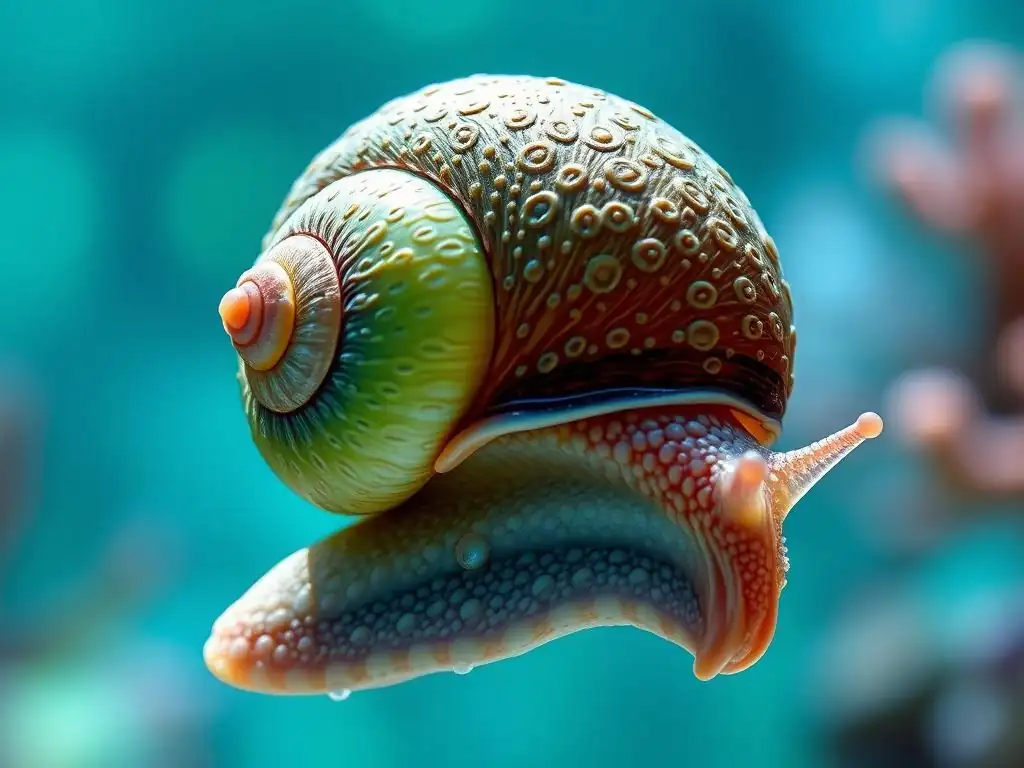
Maintaining a healthy and balanced snail population is just as important as accurate saltwater snail identification. Even the most beneficial snails can suffer if their environmental needs are not met, leading to decline in their numbers and a reduction in their effectiveness as part of the clean-up crew. Ensuring optimal water parameters, providing adequate food sources, and protecting them from predation are key aspects of responsible snail husbandry.
A thriving snail population contributes significantly to the overall health and stability of your reef aquarium, preventing nuisance algae and processing detritus efficiently. By addressing these fundamental care requirements, aquarists can maximize the benefits provided by their snails and ensure their longevity.
Optimal Water Parameters for Saltwater Snails
Maintaining stable and optimal water parameters is crucial for the health and longevity of saltwater snails. Most common aquarium snails thrive in a salinity range of 1.024 to 1.026 specific gravity, a temperature range of 74 to 78°F (23-26°C), and a pH between 8.0 and 8.4. Crucially, adequate levels of calcium (380-450 ppm) and alkalinity (8-12 dKH) are essential for healthy shell growth and to prevent shell erosion.
Fluctuations in these parameters, particularly a drop in calcium or alkalinity, can lead to weakened shells, increased vulnerability to disease, and a shortened lifespan for snails. Regular water testing and consistent dosing or partial water changes are vital to ensure these parameters remain within the ideal range. A healthy environment reduces stress on snails, allowing them to perform their cleanup duties effectively.
Providing Adequate Algae and Food Sources
While snails are excellent grazers, their food source—primarily algae and detritus—must be sufficient to sustain their population. In very clean, newly established tanks, or tanks with a very small bioload, natural algae growth might be insufficient. In such cases, supplemental feeding with marine algae wafers, nori (dried seaweed), or even spirulina flakes can be necessary to prevent starvation among your snail clean-up crew.
It's important to balance the size of your snail population with the available food sources. An overstocked snail crew can quickly deplete all available algae, leading to widespread starvation and subsequent die-offs, which can then cause nutrient spikes. Observing the snails' activity and their shell condition can provide clues about their nutritional status. A well-fed snail population is an active and effective one, contributing to ongoing saltwater snail identification and tank cleanliness.
Preventing Snail Predation
Preventing predation is a critical aspect of maintaining a healthy snail population, as many reef tank inhabitants can view snails as a food source. Common snail predators include certain crabs (e.g., emerald crabs if not well-fed, some hermit crabs that may prey on snails for their shells), various wrasse species (e.g., Six-Line Wrasses, Melanurus Wrasses, known for snail predation), puffers, and even some larger shrimp.
Careful selection of tank mates is essential. If you intend to keep a robust snail clean-up crew, avoid introducing fish or invertebrates known for consuming snails. For hermit crabs, ensure a continuous supply of appropriately sized empty shells to prevent them from preying on live snails for their homes. Regularly inspect your snails for signs of damage or unexplained disappearances, which can indicate predation pressure.
Conclusion: Mastering Saltwater Snail Identification for a Thriving Aquarium
The Ongoing Importance of Snail Observation and Management
Mastering saltwater snail identification is not a one-time task but an ongoing commitment to the health and stability of your reef aquarium. Regular observation of your snails, both intentional and accidental, is crucial for detecting new hitchhikers, monitoring the health of your existing clean-up crew, and identifying any changes in their behavior or population dynamics. Proactive management based on accurate identification allows aquarists to address potential issues—whether it's a parasitic snail or a dwindling beneficial population—before they escalate into significant problems for the entire ecosystem.
By consistently applying the principles of saltwater snail identification, you contribute to a more balanced nutrient cycle, reduce nuisance algae, and protect your valuable corals and invertebrates. This vigilance ensures that your aquarium remains a vibrant, thriving, and aesthetically pleasing miniature marine world, reflecting your dedication as an aquarist.
Further Resources for Saltwater Aquarium Keeping at AquariumMastery.com.
For those eager to deepen their understanding of marine aquariums, AquariumMastery.com offers a wealth of additional resources. Our comprehensive guides cover everything from the intricacies of water chemistry and the proper setup of filtration systems to detailed profiles of various fish and coral species. Whether you are troubleshooting common tank issues, planning your next clean-up crew, or simply seeking to expand your knowledge, AquariumMastery.com provides expert insights and practical advice.
Explore our extensive articles on coral care, fish compatibility, and invertebrate husbandry to ensure every aspect of your saltwater aquarium thrives. With our detailed content, you can confidently navigate the complexities of marine aquarium keeping and create a truly spectacular underwater world.
Frequently Asked Questions
How can I use this guide to identify a saltwater snail in my aquarium?
This guide provides a visual key featuring images and descriptions of common saltwater aquarium snails. Compare your snail to the pictures and read the descriptions to find a matching ID. Pay attention to shell shape, color, and size.
Why is it important to identify the snails in my saltwater aquarium?
Identifying your snails allows you to understand their role in your aquarium ecosystem. Some snails are beneficial algae eaters, while others may be pests that harm corals or other invertebrates.
What are some of the most common types of saltwater snails found in aquariums?
Common types include Nassarius snails, known for scavenging; Cerith snails, effective algae eaters; and Nerite snails, also popular for algae control. Some snails may be hitchhikers you didn't intentionally introduce!
What if I can't find my snail in this identification guide?
If you can't find your snail here, it might be a less common species or a juvenile with different markings. Consult other resources, such as online aquarium forums, or ask for help from a local fish store.
Are all saltwater snails beneficial for my aquarium?
No, not all saltwater snails are beneficial. Some, like certain species of Pyramidellidae snails, are parasitic and can harm corals. Proper identification is crucial to prevent potential problems.
The ability to accurately identify the inhabitants of our saltwater aquariums, as highlighted throughout this Saltwater Snail Identification Guide, is more crucial now than ever. With the increasing popularity of reef keeping and the growing awareness of the delicate balance within these ecosystems, understanding the nuances of each species becomes paramount to responsible aquarium management and conservation efforts. This guide serves not just as a visual key, but as a stepping stone towards a deeper appreciation for the biodiversity thriving within our glass boxes.
The journey of identifying these often-overlooked creatures has profoundly shaped my understanding of the interconnectedness within the aquarium environment. Recognizing the subtle differences between beneficial algae grazers and potential pests underscores the importance of informed decision-making in reef keeping. As the saying goes, We are only as strong as our weakest link,
and in the complex ecosystem of a saltwater aquarium, proper identification is essential for maintaining a healthy and thriving environment.
Now, armed with this knowledge, I encourage you to look beyond the vibrant corals and captivating fish. Take a moment to observe the snails, these silent workers tirelessly contributing to the health of your aquarium. Let this guide be a starting point, not an end, in your journey of discovery. Embrace the challenge of identification, share your knowledge with fellow hobbyists, and contribute to a future where responsible reef keeping ensures the longevity and beauty of our underwater worlds.
Dive Deeper: Transform Your Aquarium Knowledge!
Thanks for exploring the diverse world of saltwater snails with us! We hope this guide has empowered you to confidently identify the shelled custodians of your aquarium. Now, let's put that knowledge into action.
Here are a few ways to keep your aquarium thriving:
- Actively monitor your snail population for any signs of overpopulation or imbalance, indicating potential issues in your tank ecosystem.
- Share this visual key with fellow aquarium enthusiasts to help them identify their own snails and foster a community of informed hobbyists.
- Experiment with adding a new, beneficial snail species to your aquarium, carefully researching its needs and compatibility first.
What fascinating snail behavior have you observed in your aquarium, and how has it impacted your tank's health?