
The Ultimate Saltwater CleanUp Crew Compatibility Chart

Welcome to Aquarium Mastery!
Ever wondered if your cleanup crew is secretly at war in your saltwater aquarium? Before you add another snail or crab, dive into our Ultimate Saltwater Cleanup Crew Compatibility Chart. Uncover the secrets to a thriving, balanced reef ecosystem and avoid common cleanup crew clashes. Ready to create a peaceful, algae-eating army? Let's explore!
- Understanding Saltwater Cleanup Crews (CUCs) and Their Importance
- Key Factors Influencing Saltwater Cleanup Crew Compatibility
- Saltwater Cleanup Crew Compatibility Chart: A Species-by-Species Breakdown
- Identifying Potential Compatibility Issues within Your CUC
- Creating a Balanced and Compatible Saltwater Cleanup Crew for Your Tank
- Troubleshooting Common Cleanup Crew Compatibility Problems
- Resources for Further Research on Saltwater Cleanup Crew Compatibility
-
Frequently Asked Questions
- What exactly is a saltwater cleanup crew and why is it important?
- How do I use a saltwater cleanup crew compatibility chart?
- What are some common mistakes people make when selecting a saltwater cleanup crew?
- How often should I add or replace members of my saltwater cleanup crew?
- Where can I find a reliable saltwater cleanup crew compatibility chart?
- Final Reflection: Navigating the Symbiotic Seas
- Dive Deeper: Master Your Reef Tank Now!
Understanding Saltwater Cleanup Crews (CUCs) and Their Importance
What is a Saltwater Cleanup Crew? Defining CUC Roles
A saltwater cleanup crew (CUC) refers to a diverse group of invertebrates introduced into a marine aquarium to perform essential ecological functions, mimicking the natural processes found in a reef environment. These organisms are primarily tasked with consuming detritus, uneaten food, nuisance algae, and cyanobacteria, thereby acting as the tank's natural sanitation department. Their roles are specialized, with some species excelling at grazing algae from rockwork and glass, while others are master detritivores, sifting through the sand bed or scavenging on the substrate.
For instance, a typical 75-gallon reef tank might incorporate a CUC comprising several dozen snails, a handful of hermit crabs, and perhaps a shrimp or two. Each member contributes uniquely; Turbo snails might tackle stubborn hair algae, Nassarius snails keep the sand bed aerated and free of decaying matter, and hermit crabs scavenge leftover food. This synergistic approach is crucial for maintaining a balanced ecosystem and reducing the manual effort required for tank maintenance, making a well-planned saltwater cleanup crew compatibility chart indispensable.
Why is a Compatible Cleanup Crew Essential for a Healthy Reef Tank?
The successful integration of a compatible cleanup crew is paramount for the long-term health and stability of any saltwater aquarium. An incompatible CUC can lead to a cascade of problems, including resource competition, aggression among members, and even predation on corals or desirable invertebrates. For example, aggressive hermit crab species, if not provided with enough empty shells, are notorious for preying on snails for their shells, decimating an essential part of the algae-grazing team.
Conversely, a carefully selected and compatible saltwater cleanup crew ensures efficient nutrient cycling and algae control. Without sufficient grazers, nuisance algae can quickly overrun a tank, competing with corals for light and nutrients. Similarly, a lack of detritivores can lead to an accumulation of decaying organic matter, resulting in elevated nitrate and phosphate levels that stress inhabitants and fuel further algae growth. Therefore, understanding the nuances of saltwater cleanup crew compatibility chart is not just beneficial, but critical for a thriving reef environment.
Key Factors Influencing Saltwater Cleanup Crew Compatibility
Tank Size and Bio-Load Considerations for CUC Selection
The size of your aquarium and its biological load are fundamental factors dictating the appropriate number and type of cleanup crew members. A smaller tank, such as a 20-gallon nano reef, has limited space and a more delicate balance, requiring a modest CUC of perhaps 5-7 small snails and 1-2 peaceful hermit crabs. Overstocking in such a confined environment quickly leads to starvation among the CUC members due to insufficient food resources, which then contributes to nutrient spikes as they perish.
Conversely, a larger system, like a 150-gallon display tank, can support a significantly more diverse and numerous cleanup crew, potentially housing 30-50 snails, 10-15 hermit crabs, and several shrimp or starfish. The bio-load, which refers to the total amount of waste produced by fish and corals, also plays a crucial role. A heavily stocked tank with numerous fish will generate more detritus and algae, necessitating a more robust and efficient saltwater cleanup crew to manage the increased organic waste effectively.
Water Parameters and Their Impact on CUC Health
Maintaining stable and appropriate water parameters is critical for the health and longevity of your cleanup crew. Most marine invertebrates are highly sensitive to fluctuations in salinity, temperature, alkalinity, calcium, and magnesium. For instance, an ideal salinity range of 1.023-1.026 specific gravity and a temperature of 74-78°F are generally recommended. Sudden drops in salinity, even by a few points, can be lethal to snails and shrimp, which lack the osmoregulation capabilities of fish.
Furthermore, elevated levels of nitrates and phosphates, common in poorly maintained tanks, can significantly stress invertebrates, making them more susceptible to disease and reducing their lifespan. For example, many sensitive shrimp species, like Fire Shrimp, thrive only in pristine conditions with undetectable nitrates. Regularly testing water parameters and addressing any imbalances is therefore not just good practice for fish and corals, but absolutely essential for the survival and efficiency of your saltwater cleanup crew.
Fish Compatibility: Identifying Predatory Tank Mates
The compatibility of your cleanup crew with your existing fish population is a critical consideration to prevent predation and ensure the safety of your invertebrates. Certain fish species are known predators of snails, crabs, and shrimp, viewing them as natural food sources rather than tank janitors. For example, many triggerfish species, such as the Clown Triggerfish, will systematically decimate a cleanup crew, cracking snail shells and preying on crabs with ease.
Similarly, some larger wrasses, pufferfish, and certain angelfish can pose a threat to smaller or more vulnerable CUC members. Even seemingly peaceful fish might occasionally nip at shrimp or small crabs. Before introducing any new fish, it is imperative to research its dietary habits and predatory tendencies. A comprehensive saltwater cleanup crew compatibility chart will always include warnings about potential fish predators, guiding aquarists to make informed decisions and protect their valuable invertebrates.
Coral Compatibility: Protecting Sensitive Corals from CUC Grazing
While cleanup crews are primarily beneficial, certain species, or even well-intentioned ones under specific circumstances, can pose a threat to sensitive corals. This is particularly true if the CUC members are not adequately fed, or if their natural diet includes items that mimic corals. For example, some species of sea urchins, while excellent at consuming nuisance algae, can inadvertently graze on coralline algae or even soft corals if their preferred food source is scarce, or if they are clumsy and knock over delicate frags.
Starfish, especially those not specifically labeled as "reef-safe," are another common concern; species like the Chocolate Chip Starfish are notorious coral predators and should never be introduced into a reef tank. Even some Peppermint Shrimp, known for Aiptasia control, have been observed to nip at zoanthids or other small polyp corals if Aiptasia is scarce. Therefore, understanding the specific dietary needs and potential risks associated with each CUC member is vital, ensuring that your saltwater cleanup crew enhances, rather than harms, your coral collection.
Saltwater Cleanup Crew Compatibility Chart: A Species-by-Species Breakdown
Snails: Compatibility Profiles and Reef-Safe Options
Snails are the backbone of most saltwater cleanup crews, renowned for their efficiency in consuming various forms of algae and detritus. Their diverse feeding habits make them indispensable for maintaining a clean and balanced aquarium. Selecting the right mix of snail species is crucial for comprehensive tank maintenance, ensuring all surfaces, from glass to rockwork and sand, are adequately grazed.
Most snail species are considered highly reef-safe and compatible with the vast majority of fish and other invertebrates, making them ideal candidates for a robust saltwater cleanup crew compatibility chart. However, it is essential to ensure they are adequately fed, especially in mature tanks with minimal nuisance algae, to prevent starvation. Providing supplementary food, such as algae wafers or nori, can help sustain a thriving snail population.
Turbo Snails: Pros, Cons, and Compatibility with Other Invertebrates
Turbo snails, particularly the Mexican Turbo Snail ( Turbo fluctuosa), are among the most popular and effective algae eaters for saltwater aquariums. They are robust grazers, capable of consuming large quantities of hair algae, diatoms, and film algae from rockwork and glass. A single medium-sized Turbo snail can clear several square inches of algae daily, making them highly efficient.
However, Turbo snails can grow quite large, sometimes reaching over 2 inches in diameter, and their sheer size can lead them to inadvertently knock over unsecured coral frags or small rock formations. They are generally compatible with most fish and other invertebrates, though larger, aggressive hermit crabs might occasionally try to take over their shells, especially if empty shells are scarce. They are also sensitive to rapid changes in salinity and elevated nitrate levels, requiring stable water parameters for optimal health.
Cerith Snails: Tank Mate Compatibility and Preferred Substrates
Cerith snails ( Cerithium spp.) are small, active snails that are highly valued for their dual role in a cleanup crew: they are excellent grazers of film algae on glass and rocks, and they also burrow into the sand bed, consuming detritus and aerating the substrate. Their small size, typically under an inch, makes them perfect for nano tanks and for reaching tight crevices where larger snails cannot.
These snails are exceptionally peaceful and are considered one of the most reef-safe snail species, compatible with virtually all fish, corals, and other invertebrates. They thrive in tanks with a sand bed of at least 1-2 inches, where they can exhibit their natural burrowing behavior. Cerith snails are also quite prolific, often reproducing in the aquarium, providing a continuous supply of new cleanup crew members. Their hardiness and non-aggressive nature make them a staple in any well-designed saltwater cleanup crew compatibility chart.
Nassarius Snails: Scavenging Habits and Compatibility Considerations
Nassarius snails ( Nassarius spp.), particularly the Bumble Bee Nassarius Snail ( Engina mendicaria) and the common Nassarius Snail ( Nassarius vibex), are primarily detritivores rather than algae eaters. They are renowned for their ability to burrow into the sand, emerging quickly, often within seconds, when food is introduced into the tank. This behavior makes them excellent at aerating the sand bed and consuming uneaten food and decaying organic matter, preventing the buildup of harmful nutrients.
These snails are highly compatible with almost all tank inhabitants, including fish, corals, and other invertebrates. They are peaceful and pose no threat to other cleanup crew members. Their scavenging habits contribute significantly to the overall cleanliness of the aquarium, particularly the substrate, making them a crucial component for a balanced saltwater cleanup crew. A common recommendation is to have 1 Nassarius snail per 1-2 gallons of tank volume to effectively manage sand bed detritus.
Nerite Snails: Algae Eating Efficiency and Compatibility Notes
Nerite snails ( Nerita spp.) are highly efficient grazers, particularly effective at consuming diatoms and green film algae that often coat aquarium glass and smooth surfaces. Their small size, typically less than an inch, allows them to navigate tight spaces and consume algae without disturbing corals or rockwork. They are easily recognizable by their unique shell patterns and often spend a significant amount of time on the aquarium glass.
Nerite snails are exceptionally peaceful and completely reef-safe, making them compatible with virtually all marine fish and invertebrates. A unique characteristic is their inability to right themselves if they get flipped over on their backs, making it essential for aquarists to periodically check on them. They are not known to eat coralline algae or desirable macroalgae, focusing solely on nuisance film algae. This makes them a valuable addition to any saltwater cleanup crew, especially for maintaining pristine glass surfaces.
Hermit Crabs: Choosing Reef-Safe Species and Avoiding Aggression
Hermit crabs are popular members of saltwater cleanup crews due to their scavenging abilities, consuming detritus, uneaten food, and some types of algae. However, their compatibility can vary significantly between species, with some being notoriously aggressive towards other CUC members, especially snails, in their quest for new shells. Careful selection is paramount to avoid issues.
Providing a continuous supply of empty shells, slightly larger than their current ones, is crucial for preventing aggression. A general guideline is to offer 2-3 empty shells per hermit crab. This helps satisfy their instinct to upgrade shells without resorting to preying on live snails. Understanding the specific temperament of each species is key to a successful and peaceful saltwater cleanup crew.
Scarlet Reef Hermit Crabs: Compatibility and Algae Consumption
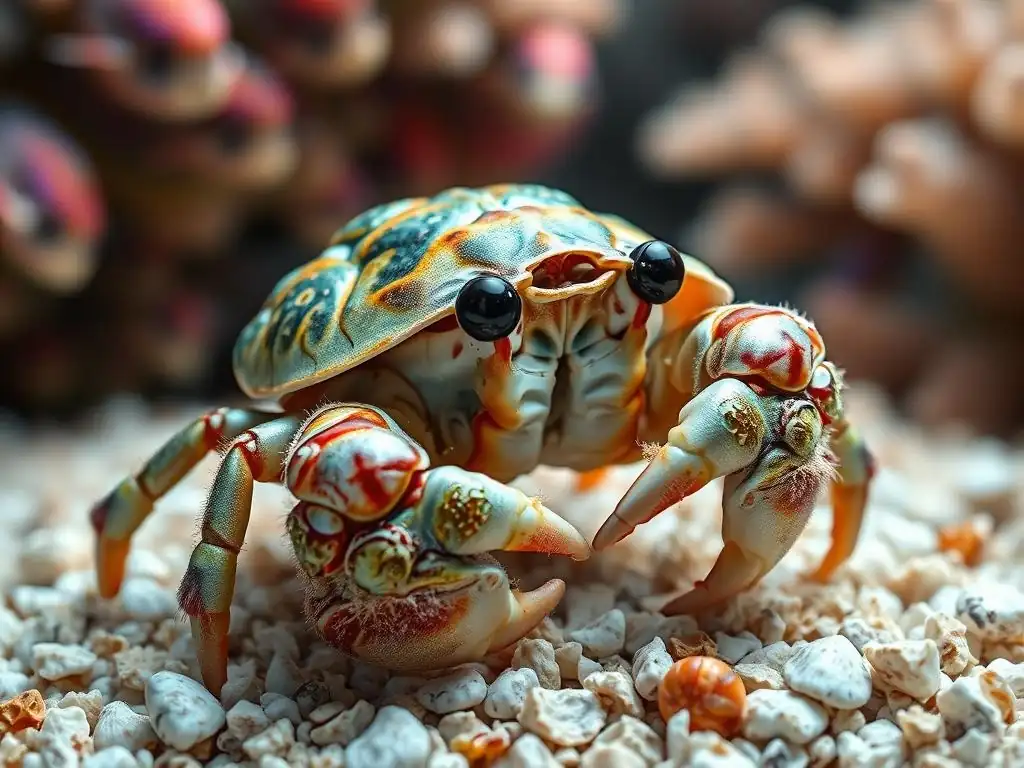
Scarlet Reef Hermit Crabs ( Paguristes cadenati) are among the most popular and generally well-behaved hermit crab species for reef aquariums. They are easily identifiable by their vibrant red legs and orange bodies. These hermits are excellent scavengers, consuming detritus and uneaten food, and are also known to graze on various types of algae, including green hair algae and cyanobacteria (red slime algae).
Compared to other hermit crab species, Scarlet Reef Hermits are considered relatively peaceful and less likely to prey on snails for their shells, especially if ample empty shells are provided. They are compatible with most reef-safe fish and corals. Their docile nature and efficient cleaning habits make them a highly recommended addition to any saltwater cleanup crew compatibility chart, typically stocking 1 hermit per 5-10 gallons, depending on the tank's bio-load.
Blue Leg Hermit Crabs: Temperament and Compatibility with Snails
Blue Leg Hermit Crabs ( Clibanarius tricolor) are small, active scavengers that are widely available and effective at consuming detritus and some film algae. They are easily recognized by their distinctive blue legs with red banding. While they are efficient cleaners, their temperament can be more aggressive than Scarlet Reef Hermits, and they are more prone to preying on snails for their shells.
To mitigate this behavior, it is crucial to provide a constant supply of appropriately sized empty shells, ideally 2-3 shells per crab, slightly larger than their current one. Despite their potential aggression towards snails, they are generally compatible with most fish and corals. Aquarists often use them in conjunction with a larger population of snails, accepting a certain level of snail predation as a trade-off for their detritus-eating capabilities.
Zebra Hermit Crabs: Specific Needs and Compatibility Considerations
Zebra Hermit Crabs ( Clibanarius zebra) are another species of hermit crab known for their scavenging abilities, identifiable by their striped legs. They are effective at consuming detritus and uneaten food, contributing to the overall cleanliness of the tank. However, their compatibility profile leans towards the more aggressive end of the spectrum compared to Scarlet Reef Hermits.
Zebra Hermit Crabs are known to be more assertive and are more likely to attempt to take over the shells of live snails, even if empty shells are available. Due to this predatory tendency, they are often recommended with caution for mixed reef tanks, particularly those with valuable or sensitive snail populations. They are generally better suited for fish-only-with-live-rock (FOWLR) tanks where the absence of vulnerable snails reduces compatibility concerns, or in systems where their aggressive nature is accounted for by the aquarist.
Shrimp: Compatibility Profiles and Feeding Habits
Shrimp are fascinating and highly beneficial members of a saltwater cleanup crew, adding both aesthetic appeal and valuable cleaning services to the aquarium. They are primarily scavengers, consuming uneaten food and detritus, but some species also offer unique services like parasite removal or Aiptasia control. Their delicate nature means they require stable water parameters and peaceful tank mates.
Most shrimp species are considered reef-safe and can coexist peacefully with a wide range of fish and corals. However, it's crucial to avoid housing them with predatory fish that might view them as a meal, such as triggers or large predatory wrasses. Their generally docile nature makes them excellent additions for nutrient control and tank hygiene.
Peppermint Shrimp: Aiptasia Control and Compatibility Concerns
Peppermint Shrimp ( Lysmata wurdemanni) are highly sought after for their natural ability to consume Aiptasia anemones, a common and often problematic pest in reef aquariums. These shrimp are typically reddish-brown with faint white stripes and are active scavengers, readily consuming uneaten food and detritus. Their primary appeal, however, lies in their effectiveness against Aiptasia.
While generally considered reef-safe, there have been isolated reports of Peppermint Shrimp nipping at certain soft corals, particularly zoanthids, if their primary food source (Aiptasia) becomes scarce or if they are underfed. This behavior is not common but warrants monitoring. They are compatible with most peaceful fish and other invertebrates, making them a valuable, albeit sometimes cautious, addition to a saltwater cleanup crew. A common stocking density for Aiptasia control is 1 shrimp per 10-20 gallons, depending on the severity of the infestation.
Cleaner Shrimp: Symbiotic Relationships and Compatibility with Fish
Cleaner shrimp, such as the Skunk Cleaner Shrimp ( Lysmata amboinensis) and the Blood Red Fire Shrimp ( Lysmata debelius), are iconic members of the saltwater cleanup crew, known for their striking appearance and fascinating symbiotic relationships with fish. They set up "cleaning stations" where fish will present themselves to have external parasites, dead skin, and even food particles removed by the shrimp.
These shrimp are exceptionally reef-safe and compatible with almost all fish and corals. They are peaceful scavengers, consuming uneaten food and detritus, contributing to the overall cleanliness of the tank. Their unique cleaning behavior is a captivating display for aquarists. Cleaner shrimp are generally quite hardy, but like all invertebrates, they require stable water parameters, particularly salinity and temperature, to thrive. They are a highly recommended inclusion in any saltwater cleanup crew compatibility chart for their dual role of cleaning and aesthetic appeal.
Fire Shrimp: Compatibility and Water Quality Requirements
The Blood Red Fire Shrimp ( Lysmata debelius), often simply called Fire Shrimp, is prized for its intense red coloration and white "socks" on its legs, making it a visually stunning addition to a reef aquarium. Beyond their beauty, they are diligent scavengers, consuming detritus and uneaten food, similar to other cleaner shrimp. They can also participate in cleaning symbiotic relationships with fish, though less overtly than Skunk Cleaner Shrimp.
Fire Shrimp are generally considered very reef-safe and compatible with most peaceful fish and other invertebrates. However, they are notably more sensitive to fluctuations in water quality compared to some other shrimp species. They thrive in pristine conditions with stable salinity, temperature, and very low levels of nitrates and phosphates. Aquarists should ensure their tank parameters are consistently optimal before introducing Fire Shrimp to guarantee their long-term health and vibrant coloration.
Starfish: Reef-Safe Options and Compatibility Concerns
Starfish can be intriguing additions to a saltwater cleanup crew, with some species offering valuable detritus removal and sand aeration services. However, it is crucial to exercise extreme caution when selecting starfish, as many popular species are not reef-safe and can prey on corals, other invertebrates, or even small fish. Misinformation about starfish compatibility is common, leading to unfortunate losses in reef tanks.
Only a select few species are genuinely suitable for a mixed reef aquarium, and even these have specific care requirements. Researching each species thoroughly is paramount to avoid introducing a predatory threat to your established ecosystem. A true saltwater cleanup crew compatibility chart will clearly differentiate between reef-safe and non-reef-safe starfish.
Brittle Starfish: Detritus Removal and Compatibility Notes
Brittle Starfish, particularly the smaller, darker varieties often sold as "Mini Brittle Stars" or "Micro Brittle Stars," are excellent detritivores and scavengers. They are primarily nocturnal, hiding in the rockwork during the day and emerging at night to consume uneaten food and decaying organic matter from crevices and the substrate. Their long, slender arms allow them to reach into tight spaces.
Most small and medium-sized brittle starfish species are considered very reef-safe and compatible with fish, corals, and other invertebrates. However, larger species, such as the Green Brittle Starfish ( Ophiarachna incrassata), can be opportunistic predators on small fish, snails, and even other invertebrates, especially if underfed. It is essential to correctly identify the species before introduction. For general detritus removal, the smaller, more common brittle stars are highly recommended for any saltwater cleanup crew.
Sand Sifting Starfish: Compatibility and Substrate Needs
Sand Sifting Starfish ( Archaster typicus) are popular for their ability to continuously sift through the sand bed, consuming detritus and aerating the substrate. This behavior helps prevent anaerobic pockets from forming in the sand, which can release harmful gases. They are effective at keeping the sand bed clean and free of accumulated waste.
However, Sand Sifting Starfish have very specific needs that limit their compatibility to certain types of aquariums. They require a deep, established sand bed of at least 3-4 inches to thrive, as they primarily derive their nutrition from the microorganisms and detritus within the substrate. In tanks with insufficient sand bed volume or a low bio-load, they will quickly starve, leading to their demise and a potential ammonia spike. They are generally reef-safe with corals and fish but are not suitable for tanks smaller than 75 gallons or those with shallow sand beds.
Other Invertebrates: Assessing Compatibility
Beyond snails, hermit crabs, shrimp, and starfish, several other invertebrate groups can contribute to a saltwater cleanup crew, each with unique roles and compatibility considerations. These include sea cucumbers and urchins, which can be highly effective at specific cleaning tasks but often come with their own set of requirements or potential risks. Understanding these nuances is crucial for a truly balanced and safe CUC.
Their inclusion often depends on the specific needs of the tank, the presence of certain nuisance issues, and the aquarist's willingness to manage their particular characteristics. While some offer specialized cleaning, others may pose risks if not properly researched and monitored. A thorough saltwater cleanup crew compatibility chart should always address these specialized members.
Sea Cucumbers: Sand Bed Maintenance and Compatibility Requirements
Sea Cucumbers, such as the Tiger Tail Sea Cucumber ( Holothuria hilla), are highly specialized detritivores that excel at processing large quantities of sand. They continuously ingest sand, digest the organic matter and detritus within it, and then expel clean sand. This makes them incredibly efficient at keeping the sand bed aerated and free of accumulated waste, preventing the formation of anaerobic zones.
While generally considered reef-safe with corals and most fish, sea cucumbers come with a significant compatibility caveat: they can release toxins (holothurin) into the water when severely stressed, injured, or dying. This toxin can be lethal to fish and other invertebrates in an enclosed aquarium system. Therefore, they are only recommended for very stable, mature aquariums with consistent water parameters and experienced aquarists who can monitor their health closely. Their inclusion significantly increases the risk profile of the saltwater cleanup crew.
Urchins: Algae Control and Compatibility with Corals
Sea Urchins, particularly species like the Tuxedo Urchin ( Mespilia globulus) and Pincushion Urchins ( Lytechinus variegatus), are powerful grazers of various types of nuisance algae, including diatoms, film algae, and even some hair algae. They use their strong mouthparts (Aristotle's lantern) to scrape algae from rocks and glass, leaving distinct grazing trails. Their efficiency makes them valuable for controlling widespread algae blooms.
Most urchin species commonly available to the hobby are considered reef-safe. However, they can be clumsy due to their spines and locomotive tube feet, potentially knocking over unsecured coral frags or small rock structures. Some species might also graze on coralline algae, which can be undesirable for aquarists trying to cultivate it. Long-spined urchins ( Diadema setosum) are also effective grazers but require ample space due to their long, sharp spines, which can injure an unwary aquarist or tank mate.
Identifying Potential Compatibility Issues within Your CUC
Even with careful planning using a saltwater cleanup crew compatibility chart, issues can arise, often stemming from unforeseen interactions or changes in tank conditions. Recognizing the signs of incompatibility early is crucial for maintaining a healthy and balanced aquarium. These problems can range from subtle competition to outright predation, impacting the well-being of your entire ecosystem.
Proactive observation and understanding the potential pitfalls are key to addressing these issues before they escalate. A thriving CUC is one that lives in harmony, where each member contributes to the tank's cleanliness without negatively impacting its tank mates or the overall water quality.
Overcrowding and Competition for Resources
One of the most common compatibility issues within a cleanup crew is overcrowding, leading to intense competition for food resources. When too many CUC members are introduced into a tank, especially one with a low bio-load or minimal algae, the available food quickly diminishes. This scarcity forces invertebrates to compete aggressively, often resulting in starvation and death for the weaker individuals.
Signs of overcrowding include thin, emaciated cleanup crew members, increased aggression among hermit crabs over shells, and a general decline in the population over time. For example, if you introduce 50 snails into a 20-gallon tank, a significant portion will likely starve within weeks. This problem not only leads to the loss of your cleanup crew but also contributes to nutrient spikes as the deceased invertebrates decompose, impacting water quality and potentially causing nuisance algae blooms.
Predatory Behavior Amongst CUC Members
While cleanup crews are intended to be beneficial, certain species, or even individuals within generally peaceful species, can exhibit predatory behavior towards other CUC members. This is most frequently observed with hermit crabs preying on snails for their shells, especially if there's a lack of suitably sized empty shells available. Aggressive hermit crab species like Blue Leg or Zebra Hermits are more prone to this behavior than Scarlets.
Other instances of predation can include larger brittle starfish (e.g., Green Brittle Stars) consuming smaller fish or other invertebrates, or even certain shrimp species occasionally nipping at corals or smaller CUC members if their natural food source is scarce. Signs of such behavior include the sudden disappearance of smaller CUC members, empty snail shells with tell-tale holes, or visible aggression between invertebrates. Addressing this requires identifying the culprit and potentially removing them from the tank to protect the remaining saltwater cleanup crew.
Impacts of Incompatible CUC Members on Water Quality
When cleanup crew members are incompatible, whether due to aggression, starvation from overcrowding, or improper species selection, the resulting stress and mortality can have significant negative impacts on the aquarium's water quality. Dying invertebrates decompose rapidly, releasing ammonia, nitrite, and then nitrates into the water column. Even a small number of decaying CUC members can cause a noticeable spike in these parameters, especially in smaller tanks.
Elevated nutrient levels stress fish and corals, making them more susceptible to disease and inhibiting coral growth. This can also trigger nuisance algae outbreaks, ironically defeating the primary purpose of the cleanup crew. For instance, if a sand-sifting starfish starves in a tank with an insufficient sand bed, its decomposition can quickly foul the water. Therefore, maintaining a compatible and healthy saltwater cleanup crew is not just about their well-being, but directly impacts the stability and health of the entire reef ecosystem.
Creating a Balanced and Compatible Saltwater Cleanup Crew for Your Tank
Building a truly effective and harmonious saltwater cleanup crew is an art that combines scientific understanding with careful observation. It requires more than just randomly selecting species; it involves a strategic approach to ensure all aspects of tank hygiene are covered while maintaining peace among the inhabitants. A well-designed CUC acts as a powerful, natural filtration system, reducing the need for manual intervention and promoting a stable environment.
The goal is to create a diverse team that works synergistically, addressing various forms of algae and detritus without causing stress or harm to each other or the main inhabitants. This holistic approach ensures long-term success and a thriving reef aquarium.
Determining the Right Number of CUC Members Based on Tank Size
Determining the optimal number of cleanup crew members is crucial for their survival and efficiency, directly correlating with tank size and bio-load. A common starting guideline is to aim for approximately 1-2 small snails per gallon for general algae control, with adjustments based on the actual algae growth in your tank. For detritus control, consider 1 hermit crab per 5-10 gallons, depending on the species and the amount of uneaten food present.
For example, a 75-gallon reef tank might benefit from an initial CUC of 20-30 snails (a mix of Cerith, Nassarius, and Turbo species) and 7-10 Scarlet Reef Hermit Crabs. It is always better to start conservatively and observe the tank's needs over a few weeks. If algae persists or detritus accumulates, you can gradually add more members. Overstocking leads to starvation and waste, so a balanced approach is key to a functional saltwater cleanup crew.
Selecting a Diverse CUC to Address Different Algae and Detritus Issues
A truly effective saltwater cleanup crew is one that is diverse, with each species specializing in a different aspect of tank maintenance. Relying on a single type of invertebrate will inevitably leave gaps in your cleaning strategy. For instance, while Turbo snails are excellent at consuming hair algae from rocks, they are less effective at sifting the sand bed or cleaning the glass thoroughly.
A balanced CUC should include:
- Glass grazers: Nerite snails, small Turbo snails.
- Rockwork grazers: Turbo snails, Astrea snails, certain urchins.
- Sand bed sifters/detritivores: Nassarius snails, some Cerith snails, Sand Sifting Starfish (for large, deep beds), Sea Cucumbers (with caution).
- General scavengers: Hermit crabs (Scarlet Reef for less aggression), Cleaner Shrimp, Brittle Stars.
This diverse approach ensures comprehensive coverage, tackling various types of algae and detritus across all tank surfaces, making your saltwater cleanup crew highly efficient.
Introducing New CUC Members Gradually to Avoid Stress
The introduction of new cleanup crew members requires careful attention to detail, particularly regarding acclimation, to minimize stress and ensure their survival. Marine invertebrates are highly sensitive to sudden changes in salinity, temperature, and pH. Drip acclimation is the preferred method, slowly introducing tank water into the bag containing the new invertebrates over a period of 30-60 minutes, allowing them to gradually adjust to your aquarium's parameters.
Rapid acclimation can lead to osmotic shock, causing irreversible damage or immediate death. After acclimation, gently place the invertebrates into the tank, observing their behavior over the next few hours and days. Introducing them gradually, perhaps a few at a time over several weeks, also allows you to monitor compatibility with existing tank inhabitants and assess if the current CUC is sufficient before adding more. This measured approach contributes significantly to the success of your saltwater cleanup crew.
Monitoring CUC Health and Adjusting the Crew as Needed
Regularly monitoring the health and activity of your cleanup crew is essential for long-term success and for making necessary adjustments. Observe your CUC members for signs of stress, such as inactivity, thin bodies (indicating starvation), or unusual behavior. Pay attention to the overall algae levels in your tank; if nuisance algae persists despite a seemingly healthy CUC, it might indicate that your crew is either insufficient in number or lacking the right species for the specific algae type.
Conversely, if your CUC members appear thin and are dying off, it might signal overpopulation and a lack of food, requiring a reduction in their numbers or supplementary feeding. For example, if your Nerite snails keep flipping over, you might need to add more surface area for them or check for predatory fish. Be prepared to remove incompatible or overly aggressive individuals, such as a hermit crab that consistently preys on snails, to maintain harmony. This continuous assessment ensures your saltwater cleanup crew remains balanced and effective.
Troubleshooting Common Cleanup Crew Compatibility Problems
Despite careful planning, issues within your saltwater cleanup crew can arise. These problems often stem from the complex interactions between different species, changes in tank conditions, or simply the natural behavior of certain invertebrates. Prompt identification and effective troubleshooting are crucial to prevent widespread losses within your CUC and maintain the overall health of your aquarium.
Understanding the common challenges and having a strategy to address them will save you time, money, and frustration. A proactive approach based on observations and knowledge of your saltwater cleanup crew compatibility chart is key to resolving these issues successfully.
Addressing Aggression Between Hermit Crabs and Snails
One of the most frequently encountered compatibility issues is aggression between hermit crabs and snails, primarily driven by the hermit crab's need for a larger or more suitable shell. Blue Leg and Zebra Hermit Crabs are particularly notorious for attempting to forcibly remove snails from their shells, often resulting in the snail's death. This behavior is exacerbated when there is a scarcity of empty shells in the tank.
The most effective solution is to consistently provide an ample supply of appropriately sized empty shells, ideally 2-3 shells per hermit crab, ensuring they are slightly larger than their current dwelling. Offering a variety of shell openings and shapes can also help meet their preferences. If aggression persists despite providing shells, or if a particular hermit crab is consistently predatory, consider removing that individual from the tank to protect your snail population and maintain the balance of your saltwater cleanup crew.
Managing Overpopulation of Certain CUC Species
While a thriving cleanup crew is desirable, an overpopulation of certain species, particularly highly prolific snails like Cerith snails, can sometimes become an issue. An excessive number of CUC members can lead to increased competition for food, even among species that are otherwise compatible, eventually resulting in starvation and death, which then contributes to nutrient buildup.
If you notice a significant boom in your snail population, or if your CUC members appear thin due to lack of food, there are several approaches to manage overpopulation. Manual removal is the simplest method; you can carefully pick out excess individuals. Alternatively, some aquarists trade or donate excess invertebrates to local fish stores or fellow hobbyists. In some cases, introducing a very selective, reef-safe predator (e.g., certain wrasse species known to eat snails, but research thoroughly for coral/fish compatibility) might be considered, though this is a more advanced and potentially risky solution.
Dealing with CUC Members Eating Corals or Other Invertebrates
A significant concern for reef aquarists is when cleanup crew members, intended to be beneficial, begin to consume corals or other desirable invertebrates. This can occur due to misidentification of species (e.g., introducing a non-reef-safe starfish), inadequate feeding (leading to CUC members seeking alternative food sources), or simply the natural, albeit undesirable, behavior of certain species. For example, some Peppermint Shrimp have been known to nip at zoanthids when Aiptasia is scarce, and certain urchins might graze on coralline algae or soft corals.
The first step is to accurately identify the culprit. Observe your tank closely, especially after lights out, as many CUC members are nocturnal. Once identified, the offending invertebrate should be removed from the tank. For grazers like urchins, ensuring they receive supplementary food (e.g., algae wafers, nori) can sometimes deter them from grazing on corals. Always double-check your saltwater cleanup crew compatibility chart and supplier information to confirm a species' reef-safety before purchase.
Resources for Further Research on Saltwater Cleanup Crew Compatibility
The world of saltwater aquariums is vast and constantly evolving, with new insights and best practices emerging regularly. While this saltwater cleanup crew compatibility chart provides a comprehensive overview, continuous learning is crucial for successful reef keeping. Leveraging diverse resources can deepen your understanding of invertebrate behavior, specific species needs, and advanced troubleshooting techniques.
Engaging with the broader aquarist community and consulting reputable publications and suppliers will enhance your ability to maintain a thriving and harmonious cleanup crew, ensuring the long-term health of your marine ecosystem.
Online Forums and Communities Dedicated to Reef Keeping
Online forums and dedicated communities are invaluable resources for real-world advice and troubleshooting specific to saltwater cleanup crew compatibility. Platforms like Reef2Reef (R2R) or local reef club forums host thousands of experienced aquarists who share their personal successes and failures, offering practical insights that might not be found in general guides. You can pose specific questions about unusual behaviors, get recommendations for specific tank sizes, or find local sources for CUC members.
These communities provide a dynamic environment where information is constantly updated, and you can learn from the collective experience of hobbyists worldwide. However, it's important to cross-reference information from multiple sources, as individual experiences can vary, and not all advice may be universally applicable or scientifically sound. Engaging respectfully and contributing your own experiences can also be a rewarding part of the hobby.
Books and Articles on Saltwater Aquarium Invertebrates
For in-depth, scientifically reviewed information on saltwater cleanup crew compatibility and invertebrate care, specialized books and academic articles are indispensable. Authors like Robert Fenner ("The Conscientious Marine Aquarist") and Anthony Calfo ("Reef Invertebrates") have published comprehensive works that delve into the biology, care requirements, and compatibility of a vast array of marine invertebrates. These resources provide foundational knowledge that goes beyond quick compatibility charts.
These publications often include detailed species profiles, information on natural habitats, feeding behaviors, and specific environmental needs, helping aquarists make truly informed decisions. While online resources are convenient, books often offer a more structured and thoroughly vetted body of knowledge, making them excellent references for understanding the nuances of marine invertebrate husbandry and their roles in a saltwater cleanup crew.
Reputable Saltwater Aquarium Suppliers and Their Compatibility Guides
Many reputable online saltwater aquarium suppliers and local fish stores provide detailed care sheets and compatibility guides for the cleanup crew species they sell. Companies like LiveAquaria and Saltwaterfish.com, for instance, often include information on the ideal tank size, specific water parameters, dietary needs, and known compatibility issues for each invertebrate. This information is typically based on their extensive experience in importing, acclimating, and housing these animals.
While these guides are practical and species-specific, it's always wise to cross-reference the information with other independent sources, such as books or forums. Suppliers' guides are excellent starting points, offering practical advice directly relevant to the animals you might purchase. They can help confirm if a particular species is truly reef-safe or if it has specific requirements that might challenge your existing setup, thereby enhancing your understanding of the saltwater cleanup crew compatibility chart.
Frequently Asked Questions
What exactly is a saltwater cleanup crew and why is it important?
A saltwater cleanup crew is a group of invertebrates like snails, crabs, and starfish that consume algae and detritus in your aquarium. They are important for maintaining a healthy and balanced ecosystem.
How do I use a saltwater cleanup crew compatibility chart?
A compatibility chart helps you determine which cleanup crew members can coexist peacefully in your tank. It considers factors like predatory behavior and dietary competition to avoid conflicts.
What are some common mistakes people make when selecting a saltwater cleanup crew?
Overstocking the tank with too many cleanup crew members is a common error. This can lead to starvation and competition. Also, choosing incompatible species that prey on each other is problematic.
How often should I add or replace members of my saltwater cleanup crew?
There's no fixed schedule; it depends on your tank's needs and the crew's health. Monitor your tank for algae buildup and detritus accumulation. Replace members that die or are underperforming.
Where can I find a reliable saltwater cleanup crew compatibility chart?
AquariumMastery.com offers a comprehensive chart detailing the compatibility of various cleanup crew members. It includes specific species and their behaviors for informed decision-making.
The intricate dance of life within a saltwater aquarium hinges on balance, and understanding the delicate harmony of a cleanup crew is more crucial now than ever. As reefkeeping becomes increasingly accessible, the responsibility to create thriving, sustainable ecosystems within our glass boxes grows exponentially. The compatibility chart presented here serves not just as a guide, but as a testament to the interconnectedness of these miniature worlds.
This understanding of symbiotic relationships extends far beyond the confines of our tanks. It mirrors the broader ecological challenges facing our planet, reminding us that every action, no matter how small, has a ripple effect. In nature, nothing exists alone.
- Rachel Carson. This quote resonates deeply when considering the careful selection and integration of a cleanup crew, highlighting the importance of mindful stewardship in all aspects of our lives.
Now, armed with this knowledge of compatibility and the potential for creating a balanced ecosystem, I encourage you to reflect on your own role in the larger picture. Consider how you can apply these principles of harmony and interconnectedness, not just in your aquarium, but in your daily interactions with the world around you. Strive to be a conscious curator, fostering environments where life, both within and beyond the glass, can flourish.
Dive Deeper: Master Your Reef Tank Now!
Thank you for exploring the world of saltwater cleanup crews with us! We hope this guide has given you the knowledge you need to create a thriving reef environment. Ready to take the next step?
Here's how to put your newfound knowledge into action:
- Build Your Personalized Compatibility Chart: Grab a notepad or spreadsheet and create your very own compatibility chart, tailored to your specific tank and desired ecosystem.
- Explore Local Fish Stores: Visit local aquarium shops and engage with the experts. Discuss your chart and learn about the health and care requirements of your chosen cleanup crew members.
- Share Your Cleaning Dream Team: What combination of cleanup crew members are you most excited to introduce to your aquarium, and why?