
The Science of a Clean Tank: How Invertebrate Crews Maintain Balance

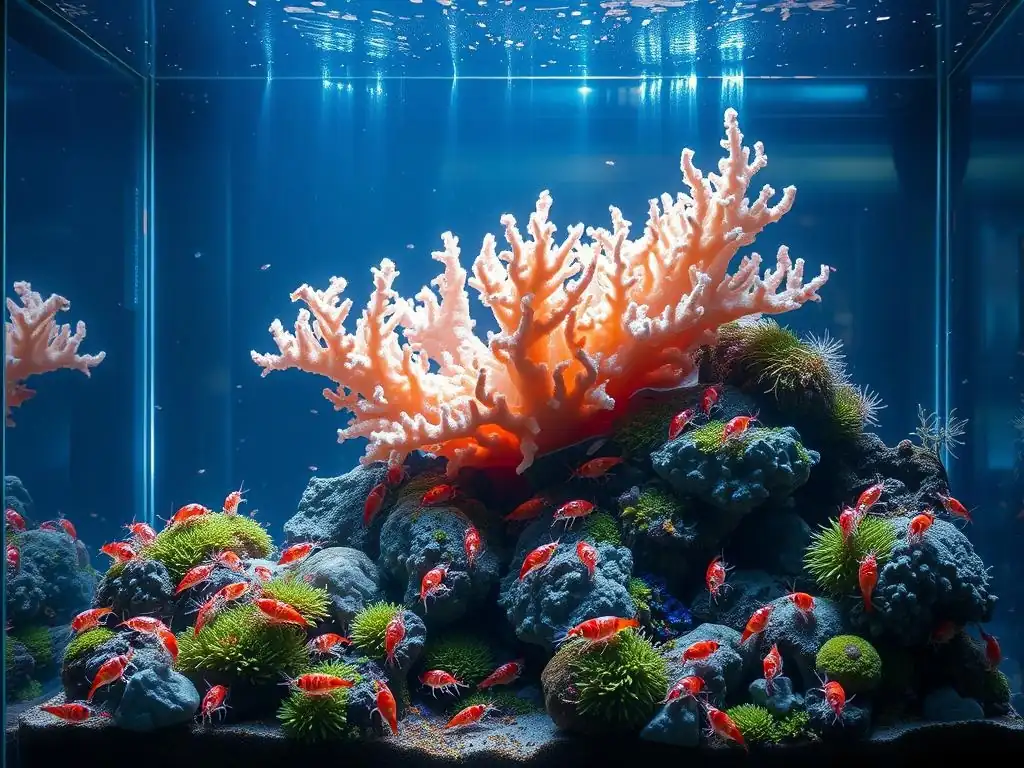
Welcome to Aquarium Mastery! Ever wondered how some aquariums seem to effortlessly maintain crystal-clear water and thriving ecosystems? Dive into the fascinating world of Clean Tank Invertebrate Balance and discover the secrets to a naturally self-regulating aquarium. This isn't just about cleaning; it's about understanding the delicate dance of life within your tank. Intrigued? Read on to unlock the power of invertebrate crews and achieve aquarium harmony!
- Understanding the Role of Invertebrates in Aquarium Ecosystems
- Key Saltwater Invertebrates for a Thriving Clean Tank
- Maintaining a Balanced Clean Tank Invertebrate Population
- Troubleshooting Common Clean Tank Invertebrate Issues
- Optimizing Your Clean Tank: Best Practices for Invertebrate Success
- Frequently Asked Questions
- Final Reflection: The Delicate Dance of Ecosystem Harmony
- Cultivate Your Ecosystem: Ignite a Thriving Invertebrate Crew!
Understanding the Role of Invertebrates in Aquarium Ecosystems
Why a Balanced Clean-Up Crew is Essential for a Healthy Saltwater Aquarium
A thriving saltwater aquarium relies heavily on a delicate ecological balance, and a well-chosen clean-up crew (CUC) of invertebrates is fundamental to achieving this. These unsung heroes diligently work to consume algae, process detritus, and scavenge uneaten food, significantly reducing the organic load within the system.
Without a robust and appropriately sized clean tank invertebrate balance, nutrient levels, particularly nitrates and phosphates, can quickly skyrocket, leading to unsightly algae blooms and posing a serious threat to the health of fish and corals. For instance, a tank lacking an adequate clean-up crew might experience a significant increase in nitrate levels, potentially rising from a desirable 5 ppm to over 20 ppm within weeks, whereas a balanced system can help maintain these levels below 10 ppm.
Beyond nutrient control, the presence of a diverse clean-up crew minimizes the need for rigorous manual cleaning, allowing aquarists more time to simply enjoy their aquatic ecosystem. These invertebrates play a vital role in maintaining substrate health by preventing compaction and reducing anaerobic pockets that can release harmful gases.
For example, a small group of detritus-eating snails can effectively process several grams of organic waste daily, contributing to clearer water and a more stable environment, which is crucial for sensitive reef inhabitants. This proactive approach to waste management by maintaining a proper clean tank invertebrate balance prevents many common aquarium problems before they even begin.
The Natural Cleaning Power of Invertebrates: A Symbiotic Relationship
The concept of a clean-up crew in a home aquarium directly mimics the intricate symbiotic relationships found in natural coral reefs. In these vast ecosystems, invertebrates like crabs, snails, and shrimp form the foundation of the waste management system, constantly consuming decaying matter, algae, and detritus. This natural process ensures that nutrients are recycled efficiently, preventing their accumulation to toxic levels. In an aquarium, replicating this natural cleaning power through a carefully selected clean tank invertebrate balance transforms the tank from a stagnant box of water into a dynamic, self-regulating mini-ecosystem.
Each type of invertebrate fills a specific ecological niche, contributing uniquely to the overall cleanliness and health of the tank. Herbivorous snails graze on various algae types, preventing their overgrowth, while detritivorous crabs and brittle stars delve into the substrate and rockwork, consuming decaying organic matter that would otherwise break down into harmful compounds.
For example, a single medium-sized Turbo snail can clear several square inches of film algae daily, while Nassarius snails can emerge from the sandbed to consume uneaten food within minutes. This collective effort by a diverse clean tank invertebrate population ensures a comprehensive approach to waste removal, fostering a healthier and more stable environment for all inhabitants.
Key Saltwater Invertebrates for a Thriving Clean Tank
Hermit Crabs: Scavengers and Algae Eaters
Hermit crabs are among the most popular and effective members of any clean-up crew, primarily valued for their scavenging habits and their ability to consume various types of algae, including nuisance hair algae. They are active explorers, constantly sifting through the substrate and over rockwork in search of food. Their diligent work helps to keep surfaces clean and prevent detritus from settling in one place, contributing significantly to a healthy clean tank invertebrate balance.
Selecting the Right Hermit Crab Species for Your Aquarium
When choosing hermit crabs, species selection is critical for ensuring compatibility and effectiveness. Dwarf Blue Leg Hermit Crabs ( Clibanarius tricolor) are a popular choice due to their small size (typically under 1 inch), peaceful nature, and voracious appetite for cyanobacteria and various types of film algae. They are generally reef-safe and do not pose a threat to corals or other invertebrates.
In contrast, Scarlet Reef Hermit Crabs ( Paguristes cadenati) are known for their vibrant red color and excellent algae-eating capabilities, growing slightly larger but remaining relatively reef-safe. It's important to avoid larger, more aggressive species like the Hawaiian Red Tip Hermit Crab, which can predate on snails or even small fish. For example, a 50-gallon reef tank might comfortably house 10-15 Dwarf Blue Leg Hermit Crabs without overstocking, providing excellent coverage for algae and detritus control.
Hermit Crab Behavior and Impact on Tank Substrate
Hermit crabs are fascinating to observe due to their constant movement and shell-swapping behavior. As they grow, they require larger shells, which should be readily available in the aquarium to prevent them from attacking snails for their shells. Their continuous foraging activity has a beneficial impact on the substrate, helping to aerate the sand bed and prevent compaction.
This natural sifting action aids in the breakdown of detritus and improves oxygen penetration into the substrate, which is crucial for beneficial anaerobic bacteria. However, their active nature means they can sometimes knock over small, unsecured coral frags or rockwork, especially larger species. A group of 5-7 hermit crabs in a 30-gallon tank can significantly reduce detritus accumulation in sandy areas within a few weeks, helping to maintain a pristine clean tank invertebrate system.
Snails: The Algae Grazers of the Reef
Snails are indispensable members of any clean-up crew, primarily serving as the tank's dedicated algae grazers. Their diverse feeding habits allow them to target different types of algae and detritus, making them essential for a comprehensive clean tank invertebrate balance. From microscopic film algae to larger strands of hair algae, there's a snail species perfectly suited for the task.
Turbo Snails: Efficient Algae Control
Turbo Snails, such as the Mexican Turbo Snail ( Turbo fluctuosa), are renowned for their incredible efficiency in controlling tough, pervasive algae, including diatoms and film algae that coat rocks and glass. These large, robust grazers have powerful radulas that scrape even the most stubborn algae from surfaces. A single Mexican Turbo Snail can clear several square inches of rock surface daily, making them highly effective in tanks with significant algae growth.
While incredibly effective, their larger size (often reaching 2-3 inches) means they can sometimes dislodge unsecured frags or small rock formations. For optimal clean tank invertebrate balance, it's advisable to add them to tanks with stable aquascaping.
Cerith Snails: Detritus Removal Specialists
Cerith Snails ( Cerithium atratum) are smaller, more agile snails that excel at cleaning the substrate and reaching into tight crevices where larger snails cannot go. They are primarily detritivores and detritus feeders, spending much of their time buried in the sand, helping to aerate it and consume decaying organic matter.
Their continuous movement through the top layers of the sand bed prevents anaerobic spots from forming, which can release harmful hydrogen sulfide gas. A healthy population of Cerith snails, typically 1 per 2-3 gallons, contributes significantly to maintaining a clean tank invertebrate balance by keeping the sand bed pristine and free of accumulated waste.
Nassarius Snails: Scavenging for Uneaten Food
Nassarius Snails ( Nassarius vibex or Nassarius obsoletus) are unique and highly beneficial members of the clean-up crew due to their keen sense of smell. These small, conical snails typically bury themselves in the sand, emerging rapidly when they detect uneaten food in the water column. They quickly track down and consume any decaying organic matter, preventing it from breaking down and polluting the water.
This rapid response to uneaten food helps to significantly reduce nutrient spikes and maintain water quality. A group of 5-7 Nassarius snails in a 50-gallon tank can effectively consume most uneaten food particles within minutes of them settling on the substrate, making them indispensable for a robust clean tank invertebrate balance.
Shrimp: Detritus and Parasite Control Experts
Shrimp are not only visually appealing but also highly functional members of the clean-up crew, offering specialized services from parasite removal to pest control. Their active foraging and unique behaviors make them valuable additions to a diverse clean tank invertebrate population.
Cleaner Shrimp: Maintaining Fish Health
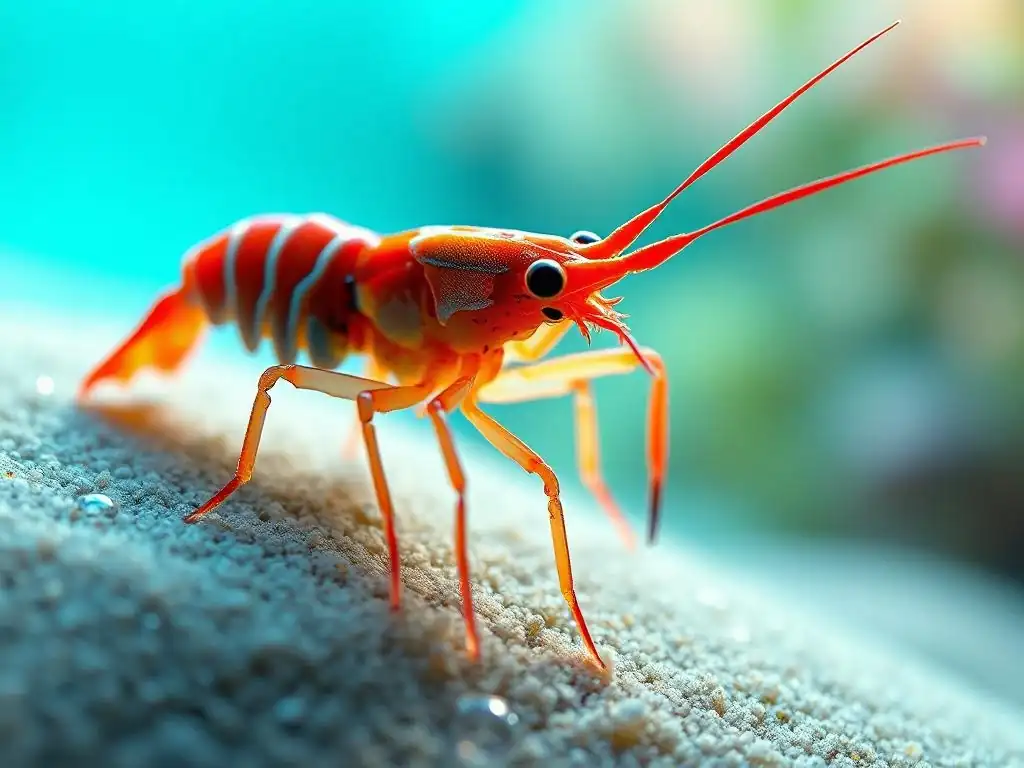
Cleaner Shrimp, such as the Skunk Cleaner Shrimp ( Lysmata amboinensis) and the Blood Red Fire Shrimp ( Lysmata debelius), are renowned for their symbiotic relationship with fish. They set up "cleaning stations" where fish will approach them to have external parasites, dead skin, and uneaten food picked off their bodies. This natural grooming behavior is not only fascinating to observe but also crucial for maintaining the health and well-being of your fish.
Studies suggest that cleaner shrimp can reduce external parasite loads on fish by up to 50% in controlled environments, contributing to a healthier and more resilient fish population. Their presence is a strong indicator of a balanced and thriving clean tank invertebrate system.
Peppermint Shrimp: Aiptasia Anemone Control
Peppermint Shrimp ( Lysmata wurdemanni) are highly sought after for their specific appetite for Aiptasia anemones, a common and often invasive pest in saltwater aquariums. While their effectiveness can vary between individual shrimp, a small group can significantly reduce or even eliminate an Aiptasia infestation. They patrol the rockwork, consuming these unwanted anemones, which can otherwise sting corals and quickly proliferate. In tanks with a moderate Aiptasia problem, introducing 3-5 Peppermint Shrimp can often bring the population under control within a few weeks, demonstrating their specialized role in maintaining a clean tank invertebrate balance by targeting specific nuisances.
Sea Stars: Specialized Cleaners for Specific Tasks
Sea stars, or starfish, offer unique cleaning capabilities, particularly for detritus removal and sand bed maintenance. While some species are not suitable for general clean-up, others are highly beneficial for specific tasks, contributing to a holistic clean tank invertebrate balance.
Brittle Stars: Detritus Removal in Hard-to-Reach Areas
Brittle Stars (various Ophiuroid species), especially the smaller "micro brittle stars" often hitchhiking on live rock, are excellent detritivores. With their long, flexible arms, they can navigate through tight crevices and under rockwork, reaching areas that other clean-up crew members cannot access. They actively scavenge for decaying organic matter and uneaten food particles, preventing their accumulation in hidden spots.
Larger species like the Green Brittle Star ( Ophiarachna incrassata) can grow up to 10 inches and efficiently process larger food particles from the substrate and rockwork. Their secretive nature and nocturnal habits make them unobtrusive yet highly effective contributors to detritus removal and maintaining a clean tank invertebrate ecosystem.
Sand Sifting Sea Stars: Maintaining Substrate Health
The Sand Sifting Sea Star ( Archaster typicus) is a specialized cleaner that plays a crucial role in maintaining the health of the sand bed. Unlike other sea stars, this species burrows into the sand, constantly sifting through it to consume detritus and microscopic organisms, while also aerating the substrate. This continuous sifting prevents the sand from compacting and developing anaerobic pockets, which can be detrimental to tank health.
A single Sand Sifting Sea Star can process approximately 1-2 cubic inches of sand per hour, significantly contributing to substrate cleanliness. However, they require a sufficiently large (e.g., 75+ gallons) and mature sand bed (at least 2-3 inches deep) to thrive, as they can starve in tanks with insufficient food sources. Their presence is a testament to a well-considered clean tank invertebrate balance.
Maintaining a Balanced Clean Tank Invertebrate Population
Avoiding Overstocking: Finding the Right Invertebrate Density
Achieving a truly balanced clean tank invertebrate population requires careful consideration of stocking density. While it might seem intuitive to add as many cleaners as possible, overstocking can lead to significant problems, including starvation among the clean-up crew members as they deplete their food sources, or an increase in bioload from their waste.
The ideal density depends on tank size, bioload from fish and corals, and the amount of available algae and detritus. A common guideline for a new reef tank is to start with 1-2 small snails (like Nassarius or Cerith) and 1 dwarf hermit crab per 5-10 gallons, adjusting based on observed algae and detritus levels.
Monitoring the tank for signs of insufficient cleaning (e.g., persistent algae blooms) or starvation (e.g., inactive snails, hermit crabs abandoning shells) is crucial. If algae is consistently growing, a slight increase in the clean-up crew might be warranted. Conversely, if invertebrates appear sluggish or are dying off regularly without apparent water quality issues, it may indicate overstocking. For instance, adding an additional 5-10 snails to a 50-gallon tank that shows persistent film algae could be beneficial, but adding 50 more without a significant algae issue could lead to starvation within months, disrupting the clean tank invertebrate balance.
Understanding Invertebrate Feeding Habits and Nutritional Needs
While the primary role of a clean-up crew is to consume algae and detritus, understanding their specific feeding habits and nutritional needs is vital for their long-term health. Most clean tank invertebrate species are primarily herbivores, detritivores, or scavengers, thriving on the natural food sources available in a well-established aquarium. However, in very clean or mature tanks where natural food sources may be scarce, supplemental feeding might be necessary to prevent starvation.
For grazing snails and some hermit crabs, offering spirulina flakes, algae wafers, or small pieces of dried seaweed once or twice a week can ensure they receive adequate nutrition. Nassarius snails and brittle stars benefit from small sinking pellets or leftover meaty foods from fish feeding.
It's important to observe your clean-up crew's activity; if they appear sluggish or are constantly clustered at the waterline, it could indicate insufficient food. Maintaining a consistent feeding schedule for your fish, without overfeeding, also ensures a steady, manageable supply of uneaten food for your clean tank invertebrate scavengers, contributing to their overall well-being and the tank's cleanliness.
Water Parameters and Invertebrate Health: Maintaining Optimal Conditions
Invertebrates are generally more sensitive to fluctuations in water parameters than fish, making stable and optimal water quality paramount for their health and longevity. Consistency in salinity, pH, and temperature is crucial to prevent stress, molting issues, and even mortality among your clean tank invertebrate population.
Salinity, pH, and Temperature Considerations
Maintaining stable salinity levels within the range of 1.023 to 1.026 specific gravity is critical for all marine invertebrates. Sudden drops or spikes, even by as little as 0.002 specific gravity points, can induce osmotic shock, leading to rapid death, particularly for shrimp and snails. Similarly, a stable pH between 8.1 and 8.4 is essential for calcification in snails and corals, and significant swings can inhibit growth or cause shell erosion.
Temperature should be kept consistent, ideally between 75-80°F (24-27°C), as rapid temperature changes can stress invertebrates and weaken their immune systems. For example, a reliable auto top-off system with RODI water helps maintain stable salinity, while consistent heating prevents temperature fluctuations, both vital for a thriving clean tank invertebrate balance.
The Importance of Nitrate and Phosphate Control
Elevated levels of nitrates and phosphates, while tolerated by some fish at moderate concentrations, are detrimental to most invertebrates, especially corals, and can fuel nuisance algae blooms. For a healthy clean tank invertebrate system, nitrates should ideally be kept below 10-20 ppm, and phosphates near undetectable levels (0.03 ppm or less). High nitrates can directly inhibit coral growth and cause stress in sensitive invertebrates, while elevated phosphates can hinder calcification processes in snails, hermit crabs, and corals.
Regular water changes (e.g., 10-20% weekly or bi-weekly), proper filtration, and judicious feeding are key to keeping these parameters in check. For instance, if phosphate levels consistently exceed 0.1 ppm, snails and hermit crabs may exhibit reduced activity and increased mortality rates, indicating a disrupted clean tank invertebrate environment.
Predator-Prey Relationships: Ensuring Invertebrate Safety
While invertebrates are essential for a clean tank, it's equally important to consider potential predator-prey relationships within the aquarium. Some fish species and even certain invertebrates can pose a threat to your clean-up crew, undermining your efforts to maintain a balanced system.
Fish Compatibility with Clean-Up Crews
Careful research into fish compatibility is crucial before introducing them into an aquarium with a clean-up crew. Certain fish are known predators of snails, crabs, or shrimp. For example, pufferfish, triggerfish, and some wrasses (e.g., Six-Line Wrasse, although often small, can pick at tiny snails) will readily consume invertebrates.
A Harlequin Tuskfish ( Choerodon fasciatus) or a Dogface Puffer ( Arothron meleagris) will systematically decimate a snail and crab population, rendering a clean tank invertebrate crew ineffective. Always verify that any new fish additions are considered "reef-safe with caution" or fully "reef-safe" to ensure the safety of your valuable clean-up crew members.
Crab and Shrimp Interactions
Even within the invertebrate community, certain species can be predatory. Some larger hermit crabs, especially if not provided with sufficient empty shells, may attack and kill snails to acquire their shells. Larger, more aggressive crab species, often hitchhiking on live rock (e.g., Gorilla Crabs), can be highly destructive to other clean-up crew members and even small fish.
Similarly, while cleaner shrimp are generally peaceful, some larger pistol shrimp species can be territorial and aggressive towards smaller tank inhabitants. Monitoring interactions and promptly removing any visibly aggressive or predatory invertebrates is essential for maintaining a harmonious and effective clean tank invertebrate balance.
Troubleshooting Common Clean Tank Invertebrate Issues
Invertebrate Deaths: Identifying and Addressing Potential Causes
The sudden death of clean-up crew members is a common issue that often signals underlying problems within the aquarium, requiring prompt investigation to prevent further losses. Invertebrates are often the first indicators of declining water quality or the presence of harmful substances.
Poor Water Quality and Invertebrate Mortality
The most frequent cause of invertebrate mortality is poor water quality, including rapid fluctuations in salinity, temperature, or pH, as well as elevated levels of ammonia, nitrite, or nitrate. Unlike fish, invertebrates have a lower tolerance for such changes and toxic compounds. For example, ammonia levels as low as 0.25 ppm can be lethal to many snails and shrimp within hours.
A sudden unexplained death of multiple snails and hermit crabs often points to a rapid change in salinity or temperature, even if fish appear unaffected for a short period. Regular testing of water parameters and maintaining stable conditions are paramount for the survival of your clean tank invertebrate population.
Copper Toxicity and Invertebrate Sensitivity
Copper-based medications, commonly used to treat parasitic infections like marine ich in fish, are highly toxic to all invertebrates. Even trace amounts of copper can be fatal. If you have treated your display tank with copper in the past, residual copper can leach from rocks, substrate, or silicone, making it unsafe for future clean tank invertebrate additions.
Concentrations as low as 0.15 ppm can be lethal to many shrimp and snails within hours. Therefore, it is strongly recommended to treat fish in a separate hospital tank if copper medication is required, ensuring that your main display tank remains a safe environment for your clean tank invertebrate crew.
Algae Blooms and Invertebrate Imbalances: Restoring Equilibrium
Persistent or recurring algae blooms, such as green hair algae or diatoms, are often a clear sign that your clean tank invertebrate crew is either insufficient for the bioload or that there's an underlying nutrient imbalance in the tank. These blooms indicate that the clean-up crew cannot keep pace with the available food source.
To restore equilibrium, first assess your existing clean-up crew population. Are there enough grazers (e.g., Turbo snails, hermit crabs) for the amount of algae present?
If green hair algae is proliferating rapidly, covering large areas of rockwork, it suggests either an insufficient clean tank invertebrate crew or a underlying nutrient problem, such as nitrate levels consistently above 20 ppm or phosphate levels above 0.1 ppm. Addressing the root cause is crucial: reduce overfeeding, perform more frequent or larger water changes, ensure proper filtration (e.g., protein skimmer, refugium), and consider adding more specific grazers to your clean tank invertebrate force to control the algae directly.
Introducing New Invertebrates: Acclimation and Quarantine Procedures
Proper acclimation is critical when introducing new invertebrates to your aquarium to minimize the shock of changing water parameters. Invertebrates are highly sensitive to sudden shifts in salinity, temperature, and pH. Drip acclimation is the preferred method, slowly introducing tank water into the bag over a period of at least 30-60 minutes, allowing the invertebrate to gradually adjust to the new water chemistry. A sudden change in salinity by even 0.001-0.002 specific gravity can be fatal for many sensitive clean tank invertebrate species.
While a full quarantine tank is often impractical for small clean-up crew members, it is still advisable when possible, especially for larger or more expensive invertebrates. This allows for observation for any signs of disease or parasites and prevents the introduction of unwanted pests or diseases into your main display tank. At a minimum, a thorough visual inspection for parasites (like Aiptasia on snails or crabs) and a slow, careful drip acclimation are paramount to ensure the successful integration of new clean tank invertebrate additions into your existing ecosystem.
Optimizing Your Clean Tank: Best Practices for Invertebrate Success
Providing Adequate Hiding Places and Substrate for Invertebrates
The success of your clean tank invertebrate crew is heavily influenced by the environment you provide. Adequate hiding places are crucial for the safety and well-being of many invertebrates, offering refuge from potential predators (like certain fish) and providing secure spots for molting. Live rock with numerous crevices, caves, and overhangs creates essential shelter for cleaner shrimp, brittle stars, and smaller hermit crabs. For example, a shrimp undergoing a molt is highly vulnerable; a well-structured aquascape provides the necessary concealment during this critical period.
Beyond hiding spots, the type and depth of substrate are vital for specific clean tank invertebrate species. A deep sand bed (at least 2-3 inches) is indispensable for sand-dwelling species like Nassarius snails and sand-sifting sea stars, allowing them to burrow, forage, and maintain their natural behaviors. Without suitable substrate, these invertebrates cannot perform their essential cleaning functions effectively and may even starve. Ensuring these environmental provisions is key to fostering a thriving and efficient clean tank invertebrate system.
Monitoring Invertebrate Activity and Adjusting Stocking Levels
Regularly observing the activity and health of your clean tank invertebrate crew provides invaluable insights into the overall condition of your aquarium. Active grazing by snails, constant sifting by sand-dwelling invertebrates, and the visible presence of hermit crabs indicate a healthy and effective clean-up crew. Conversely, sluggish behavior, inactive snails, or hermit crabs abandoning their shells can be early warning signs of water quality issues or insufficient food.
Based on these observations, you may need to adjust your stocking levels. If algae persists despite a seemingly healthy clean-up crew, you might consider adding a few more grazers. If invertebrates are dying off or appear to be starving, it could indicate overstocking or a lack of natural food sources, necessitating a reduction in their numbers or supplemental feeding. Aim for a dynamic balance where algae is present but always under control, without your clean tank invertebrate members looking underfed. This continuous monitoring and adjustment are essential for long-term clean tank invertebrate success.
The Long-Term Benefits of a Well-Balanced Clean Tank Invertebrate System
Investing time and effort into establishing and maintaining a well-balanced clean tank invertebrate system yields significant long-term benefits for both the aquarist and the aquarium inhabitants. A thriving clean-up crew acts as a natural biological filter, consistently processing waste and controlling nuisance algae, which in turn leads to a more stable and healthier aquatic environment. This reduces the frequency of manual algae scraping by 50-70% and can extend the time between major substrate vacuuming, drastically cutting down on routine maintenance tasks.
Beyond the reduced workload, a robust clean tank invertebrate population contributes to superior water quality, which directly translates to healthier, more vibrant fish and corals that are less susceptible to disease and stress. The aesthetic appeal of a clean, clear tank free from unsightly algae is also a major benefit. Ultimately, a well-managed clean tank invertebrate system creates a self-sustaining miniature ecosystem that is not only beautiful to behold but also more resilient and enjoyable for years to come, representing a truly optimized approach to marine aquarium keeping.
Frequently Asked Questions
How do invertebrate crews help maintain a clean tank?
Invertebrate crews consume algae and detritus, naturally cleaning the aquarium. This helps prevent nutrient buildup and maintain water clarity for a healthier environment. They also contribute to biological filtration.
What types of invertebrates are best for a clean tank?
Snails (like Nerite and Cerith), shrimp (like Amano and Cherry), and hermit crabs are excellent choices. Each species targets different types of algae and waste, contributing to a balanced ecosystem. Careful selection is key.
How do I ensure a proper invertebrate balance in my aquarium?
Begin with a small number of invertebrates and monitor their impact on algae and detritus. Avoid overstocking, as this can lead to starvation and imbalance. Consider the size of your tank and the needs of each species.
What are the signs of an invertebrate imbalance in my tank?
An overabundance of algae, excessive detritus buildup, or invertebrate deaths can indicate an imbalance. Also, observe if some invertebrates are outcompeting others for food.
How does water chemistry affect the clean tank invertebrate balance?
Stable water parameters are crucial for invertebrate health. Fluctuations in pH, ammonia, nitrite, and nitrate can stress or kill them, disrupting the delicate balance of the tank. Regular water testing is essential.
Final Reflection: The Delicate Dance of Ecosystem Harmony
The principles explored in this article, detailing the science behind maintaining a clean tank invertebrate balance, are not merely applicable to aquariums. They resonate deeply with the broader understanding of ecological systems and the interconnectedness of life, especially in a world increasingly aware of environmental fragility. The delicate balance we strive for within a glass box mirrors the challenges and responsibilities we face in preserving the health of our planet.
This exploration into the microcosm of a clean tank has profoundly influenced my perspective on the larger world. It’s a constant reminder that even the smallest creatures play a vital role in maintaining equilibrium, and that our actions, however seemingly insignificant, can have far-reaching consequences. In nature, nothing exists alone.
- Rachel Carson. This quote encapsulates the very essence of what we've discussed: the symbiotic relationships and intricate dependencies that define a thriving ecosystem, whether it's a coral reef or a carefully curated aquarium.
Now, I invite you to consider the lessons learned. How can you apply the principles of observation, understanding, and responsible intervention, as demonstrated in maintaining a clean tank, to other aspects of your life? Reflect on the small changes you can make to foster balance and harmony in your own environment, contributing to a healthier and more sustainable future, one mindful action at a time.
Cultivate Your Ecosystem: Ignite a Thriving Invertebrate Crew!
Thank you for diving into the fascinating world of invertebrate tank cleaners! We hope you've unlocked a new understanding of how these tiny creatures contribute to a balanced and beautiful aquarium. Ready to take the next step and witness the magic firsthand?
Here's how to create your own thriving ecosystem:
- Prioritize your tank's health: Carefully assess your aquarium's specific needs and introduce the perfect invertebrate cleanup crew for your system.:
- Explore the diversity: Research less common invertebrates like detritus worms or amphipods to enhance your cleanup team and ecosystem.
- Share your discoveries: Post photos and experiences with your cleanup crew in our forum.
What unique challenges do you face in your aquarium that you think a specific invertebrate crew could solve?