
SPS Coral Quarantine Mastered: Best Practices for a Healthy, PestFree Reef System

Welcome to Aquarium Mastery!
Ever wondered how seasoned reef keepers achieve vibrant, thriving SPS coral colonies? It all starts with a meticulous quarantine process. Dive into our comprehensive guide on SPS coral quarantine protocols and unlock the secrets to protecting your reef from devastating pests and diseases. Discover the best practices to ensure your new additions integrate seamlessly and contribute to a stunning, healthy reef ecosystem. Ready to master the art of SPS coral quarantine? Let's get started!
- Understanding the Importance of SPS Coral Quarantine for Reef Tanks
- Setting Up Your SPS Coral Quarantine Tank: A Step-by-Step Guide
- SPS Coral Quarantine Protocols: A Detailed Guide
- Identifying Common SPS Coral Pests and Diseases in Quarantine
- Best Practices for Maintaining a Pest-Free SPS Coral Quarantine System
- Transferring SPS Corals from Quarantine to Your Display Tank: The Final Step
- Advanced SPS Coral Quarantine Techniques
- Troubleshooting Common SPS Coral Quarantine Problems
- Long-Term Benefits of Implementing Strict SPS Coral Quarantine Practices
-
Frequently Asked Questions
- What is the primary reason for quarantining SPS corals?
- How long should I quarantine new SPS corals?
- What are some common pests to look for during SPS coral quarantine?
- What type of quarantine tank setup is recommended for SPS corals?
- What are some effective treatments for SPS coral pests during quarantine?
- Final Reflection: The Enduring Value of Vigilance
- Ignite Your Reef: Embrace SPS Coral Quarantine Success!
Understanding the Importance of SPS Coral Quarantine for Reef Tanks
Protecting Your Established Reef: Why Quarantine is Essential
Introducing new SPS corals into an established reef tank without proper quarantine is one of the riskiest practices an aquarist can undertake. Even seemingly healthy corals can harbor microscopic parasites, dormant eggs, or bacterial pathogens that are invisible to the naked eye.
These hidden threats, ranging from common marine ich and velvet to more specific coral pests like Acropora Eating Flatworms (AEFW) and Red Bugs, can rapidly decimate an entire reef system. Anecdotal evidence from experienced reef keepers suggests that up to 70% of new coral introductions without proper quarantine can lead to pest outbreaks within 3-6 months, often resulting in widespread coral loss and significant financial investment in remediation.
Once a pest or disease establishes itself in a large, complex display tank, eradication becomes incredibly challenging and often costly. For instance, a single AEFW egg mass, typically 0.5-1.0 mm in diameter and often overlooked, can hatch hundreds of larvae within days, quickly overwhelming an entire Acropora collection.
Similarly, a small colony of Red Bugs can rapidly reproduce and spread, causing SPS corals to lose color, recede, and eventually perish. Implementing strict SPS coral quarantine protocols is not merely a recommendation; it is a critical preventative measure that safeguards the health, stability, and aesthetic value of your meticulously cultivated reef environment.
Minimizing Risks: Preventing Pest and Disease Introduction through Quarantine
Quarantine serves as a vital buffer zone, allowing aquarists to observe, identify, and treat potential threats before they ever reach the main display tank. This proactive approach significantly minimizes the risk of introducing devastating pests and diseases that could otherwise wipe out years of growth and investment. By isolating new SPS corals, reef keepers gain the necessary time to detect subtle signs of trouble, such as unusual polyp retraction, tissue discoloration, or the presence of tiny, camouflaged pests that might only emerge after a few days or weeks.
The long-term cost-effectiveness of a dedicated SPS coral quarantine setup far outweighs the initial investment. Treating a widespread pest infestation in a large display tank, especially one exceeding 100 gallons, can easily incur hundreds to thousands of dollars in specialized treatments, replacement livestock, and valuable time.
In contrast, a basic, functional quarantine system can be established for an initial investment of approximately $100-$200. For example, a reef keeper who quarantined all new SPS corals for 30 days, meticulously following SPS coral quarantine protocols and observing them for signs of pests, successfully avoided a Red Bug infestation that plagued a friend's non-quarantined tank, leading to severe Acropora recession and significant losses.
Setting Up Your SPS Coral Quarantine Tank: A Step-by-Step Guide
Quarantine Tank Size and Placement Considerations
The size of your SPS coral quarantine tank should be practical yet sufficient to house incoming corals comfortably for an extended period. For most hobbyists introducing a few frags or small colonies, a 10-gallon to 20-gallon long aquarium is generally adequate.
A 10-gallon tank can comfortably house 3-5 small SPS frags, providing enough space for individual observation and treatment, while a 20-gallon long offers more horizontal space, which is beneficial for larger pieces or a greater number of small frags, allowing for better flow and light distribution. The key is to choose a tank size that is manageable for water changes and parameter stability, yet large enough to prevent overcrowding.
Placement of the quarantine tank is equally crucial for effective SPS coral quarantine protocols. It should be situated away from the main display tank to prevent any accidental splash contamination or cross-transfer of pests via shared air or equipment. A stable environment, free from significant temperature fluctuations and direct sunlight, is ideal.
Many aquarists opt for a dedicated fish room, a basement, or a quiet corner in a utility area. Placing the quarantine tank in a low-traffic area, perhaps on a sturdy stand or a dedicated shelf, also reduces the likelihood of accidental contamination from hands or other household activities, ensuring that the isolation barrier remains robust.
Essential Equipment for SPS Coral Quarantine: Lights, Flow, and Filtration
For SPS coral quarantine, simplicity and functionality are prioritized over elaborate equipment. Lighting should be sufficient to sustain the corals without inducing stress. A basic LED fixture providing low to moderate PAR (Photosynthetically Active Radiation) is typically sufficient; high-end, expensive lights are not necessary. Aim for PAR levels between 100-200 PAR in the quarantine tank, preventing bleaching from excessive light while still allowing photosynthesis. Small, affordable units like a basic Kessil A80 or a small AI Prime are often more than adequate.
Adequate water flow is essential for SPS coral health, even in quarantine. Gentle, consistent flow, provided by a small powerhead such as a Tunze 6015 or a Jebao OW-10, will prevent detritus accumulation and ensure proper gas exchange.
Target flow rates of 10-20 times the tank volume per hour are generally adequate for circulating water and keeping corals clean. Filtration should be straightforward: a simple sponge filter provides biological filtration, and a small hang-on-back (HOB) filter with mechanical media (e.g., filter floss) and a small amount of biological media (e.g., ceramic rings) can effectively remove particulate matter and support beneficial bacteria.
It's crucial to avoid using live rock from the display tank in the quarantine system, as this can introduce pests or absorb medications. A simple 10-gallon quarantine tank could be effectively equipped with a $30 HOB filter, a $20 small powerhead, and a $50 LED light, providing sufficient conditions without significant investment.
Maintaining Optimal Water Parameters in the Quarantine Tank
Maintaining stable and optimal water parameters is paramount for the health and resilience of SPS corals, especially during the stressful quarantine period. Salinity, temperature, alkalinity, calcium, and magnesium should be kept consistent. It is highly recommended to use water from the display tank for initial setup and subsequent water changes, assuming the display tank's parameters are healthy and stable. This minimizes the shock of transition for the corals. Target parameters should align closely with those of your display tank: Salinity 1.025-1.026 SG, Temperature 77-79°F, Alkalinity 7.5-8.5 dKH, Calcium 400-450 ppm, and Magnesium 1300-1400 ppm.
Regular and diligent testing is a cornerstone of effective SPS coral quarantine protocols. Daily or bi-daily testing for critical parameters like alkalinity, calcium, and salinity will allow for prompt adjustments, preventing large swings that can stress corals. For instance, fluctuations exceeding 0.5 dKH per day can significantly stress SPS corals, leading to tissue recession or bleaching.
If your main display tank consistently runs at 8.2 dKH, ensure your quarantine tank is maintained within 0.1-0.2 dKH of that value to minimize transition shock for the SPS coral. Consistent monitoring and small, incremental adjustments are key to providing a stable environment for new additions.
SPS Coral Quarantine Protocols: A Detailed Guide
Step 1: Initial Inspection and Acclimation of New SPS Corals
Inspecting for Common SPS Coral Pests and Diseases
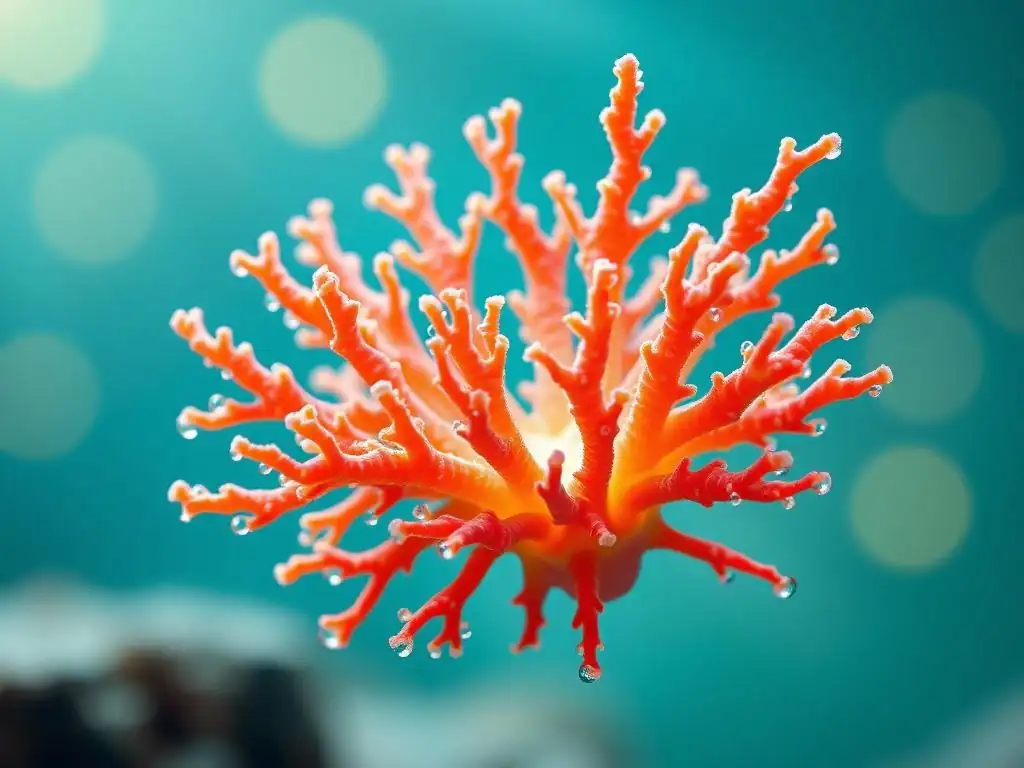
Upon receiving new SPS corals, a meticulous initial inspection is the first critical step in any robust SPS coral quarantine protocols. Before introducing the coral to the quarantine tank, carefully inspect it outside the water, preferably under bright light and with the aid of a magnifying glass or a 10x jeweler's loupe. Look for any discolored areas, tissue recession, unusual growths, or visible pests.
Common SPS pests like Acropora Eating Flatworms (AEFW) are often translucent and can blend seamlessly with the coral tissue, but their distinctive egg masses, typically 0.5-1.0 mm in diameter and oval-shaped, might be visible on the coral's base or crevices. Red Bugs, tiny reddish-orange copepods, are harder to spot but can sometimes be seen moving on the coral's branches.
Beyond visual inspection, a prophylactic coral dip is highly recommended as part of the initial SPS coral quarantine protocols. This involves immersing the coral in a specialized dip solution designed to dislodge or kill external parasites. While dipping, gently agitate the coral or use a turkey baster to blast water over its surface, encouraging any hidden pests to release. Carefully examine the dip solution afterward for any dislodged organisms. For example, upon receiving a new Acropora frag, carefully examine the base for any unusual growths or tiny, oval-shaped egg clusters that might indicate the presence of Acropora Eating Flatworms.
Proper Acclimation Techniques for SPS Corals
Proper acclimation is crucial to minimize stress when introducing new SPS corals to the quarantine environment. The primary goals are to slowly equalize temperature, salinity, and pH. Begin by floating the coral's bag in the quarantine tank for 15-20 minutes to allow the water temperature to equalize. Once temperatures are matched, proceed with drip acclimation for salinity and pH. This involves slowly dripping water from the quarantine tank into the container holding the coral, allowing for a gradual adjustment.
Drip acclimation over 30-60 minutes is recommended for new SPS corals to slowly equalize salinity and pH, reducing osmotic shock. Use an airline tubing and a knot or airline valve to create a slow drip, aiming for 1-2 drips per second, until the volume of water in the coral's container has at least doubled. After acclimation, gently transfer the coral to the quarantine tank, avoiding exposing it to air for extended periods.
Finally, remember that SPS corals also need light acclimation. Start by placing them lower in the quarantine tank or under reduced light intensity, gradually increasing light exposure over several days to prevent light shock and bleaching.
Step 2: The Quarantine Period: Observation and Treatment
Recommended Quarantine Duration for SPS Corals
The recommended quarantine duration for SPS corals is a minimum of 30 days, although many experienced aquarists advocate for 60 to 90 days, especially if any signs of pests or diseases are observed. This extended period is crucial because it allows sufficient time for the life cycles of common coral pests to complete and for any dormant stages to become active and visible.
For instance, the life cycle of Acropora Eating Flatworms (AEFW) from egg to adult is approximately 10-14 days. A 30-day quarantine period allows for at least two complete life cycles to be observed and treated if necessary, while a longer duration provides an even greater margin of safety.
During this period, the goal is not just to observe, but to confirm that no new pests or diseases emerge. If any signs of trouble appear, the clock resets after the last treatment or confirmed eradication. For example, if Red Bugs are suspected and treated, a 4-6 week quarantine period after the last treatment is crucial, as treatments often target specific life stages, and repeated treatments are necessary to break the pest's reproductive cycle. Patience is a virtue in this phase of SPS coral quarantine protocols; rushing the process can negate all preventative efforts.
Monitoring SPS Corals for Signs of Stress or Disease
Daily, meticulous observation is paramount throughout the SPS coral quarantine period. Aquarists should regularly inspect each coral for any subtle changes that might indicate stress, disease, or the presence of pests. Key indicators to look for include changes in color (paleness or darkening), reduced polyp extension (less than 50% of typical extension), tissue recession (especially starting from the base or tips), or the appearance of any unusual growths or foreign organisms. Early signs of stress in SPS corals can be very subtle, but they can progress rapidly if left unaddressed.
To aid in monitoring, taking daily or bi-daily photographs of each coral can be incredibly useful. This allows for a direct visual comparison over time, making it easier to spot gradual changes that might otherwise go unnoticed. For instance, a Montipora cap that appears pale and has retracted polyps for more than 24 hours in quarantine, despite stable water parameters, could be indicating stress from light shock or an underlying issue requiring closer inspection. Any suspicious findings should prompt immediate investigation and, if necessary, targeted treatment to prevent the issue from escalating.
Step 3: Effective SPS Coral Pest Treatment Options
Coral Dips: Choosing the Right Dip for Specific Pests
Coral dips are an essential component of SPS coral quarantine protocols, serving as the first line of defense against external parasites. Various commercial dips are available, such as CoralRx, Revive, and Two Little Fishies ReVive Coral Cleaner, each with slightly different active ingredients and recommended uses. For example, CoralRx is highly effective against various flatworms and nudibranchs, while specific products containing ingredients like Bayer Complete Insect Killer (imidacloprid, used in diluted form by some experienced hobbyists) are often employed for pests like Red Bugs. It is crucial to choose the right dip for the specific pest identified or suspected.
When performing a dip, always follow the manufacturer's instructions precisely regarding dosage and duration. Typically, a dip duration is 5-10 minutes, but some treatments might require a shorter or longer immersion. During the dip, gently agitate the coral or use a small powerhead to create flow around it, helping to dislodge pests.
After the dip, rinse the coral thoroughly with clean, temperature-matched quarantine tank water before returning it to the system. For suspected Acropora Eating Flatworms, a dip in CoralRx at the recommended concentration (e.g., 20 drops per gallon) for 7-10 minutes, with gentle agitation, can effectively dislodge many adult flatworms.
Systemic Treatments: When and How to Use Them
Systemic treatments are a more potent option, typically reserved for specific, persistent pests that are difficult to eradicate with dips alone, most notably Red Bugs (Tegastes acroporanus). The most common systemic treatment for Red Bugs involves the use of milbemycin oxime, often found in veterinary medications like Interceptor. This medication works by being absorbed into the coral's tissue, poisoning the pests that feed on it. However, systemic treatments carry inherent risks and require careful execution.
Dosing must be precise, as even slight overdoses can be detrimental to corals and other invertebrates. Interceptor, a veterinary medication, is typically dosed at 0.25 mg per gallon for Red Bugs. Before administering, all carbon and other chemical filtration media must be removed from the quarantine tank.
The tank should be well-oxygenated during the treatment period, which typically lasts around 6 hours, followed by a large water change and the reintroduction of carbon to remove residual medication. An experienced reef keeper dealing with a persistent Red Bug infestation in a quarantine tank might opt for a systemic treatment with Interceptor, ensuring all carbon is removed and the tank is well-oxygenated during the treatment period. Due to their potency and potential risks, systemic treatments should only be undertaken after thorough research and understanding of the specific SPS coral quarantine protocols involved.
Step 4: Nutritional Support During Quarantine
Feeding SPS Corals in Quarantine: Maintaining Health and Color
While SPS corals primarily derive energy from photosynthesis through their symbiotic zooxanthellae, providing supplemental nutrition during quarantine can significantly enhance their health, resilience, and coloration. The stress of being moved and potentially treated can impact their photosynthetic efficiency, making external feeding beneficial. Target feeding with a high-quality zooplankton (e.g., 50-100 microns), phytoplankton, or amino acid solution can provide essential nutrients. Zooplankton supplementation 2-3 times per week can significantly improve their resilience and coloration.
Small, frequent feedings are preferable to large, infrequent ones to avoid nutrient buildup in the small quarantine system. Using a pipet or turkey baster to direct food towards the coral's polyps can maximize uptake. For example, dosing a high-quality amino acid solution, such as PolypLab Reef-Roids or Brightwell Aquatics AminOmega, directly into the water column or target feeding specific corals with a pipet can provide essential nutrients that promote tissue health and vibrant colors, especially during the stressful quarantine period.
Supplementation Strategies for SPS Coral Growth During Quarantine
Maintaining stable water parameters is the cornerstone of supporting SPS coral growth in quarantine. This includes consistently monitoring and supplementing alkalinity, calcium, and magnesium, which are the building blocks for their skeletal structure. SPS corals can consume up to 0.5 dKH per day in a healthy, growing system, making regular dosing crucial. Using a balanced two-part solution, adjusted based on daily test results, will ensure these parameters remain within optimal ranges (Alkalinity 7.5-8.5 dKH, Calcium 400-450 ppm, Magnesium 1300-1400 ppm).
Beyond the major elements, trace elements like iodine and strontium can also contribute to SPS coral health and vibrancy, though their consumption rates are much lower. Many balanced salt mixes provide adequate levels, but if the quarantine period is extended, a low-dose trace element supplement can be considered. The focus should remain on stability; consistent parameters are far more beneficial than chasing specific numbers with aggressive dosing. Regular dosing of a balanced two-part alkalinity and calcium solution, adjusted based on daily test results, will ensure the SPS corals have the building blocks for skeletal growth while in quarantine.
Identifying Common SPS Coral Pests and Diseases in Quarantine
Recognizing Red Bugs and Acropora Eating Flatworms (AEFW)
Two of the most notorious and destructive pests for SPS corals, particularly Acropora, are Red Bugs (Tegastes acroporanus) and Acropora Eating Flatworms (AEFW, Amakusaplana acroporae). Recognizing these pests early in quarantine is critical for successful eradication. Red Bugs are tiny (1-2 mm long), reddish-orange copepods that typically infest Acropora corals.
They cause tissue recession, poor polyp extension, and color loss, often seen clustered in the crevices of Acropora branches. While small, their movement can sometimes be observed with a magnifying glass. A common sign of Red Bugs is when an Acropora coral, despite good water parameters, slowly loses color and exhibits poor polyp extension, with tiny red specks visible on its branches.
AEFW are small (5-10 mm long), translucent flatworms that are incredibly adept at camouflaging themselves against the coral tissue. They are identifiable by their distinct ruffled edge and two small "tails." AEFW feed on the coral's tissue, leaving characteristic bite marks and exposed skeleton, often starting from the tips or base.
Their presence is also confirmed by their distinctive oval-shaped egg masses, which are translucent and typically found in protected areas of the coral's skeleton. Regular visual inspection, especially of the undersides and crevices of the coral, is crucial for early detection. Upon receiving a new Acropora frag, carefully examine the base for any unusual growths or tiny, oval-shaped egg clusters that might indicate the presence of Acropora Eating Flatworms.
Identifying Nudibranchs and Other SPS Coral Predators
Beyond flatworms, several species of nudibranchs can also be highly destructive SPS coral predators. The most common are Montipora-eating nudibranchs (Phestilla melanobrachia), which are small, white, and expertly blend in with the Montipora coral's polyps and tissue. They cause bare spots and tissue loss on Montipora colonies, often mimicking the coral's texture. These nudibranchs are typically 5-10 mm long and are masters of camouflage, often appearing as small bumps on the coral's surface. Detection usually requires a keen eye and careful observation, especially at night when they are more active.
Other less common but equally damaging predators include various types of snails and worms that might hitchhike on coral frags. For instance, some predatory snails can consume SPS tissue, leaving characteristic scars. While not typically a threat to SPS corals, zoanthid-eating nudibranchs could be an issue if your frag plug happens to have any unintended zoanthid polyps.
If a Montipora digitata colony in quarantine begins to show circular areas of tissue recession, especially at night, carefully inspect for small white nudibranchs that mimic the coral polyps. Manual removal during dips or with tweezers is often the most effective method for these larger, visible pests.
Spotting Bacterial Infections and Tissue Necrosis in SPS Corals
Bacterial infections and tissue necrosis are serious threats to SPS corals, often manifesting as rapid or slow tissue loss. Rapid Tissue Necrosis (RTN) is characterized by sudden, swift tissue loss, often starting from the base of the coral and progressing quickly, sometimes stripping a colony down to bare skeleton within 24-48 hours. It typically appears as a stark white band moving across the coral. Slow Tissue Necrosis (STN) is similar but progresses at a much slower rate, taking days or weeks for tissue loss to occur. Both are often triggered by stress, poor water quality, or physical damage.
Another concerning bacterial issue is Brown Jelly Disease, which presents as a brown, slimy substance covering parts of the coral. This is often seen on stressed corals or those that have suffered physical damage, and it can spread rapidly.
A new Acropora frag in quarantine showing a white band of exposed skeleton that expands noticeably over a few hours is a clear indicator of RTN, requiring immediate action like fragging healthy tissue or a freshwater dip to try and save parts of the colony. Prompt recognition and intervention, which may include fragging off healthy sections or administering targeted antibiotic dips, are crucial for mitigating the impact of these devastating diseases within your SPS coral quarantine protocols.
Best Practices for Maintaining a Pest-Free SPS Coral Quarantine System
Regular Water Changes and Parameter Monitoring
Maintaining pristine water quality is a cornerstone of effective SPS coral quarantine protocols. Regular water changes are essential for diluting accumulated waste products from coral respiration, feeding, and any treatments administered, as well as for replenishing essential trace elements.
Performing 10-20% weekly water changes in a quarantine tank helps maintain stable parameters and dilute any accumulated waste products. It is generally recommended to use fresh, newly mixed saltwater for these changes, or if your display tank parameters are consistently excellent and stable, water from the main system can be used to further minimize transition shock when corals are eventually moved.
Alongside water changes, continuous parameter monitoring is critical. Daily testing of alkalinity, calcium, magnesium, salinity, and temperature ensures that the environment remains stable and conducive to coral health. Even small amounts of excess phosphates (over 0.03 ppm) or nitrates (over 10 ppm) combined with sufficient light can trigger nuisance algae blooms in a quarantine tank within days, further stressing corals.
Consistent monitoring allows for immediate, small adjustments, preventing larger imbalances that could compromise the quarantine process. For example, if your quarantine tank is 10 gallons, changing 1-2 gallons of water weekly, ideally sourced from a fresh batch of RODI water mixed to target salinity, will significantly contribute to coral health and stability.
Proactive Pest Control Measures in the Quarantine Tank
Beyond initial dips and inspections, proactive pest control measures within the quarantine tank itself are vital for robust SPS coral quarantine protocols. Even if no pests are seen initially, some experienced aquarists opt for scheduled prophylactic dips during the quarantine period. For instance, a follow-up dip 7-10 days after the initial dip can be highly effective at catching newly hatched pests that may have survived the first treatment as eggs. Manual removal of any visible pests, even tiny ones, should be done immediately using tweezers or by siphoning them out.
Regular, thorough visual inspections, perhaps with a magnifying glass, should be a daily ritual. If a specific pest like AEFW or Red Bugs is suspected or confirmed, a targeted treatment regimen (e.g., multiple dips over several weeks or systemic treatments) should be initiated.
After an initial dip, some reef keepers choose to perform a second dip on all new SPS corals 7 days later, even if no pests were initially observed, to catch any pests that may have hatched from hidden egg masses. This proactive vigilance and willingness to re-treat, even in the absence of obvious signs, significantly increases the likelihood of a pest-free transfer to the display tank.
Preventing Cross-Contamination Between Quarantine and Display Tanks
Preventing cross-contamination is arguably the most critical aspect of maintaining a truly pest-free SPS coral quarantine system. All equipment used in the quarantine tank—nets, tongs, siphons, buckets, and even hands—should be strictly dedicated to the quarantine system and never used in the main display tank without thorough sterilization. Implementing a "one-way flow" system for equipment, where tools used in the quarantine tank are never used in the display tank without thorough sterilization (e.g., soaking in a bleach solution followed by a thorough rinse and drying), significantly reduces cross-contamination risk by over 90%.
Furthermore, strict personal hygiene is paramount. Always wash your hands thoroughly with soap and water before and after handling corals or equipment in the quarantine tank. Some aquarists even wear dedicated gloves for quarantine tank maintenance.
Avoid transferring water, detritus, or even dried salt creep from the quarantine area to the display tank. Labeling a separate set of long-handled tongs, a small net, and a turkey baster specifically for the quarantine tank ensures that no pest-carrying water or debris can inadvertently enter the main reef system. This disciplined approach ensures that the quarantine tank truly acts as an isolated barrier, protecting your prized reef.
Transferring SPS Corals from Quarantine to Your Display Tank: The Final Step
Ensuring Complete Eradication of Pests and Diseases
The final decision to transfer SPS corals from quarantine to the display tank is a momentous one, signifying the successful completion of rigorous SPS coral quarantine protocols. Before this step, it is absolutely essential to be confident that all pests and diseases have been completely eradicated. This means observing the corals for a significant period (a minimum of two weeks is recommended, but 3-4 weeks is safer) after the last observed pest or the final treatment, with no re-emergence of symptoms or visible pests.
Perform one final, meticulous inspection of each coral. Pay close attention to the undersides, crevices, and frag plugs, looking for any hidden egg masses or tiny organisms. If there is any doubt whatsoever, extend the quarantine period or re-treat if necessary. For example, if you treated a coral for AEFW, wait at least 14 days after the last observed flatworm or egg mass before considering transfer, ensuring no new generations emerge. Rushing this final step can undo all the diligent work invested in the quarantine process.
Gradual Acclimation to Display Tank Conditions
Even after a successful quarantine, SPS corals need careful acclimation to the display tank's environment, particularly regarding lighting and flow. The lighting in a display tank is typically much more powerful and diverse than in a quarantine setup. To prevent light shock and bleaching, start by placing the quarantined SPS coral lower in the display tank, in an area with lower PAR intensity than its intended final location.
Gradually move the coral up over several days to a week, allowing it to adapt to the higher light levels. Starting an SPS coral at 50% of the display tank's typical PAR intensity for its final location, and gradually increasing exposure over 1-2 weeks, can prevent light shock and bleaching.
Similarly, the flow dynamics in a display tank can be significantly different. While the quarantine tank provided gentle, consistent flow, the display tank might have more turbulent or varied patterns. Position the coral in an area with similar flow to what it experienced in quarantine, avoiding direct, harsh blasts from powerheads.
Observe the coral's polyps and tissue for signs of stress related to flow. Gradually adjust its position over a few days until it appears comfortable and its polyps are fully extended. For instance, a new Acropora colony accustomed to 150 PAR in quarantine should initially be placed in a section of the display tank receiving around 250-300 PAR, then slowly moved higher to reach its target 400-600 PAR over 7-10 days.
Post-Transfer Observation: Monitoring for any Delayed Reactions
The transfer to the display tank is not the end of the observation period. Even with the most stringent SPS coral quarantine protocols, a small percentage (less than 5%) of corals may exhibit delayed stress or pest resurgence in the display tank, making continued vigilance crucial for the first 2-4 weeks. Continue to observe the newly introduced SPS corals daily for any signs of stress, such as paling, browning, reduced polyp extension, or tissue recession. Also, keep an eye out for any unexpected pest sightings on the new coral or surrounding corals.
Early detection of any issues post-transfer can allow for prompt intervention. If a problem arises, the coral may need to be re-quarantined for further observation and treatment. For example, after transferring a new Montipora frag, observe its polyp extension and color daily for the first two weeks. Any sudden recession or paleness could indicate a delayed reaction to the new environment or a missed pest that managed to slip through the quarantine process, necessitating immediate action.
Advanced SPS Coral Quarantine Techniques
Fragging SPS Corals in Quarantine for Enhanced Observation
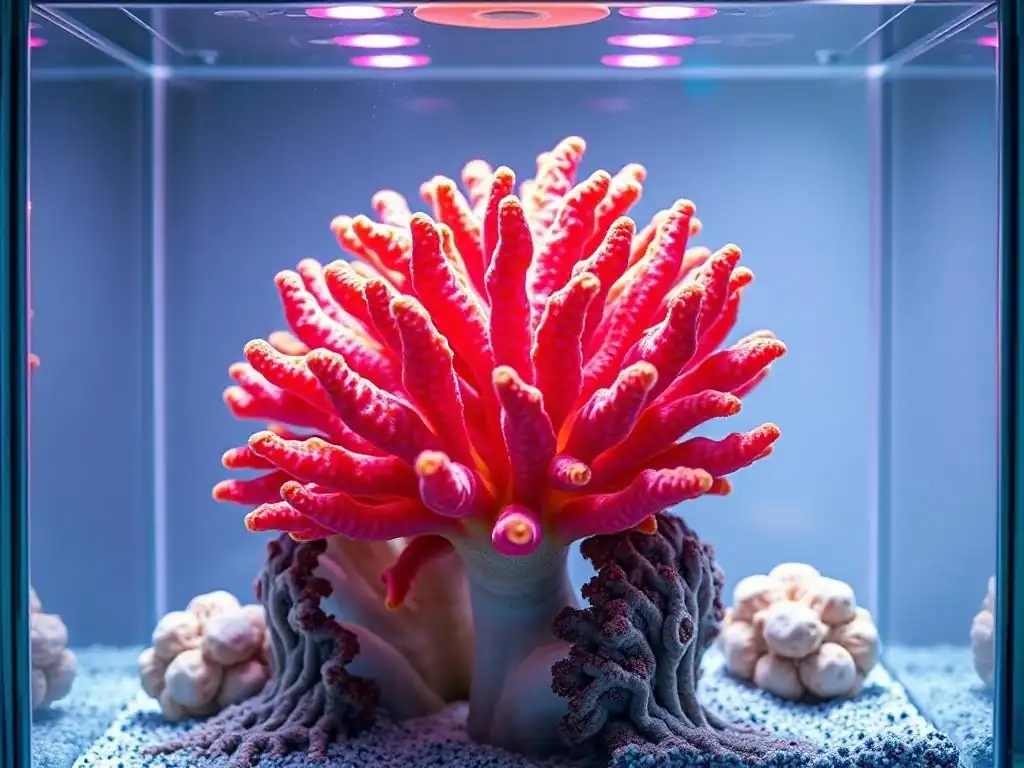
An advanced, yet highly effective, SPS coral quarantine protocol involves fragging new colonies while they are still in the quarantine tank. This technique offers several distinct advantages. Firstly, it allows for a more thorough inspection of the original base and crevices of the coral, which are often prime hiding spots for pests like AEFW eggs or tiny nudibranchs.
By breaking down a larger colony into smaller pieces, every surface becomes more accessible for visual scrutiny and targeted dipping. Fragging a new SPS colony into 2-3 smaller pieces (e.g., 1-2 inches each) can allow for more thorough inspection of the original base and crevices, which are often hiding spots for pests.
Secondly, fragging promotes healing and can create multiple "test subjects" for observation. If one frag shows signs of stress or pests, it can be removed for more intensive treatment without disturbing the others. This also gives the aquarist the opportunity to practice fragging techniques in a controlled environment.
Once fragged, the pieces can be mounted on inert frag plugs or discs, which are less likely to harbor pests than natural rock. For example, if a large Acropora colony is acquired, fragging a few small pieces and quarantining them separately can provide a "test run" for observation, while the main colony also undergoes quarantine.
Using Biological Controls in Quarantine
While the primary focus of SPS coral quarantine protocols is chemical or manual pest eradication, some aquarists consider the cautious use of biological controls in specific, limited scenarios within the quarantine tank. However, this is generally less common and often not recommended for the core purpose of pest eradication for typical SPS pests, as the small, sterile quarantine environment may not be suitable for sustaining many predatory organisms. For instance, introducing a small Nassarius snail can help consume detritus and uneaten food, contributing to water quality, but it is not a primary pest control strategy for coral-eating pests.
True biological controls, such as wrasses for flatworms or Berghia nudibranchs for Aiptasia, are typically reserved for display tanks where chemical treatments are undesirable. Their husbandry needs can be complex, and their introduction into a small, temporary quarantine tank designed for observation and treatment of corals might introduce new variables or stress to the system.
While certain biological controls like wrasses or Berghia nudibranchs are effective in display tanks, their use in a small, sterile quarantine tank for the primary purpose of pest eradication is generally not recommended due to their own husbandry needs and the temporary nature of the QT. Therefore, for most SPS coral quarantine protocols, reliance on chemical dips, systemic treatments, and meticulous manual removal remains the most reliable approach.
Troubleshooting Common SPS Coral Quarantine Problems
Addressing SPS Coral Stress and Bleaching in Quarantine
SPS corals can exhibit signs of stress or even begin to bleach in quarantine, despite diligent adherence to SPS coral quarantine protocols. The most common causes include light shock, unstable water parameters, or inadequate flow. Light shock occurs when a coral accustomed to lower PAR levels is suddenly exposed to significantly higher intensity.
SPS corals can lose 10-20% of their zooxanthellae (bleach) within 24-48 hours if exposed to significantly higher light intensity than they are accustomed to. If bleaching or paling is observed, immediately reduce the light intensity by raising the fixture, placing the coral lower in the tank, or reducing the photoperiod.
Unstable water parameters, particularly fluctuations in alkalinity, calcium, or salinity, can also induce stress. Daily testing and consistent dosing are critical to prevent this. Ensure that flow is sufficient to keep detritus off the coral's tissue but not so strong that it causes tissue damage.
If a new Acropora frag starts to bleach within a few days of entering quarantine, first check the PAR levels and consider raising the light fixture or placing the coral lower in the tank. Sometimes, stress can also be an early indicator of a hidden pest or bacterial infection that has not yet become fully apparent, warranting a closer inspection.
Dealing with Algae Blooms in the Quarantine Tank
Nuisance algae blooms can occasionally occur in a quarantine tank, even with careful management. These are typically caused by an imbalance of nutrients (nitrates and phosphates) combined with sufficient light. Even small amounts of excess phosphates (over 0.03 ppm) or nitrates (over 10 ppm) combined with sufficient light can trigger nuisance algae blooms in a quarantine tank within days. Overfeeding corals, using nutrient-rich source water, or insufficient water changes can contribute to this problem.
To address an algae bloom, first, verify water parameters, specifically nitrates and phosphates. Increase the frequency and volume of water changes (e.g., 25% every 2-3 days) to export excess nutrients. Reduce or temporarily cease coral feeding if nutrient levels are high. Shorten the photoperiod or reduce light intensity. Manual removal of algae with a scraper or brush is also helpful. A sudden green film on the glass of the quarantine tank suggests excess nutrients. Performing a 25% water change and reducing feeding frequency can often resolve this, restoring a clean environment for the quarantined SPS corals.
Resolving Water Parameter Imbalances
Water parameter imbalances in the quarantine tank can quickly stress SPS corals, leading to health decline. Regular testing is the first step in early detection. If, for instance, alkalinity tests low, it's crucial to correct it slowly. Attempting to correct a 1.0 dKH drop in alkalinity within a few hours can cause more stress than the imbalance itself. Gradual adjustments over 24-48 hours are always preferred. For example, if alkalinity tests low, slowly dose a buffered alkalinity solution over several hours or a full day, aiming to raise it by no more than 0.5 dKH per day.
Similarly, if salinity drifts, slowly adjust it over several hours or a day. For high salinity, add RODI water in small increments; for low salinity, add small amounts of mixed saltwater. Always use precise measuring tools and avoid "eyeballing" dosages. Consistent testing, small incremental adjustments, and patience are key to successfully resolving water parameter imbalances and maintaining a stable environment for SPS corals undergoing quarantine.
Long-Term Benefits of Implementing Strict SPS Coral Quarantine Practices
A Thriving and Healthy Reef Ecosystem
The most significant long-term benefit of implementing strict SPS coral quarantine protocols is the cultivation of a thriving, healthy, and resilient reef ecosystem. By preventing the introduction of pests and diseases, aquarists can ensure their established corals and fish remain vibrant and free from the stress and damage caused by outbreaks.
This preventative approach allows corals to allocate their energy towards growth and coloration, rather than fighting off infestations. Reef tanks that consistently implement a strict SPS coral quarantine protocol for all new additions report significantly fewer pest outbreaks, often less than 5% over a five-year period, compared to tanks that forego quarantine.
A pest-free environment fosters robust growth rates, allowing SPS colonies to mature into impressive specimens. It also enhances the biodiversity and stability of the entire reef, as beneficial organisms are not negatively impacted by widespread pest treatments. For example, a reef keeper who has consistently used SPS coral quarantine protocols for a decade now boasts a 200-gallon display tank with thriving Acropora colonies, free from common pests like AEFW or Red Bugs, showcasing the long-term success of this preventative measure in creating a truly flourishing reef.
Reduced Risk of Costly Outbreaks and Losses
Investing in and diligently following SPS coral quarantine protocols is a wise financial decision for any serious reef aquarist. The initial cost and effort of setting up a quarantine tank are minimal compared to the potential financial devastation of a widespread pest or disease outbreak in a display tank. Treating a moderate Red Bug or AEFW infestation in a well-stocked 75-gallon reef tank can easily exceed $300-$500 in specialized dips, systemic treatments, and potential coral losses. This is often ten times the cost of setting up a basic quarantine system.
When an outbreak occurs, it's not just the cost of treatments; it's the potential loss of valuable, established coral colonies that may have taken years to grow. Some rare or highly prized SPS colonies can be worth hundreds or even thousands of dollars individually. A single pest introduction can lead to the loss of these investments. Investing $150 in a dedicated SPS coral quarantine setup can prevent the potential loss of a $500 prized Acropora colony to an unforeseen pest, proving its immense economic value and safeguarding your long-term investment in the hobby.
Peace of Mind Knowing Your Reef is Protected
Beyond the tangible benefits of a healthy reef and financial savings, implementing strict SPS coral quarantine protocols provides invaluable peace of mind. The constant worry about introducing a "hitchhiker" that could devastate your system is alleviated when you know every new addition has undergone a thorough screening and treatment process. This confidence allows aquarists to fully enjoy their hobby without the underlying anxiety of a potential catastrophe.
Surveys among experienced reef aquarists indicate that those who regularly quarantine new corals experience significantly lower levels of stress and anxiety related to potential pest introductions, reporting a 70% increase in peace of mind. The ability to confidently add a new, vibrant Acropora frag to a mature reef, knowing it has undergone rigorous SPS coral quarantine protocols, transforms the hobby from a source of potential worry into one of pure enjoyment and accomplishment. This peace of mind is, for many, the ultimate reward for their diligent adherence to best practices.
Frequently Asked Questions
What is the primary reason for quarantining SPS corals?
Quarantining SPS corals helps prevent the introduction of pests and diseases into your established reef tank. This crucial step protects your existing coral population from potentially devastating outbreaks and infections.
How long should I quarantine new SPS corals?
A quarantine period of 6-8 weeks is generally recommended. This duration allows sufficient time to observe the coral for signs of pests or disease and to implement any necessary treatment protocols.
What are some common pests to look for during SPS coral quarantine?
Look for signs of red bugs, Acropora eating flatworms (AEFW), and Montipora eating nudibranchs. Careful visual inspection and dips can help detect these common coral pests.
What type of quarantine tank setup is recommended for SPS corals?
A simple setup with good water flow, stable parameters, and appropriate lighting is sufficient. The tank should mimic the conditions of your display tank to minimize stress on the coral.
What are some effective treatments for SPS coral pests during quarantine?
Coral dips, such as iodine-based dips or those containing Bayer insecticide, can be effective treatments. Always follow the manufacturer's instructions and observe the coral closely for any adverse reactions after treatment.
Final Reflection: The Enduring Value of Vigilance
The journey of establishing a thriving reef aquarium hinges on meticulous planning and execution, and nowhere is this more evident than in the implementation of robust SPS coral quarantine protocols. The principles outlined in this article, from meticulous inspection to proactive treatment, are not merely suggestions but essential safeguards against the introduction of devastating pests and diseases that can quickly unravel months, even years, of dedicated effort. Ignoring these protocols is akin to leaving the front door of your aquatic ecosystem wide open, inviting potential catastrophe.
The impact of diligent quarantine practices extends far beyond the individual aquarist. It represents a commitment to the overall health and sustainability of the reef-keeping hobby. By preventing the spread of invasive organisms, we contribute to the preservation of coral populations both in our tanks and, indirectly, in the wild. As Jacques Cousteau eloquently stated, The sea, once it casts its spell, holds one in its net of wonder forever.
This wonder demands our respect and responsible stewardship, starting with the careful introduction of each new coral fragment.
Now, as you embark on or refine your own SPS coral quarantine journey, consider the profound implications of your actions. Are you truly prepared to invest the time and effort required to protect your reef from unseen threats? Let the lessons learned here serve as a constant reminder that vigilance, patience, and a commitment to best practices are the cornerstones of a healthy, vibrant, and ultimately rewarding reef aquarium. Embrace these principles, and you will not only safeguard your investment but also contribute to the longevity and beauty of the reef-keeping world for generations to come.
Ignite Your Reef: Embrace SPS Coral Quarantine Success!
Thank you for diving into the essential world of SPS coral quarantine. By investing in these best practices, you're well on your way to cultivating a vibrant and pest-free reef ecosystem. Now, let's put that knowledge into action!
- Immediately establish a dedicated quarantine tank following the guidelines discussed, ensuring optimal water parameters and flow.
- Share this article with fellow reef keepers to spread awareness about responsible coral introduction and prevent future reef tank disasters.
- Try something surprising: Document your quarantine process with time-lapse photography to observe coral acclimation and pest emergence – you might even uncover new insights!
What specific challenges are you anticipating in setting up your SPS coral quarantine protocol, and what solutions are you considering?