
The Surprising Colors of Leather Corals Beyond Green and Brown

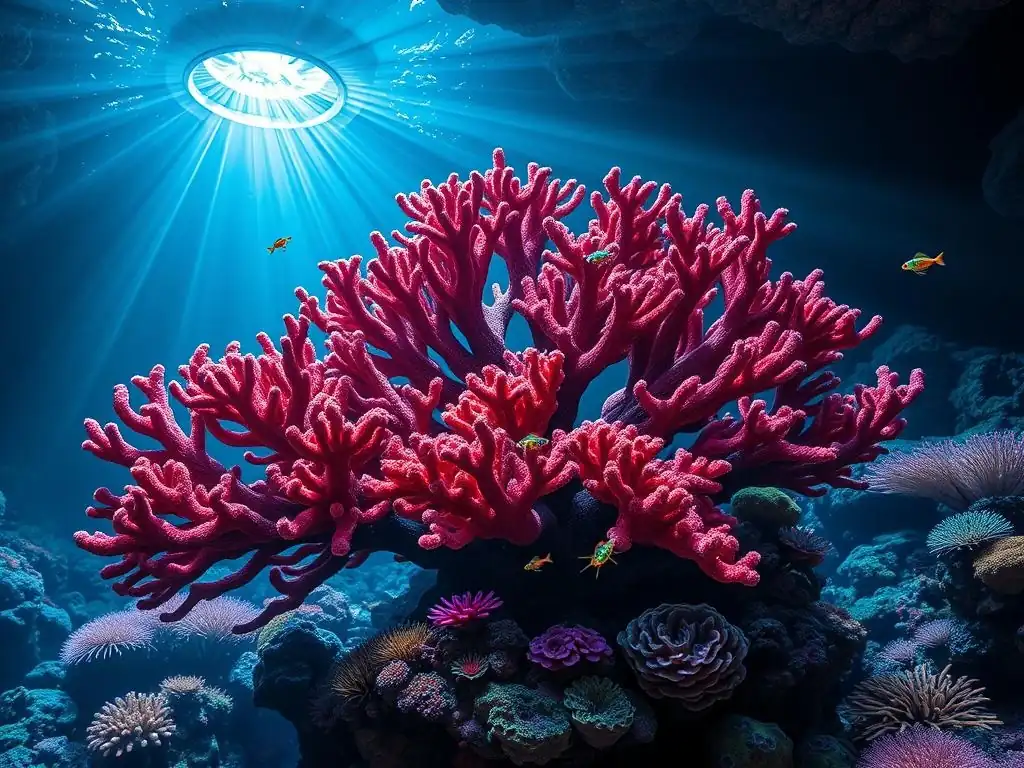
Welcome to Aquarium Mastery!
Ever thought all leather corals were just shades of green or brown? Prepare to be amazed! Dive into our latest article, "The Surprising Colors of Leather Corals Beyond Green and Brown," where we uncover the vibrant and unexpected hues these fascinating invertebrates can display. Discover the secrets behind these stunning color variations and learn how to unlock the full potential of your own soft coral reef. Curious to see what you've been missing? Let's explore!
- Introduction to Leather Coral Color Variations in Reef Aquariums
- Unveiling the Unexpected Hues: A Spectrum of Leather Coral Colors
- Factors Influencing Leather Coral Color: Light, Nutrients, and More
- Enhancing and Maintaining Leather Coral Color: Practical Tips
- Examples of Stunning Leather Coral Color Morphs
- Conclusion: Embracing the Diverse World of Leather Coral Coloration
-
Frequently Asked Questions
- What are the common colors of leather corals, and how diverse are they?
- What factors influence the color of leather corals in an aquarium?
- How can I enhance the color of my leather corals in my aquarium?
- Are there specific types of leather corals known for their exceptional color variations?
- What does it mean if my leather coral is losing its color, and what should I do?
- Final Reflection: Embracing the Spectrum of Life
- Unveil the Reef Artist Within!
Introduction to Leather Coral Color Variations in Reef Aquariums
Why Leather Coral Color Matters to Aquarists
The visual appeal of a reef aquarium is significantly enhanced by the diverse array of colors presented by its inhabitants, and leather corals are no exception. Beyond their intriguing shapes and textures, the specific leather coral color variations they exhibit contribute immensely to the overall aesthetic harmony and vibrancy of the aquatic display.
Aquarists often seek out unique hues to create captivating contrasts and focal points, transforming a simple collection of corals into a dynamic underwater landscape. For instance, a striking yellow Sarcophyton can provide a brilliant splash of color amidst more subdued green or brown tank mates, significantly elevating the tank's visual impact.
Furthermore, the color of a leather coral can serve as a vital indicator of its health and the suitability of its environment. A vibrant, well-pigmented leather coral often signifies optimal water parameters, appropriate lighting, and adequate nutrition. Conversely, dulling colors, browning, or bleaching can signal stress, nutrient imbalances, or improper light exposure, prompting aquarists to investigate and adjust their husbandry practices. Monitoring leather coral color variations allows hobbyists to proactively address issues, ensuring the long-term well-being and stunning appearance of their soft coral collection.
The Common Misconception: Leather Corals Are Only Green and Brown
Many aquarists, especially those new to the hobby, often hold the misconception that leather corals, encompassing genera like Sarcophyton, Sinularia, and Lobophytum, are limited to a palette of drab greens and browns. This belief largely stems from the prevalence of common, readily available species such as the ubiquitous green polyp toadstool leather or various shades of brown finger leathers found in local fish stores. These resilient and fast-growing varieties often represent the entry point into soft coral keeping, inadvertently shaping a narrow perception of the true spectrum of leather coral color variations.
However, this widespread notion significantly undervalues the true chromatic potential of these fascinating invertebrates. While browns and greens are indeed common, the world of leather corals secretly harbors a surprising array of vibrant and subtle hues, including striking yellows, fiery reds and oranges, elegant whites, and even elusive blues and purples. This article aims to dispel that misconception by unveiling the remarkable diversity of leather coral color variations, showcasing how these often-underestimated corals can infuse a reef tank with unexpected and breathtaking beauty.
Unveiling the Unexpected Hues: A Spectrum of Leather Coral Colors
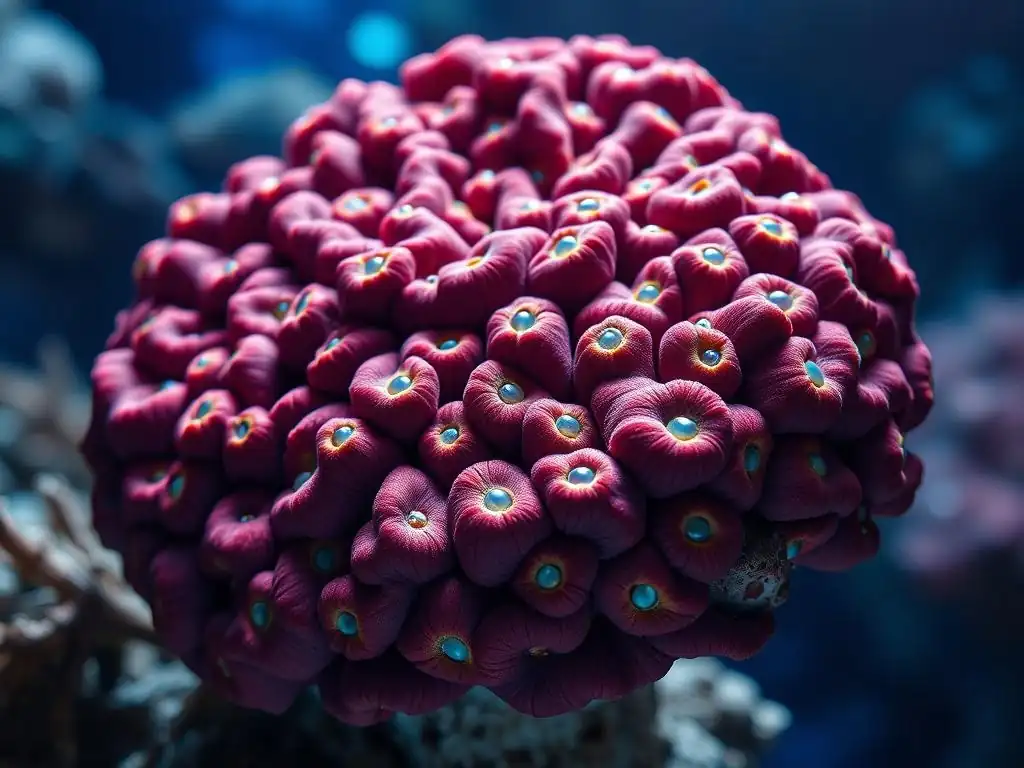
Yellow Leather Corals: Adding Sunshine to Your Reef Tank
Yellow leather corals offer a brilliant splash of sunshine, providing a vibrant contrast to the more common green and brown varieties found in reef aquariums. Their bright coloration can range from a delicate lemon yellow to a deep, goldenrod hue, instantly drawing the eye and adding a cheerful dynamism to the tank's ecosystem. These striking leather coral color variations are often found in specific morphs of Sarcophyton (toadstool leathers) and certain Sinularia (finger or cabbage leathers), making them highly sought after by aquarists looking to diversify their coral palette.
The intensity of the yellow can vary significantly based on the specific strain and environmental conditions, with some morphs exhibiting a nearly neon luminescence under proper actinic lighting. This bright pigmentation is typically a combination of specialized zooxanthellae strains and the coral's own host pigments, which interact with light to produce these captivating yellow leather coral color variations. Their presence can transform a section of the reef into a focal point, mimicking the vibrant coral gardens found in sun-drenched shallow waters.
Identifying Yellow Leather Coral Species
Among the most recognizable yellow leather coral species are certain morphs of the Golden Toadstool Leather ( Sarcophyton sp. ), which can develop a rich, buttery yellow cap, often with contrasting white or lighter polyps. Another notable example is the Neon Yellow Finger Leather ( Sinularia sp. ), which showcases slender, branching structures entirely infused with a vivid yellow or lime-yellow pigment. These species are distinct from corals that merely appear yellowish due to stress or nutrient deficiencies, as their yellow leather coral color variations are genetically inherent and consistent across healthy specimens.
When identifying these species, look for uniform coloration throughout the coral's tissue, rather than patchy or faded yellow areas. For instance, a healthy Golden Toadstool may exhibit a cap diameter of 4-8 inches with a consistently bright yellow surface. In contrast, a stressed coral might show yellowing alongside tissue recession or poor polyp extension. Understanding these specific yellow leather coral variations helps aquarists select truly vibrant and healthy specimens for their reef tanks.
Care Tips for Vibrant Yellow Leather Corals
To maintain and enhance the vibrant yellow leather coral color variations, specific care considerations are crucial, particularly regarding lighting. Yellow pigments often fluoresce beautifully under blue-spectrum lighting, but a full spectrum light with a Photosynthetically Active Radiation (PAR) level of approximately 75-150 PAR is generally recommended for optimal health and growth. Too little light can cause the coral to brown out as zooxanthellae proliferate to compensate, while excessive light can lead to bleaching and color loss.
Stable water parameters are equally vital. Maintaining alkalinity between 8-12 dKH, calcium at 400-450 ppm, and magnesium at 1250-1350 ppm supports the coral's metabolic processes, which in turn contribute to its pigmentation. Moderate, indirect water flow helps keep the coral clean and ensures nutrient delivery, preventing detritus buildup that can dull these bright leather coral color variations. Regular water changes (e.g., 10-20% bi-weekly) with high-quality salt mix also replenish essential trace elements that support overall coral health and color.
Red and Orange Leather Corals: Fiery Accents for Your Aquarium
Red and orange leather corals are among the most coveted and visually striking leather coral color variations, offering fiery accents that can dramatically transform a reef aquarium. Unlike the more common green or brown varieties, these vibrant hues are relatively rare, making them highly prized by discerning aquarists. The colors can range from a subtle rusty orange to a deep, intense brick red, often with an underlying luminescence that makes them pop under specific lighting conditions.
These unique leather coral color variations are typically found in select morphs of Sarcophyton, Lobophytum, and occasionally Sinularia species. Their rarity often means they command a higher price point, but their visual impact is undeniable. The presence of red or orange pigments in soft corals is often due to specific host proteins or unique strains of symbiotic zooxanthellae that produce these less common chromatic expressions, creating truly exceptional focal points within the reef environment.
Exploring Red Leather Coral Varieties
Specific examples of red leather coral varieties include the "Red Devil Toadstool" ( Sarcophyton sp. ), which can develop a deep red or maroon cap, or certain "Sunset Lobophytum" species, exhibiting rich orange to reddish-brown folds. It's important to distinguish true red and orange leather coral color variations from corals that appear reddish due to stress or the presence of red nuisance algae. A healthy red leather coral will show uniform, vibrant pigmentation across its tissue, with good polyp extension.
These unique strains are often the result of natural genetic mutations or selective breeding efforts by coral propagators, highlighting the vast, yet often unexplored, diversity within the soft coral family. For instance, a vibrant "Red Devil Toadstool" might measure 5-7 inches in diameter, maintaining its striking color even as it grows, making it a spectacular addition that truly showcases the potential of diverse leather coral color variations.
Maintaining the Color Intensity of Red and Orange Leathers
To preserve and enhance the intense red and orange leather coral color variations, optimal lighting is paramount. These specific pigments often respond well to blue and violet wavelengths, which can make them fluoresce and appear even more vivid. A PAR range of 50-100 PAR is generally suitable for most red/orange leathers, preventing bleaching from excessive light while providing enough energy for healthy growth and color expression. Too little light can cause them to brown out, diminishing their fiery appeal.
Beyond lighting, pristine water quality and stable parameters are essential. Consistent alkalinity (8-12 dKH), calcium (400-450 ppm), and magnesium (1250-1350 ppm) support the coral's overall health, which directly influences its ability to maintain vibrant pigmentation. Moderate, non-turbulent water flow helps keep the coral clean and facilitates nutrient exchange, both crucial for sustaining these prized red and orange leather coral color variations. Regular nutrient export via skimming and water changes is also key to prevent browning.
White and Cream Leather Corals: Elegant and Subtle Choices
White and cream leather corals offer a unique aesthetic that stands in elegant contrast to the more vibrant hues typically sought after in reef aquariums. These subtle leather coral color variations provide a sophisticated, minimalist appeal, acting as a serene backdrop or a delicate focal point within a diverse coral collection. While some aquarists might mistake a pale coral for one that is stressed or bleached, certain morphs of Sarcophyton and Sinularia are naturally white or creamy, showcasing a different facet of leather coral beauty.
Their subtle coloration can highlight the intricate textures of their polyps or the unique shapes of their bodies, such as the flowing folds of a white toadstool or the delicate branches of a cream finger leather. These corals bring a sense of calm and purity to the tank, demonstrating that not all beauty in the reef lies in intense saturation. They offer a quiet elegance, allowing other, more colorful inhabitants to pop, or creating a cohesive, monochromatic design when paired with similar muted tones.
Understanding the Unique Appeal of White Leather Corals
The unique appeal of white leather corals lies in their understated elegance and their ability to create visual breathing room in a densely packed reef tank. Unlike corals that are stark white due to bleaching (loss of zooxanthellae), naturally white or cream leather coral color variations maintain healthy tissue and robust polyp extension. True white often indicates a genetic predisposition for reduced pigmentation or a specific type of zooxanthellae that does not produce strong colors. For example, a healthy white Sarcophyton may reach a cap diameter of 6-10 inches, maintaining its pristine coloration without signs of tissue degradation.
These corals can serve as an excellent contrast to highly colorful LPS or SPS corals, allowing their vibrant neighbors to stand out even more. They also contribute to a diverse textural landscape, with their soft, pliable bodies offering a different tactile experience compared to hard corals. Their unique appearance makes them a compelling choice for aquarists looking to explore the full spectrum of leather coral color variations, even those on the lighter end of the scale.
Special Considerations for White Leather Coral Care
Caring for white and cream leather corals involves similar principles to other leather corals, with a particular emphasis on stable conditions to prevent unwanted color changes. While they don't have vibrant pigments to "pop," proper lighting is still crucial for their health and to prevent them from browning out or, conversely, bleaching. A moderate PAR level, typically ranging from 60-120 PAR, is generally suitable, providing enough light for photosynthesis without causing stress.
Maintaining pristine water parameters is paramount for these delicate leather coral color variations. Consistent alkalinity (8-12 dKH), calcium (400-450 ppm), and magnesium (1250-1350 ppm), along with low nitrates (1-10 ppm) and phosphates (0.01-0.05 ppm), ensure the coral's overall vitality. Any significant fluctuations can stress the coral, potentially leading to browning (due to zooxanthellae overgrowth) or bleaching (due to zooxanthellae expulsion), thereby compromising their natural, subtle beauty. Moderate water flow is also important for shedding mucus and nutrient exchange.
Blue and Purple Leather Corals: Rare and Highly Sought-After
Blue and purple leather corals represent the pinnacle of rarity and desirability within the soft coral family, making them exceptionally sought-after by advanced aquarists. These ethereal leather coral color variations are far less common than their green, brown, or even yellow counterparts, often appearing as subtle hues rather than deep, saturated colors. They might manifest as blue or purple tips on polyps, a faint overall body coloration, or a mesmerizing shimmer under specific lighting conditions.
Their scarcity often translates to a higher market value, reflecting the challenge in both finding and maintaining these unique strains. The elusive nature of these blue and purple leather coral color variations adds an element of mystique and prestige to any reef tank lucky enough to host them. They truly highlight the surprising depth of color diversity that leather corals can offer, pushing the boundaries of what aquarists typically expect from this resilient coral group.
Discovering Blue and Purple Leather Coral Strains
Examples of blue and purple leather coral strains are exceedingly rare and often command premium prices. One notable example is the "Blue Tipped Toadstool" ( Sarcophyton sp. ), where the main body may be a more common tan or brown, but the extended polyps exhibit a distinct blue or purple coloration, especially under strong actinic lighting. Another elusive find might be a rare Sinularia species with a faint but undeniable purple hue throughout its branches. These are not widespread varieties but rather unique, often genetic, morphs.
The expression of these blue and purple leather coral color variations is often dependent on specific lighting, particularly high-intensity blue or UV wavelengths that can excite fluorescent proteins within the coral tissue. These colors are frequently more subtle than the vibrant blues and purples seen in some SPS corals, appearing as a delicate wash or a shimmering highlight rather than a solid block of color. Their beauty lies in their understated rarity and the challenge of bringing out their full potential.
The Challenge of Keeping Blue and Purple Colors Vivid
Maintaining the vividness of blue and purple leather coral color variations presents a unique challenge, primarily due to their specific lighting requirements. These colors often rely on strong blue or violet spectrum lighting to be fully expressed and to fluoresce. Aquarists may need to experiment with different light fixtures or LED settings to find the optimal balance that encourages these pigments without stressing the coral. A PAR range of 75-150 PAR, heavily skewed towards the blue end of the spectrum, is often beneficial.
Beyond lighting, pristine water quality and stability are paramount. Any form of stress, whether from fluctuating parameters, nutrient imbalances, or inadequate flow, can cause these delicate colors to fade or the coral to brown out. Regular monitoring of alkalinity, calcium, magnesium, and trace elements (such as iodine and potassium, which can sometimes support pigment development) is crucial. Consistent, moderate water flow also helps the coral shed its waxy coating and ensures efficient nutrient exchange, supporting the long-term vibrancy of these rare leather coral color variations.
Factors Influencing Leather Coral Color: Light, Nutrients, and More
The Role of Lighting in Leather Coral Coloration
Lighting is arguably the most critical environmental factor influencing leather coral color variations. The primary reason for this is the symbiotic relationship between the coral host and its zooxanthellae, microscopic algae living within the coral's tissues. These zooxanthellae contain photosynthetic pigments (like chlorophyll) that capture light energy, which they convert into sugars and oxygen, providing the coral with a significant portion of its nutritional needs. Different light spectrums and intensities directly affect the density and type of zooxanthellae, as well as the production of host pigments, thereby shaping the coral's ultimate coloration.
For instance, insufficient light can cause zooxanthellae to proliferate to maximize light capture, leading to a "brownout" where the coral loses its vibrant hues and appears dull brown. Conversely, too intense light can cause the coral to expel its zooxanthellae (bleaching), resulting in a pale or stark white appearance. The specific wavelengths of light also play a crucial role; blue and violet light (actinic spectrum) are particularly effective at stimulating fluorescence in many coral pigments, making reds, greens, and blues pop, while full spectrum light supports overall health and natural leather coral color variations.
Optimal Light Spectrum for Enhancing Leather Coral Colors
To truly enhance and bring out the full spectrum of leather coral color variations, aquarists should aim for a lighting setup that provides a balanced spectrum with a strong emphasis on the blue and violet wavelengths. These wavelengths, typically between 400-470 nanometers, are known to stimulate the fluorescent proteins within coral tissues, making colors like neon greens, vibrant yellows, and subtle blues appear more intense and luminous. Many modern LED fixtures offer customizable channels, allowing aquarists to fine-tune the blue intensity for optimal color pop.
While blue light is excellent for visual appeal, a broader spectrum, including white light, is essential for the overall health and photosynthetic efficiency of the zooxanthellae. A general PAR (Photosynthetically Active Radiation) range of 75-150 PAR is often ideal for most leather corals, though some brighter morphs might tolerate up to 200 PAR. This ensures adequate energy for growth and maintains healthy zooxanthellae populations, which are fundamental to expressing vibrant leather coral color variations.
Avoiding Light Shock and Color Fading
Preventing light shock and subsequent color fading is crucial when introducing new leather corals or upgrading lighting systems. Corals accustomed to lower light conditions can become stressed if suddenly exposed to high PAR levels, leading to bleaching or a dulling of their leather coral color variations. It is always recommended to acclimate new corals gradually, perhaps by placing them lower in the tank initially or by reducing light intensity/photoperiod and slowly increasing it over several weeks.
Consistent lighting schedules are also vital for maintaining stable leather coral color variations. Erratic photoperiods or frequent, drastic changes in light intensity can disrupt the coral's natural rhythm and stress its symbiotic algae. Observing the coral's response—such as polyp extension, tissue puffiness, and color saturation—provides valuable clues for fine-tuning light placement and intensity, ensuring the coral remains vibrant and healthy.
Nutrient Levels and Their Impact on Leather Coral Pigmentation
The delicate balance of nutrient levels within a reef aquarium significantly impacts leather coral pigmentation. While corals require some level of nutrients (nitrates and phosphates) for metabolic processes and zooxanthellae health, both excessively high and extremely low levels can negatively affect their leather coral color variations. High nutrient levels, often above 10-20 ppm for nitrates and 0.1 ppm for phosphates, can lead to an overpopulation of zooxanthellae, causing the coral to "brown out" as the algal pigments mask the coral's inherent colors.
Conversely, ultra-low nutrient systems (ULNS), while beneficial for some SPS corals, can sometimes starve leather corals if not carefully managed. If nutrient levels are too low (e.g., nitrates consistently below 1 ppm, phosphates undetectable), the coral's zooxanthellae may become stressed or diminish in density, leading to paleness or bleaching. Maintaining moderate, stable nutrient levels is key to supporting both the coral host and its symbiotic algae, thereby promoting vibrant and natural leather coral color variations.
Balancing Nutrients for Healthy Color Development
Achieving the ideal balance of nutrients for healthy leather coral color variations involves a combination of effective filtration, appropriate feeding, and regular maintenance. Target nitrate levels often range from 1-10 ppm, and phosphates from 0.01-0.05 ppm, depending on the specific species and overall tank inhabitants. Strategies such as consistent protein skimming, use of activated carbon and GFO (Granular Ferric Oxide), and regular water changes (e.g., 10-20% bi-weekly) are essential for maintaining these parameters.
Furthermore, feeding the fish and other invertebrates in the tank responsibly, avoiding overfeeding, helps to manage nutrient input. Some aquarists also employ refugiums or macroalgae cultivation to naturally export excess nutrients. This balanced approach ensures that the coral has access to necessary resources without being overwhelmed, allowing it to display its full spectrum of leather coral color variations.
The Dangers of Nutrient Imbalances
The dangers of nutrient imbalances are clearly visible in the health and color of leather corals. When nutrient levels are too high, the coral often takes on a dull, muddy brown appearance, losing any vibrant leather coral color variations it once had. This "brownout" is a common sign of excess nitrates and phosphates encouraging an overabundance of zooxanthellae, which then dominate the coral's pigmentation. This condition not only diminishes aesthetic appeal but can also indicate an unhealthy tank environment prone to nuisance algae outbreaks.
On the other hand, a system with extremely low nutrients can lead to the coral appearing pale or even bleached. In such scenarios, the zooxanthellae may be expelled or their population significantly reduced due to starvation, depriving the coral of its primary energy source and leading to a loss of its characteristic leather coral color variations. Therefore, careful monitoring and consistent management of nutrient levels are paramount to avoid these detrimental effects and ensure the long-term vibrancy of these soft corals.
Water Chemistry's Influence on Leather Coral Vibrancy
While leather corals are soft corals and do not build hard calcified skeletons like LPS or SPS corals, stable water chemistry is still profoundly influential on their overall health and, consequently, their leather coral color variations. Fluctuations in key parameters such as alkalinity, calcium, magnesium, pH, and salinity can induce stress, which directly impacts the coral's metabolic functions and its symbiotic relationship with zooxanthellae. A stressed coral is less likely to exhibit vibrant colors and more prone to browning out or paling.
Maintaining consistent and optimal water parameters ensures that the coral's physiological processes, including those responsible for pigment production and zooxanthellae health, can function efficiently. Even small, consistent deviations can accumulate over time, leading to a gradual dulling or loss of the desired leather coral color variations. Therefore, regular testing and diligent parameter maintenance are just as important for soft corals as they are for their stony counterparts.
Maintaining Stable Water Parameters for Color Retention
For optimal leather coral color variations and overall health, maintaining stable water parameters within recommended ranges is crucial. Aim for a salinity of 1.025-1.026 specific gravity, a temperature between 75-78°F (24-25.5°C), and a pH between 8.0-8.4. Alkalinity should be kept stable between 8-12 dKH, calcium at 400-450 ppm, and magnesium at 1250-1350 ppm. While leather corals don't consume these elements as rapidly as stony corals, consistent levels support their cellular functions and overall vitality.
Regular testing, ideally weekly, allows aquarists to monitor these parameters and make small, precise adjustments as needed. Utilizing high-quality salt mix for water changes (e.g., 10-20% bi-weekly) is often sufficient to replenish trace elements and maintain stability. For larger systems or those with higher coral loads, automated dosing systems can help maintain consistency, preventing the fluctuations that can lead to a dulling of leather coral color variations.
The Effects of Alkalinity, Calcium, and Magnesium
Although leather corals are non-calcifying, alkalinity, calcium, and magnesium still play indirect but significant roles in their vibrancy and leather coral color variations. Stable alkalinity (dKH) is vital for the overall buffering capacity of the water, preventing drastic pH swings that can stress corals. It also supports the cellular functions of zooxanthellae, which are critical for the coral's energy production and pigmentation. For instance, a sudden drop in alkalinity from 9 dKH to 6 dKH can cause significant stress, leading to polyp retraction and color loss.
Similarly, calcium and magnesium are essential major elements involved in various biological processes in all marine organisms, including soft corals. While not used for skeletal growth, they are necessary for enzyme functions, cell membrane stability, and overall metabolic health. Imbalances in these elements can weaken the coral, making it more susceptible to disease and less capable of maintaining its vibrant leather coral color variations. Consistent levels ensure the coral can allocate energy towards growth and pigment expression rather than stress response.
Enhancing and Maintaining Leather Coral Color: Practical Tips
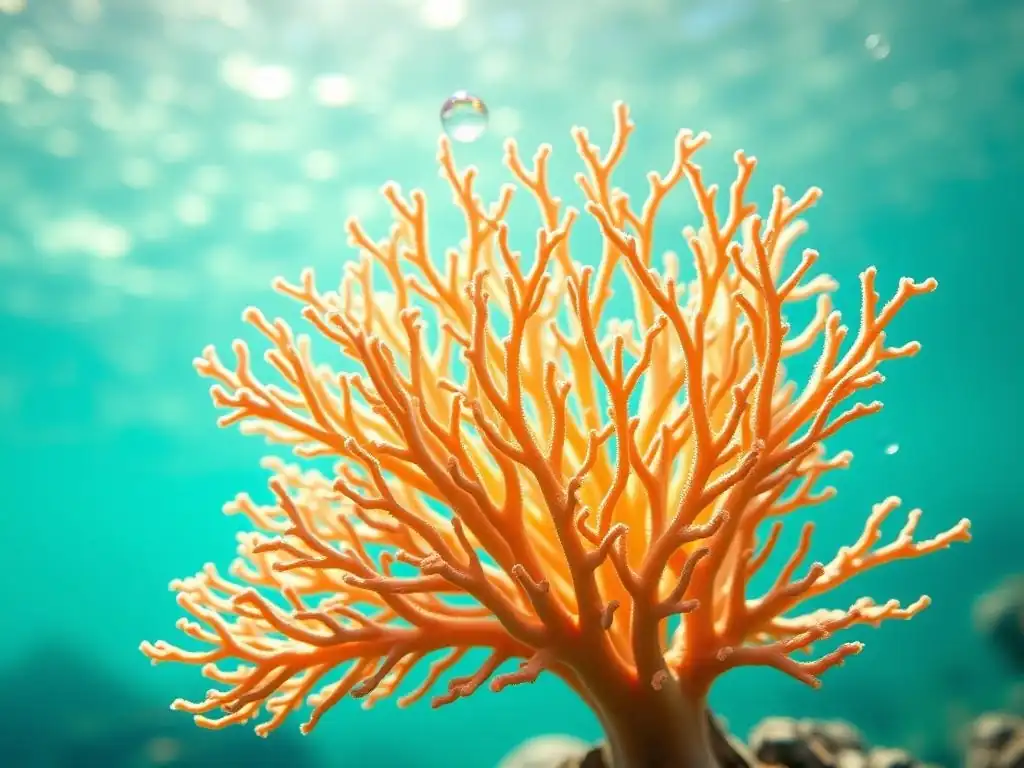
Proper Placement for Optimal Color Expression
Optimal placement within the reef aquarium is a critical factor in enhancing and maintaining vibrant leather coral color variations. The "sweet spot" for a leather coral typically involves a balance of appropriate light intensity and moderate, indirect water flow. Placing a coral in an area with too much direct light can lead to bleaching or retraction, while insufficient light can cause browning as the zooxanthellae multiply to maximize light absorption. Similarly, too turbulent a flow can irritate the coral and prevent full polyp extension, while stagnant water can lead to detritus accumulation and tissue necrosis.
Consider the specific light requirements of your chosen leather coral morph; for example, a neon green toadstool may thrive in a medium-light, medium-flow area, perhaps the middle third of the tank, receiving 100-150 PAR. Observing the coral's response to its initial placement—such as full polyp extension, healthy tissue puffiness, and vibrant coloration—is key to fine-tuning its position. If the coral appears stressed or its leather coral color variations diminish, adjustments to its location should be among the first troubleshooting steps.
Considering Light and Flow for Leather Coral Placement
When placing leather corals, always consider the PAR map of your aquarium and the specific needs of the coral. Most leather corals thrive in moderate light, typically between 75-150 PAR, though some brightly colored morphs might appreciate slightly higher intensities up to 200 PAR. Place them in areas where they receive consistent, but not overwhelming, light. For example, a "Yellow Finger Leather" might be placed on a mid-level rock ledge where it receives adequate PAR without being blasted by direct light from powerful LEDs.
Regarding water flow, leather corals generally prefer moderate, indirect flow that allows their polyps to gently sway without being flattened. This flow pattern helps them shed their waxy coating (a natural process for these corals) and ensures efficient nutrient delivery and waste removal. Avoid placing them in areas of high, direct current, which can cause tissue damage or prevent full polyp extension, thereby hindering the display of their full leather coral color variations.
Avoiding Aggression from Other Corals
Proper spacing is crucial when placing leather corals to avoid aggression from other coral species, which can significantly impact their health and leather coral color variations. Leather corals, particularly larger Sarcophyton species, are known to release terpenes (chemical toxins) into the water that can inhibit the growth of or even damage nearby SPS and LPS corals. It is generally recommended to provide at least 6-12 inches of space around larger leather corals to minimize chemical warfare.
Conversely, aggressive LPS corals with long sweeping stingers (e.g., Euphyllia species like Torch or Hammer corals) can directly sting and damage leather coral tissue if placed too close. Ensure adequate physical separation to prevent contact. A healthy, unstressed leather coral is far more likely to display its vibrant leather coral color variations, whereas constant aggression can lead to retraction, tissue necrosis, and a dulling of its appearance.
Feeding Strategies to Boost Leather Coral Color
While leather corals primarily derive energy from their symbiotic zooxanthellae via photosynthesis, supplemental feeding can play a significant role in boosting their overall health, growth, and the vibrancy of their leather coral color variations. Providing a direct source of nutrition can supply essential amino acids, fatty acids, and trace elements that may not be fully met by photosynthesis alone, especially in very clean systems.
Target feeding fine planktonic foods or specialized coral foods once or twice a week is often beneficial. Foods rich in marine proteins and lipids can contribute to the coral's energy reserves and the production of its own chromoproteins, which are responsible for some of the most striking leather coral color variations. This extra nutrition can help the coral allocate more energy towards maintaining its vibrant pigments.
Target Feeding and Supplementation Options
For optimal leather coral color variations, target feeding can be highly effective. Use a pipette or turkey baster to gently deliver fine planktonic foods (e.g., copepods, rotifers, oyster feast, marine snow) directly to the polyps of your leather corals. Feeding in the evening, after the main lights have dimmed or turned off, can be beneficial as many corals extend their feeding polyps more readily at night. Small, frequent feedings are generally better than large, infrequent ones, preventing excess nutrients from polluting the water.
In addition to direct feeding, ensuring adequate levels of trace elements through high-quality salt mix and regular water changes is important. Elements like iodine, potassium, and iron, though in minute quantities, are known to play roles in coral pigmentation and overall health. While specific dosing of these elements should be approached with caution and careful testing, a robust water change schedule usually provides sufficient replenishment to support vibrant leather coral color variations.
The Importance of Trace Elements
Trace elements, present in minute concentrations in natural seawater, are crucial for numerous biological processes in corals, including the synthesis of pigments that contribute to leather coral color variations. Elements such as iodine, potassium, iron, and manganese are utilized by corals and their symbiotic zooxanthellae for metabolic functions, enzyme activity, and the production of chromoproteins and fluorescent pigments. Even though these are required in very small amounts, their depletion can lead to dulling colors or reduced vitality.
Regular water changes with a high-quality, synthetic sea salt mix are often the most effective and safest way to replenish these essential trace elements. Many premium salt mixes are formulated to replicate natural seawater composition, providing a balanced supply. While some advanced aquarists choose to dose specific trace elements, this should only be done with careful monitoring and testing, as overdosing can be detrimental. Consistent replenishment of these elements supports the coral's ability to maintain its full range of leather coral color variations.
Recognizing and Addressing Color Loss in Leather Corals
Recognizing signs of color loss in leather corals is crucial for prompt intervention and recovery. The two most common forms of color loss are browning and paling/bleaching. Browning, where a coral loses its vibrant hues and takes on a dull, dark brown appearance, often indicates an excess of zooxanthellae, usually triggered by high nutrient levels (nitrates, phosphates) or insufficient light for the existing algal population. Paling or bleaching, where the coral turns light brown, white, or translucent, typically signifies the expulsion of zooxanthellae due to severe stress from factors like excessive light, temperature shock, or extreme nutrient deprivation.
Early identification of these symptoms allows aquarists to investigate potential environmental stressors and make necessary adjustments before the coral's health significantly declines. A healthy leather coral should exhibit consistent, vibrant leather coral color variations and full polyp extension, reflecting its well-being.
Identifying the Causes of Fading or Brownout
Fading or brownout in leather corals is a common issue, primarily linked to an imbalance in light and nutrient levels. If a vibrant green or yellow leather coral begins to turn a uniform, dull brown, it's often a sign that the zooxanthellae are proliferating excessively. This can be caused by either too high nutrient levels (e.g., nitrates consistently above 15 ppm, phosphates above 0.1 ppm) which fuel algal growth, or by insufficient light intensity for the existing zooxanthellae population, causing them to multiply to capture more light.
Another less common cause could be a shift in the dominant zooxanthellae clade, as different clades have varying pigmentations. However, the most frequent culprits are nutrient accumulation or inadequate PAR levels. For instance, a "Neon Green Sinularia" requiring 120 PAR might brown out if consistently kept under only 50 PAR, regardless of nutrient levels. Understanding these underlying causes is the first step in restoring the coral's original leather coral color variations.
Troubleshooting Color-Related Issues
To troubleshoot color-related issues in leather corals, a systematic approach is best. If your coral is browning out, first check your nitrate and phosphate levels. If high, implement strategies like increased water changes (e.g., 25% weekly), better protein skimming, or the use of GFO. Simultaneously, assess your lighting. If the coral is under lower PAR than recommended for its type, gradually increase light intensity or move the coral to a brighter spot in the tank.
If the coral is paling or bleaching, immediately check for high light shock (reduce intensity or move to a shaded area), temperature fluctuations (ensure stability between 75-78°F), or extreme nutrient deprivation (consider gentle, targeted feeding if nitrates are consistently undetectable). Always make one adjustment at a time and observe the coral's response over several days before making further changes. Patience and consistent monitoring are key to restoring healthy leather coral color variations.
Examples of Stunning Leather Coral Color Morphs
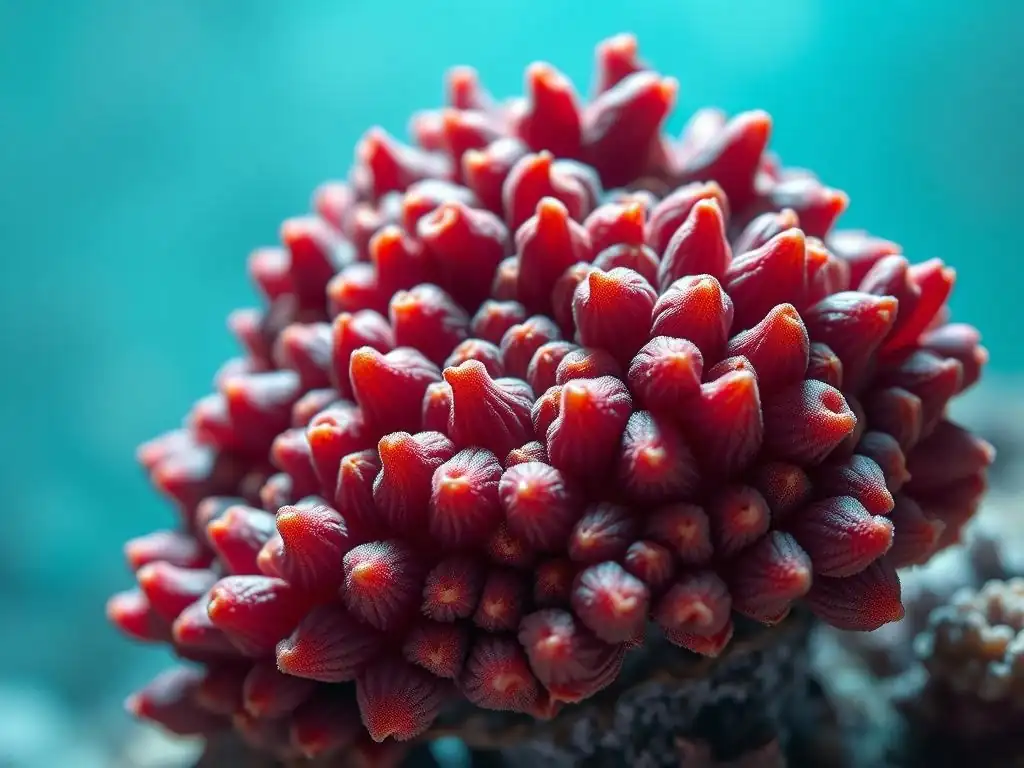
Toadstool Leather Corals: A Palette of Possibilities
Toadstool leather corals, primarily belonging to the genus Sarcophyton, are among the most popular and widely available soft corals in the hobby. They are characterized by their distinctive mushroom-like shape, with a broad, flat cap and a sturdy stalk. While often associated with shades of brown and green, Sarcophyton species offer a surprising palette of possibilities when it comes to leather coral color variations, ranging from subtle pastels to vibrant, eye-catching hues.
Their large, often flowing caps can become magnificent focal points in a reef aquarium, and their polyps, which extend from the cap's surface, can add another layer of color and texture. From classic tan bodies with green polyps to rare golden or reddish morphs, toadstool leathers demonstrate the incredible diversity within this resilient soft coral group, proving that their beauty extends far beyond the common perception of their leather coral color variations.
Green Polyp Toadstool Leather Coral
The Green Polyp Toadstool Leather Coral is a quintessential example of how even common leather corals can display stunning leather coral color variations. While the main body or cap of this Sarcophyton species might be a more muted tan, cream, or light brown, its polyps are a vibrant, often neon green. When fully extended, these thousands of tiny green polyps create a mesmerizing, shimmering effect over the entire coral, making it appear far more colorful than its body color alone suggests.
This particular morph is highly sought after for its striking contrast and the dynamic visual interest it adds to a reef tank. The intensity of the green polyps can vary from a subtle lime to an electric emerald, often fluorescing brilliantly under blue-spectrum lighting. It serves as an excellent illustration of how leather coral color variations can be expressed not just in the overall body, but also in the intricate details of its polyp extension.
Finger Leather Corals: From Subtle to Striking
Finger leather corals, predominantly from the genus Sinularia, are renowned for their diverse growth forms, which can range from encrusting mats to upright, branching structures resembling fingers or tree branches. These corals are known for their hardiness and adaptability, making them excellent choices for both beginner and experienced aquarists. Beyond their varied morphologies, Sinularia species also exhibit a wide spectrum of leather coral color variations, from subtle earth tones to surprisingly striking and vivid hues.
Their unique branching structures provide interesting architectural elements to a reef aquascape, creating textured landscapes that can host small fish or invertebrates. The interplay of their intricate forms with their often-underestimated colors makes finger leathers a versatile and rewarding addition, showcasing the depth of leather coral color variations available in the hobby.
Neon Green Sinularia Leather Coral
The Neon Green Sinularia Leather Coral stands out as a prime example of the vibrant leather coral color variations found within the Sinularia genus. This highly prized morph exhibits an intense, almost glowing lime or neon green coloration throughout its entire body, especially when viewed under actinic or blue-heavy lighting. Its bright hue provides a dramatic focal point in any reef tank, offering a stark contrast to more subdued corals.
Unlike some other green corals where the color might be limited to the polyps, the Neon Green Sinularia often displays its vivid green across its entire tissue, from its base to the tips of its "fingers" or branches. This consistent and brilliant pigmentation makes it a popular choice for aquarists seeking to add a powerful splash of color and demonstrate the full potential of stunning leather coral color variations.
Cabbage leather corals, primarily belonging to the genus Lobophytum, are characterized by their distinctive, often convoluted and folded growth patterns, resembling a head of cabbage or cauliflower. Their unique morphology creates interesting textures and shadows within the reef tank. While many Lobophytum species are commonly found in shades of brown or tan, closer inspection, especially under optimal conditions, can unveil surprisingly subtle and sometimes hidden leather coral color variations.
These corals often have a more substantial, fleshy appearance compared to finger leathers, and their folds can provide shelter for small inhabitants. The beauty of cabbage leathers lies not just in their robust forms but also in the potential for unexpected color accents, demonstrating that even seemingly plain leather corals can harbor delightful chromatic surprises, contributing to the rich tapestry of leather coral color variations.
Yellow Polyp Cabbage Leather Coral
The Yellow Polyp Cabbage Leather Coral is a captivating example of how the subtle details can contribute to the overall leather coral color variations of a species. In this morph, the main body of the Lobophytum coral might be a more subdued shade of tan, grey, or light brown, but its extended polyps are a distinct and vibrant yellow. When the polyps are fully extended, they create a dazzling, speckled effect over the coral's folded surface, making the entire specimen appear to shimmer with yellow highlights.
This contrast between the muted body and the bright yellow polyps adds significant visual interest, creating a dynamic texture and a pop of color that might not be immediately apparent when the coral is retracted. It beautifully illustrates how leather coral color variations can be expressed through the intricate details of a coral's anatomy, providing a unique aesthetic that complements other corals in the aquarium.
Conclusion: Embracing the Diverse World of Leather Coral Coloration
Expanding Your Reef Aquarium's Palette with Leather Corals
The journey through the diverse world of leather coral color variations reveals that these often-underestimated soft corals offer far more than the commonly perceived greens and browns. From brilliant yellows and fiery reds to elegant whites and elusive blues and purples, leather corals present an expansive palette for reef aquarists looking to infuse their tanks with unique and captivating hues. Embracing these surprising leather coral color variations allows hobbyists to create more visually dynamic and aesthetically rich aquatic landscapes, moving beyond conventional coral selections.
By exploring specific morphs like the Golden Toadstool, Neon Green Sinularia, or the rare Red Devil Leather, aquarists can discover resilient, often fast-growing, and relatively accessible options to diversify their tank's chromatic profile. These corals not only add stunning visual appeal but also contribute to the ecological balance of the reef system, proving that beauty and hardiness can coexist in the same vibrant package.
Continued Learning and Observation for Long-Term Success
Unlocking and maintaining the full spectrum of leather coral color variations is an ongoing process that requires dedication to continued learning and meticulous observation. Understanding the critical roles of lighting, nutrient balance, and stable water chemistry is paramount, as these environmental factors directly influence a coral's ability to express its inherent pigmentation. Each leather coral is a living indicator of its environment, and its color often serves as the first visual cue to its health and contentment.
Aquarists are encouraged to research specific morphs, experiment with light spectrums, and fine-tune their husbandry practices based on their corals' responses. Patience, consistency, and a keen eye for detail are the ultimate tools for long-term success in cultivating these surprising and beautiful leather coral color variations. By continuously observing and adapting, hobbyists can ensure their leather corals not only survive but truly thrive, showcasing their most vibrant and breathtaking hues for years to come.
Frequently Asked Questions
What are the common colors of leather corals, and how diverse are they?
Leather corals are often associated with green and brown hues, but they exhibit surprisingly diverse colors. These can range from yellow and red to even pink and purple under the right conditions.
What factors influence the color of leather corals in an aquarium?
Several factors impact their color, including lighting intensity and spectrum, water quality parameters (like nutrient levels), and even the coral's genetic makeup. These factors work together to determine the final color.
How can I enhance the color of my leather corals in my aquarium?
Optimizing lighting with appropriate LEDs is crucial. Maintaining stable water parameters and ensuring proper nutrient levels also plays a significant role in enhancing their vibrant colors.
Are there specific types of leather corals known for their exceptional color variations?
Yes, certain species like Toadstool Leather Corals and Finger Leather Corals are known to display a wider array of colors. These variations are often due to differences in zooxanthellae and pigment production.
What does it mean if my leather coral is losing its color, and what should I do?
Color loss, or bleaching, usually indicates stress from poor water quality, insufficient lighting, or temperature fluctuations. Immediately test water parameters and adjust conditions to restore a healthy environment.
Final Reflection: Embracing the Spectrum of Life
The exploration of leather coral color variations, as we've seen, transcends mere aesthetics; it reveals the remarkable adaptability and resilience of life within our oceans. These vibrant hues, far beyond the expected greens and browns, are a testament to the intricate symbiosis and environmental pressures that shape these fascinating organisms, highlighting the urgent need to understand and protect these delicate ecosystems.
The sheer diversity of color in leather corals underscores their vital role in the marine environment and how much we still have to learn. Witnessing this spectrum has profoundly deepened my appreciation for the ocean's hidden wonders and the interconnectedness of all living things. In nature, nothing is perfect and everything is perfect. Trees can be contorted, bent in weird ways, and they're still beautiful.
- Alice Walker. This quote perfectly encapsulates the beauty found in the imperfections and variations within the natural world, reminding us to appreciate the unique characteristics of each leather coral and the environment it inhabits.
As we conclude this journey through the surprising colors of leather corals, I invite you to reflect on the broader implications of biodiversity and conservation. Let the vibrant images and scientific insights inspire you to become an advocate for marine life, to seek out ways to reduce your environmental impact, and to appreciate the profound beauty and fragility of our planet's underwater realms. The future of these corals, and indeed our own, depends on our collective awareness and action.
Unveil the Reef Artist Within!
Thanks for diving into the colorful world of leather corals! We hope you’ve enjoyed discovering the surprising variety these reef inhabitants offer beyond the typical green and brown. Now it's time to put that knowledge into action!
Here’s how you can further explore the fascinating colors of leather corals:
- Carefully observe your leather coral under different lighting conditions to reveal hidden hues you might have missed. Document your observations!
- Research lesser-known leather coral color morphs and create a wishlist for your dream reef tank.
- Share your newfound appreciation! Post a picture of your favorite leather coral color variation on social media using #AquariumMasteryColors and tag us to start a color conversation.
What surprising color shift have you noticed in your own leather corals, and how did it change your perception of their beauty?