
Apple Snails vs. Mystery Snails: Crucial Differences Every Aquarist Must Know

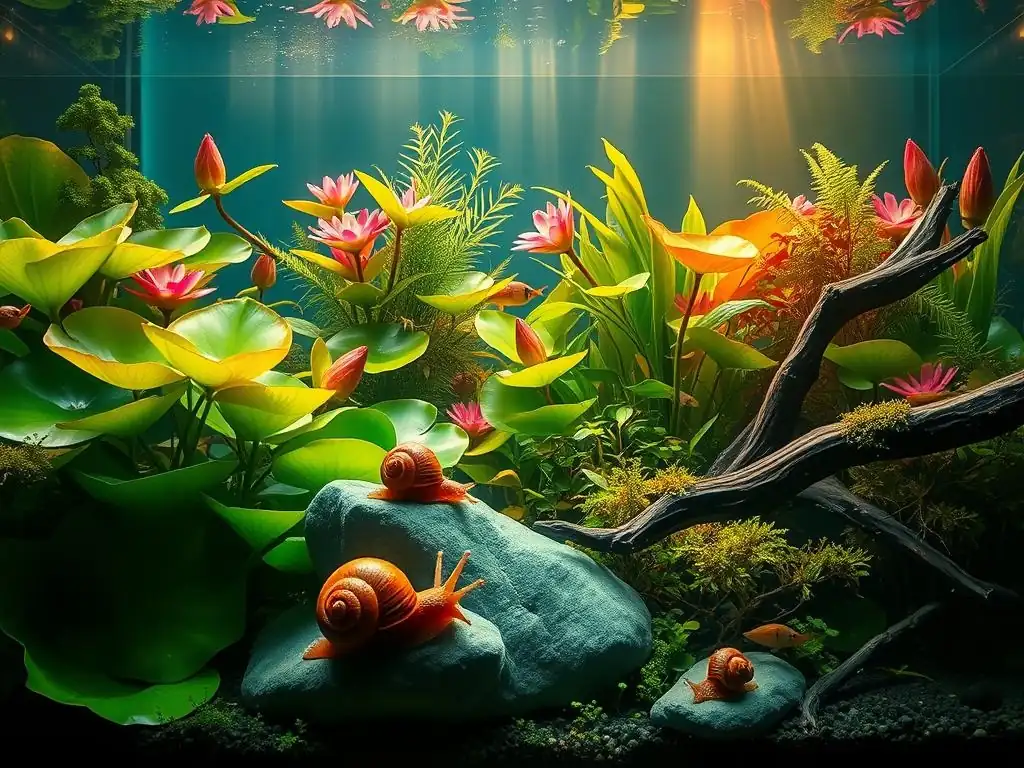
Welcome to Aquarium Mastery! Ever wondered if that colorful snail gliding across your aquarium glass is an apple snail or a mystery snail? Many aquarists get them mixed up! Dive into our article, "Apple Snails vs. Mystery Snails: Crucial Differences Every Aquarist Must Know," and unlock the secrets to identifying these fascinating invertebrates. Discover the key differences that could impact your entire aquarium ecosystem and ensure a thriving underwater world for all your aquatic friends. Ready to unravel the apple snails mystery snails enigma? Let's get started!
- Understanding Apple Snails and Mystery Snails: An Aquarist's Guide
-
Key Differences Between Apple Snails and Mystery Snails: A Detailed Comparison
- Size and Appearance: Distinguishing Apple Snails from Mystery Snails
- Shell Characteristics: Identifying Apple Snails and Mystery Snails by their Shells
- Apple Snail Colors and Patterns
- Mystery Snail Colors and Patterns
- Behavior and Activity: Apple Snails vs. Mystery Snails in the Aquarium
- Apple Snail Behavior: Eating Habits and Activity Levels
- Mystery Snail Behavior: Temperament and Tank Mates
-
Apple Snail and Mystery Snail Care: Providing the Right Environment
- Apple Snail Tank Setup: Water Parameters and Environment
- Mystery Snail Tank Setup: Ideal Conditions for Healthy Growth
- Feeding Apple Snails and Mystery Snails: Dietary Needs Explained
- What Do Apple Snails Eat?
- What Do Mystery Snails Eat?
- Breeding Apple Snails vs. Breeding Mystery Snails: Reproduction and Egg Laying
- Apple Snail Breeding: Egg Laying and Incubation
- Mystery Snail Breeding: Egg Clutches and Hatching
- Legal Considerations: Apple Snails as Invasive Species
- Choosing the Right Snail for Your Aquarium: Apple or Mystery?
- Conclusion: Mastering the Differences Between Apple Snails and Mystery Snails for a Thriving Aquarium
-
Frequently Asked Questions
- What's the main difference between Apple Snails and Mystery Snails?
- How can I identify if a snail is an Apple Snail or a Mystery Snail?
- Are Apple Snails or Mystery Snails better for a planted aquarium?
- What are the ideal water parameters for keeping Apple Snails or Mystery Snails?
- Where can I learn more about caring for Apple Snails or Mystery Snails?
- Final Reflection: Navigating the Snail Maze
- Unleash Your Inner Snail Expert!
Understanding Apple Snails and Mystery Snails: An Aquarist's Guide
Aquarists often encounter a common point of confusion when it comes to snails: distinguishing between true Apple Snails and Mystery Snails. While all Mystery Snails are technically a type of Apple Snail (specifically Pomacea diffusa), the term "Apple Snail" is often used more broadly to refer to several larger, often invasive species within the Pomacea genus, such as Pomacea maculata or Pomacea canaliculata. Understanding these distinctions is paramount for responsible aquarium keeping, as their care requirements, behavior, and legal status can vary dramatically.
These fascinating invertebrates play a significant role in many freshwater aquariums, primarily as cleaners, consuming algae and decaying organic matter. However, misidentification can lead to unexpected challenges, ranging from rapid overpopulation to the destruction of prized aquatic plants. By delving into the specific characteristics and needs of these apple snails mystery snails, aquarists can make informed decisions that ensure the health and balance of their aquatic ecosystems.
Key Differences Between Apple Snails and Mystery Snails: A Detailed Comparison
Size and Appearance: Distinguishing Apple Snails from Mystery Snails
One of the most immediate indicators separating true Apple Snails (like Pomacea maculata) from Mystery Snails ( Pomacea diffusa) is their adult size. Mystery Snails typically reach a shell diameter of 1.5 to 2 inches (approximately 4-5 cm), making them a moderately sized addition to most home aquariums. Their shells are generally more globular and compact.
In contrast, many species commonly referred to as "Apple Snails," particularly the larger invasive types, can grow considerably larger. Pomacea maculata individuals, for example, can attain shell diameters of 3 to 6 inches (about 7-15 cm) or even more under optimal conditions. This significant size difference means that a young snail often sold as a "Mystery Snail" might actually be a much larger species, potentially outgrowing its tank or consuming plants at an alarming rate.
Shell Characteristics: Identifying Apple Snails and Mystery Snails by their Shells
Beyond overall size, specific shell features provide definitive clues for distinguishing these apple snails mystery snails. The spire, which is the pointed part of the shell at the top, offers a key identifier. Mystery Snails ( Pomacea diffusa) possess a relatively tall and pointed spire, giving their shell a distinct conical appearance when viewed from the side. The opening of their shell (aperture) is typically oval-shaped.
True Apple Snails ( Pomacea maculata and Pomacea canaliculata) generally have a much flatter or depressed spire, making their shells appear more rounded and less conical. Their shell opening is also often wider and more circular. Another crucial feature is the operculum, the trapdoor-like structure used to seal the snail within its shell. Mystery Snails have a paucispiral operculum, characterized by a spiral that starts small and rapidly expands. In contrast, larger Apple Snails have a concentric operculum, where the growth lines form concentric circles, a distinct difference that helps in accurate identification of apple snails mystery snails.
Apple Snail Colors and Patterns
True Apple Snails, particularly species like Pomacea maculata, exhibit a wide array of shell colors and patterns. Their shells can range from various shades of brown, green, and yellow to more exotic hues. Often, they display prominent dark banding or stripes that run along the whorls of the shell, creating a striking visual effect.
The patterns on these apple snails can be quite intricate, with some individuals showcasing mottled or speckled appearances that help them blend into diverse natural environments. The foot and body of these snails also vary in color, from light cream to dark grey or black, often complementing their shell coloration. This variability in true apple snail coloration is one of their appealing features, yet it doesn't diminish their potential invasive threat.
Mystery Snail Colors and Patterns
Mystery Snails ( Pomacea diffusa), while also offering a beautiful spectrum of colors, tend to have more uniform or subtle patterns compared to their larger relatives. Common shell colors for Mystery Snails include golden yellow, blue, ivory, black, purple, and jade. These colors are often solid or feature very faint, almost imperceptible banding, especially on the lighter colored varieties.
The foot and body of Mystery Snails also come in various shades, often corresponding to their shell color, such as a dark foot for blue or black shells, or a light, almost translucent foot for golden or ivory shells. While their patterns may be less pronounced, the vibrant and diverse color palette of Mystery Snails makes them highly sought after by aquarists looking for visually appealing apple snails mystery snails.
Behavior and Activity: Apple Snails vs. Mystery Snails in the Aquarium
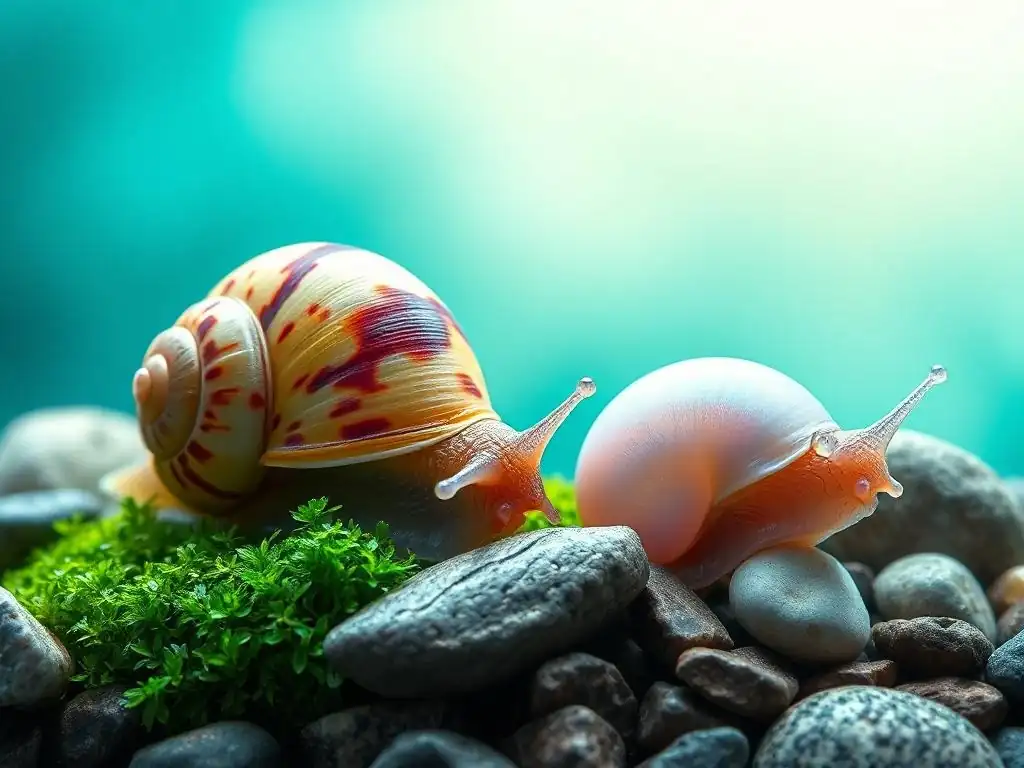
The behavioral patterns of Apple Snails and Mystery Snails represent a critical distinction for aquarists, particularly concerning their impact on live plants and overall tank dynamics. Understanding these differences helps prevent common problems and ensures a harmonious aquarium. True Apple Snails, especially the larger Pomacea maculata and Pomacea canaliculata, are known for their robust appetites and active foraging, often leading to significant changes in a planted tank.
Mystery Snails, on the other hand, typically exhibit a more docile demeanor, focusing primarily on detritus and soft algae, making them generally safer for most planted aquarium setups. Observing the activity levels and feeding habits of these apple snails mystery snails can provide immediate clues to their identity and suitability for a specific tank environment.
Apple Snail Behavior: Eating Habits and Activity Levels
True Apple Snails, such as Pomacea maculata, are notorious for their voracious appetites and omnivorous diet, which unfortunately extends to live aquatic plants. Unlike Mystery Snails, these larger apple snails do not discriminate between decaying plant matter and healthy, thriving vegetation. They are capable of consuming entire leaves, stems, and even roots of most aquatic plants, including resilient species like Anubias and Java Fern, often stripping a planted tank bare within days.
Their activity levels are also notably high; they are constantly foraging, moving across the substrate, up tank walls, and even climbing out of the water. This rapid movement and destructive feeding make them unsuitable for most planted community aquariums. The behavior of these apple snails mystery snails, specifically their plant-eating tendencies, is a primary reason for their invasive status and regulated ownership.
Mystery Snail Behavior: Temperament and Tank Mates
Mystery Snails ( Pomacea diffusa) are generally peaceful and beneficial inhabitants for most community aquariums. Their primary diet consists of soft algae, decaying plant matter, uneaten fish food, and biofilm. Unlike their larger relatives, Mystery Snails rarely consume healthy live plants, preferring to graze on the algae that grows on leaves rather than the plant itself. This makes them an excellent choice for planted tanks, where they act as effective cleanup crew members without causing damage.
They are active during both day and night, constantly exploring the tank, but their movements are typically slower and less disruptive than larger Apple Snails. Mystery Snails are compatible with a wide range of peaceful fish species, including tetras, guppies, mollies, and small bottom dwellers like Corydoras catfish. They also coexist well with most types of aquarium shrimp. The docile nature of these apple snails mystery snails contributes to a stable and clean aquatic environment.
Apple Snail and Mystery Snail Care: Providing the Right Environment
Apple Snail Tank Setup: Water Parameters and Environment
For true Apple Snails ( Pomacea maculata or Pomacea canaliculata), providing an appropriate environment is crucial, though their care often comes with legal restrictions. These large snails require spacious aquariums due to their significant adult size and bioload; a minimum of 20-30 gallons per snail is recommended. Water parameters should be stable and within specific ranges: a pH of 7.0-8.0, general hardness (GH) between 8-12 dGH, and carbonate hardness (KH) between 5-10 dKH are ideal for shell health.
The water temperature should be kept between 20-28°C (68-82°F). Due to their tendency to climb above the waterline for egg-laying and their ability to survive out of water for extended periods, a secure lid is absolutely essential to prevent escapes. Adequate filtration is also necessary to manage the waste produced by these large apple snails, helping maintain water quality and preventing issues that could harm both the snails and other tank inhabitants.
Mystery Snail Tank Setup: Ideal Conditions for Healthy Growth
Mystery Snails ( Pomacea diffusa) thrive in well-maintained freshwater aquariums with stable water parameters. A minimum tank size of 5-10 gallons is suitable for a single Mystery Snail, with additional space needed for multiple individuals to accommodate their bioload. Like their larger cousins, they prefer slightly alkaline water with a pH range of 7.0-8.0. A general hardness (GH) between 8-12 dGH and carbonate hardness (KH) between 5-10 dKH are important for preventing shell erosion and ensuring robust shell growth.
The ideal water temperature for Mystery Snails is slightly cooler than some other tropical species, typically between 20-26°C (68-79°F). While they can tolerate a wider range, maintaining these parameters helps prevent stress and promotes longevity. A secure lid is also recommended, as Mystery Snails, like other apple snails, can sometimes climb out of the water, especially if water quality is poor. Providing a calcium source, such as cuttlebone or crushed coral, can further support their shell health.
Feeding Apple Snails and Mystery Snails: Dietary Needs Explained
Both Apple Snails and Mystery Snails are omnivores, but their dietary preferences and impact on an aquarium vary significantly, making proper identification crucial for feeding. While both will consume algae and decaying matter, the extent to which they graze on live plants is a key differentiator. Understanding the specific nutritional requirements of these apple snails mystery snails ensures their health and prevents damage to your aquatic flora.
Providing a varied diet is essential for both types of snails to ensure they receive all necessary nutrients, including calcium for strong shell development. This often involves supplementing their natural foraging with prepared foods.
What Do Apple Snails Eat?
True Apple Snails ( Pomacea maculata or Pomacea canaliculata) are opportunistic and highly adaptable feeders with a broad diet. While they will consume algae, biofilm, and decaying organic matter, their preference for live aquatic plants is well-documented. They can quickly decimate tanks filled with healthy plants, including those considered hardy like Anubias, Java Fern, and even Cryptocoryne. Their strong radula is capable of rasping through tough plant tissue.
In an aquarium, their diet should be supplemented with blanched vegetables such as zucchini, spinach, kale, and peas. They also readily accept high-quality sinking pellets formulated for omnivorous bottom dwellers, which can provide essential proteins and minerals. Due to their large size and rapid metabolism, these apple snails require a substantial amount of food daily to thrive, and if not adequately fed, their destructive plant-eating habits can intensify.
What Do Mystery Snails Eat?
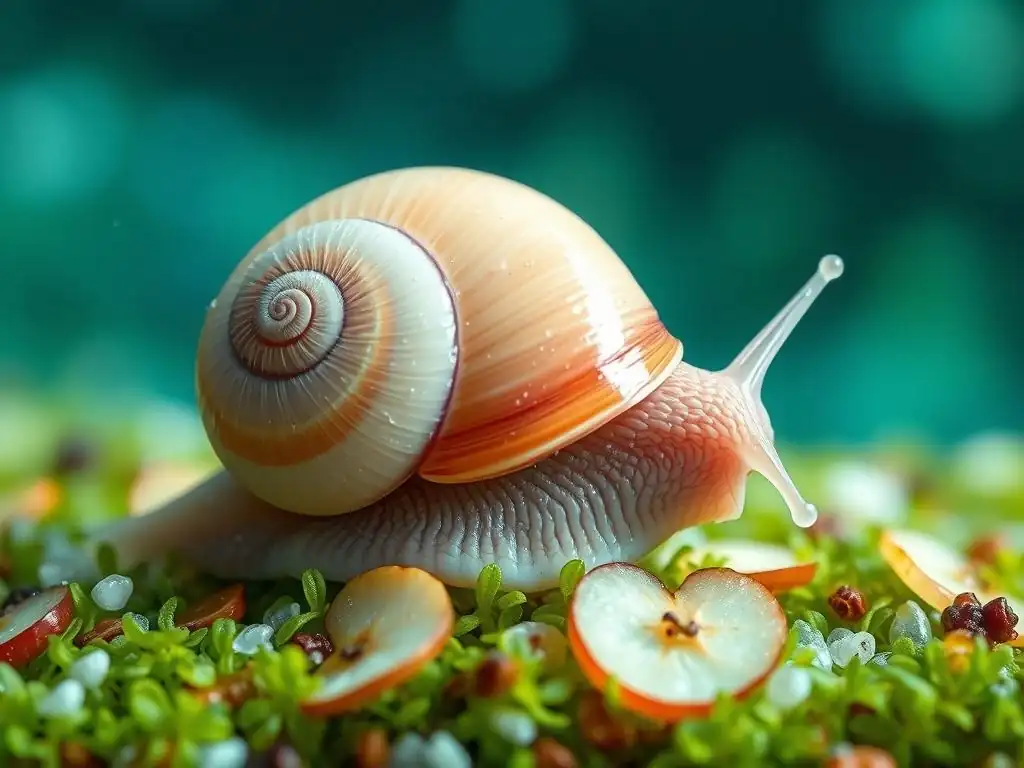
Mystery Snails ( Pomacea diffusa) are primarily detritivores and algae eaters, making them excellent cleanup crew members for most aquariums. Their diet largely consists of soft algae films that grow on tank surfaces, uneaten fish food, and decaying plant matter. Unlike true Apple Snails, they generally do not consume healthy live plants, though they might nibble on very soft, dying, or decaying leaves.
To ensure a balanced diet, Mystery Snails should be offered a variety of supplemental foods. This includes algae wafers, blanched vegetables (such as zucchini slices, cucumber, or spinach), and high-quality sinking pellets specifically designed for snails or omnivorous bottom feeders. Providing sufficient calcium through their diet or water supplements is vital for maintaining their shell integrity and preventing common issues like shell pitting or thinning, which can affect these apple snails mystery snails.
Breeding Apple Snails vs. Breeding Mystery Snails: Reproduction and Egg Laying
The reproductive strategies of Apple Snails and Mystery Snails, while sharing some similarities, also present crucial differences that impact their population control in an aquarium. Both are gonochoristic (having separate male and female individuals) and lay clutches of eggs above the waterline. However, the size, number, and appearance of these egg clutches, along with their prolificacy, vary significantly, making identification possible even at the egg stage.
Understanding these reproductive behaviors is essential for aquarists, especially given the invasive potential of certain large apple snail species. Responsible management of apple snails mystery snails populations begins with recognizing their breeding patterns.
Apple Snail Breeding: Egg Laying and Incubation
True Apple Snails, such as Pomacea maculata and Pomacea canaliculata, are incredibly prolific breeders. Females lay large, distinct egg clutches above the waterline, typically on the underside of tank lids or protruding decorations. These clutches are often quite substantial, ranging from 2 to 4 inches (5-10 cm) in length, and can contain hundreds, sometimes even over a thousand, individual eggs. For example, a single Pomacea maculata clutch can hold between 200 to 600 eggs, and a female can lay multiple clutches over a short period.
The eggs themselves are usually round and vary in color from bright pink, red, or orange to a dull white, depending on the species and environmental factors. They are encased in a hardened, calcareous shell, providing protection from desiccation and predators. Incubation typically takes 2-4 weeks, depending on temperature and humidity. The sheer volume of eggs and their rapid development contribute significantly to the invasive potential of these apple snails.
Mystery Snail Breeding: Egg Clutches and Hatching
Mystery Snails ( Pomacea diffusa) also lay their eggs above the waterline, but their clutches are notably smaller and generally less prolific than those of their larger Apple Snail relatives. A Mystery Snail egg clutch is typically about 1 to 2 inches (2.5-5 cm) long, and while it appears gelatinous, it hardens upon exposure to air. The eggs are usually pale pink, white, or cream-colored, and a single clutch typically contains between 50 and 200 individual eggs.
These clutches are often deposited on the tank lid, filter tubes, or any surface just above the water. Hatching usually occurs within 1 to 3 weeks, depending on temperature and humidity, with optimal hatching occurring at temperatures around 24-27°C (75-80°F). While Mystery Snails can breed readily in an aquarium, their lower reproductive rate compared to the larger apple snails makes their population much easier to manage, reducing the risk of overwhelming an aquarium or becoming an environmental threat.
Legal Considerations: Apple Snails as Invasive Species
Are Apple Snails Legal to Own? Understanding Regulations
The legality of owning Apple Snails varies significantly by species and geographic location, primarily due to their classification as invasive pests. In the United States, the USDA Animal and Plant Health Inspection Service (APHIS) has implemented a federal ban on the interstate movement and importation of several species of Pomacea, including Pomacea canaliculata and Pomacea maculata, the large, destructive Apple Snails. This regulation aims to prevent their spread into agricultural areas, particularly rice paddies, and natural waterways where they can cause significant ecological and economic damage.
However, Pomacea diffusa, commonly known as the Mystery Snail, is generally exempt from these federal bans and is legal to own and transport across state lines, provided there are no specific state-level restrictions. Many states have their own regulations regarding aquatic invasive species, so aquarists must check local laws before acquiring any apple snails mystery snails. Misidentifying a large, illegal Apple Snail as a legal Mystery Snail can lead to fines and legal complications, underscoring the importance of accurate identification.
The Invasive Nature of Apple Snails: Environmental Impact
The true Apple Snails ( Pomacea canaliculata and Pomacea maculata) pose a severe threat to ecosystems outside their native range, leading to their classification as one of the world's 100 worst invasive alien species by the IUCN (International Union for Conservation of Nature). Their invasive nature stems from a combination of factors: their voracious appetite for live plants, including vital agricultural crops like rice, and their incredibly high reproductive rate. A single female can lay hundreds of eggs in one clutch, with multiple clutches laid over a short period, leading to rapid population explosions.
Once established in natural waterways, these snails outcompete native snail species for resources, disrupt food webs, and can even transmit parasites to wildlife and humans. Their ability to survive out of water for extended periods and tolerate a wide range of environmental conditions further contributes to their success as invaders. This significant environmental impact is why strict regulations are in place to control the distribution of these apple snails, especially when compared to the benign role of most mystery snails in controlled environments.
Choosing the Right Snail for Your Aquarium: Apple or Mystery?
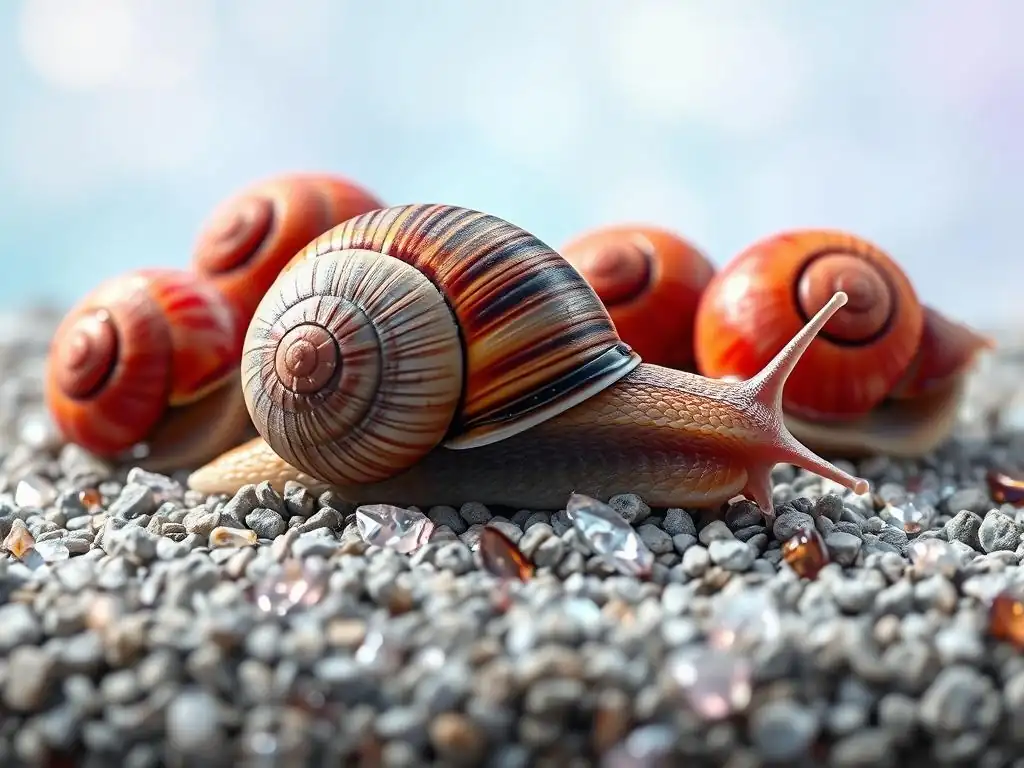
Apple Snails vs. Mystery Snails: Which is Best for Your Tank Size?
When deciding between Apple Snails and Mystery Snails for your aquarium, tank size is a primary consideration that directly correlates with their adult size and bioload. For a single Mystery Snail ( Pomacea diffusa), a minimum tank size of 5 to 10 gallons is generally sufficient. While they are active, their moderate size means they don't produce an excessive amount of waste, making them suitable for smaller community setups. If planning for multiple Mystery Snails, allocate an additional 3-5 gallons per snail to ensure adequate space and maintain stable water parameters.
Conversely, true Apple Snails ( Pomacea maculata or Pomacea canaliculata) grow significantly larger and produce considerably more waste. Housing even a single large Apple Snail requires a minimum of 20 to 30 gallons, and larger tanks (50+ gallons) are often recommended to accommodate their adult size and high bioload. Attempting to keep these apple snails in smaller tanks can lead to rapid deterioration of water quality and stunted growth. The choice between apple snails mystery snails heavily depends on the available tank volume and the aquarist's willingness to manage a larger bioload.
Compatibility with Other Aquarium Inhabitants: Apple Snails and Mystery Snails
Compatibility with other aquarium inhabitants is a critical factor when introducing any snail, especially when considering the distinct behaviors of apple snails mystery snails. Mystery Snails ( Pomacea diffusa) are generally peaceful and make excellent tank mates for a wide variety of community fish. They coexist well with small, non-aggressive species such as tetras, guppies, mollies, platies, and Corydoras catfish. They are also highly compatible with most types of freshwater shrimp, including Cherry Shrimp and Amano Shrimp, as they pose no threat to them.
However, caution is advised with certain fish species that are known snail-eaters, such as Loaches (e.g., Clown Loaches), certain Cichlids, or Puffers, as they may view Mystery Snails as a food source. True Apple Snails ( Pomacea maculata or Pomacea canaliculata), due to their large size and plant-eating habits, are less suitable for community tanks, especially those with live plants. While they are too large for most fish to consume, their destructive foraging can negatively impact the entire tank ecosystem and stress other inhabitants if food becomes scarce or plants are continually uprooted.
Preventing Common Problems with Apple Snails and Mystery Snails
Maintaining optimal water quality and providing a balanced diet are key to preventing common health issues in both Apple Snails and Mystery Snails. One of the most prevalent problems encountered by aquarists is shell degradation, which can manifest as pitting, thinning, or even holes in the snail's shell. This issue is primarily linked to water parameters and diet.
Another common concern is managing algae growth. While snails are often introduced to help with algae control, their effectiveness varies, and relying solely on them can lead to other issues. Addressing these specific challenges ensures the longevity and health of your apple snails mystery snails.
Addressing Shell Degradation in Snails
Shell degradation in both Apple Snails and Mystery Snails is a clear indicator of insufficient calcium or improper water chemistry. The most common cause is soft water with a low pH (below 7.0) and low general hardness (GH) or carbonate hardness (KH). Snails require dissolved calcium and carbonates in the water to build and maintain their shells. When these minerals are scarce, their shells become weak, leading to pitting, thinning, or even holes that expose their soft bodies to infection.
To combat shell degradation, aquarists should consistently monitor pH, GH, and KH levels, aiming for a pH between 7.0-8.0, and GH/KH levels between 8-12 dGH and 5-10 dKH, respectively. Supplementing the water with calcium sources, such as crushed coral in the filter, cuttlebone in the tank, or liquid calcium supplements, can significantly improve shell health. Additionally, feeding calcium-rich foods like blanched leafy greens (spinach, kale) and specialized snail pellets can provide essential dietary calcium for robust apple snails mystery snails.
Managing Algae Growth with Snails
While both Apple Snils and Mystery Snails consume algae, their effectiveness and potential drawbacks differ. Mystery Snails ( Pomacea diffusa) are generally excellent at controlling soft green and brown algae, grazing on tank glass, decorations, and plant leaves without harming healthy vegetation. They are particularly useful for maintaining a clean appearance in smaller outbreaks. However, they are less effective against tougher, more stubborn algae types like black beard algae or hair algae.
True Apple Snails ( Pomacea maculata), while large and seemingly capable of consuming vast amounts of algae, are often less efficient at algae removal than Mystery Snails. Their primary diet often shifts to live plants, making them unreliable and potentially destructive for algae control in planted tanks.
For both types of apple snails mystery snails, it's crucial to remember that they are supplements to, not replacements for, proper tank maintenance, balanced lighting, and appropriate nutrient levels in preventing excessive algae growth. Over-relying on snails for severe algae problems can lead to starvation for the snails if the algae runs out, or continued plant destruction if the wrong type of snail is present.
Conclusion: Mastering the Differences Between Apple Snails and Mystery Snails for a Thriving Aquarium
Distinguishing between true Apple Snails and Mystery Snails is more than just a matter of taxonomy; it is a fundamental skill for any responsible aquarist aiming for a balanced and thriving freshwater aquarium. From their vastly different adult sizes and subtle shell characteristics to their contrasting eating habits and reproductive rates, the nuances between these popular invertebrates have significant implications for tank maintenance, plant health, and even legal compliance. Accurate identification ensures that you are providing the correct care, preventing potential ecological harm, and fostering a harmonious environment for all your aquatic inhabitants.
By understanding the crucial differences, aquarists can make informed decisions, whether selecting a peaceful algae-eater like the Mystery Snail or recognizing the potential challenges posed by larger, invasive Apple Snail species. This knowledge empowers you to choose the right snail for your specific aquarium setup, manage their populations effectively, and address any health or behavioral issues proactively. Mastering the distinctions between apple snails mystery snails ultimately leads to a more enjoyable and sustainable aquatic hobby.
Frequently Asked Questions
What's the main difference between Apple Snails and Mystery Snails?
The primary difference lies in their size and legal status. Apple snails can grow much larger and are often illegal to own in some regions, while mystery snails are smaller and generally legal.
How can I identify if a snail is an Apple Snail or a Mystery Snail?
Look at the size and shape of the shell. Apple snails have a globular shape and can grow to several inches, while mystery snails are smaller and have a more flattened, round shell.
Are Apple Snails or Mystery Snails better for a planted aquarium?
Mystery snails are generally considered safer for planted aquariums as they are less likely to eat live plants. Apple snails are notorious for consuming aquatic vegetation.
What are the ideal water parameters for keeping Apple Snails or Mystery Snails?
Both species prefer a pH of 7.0-8.0 and a temperature of 68-82°F (20-28°C). They also need calcium-rich water for healthy shell growth.
Where can I learn more about caring for Apple Snails or Mystery Snails?
AquariumMastery.com offers detailed guides on aquarium setup, snail care, and troubleshooting common problems related to both Apple and Mystery Snails.
The distinctions between Apple snails and Mystery snails, as we've explored, are more than just taxonomic nitpicking; they represent a crucial understanding for responsible aquarists aiming to create thriving and balanced ecosystems. Misidentification can lead to unintended consequences, from decimated plant life to legal repercussions, highlighting the importance of informed decision-making in our interactions with the natural world, even within the confines of our aquariums.
This seemingly niche topic underscores a broader truth: our actions, however small, ripple outwards, impacting the delicate balance of our environment. The smallest act of kindness is worth more than the grandest intention.
This quote, often attributed to Oscar Wilde, resonates deeply here. Choosing the right snail, understanding its needs, and preventing the spread of invasive species are all acts of kindness, contributing to a healthier planet, one aquarium at a time.
As you consider adding these fascinating creatures to your own aquatic landscapes, I urge you to reflect on the knowledge shared here. Don't just passively consume information; actively apply it. Research thoroughly, understand the potential impact, and choose responsibly. Let your aquarium be a testament to your commitment to informed stewardship, a microcosm reflecting the larger world we all share.
Unleash Your Inner Snail Expert!
Thanks for diving into the fascinating world of snails! We hope you've gained a clear understanding of the vital differences between Apple Snails and Mystery Snails. Now it's time to put that knowledge into action and create a thriving aquarium environment.
Here's how you can continue your snail journey:
- Identify the Snails in Your Tank: Carefully examine your snails and confidently classify them. Are they Apple Snails or Mystery Snails? Accurate identification is crucial for responsible aquarium management.
- Dive deeper: Research the specific needs of your snails. Learn about their ideal diet, water parameters, and tank mates. Knowing this makes for a healthier and happier snail environment.
- Share your experiences: Contribute to the Aquarium Mastery community! Let's discuss the differences, behaviors, and experiences you had, and share experiences in forums and videos for others to learn.
What surprising snail behavior have you witnessed in your aquarium, and how did you respond?