
Healing Acan Frags: Ensuring Success After Propagation

Welcome to Aquarium Mastery!
Ever wondered how to ensure your Acan frags not only survive but thrive after propagation? Discover essential Acan frag propagation recovery tips in our latest article. Uncover the secrets to successful healing and vibrant growth, and take your reef-keeping to the next level. Intrigued? Dive in and let's unlock the potential of your Acan frags together!
- Understanding Acan Frag Propagation and Recovery
- Essential Steps for Successful Acan Frag Propagation
- Post-Fragging Care: Maximizing Acan Frag Propagation Recovery
- Troubleshooting Common Acan Frag Healing Problems
- Optimizing Acan Frag Propagation Recovery Tips
- Advanced Techniques for Acan Frag Propagation and Healing
- Preventing Problems in Acan Frag Propagation: Best Practices
-
Frequently Asked Questions
- How long does it typically take for an Acan frag to show signs of recovery after propagation?
- What are the most critical water parameters to maintain during Acan frag recovery?
- What are the best lighting conditions for promoting Acan frag healing and growth?
- What are some common signs of stress to watch out for in a recovering Acan frag?
- What are some recommended feeding strategies to support Acan frag recovery after propagation?
- Final Reflection: Nurturing Life's Resilience
- Nurture Your New Acan: Give Life a Vibrant Start!
Understanding Acan Frag Propagation and Recovery
Why Propagate Acan Corals? Benefits and Considerations
Propagating Acan corals, also known as Acan Lords (Micromussa lordhowensis), offers numerous benefits for aquarists and the hobby. Primarily, it promotes sustainable aquaculture, reducing reliance on wild-collected specimens and easing pressure on natural reefs. Furthermore, fragging allows hobbyists to share or trade corals, fostering community growth and diversifying genetic lines within captive populations. Economically, a well-healed Acan frag can fetch between $30 and $100 depending on size and coloration, providing a tangible return for successful Acan frag propagation recovery tips.
However, propagating Acans also comes with considerations. The process can induce significant stress on the mother colony, potentially leading to tissue recession or susceptibility to infection if not executed properly. It requires a dedicated effort, including precise tools, a sterile environment, and meticulous post-fragging care to ensure high survival rates. Understanding these potential challenges is crucial for developing effective Acan frag propagation recovery tips and minimizing losses.
Key Factors Influencing Acan Frag Recovery Success
The successful recovery of Acan frags hinges on several critical factors, with water quality stability being paramount. Parameters such as alkalinity (8-10 dKH), calcium (400-450 ppm), and magnesium (1300-1400 ppm) must be consistent, as fluctuations can severely impede tissue regeneration. Optimal salinity, ideally between 1.025 and 1.026 specific gravity, also plays a vital role in cellular function and healing.
Beyond water chemistry, the physical environment significantly impacts recovery. Appropriate lighting, typically moderate PAR levels (around 50-150 PAR), prevents bleaching or insufficient energy for healing. Gentle, indirect flow ensures adequate nutrient delivery and waste removal without causing physical stress or tissue damage. The overall health of the mother colony prior to fragging, along with sterile fragging techniques, are foundational Acan frag propagation recovery tips that directly influence the frag's resilience.
Essential Steps for Successful Acan Frag Propagation
Preparing for Acan Fragging: Tools and Setup
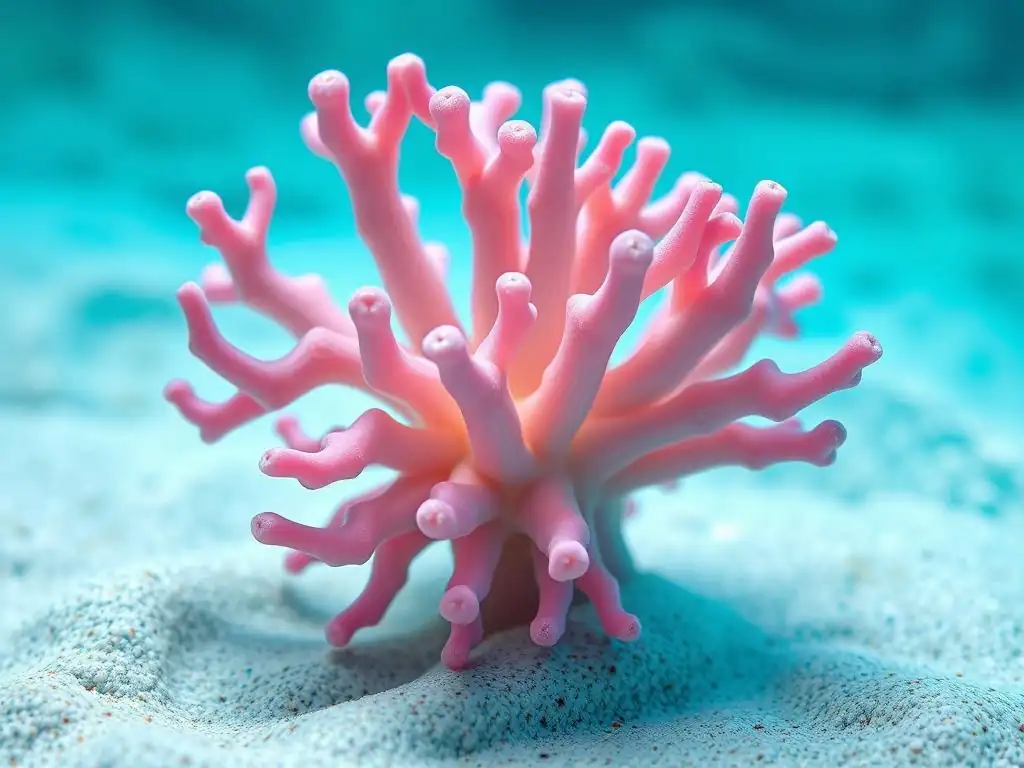
Successful Acan fragging begins with proper preparation and the right tools. Essential equipment includes bone cutters or a Dremel tool with a diamond-coated blade for precise, clean cuts through the coral skeleton. You'll also need coral super glue gel (cyanoacrylate-based) for attaching frags to plugs, and a clean, dedicated container filled with tank water for rinsing and dipping. Personal protective equipment, such as gloves and eye protection, is highly recommended to prevent exposure to coral toxins or debris.
Setting up a sterile and organized workspace is equally important. Ensure the area is clean and well-lit, allowing for clear visibility of the coral and tools. Have your frag plugs or discs readily available. Many aquarists also prepare a separate dip solution, such as an iodine-based cleaner or a commercial coral dip, to use immediately after fragging. This prophylactic step is a key Acan frag propagation recovery tip for preventing bacterial infections and parasitic infestations.
Fragging Acan Lords: A Step-by-Step Guide
Fragging Acan Lords requires precision to minimize stress and maximize recovery. First, select a healthy, well-established portion of the mother colony that exhibits good tissue extension and coloration. Using bone cutters or a Dremel, make a clean, swift cut through the skeleton, ensuring minimal tissue damage. Aim to create frags with at least 2-3 polyps to increase their chances of survival and growth.
Once the frag is separated, gently rinse it in a small container of tank water to remove any loose debris or coral slime. Some aquarists opt for a short dip (e.g., 5-10 minutes) in a coral disinfectant solution at this stage. Carefully apply a small amount of coral super glue gel to the bottom of the frag or directly to a frag plug, then firmly attach the Acan frag.
Hold it in place for 10-30 seconds until the glue sets. Minimize air exposure throughout this process, as prolonged exposure can dry out and damage delicate coral tissue, hindering Acan frag propagation recovery tips.
Acan Frag Placement: Optimizing for Healing
Proper placement of newly fragged Acans is crucial for their healing and long-term success. Acan corals generally prefer low to moderate light and gentle, indirect water flow. Placing a fresh frag in an area with excessive light intensity (e.g., over 200 PAR) can cause bleaching and tissue necrosis, while strong, direct flow can physically damage the fragile, healing tissue. A good starting point is a shaded area or a frag rack positioned lower in the tank.
Ensure the frag is securely attached to its plug or disc and placed in a stable location where it won't be easily knocked over by fish or invertebrates. Avoid areas with high detritus accumulation, as this can smother the frag and lead to infection. Observing the frag's initial response to its new placement is vital; if it remains closed or shows signs of stress, consider adjusting its position. Optimal placement is a foundational element among effective Acan frag propagation recovery tips.
Post-Fragging Care: Maximizing Acan Frag Propagation Recovery
Water Quality Parameters for Acan Frag Healing
Maintaining pristine and stable water quality is paramount for the successful healing of Acan frags. Key parameters such as alkalinity should be consistently held between 8-10 dKH, calcium at 400-450 ppm, and magnesium at 1300-1400 ppm. Fluctuations, even minor ones, can significantly impede the calcification process necessary for tissue regeneration and skeletal growth. Regular testing, ideally 2-3 times per week during the healing phase, allows for prompt adjustments.
Beyond the major parameters, keeping nitrates low (1-5 ppm) and phosphates near zero (0.03-0.07 ppm) is important to prevent nuisance algae growth that can smother healing tissue. However, absolute zero nitrates/phosphates can sometimes starve corals. Consistent weekly water changes, typically 10-20% of the tank volume, help replenish trace elements and remove accumulated waste, providing the ideal chemical environment for robust Acan frag propagation recovery tips.
Lighting and Flow Requirements for Newly Fragged Acans
Newly fragged Acans are highly sensitive to their environment, making precise control of lighting and flow critical. Acan corals are photosynthetic but prefer lower to moderate light levels, typically thriving under PAR values ranging from 50 to 150. For a fresh frag, it's often beneficial to start them at the lower end of this spectrum or in a slightly shaded area, gradually increasing light exposure over several weeks as they show signs of recovery. Too intense lighting can cause immediate stress and bleaching.
Water flow should be gentle and indirect. Strong, laminar flow can physically damage the delicate, healing tissue, causing tissue recession or preventing polyps from fully extending. Aim for chaotic, turbulent flow that gently washes over the frag, ensuring detritus does not settle on its surface while also delivering essential nutrients. Observing the frag's polyps is a good indicator: if they are constantly retracted or appear stressed, the flow might be too strong. Proper light and flow management are crucial Acan frag propagation recovery tips.
Feeding Acan Frags: Enhancing Growth and Coloration
While Acan corals derive significant energy from photosynthesis, direct feeding plays a crucial role in accelerating their healing and enhancing their vibrant coloration, particularly after the stress of fragging. Acans are voracious eaters and will readily consume meaty foods. Finely crushed pellets, frozen mysis shrimp, brine shrimp, or specialized coral foods designed for LPS corals are excellent choices.
Target feeding, where food is directly delivered to the frag using a pipette or turkey baster, is highly effective. Aim to feed 2-3 times per week, or as often as the frag appears receptive. Overfeeding should be avoided as it can degrade water quality. Consistent nutritional input provides the building blocks for tissue repair and new polyp formation, making feeding a vital component of successful Acan frag propagation recovery tips.
Troubleshooting Common Acan Frag Healing Problems
Identifying and Treating Acan Frag Infections
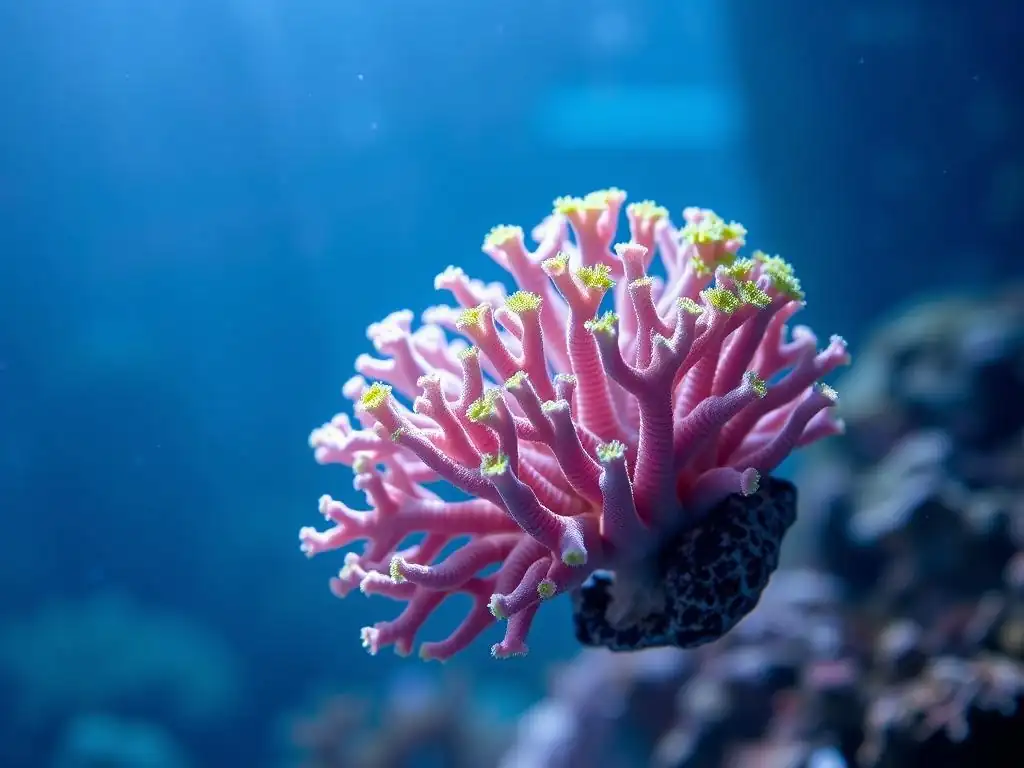
Acan frag infections, often manifesting as brown jelly disease (BJD) or rapid tissue necrosis (RTN), are severe threats to recovery. Symptoms include rapid tissue loss, often appearing as a brown, slimy coating that consumes the coral tissue, or white patches of exposed skeleton. These infections typically arise from poor water quality, unsterile fragging tools, or excessive stress on the frag.
Immediate action is crucial. If an infection is suspected, remove the frag from the main display tank to prevent spread. A short dip in a commercial coral disinfectant (e.g., Revive Coral Cleaner, Coral Rx) or an antiseptic solution like hydrogen peroxide (diluted to 1-2 ml per liter of tank water for 30-60 seconds) can be effective. After dipping, place the frag in a separate container with clean tank water for observation. Improving overall water quality and maintaining stability are essential Acan frag propagation recovery tips to prevent recurrence.
Addressing Acan Frag Tissue Recession
Tissue recession, where the coral's flesh pulls away from its skeleton, is a common and concerning issue for Acan frags. This can manifest as a gradual shrinking of the polyps or visible exposure of the skeletal base. Causes are varied and often include unstable water parameters, excessive or insufficient water flow, nutrient deficiencies, or the presence of pests like predatory snails (e.g., Sundial snails) or flatworms.
To address tissue recession, systematically check all water parameters (alkalinity, calcium, magnesium, salinity, temperature) for stability and optimal ranges. Adjust water flow to ensure it's gentle but sufficient to prevent detritus buildup. Inspect the frag meticulously for any signs of pests, particularly at night when many are active. If pests are found, a targeted coral dip or manual removal may be necessary. Sometimes, simply relocating the frag to a less stressful area of the tank can initiate recovery, making these adaptable Acan frag propagation recovery tips.
Dealing with Algae Growth on Acan Frags
Nuisance algae, such as hair algae or film algae, can quickly colonize the exposed skeleton or even the tissue of a healing Acan frag, inhibiting recovery and potentially smothering the coral. This growth is typically fueled by elevated nutrient levels (nitrate and phosphate) in the aquarium, combined with adequate light.
Management involves a multi-pronged approach. First, address the underlying cause of high nutrients through regular water changes (e.g., 10-20% weekly), reducing feeding, and ensuring proper filtration (e.g., protein skimming, GFO reactor). Gently brushing the algae off the frag's skeleton with a soft toothbrush can provide temporary relief, but avoid damaging the fragile coral tissue.
Increasing gentle flow around the frag can also help prevent detritus and algae from settling. For persistent issues, introducing a small, reef-safe herbivore (like a Trochus snail) may be considered, provided it won't disturb the frag. These proactive measures are key Acan frag propagation recovery tips for maintaining frag health.
Optimizing Acan Frag Propagation Recovery Tips
Acclimation Strategies for New Acan Frags
While "acclimation" typically refers to introducing new corals to a tank, for internal fragging, it's about minimizing the shock of the process. The focus shifts to immediate post-fragging care rather than traditional drip acclimation. As the frag is already in your tank's water, temperature and salinity differences are negligible. The primary strategy is to reduce stress from handling and the fragging procedure itself.
Once fragged and glued, swiftly place the Acan frag into its designated healing spot in the display tank or a dedicated frag tank. Minimize air exposure during the transfer, ideally keeping the frag submerged as much as possible. The goal is to provide a stable, optimal environment immediately, with gentle flow and appropriate lighting, allowing the frag to begin healing without additional environmental stressors. This rapid, careful reintroduction is a vital Acan frag propagation recovery tip.
Monitoring Acan Frag Health: Early Warning Signs
Diligent monitoring is crucial for identifying potential problems early and implementing timely interventions. Daily observation of your Acan frags for the first few weeks post-fragging can make a significant difference in their survival. Early warning signs of stress or distress include polyps remaining retracted for extended periods, dull or fading coloration, excessive slime production, or any visible tissue recession from the frag plug or skeleton.
Conversely, signs of successful healing include the polyps beginning to extend normally, returning to vibrant coloration, and the tissue slowly growing over the frag plug, indicating attachment and new growth. If you notice any concerning signs, immediately check water parameters, inspect for pests, and assess lighting and flow. Prompt identification and response to these indicators are among the most effective Acan frag propagation recovery tips.
Long-Term Care and Growth of Acan Frags
Once an Acan frag has successfully healed and shown signs of growth, typically after 4-8 weeks, its long-term care mirrors that of a mature Acan colony. Continue to maintain stable water parameters, including consistent alkalinity, calcium, and magnesium levels, to support ongoing calcification and growth. Regular water changes (e.g., 10% weekly) remain essential for nutrient replenishment and waste removal.
Consistent feeding of meaty foods, 2-3 times per week, will continue to promote robust growth and maintain vibrant coloration. As the frag grows, it may require relocation to accommodate its increasing size or to prevent it from shading other corals. Over time, a successfully healed frag can develop into a beautiful, multi-polyp colony, a testament to effective Acan frag propagation recovery tips.
Advanced Techniques for Acan Frag Propagation and Healing
Using Coral Dips for Acan Frag Protection
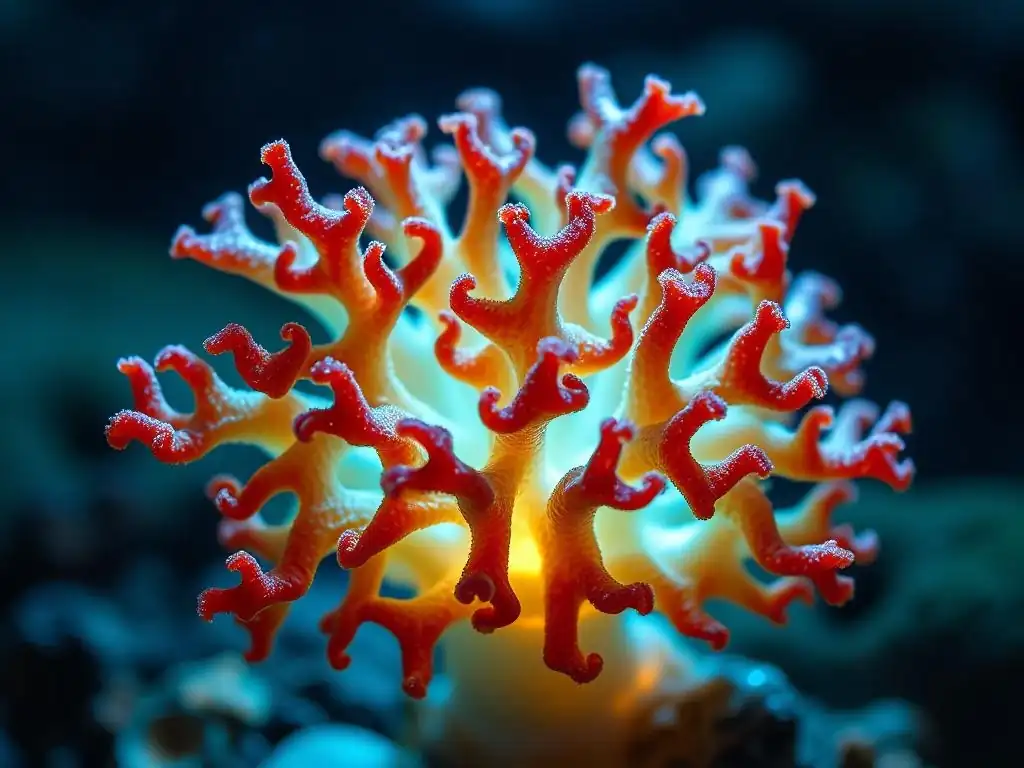
Coral dips serve as an important prophylactic measure and treatment for Acan frags, particularly immediately after fragging. These dips are designed to kill or deter common pests like flatworms, predatory snails, and various bacteria that can opportunistically infect stressed coral tissue. Popular commercial dips include Revive Coral Cleaner and Coral Rx, while some aquarists use diluted iodine solutions (e.g., Lugol's solution).
To apply, prepare the dip solution according to the manufacturer's instructions in a separate container using tank water. Gently place the Acan frag into the dip for the recommended duration, typically 5-15 minutes, often with gentle agitation to dislodge pests. After dipping, rinse the frag thoroughly in a clean container of tank water before returning it to the display. This step significantly reduces the risk of post-fragging complications, making it a powerful Acan frag propagation recovery tip.
Supplementation Strategies for Enhanced Acan Growth
While stable baseline water parameters (alkalinity, calcium, magnesium) are non-negotiable for Acan health, targeted supplementation can further enhance their growth and healing post-fragging. Once the core parameters are consistently maintained, aquarists may consider dosing trace elements such as strontium, iodine, and potassium, which are utilized by corals for skeletal formation and metabolic processes.
Additionally, amino acid supplements can provide essential building blocks for tissue repair and regeneration. These organic compounds are readily absorbed by corals and can significantly boost recovery rates and coloration. However, any supplementation should be approached cautiously, with precise dosing based on regular water testing to avoid imbalances that could negatively impact the frags. Used judiciously, supplementation can be a valuable Acan frag propagation recovery tip.
Utilizing Frag Plugs and Discs for Acan Attachment
The choice and preparation of frag plugs or discs are crucial for secure attachment and successful healing of Acan frags. Ceramic plugs, aragonite discs, or even small pieces of live rock are commonly used. Discs often provide a larger surface area for the coral tissue to encrust onto, which can accelerate the healing process compared to smaller plugs.
When using super glue gel to attach the frag, ensure the plug is clean and dry for optimal adhesion. After applying the glue and attaching the frag, some aquarists opt to 'cure' the glued frag in a separate container of tank water for several hours or overnight. This allows the glue to fully harden and off-gas any potential irritants before the frag is introduced to the main display, minimizing the risk of chemical leaching and ensuring a safer environment for the delicate, healing tissue. This attention to detail is a key Acan frag propagation recovery tip.
Preventing Problems in Acan Frag Propagation: Best Practices
Selecting Healthy Acan Colonies for Fragging
The success of Acan frag propagation begins long before the first cut: it starts with selecting a healthy mother colony. Only frag from established, robust colonies that show no signs of stress, disease, or pest infestation. A healthy mother colony will have full tissue extension, vibrant coloration, and be actively growing. Fragging a stressed or compromised colony will significantly reduce the survival rate of the frags and could further weaken the mother colony.
Avoid fragging recently acquired Acans or those that have experienced significant environmental changes (e.g., temperature swings, parameter instability). Allow new corals several weeks to months to fully acclimate and demonstrate consistent health and growth in your system before considering propagation. This foundational best practice ensures the source material is resilient, directly contributing to successful Acan frag propagation recovery tips.
Maintaining a Stable Aquarium Environment
Consistency is the cornerstone of successful coral husbandry, especially when dealing with stressed Acan frags. Sudden fluctuations in temperature (ideally kept within 0.5°F), salinity (aim for a specific gravity deviation of no more than 0.001), and key parameters like alkalinity, calcium, and magnesium can induce severe stress and hinder healing. Daily monitoring of these parameters, coupled with precise dosing or water changes, is essential.
Beyond chemical stability, a consistent photoperiod and stable water flow patterns prevent additional stressors. Regular maintenance, including protein skimmer cleaning, filter sock changes, and detritus siphoning, helps maintain overall water quality and prevents the buildup of harmful compounds. A truly stable environment minimizes the challenges faced by newly fragged Acans, making it one of the most important Acan frag propagation recovery tips.
Quarantine Procedures for New Acan Frags
While this article focuses on fragging existing colonies, the principle of quarantine is highly relevant when acquiring new Acan corals that may eventually be fragged. A dedicated quarantine tank (QT) is a critical tool for preventing the introduction of pests (such as Acan-eating flatworms or nudibranchs) and diseases into your main display tank. Many issues that complicate frag recovery often originate from pests brought in with new corals.
In a QT, new Acans can be observed, dipped, and treated for any potential issues without risking the entire reef system. This allows for proactive management of common threats, ensuring that any Acan colony you eventually frag is as healthy and pest-free as possible. Implementing a robust quarantine protocol for all new coral acquisitions is a foundational, long-term Acan frag propagation recovery tip for overall aquarium health.
Frequently Asked Questions
How long does it typically take for an Acan frag to show signs of recovery after propagation?
Recovery time varies, but generally, you should see polyp inflation and feeding responses within 1-2 weeks. Monitor water parameters closely.
What are the most critical water parameters to maintain during Acan frag recovery?
Maintaining stable parameters is crucial. Keep alkalinity between 8-11 dKH, calcium around 400-450 ppm, and magnesium between 1250-1350 ppm.
What are the best lighting conditions for promoting Acan frag healing and growth?
Acan frags prefer moderate lighting. Avoid intense light, as it can stress newly propagated corals. Indirect lighting is often best initially.
What are some common signs of stress to watch out for in a recovering Acan frag?
Look for tissue recession, lack of polyp inflation, or a change in coloration (e.g., bleaching). These indicate potential issues.
What are some recommended feeding strategies to support Acan frag recovery after propagation?
Target feeding with small amounts of coral food like reef roids or amino acids can boost recovery. Avoid overfeeding to prevent water quality issues.
Final Reflection: Nurturing Life's Resilience
The journey of Acan frag propagation extends far beyond the technical aspects of cutting and gluing. It's a testament to the resilience of life itself, mirrored in the delicate balance we strive to maintain within our reef aquariums. Understanding and applying these recovery tips is not just about growing corals; it's about fostering an environment where even the smallest fragment can thrive, reflecting a broader commitment to nurturing life in all its forms.
This dedication to the well-being of these vibrant creatures has profoundly influenced the way we approach reef keeping. It's a constant reminder that patience, observation, and a deep understanding of the ecosystem are paramount to success. The best time to plant a tree was 20 years ago. The second best time is now.
This ancient proverb resonates deeply, highlighting the continuous effort and long-term vision required, not just in coral propagation, but in any endeavor that seeks to cultivate growth and beauty.
Now, consider the lessons learned from these Acan frags. How can you apply the principles of careful observation, patient nurturing, and environmental optimization to other aspects of your life? Let the success you achieve in propagating these corals inspire you to cultivate resilience and growth in your own endeavors, fostering an environment where you, too, can thrive.
Nurture Your New Acan: Give Life a Vibrant Start!
Thanks for exploring the fascinating world of Acan frag propagation! We hope you’ve gained valuable insights into nurturing these vibrant corals. Now, it's time to put that knowledge into action and watch your Acans thrive.
Here are some steps you can take to ensure their successful growth:
- Carefully monitor water parameters such as alkalinity, calcium, and magnesium to ensure they remain stable for optimal Acan growth. This is the most crucial element for their survival!
- Explore local reefing groups or online forums and share your Acan fragging experiences! Helping others benefits everyone.
- Experiment with different lighting intensities for your Acans and document the color changes! You might unveil unexpected beauty.
What innovative technique will you try first to enhance the growth and coloration of your new Acan frag?