
Fiddler Crabs (Uca spp.): Why These Brackish Beauties Don't Belong in Freshwater Tanks

Welcome to Aquarium Mastery!
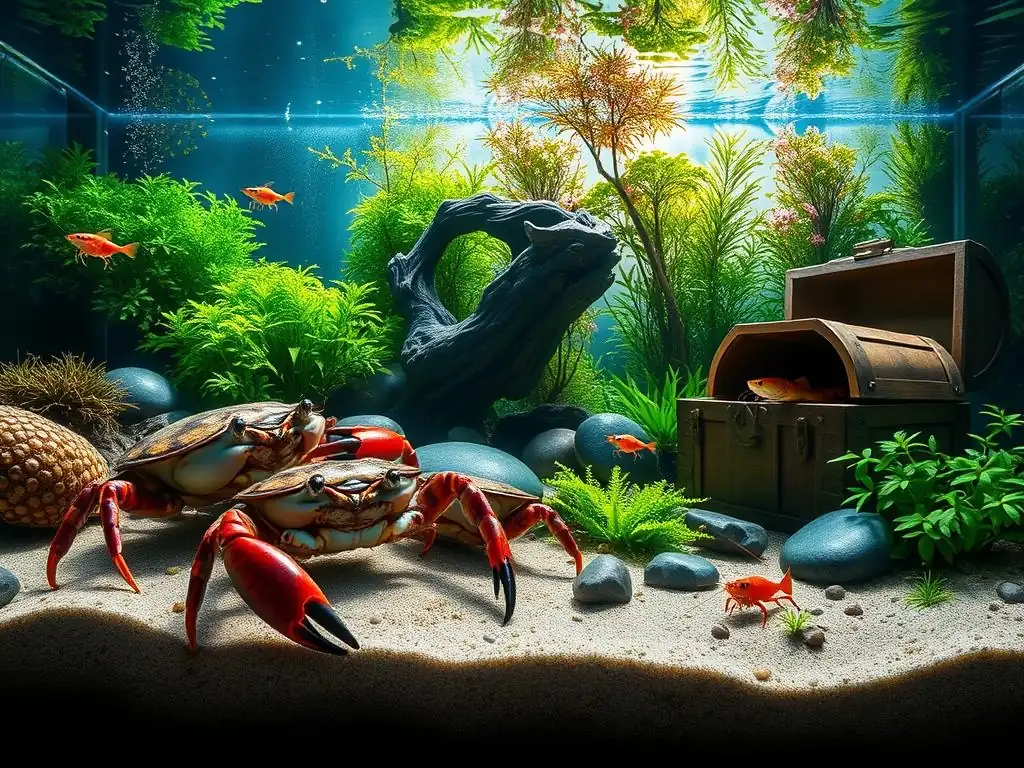
Ever been captivated by the colorful antics of Fiddler Crabs? While their playful behavior is undeniably charming, understanding their specific needs is crucial for their well-being. Discover why keeping these brackish water beauties in freshwater tanks is a big no-no, and delve into the fascinating world of creating the perfect Fiddler Crabs brackish tank environment. Get ready to unlock the secrets to keeping these unique crustaceans thriving!
- Understanding Fiddler Crabs: An Introduction to Uca Species
- Why Freshwater Tanks Are Unsuitable for Fiddler Crabs
- Replicating Brackish Environments for Fiddler Crabs
- Fiddler Crab Care: Diet, Behavior, and Tank Mates
- Recognizing Signs of Stress and Illness in Fiddler Crabs
- Alternatives to Fiddler Crabs for Freshwater Aquariums
- Conclusion: Prioritizing Fiddler Crab Welfare and Proper Habitat
- Frequently Asked Questions
- Final Reflection: The Delicate Dance of Brackish Life
- Embrace the Swirl: Dive Deeper into Fiddler Crab Fascination!
Understanding Fiddler Crabs: An Introduction to Uca Species
The Unique Appeal of Fiddler Crabs for Aquarists
Fiddler crabs, belonging to the genus Uca, captivate aquarists with their distinctive appearance and engaging behaviors. Males are particularly striking, possessing one greatly enlarged claw, often several times the size of their other claw, which they use for courtship displays and territorial disputes. This unique morphology, combined with their semi-terrestrial nature and active burrowing habits, makes them a fascinating addition to a specialized aquarium setup.
Their vibrant coloration, ranging from earthy browns and grays to striking blues and reds in some species, further enhances their visual appeal. Observing a male fiddler crab "waving" its large claw to attract a mate or ward off rivals provides an unparalleled glimpse into the complex social dynamics of these crustaceans. This blend of visual intrigue and lively interaction is what often draws enthusiasts to consider keeping these captivating creatures.
Fiddler Crab Origins: Natural Brackish Water Habitats in Coastal Ecosystems
The natural habitat of fiddler crabs is primarily the intertidal zones of tropical and subtropical regions across the globe. They are ubiquitous inhabitants of mangrove forests, salt marshes, and muddy or sandy shores of estuaries in areas such as the Atlantic coast of North America, the Caribbean, Southeast Asia, and parts of Africa. These environments are characterized by a unique mix of fresh and saltwater, creating a brackish water ecosystem.
These coastal areas experience daily tidal fluctuations, meaning the salinity of the water they inhabit can change significantly throughout the day, ranging from nearly freshwater during heavy rains or low tide to almost full marine salinity at high tide. Fiddler crabs have evolved remarkable physiological adaptations to cope with these dynamic conditions, allowing them to thrive in water with a specific gravity typically ranging from 1.005 to 1.020. Their ability to tolerate these shifts, however, does not equate to an ability to survive in stable freshwater.
Uca Species Diversity: Notable Differences in Size, Coloration, and Claw Morphology
The genus Uca encompasses over 100 recognized species, each exhibiting unique characteristics in terms of size, coloration, and the morphology of their iconic large claw. Among the more commonly encountered species in the aquarium trade, though often misidentified, are Uca pugnax (the marsh fiddler), Uca pugilator (the sand fiddler), and various species from Asia like Uca arcuata or Uca vocans.
These species typically reach a carapace width of 1 to 2 inches (2.5 to 5 cm), with the male's enlarged claw sometimes exceeding the size of its entire body. Coloration can vary widely; for instance, Uca pugnax often displays a mottled brown or olive carapace, while some Asian species can boast vibrant blue or red hues on their claws and legs. The shape and texture of the large claw, used for both defense and elaborate courtship rituals, also differ subtly between species, providing specific identification markers for experienced enthusiasts of the fiddler crabs brackish tank environment.
Why Freshwater Tanks Are Unsuitable for Fiddler Crabs
The Critical Role of Brackish Water in Fiddler Crab Physiology
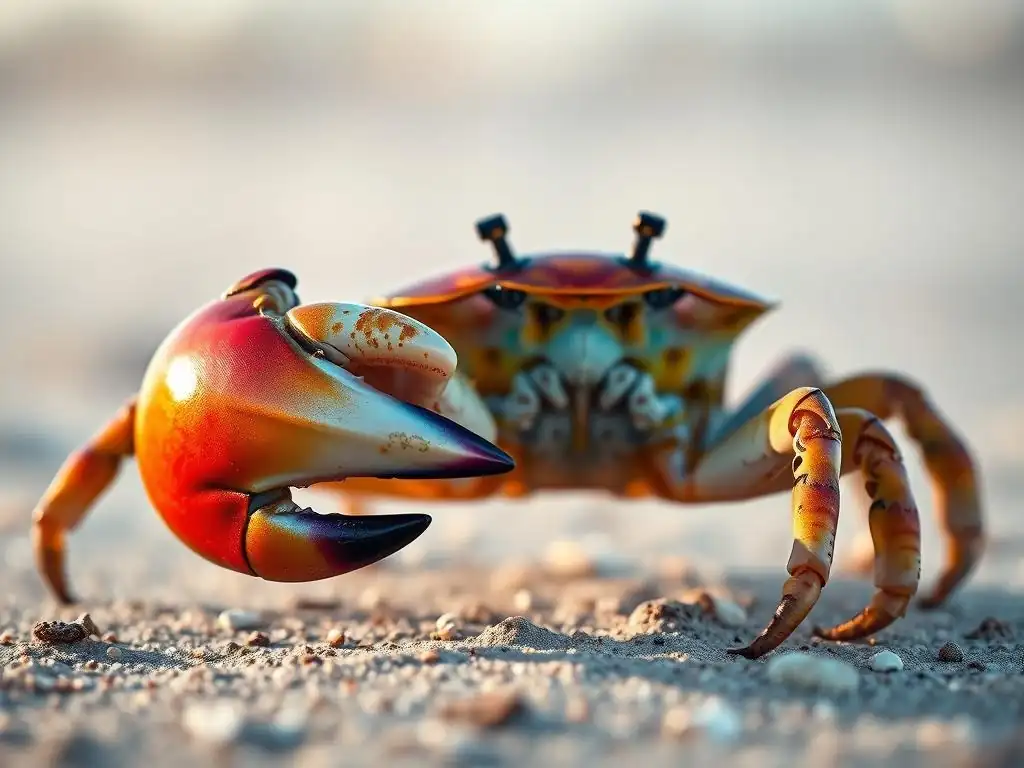
Brackish water is not merely a mix of fresh and salt water; it represents a specific salinity range crucial for the physiological well-being of fiddler crabs. Their internal body fluids maintain a certain osmotic pressure that is balanced by the salinity of their external environment. In their natural brackish habitats, typically with a specific gravity between 1.005 and 1.015 (approximately 7 to 20 parts per thousand salinity), their bodies can efficiently regulate water and ion balance.
This delicate balance is fundamental to every aspect of their metabolism, from cellular function to waste excretion. Unlike true freshwater organisms that have evolved highly specialized mechanisms to prevent water from flooding their cells, fiddler crabs lack these adaptations. Their entire evolutionary history is tied to estuarine conditions, making a stable brackish environment a non-negotiable requirement for their survival.
Osmoregulation Challenges: Inability to Regulate Fluids in Freshwater Environments
When a fiddler crab is placed in a freshwater tank, it faces an immediate and overwhelming osmoregulation challenge. The crab's internal body fluids contain a higher concentration of salts and solutes than the surrounding freshwater. According to the principles of osmosis, water will naturally move from an area of higher water concentration (the freshwater) to an area of lower water concentration (inside the crab's body) in an attempt to equalize the solute concentrations.
This continuous influx of water into the crab's cells causes them to swell, leading to cellular damage and organ dysfunction. While some freshwater crustaceans possess highly efficient kidneys or specialized gill structures to actively pump out excess water, fiddler crabs do not. Their osmoregulatory systems are simply not equipped to handle such a drastic osmotic gradient, leading to a slow and agonizing death by cellular bursting and fluid imbalance, often within weeks or even days.
Shell Degradation and Molting Difficulties Due to Lack of Minerals
Beyond osmoregulation, the mineral content of brackish water is vital for the structural integrity of a fiddler crab's exoskeleton. Their shells, primarily composed of chitin and calcium carbonate, require a consistent supply of dissolved minerals, particularly calcium and magnesium, to remain strong and healthy. Brackish water naturally provides these essential minerals in the concentrations needed for proper shell calcification.
In contrast, freshwater environments are typically deficient in these critical minerals. Prolonged exposure to freshwater deprives the fiddler crab of the necessary building blocks for its shell, leading to a condition known as "soft shell syndrome." This makes the crab vulnerable to injury and significantly compromises its ability to molt successfully. A failed molt, where the crab cannot shed its old exoskeleton completely, is often fatal, as the crab becomes trapped and unable to grow or move properly.
Negative Impacts of Incorrect Salinity on Fiddler Crab Health and Longevity
The cumulative effect of incorrect salinity on fiddler crabs is devastating, dramatically shortening their lifespan and severely impacting their overall health. Fiddler crabs kept in a proper fiddler crabs brackish tank setup can live for 2 to 3 years, sometimes even longer, in captivity. However, in freshwater environments, their lifespan is typically reduced to a mere few weeks or months, if they survive that long.
Beyond the immediate physiological stress, incorrect salinity weakens their immune system, making them highly susceptible to bacterial and fungal infections. They become lethargic, lose their appetite, and exhibit abnormal behaviors such as constantly attempting to climb out of the water. Their vibrant colors fade, and their movements become sluggish. This decline is a direct result of their inability to thrive in an environment fundamentally incompatible with their biological requirements.
Replicating Brackish Environments for Fiddler Crabs
Establishing a Suitable Brackish Water Aquarium for Fiddler Crabs
Creating a proper fiddler crabs brackish tank requires careful planning to simulate their natural intertidal habitat. A minimum tank size of 10-20 gallons is recommended for a small group (e.g., one male and two females) to provide adequate space for territory and burrowing. Crucially, the tank must be paludarium-style, featuring both a significant water section and a generous land area. Approximately 50-70% of the tank footprint should be dedicated to land, with the water section being shallow enough for the crabs to easily access both areas.
The water should be mixed using a high-quality marine salt mix, not table salt or aquarium salt intended for freshwater fish, as these lack the trace elements essential for crustacean health. For instance, Instant Ocean or Red Sea Salt are suitable brands. The land area can be created by sloping the substrate, building up areas with inert rocks, or using specialized aquarium platforms, ensuring the crabs can fully emerge from the water to breathe air.
Maintaining Optimal Salinity Levels Using Hydrometers and Regular Water Changes
Maintaining the correct salinity is paramount for a fiddler crabs brackish tank. The ideal specific gravity range is typically between 1.005 and 1.010, corresponding to roughly 7 to 14 parts per thousand (ppt) salinity. This precise range can be accurately measured using a marine hydrometer or, for greater precision, a refractometer. Regular monitoring, at least once a week, is essential to ensure stability.
Evaporation removes only water, leaving salts behind, which will cause salinity to rise. Therefore, daily top-offs should always be done with dechlorinated freshwater, not brackish water. Conversely, partial water changes, typically 20-25% bi-weekly, must be performed using pre-mixed brackish water at the correct specific gravity to prevent sudden shifts in salinity. This diligent maintenance schedule is key to mimicking the stable conditions within their natural estuarine zones.
Appropriate Substrate and Décor for Simulating a Brackish Habitat
The substrate is a critical component of a fiddler crabs brackish tank, as these crabs are avid burrowers. A fine sand substrate, ideally mixed with some crushed coral for added calcium carbonate, should be provided at a depth of at least 4-6 inches (10-15 cm) in the land section. This allows them to construct their elaborate burrows, which serve as shelter, molting sites, and territorial markers. Without adequate burrowing material, fiddler crabs become highly stressed and vulnerable.
For décor, consider pieces of driftwood that extend from the water onto the land, creating climbing opportunities and additional hiding spots. Mangrove roots, if sourced responsibly and treated, are also excellent for simulating their natural environment. Sturdy, non-toxic artificial plants can be used to provide cover and visual barriers, which are particularly important in tanks with multiple males to reduce aggression and territorial disputes.
Temperature and Water Quality Parameters Crucial for Fiddler Crab Well-being
Beyond salinity, maintaining stable temperature and pristine water quality is vital for a thriving fiddler crabs brackish tank. The water temperature should be kept consistently between 75-82°F (24-28°C), requiring a reliable submersible heater. Fluctuations outside this range can cause significant stress and weaken their immune system.
Water quality parameters, including ammonia, nitrite, and nitrate, must be diligently monitored. Ammonia and nitrite should always be at 0 parts per million (ppm), as even trace amounts are highly toxic to invertebrates. Nitrates should be kept below 20 ppm through regular water changes and efficient filtration. A small internal filter, sponge filter, or hang-on-back filter with adequate mechanical and biological media is necessary to maintain water clarity and remove waste products, ensuring a healthy environment for these delicate crustaceans.
Fiddler Crab Care: Diet, Behavior, and Tank Mates
Providing a Varied Diet of Algae, Detritus, and Small Invertebrates
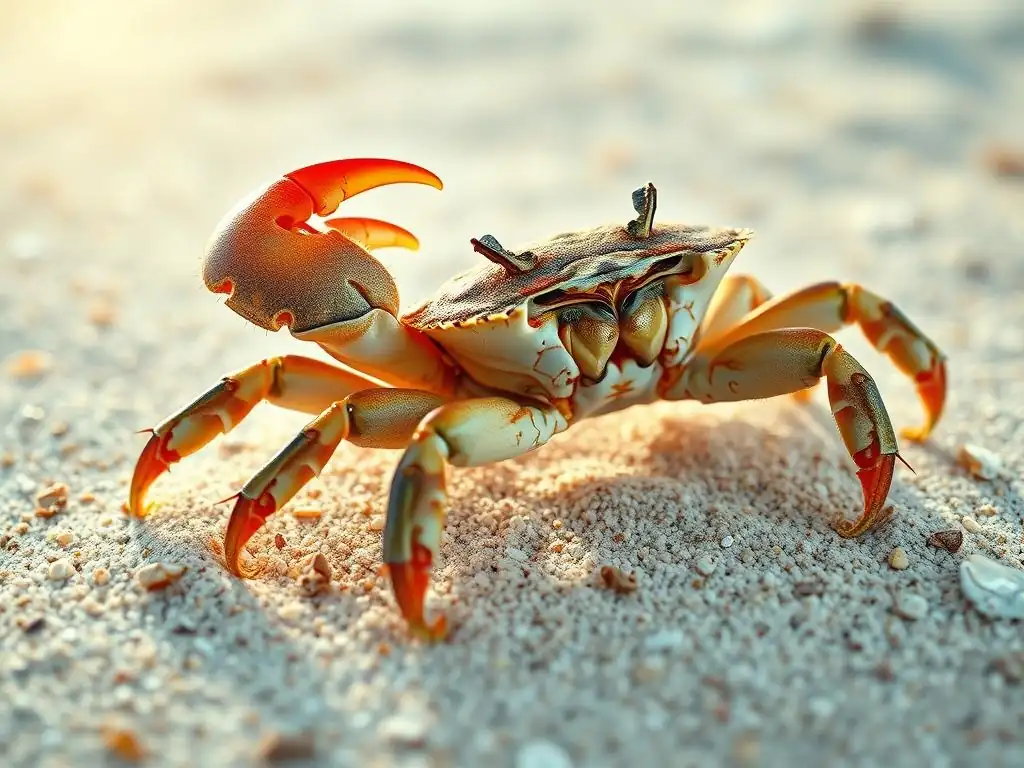
Fiddler crabs are primarily detritivores and opportunistic omnivores in their natural habitat, sifting through mud and sand for organic matter, algae, and microscopic invertebrates. In a fiddler crabs brackish tank, their diet should reflect this natural inclination to ensure optimal health. A primary food source should be high-quality sinking pellets or granules formulated for crustaceans, often containing spirulina or other plant-based ingredients.
Supplement this with blanched vegetables like zucchini, spinach, or kale, offered in small, manageable pieces. They will also graze on any algae or biofilm that develops on tank surfaces. For protein, offer small amounts of frozen or freeze-dried bloodworms, brine shrimp, or mysis shrimp a few times a week. Occasional tiny pieces of unseasoned cooked shrimp or fish can also be provided. Overfeeding should be avoided to prevent water quality issues, as uneaten food quickly degrades.
Fiddler crabs exhibit complex social behaviors, particularly concerning territoriality among males. Each male will typically establish and defend a burrow, which serves as its home, a place to molt, and a display area to attract females. The large claw is prominently used in ritualized waving displays and, if necessary, in direct combat with rival males. While fascinating to observe, this territorial nature means that a fiddler crabs brackish tank must provide ample space and numerous hiding spots to prevent excessive aggression.
It is generally recommended to keep one male with several females, or a larger group in a very spacious tank with many visual barriers to diffuse aggression. Overcrowding will invariably lead to stress, injuries, and even fatalities, as dominant males will relentlessly pursue weaker individuals. Observing their unique courtship dances and burrow-building activities is a highlight of keeping these crabs, provided their social needs are met.
Selecting Compatible Tank Mates That Thrive in Brackish Conditions
Choosing suitable tank mates for a fiddler crabs brackish tank is challenging due to their specific environmental requirements and semi-terrestrial nature. Most freshwater fish cannot tolerate the salinity, and most marine fish require higher salinity than fiddler crabs prefer. The best tank mates are fish species that are tolerant of brackish water and are not overly aggressive or prone to nipping.
Good candidates include certain species of mollies (e.g., Sailfin Mollies, Poecilia latipinna), particularly those bred for brackish conditions, and some small gobies like the Bumblebee Goby ( Brachygobius doriae), which are often found in similar habitats. Archerfish ( Toxotes spp.) are also brackish but require much larger tanks and specialized care, making them unsuitable for most fiddler crab setups. Avoid any bottom-dwelling fish that might compete for food or territory, or any fish small enough to be viewed as prey by the crabs.
Managing Aggression and Avoiding Overcrowding for a Balanced Ecosystem
Effective management of aggression and prevention of overcrowding are crucial for a harmonious fiddler crabs brackish tank ecosystem. As noted, males are highly territorial. To mitigate aggression, provide at least 10 gallons of tank volume per male, or preferably more, with abundant burrowing opportunities and multiple land exits. The presence of numerous hiding spots, such as rocks, driftwood, and sturdy artificial plants, helps create visual breaks and allows subordinate crabs to retreat.
Ensure that food is distributed widely to prevent a single dominant crab from monopolizing resources. Regularly observe the crabs for signs of stress, such as constant fighting, hiding, or injured limbs. If severe aggression persists despite adequate space and décor, it may be necessary to separate individuals or re-evaluate the population density. A balanced environment where each crab has its own space and resources is key to their long-term health and the overall stability of the specialized fiddler crabs brackish tank.
Recognizing Signs of Stress and Illness in Fiddler Crabs
Common Health Problems Associated with Freshwater Exposure
Fiddler crabs subjected to freshwater conditions quickly develop a range of severe health problems. The most immediate and common issue is osmotic shock, leading to lethargy, loss of appetite, and a general decline in activity. Their bodies become overwhelmed by the influx of water, causing cellular dysfunction. This prolonged stress significantly weakens their immune system, making them highly susceptible to secondary infections.
Soft shell syndrome is another prevalent issue in freshwater, where the crab's exoskeleton fails to harden properly after a molt due to insufficient calcium and other minerals. This leaves them vulnerable to injury and infection. Bacterial and fungal infections often manifest as fuzzy patches, lesions, or discoloration on the shell or limbs. Limb loss (autotomy) can occur as a stress response or due to poor water quality, although limbs can regenerate over subsequent molts if conditions improve.
Identifying Stress Indicators: Changes in Behavior, Feeding, and Appearance
Recognizing the early signs of stress and illness in fiddler crabs is vital for intervention. Behavioral changes are often the first indicators. A stressed crab may become excessively reclusive, hiding constantly, or conversely, it may exhibit frantic attempts to climb out of the tank, even if adequate land area is provided. A lack of burrowing activity, which is instinctive for these crabs, is also a red flag.
Changes in feeding habits, such as a complete refusal to eat or a significant reduction in appetite, are strong indicators of poor health. Visually, a healthy fiddler crab should have vibrant coloration and a firm, intact shell. Signs of illness include dull or faded colors, white or black patches on the shell, cloudy eyes, or a soft, rubbery exoskeleton. Limp or unresponsive limbs, or the presence of any visible growths or fungal filaments, warrant immediate attention in your fiddler crabs brackish tank.
Quarantine Procedures and Treatment Options for Ailing Fiddler Crabs
If a fiddler crab shows signs of stress or illness, prompt action is necessary. The first step is to isolate the ailing crab in a separate quarantine tank. This prevents potential spread of disease to other tank inhabitants and allows for focused treatment. The quarantine tank should be set up with stable brackish water at the correct specific gravity (1.005-1.010) and temperature (75-82°F), mimicking optimal fiddler crabs brackish tank conditions.
Maintain pristine water quality in the quarantine tank through daily small water changes using pre-mixed brackish water. For suspected bacterial infections, broad-spectrum antibiotics formulated for aquatic invertebrates may be considered, but use with extreme caution as many medications are harmful to crustaceans. Fungal infections can sometimes be treated with very mild, temporary increases in salinity or specialized antifungal treatments. The most effective "treatment" is often simply providing ideal water parameters and a stress-free environment, allowing the crab's natural healing processes to take over, especially if a molt is approaching.
Alternatives to Fiddler Crabs for Freshwater Aquariums
Exploring Suitable Freshwater Crab Species Like the Thai Micro Crab
For aquarists seeking a crab species that truly thrives in a freshwater aquarium, the Thai Micro Crab ( Limnopilos naiyanetri) is an excellent, fully aquatic alternative. Unlike fiddler crabs, these tiny crustaceans, typically reaching only about 0.5 inches (1.3 cm) in carapace width, are native to freshwater rivers and streams in Thailand. They are peaceful, non-aggressive filter feeders that will not harm fish or plants.
Thai Micro Crabs are ideal for planted community tanks, where they can be observed sifting the water for microscopic food particles. They are shy and prefer environments with plenty of hiding spots among plants and décor. Their small size and gentle nature make them perfectly compatible with most small freshwater fish, shrimp, and snails, offering the unique appeal of a crab without the specialized brackish water requirements of a fiddler crabs brackish tank.
Freshwater Shrimp and Snail Options for Diverse Community Tanks
If the primary appeal of fiddler crabs was their role as active invertebrates or algae eaters, there are numerous suitable freshwater shrimp and snail species that can fulfill these roles in a conventional freshwater community tank. Freshwater shrimp, such as the popular Cherry Shrimp ( Neocaridina davidi) available in a dazzling array of colors (red, yellow, blue, green), or the larger, more robust Amano Shrimp ( Caridina multidentata), are excellent scavengers and highly entertaining to observe.
Various freshwater snail species also offer practical benefits and aesthetic appeal. Mystery Snails ( Pomacea bridgesii) come in beautiful colors like golden, blue, or ivory and are active grazers. Ramshorn Snails ( Planorbella spp.) and Bladder Snails ( Physa spp.) are prolific breeders but highly efficient at consuming algae and detritus. These invertebrates contribute to tank cleanliness and add biodiversity without the complex care of a fiddler crabs brackish tank.
Nerite Snails and Amano Shrimp as Algae Eaters and Tank Cleaners
For aquarists specifically looking for efficient algae eaters to help maintain a clean freshwater tank, Nerite Snails ( Neritina spp.) and Amano Shrimp are unparalleled choices. Nerite Snails are renowned for their voracious appetite for various types of algae, including stubborn green spot algae and diatoms. They are often considered one of the best algae eaters available, and while they lay eggs, these eggs will not hatch in freshwater, preventing overpopulation.
Amano Shrimp are another powerhouse for algae control. They are particularly effective against hair algae and other filamentous algae that many other tank inhabitants ignore. Growing up to 2 inches (5 cm), they are robust and active, constantly foraging for food. Both Nerite Snails and Amano Shrimp are peaceful, hardy, and compatible with most freshwater fish, making them excellent, low-maintenance alternatives to the specialized requirements of a fiddler crabs brackish tank.
Conclusion: Prioritizing Fiddler Crab Welfare and Proper Habitat
Ethical Considerations of Keeping Species with Specific Environmental Needs
The decision to keep any aquatic species comes with a significant ethical responsibility to provide an environment that genuinely meets its biological needs. For fiddler crabs, this means acknowledging and respecting their absolute requirement for a brackish water habitat. Misinformation or a lack of research often leads aquarists to place these fascinating creatures in unsuitable freshwater tanks, resulting in a slow decline and ultimately, premature death.
This practice is not only detrimental to the individual crab but also reflects a broader issue in the hobby where species are acquired without a full understanding of their care. Prioritizing the welfare of fiddler crabs means making an informed choice: either commit to establishing and maintaining a proper fiddler crabs brackish tank, or choose alternative species that are genuinely suited to a freshwater environment.
Creating a Flourishing Brackish Aquarium for Healthy Fiddler Crabs
For those committed to providing the right conditions, a flourishing fiddler crabs brackish tank is a rewarding and unique addition to the home. By meticulously replicating their natural estuarine habitat – providing the correct salinity, a generous land area for burrowing, stable temperatures, and pristine water quality – aquarists can witness these captivating crustaceans thrive.
A well-maintained brackish setup allows fiddler crabs to exhibit their natural behaviors, from intricate burrow construction to elaborate courtship dances, living out their full lifespan of several years. This commitment to species-specific care not only ensures the health and happiness of the crabs but also offers a deeper, more educational experience for the aquarist, showcasing the beauty and complexity of a properly managed brackish ecosystem.
Frequently Asked Questions
How can I tell if a fiddler crab is male or female?
The easiest way to tell is by looking at their claws. Male fiddler crabs have one dramatically larger claw used for display and fighting, while females have two smaller claws of equal size.
What is the ideal salinity for a fiddler crab brackish tank?
Fiddler crabs thrive in brackish water with a specific gravity typically between 1.005 and 1.010. This corresponds to a salinity of roughly 5-15 parts per thousand (ppt). Maintaining this range is crucial for their health.
What kind of substrate should I use in a fiddler crab's brackish tank?
A sandy substrate that allows for burrowing is ideal. A mixture of aquarium sand and aragonite can help maintain the necessary pH and provide essential minerals.
What do fiddler crabs eat in a brackish tank environment?
Fiddler crabs are detritivores and scavengers. Offer them a variety of foods including algae wafers, sinking pellets, and small pieces of fresh vegetables. They also enjoy scavenging for food within the substrate.
Why can't fiddler crabs live in freshwater tanks?
Fiddler crabs are adapted to brackish environments and require a certain level of salinity to survive. Their bodies need this salt concentration for proper osmoregulation and vital bodily functions.
Final Reflection: The Delicate Dance of Brackish Life
The exploration of fiddler crab care, as detailed in this article, underscores a crucial point: understanding the specific needs of an organism is paramount to its well-being. The stark contrast between their natural brackish habitat and the unsuitable freshwater environments often presented to them highlights a broader issue of responsible pet ownership and the ethical considerations surrounding the aquarium trade. Ignoring these needs, even with good intentions, can have devastating consequences for these fascinating creatures.
This understanding extends beyond the confines of a single species. It speaks to our responsibility as stewards of the natural world, urging us to look beyond superficial aesthetics and delve into the intricate ecosystems that support life. The plight of the fiddler crab serves as a microcosm of the larger challenges facing biodiversity and conservation efforts globally. In the end, we will conserve only what we love; we will love only what we understand; and we will understand only what we are taught.
- Baba Dioum. This quote encapsulates the essence of our responsibility to educate ourselves and others about the delicate balance of nature.
As you consider the information presented in this article, I invite you to reflect on your own relationship with the natural world. How can you become a more informed and responsible consumer, ensuring that your choices contribute to the well-being of all living things? Let the fiddler crab's story be a reminder that even the smallest creatures deserve our respect and understanding, and that our actions, however seemingly insignificant, can have a profound impact on the world around us.
Embrace the Swirl: Dive Deeper into Fiddler Crab Fascination!
Thank you for exploring the captivating world of fiddler crabs with us. We hope this article shed light on their unique needs and the importance of respecting their natural habitat. Now, it's time to translate that knowledge into action!
Here are a few things you can do to further appreciate and protect these amazing creatures:
- Spread the Word: Share this article with fellow aquarium enthusiasts to educate them about the specific requirements of fiddler crabs and the ethical considerations of keeping them.
- Explore alternative brackish water species that thrive in home aquariums, such as Bumblebee Gobies or Figure 8 Puffers.
- Consider supporting organizations dedicated to coastal habitat preservation and conservation, thereby helping ensure the well-being of fiddler crab populations in the wild.
What specific action will you take today to champion responsible aquarium keeping and fiddler crab conservation?