
The Denison Barb Dilemma: Temperament, Tank Size, and Suitability Explained

Welcome to Aquarium Mastery!
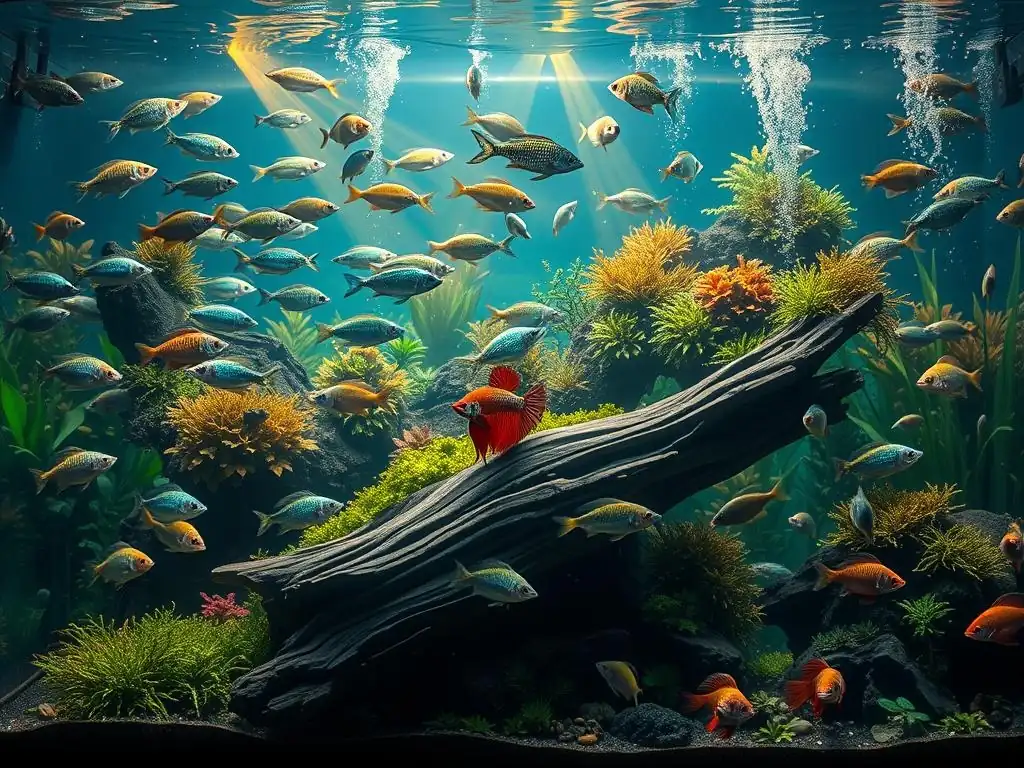
Ever wondered if the vibrant Denison barb is the right fit for your aquarium? The Denison Barb Dilemma: Temperament, Tank Size, and Suitability Explained dives deep into everything you need to know about this stunning fish, exploring its personality, space requirements, and what it really takes to keep them happy and healthy. Ready to unlock the secrets to Denison barb success? Let's get started!
- Understanding Denison Barbs: An Introduction to These Active Cyprinids
- Denison Barb Temperament: Are They Right for Your Community Tank?
- Denison Barb Tank Size: Providing Adequate Space for a School
- Denison Barb Care: Essential Considerations for a Thriving School
- Denison Barb Suitability: Is This Fish Right for You?
- Troubleshooting Common Denison Barb Issues
- Conclusion: Making an Informed Decision About Denison Barbs
-
Frequently Asked Questions
- What is the ideal tank size for Denison barbs?
- Are Denison barbs peaceful fish, and what is their general temperament?
- What are some suitable tank mates for Denison barbs?
- What are some common issues aquarists face when keeping Denison barbs?
- How can I ensure my Denison barbs exhibit their best coloration and behavior?
- Final Reflection: Navigating the Denison Barb's Needs
- Dive Deeper into Denison Barb Keeping!
Understanding Denison Barbs: An Introduction to These Active Cyprinids
What are Denison Barbs (Sahyadria denisonii)? A Quick Overview
Denison Barbs, scientifically known as Sahyadria denisonii, are stunning freshwater fish native to the fast-flowing rivers and streams of the Western Ghats mountain range in Kerala and Karnataka, India. They belong to the Cyprinidae family, which also includes popular species like carp and goldfish. These highly active fish are easily recognized by their torpedo-shaped bodies, which typically grow to an adult size of 4 to 6 inches (approximately 10-15 cm) in a well-maintained aquarium.
Their striking coloration includes an iridescent silver body, a distinctive bright red stripe running from the snout to the middle of the body, and a prominent black line situated just below the red stripe, extending to the tail. The dorsal fin often features a splash of red, adding to their allure. Due to their unique appearance and energetic swimming patterns, they are also commonly known as the Red-line Torpedo Barb or Roseline Shark, despite not being sharks at all.
Why Denison Barbs are Popular Aquarium Fish
The undeniable beauty and dynamic behavior of Denison Barbs make them a highly sought-after species among aquarists. Their vibrant colors and sleek, active swimming style add a captivating element to any appropriately sized freshwater setup. Unlike many sedentary aquarium inhabitants, Denison Barbs are constantly on the move, darting through the water column, which provides a lively and engaging viewing experience.
Furthermore, their schooling behavior is a significant draw. When kept in groups of six or more, Denison Barbs exhibit synchronized swimming patterns that are truly mesmerizing to observe. This natural schooling instinct not only enhances their visual appeal but also contributes to their overall well-being, reducing stress and promoting a more natural expression of their Denison barb temperament. Their popularity has led to increased breeding efforts, though wild populations face conservation concerns.
Denison Barb Temperament: Are They Right for Your Community Tank?
Assessing the Denison Barb's Temperament: Peaceful or Problematic?
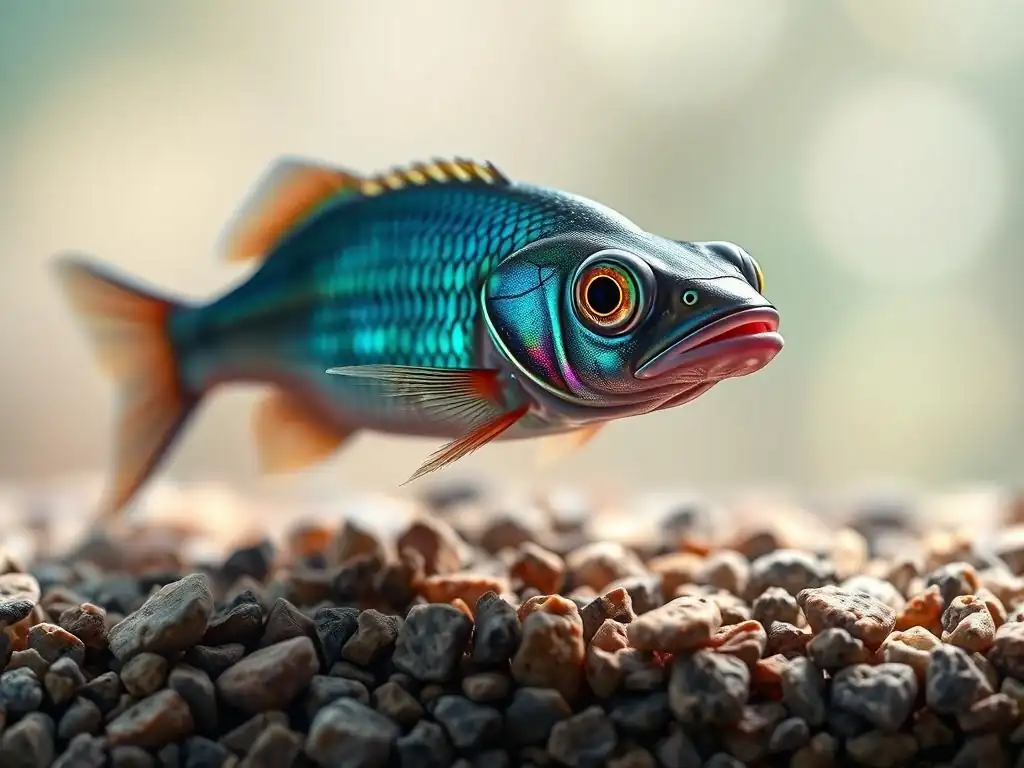
The Denison barb temperament is generally considered peaceful, especially when kept in appropriate conditions and in sufficiently large schools. They are active, schooling fish that prefer to spend their time swimming in the mid to upper levels of the aquarium. However, describing them as "peaceful" requires context; their high energy levels and constant motion can be perceived as disruptive by slower-moving or more timid tank mates.
It's crucial to understand that a Denison barb's temperament is heavily influenced by its environment. A small tank or an insufficient school size (fewer than 6-8 individuals) can lead to stress, which in turn may manifest as nipping at the fins of other fish, chasing, or increased shyness. When housed correctly, their interactions with other species are typically benign, focusing more on their own schooling dynamics rather than bothering tank mates.
Denison Barb Aggression: Understanding Potential Causes
While not inherently aggressive, instances of Denison barb aggression usually stem from environmental stressors rather than an innate desire to harm. The most common cause is inadequate tank size, which restricts their natural swimming patterns and creates cramped conditions, leading to heightened stress and territorial disputes even among school members. For instance, attempting to keep a school of these active fish in a tank smaller than 55 gallons (approx. 208 liters) almost inevitably results in behavioral issues.
Another significant factor contributing to aggression is insufficient schooling numbers. Denison Barbs are social creatures that rely on the safety and comfort of a group. Keeping fewer than six individuals can make them feel vulnerable and stressed, leading to them taking out their anxiety on other fish, often manifesting as persistent fin nipping, particularly on species with long, flowing fins. Competition for food or lack of adequate hiding spots can also trigger sporadic aggressive displays.
Ideal Tank Mates for Denison Barbs: Creating a Harmonious Aquarium
Selecting appropriate tank mates is paramount to maintaining a harmonious aquarium with Denison Barbs. Given their active nature and potential for stress-induced aggression, compatible species should share similar water parameter requirements, be of comparable size, and possess a robust temperament that isn't easily intimidated by fast-moving fish. Avoiding species that are too small or too slow is key to preventing problems related to Denison barb temperament.
Suitable Community Fish for Denison Barbs
Excellent choices for tank mates include other active, peaceful to semi-aggressive fish that can handle the Denison Barb's speed. Good options are larger species of Tetras, such as Congo Tetras or Diamond Tetras, which thrive in similar water conditions and possess a schooling instinct. Various species of Rainbowfish, like Boeseman's Rainbowfish or Australian Rainbowfish, also make great companions due to their active nature and vibrant colors.
Other suitable tank mates include certain peaceful cichlids, such as Keyhole Cichlids or Kribensis, provided the tank is sufficiently large to accommodate territories. Bottom dwellers like Corydoras catfish, Bristlenose Plecos, and larger loaches (e.g., Clown Loaches in very large tanks) are generally ignored by Denison Barbs, as they occupy different parts of the water column. The focus should always be on creating a balanced community where all fish can thrive without undue stress.
Fish to Avoid Keeping with Denison Barbs
When considering Denison barb temperament tank size compatibility, certain fish should be avoided to prevent stress, injury, or predation. Slow-moving fish with long, delicate fins, such as Angelfish, Bettas (Siamese Fighting Fish), or Guppies, are particularly vulnerable to fin nipping from stressed or under-schooled Denison Barbs. Their flowing fins can be seen as an irresistible target.
Furthermore, very small fish like Neon Tetras or small Rasboras (e.g., Chili Rasboras) might be perceived as food, especially if the Denison Barbs are larger adults or are not adequately fed. Conversely, overly aggressive or highly territorial fish, such as some larger cichlids (e.g., Oscars or Midas Cichlids), should also be avoided as they can easily stress, injure, or even prey upon Denison Barbs. The goal is to ensure a peaceful coexistence, not a constant struggle for survival.
Denison Barb Tank Size: Providing Adequate Space for a School
Minimum Tank Size Requirements for Denison Barbs: Avoiding Stress and Promoting Health
The Denison barb tank size is arguably the most critical factor for their long-term health and the expression of their natural temperament. Due to their active swimming habits and schooling nature, these fish require substantial space. For a small school of 6 to 8 Denison Barbs, a minimum tank size of 55 gallons (approximately 208 liters) is generally considered the absolute bare minimum. However, a 75-gallon tank (approx. 284 liters) or larger is highly recommended, especially for a thriving school that will reach its full adult size of 4-6 inches.
The emphasis should be on horizontal swimming space rather than just vertical depth. A tank that is at least 4 feet (approximately 120 cm) in length provides the ample room these fish need to swim in their characteristic torpedo-like fashion. Insufficient Denison barb tank size is a primary cause of stress, stunted growth, weakened immune systems, and the manifestation of aggressive behaviors that contradict their otherwise peaceful disposition.
The Importance of Swimming Space for Active Barbs
Denison Barbs are built for speed and constant motion, mirroring their natural habitat of fast-flowing rivers. Cramping them into a small aquarium prevents them from expressing these natural behaviors, leading to lethargy, stress, and a significantly reduced quality of life. Adequate swimming space allows them to form proper schools, dart around freely, and escape from potential perceived threats or dominant individuals within the group.
Without sufficient room, their high energy can turn inward, leading to internal stress that suppresses their immune system, making them more susceptible to disease. It can also exacerbate any latent aggressive tendencies, as they are unable to diffuse energy or establish a comfortable personal space. Therefore, when considering the Denison barb temperament tank size, prioritize length and volume to ensure these active cyprinids can truly thrive.
Overstocking Risks: Why Tank Size Matters
Overstocking a tank with Denison Barbs, or any fish for that matter, poses significant risks to the health and stability of the aquarium ecosystem. In an overstocked environment, the bioload (waste produced by fish) quickly overwhelms the filtration system, leading to a rapid accumulation of harmful toxins like ammonia and nitrite. This toxic environment directly stresses the fish, causing gill damage, respiratory distress, and ultimately, death.
Beyond water quality, overstocking dramatically impacts the Denison barb temperament. Lack of space intensifies competition for food, territory, and even oxygen, leading to increased aggression, fin nipping, and overall stress within the school. Stunted growth is also a common issue, as fish redirect energy from growth to basic survival. A properly sized Denison barb tank size ensures stable water parameters, reduces stress, and allows fish to grow to their full potential while exhibiting their natural, peaceful behaviors.
Denison Barb Care: Essential Considerations for a Thriving School
Water Parameters for Denison Barbs: Maintaining Optimal Conditions
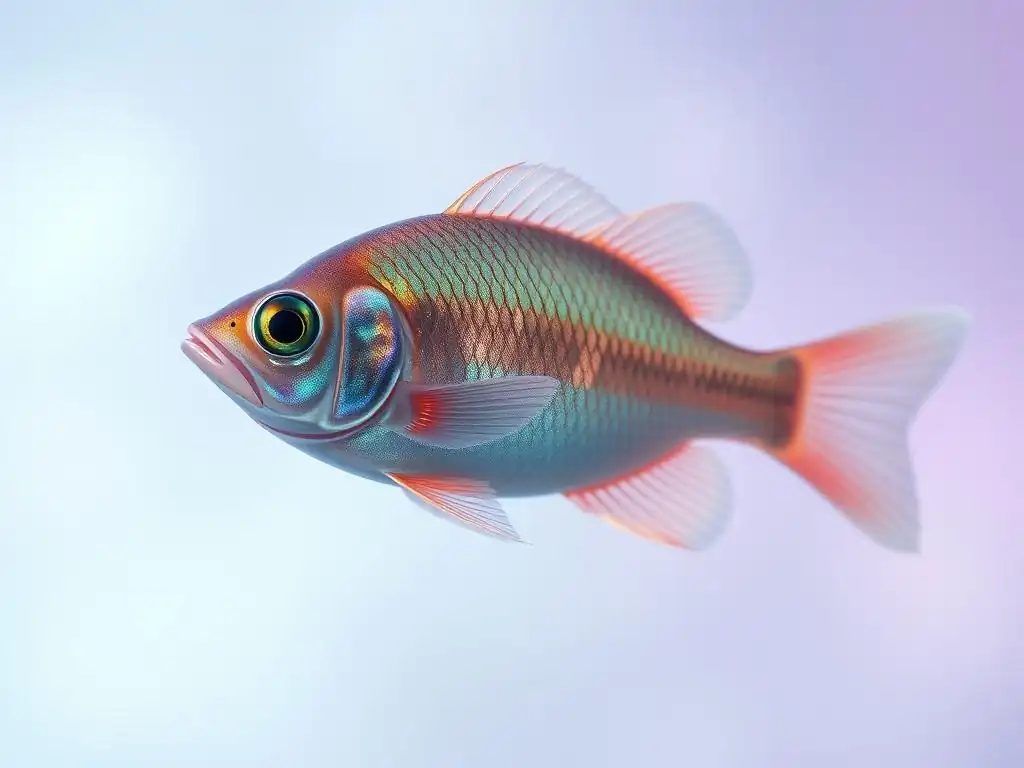
Maintaining stable and optimal water parameters is crucial for the health and vibrancy of Denison Barbs. These fish thrive in clean, well-oxygenated water that mimics their natural riverine environment. The ideal temperature range is between 68-77°F (20-25°C), which encourages active metabolism and healthy immune function. Fluctuations outside this range can cause significant stress.
Regarding pH, Denison Barbs are relatively adaptable but prefer slightly acidic to neutral water, with an ideal range of 6.5 to 7.8. Water hardness (dGH) should be kept between 5-20 dGH. Regular testing for ammonia, nitrite, and nitrate levels is essential; ammonia and nitrite should always be at zero, while nitrates should be kept below 20 ppm through consistent water changes. Stable water conditions are fundamental to mitigating stress and supporting a robust Denison barb temperament.
Denison Barb Diet: What to Feed Your Fish
Denison Barbs are omnivores, and a varied, high-quality diet is essential for their health, coloration, and active lifestyle. Their diet should consist of a mix of high-quality flake or pellet foods as a staple, which should be specifically formulated for active freshwater fish. Look for foods rich in protein and spirulina to enhance their colors.
Supplementing their staple diet with live or frozen foods is highly beneficial and encourages natural foraging behaviors. Excellent choices include bloodworms, brine shrimp, daphnia, and small insect larvae. Feeding small amounts two to three times a day is generally recommended, ensuring they consume all food within a few minutes to prevent overfeeding and water quality issues. A balanced diet contributes significantly to their overall vitality and positive Denison barb temperament.
Maintaining a Clean Tank: Water Changes and Filtration for Denison Barbs
Given their active metabolism and the need for pristine water quality, robust filtration and regular water changes are non-negotiable for a Denison barb tank. A high-quality canister filter or a powerful hang-on-back (HOB) filter with sufficient flow rate is recommended to handle the bioload and provide the necessary water movement. Ensure the filter media is regularly cleaned or replaced as per manufacturer instructions.
Weekly water changes of 25-30% are typically advised, depending on the tank's stocking level and filtration efficiency. During water changes, it's also important to vacuum the substrate to remove accumulated detritus and uneaten food, which can degrade water quality. Consistent maintenance prevents the buildup of harmful nitrates and ensures the stable, clean environment essential for a healthy and stress-free Denison barb temperament.
Denison Barb Suitability: Is This Fish Right for You?
Beginner-Friendly Fish? Assessing the Denison Barb's Care Level
While undeniably beautiful, Denison Barbs are generally not considered an ideal "beginner-friendly" fish. Their care level leans more towards intermediate due to their specific requirements for tank size, water quality, and schooling behavior. A novice aquarist might struggle to provide the expansive swimming space (minimum 55-75 gallons), robust filtration, and consistent water parameters these active fish demand.
The challenges often arise from underestimating their adult size and high activity levels, leading to an improperly sized Denison barb tank size. Furthermore, understanding the nuances of their Denison barb temperament – how stress can lead to fin nipping or shyness – requires some experience in observing fish behavior and troubleshooting environmental issues. For those new to the hobby, starting with more forgiving species is often a wiser choice before venturing into Denison Barbs.
Considering Your Aquarium Setup: Is it Suitable for Denison Barbs?
Before acquiring Denison Barbs, a thorough assessment of your current or planned aquarium setup is crucial. The primary consideration is the Denison barb tank size; anything less than a 55-gallon, 4-foot long tank will likely lead to stressed fish and behavioral problems. Beyond volume, the tank should be well-established and fully cycled, with stable water parameters.
Aquascaping also plays a role. While these fish need ample open swimming space, they also appreciate areas with dense planting or driftwood where they can retreat and feel secure. A powerful filtration system capable of handling a high bioload and providing adequate water flow is essential. If your setup cannot meet these fundamental requirements, it is not suitable for Denison Barbs, and attempting to house them will compromise their health and well-being.
Long-Term Commitment: Denison Barb Lifespan and Care Requirements
Acquiring Denison Barbs represents a significant long-term commitment. In a well-maintained aquarium with optimal conditions, these resilient fish can live for 5 to 8 years, and sometimes even longer. This extended lifespan means that the commitment to providing a large, clean, and stable environment, along with a varied diet and appropriate tank mates, must be sustained for many years.
Their ongoing care requirements include consistent water parameter monitoring, regular water changes, filter maintenance, and attentive observation for any signs of stress or disease. Understanding the Denison barb temperament and tank size needs is not just about initial setup but about continuous dedication to their welfare throughout their entire lifespan. Potential owners must be prepared for this enduring responsibility.
Troubleshooting Common Denison Barb Issues
Identifying and Addressing Signs of Stress in Denison Barbs
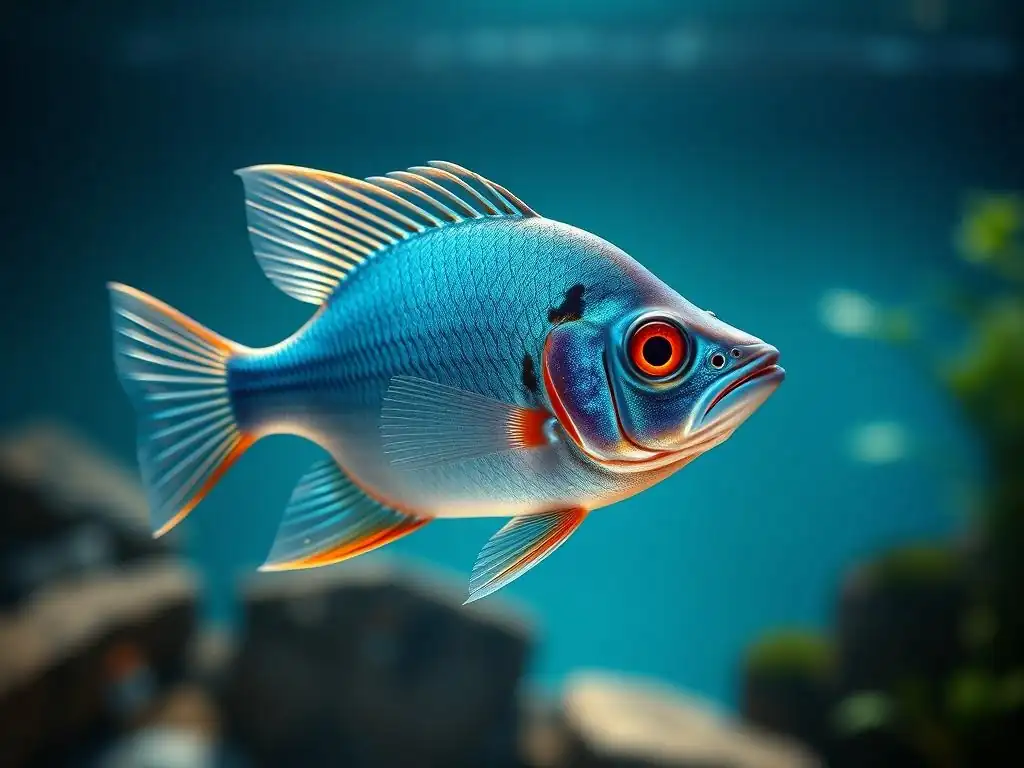
Recognizing signs of stress in Denison Barbs is vital for prompt intervention. Common indicators include faded colors, clamped fins held close to the body, erratic or listless swimming, increased hiding behavior, rapid gill movement (indicating respiratory distress), or a sudden increase in aggression towards tank mates. Loss of appetite or refusal to eat can also be a significant warning sign.
Upon noticing these symptoms, the first step is to thoroughly test water parameters (ammonia, nitrite, nitrate, pH, temperature) to rule out poor water quality. If parameters are off, immediate partial water changes are necessary. Other potential causes include an insufficient school size (add more individuals to reach at least 6-8), an unsuitable Denison barb tank size, or incompatible tank mates. Addressing the root cause is key to restoring their healthy Denison barb temperament.
Common Diseases Affecting Denison Barbs and Their Treatment
Denison Barbs, like all fish, can be susceptible to common freshwater diseases, particularly if stressed by poor water quality or inadequate conditions. Ich (White Spot Disease), characterized by small white spots resembling salt grains on the body and fins, is a frequent ailment, often triggered by temperature fluctuations or stress. Fin Rot, where fins appear frayed or decaying, usually stems from poor water quality or bacterial infections.
Other potential issues include Columnaris (cotton-like growths) and Dropsy (swollen body with scales protruding). Treatment typically involves identifying the specific disease, performing large water changes to improve conditions, and administering appropriate aquarium-safe medications as directed. Quarantining new fish for 2-4 weeks before introduction can significantly reduce the risk of bringing diseases into the main Denison barb tank.
Addressing Potential Aggression Problems
If Denison Barbs exhibit aggression, such as persistent fin nipping or chasing, it's crucial to address the underlying cause rather than just treating the symptom. The most common reasons for aggressive Denison barb temperament include an insufficient school size (they need at least 6-8 to feel secure), inadequate Denison barb tank size (leading to cramped conditions), or incompatible tank mates that are either too slow or too small.
Solutions involve increasing the school size to dilute aggression and enhance their natural schooling behavior. If the tank is too small, upgrading to a larger aquarium (75 gallons or more is ideal) is essential. Introducing more line-of-sight breaks with plants and decorations can also help diffuse tension. If specific tank mates are consistently targeted, they may need to be rehomed to ensure the well-being of all fish in the community.
Conclusion: Making an Informed Decision About Denison Barbs
The Denison Barb is undeniably a captivating and active fish that can bring immense beauty and dynamism to a freshwater aquarium. However, making an informed decision about their suitability requires a clear understanding of their specific needs, particularly concerning Denison barb temperament tank size requirements. They are not a "set it and forget it" species, nor are they ideal for small community tanks.
For aquarists who can provide a spacious aquarium of at least 55-75 gallons (or larger), maintain stable and pristine water conditions, and commit to housing them in a proper school of 6-8 individuals, Denison Barbs can be a truly rewarding addition. Their vibrant colors and energetic schooling behaviors make them a highlight, but only when their environmental and social needs are fully met. Responsible fishkeeping ensures these stunning cyprinids thrive for their full lifespan, exhibiting their natural, generally peaceful, and active temperament.
Frequently Asked Questions
What is the ideal tank size for Denison barbs?
Denison barbs need a large tank, ideally at least 75 gallons. This allows for adequate swimming space and accommodates their active nature and schooling behavior.
Are Denison barbs peaceful fish, and what is their general temperament?
Denison barbs are generally considered peaceful fish but can be boisterous and active. They thrive in groups and can become stressed if kept alone, potentially leading to nipping at slower-moving fish.
What are some suitable tank mates for Denison barbs?
Good tank mates include other peaceful, similarly sized fish that can tolerate their active swimming. Examples include larger tetras, rainbowfish, and Corydoras catfish.
What are some common issues aquarists face when keeping Denison barbs?
Some common issues include maintaining proper water parameters, providing enough space, and ensuring they are kept in a school. Poor water quality and insufficient space can lead to stress and disease.
How can I ensure my Denison barbs exhibit their best coloration and behavior?
Provide a well-maintained tank with plenty of swimming space, a varied diet, and appropriate tank mates. Stable water parameters and a stress-free environment are crucial for vibrant coloration and healthy behavior.
The information presented throughout this article highlights a crucial point: responsible fishkeeping hinges on understanding the specific needs of each species. The Denison barb, with its vibrant beauty and active nature, demands more than just a visually appealing tank; it requires a carefully considered environment to truly thrive. Ignoring these requirements leads to stressed, unhealthy fish and ultimately, a less rewarding aquascaping experience.
This exploration of the Denison barb's temperament and tank size underscores the broader responsibility we have to the animals in our care. The ongoing debate surrounding their suitability for smaller tanks reflects a growing awareness of ethical considerations within the aquarium hobby. We are moving beyond simply collecting and displaying fish to actively ensuring their well-being. The greatness of a nation and its moral progress can be judged by the way its animals are treated.
- Mahatma Gandhi. This quote resonates deeply when considering the Denison barb dilemma, urging us to prioritize their needs above our aesthetic desires.
Now, consider your own role in the aquarium hobby. Are you truly equipped to provide the space and social environment that Denison barbs require? Let this article serve as a catalyst for reflection. Before adding any fish to your tank, delve into their specific needs, research their temperament, and honestly assess whether you can provide a suitable home. By embracing this mindful approach, you contribute to a more ethical and sustainable future for the aquarium hobby, ensuring that these magnificent creatures flourish for generations to come.
Dive Deeper into Denison Barb Keeping!
Thanks for exploring the world of Denison Barbs with us! We hope you've gained a clear understanding of their unique needs and temperament. Now, let's translate that knowledge into action.
Here are a few things you can do right now:
- Plan Your Ideal Denison Barb Tank: Based on what you've learned, carefully consider the tank size, compatible tankmates, and environment you can realistically provide.
- Contribute Your Experiences: Share your own experiences or observations about Denison Barbs in the comments below. Help other hobbyists learn!
- Explore Further: Check out other fascinating fish species on Aquarium Mastery to discover your next aquarium adventure.
What's the first step you'll take to create a thriving environment for Denison Barbs, or how can you ensure that these stunning fish are a good fit for your aquarium based on your experience?