
Understanding Denison Barb Behavior: From Playful Dashes to Social Shoaling


Welcome to Aquarium Mastery!
Ever wondered what makes your Denison barbs tick? Unlock the secrets to their fascinating social dynamics in our deep dive into Denison barb social behavior needs. Learn how to create the perfect environment for these playful creatures to thrive and witness their vibrant personalities bloom. Dive in and discover the key to a happy and healthy school!
- Understanding Cardinal Tetra Behavior: From Social Shoaling to Subtle Signals
- Introduction to Cardinal Tetra Social Dynamics in the Aquarium
- Decoding Cardinal Tetra Behavior: A Comprehensive Guide
- Cardinal Tetra Social Structure: Shoaling Dynamics Explained
- Cardinal Tetra Playful Behavior: Interpreting Their Movements
- Cardinal Tetra Tank Mate Compatibility and Social Interactions
- Addressing Common Cardinal Tetra Behavioral Issues
- Optimizing Your Aquarium for Positive Cardinal Tetra Social Behavior
- Cardinal Tetra Feeding Habits and Their Influence on Shoaling
- Cardinal Tetra Breeding Behavior: What to Expect
- Ensuring the Long-Term Well-being of Your Cardinal Tetra School
- Conclusion: Mastering Cardinal Tetra Social Behavior for a Thriving Aquarium
-
Frequently Asked Questions
- How important is tank size for Denison barbs considering their social behavior?
- What is the ideal group size for Denison barbs to ensure healthy social interaction?
- What are the key signs of stress in Denison barbs related to their social needs not being met?
- How does the presence of other fish species impact the social dynamics of Denison barbs?
- What role does water quality play in supporting the healthy social behavior of Denison barbs?
- Final Reflection: The Enduring Dance of Community
- Embark on Your Denison Barb Adventure!
Why Understanding Cardinal Tetra Behavior Matters for Aquarium Keepers
Understanding the intricate social dynamics of Cardinal Tetras (Paracheirodon axelrodi) is paramount for any aquarist aiming to cultivate a thriving and healthy freshwater aquarium. These small, brilliantly colored fish are not merely decorative elements; they possess complex behavioral patterns that, when observed and accommodated, significantly impact their well-being and longevity.
A deep dive into their natural tendencies, such as their strong shoaling instinct, helps aquarists provide an environment that mimics their native Amazonian habitats, thereby reducing stress and promoting natural behaviors like active foraging and exploration. Ignoring these fundamental needs can lead to lethargy, susceptibility to disease, and a general failure to thrive, turning a potentially vibrant school into a collection of stressed, reclusive individuals.
Furthermore, a comprehensive grasp of Cardinal Tetra behavior allows for proactive problem-solving and enhanced enjoyment of the aquarium. Recognizing subtle cues, such as changes in fin position, swimming patterns, or color intensity, can alert an experienced keeper to potential issues like poor water quality, aggression from tank mates, or the onset of illness before they escalate.
This proactive approach minimizes the need for drastic interventions and fosters a stable, harmonious ecosystem. By truly understanding their social behavior needs, aquarists can select appropriate tank mates, maintain optimal water parameters, and design a stimulating environment that encourages the Cardinal Tetras to display their full spectrum of fascinating behaviors, from synchronized swimming to subtle dominance displays.
Key Aspects of Cardinal Tetra Shoaling and Activity
Cardinal Tetras are renowned for their captivating shoaling behavior, a fundamental aspect of their survival and social structure in the wild. A healthy school, typically comprising six or more individuals, will often swim together in a cohesive unit, a defense mechanism against predators that makes it harder for a single fish to be targeted.
This collective movement is not just for safety; it also plays a crucial role in reducing individual stress levels, as the presence of numerous conspecifics provides comfort and reinforces their natural instincts. When kept in insufficient numbers, Cardinal Tetras can become timid, reclusive, and prone to stress-related health issues, failing to exhibit their characteristic vibrant colors and active swimming.
Beyond shoaling, Cardinal Tetras exhibit various other activity patterns that reflect their overall health and environmental satisfaction. They are generally active swimmers, often exploring all levels of the aquarium, particularly in tanks with ample plant cover and open swimming spaces. Healthy Cardinal Tetras will display consistent foraging behavior, darting to pick at micro-organisms or food particles, and will show curiosity towards new elements in their environment.
Observing these consistent patterns of activity, coupled with their distinctive shoaling, provides a reliable indicator of their well-being. Any significant deviation, such as persistent hiding, erratic swimming, or a general lack of movement, warrants immediate investigation into potential stressors or health concerns affecting the Cardinal Tetra social behavior needs.
Decoding Cardinal Tetra Behavior: A Comprehensive Guide
Cardinal Tetra Natural Habitat and Its Influence on Behavior
The natural habitat of the Cardinal Tetra significantly shapes its behavior in the home aquarium. Originating from the slow-moving, blackwater rivers and tributaries of the Amazon basin, primarily in Brazil, Colombia, and Venezuela, these fish thrive in environments characterized by soft, acidic water, dense vegetation, and a substrate rich in leaf litter. The tannin-stained waters, often called "blackwater," filter out harsh light and create a subdued, shaded environment.
This low-light condition influences their coloration, making their iridescent blue and red stripes appear even more vivid as a means of communication and camouflage within their dim surroundings. Their preference for shaded areas translates to a need for ample plant cover and floating plants in the aquarium, providing them with security and a sense of belonging.
The presence of abundant natural cover in their wild habitat also reinforces their strong shoaling instinct. In these complex environments, moving in large groups provides protection from predators such as larger fish and birds. This inherent need for security through numbers means that Cardinal Tetras will exhibit their most natural and confident behaviors when kept in sizable schools, typically a minimum of six, but ideally ten or more individuals.
When these Cardinal Tetra social behavior needs are met, they display confident exploration, coordinated swimming, and reduced stress. Conversely, a lack of appropriate environmental cues or insufficient numbers can lead to a timid, stressed demeanor, where the fish spend most of their time hiding or exhibiting erratic, solitary movements, deviating significantly from their natural behavioral repertoire.
The size of the aquarium plays a critical role in facilitating healthy Cardinal Tetra socialization and overall well-being. While individual Cardinal Tetras are small, reaching about 2 inches (5 cm) in length, their strong shoaling instinct necessitates ample space for a school to move freely and exhibit natural behaviors.
A commonly recommended minimum tank size for a small school of 6-8 Cardinal Tetras is 10 gallons (approximately 38 liters), but a 20-gallon long (approximately 76 liters) or larger aquarium is significantly more beneficial. Larger tanks provide more horizontal swimming space, which is crucial for their active shoaling patterns, allowing them to form cohesive groups and perform their characteristic synchronized movements without feeling confined or bumping into obstacles.
Insufficient tank size directly impedes the Cardinal Tetra's social behavior needs, leading to increased stress and potential aggression within the school. In cramped conditions, the natural hierarchy and shoaling dynamics can break down, as individuals struggle to find personal space or retreat from more dominant members. This stress can manifest as faded colors, fin nipping, or a general lethargy.
Conversely, a spacious aquarium allows for the establishment of territories, even subtle ones, and provides retreat options, promoting a more stable and peaceful social environment. Furthermore, larger tanks are inherently more stable in terms of water parameters, which further contributes to the overall health and confident behavior of the Cardinal Tetra school, allowing them to fully express their vibrant personalities and natural social interactions.
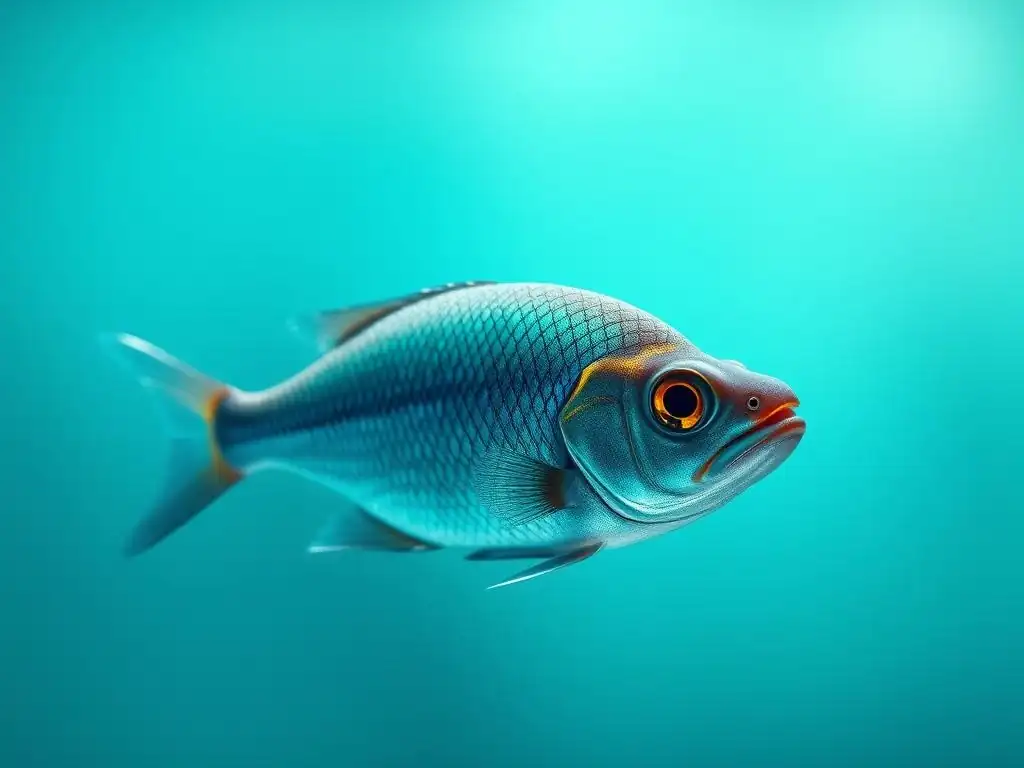
Cardinal Tetra Hierarchy: Dominance and Submission Signals
While Cardinal Tetras are generally considered peaceful community fish, a subtle social hierarchy does exist within their schools, primarily driven by size and confidence. This hierarchy is not as overt or aggressive as in some cichlid species, but it influences the flow of the school and access to resources. Typically, the largest or most confident individuals may subtly lead the shoaling movements or have preferred feeding spots.
This dominance is usually expressed through subtle body language, such as slightly more erect fins, bolder coloration, or a more direct swimming path, rather than overt aggression. Submissive individuals, conversely, may display slightly faded colors, clamped fins, or a tendency to stay towards the back or periphery of the school, avoiding direct confrontation.
Understanding these subtle dominance and submission signals is crucial for assessing the overall health and stress levels within your Cardinal Tetra school. A healthy hierarchy is fluid and rarely results in physical harm. However, if an aquarium is too small, or if there are insufficient numbers of fish (e.g., fewer than six), these subtle interactions can escalate into more pronounced stress.
In such cases, a dominant fish might relentlessly chase or nip at a subordinate, leading to chronic stress, fin damage, and susceptibility to disease for the victim. Observing a balanced hierarchy where all fish appear relatively calm and integrated into the group indicates that their Cardinal Tetra social behavior needs are being met, promoting a stable and harmonious environment.
Shoaling Behavior: Safety in Numbers and Reduced Stress
The shoaling behavior of Cardinal Tetras is not merely an aesthetic marvel; it is a fundamental survival strategy that significantly reduces individual stress and enhances their sense of security. In their natural Amazonian habitats, moving in a cohesive group provides a powerful defense mechanism against predators. A large, tightly packed school creates a "confusion effect," making it difficult for a predator to single out and target an individual fish.
This collective defense instinct is deeply ingrained, and when Cardinal Tetras are kept in appropriate numbers (typically 6-10 or more), they feel inherently safer and more confident. This collective security allows them to explore their environment, forage for food, and display their vibrant colors more readily.
Beyond predator evasion, shoaling also plays a vital role in mitigating stress from other environmental factors and social interactions within the aquarium. The constant presence of conspecifics provides a sense of comfort and familiarity, reducing anxiety that might arise from perceived threats or changes in their surroundings. When a Cardinal Tetra is isolated or kept in too small a group, it loses this inherent security blanket.
This often results in a fish that is timid, reclusive, and constantly on edge, spending most of its time hiding or exhibiting erratic, solitary movements. Maintaining a robust school, therefore, is not just about aesthetics; it is a critical component of ensuring the long-term psychological and physical well-being of your Cardinal Tetras, directly addressing their profound Cardinal Tetra social behavior needs.
Cardinal Tetra Playful Behavior: Interpreting Their Movements
Identifying Signs of Healthy Activity in Cardinal Tetras
Healthy Cardinal Tetras exhibit a range of active and engaging behaviors that indicate their well-being and comfort within the aquarium. One of the most prominent signs of healthy activity is their consistent shoaling, where the entire group moves together in a coordinated fashion, exploring different areas of the tank.
This synchronized swimming is often accompanied by active foraging, where they will dart around, picking at food particles on the substrate, plants, or the water surface. Their fins should be held erect and open, and their colors, particularly the vibrant blue and red stripes, should be intense and clear, reflecting their robust health and lack of stress.
Furthermore, healthy Cardinal Tetras will show curiosity towards their environment, investigating new decorations or changes in the tank layout. They will also display a confident demeanor, not constantly hiding or darting away at every slight movement outside the tank.
Occasional short bursts of speed or playful chasing among school members, especially during feeding times or when exploring new areas, are also normal and indicative of their energy and vitality. Observing these consistent patterns of active exploration, cohesive shoaling, vibrant coloration, and confident interaction within the school provides strong evidence that their Cardinal Tetra social behavior needs are being met and that they are thriving in their aquatic home.
What to Do if Your Cardinal Tetras Aren't Showing Active Behavior
If your Cardinal Tetras are not exhibiting their typical active and playful behaviors, appearing lethargic, hiding excessively, or displaying clamped fins and faded colors, it's a clear indication that something is amiss and requires immediate investigation. The first step should always be to check water parameters: ammonia, nitrite, nitrate, pH, and temperature. Poor water quality, particularly elevated ammonia or nitrite, is a common cause of stress and inactivity. Ensure the temperature is within their ideal range of 73-81°F (23-27°C) and the pH is between 5.5-7.0. Perform a partial water change if parameters are off.
Next, assess their environment and social conditions. Are they in a sufficiently large school (at least 6-10 individuals)? Insufficient numbers can lead to extreme shyness and inactivity due to a lack of security. Also, evaluate their tank mates; aggressive or overly boisterous species can intimidate Cardinal Tetras, causing them to hide.
Ensure there is ample plant cover and hiding spots, as a bare tank can make them feel exposed. If all environmental factors seem correct, observe for signs of illness such as white spots, fin rot, or unusual growths. Addressing these issues promptly, whether through water parameter correction, increasing school size, adjusting tank mates, or treating disease, is crucial to restoring their natural Cardinal Tetra social behavior needs and activity levels.
Ideal Tank Mates for Peaceful Coexistence with Cardinal Tetras
Selecting appropriate tank mates is crucial for fostering peaceful coexistence and ensuring the Cardinal Tetra social behavior needs are met. Ideal companions are generally peaceful, similarly sized, and prefer similar water parameters (soft, acidic water and temperatures between 73-81°F). Small, docile schooling fish like other peaceful tetras (e.g., Neon Tetras, Rummy Nose Tetras, Ember Tetras), Rasboras (e.g., Harlequin Rasboras, Chili Rasboras), and certain small, peaceful catfish like Corydoras species are excellent choices. Corydoras catfish, for example, occupy the bottom stratum of the tank, leaving the middle and upper levels for the Cardinal Tetras, minimizing competition for space.
Other suitable tank mates include small, non-aggressive livebearers such as Endler's Livebearers, provided they are not overly boisterous, and peaceful dwarf cichlids like German Blue Rams or Bolivian Rams. These cichlids are generally territorial but not aggressive towards small schooling fish like Cardinal Tetras, especially in a well-planted tank that offers plenty of hiding spots.
The key is to avoid species that are large enough to view Cardinal Tetras as food, or those that are known for nipping fins or exhibiting aggressive behaviors. By choosing compatible tank mates, you create a harmonious community where Cardinal Tetras can confidently display their natural shoaling and active behaviors without fear or stress.
Avoiding Stress: Incompatible Tank Mates for Cardinal Tetras
To prevent undue stress and potential harm to your Cardinal Tetras, it is imperative to avoid certain types of fish as tank mates. Any large or predatory fish should be excluded, as Cardinal Tetras are small and can easily become prey. This includes popular but unsuitable choices like Angelfish (Pterophyllum scalare) once they mature, larger Gouramis, and most medium to large cichlids. Even if these fish don't actively hunt, their sheer size can intimidate the Cardinal Tetras, leading to constant stress and hiding behavior, preventing them from fulfilling their Cardinal Tetra social behavior needs.
Furthermore, avoid fin-nipping species or overly boisterous fish that can harass and injure the delicate fins of Cardinal Tetras. Examples include certain Barbs (like aggressive Tiger Barbs, unless in a very large, species-specific tank where the barbs' aggression is diluted), certain types of larger Danios, and some high-energy livebearers if the tank is too small.
Even seemingly peaceful fish, if they are significantly faster or more dominant, can outcompete Cardinal Tetras for food, leading to malnutrition and stress. Researching the temperament, adult size, and specific needs of any potential tank mate before introduction is crucial to maintaining a peaceful and healthy environment for your Cardinal Tetra school.
Addressing Common Cardinal Tetra Behavioral Issues
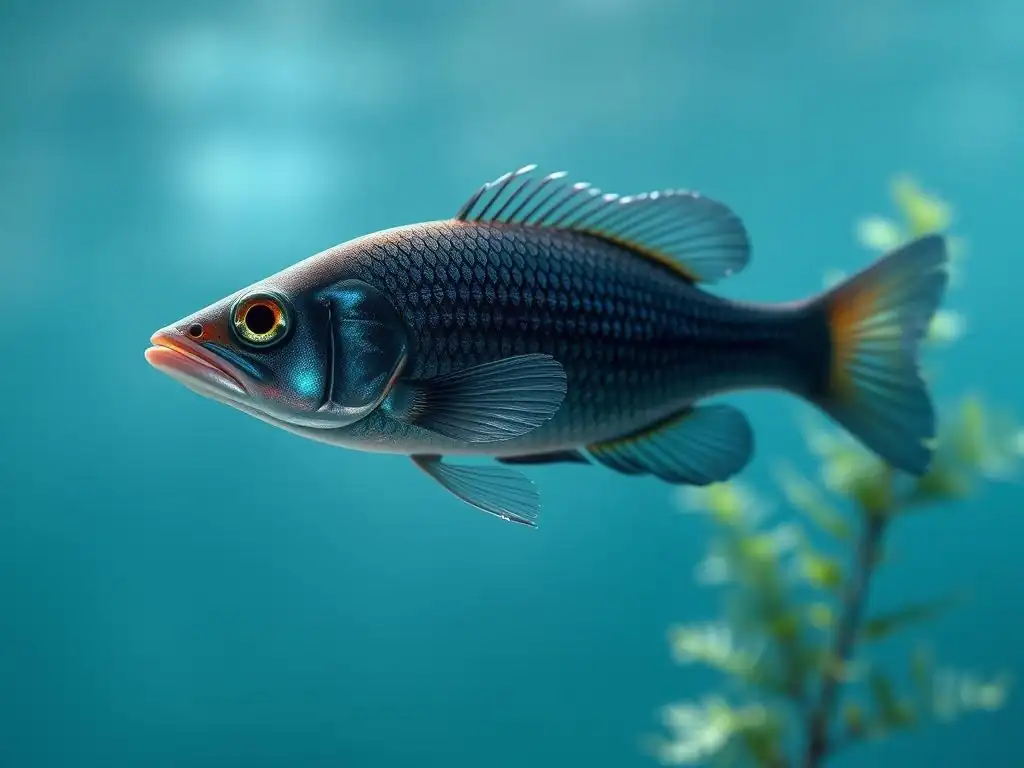
Understanding and Resolving Cardinal Tetra Stress Indicators
Cardinal Tetras, like many fish, exhibit specific behaviors when under stress, and recognizing these indicators early is vital for their well-being. Common signs of stress include faded coloration, where their vibrant blue and red stripes appear dull or washed out, indicating a physiological response to discomfort. Clamped fins, where the fins are held tightly against the body instead of being fanned out, are another clear signal of distress or illness.
Excessive hiding, particularly if the entire school is constantly tucked away in plants or behind decorations, suggests they feel insecure or threatened. Erratic swimming, darting movements, or rapid gill movements also point to elevated stress levels.
Resolving these stress indicators requires a systematic approach. First, test water parameters immediately; poor water quality (high ammonia/nitrite, incorrect pH/temperature) is the leading cause of stress. Perform a partial water change if necessary. Second, assess tank mates and environment: are there aggressive fish? Is the tank too bright or lacking hiding spots?
Providing more cover, dimming lights, or rehoming aggressive species can help. Third, ensure the school size is adequate (at least 6-10 individuals); a small school feels vulnerable. Finally, observe for signs of disease, as illness can also cause stress behaviors. Addressing the root cause of stress is paramount to restoring their natural Cardinal Tetra social behavior needs and overall health.
Dealing with Shy or Reclusive Cardinal Tetras
Shy or reclusive Cardinal Tetras are a common concern for aquarists, often indicative of unmet Cardinal Tetra social behavior needs or environmental deficiencies. If your school consistently hides, refuses to explore, or only comes out during feeding, several factors could be at play. Insufficient school size is a primary culprit; Cardinal Tetras feel safest in large groups (10+ is ideal), and a small group can lead to extreme timidity.
They rely on numbers for security, and without it, they remain perpetually stressed and hidden. Consider adding more Cardinal Tetras to bolster their numbers, ensuring they are introduced gradually to avoid overwhelming the existing fish.
Another significant factor is the tank environment. Cardinal Tetras prefer dimly lit aquariums with dense plant cover, especially floating plants, which diffuse light and provide overhead security. A brightly lit, sparsely decorated tank can make them feel exposed and vulnerable, driving them into hiding.
Increase plant density, particularly tall background plants and floating options like Amazon Frogbit or Dwarf Water Lettuce. Additionally, ensure there are no overly aggressive or large tank mates that intimidate them. Sometimes, simply adjusting the lighting schedule or adding a few more hiding spots can make a dramatic difference, encouraging them to emerge and display their natural, active shoaling behaviors.
Creating a Suitable Environment: Plants, Decorations, and Lighting
Optimizing the aquarium environment is fundamental to fostering positive Cardinal Tetra social behavior and ensuring their long-term well-being. These fish thrive in conditions that mimic their natural blackwater habitats. Dense live planting is crucial; plants like Amazon Swords, Cryptocorynes, and especially stem plants (e.g., Rotala, Ludwigia) provide essential hiding spots and visual barriers, reducing stress and encouraging exploration. Floating plants such as Amazon Frogbit or Dwarf Water Lettuce are also highly beneficial as they diffuse overhead lighting, creating the subdued, shaded environment Cardinal Tetras prefer. This sense of security empowers them to exhibit confident shoaling and active swimming.
Strategic decoration placement further enhances their environment. Driftwood, branches, and smooth river stones not only add aesthetic appeal but also create additional nooks and crannies for exploration and retreat. Tannins released by certain types of driftwood (e.g., Malaysian or Mopani) can also subtly lower pH and add beneficial humic substances, mimicking their blackwater origins.
Lighting should be moderate to dim. Intense, bright lighting can make Cardinal Tetras feel exposed and stressed, leading to faded colors and reclusive behavior. Consider using a dimmer, shorter lighting periods (8-10 hours), or even adding a dark substrate to further enhance their comfort and encourage their natural Cardinal Tetra social behavior needs.
Proper Water Parameters and Their Impact on Cardinal Tetra Activity
Maintaining stable and appropriate water parameters is paramount for the health and active behavior of Cardinal Tetras. These fish originate from soft, acidic blackwater environments, and replicating these conditions closely in the aquarium significantly impacts their vitality and social dynamics. The ideal temperature range is 73-81°F (23-27°C), with a pH between 5.5 and 7.0. Hardness (GH) should be very soft, ideally below 6 dGH. Consistent stability within these ranges prevents physiological stress, which can manifest as lethargy, clamped fins, and a reluctance to shoal or interact.
Fluctuations in water parameters, even within acceptable ranges, can be highly stressful. For instance, sudden drops in temperature or rapid shifts in pH can compromise their immune system and lead to inactive behavior. High levels of ammonia or nitrite, even trace amounts, are toxic and will cause severe stress, leading to a complete cessation of active behavior and often death.
Regular water testing (at least weekly) and consistent partial water changes (25-30% weekly) are essential to maintain pristine water quality and stability. When water parameters are consistently optimal, Cardinal Tetras display vibrant colors, confident shoaling, and active foraging, fully meeting their fundamental Cardinal Tetra social behavior needs and thriving in their environment.
Cardinal Tetra Feeding Habits and Their Influence on Shoaling
Food plays a significant role in the social interactions and shoaling dynamics of Cardinal Tetras, often serving as a focal point for their collective behavior. When food is introduced, the school typically becomes more animated, breaking from their regular patterns to converge on the feeding area. This collective pursuit of food reinforces their natural shoaling instinct, as they learn to associate the group with successful foraging.
In a healthy school, competition is usually minimal and non-aggressive, with fish darting in and out to grab flakes, micro-pellets, or small live/frozen foods like daphnia or brine shrimp. Observing this coordinated feeding frenzy is a strong indicator of a well-adjusted and confident school.
However, food can also highlight underlying social issues if not managed correctly. If the tank is overcrowded, or if there are significantly more dominant tank mates, feeding time can become stressful for the Cardinal Tetras. They might hesitate to approach the food, or faster fish might consume most of it before they get a chance.
This can lead to malnutrition and increased stress, undermining their Cardinal Tetra social behavior needs. Conversely, providing a varied diet, including high-quality flake food, micro-pellets, and occasional live or frozen treats, ensures they receive proper nutrition, which in turn fuels their energy levels and encourages active, confident shoaling behavior during and after feeding times.
Preventing Competition During Feeding Times
Preventing excessive competition during feeding times is crucial for the well-being of your Cardinal Tetra school and ensuring all individuals receive adequate nutrition. While some mild competition is natural and even reinforces shoaling, aggressive or overwhelming competition can lead to stress, malnutrition, and a breakdown in their social dynamics. One effective strategy is to distribute food widely across the surface of the water, rather than concentrating it in one spot. This encourages the school to spread out, allowing more individuals access to food simultaneously and reducing frantic crowding.
Another key method is to feed small amounts multiple times a day (e.g., 2-3 times) instead of one large feeding. This ensures that even slower or more timid individuals have opportunities to eat without being overwhelmed. If Cardinal Tetras are housed with faster or larger tank mates, consider feeding the other fish first or distracting them with food at one end of the tank, then introducing food for the Cardinal Tetras at the opposite end.
Ensuring the Cardinal Tetra school size is adequate also helps, as more numbers dilute potential aggression and allow for more collective foraging. By implementing these strategies, you can minimize stress during feeding, ensuring all Cardinal Tetras thrive and their Cardinal Tetra social behavior needs are met.
Cardinal Tetra Breeding Behavior: What to Expect
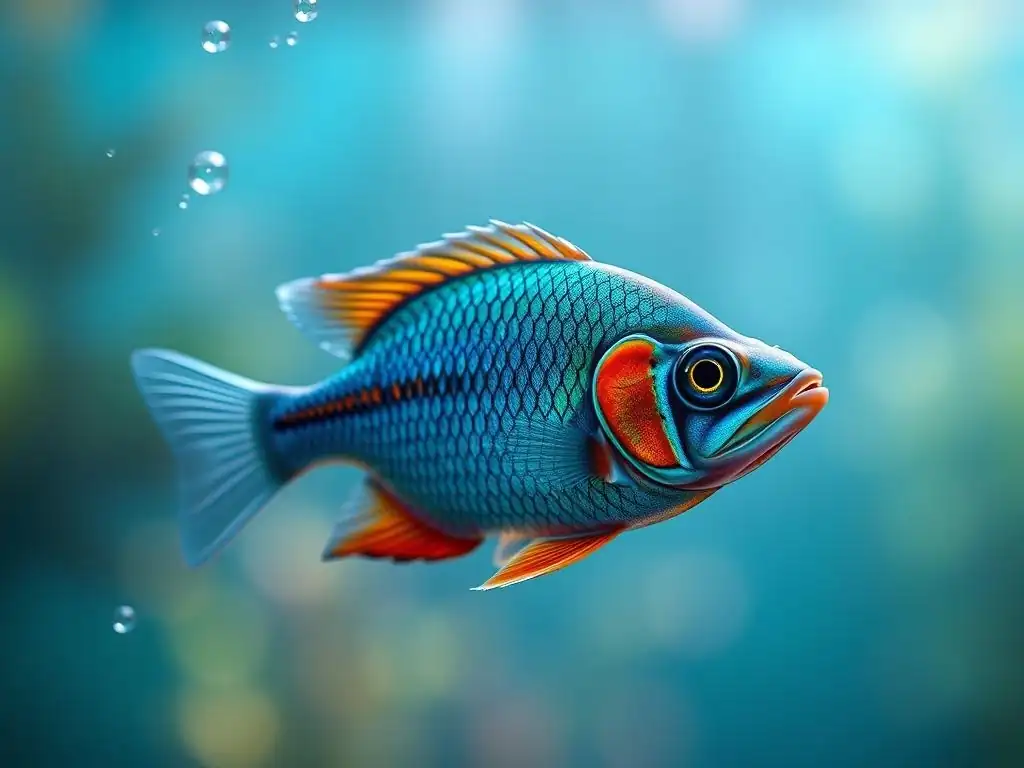
Courtship Rituals and Spawning Behavior in Cardinal Tetras
Cardinal Tetras are egg-scattering softwater spawners, and observing their courtship and spawning behavior in a home aquarium can be a rewarding, though challenging, experience. Courtship typically involves the male displaying his vibrant colors more intensely and performing a "dance" around the female. This often includes chasing and nudging, with the male attempting to lead the female into dense vegetation or a designated spawning mop.
The female, if receptive, will become noticeably plumper with eggs. Unlike some fish, Cardinal Tetras do not form strong pair bonds, and spawning can occur with multiple individuals participating, though a single male-female pair is often isolated for breeding purposes.
Spawning usually occurs in the early morning, often triggered by a slight drop in temperature or a fresh water change. The female will scatter tiny, adhesive eggs among fine-leaved plants or a spawning mop, and the male will follow closely behind, fertilizing them. A single female can lay hundreds of eggs over several hours.
Post-spawning, Cardinal Tetras are notorious egg-eaters, consuming their own progeny, which necessitates removing the parents immediately from the breeding tank if you wish to raise the fry. This lack of parental care is typical for many egg-scattering species and is an important consideration when attempting to breed them and understand their Cardinal Tetra social behavior needs in a reproductive context.
Following a successful spawning event, the social dynamics of Cardinal Tetras revert to their typical shoaling behavior, as parental care is non-existent. The parents have no innate drive to protect their eggs or fry and will readily consume them. Therefore, if breeding is the goal, the most critical post-spawning action is the prompt removal of the adult Cardinal Tetras from the breeding tank.
This ensures the safety of the delicate eggs, which are highly susceptible to predation by the parents themselves and other aquarium inhabitants. The breeding tank should ideally be bare-bottomed with a spawning mop or fine-leaved plants to facilitate egg collection or protection.
Once returned to the main display tank, the adult Cardinal Tetras will reintegrate into their school without any lasting changes to their social structure or behavior related to the spawning event. There's no observable 'post-parental' stress or altered group dynamics; they simply resume their roles within the shoaling hierarchy.
The focus then shifts to the care of the developing fry, which require extremely clean, soft, acidic water and microscopic foods like infusoria or liquid fry food. Understanding this lack of parental investment and the immediate return to normal shoaling behavior is key to successful Cardinal Tetra breeding and appreciating their full range of Cardinal Tetra social behavior needs.
Ensuring the Long-Term Well-being of Your Cardinal Tetra School
Ensuring the long-term well-being of your Cardinal Tetra school requires continuous monitoring of their social health and prompt action when changes occur. A thriving school exhibits consistent, cohesive shoaling, vibrant coloration, active foraging, and confident exploration of the entire tank. Regularly observe their collective behavior: do they move together harmoniously, or are individuals constantly breaking away or hiding? Pay attention to individual fish: are any consistently picked on, showing faded colors, or displaying clamped fins? These are all indicators that their Cardinal Tetra social behavior needs might not be fully met.
If you notice deviations from healthy behavior, systematically address potential causes. Start with water quality: perform comprehensive tests for ammonia, nitrite, nitrate, pH, and temperature. Substandard parameters are the most frequent culprits for stress and illness. Next, evaluate the tank environment: is there enough cover?
Is the lighting too bright? Reassess tank mates: are any species causing undue stress or aggression? Finally, confirm the school size is adequate; a small school often leads to chronic timidity. Proactive observation and rapid intervention based on these behavioral cues are crucial for maintaining a robust, stress-free Cardinal Tetra school for years to come.
Preventing Diseases That Can Affect Cardinal Tetra Behavior
Preventing diseases is paramount to maintaining the long-term health and natural behavior of your Cardinal Tetra school. Many common fish diseases, such as Ich (white spot disease), fin rot, or bacterial infections, directly impact their activity, coloration, and social interactions. A sick fish will often become lethargic, separate from the school, display clamped fins, or show visible lesions, drastically altering its normal Cardinal Tetra social behavior needs.
The cornerstone of disease prevention lies in maintaining impeccable water quality and stable parameters. Consistent partial water changes (e.g., 25-30% weekly) and diligent filtration are critical to keeping harmful nitrates low and preventing ammonia/nitrite spikes.
Beyond water quality, providing a balanced and varied diet strengthens their immune system, making them more resilient to pathogens. High-quality flake foods, supplemented with frozen or live foods like bloodworms or brine shrimp, provide essential nutrients. Avoiding overcrowding is also vital, as it reduces stress, minimizes aggression, and lowers the concentration of pathogens in the water.
When introducing new fish, quarantine them for 2-4 weeks in a separate tank to prevent the introduction of diseases to your established school. By adhering to these preventative measures, you significantly reduce the risk of illness, ensuring your Cardinal Tetras remain active, vibrant, and display their fascinating social behaviors for their entire lifespan, which can be up to 5-6 years in optimal conditions.
Mastering the art of keeping Cardinal Tetras involves a deep understanding and diligent accommodation of their unique social behavior needs. The primary takeaway is their profound reliance on shoaling; a minimum school size of 6-10, and ideally more, is non-negotiable for their well-being. This collective security reduces stress, promotes vibrant coloration, and encourages their natural active swimming. Secondly, providing an environment that mimics their natural blackwater habitat—soft, acidic water, moderate to dim lighting, and dense plant cover—is crucial. These conditions foster confidence and allow them to display their full behavioral repertoire, from subtle dominance displays to playful exploration.
Furthermore, vigilant monitoring of their behavior serves as an early warning system for stress or illness. Faded colors, clamped fins, or excessive hiding are clear calls for attention, prompting immediate checks of water parameters and environmental factors. Finally, compatible tank mates and a well-managed feeding regimen are essential to prevent undue competition and ensure all individuals thrive. By prioritizing these Cardinal Tetra social behavior needs, aquarists can cultivate a truly thriving, beautiful, and engaging school that brings immense satisfaction and showcases the captivating dynamics of these beloved freshwater fish.
Further Resources for Cardinal Tetra Care and Behavior
For aquarists seeking to further deepen their knowledge and refine their approach to Cardinal Tetra care and behavior, a wealth of resources is available. Delving into specialized forums and online communities dedicated to freshwater aquariums and tetra species can provide practical advice, real-world experiences, and troubleshooting tips from seasoned hobbyists. Websites like AquariumMastery.com offer detailed species profiles and care guides that often include specific sections on behavior and social interactions.
Additionally, reputable aquarium books focusing on freshwater fish or South American cichlids and tetras can offer in-depth scientific information on their biology, natural habitats, and specific behavioral patterns, including nuances of their Cardinal Tetra social behavior needs. Consulting academic papers or scientific journals (accessible through university libraries or online databases) on fish ethology or ecology can provide a more rigorous understanding of shoaling dynamics and environmental influences on fish behavior. Engaging with these diverse resources allows aquarists to continuously refine their techniques, ensuring optimal conditions for their Cardinal Tetra school and fostering a truly thriving aquatic ecosystem.
Frequently Asked Questions
Tank size is crucial for Denison barbs. They need ample swimming space to exhibit their natural shoaling behavior and reduce stress. A minimum of a 4-foot tank is generally recommended.
Denison barbs thrive in groups. Keeping at least 6 or more allows them to form a proper social hierarchy and display their natural shoaling patterns. Smaller groups can lead to stress and aggression.
Signs of stress include loss of color, hiding frequently, and increased aggression towards tank mates. These are often indicators of inadequate shoal size or a stressful environment.
Choosing compatible tank mates is essential. Aggressive or overly competitive species can disrupt the Denison barb's social harmony, leading to stress and suppressed natural behaviors. Peaceful community fish are best.
Maintaining excellent water quality is paramount. Poor water parameters can weaken their immune system and make them more susceptible to stress, negatively impacting their social interactions and overall well-being.
Final Reflection: The Enduring Dance of Community
The exploration of Denison barb social behavior, as we've seen, isn't just about understanding fish; it's about understanding the fundamental principles of community and interaction that resonate across all life. The intricate dances of shoaling, the playful dashes, and the subtle hierarchies within their groups offer a microcosm of the complex social dynamics we observe in our own societies, highlighting the inherent need for connection and belonging.
This journey into the world of Sahyadria denisonii has profoundly underscored the importance of observing and appreciating the nuances of social interaction, not just in the animal kingdom, but in our own lives. Recognizing the subtle cues and dynamics within a group, whether it's a school of fish or a human community, is crucial for fostering understanding and harmony. The good life is one inspired by love and guided by knowledge.
- Bertrand Russell. This quote encapsulates the essence of our exploration: by understanding the "knowledge" of Denison barb social behavior, we can cultivate a deeper "love" and appreciation for the interconnectedness of all living beings.
Now, consider the lessons learned from these vibrant creatures. How can you apply the principles of observation, understanding, and appreciation to your own interactions? Let the Denison barb's dance of community inspire you to foster stronger connections, build more inclusive environments, and cultivate a deeper understanding of the intricate social dynamics that shape our world. Embrace the opportunity to learn from the smallest creatures and create a more harmonious and connected future for all.
Embark on Your Denison Barb Adventure!
Thanks for diving deep into the fascinating world of Denison Barbs! We hope you've gained valuable insights into their behavior and needs. Now, it's time to put that knowledge into action and create the best possible environment for these stunning fish.
Here's what you can do next:
- Revamp your aquarium décor to include more plants and hiding spots, specifically catering to their natural preference for shaded areas.
- Share this article with fellow aquarium enthusiasts and spark a conversation about Denison Barb care.
- Consider joining our Aquarium Mastery community forum to discuss your experiences and learn from other keepers.
What unique behavior have you observed in your Denison Barbs, and how have you adapted your tank to accommodate it?