
Troubleshooting Common Leather Coral Problems: Shrinking, Discoloration & More

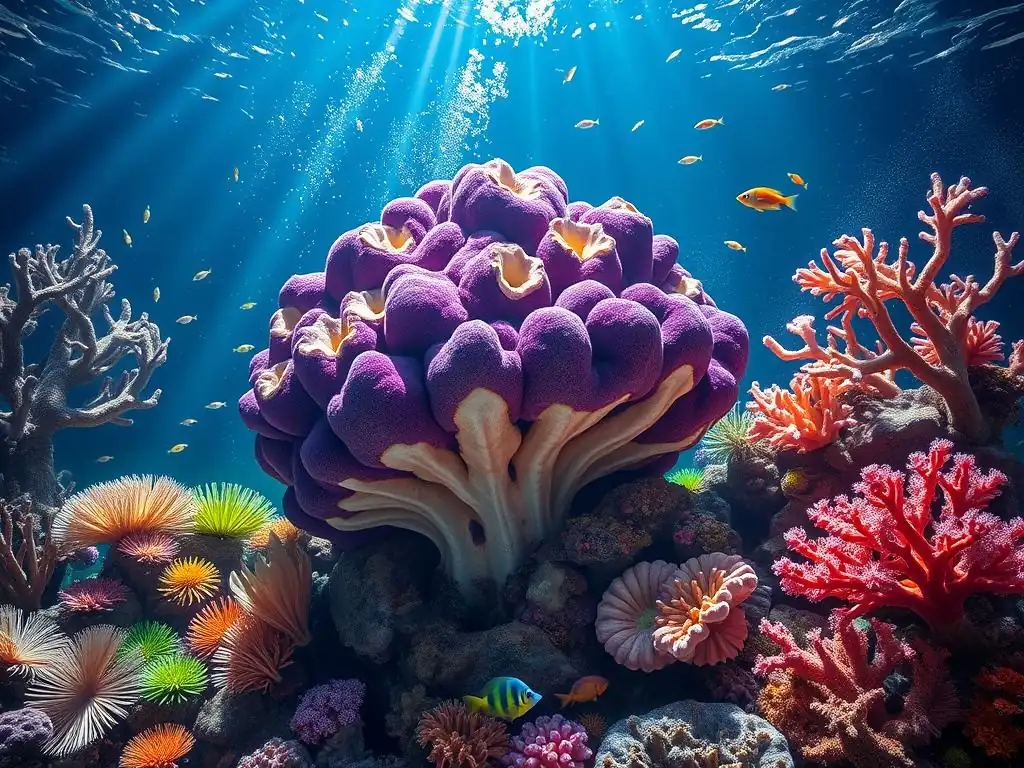
Welcome to Aquarium Mastery!
Ever felt the frustration of watching your magnificent leather coral shrink and lose its vibrant color? You're not alone! This article dives deep into the reasons behind leather coral shrinking and discoloration, offering practical solutions to restore your coral to its former glory. Let's unravel the mysteries and get your leather coral thriving again. Keep reading to learn more!
- Understanding Leather Coral Health Issues in Reef Aquariums
- Leather Coral Shrinking: Causes and Solutions
- Leather Coral Discoloration: Identifying the Root Cause
- Other Common Leather Coral Problems and Their Resolutions
- Maintaining a Healthy Environment for Leather Corals: Prevention is Key
- Advanced Leather Coral Care: Further Tips and Techniques
-
Frequently Asked Questions
- What are the most common reasons for leather coral shrinking and discoloration?
- How important is water quality for the health of leather corals?
- What kind of lighting do leather corals need to thrive?
- What are some signs that my leather coral is stressed?
- How can I prevent leather coral shrinking and discoloration in my aquarium?
- Final Reflection: The Resilience of Reefs and Our Responsibility
- Ignite Your Reef: Rescue & Revive Your Leather Coral!
Understanding Leather Coral Health Issues in Reef Aquariums
Recognizing Signs of Unhealthy Leather Corals
Recognizing the early signs of unhealthy leather corals, such as leather coral shrinking or unusual discoloration, is crucial for timely intervention. A healthy leather coral typically exhibits full polyp extension, a vibrant and consistent color across its tissue, and a firm, turgid appearance. When a leather coral begins to experience stress or illness, its initial reactions often include reduced polyp extension, a deflated or "shrunken" appearance, and a loss of its characteristic vibrant hue, sometimes turning pale or brownish.
Beyond the obvious leather coral shrinking and discoloration, other subtle indicators can include excessive mucus production, which may appear as a cloudy film on the coral's surface, or localized tissue necrosis, visible as dark, decaying patches. Persistent retraction of polyps even during optimal lighting and feeding times, or a failure to fully expand over several days, are strong signals that the coral is under duress and requires immediate investigation into its environmental conditions.
Common Leather Coral Species and Their Specific Vulnerabilities
While all leather corals, including popular species like Sarcophyton (Toadstool Leather), Lobophytum (Devil's Hand), and Sinularia (Finger Leather), are generally considered hardy, each can exhibit specific vulnerabilities. For instance, Sarcophyton corals, known for their resilience, can be particularly sensitive to prolonged periods of low water flow, which can lead to detritus accumulation on their large cap, potentially causing irritation and localized leather coral shrinking. They also prefer moderate lighting, with PAR levels typically ranging from 75 to 150.
Sinularia species, while also robust, can be more susceptible to bacterial infections if water quality is not meticulously maintained, often manifesting as a slimy coating or localized tissue recession, which can precede widespread leather coral shrinking. Lobophytum corals, on the other hand, are highly dependent on stable lighting and nutrient levels; fluctuations in these parameters can quickly lead to discoloration, often presenting as a faded appearance, indicating stress to their symbiotic zooxanthellae. Understanding these species-specific tendencies aids aquarists in proactive care and identifying the root cause of leather coral shrinking discoloration.
Leather Coral Shrinking: Causes and Solutions
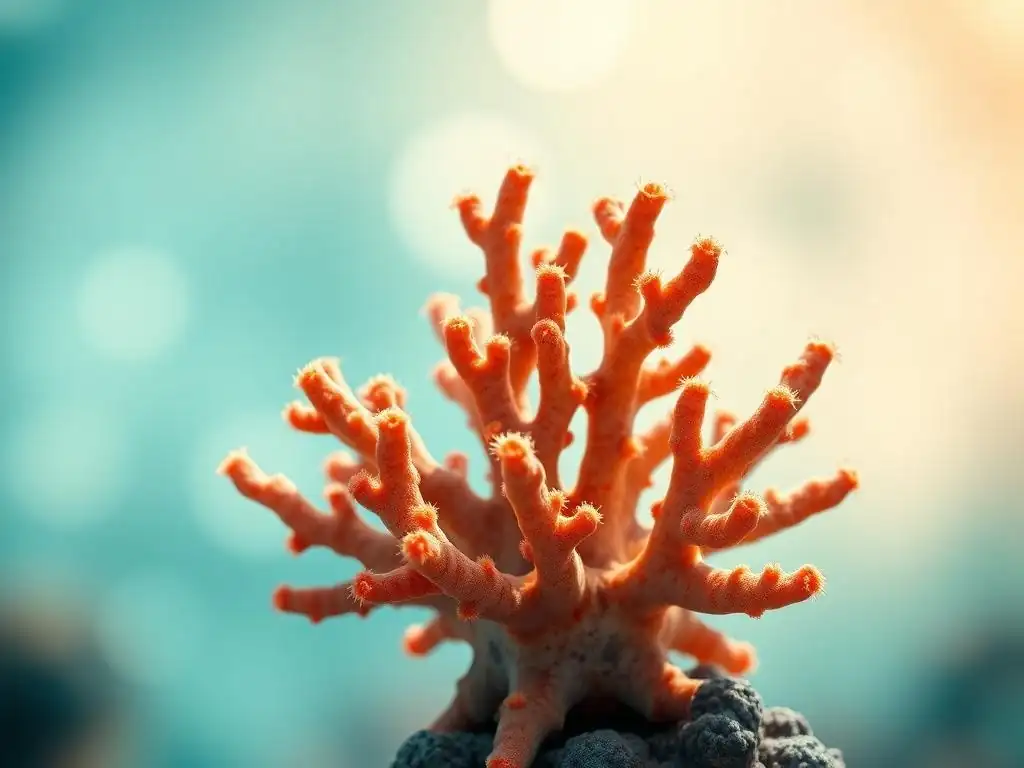
Identifying the Reasons Behind Leather Coral Shrinkage
Inadequate Water Parameters and Their Impact on Leather Corals
One of the most common reasons for leather coral shrinking is inadequate water parameters. Leather corals thrive within specific ranges: salinity between 1.025 and 1.026 specific gravity, alkalinity between 8 and 12 dKH, calcium between 400 and 450 ppm, and magnesium between 1250 and 1350 ppm. Deviations from these ranges, particularly rapid swings, can induce significant stress. For example, an alkalinity drop from 10 dKH to 7 dKH within a 24-hour period can cause a noticeable retraction and shrinking of the coral's tissue as its metabolic processes are disrupted.
Furthermore, elevated levels of nitrates and phosphates are detrimental to leather coral health, often leading to leather coral shrinking and overall decline. Nitrates consistently above 10-20 ppm and phosphates exceeding 0.03 ppm can inhibit polyp extension and cause a general "deflated" appearance. These elevated nutrients encourage nuisance algae growth, which can further smother the coral and contribute to its shrinking by blocking light and airflow to the tissue. Consistent weekly testing of these parameters is vital for preventing such issues.
Addressing Poor Water Flow and Circulation
Poor water flow and circulation are significant contributors to leather coral shrinking. Leather corals require moderate, turbulent, and indirect flow to facilitate nutrient delivery, remove waste products, and prevent detritus from settling on their large, often textured surfaces. Insufficient flow can lead to stagnant areas where waste accumulates, irritating the coral tissue and causing it to retract and appear shrunken. This is particularly evident in large Sarcophyton species, where the cap can become deflated if not adequately agitated.
Conversely, excessively strong, direct, or laminar flow can also cause stress, forcing the coral to remain retracted as a defense mechanism, which can also manifest as leather coral shrinking. The ideal flow should gently sway the coral's polyps without causing them to flatten against the body. Aim for a turnover rate of 10-20 times the tank volume, distributed by multiple powerheads to create chaotic, multidirectional flow. Observing how detritus settles on the coral and the degree of polyp extension can provide clues regarding flow adequacy.
The Role of Lighting in Leather Coral Health and Shrinkage
Incorrect lighting, whether too dim or too intense, is a frequent cause of leather coral shrinking and discoloration. Leather corals are photosynthetic, relying on symbiotic zooxanthellae for a significant portion of their energy. If PAR (Photosynthetically Active Radiation) levels are too low (e.g., below 50-75 PAR), the coral may starve, leading to slow shrinking and a faded appearance as its zooxanthellae diminish. This is often seen in corals placed too deep in the tank or under insufficient light fixtures.
Conversely, too much light can also be detrimental, causing photoinhibition or bleaching. Sudden exposure to high PAR levels (e.g., above 200 PAR without proper acclimation) can shock the coral, leading to the expulsion of zooxanthellae, resulting in discoloration (bleaching) and severe leather coral shrinking. When introducing a new coral or upgrading lighting, it's crucial to acclimate it gradually, perhaps by placing it lower in the tank initially and slowly moving it higher over a period of 2-4 weeks, or by starting new lights at a reduced intensity.
Effective Strategies to Reverse Leather Coral Shrinking
Adjusting Water Chemistry for Optimal Leather Coral Growth
To reverse leather coral shrinking caused by parameter imbalances, the immediate focus should be on stabilizing and optimizing water chemistry. Begin by performing thorough tests for salinity, alkalinity, calcium, magnesium, nitrates, and phosphates. If nitrates are elevated (e.g., above 20 ppm), implement small, frequent water changes (e.g., 10% daily for several days) rather than a single large one, which could cause further shock. For alkalinity or calcium deficiencies, use high-quality dosing solutions, increasing levels slowly by no more than 0.5 dKH and 20 ppm respectively per day to avoid rapid swings.
The key to recovery is consistency. Once optimal ranges are achieved, maintain them rigorously through regular weekly water changes (10-20% of tank volume), and if necessary, consistent dosing. For example, maintaining alkalinity at a steady 9 dKH, even if it's slightly lower than the maximum recommended, is far more beneficial than erratic fluctuations between 8 dKH and 12 dKH. Consider using an auto-doser for stability if parameters are frequently out of range due to consumption.
Implementing Proper Water Flow Techniques
Proper water flow is instrumental in mitigating leather coral shrinking and promoting overall health. If insufficient flow is identified as the cause, reposition existing powerheads or add new ones to create a more dynamic, turbulent flow pattern. Aim for indirect flow that gently sways the coral's polyps without blasting them directly. For a 75-gallon tank, two powerheads each rated at 1000 GPH, positioned on opposite sides and pointed towards the surface or each other, can create effective random flow.
Regularly clean powerheads to ensure they are operating at full capacity, as detritus and algae buildup can significantly reduce their output, leading to localized stagnant zones. Observe the coral's reaction over several days; if it begins to inflate and extend its polyps more fully, the flow adjustments are likely successful. Conversely, if it remains retracted or shows signs of irritation, further fine-tuning of flow direction or intensity may be required.
Optimizing Lighting for Leather Coral Recovery
Optimizing lighting is a key strategy for reversing leather coral shrinking and restoring vibrant color. If the coral appears pale or deflated due to insufficient light, gradually increase the light intensity or move the coral to a brighter location in the tank. For example, if using an LED system, increase the intensity by 5-10% weekly until the coral shows signs of recovery, such as improved polyp extension and color. Aim for a PAR range of 75-150 for most leather corals.
If leather coral shrinking is suspected due to excessive lighting, immediately reduce intensity or move the coral to a shaded area. A common approach for recovering bleached or stressed corals is to place them on the sandbed or under an overhang where PAR levels are significantly lower (e.g., 50-70 PAR). Once the coral begins to regain its color and turgor, slowly move it back to its desired position, gradually increasing its light exposure over several weeks. A consistent photoperiod of 10-12 hours is generally ideal.
Leather Coral Discoloration: Identifying the Root Cause
Diagnosing Different Types of Leather Coral Discoloration
Brown Jelly Disease and Its Effects
A severe form of leather coral discoloration is Brown Jelly Disease, a rapidly progressing tissue necrosis caused by protozoans, primarily Vibrio bacteria in conjunction with Philaster protozoa. It typically appears as a thick, slimy, brown, gelatinous mass that rapidly consumes coral tissue, often starting from a damaged area or the base of the coral. This disease is highly aggressive and can completely destroy a leather coral within 24-48 hours if left untreated, making immediate identification crucial.
The affected area will exhibit a distinct brown, gooey appearance, and the coral will often retract its polyps in that region. Brown Jelly is also highly contagious and can spread quickly to other corals in the same tank, posing a significant threat to the entire reef system. Any sign of this discoloration requires immediate isolation of the affected coral to prevent widespread contamination, followed by aggressive treatment protocols.
Algae Growth on Leather Coral Tissue
Another common cause of leather coral discoloration is the proliferation of various types of algae on their tissue. Filamentous algae, diatoms, or cyanobacteria can overgrow the coral's surface, particularly if nutrient levels (nitrates above 10 ppm, phosphates above 0.05 ppm) are elevated and water flow is insufficient. These algae appear as green, brown, or red fuzzy patches or slimy mats directly on the coral's skin.
This algal overgrowth not only detracts from the coral's appearance but also smothers the tissue, blocking light from reaching the symbiotic zooxanthellae. This deprivation of light significantly impacts the coral's ability to photosynthesize, leading to a loss of vibrancy, further discoloration, and eventually leather coral shrinking due to starvation and irritation. Regular manual removal of algae from the coral, coupled with addressing the underlying nutrient issues, is essential for recovery.
Bleaching Due to Stress or Environmental Changes
Severe leather coral discoloration can manifest as bleaching, often a result of significant stress or rapid environmental shifts. Bleaching occurs when the coral expels its symbiotic zooxanthellae, leading to a loss of its natural color, making it appear pale, white, or translucent. While leather corals are generally more resilient to bleaching than stony corals, prolonged or acute stressors can still trigger this response. Common triggers include sudden temperature fluctuations (e.g., a rapid 5°F change), excessively intense lighting (PAR levels exceeding 250 without proper acclimation), or prolonged exposure to low salinity.
Although leather corals are capable of recovering from mild bleaching events, severe or prolonged bleaching can lead to irreversible tissue damage, subsequent leather coral shrinking, and eventual death. For instance, sustained water temperatures above 82°F for several days can initiate bleaching in even hardy leather corals. Prevention hinges on maintaining stable and consistent tank parameters, avoiding rapid changes, and ensuring proper acclimation for new corals or equipment.
Treating and Preventing Leather Coral Discoloration
Implementing Quarantine Protocols for Diseased Corals
For severe leather coral discoloration like Brown Jelly Disease, immediate quarantine is essential to prevent spread and initiate treatment. As soon as Brown Jelly is suspected, carefully remove the affected coral from the main display tank and place it in a separate quarantine system with stable parameters. A freshwater dip, pH and temperature matched to the coral's environment, for 5-10 minutes can sometimes help dislodge the protozoa from the coral's surface.
Following the dip, a medicated bath using a broad-spectrum antibacterial agent like Furan-2 or an iodine-based dip (e.g., Lugol's solution, 10 drops per gallon for 10-15 minutes) can be administered in a separate container. If only a small portion of the coral is affected, carefully siphoning off the brown jelly or gently excising the necrotic tissue with a sterile blade can sometimes save the coral. Continuous monitoring in quarantine is crucial to ensure the infection does not return or spread.
Controlling Algae Growth in the Reef Tank
Controlling algae growth is paramount in preventing and treating leather coral discoloration caused by overgrowth. The primary strategy involves addressing the root causes of nutrient accumulation: high nitrates and phosphates. Implement a consistent regimen of weekly 10-20% water changes using high-quality RO/DI water and a reputable salt mix. Utilize phosphate-removing media like Granular Ferric Oxide (GFO) in a reactor, changing it every 2-4 weeks as directed by the manufacturer.
Enhance biological filtration with a robust refugium containing macroalgae like Chaetomorpha, or by employing biopellets to export excess nutrients. Manually remove any algae growing directly on the leather coral using a soft brush or by gently siphoning it off. Ensuring adequate water flow around the coral also helps prevent detritus from settling and providing a substrate for algae to establish, thereby reducing the risk of discoloration and leather coral shrinking.
Stabilizing Tank Parameters to Prevent Bleaching
Preventing leather coral discoloration from bleaching relies heavily on maintaining stable and consistent tank parameters. Use reliable heaters in conjunction with a temperature controller to keep water temperature within the optimal range of 76-78°F, avoiding fluctuations greater than 1-2°F over 24 hours. Ensure salinity remains constant at 1.025-1.026 specific gravity through precise top-off systems and accurate refractometer calibration.
When introducing new lighting, acclimate corals slowly by starting with lower intensity (e.g., 50% of target PAR) and gradually increasing it by 10-15% each week over a month. Similarly, when introducing new corals, place them in a lower light area initially and slowly move them to their final destination over several days or weeks. Avoid using harsh chemicals or medications directly in the display tank without thorough research, as many can cause severe stress and lead to leather coral shrinking and bleaching.
Other Common Leather Coral Problems and Their Resolutions
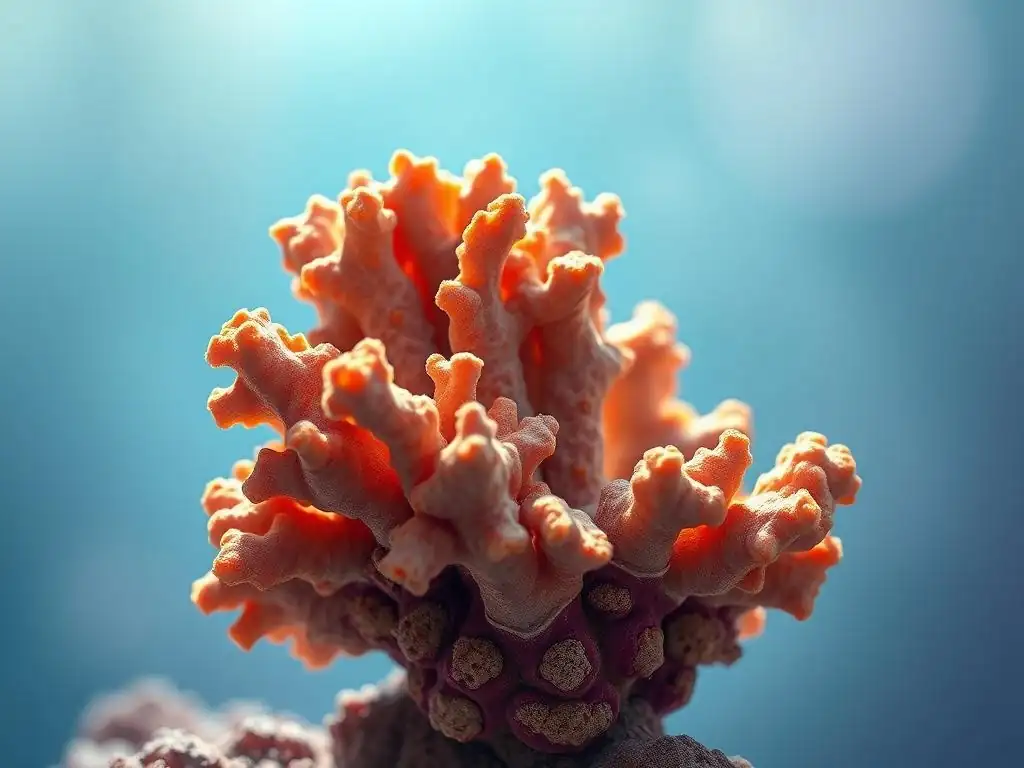
Leather Coral Not Opening: Potential Causes and Treatments
Addressing Aggression from Other Tank Inhabitants
If your leather coral is not opening, aggression from other tank inhabitants could be a contributing factor, sometimes leading to leather coral shrinking. Certain fish species, such as some angelfish, butterflyfish, or even blennies, may occasionally nip at the soft tissue of leather corals, causing them to retract their polyps and remain closed as a defensive mechanism. Similarly, aggressive stony corals (LPS or SPS) placed too close can extend sweeping tentacles at night, stinging the leather coral and preventing it from opening.
To address this, carefully observe your tank inhabitants, especially at night or during feeding times, to identify any aggressors. If a fish is confirmed to be a nipper, it may need to be relocated to a different tank. For inter-coral aggression, ensure sufficient spacing between corals; a minimum of 6-12 inches of clearance is often recommended for LPS corals adjacent to soft corals. Relocating the leather coral to a more peaceful area of the tank may also help it to fully extend and recover from leather coral shrinking induced by stress.
Dealing with Parasites Affecting Leather Corals
Parasites, though less frequent than for stony corals, can cause a leather coral to not open, impacting its overall health and potentially leading to shrinking. Flatworms, particularly certain species that target soft corals, can irritate the coral's tissue, causing it to remain closed. Predatory snails, such as Sundial snails ( Heliacus areola), are also known to feed on zoanthids and sometimes leather corals, leading to localized tissue damage and retraction.
Inspect the coral closely, especially at night with a flashlight, for any visible pests. If flatworms are present, a freshwater dip (pH and temperature matched, 5-10 minutes) can often dislodge them. For predatory snails, manual removal is the most effective method. For persistent or widespread parasitic issues, a coral dip product (e.g., Revive, Coral Rx) can be used in a separate container following the manufacturer's instructions. This can help cleanse the coral and encourage it to open fully.
Leather Coral Sloughing: Understanding the Process and Taking Action
Identifying the Difference Between Normal Shedding and Sloughing
Distinguishing between normal shedding and problematic sloughing is important when observing leather coral shrinking or signs of distress. Normal shedding is a natural process where leather corals periodically shed a waxy, slimy outer layer, typically every 2-4 weeks. This helps them remove accumulated detritus, algae, and metabolic waste. During this process, the coral will retract its polyps and appear somewhat deflated for a few days, but it will quickly re-open and look healthier once the shedding is complete. This is usually not accompanied by significant leather coral shrinking.
Problematic sloughing, however, indicates a deeper issue. If the coral remains closed for an extended period (over a week), shows signs of tissue necrosis (dark, decaying patches), or struggles to completely shed its layer, it suggests severe stress, poor water quality, or disease. This type of sloughing is often a precursor to significant leather coral shrinking or discoloration and requires immediate investigation into tank parameters, flow, and lighting. The shed layer may also appear unusually thick or discolored itself.
Implementing Preventative Measures for Sloughing
Preventative measures for sloughing align with general good care, helping to avoid leather coral shrinking and discoloration. Maintaining pristine water quality is paramount; consistently keep nitrates below 10 ppm and phosphates below 0.03 ppm through regular water changes and effective nutrient export methods. Ensure adequate, turbulent water flow around the leather coral, as this helps facilitate the natural shedding process by gently agitating the waxy layer until it detaches.
Providing stable lighting and temperature also minimizes stress that can lead to abnormal sloughing. Avoid sudden changes in these parameters. If a coral is struggling to shed its layer, a temporary increase in localized flow around it for a short period might assist the process. However, if problematic sloughing persists, it's crucial to re-evaluate all environmental factors, as it's a strong indicator of chronic stress that could lead to irreversible leather coral shrinking or decline.
Maintaining a Healthy Environment for Leather Corals: Prevention is Key
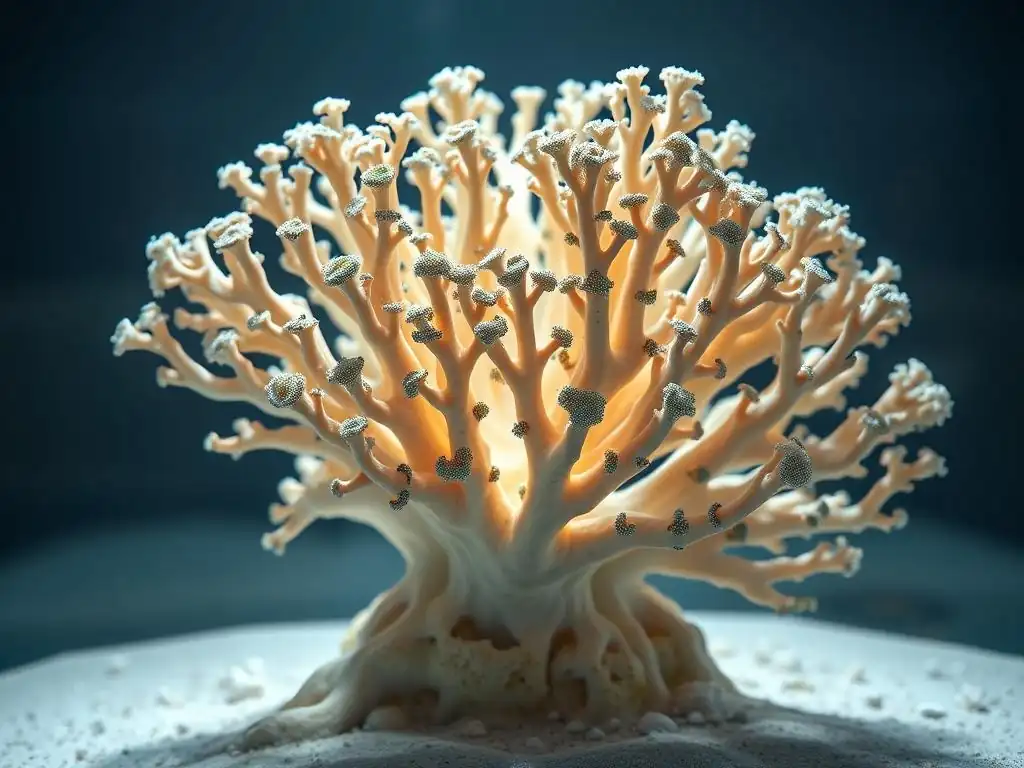
Regular Water Testing and Maintenance for Optimal Leather Coral Health
Regular water testing and maintenance are the cornerstone of preventing issues like leather coral shrinking and discoloration. Daily visual checks of your corals can catch subtle changes early. Weekly, test for core parameters such as salinity (1.025-1.026 SG), alkalinity (8-12 dKH), calcium (400-450 ppm), magnesium (1250-1350 ppm), nitrates (<10 ppm), and phosphates (<0.03 ppm) using reliable test kits. Consider comprehensive ICP-OES tests every 3-6 months to monitor trace elements and detect potential imbalances.
A consistent maintenance schedule is equally vital. Perform weekly 10-20% water changes to replenish essential elements and dilute pollutants. Clean filter socks or replace chemical media (like carbon or GFO) regularly. Inspect and clean powerheads, heaters, and other equipment to ensure optimal performance. This proactive routine prevents parameter drift and the accumulation of toxins, significantly reducing the likelihood of leather coral shrinking discoloration and other health problems.
Selecting Compatible Tank Mates for Leather Corals
Careful selection of compatible tank mates helps prevent stress that can lead to leather coral shrinking or discoloration. Avoid introducing fish species known to nip at corals, such as certain angelfish, butterflyfish, or triggerfish, as their constant harassment can cause chronic retraction and physical damage. Even seemingly peaceful fish can sometimes develop a taste for coral polyps if not adequately fed or if their natural diet isn't met.
When introducing other corals, particularly aggressive LPS (Large Polyp Stony) corals like Euphyllia (Hammer, Frogspawn) or Fungia, ensure ample space is provided. These corals possess powerful sweeping tentacles that can sting and severely damage soft corals if they come into contact, leading to localized leather coral shrinking and tissue recession. A minimum of 6-12 inches of separation is often recommended for aggressive species to prevent chemical warfare or physical aggression. Always research the compatibility of any new addition before introducing it to your reef tank.
Providing Proper Nutrition and Supplementation for Leather Corals
While primarily photosynthetic, leather corals can benefit significantly from proper nutrition and supplementation, contributing to robust health and warding off leather coral shrinking discoloration. Their symbiotic zooxanthellae provide most of their energy, but supplemental feeding with phytoplankton or fine zooplankton (e.g., 1-2 times per week) can enhance growth rates and overall vibrancy. Target feeding, where a small amount of food is gently directed towards the coral, can be particularly effective.
Maintaining essential trace elements is also crucial. High-quality salt mixes and regular water changes typically replenish most necessary trace elements. However, some aquarists may choose to dose specific elements like iodine or strontium, which are believed to aid in shedding or overall coral health. If considering supplementation, it's vital to test for these elements and dose cautiously, as overdosing can be more detrimental than deficiency and can even contribute to leather coral shrinking or other adverse reactions.
Advanced Leather Coral Care: Further Tips and Techniques
Fragging Leather Corals for Propagation
Fragging is an advanced technique not only for propagation but also for rejuvenating a large, potentially shrinking leather coral that may be outgrowing its space or exhibiting signs of stress due to overcrowding. Most leather corals, like Sarcophyton or Sinularia, can be propagated by simply cutting a small section from the cap or a branch using a clean, sharp razor blade or surgical scalpel. Ensure the cutting tools are sterilized to prevent infection.
Once cut, the frag can be attached to a frag plug or a piece of live rock rubble. Common methods include using a rubber band to secure the frag until it attaches, or in the case of Sarcophyton, inserting a toothpick through the frag and into a hole in the plug. Place the newly fragged coral in a moderate flow area with stable parameters to allow it to heal and attach, which typically takes 1-2 weeks. This process can stimulate new growth in the mother colony and provide new corals for your tank or for trade.
Acclimating New Leather Corals to Your Reef Tank
Proper acclimation of new specimens is paramount to prevent initial leather coral shrinking or discoloration from environmental shock. When bringing a new leather coral home, begin with temperature acclimation by floating the sealed bag in your sump or display tank for 15-20 minutes. Following this, perform drip acclimation for salinity and pH, slowly adding tank water to the coral's bag over 30-60 minutes until the water volume has quadrupled, ensuring a gradual transition.
After drip acclimation, gently transfer the coral to your tank, avoiding exposing it to air if possible. Initially, place the new leather coral in a lower-light, moderate-flow area of your tank for a week or two. This allows it to recover from shipping stress and adapt to your tank's specific parameters without being overwhelmed. Gradually move the coral to its desired, brighter location over several days or weeks, observing its response to prevent any signs of leather coral shrinking or discoloration due to sudden changes.
Monitoring Leather Coral Behavior for Early Problem Detection
Consistent monitoring of your leather coral's behavior is the best defense against leather coral shrinking discoloration and other health issues. Dedicate at least 5-10 minutes each day to visually inspect your corals. Look for full polyp extension, vibrant and consistent coloration, and a firm, turgid appearance. Note any deviations from its normal state, such as persistent retraction, unusual sliminess, patches of discoloration, or a deflated, shrunken look.
Any change in behavior, even subtle ones, should trigger a closer investigation. Perform immediate water tests for key parameters like alkalinity, nitrates, and phosphates. Observe water flow patterns around the coral and check your lighting schedule and intensity. Early detection of issues like leather coral shrinking or discoloration allows for rapid intervention, often preventing minor stressors from escalating into critical problems and significantly increasing the chances of full recovery.
Frequently Asked Questions
What are the most common reasons for leather coral shrinking and discoloration?
Several factors can contribute, including poor water quality, inadequate lighting, and stress from changes in the aquarium environment. These issues often lead to the coral retracting and losing its vibrant color.
How important is water quality for the health of leather corals?
Water quality is crucial. Leather corals are sensitive to changes in parameters like salinity, pH, and nitrate levels. Maintaining stable and optimal conditions is essential for their health and growth.
What kind of lighting do leather corals need to thrive?
Leather corals typically require moderate lighting. Too little light can lead to discoloration and shrinking, while too much can cause bleaching. Finding the right balance is important.
What are some signs that my leather coral is stressed?
Common signs of stress include excessive mucus production, failure to open fully, and significant changes in color. Observing these indicators early allows for prompt intervention.
How can I prevent leather coral shrinking and discoloration in my aquarium?
Regular water changes, consistent monitoring of water parameters, and providing appropriate lighting and flow are key preventative measures. Also, ensure proper acclimation when introducing new corals.
Final Reflection: The Resilience of Reefs and Our Responsibility
The challenges of maintaining a thriving reef aquarium, particularly when faced with issues like leather coral shrinking and discoloration, serve as a microcosm of the larger environmental battles we face today. The delicate balance required to nurture these organisms mirrors the fragility of our planet's ecosystems, demanding careful observation, proactive intervention, and a deep understanding of interconnectedness. The health of our aquariums, and indeed our oceans, hinges on our willingness to learn and adapt.
The journey of troubleshooting leather coral problems extends beyond the confines of a glass tank; it fosters a deeper appreciation for the intricate web of life that sustains us all. This experience has underscored the importance of responsible stewardship and the profound impact even small actions can have on the health of our aquatic ecosystems. We are tied to the ocean. And when we go back to the sea, whether it is to sail or to watch it, we are going back from whence we came.
- John F. Kennedy
As we conclude this exploration of leather coral health, I invite you to consider the lessons learned. Let the challenges of maintaining these beautiful creatures inspire you to become a more conscious and responsible steward of our planet. Observe, learn, and act, for the health of our reefs, and indeed our world, depends on our collective commitment to understanding and protecting the delicate balance of life.
Ignite Your Reef: Rescue & Revive Your Leather Coral!
Thank you for diving into the world of leather coral care! We hope this guide has equipped you with the knowledge to tackle common issues and maintain a thriving reef. Now, let’s put that knowledge into action!
Here are a few things you can do right now:
- Immediately test your water parameters! This is the MOST important first step in diagnosing any coral issue.
- Join the Aquarium Mastery community forum and share a picture of your coral to get personalized advice from experienced reef keepers.
- Consider setting up a quarantine tank to isolate affected corals and prevent potential issues from spreading in your main display tank.
What specific water parameter are you going to test first to ensure your leather coral is thriving?